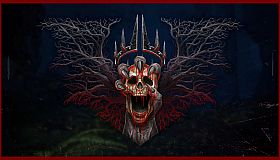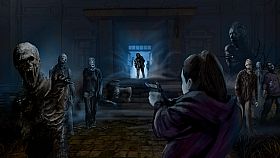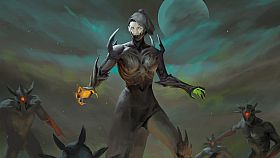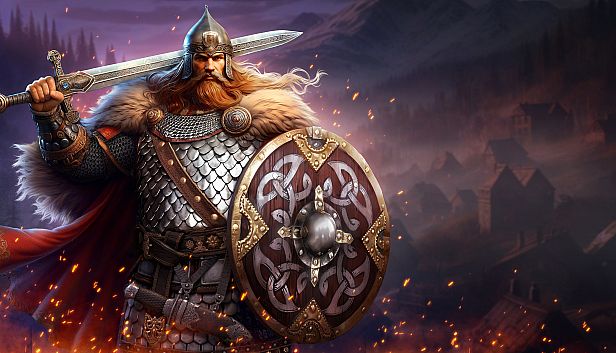


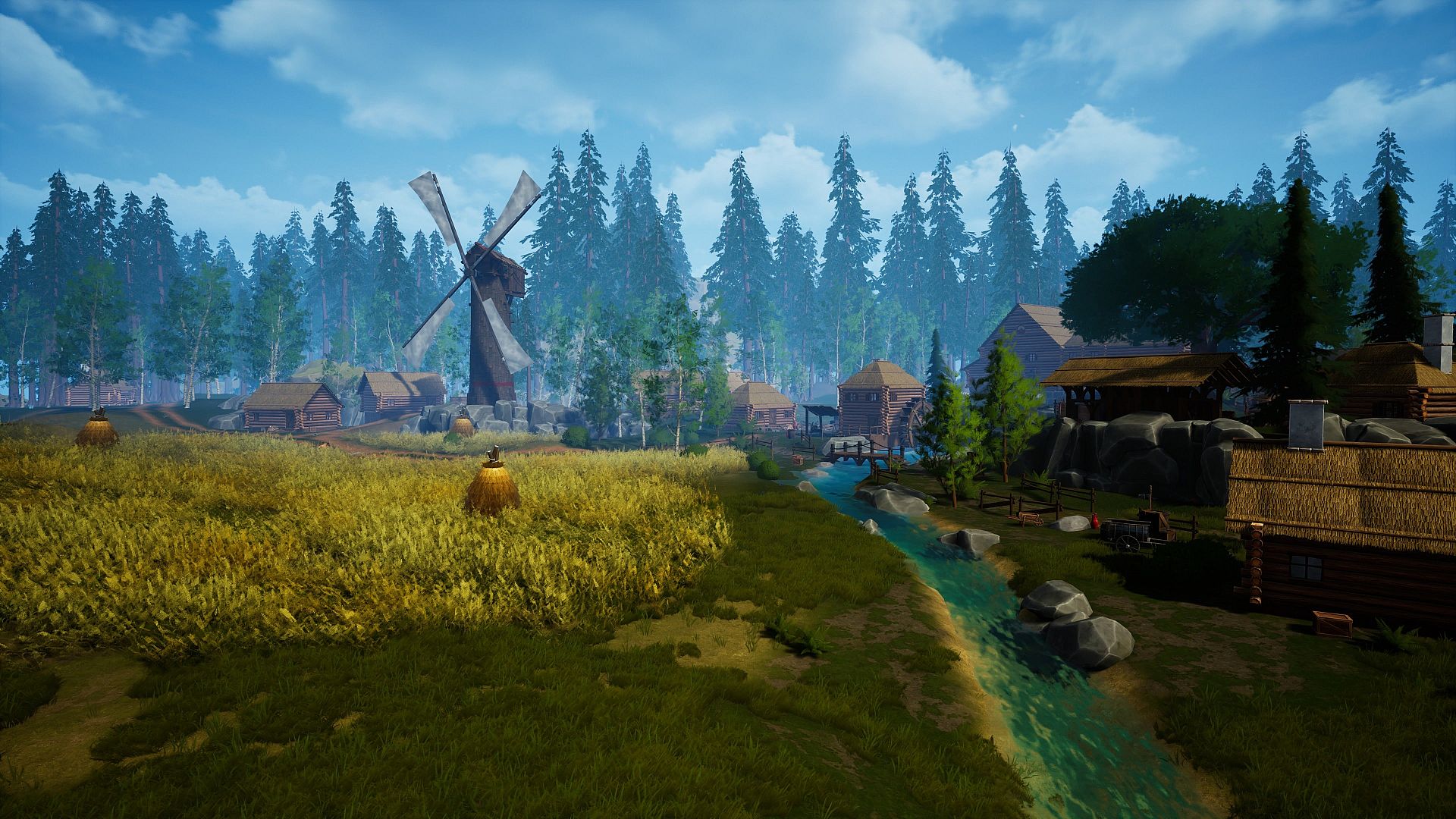
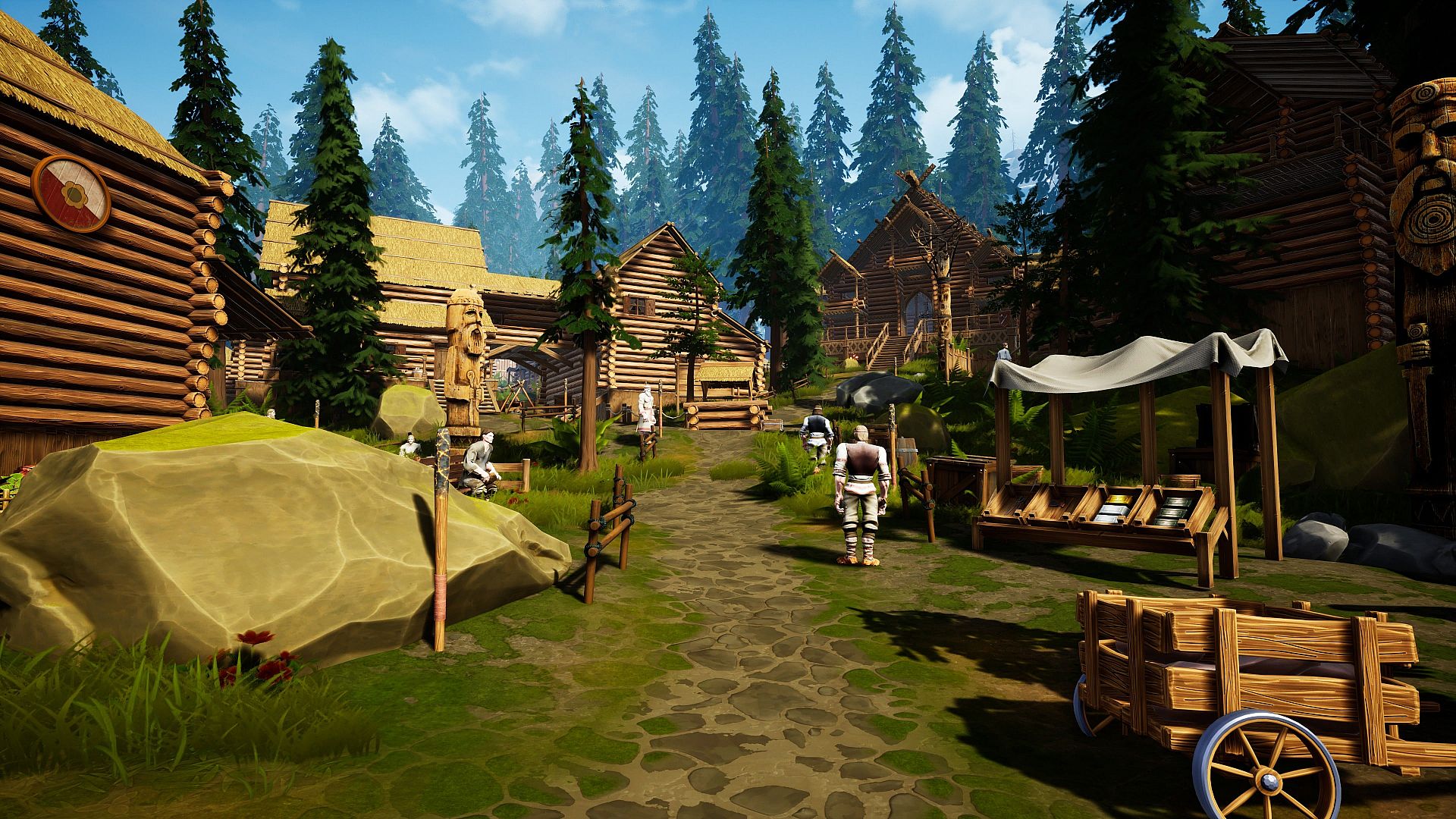
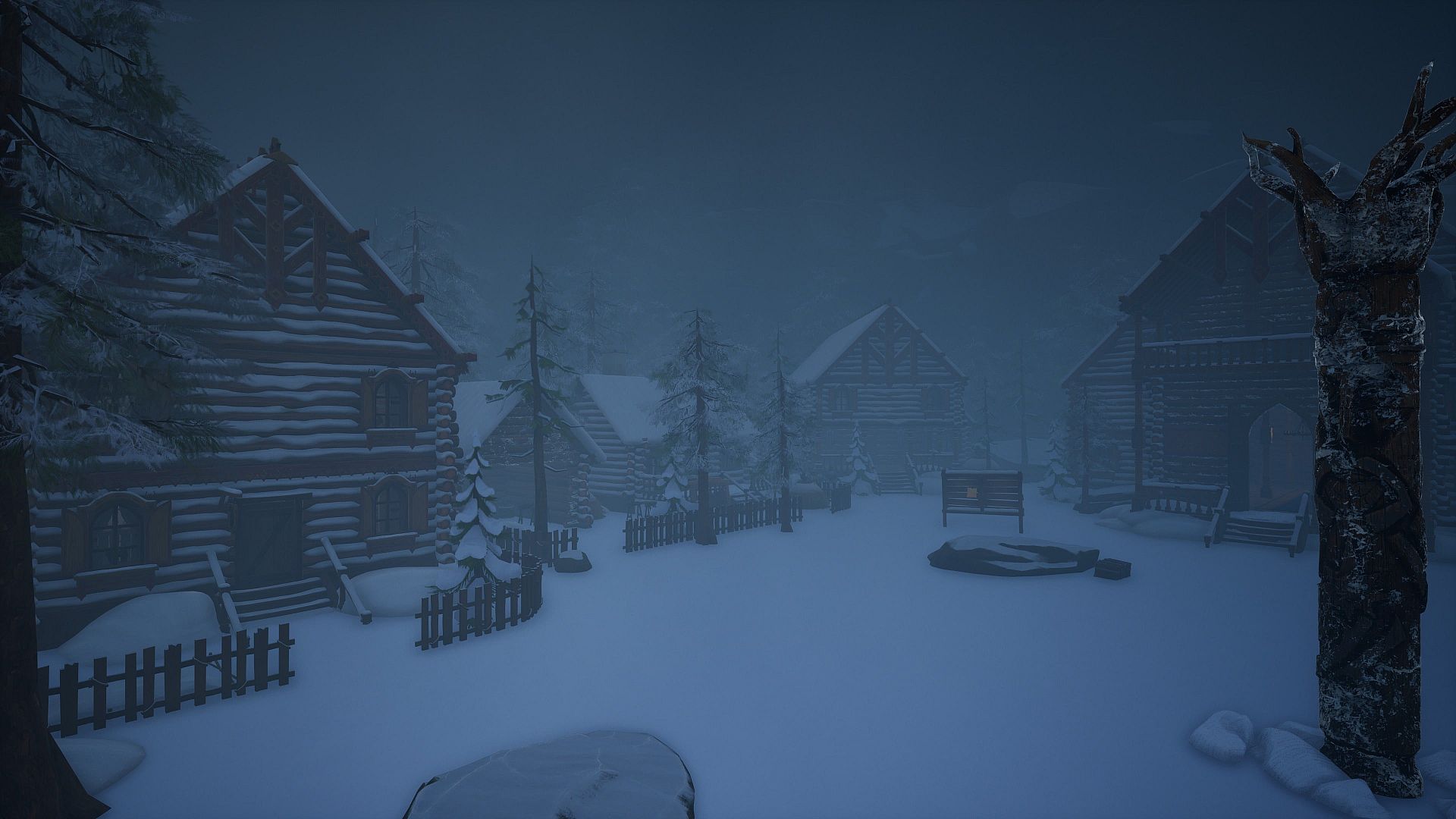
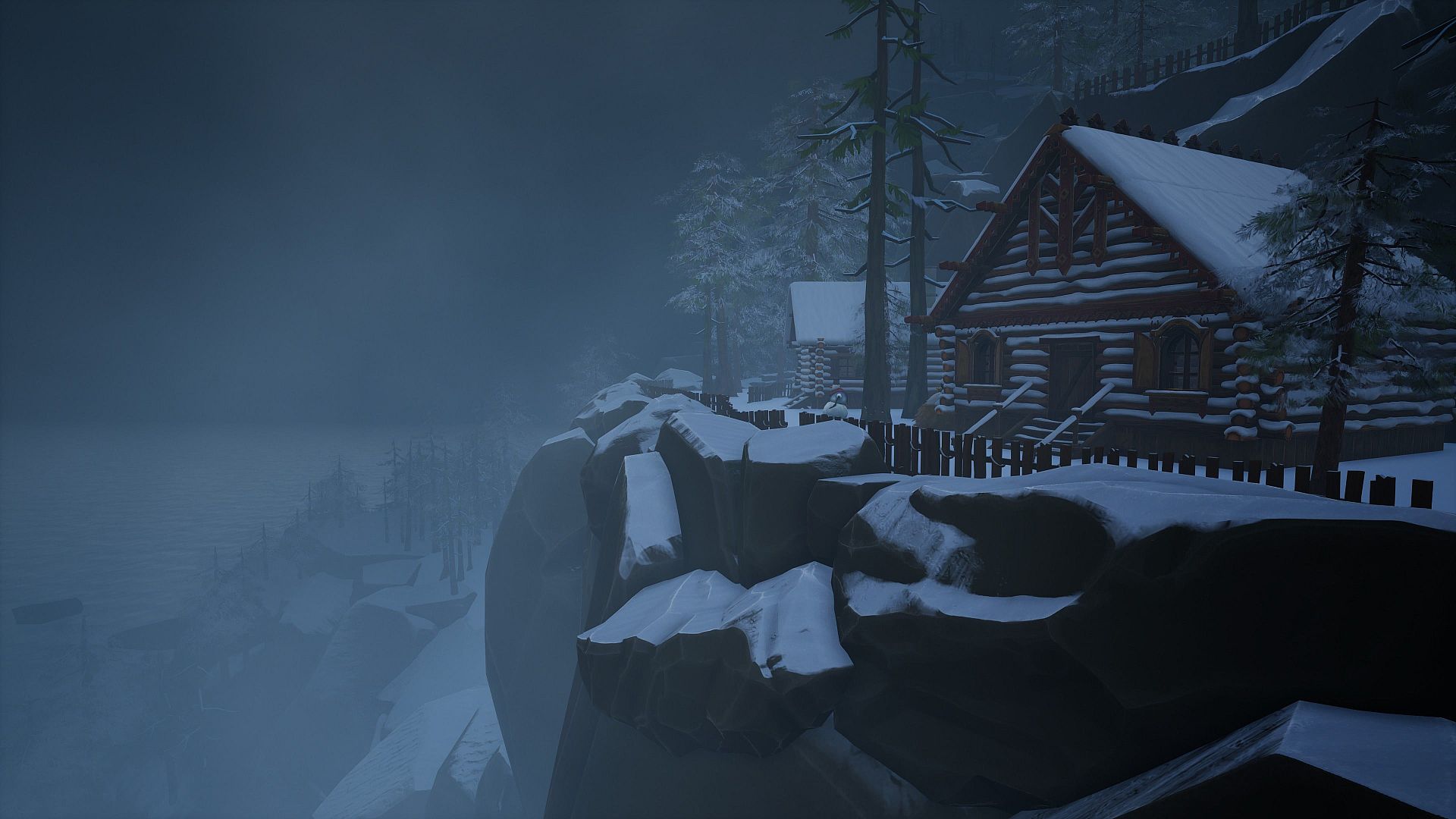
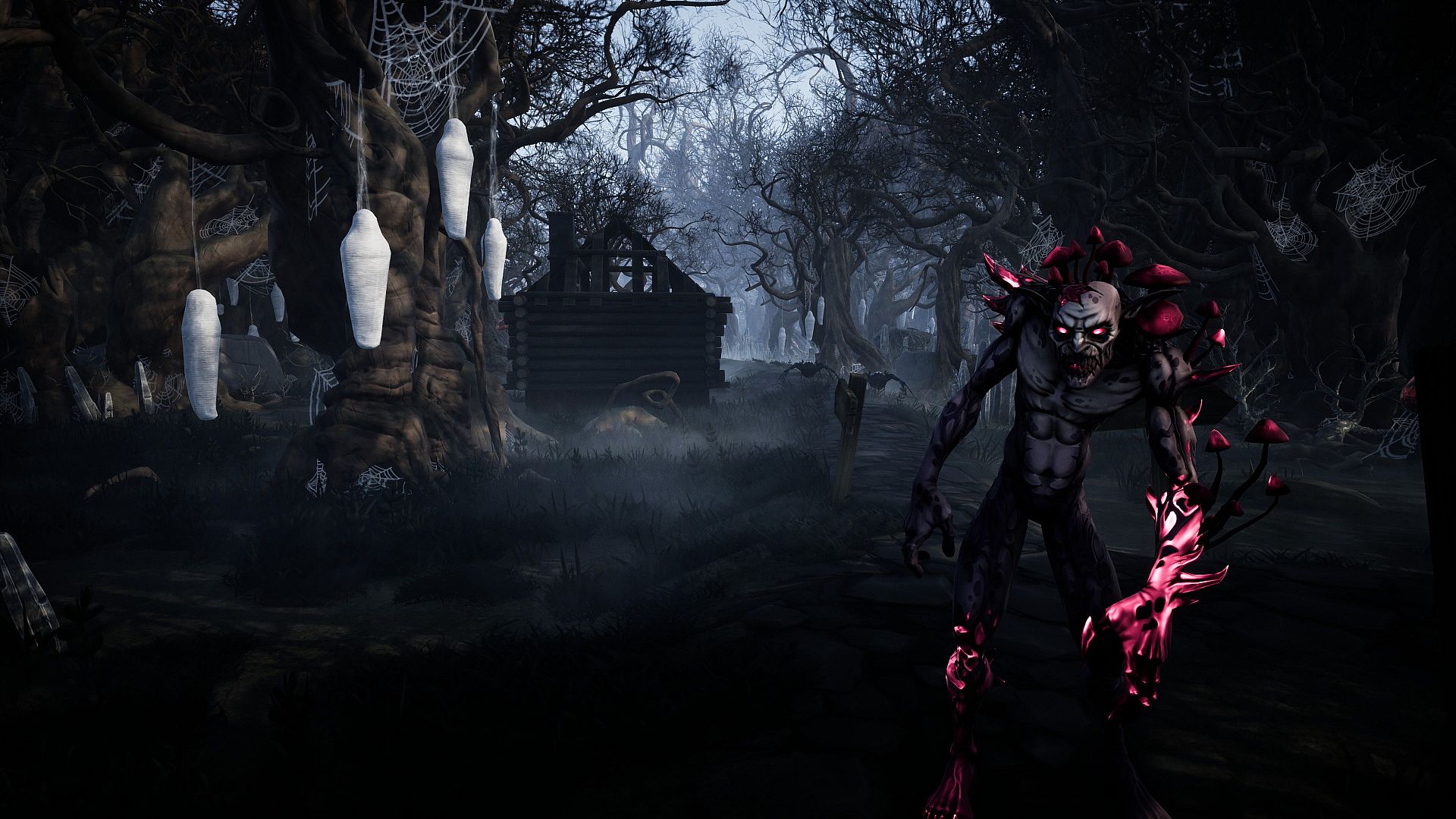
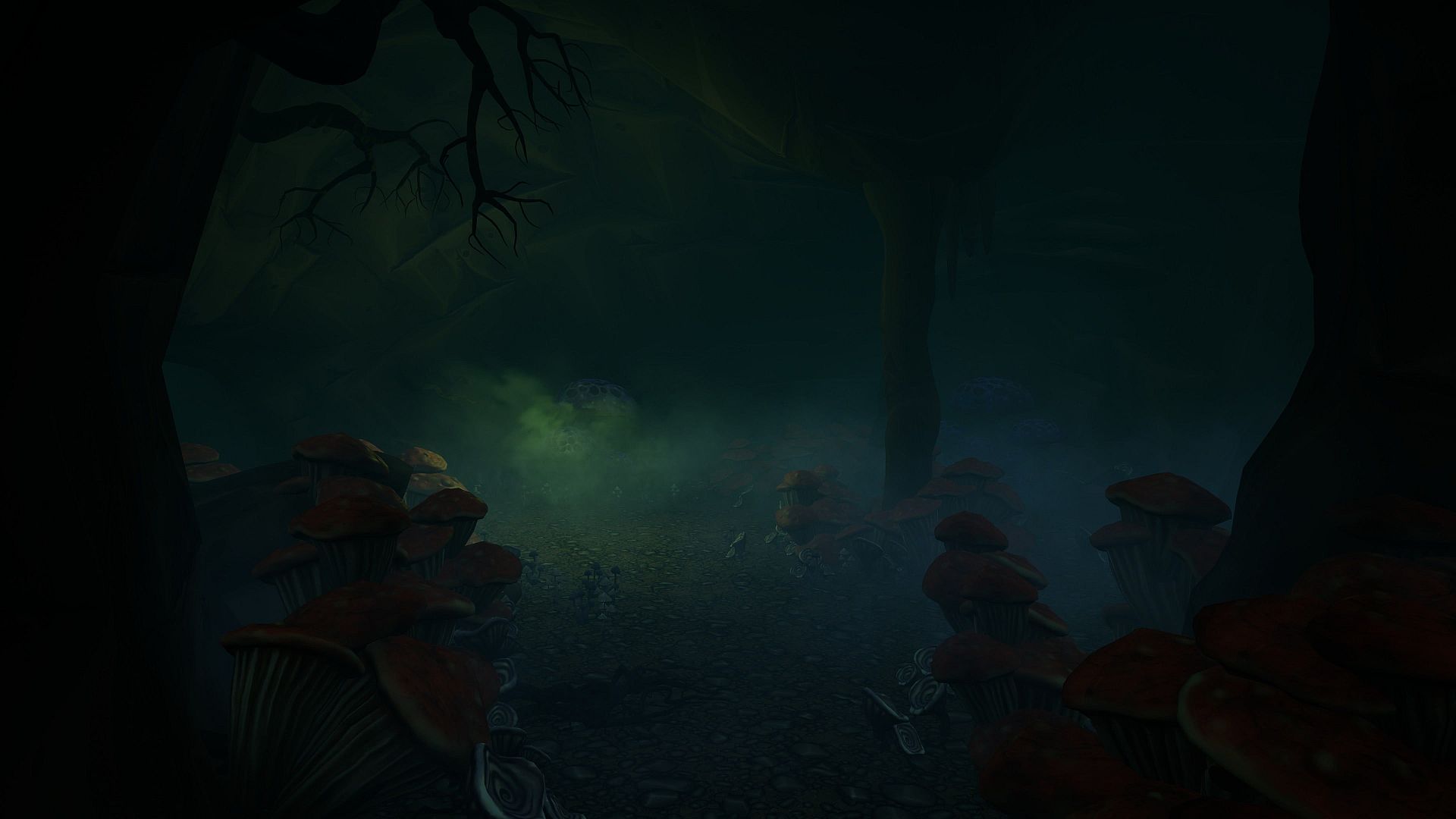
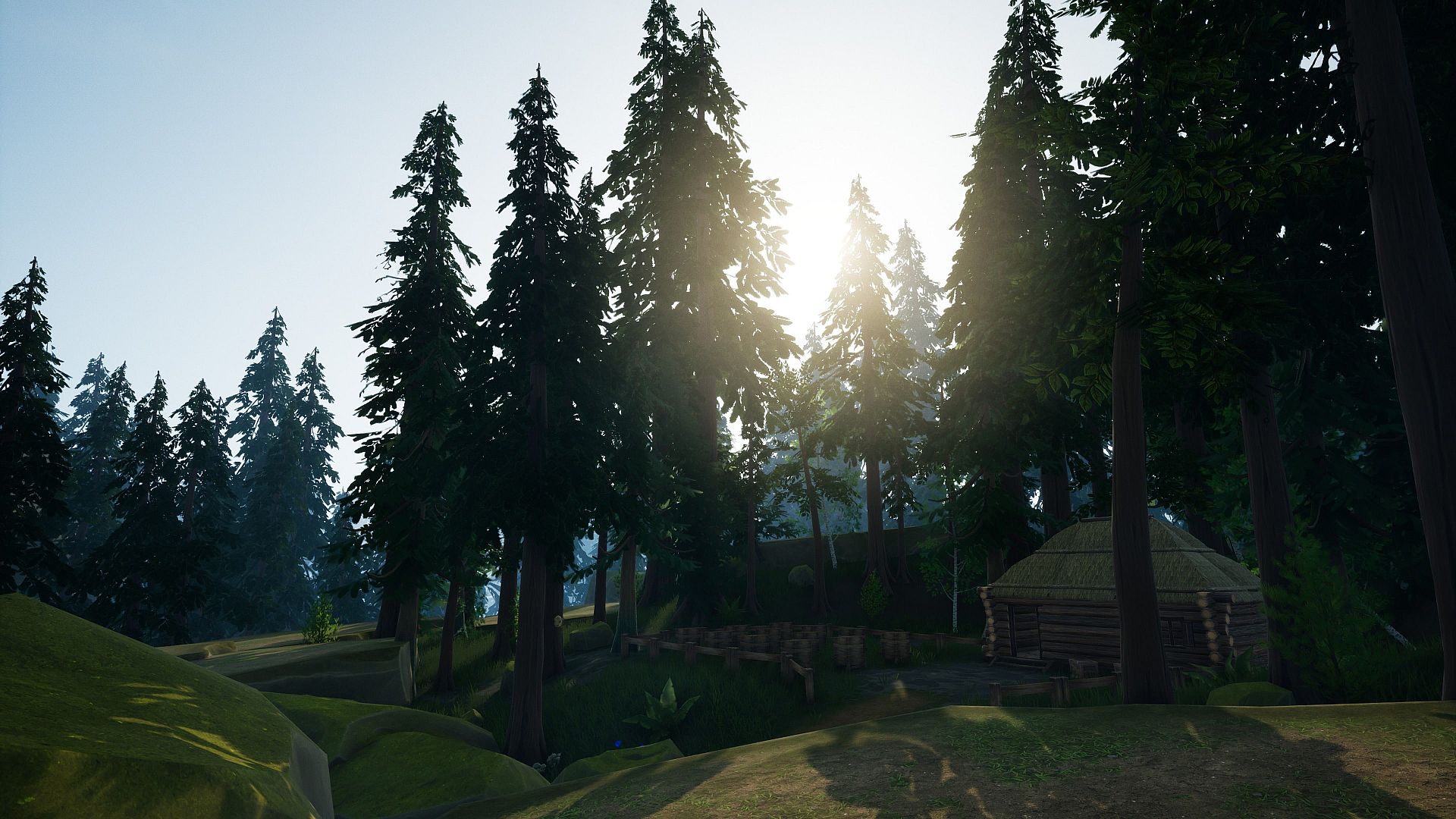
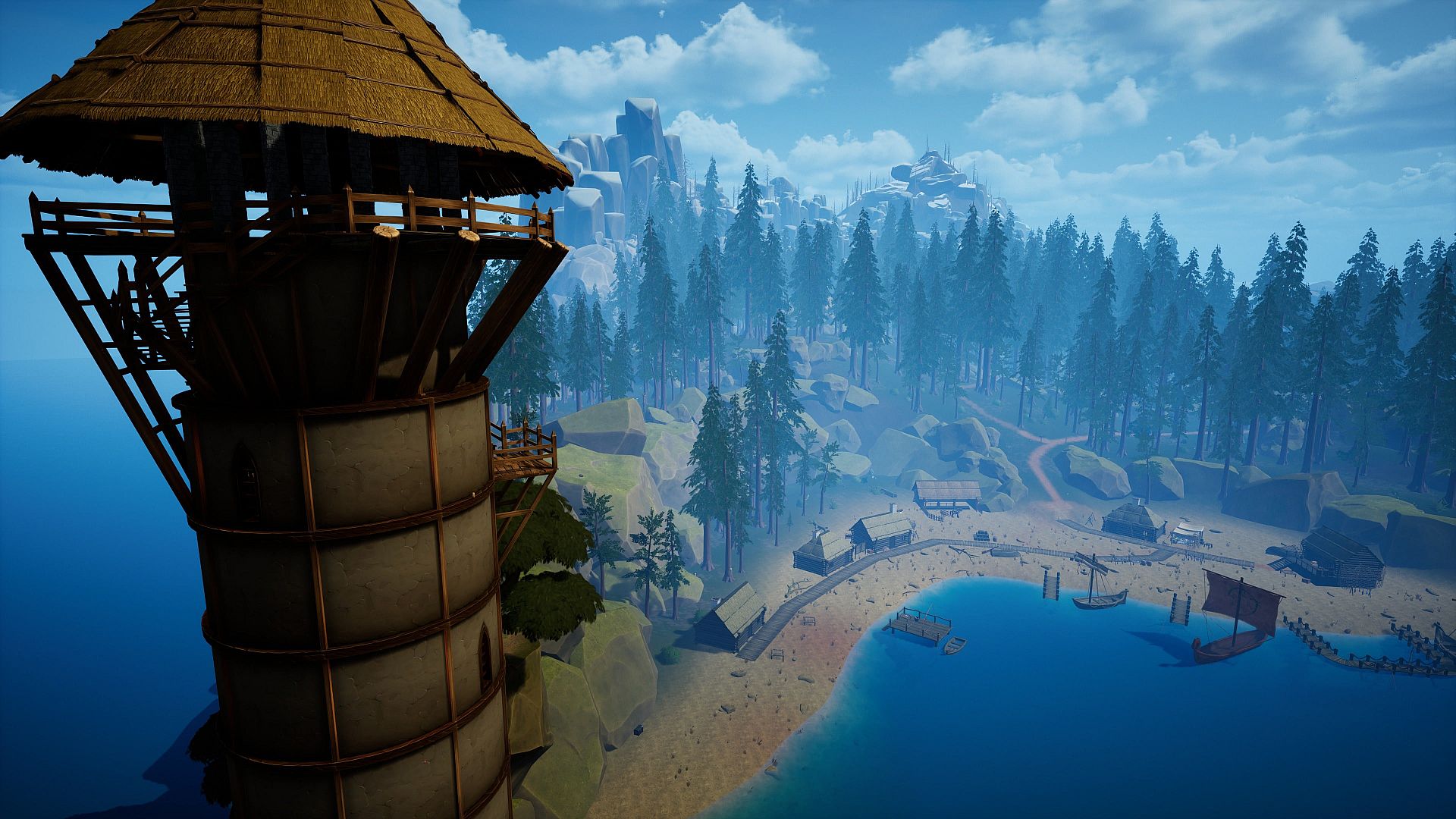
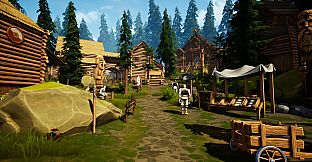
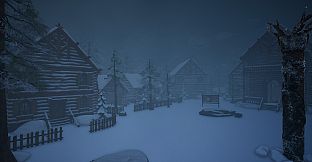
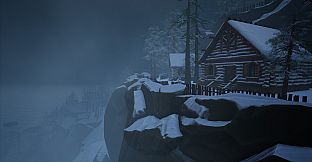
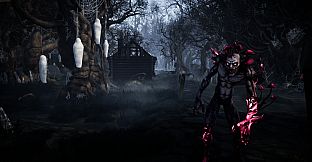
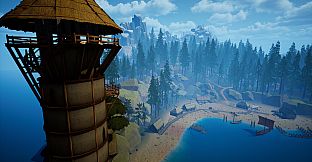
YAR: Forgotten Throne is a single-player story-driven open-world action RPG set in a Slavic folklore-inspired world. Players select one of three starting paths as a Warrior, Volkhv, or Archer before venturing into the lands of Borea to investigate the darkness corrupting its forests and wildlife.
Gameplay
The core loop centers on exploration across diverse biomes, interaction with three large settlements, and completion of over 100 varied quests. Character development occurs through active and passive skills, attribute allocation, and equipment choices that influence combat effectiveness. Combat relies on a reworked resource system that governs damage output, directional weapon combos, blocking with shields, and integration of melee, ranged, and magic options. Multiple weapon categories such as swords, axes, spears, dual blades, throwing axes, and staves each carry distinct properties and dedicated ability sets. Additional systems include extensive crafting through alchemy, cooking, blacksmithing, enchanting, fishing, and jewelry making, alongside survival elements like resource gathering and base building. Players can also align with one of two factions, which affects quest outcomes and story progression. Difficulty options range from story-focused exploration to more demanding settings with restricted saving.
Game Modes
The game operates entirely in single-player format with no multiplayer components. Progression unfolds through the main narrative and side content in an open world, supported by adjustable difficulty settings that alter combat challenge and save restrictions. These options allow customization of the experience from relaxed exploration to stricter survival-oriented play without altering the fundamental single-player structure.
Exploration and World Building
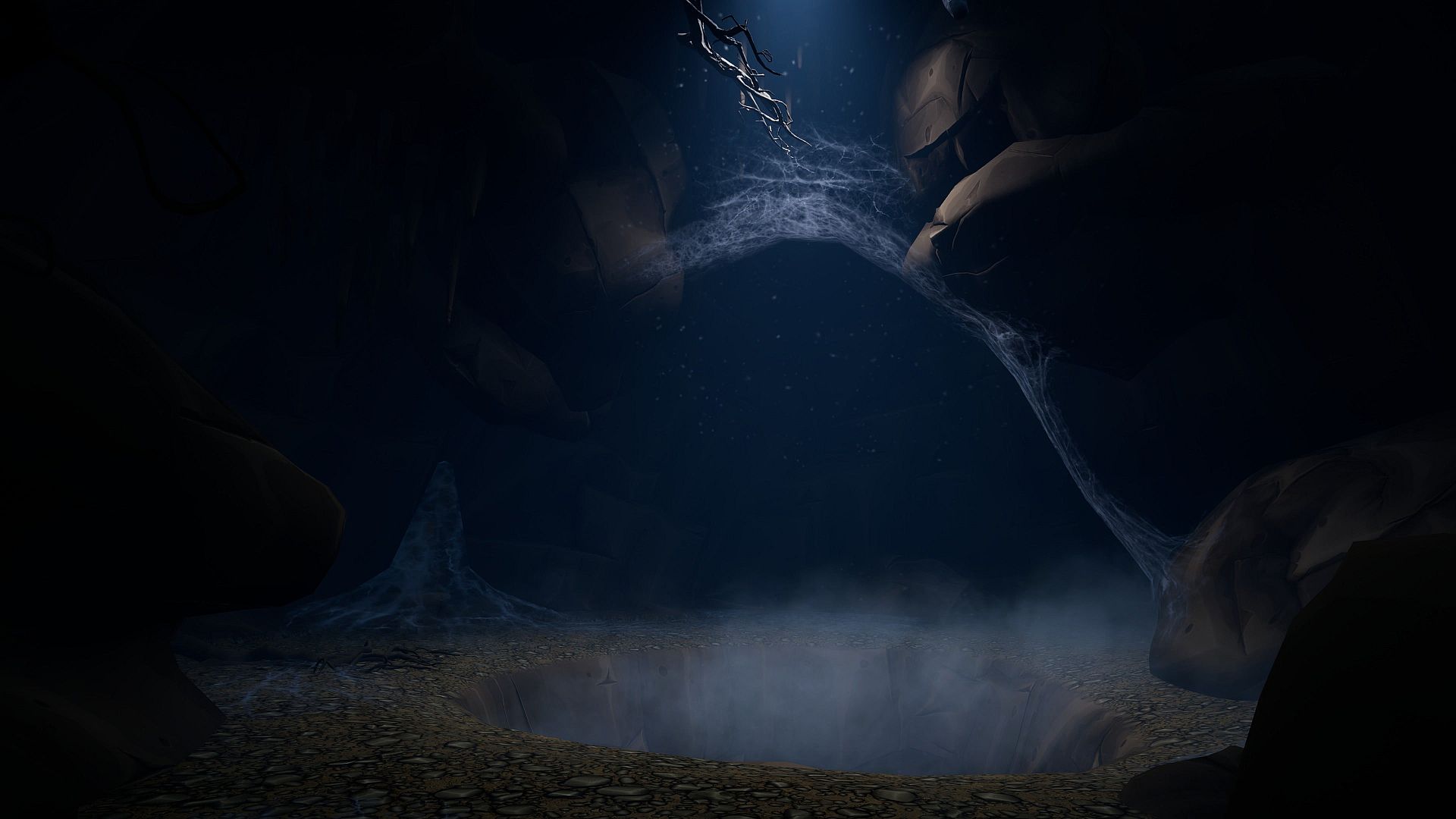
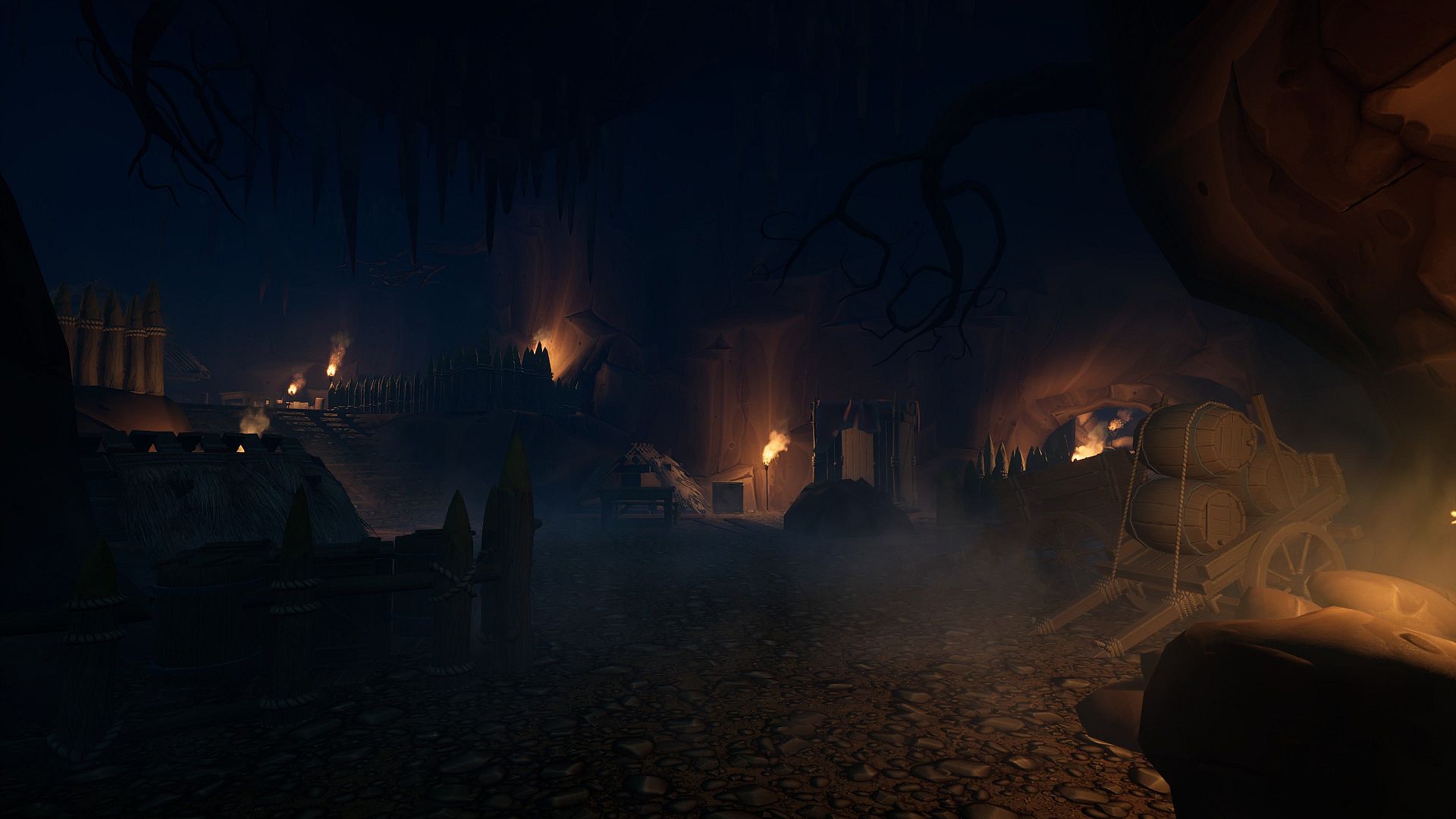
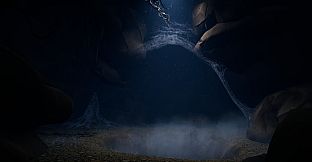
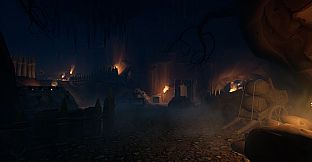
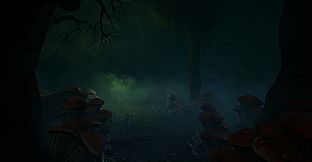
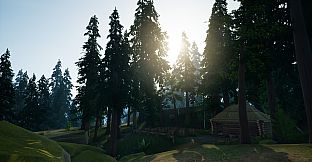
Travel takes players through varied environments filled with secrets, references to Slavic mythology including figures such as Koschei and Zmey Gorynych, and interconnected locations. Three major settlements serve as hubs for quests, trading, and faction interactions. The world encourages thorough investigation of caves, huts, and wilderness areas, with systems for farming and animal husbandry providing additional depth to resource management and long-term play.
Is It Worth Playing?
Reception highlights the atmospheric Slavic Gothic setting, engaging and interconnected quests, and strong voice acting as standout features that appeal to fans of traditional open-world RPGs. Many players report completion times exceeding 25 to 50 hours on standard difficulty, praising the depth of crafting, skill progression, and combat variety once mastered. Common criticisms include navigation challenges, occasional bugs, and inventory management that can feel cumbersome. The game suits those who enjoy deliberate pacing, system-heavy gameplay, and cultural folklore themes. It remains actively supported by the developer with patches addressing issues post full release in 2026. Those seeking polished modern action or fast-paced experiences may find the old-school design less accessible, while players drawn to methodical exploration and meaningful choices will likely find substantial value in its systems and narrative.