







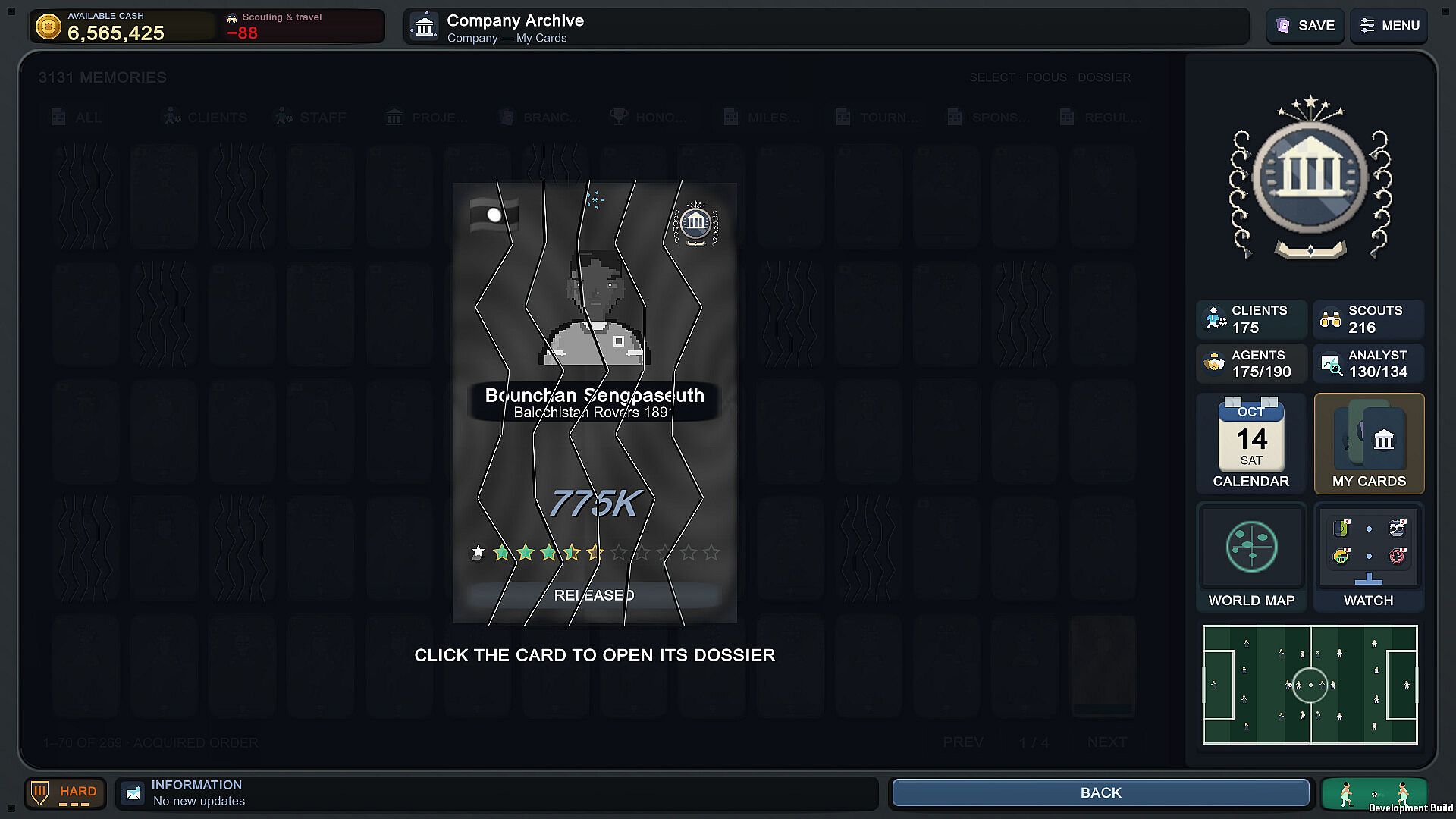
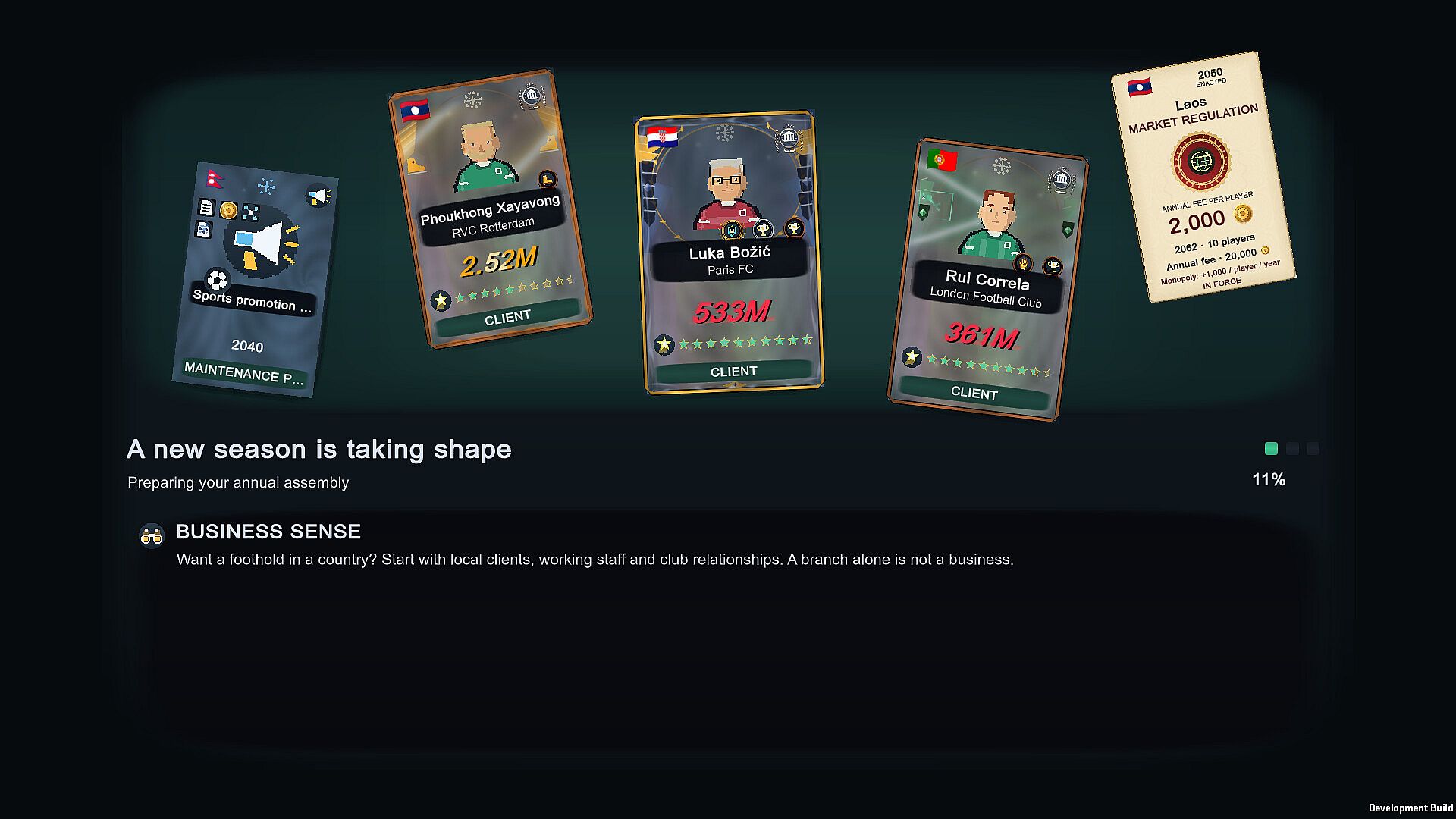
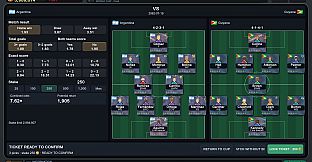
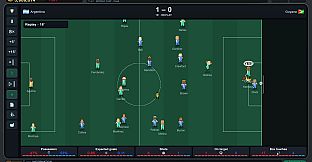
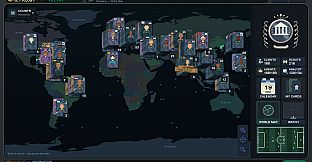
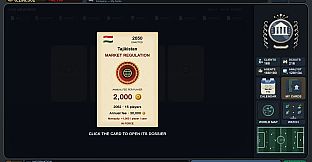
Touchline Capital is a single-player strategy and simulation game focused on running a football agency rather than managing a club or individual players. Set in a simulated world of professional football, the title emphasizes long-term business decisions, scouting, client development, and international expansion across multiple seasons.
Gameplay
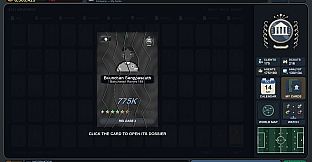
The core loop centers on building and growing a football agency from a small local operation into a global business. Players select a starting country and begin with limited resources and contacts. Scouting forms the foundation, as scouts evaluate young players based on ability and local knowledge, though their assessments carry inherent uncertainty that can lead to surprises in player development over time.
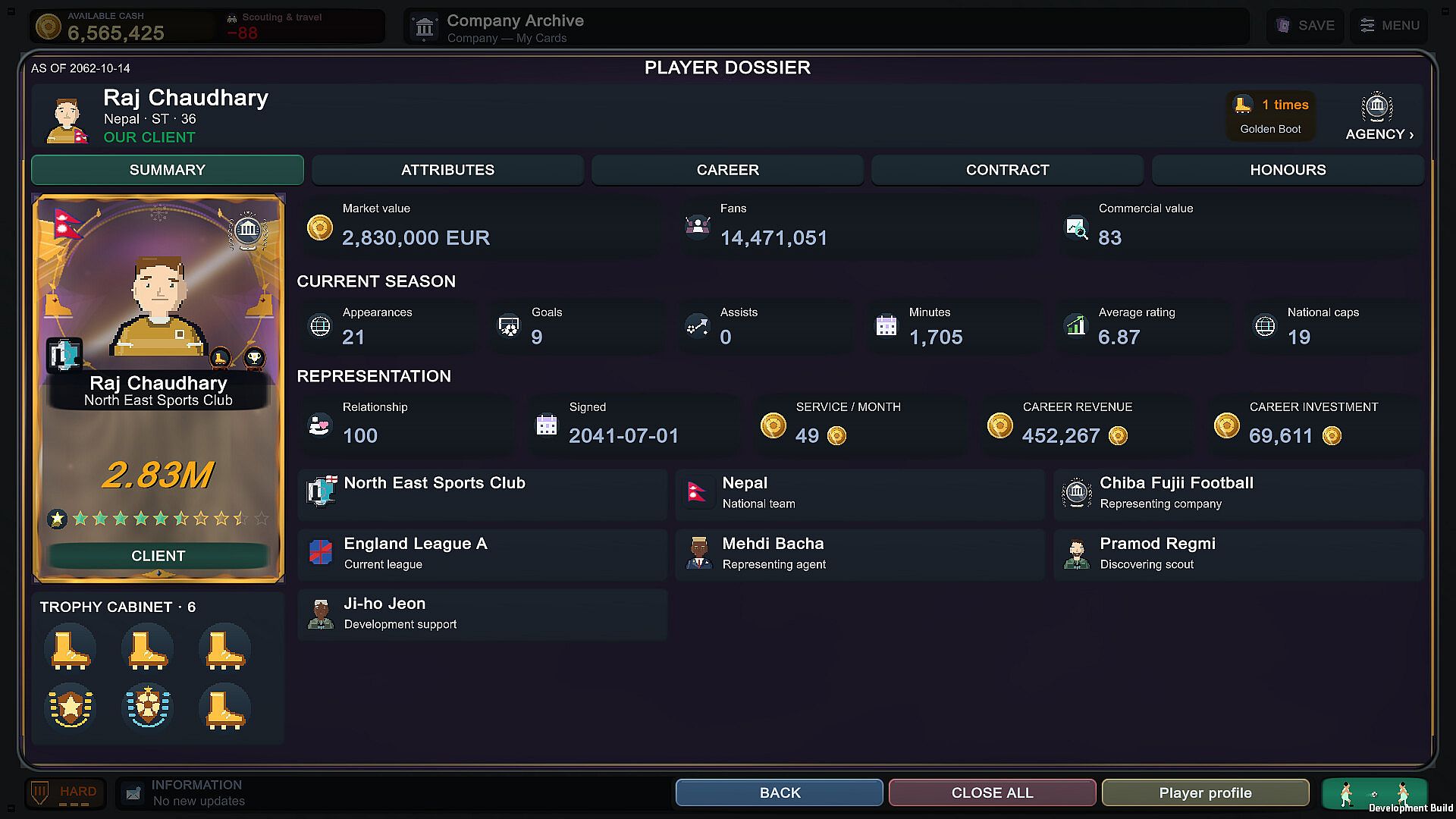
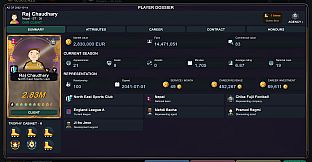
Once clients are signed, decisions involve allocating resources such as assigning agents, continuing scouting efforts, arranging club placements suited to the player's level, and investing in promotion or commercial activities. These choices influence opportunities but do not dictate outcomes on the pitch, where actual performance determines career trajectories. Revenue comes from commissions on contracts, renewals, transfers, and honors, with higher-profile clients opening sponsorship and project opportunities.
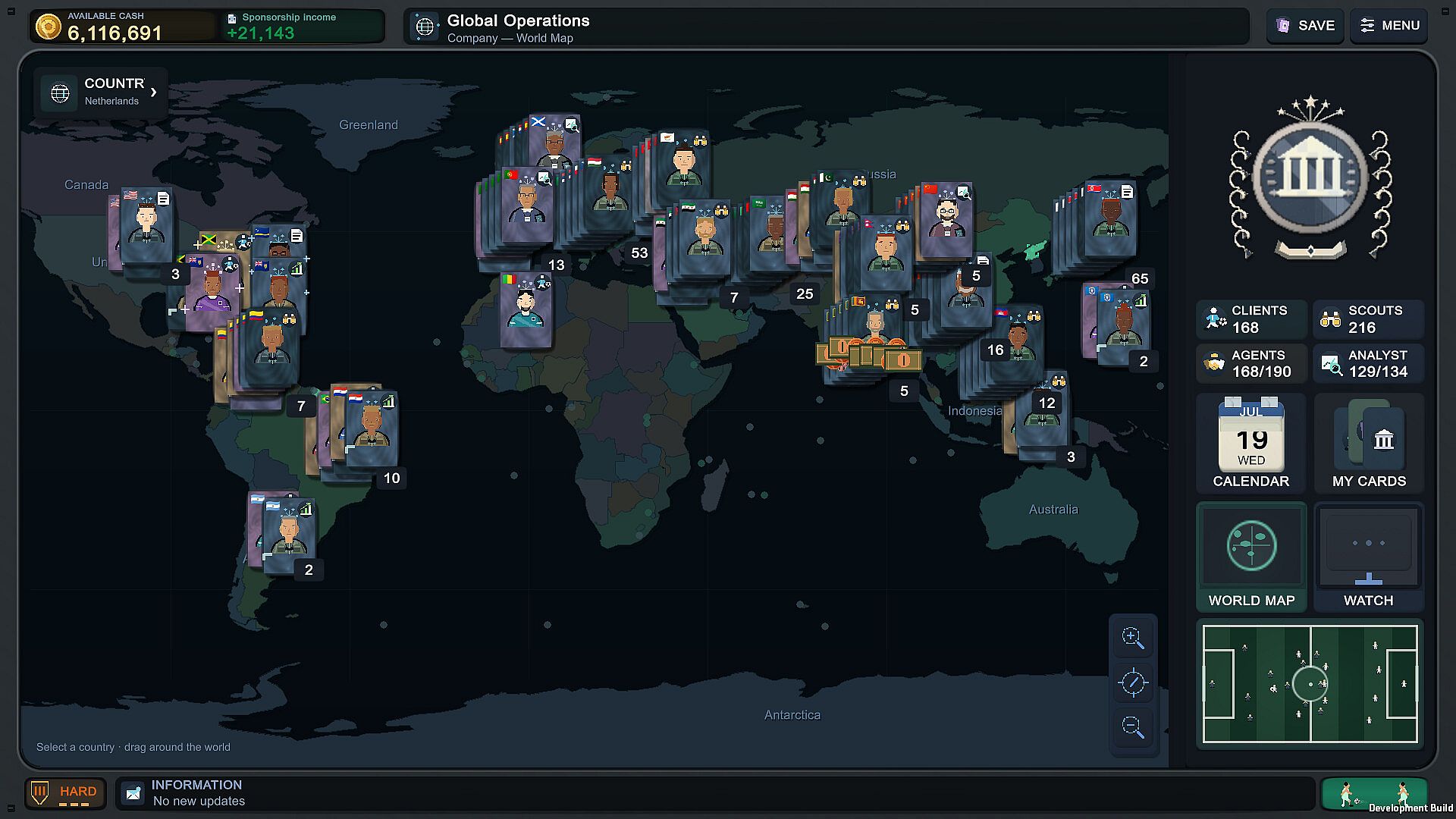
Expansion into new markets requires careful financial management, as risks include misjudged scouting reports, client departures, and unsustainable staff costs. The simulation runs continuously, with player careers, matches, and rival agencies evolving independently of direct player control. Systems for finances, staff management, and market influence interact over extended in-game periods, creating emergent stories from these overlapping mechanics.
Game Modes
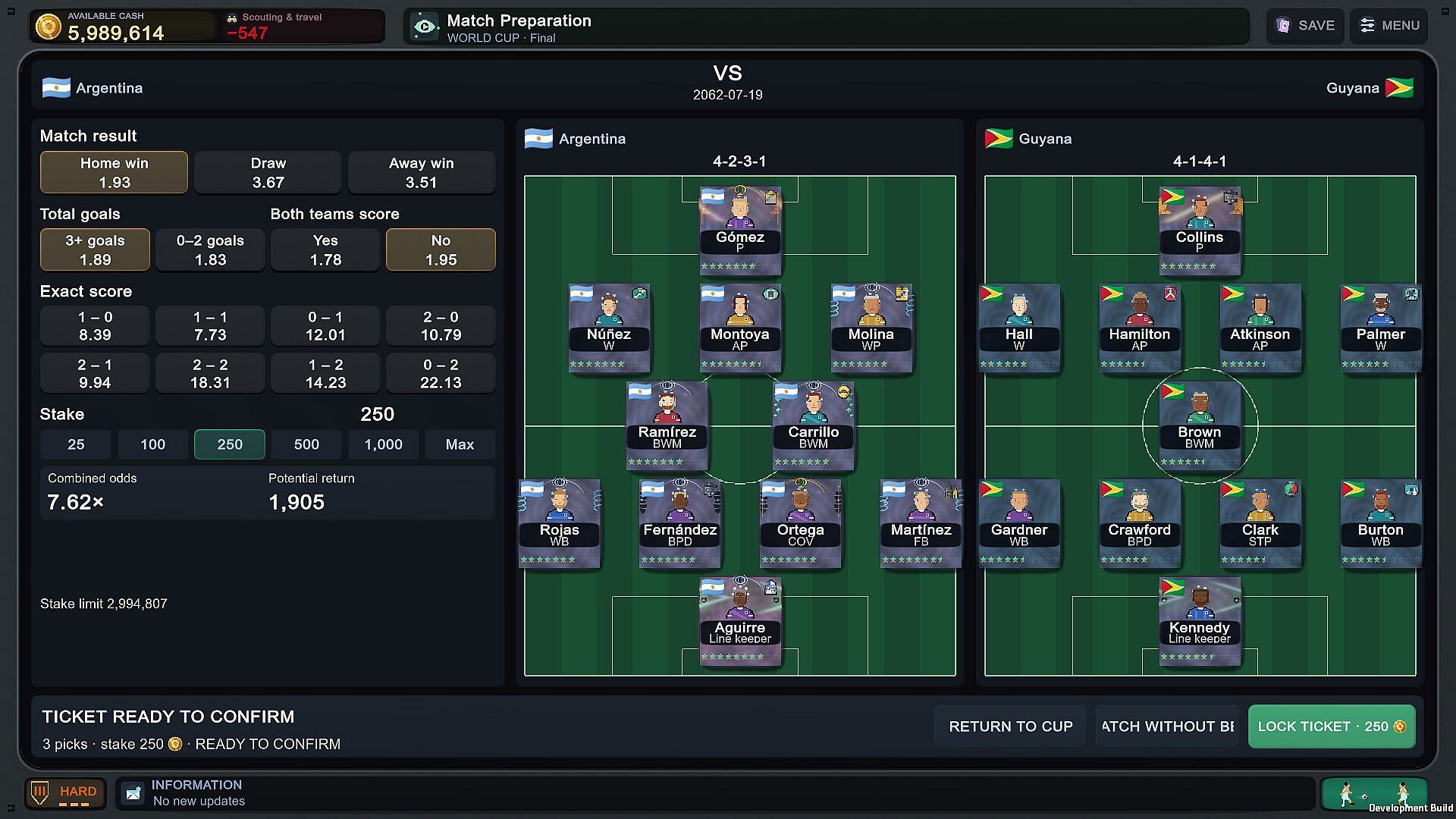
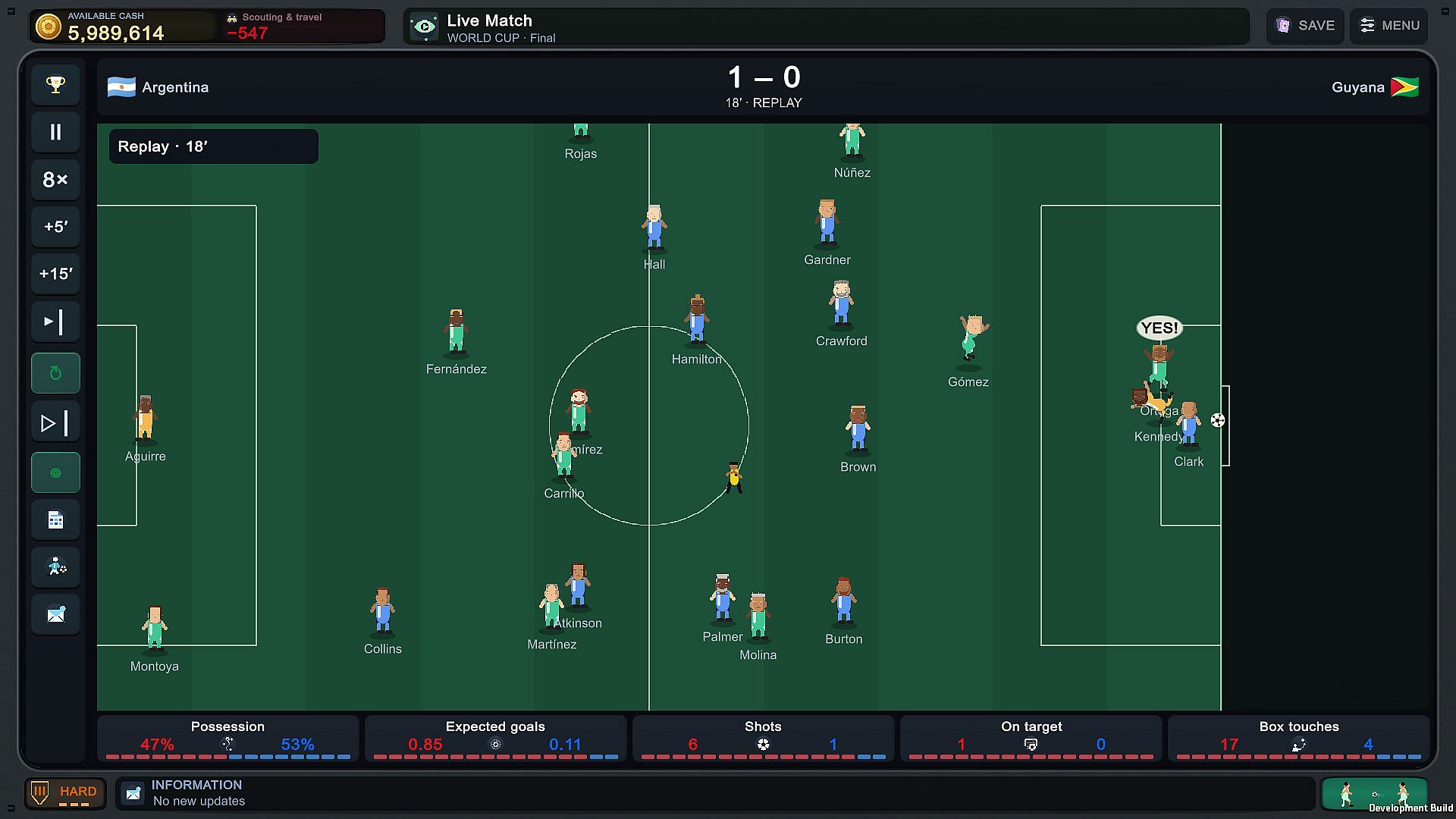
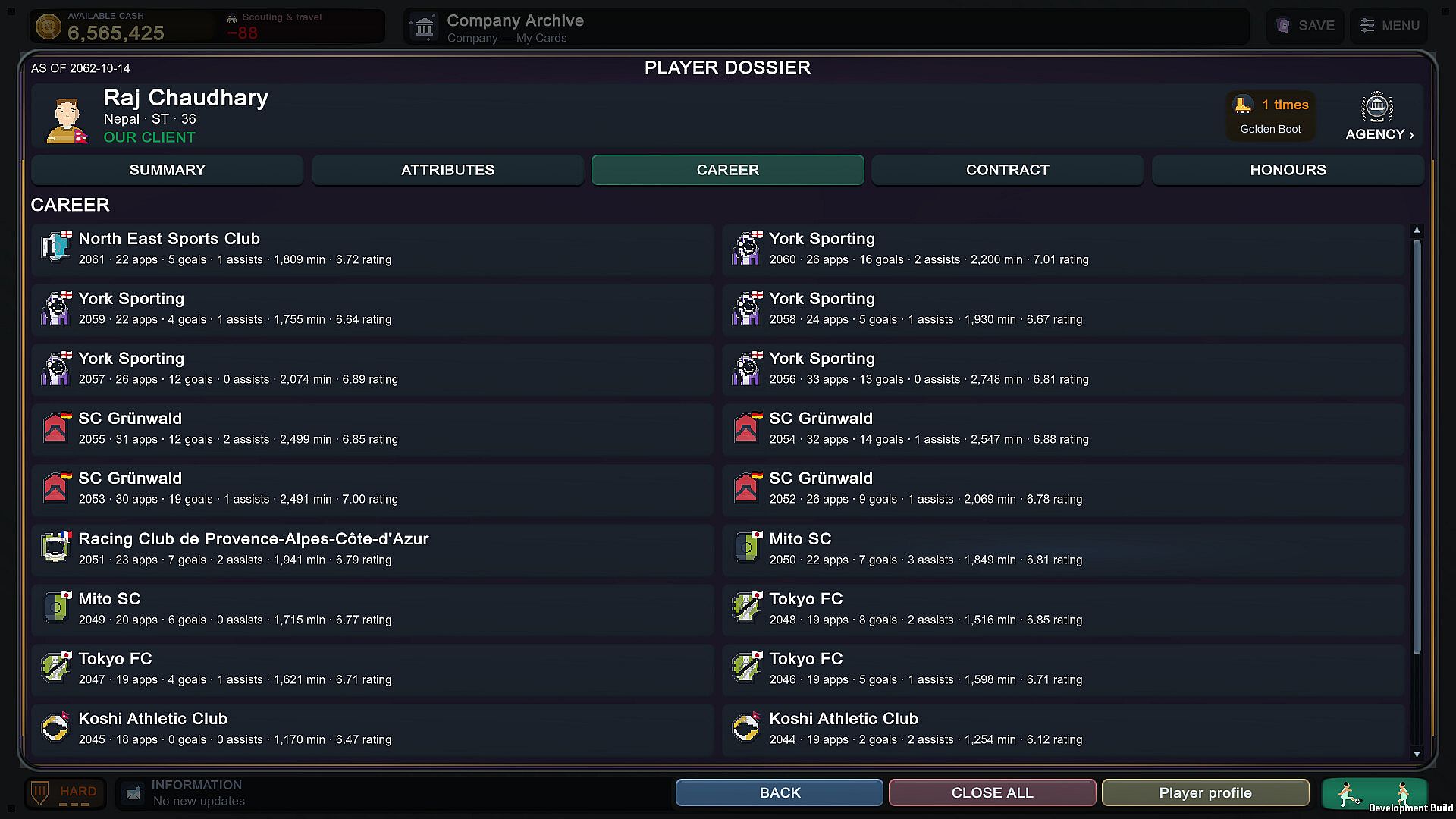
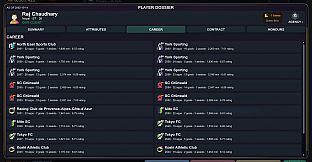
Touchline Capital operates as a single-player experience with no separate multiplayer modes. The primary structure revolves around a persistent career mode where players progress through multiple seasons in a fully simulated football world. This includes international competitions such as the World Cup, long-term player development tracking, and company progression toward a historical leaderboard that records successful global agencies.
Within this framework, players handle ongoing tasks like scouting new talent, managing existing clients across leagues and national teams, pursuing commercial projects, and deciding on market entries or withdrawals. The simulation supports extended play sessions focused on balancing risk and investment rather than discrete match-based modes.
Business Expansion and Risks
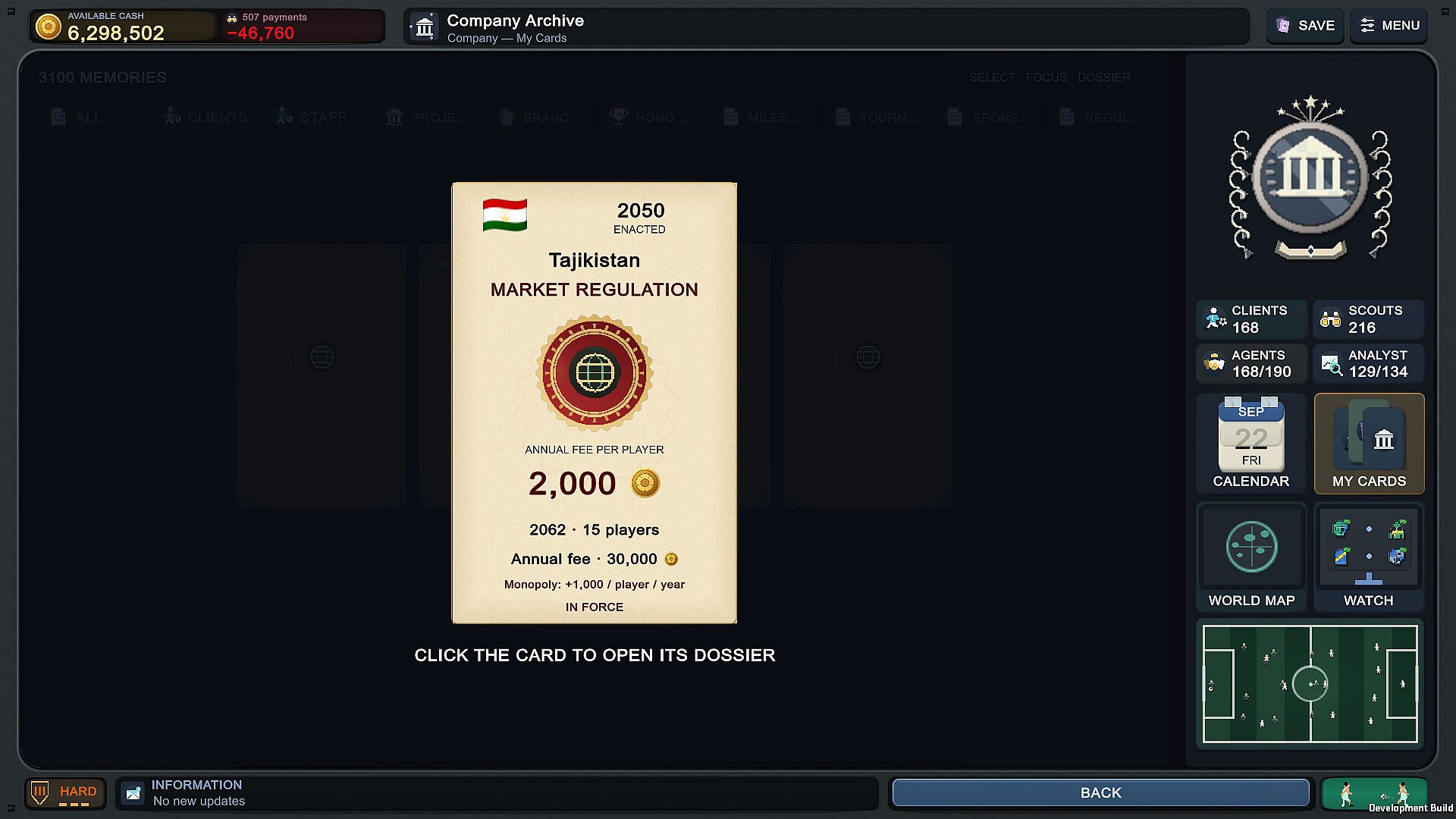
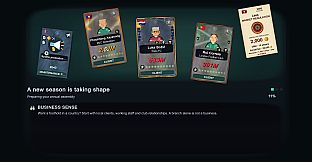
Growing the agency involves entering new countries, competing for clients and projects against other simulated agencies, and reinvesting earnings into larger-scale commercial activities. Influence and market understanding improve over time, unlocking opportunities of greater scope. However, rapid growth can strain finances through wage bills or failed investments, potentially leading to cash-flow issues or operational collapse if not managed prudently.
Player decisions focus on resource allocation, scout selection, client support levels, and acceptable risk thresholds. Outcomes depend on external factors like actual match results, club decisions, and broader market dynamics, ensuring no single strategy guarantees success across all saves.
Is It Worth Playing?
Touchline Capital targets players interested in deep management simulations with emergent narratives and football business themes. The game is scheduled for Early Access release in Q4 2026, with the core loop already implemented to support scouting, client management, club placements, commercial projects, international expansion, and multi-season progression in a simulated world. Planned improvements during Early Access include refinements to scouting interactions, commercial systems, AI behavior, match presentation, and long-term balance based on player feedback.
Those who enjoy systems-driven experiences where long-term decisions interact with unpredictable outcomes will find the described mechanics aligned with that style. The title remains in active development, so potential buyers should consider the evolving state when deciding on early participation.











