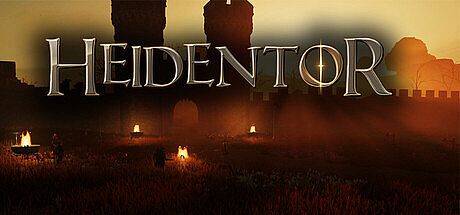


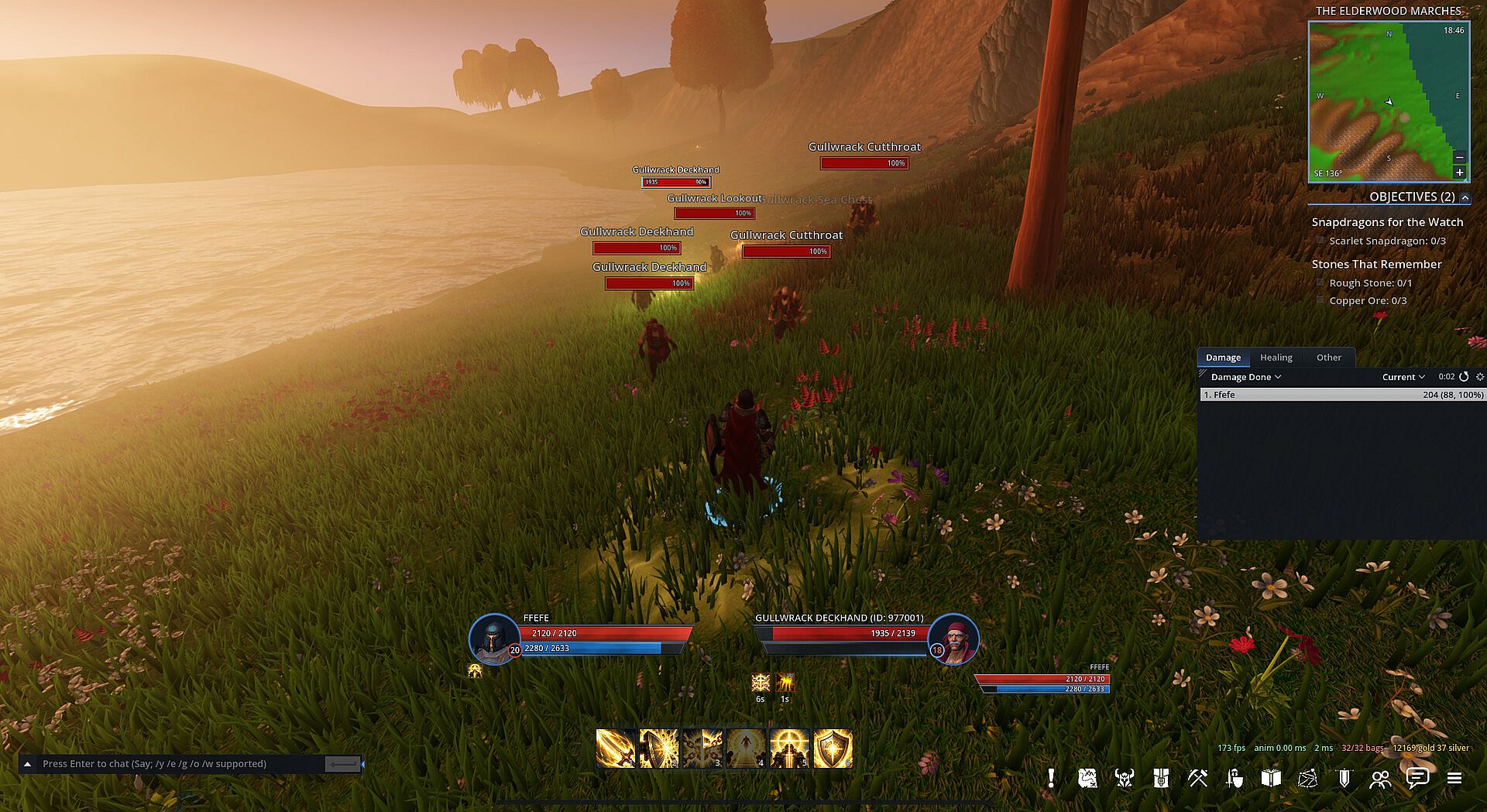
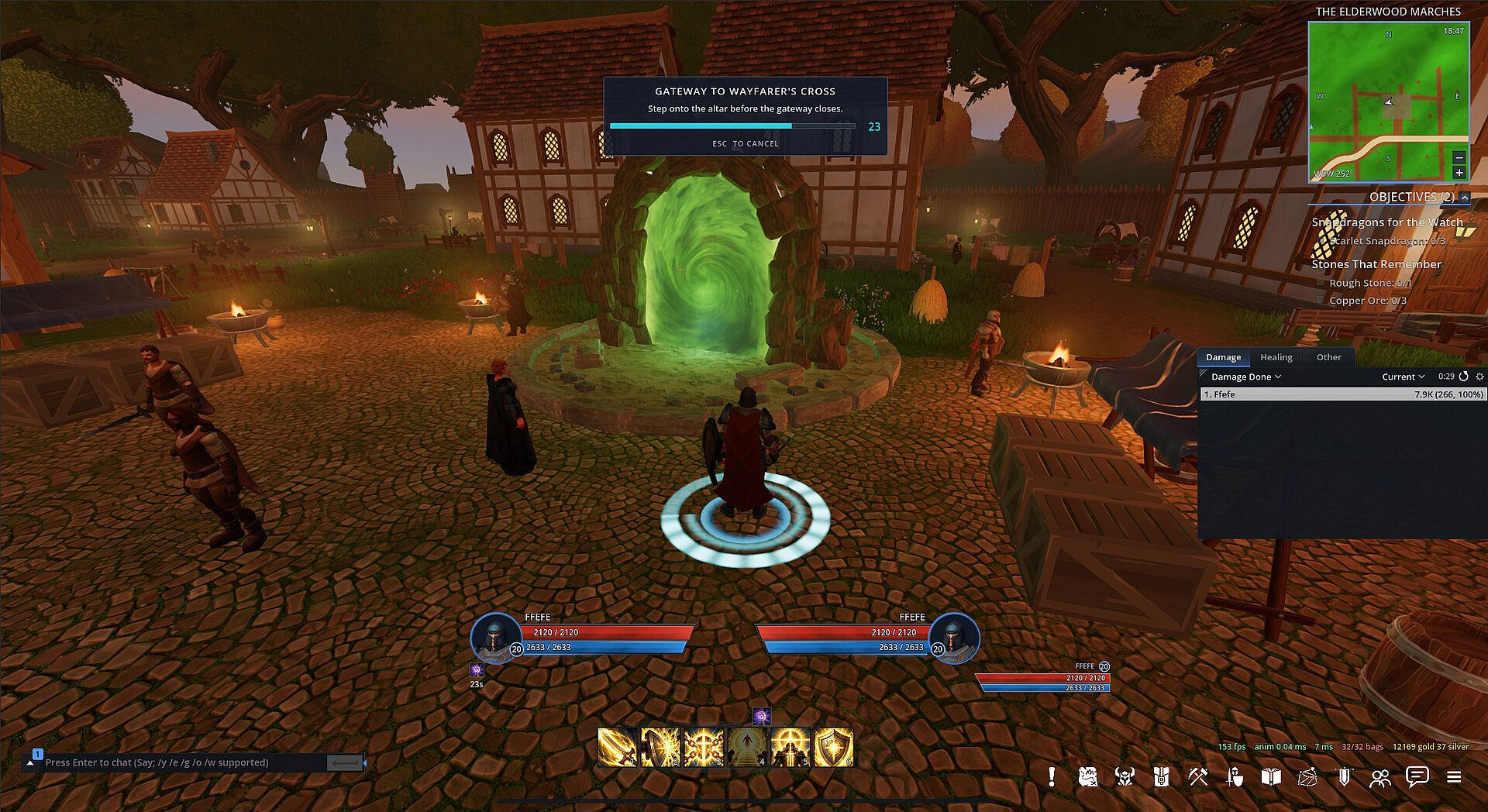
Heidentor is an open-world fantasy MMORPG built around class-based combat, character progression through gear and talents, and a player-driven economy centered on gathering, crafting, and trade. Players create characters on PC and enter a shared world where they level up, form parties or guilds, complete quests, and engage in both cooperative and competitive encounters. The game emphasizes meaningful choices in builds and professions, with systems that reward coordination in groups and careful resource management across the player base.
Gameplay
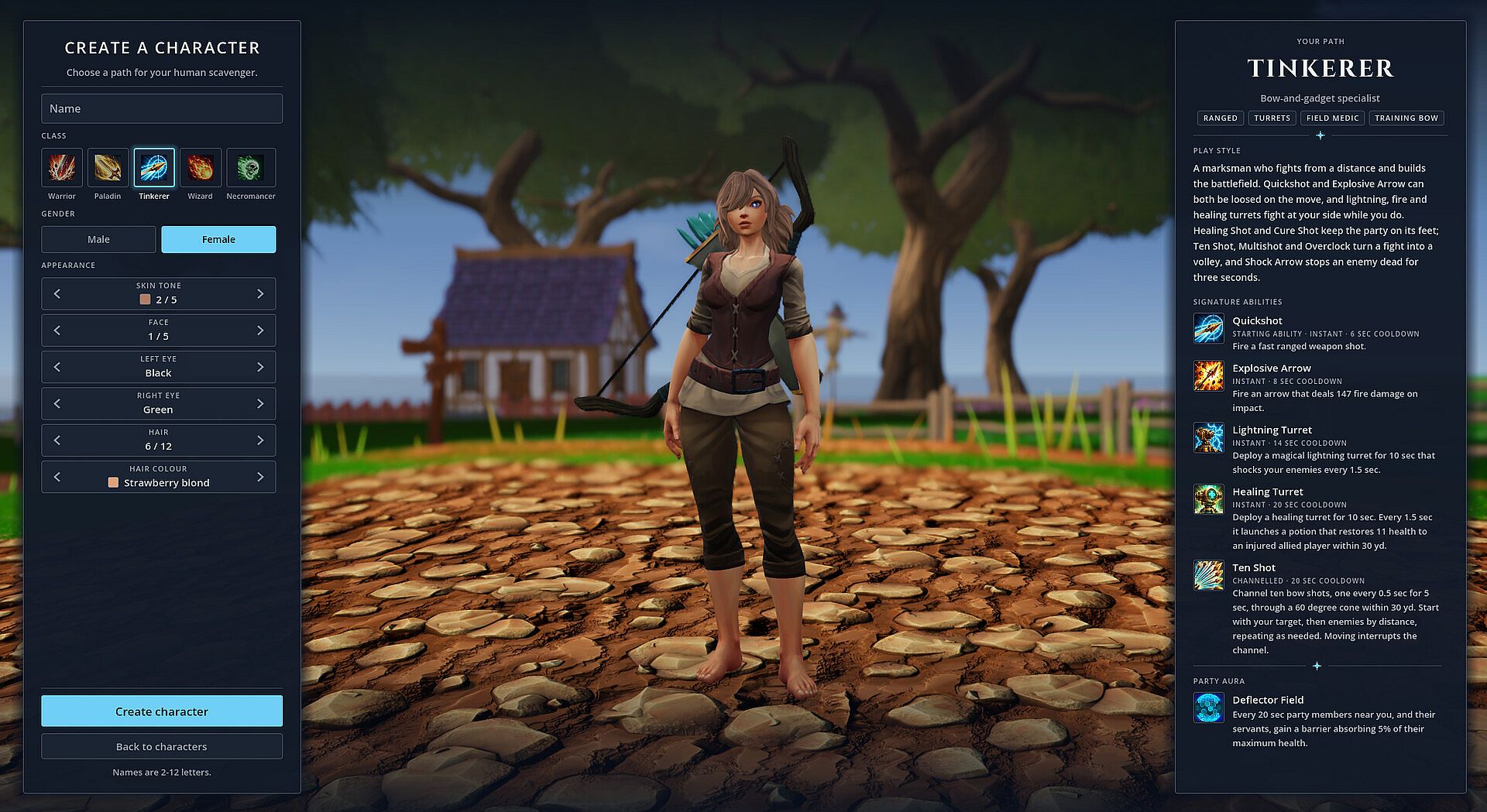
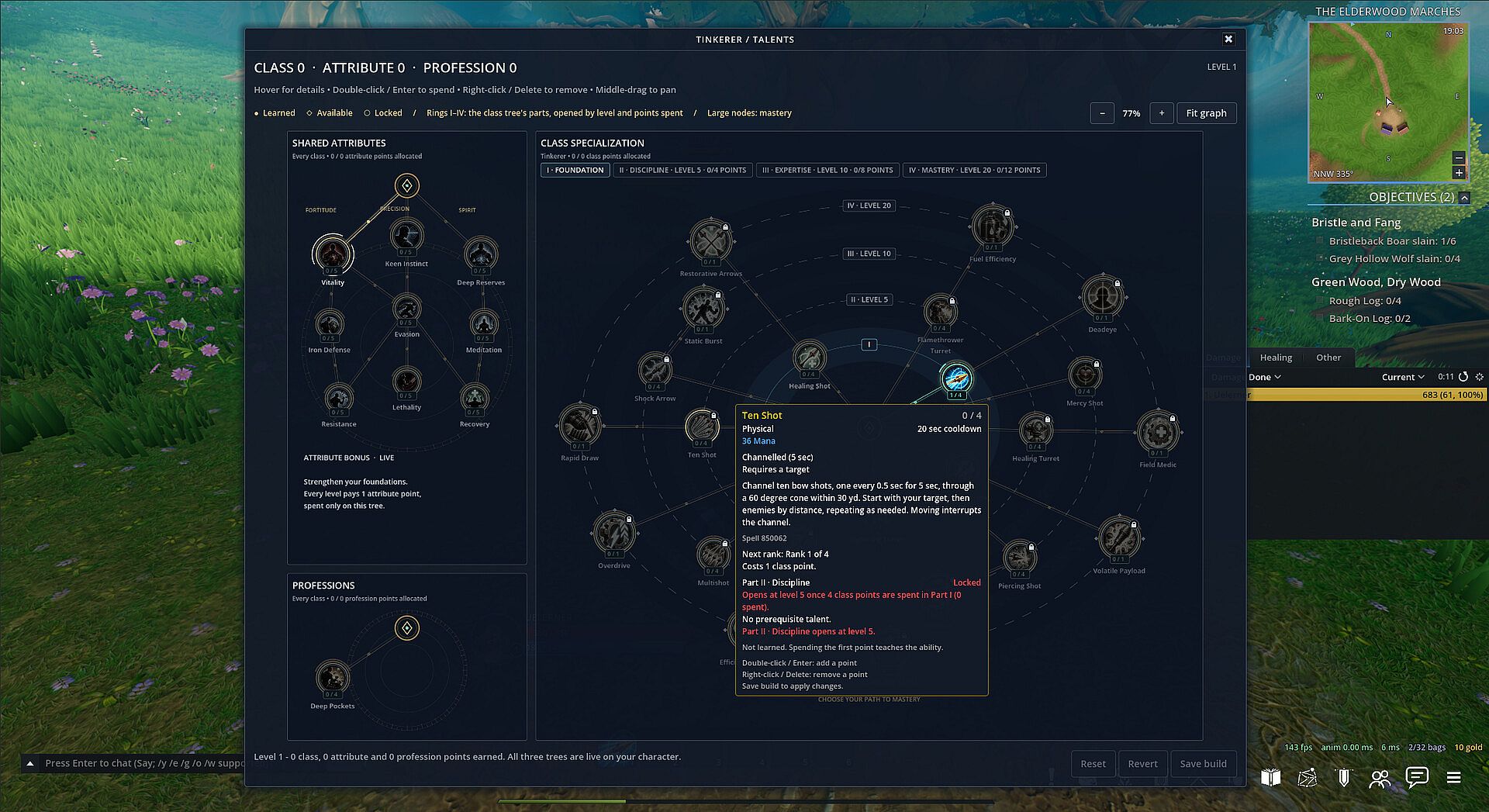
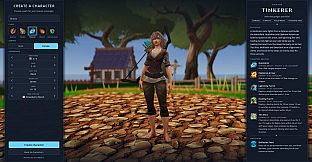
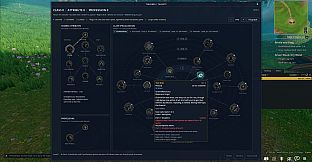
Character creation leads directly into class selection, which shapes abilities and party roles. Five classes are available: Warrior, Paladin, Tinkerer, Wizard, and Necromancer. Each offers distinct combat styles and support options, such as damage output, healing, or utility effects that benefit nearby allies through faster attacks, resource recovery, or protective barriers. Talent points allow specialization, but limited totals mean players must prioritize certain abilities over others rather than mastering every option.
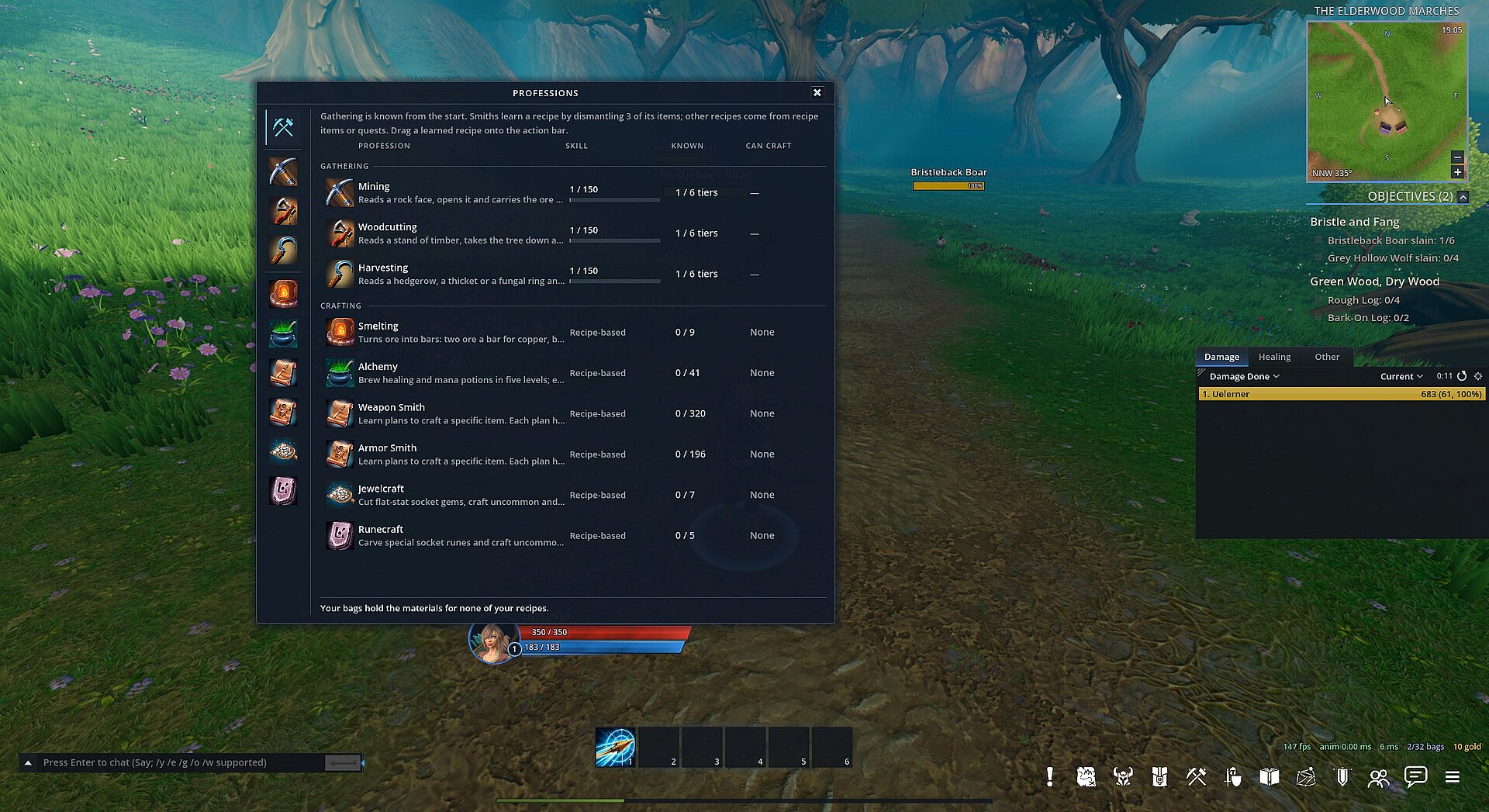
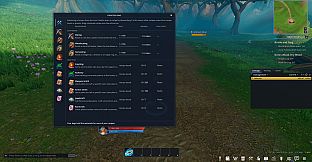
Equipment progression relies on randomized stat rolls, magical affixes, and socketed jewels or runes. Players compare pieces, then refine them through these systems to optimize their build. Professions support this loop with ten options covering gathering and crafting. Mining, harvesting, woodcutting, and fishing supply raw materials, while smelting, weapon smithing, armor smithing, alchemy, jewelcraft, and runecraft turn those resources into finished goods. High-end items often require contributions from multiple professions, encouraging trade through direct player deals or a realm-wide marketplace. Guilds maintain shared vaults for pooling supplies and equipment.
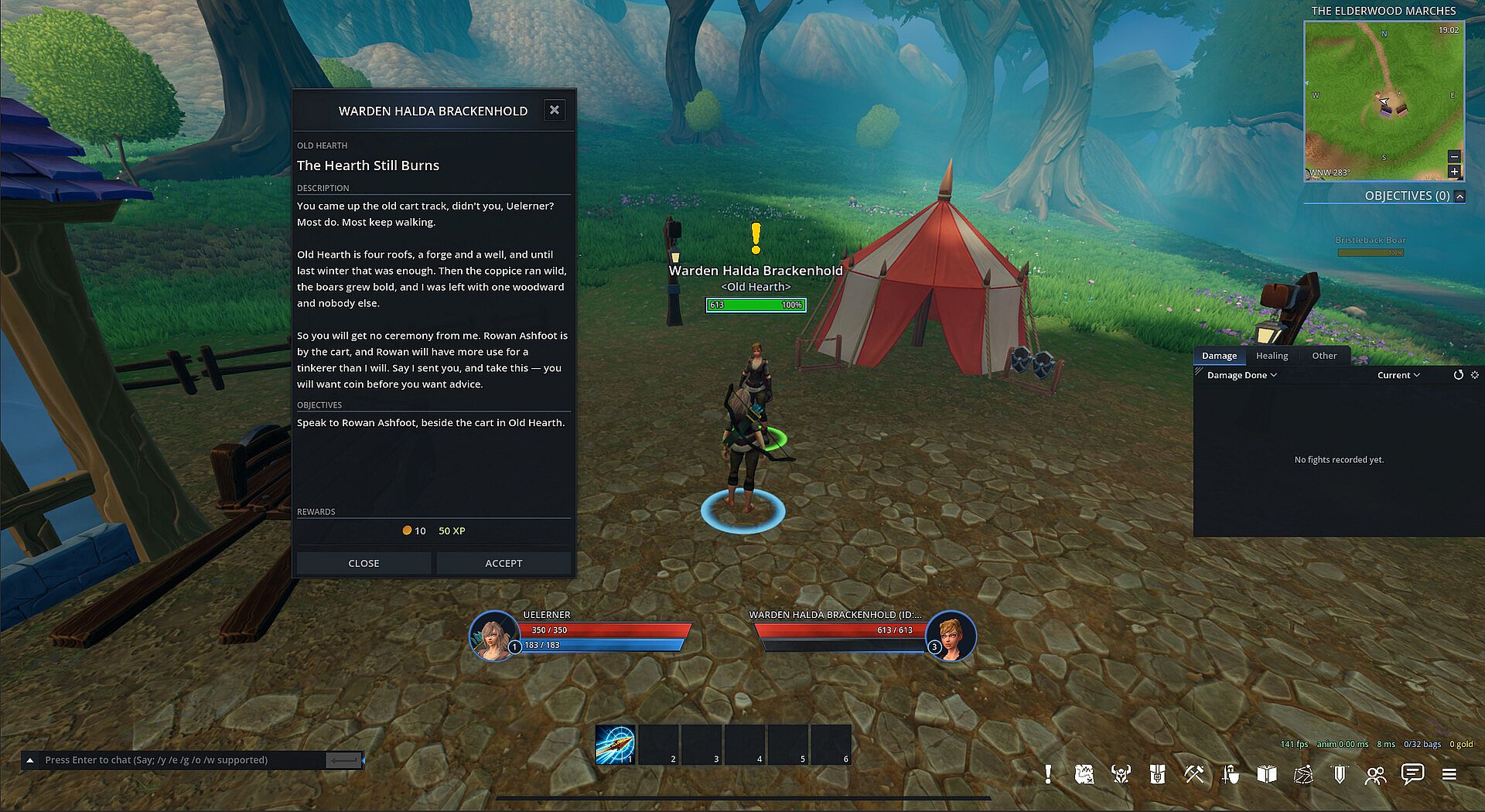
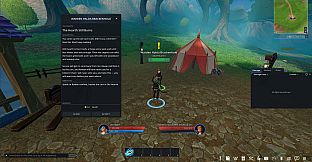
Leveling occurs through a mix of hunting, escort, gathering, and crafting quests spread across the open world. The Elderwood Marches feature ten distinct regions with towns, wilderness zones, and a day-night cycle. Rewards include experience, equipment, and new crafting recipes. In the Early Access version, characters progress up to level 20 while these core loops are refined based on player input.
Game Modes
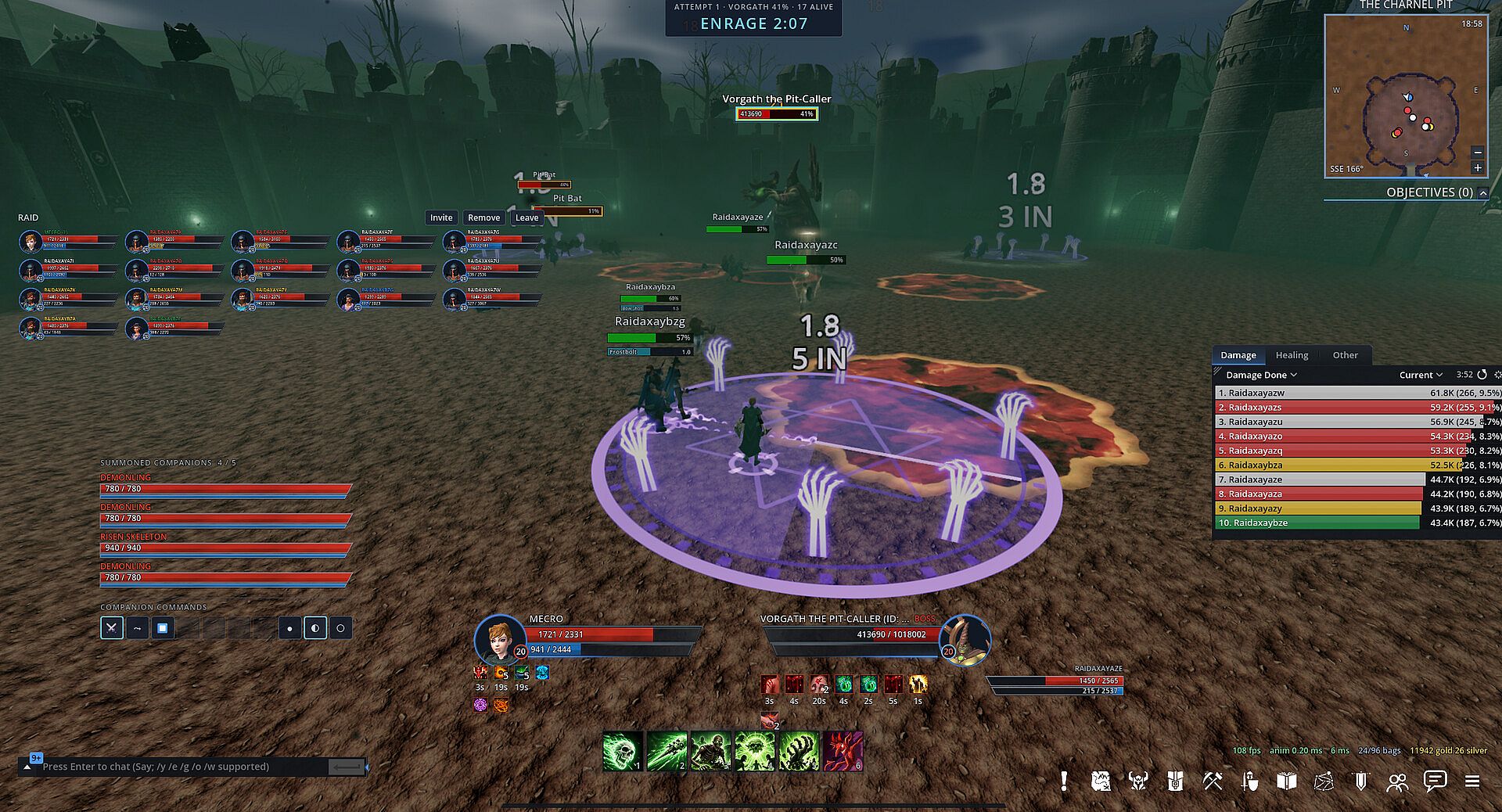
Group content scales from small teams to larger organized efforts. Five-player dungeon groups tackle instanced challenges, while raids of up to twenty players handle more complex encounters. World bosses and open-world events require coordination, including mechanics such as holding summoning seals closed while dodging attacks. These activities reward equipment and materials that feed back into personal and guild progression.
PvP takes place in instanced battlegrounds supporting up to fifty players per side, alongside long-running events in the open world. These modes test build effectiveness and group tactics without overlapping directly with PvE progression paths. Social features like parties and guilds enhance both types of content by enabling shared storage and coordinated play.
Classes and Builds
Each class influences not only personal power but also how effectively a player supports teammates. Talent investment creates focused builds rather than broad mastery, and socketed equipment adds another layer of customization through jewels and runes. The system rewards experimentation within the constraints of limited points and available gear affixes, with party synergies emerging naturally from class combinations.
Economy and Professions
The player economy ties directly into combat and exploration. Gatherers supply crafters who produce gear that others use or trade. A top-tier weapon might combine metals from mining, timber from woodcutting, and cut sapphires from jewelcraft. The auction house and direct trading facilitate these exchanges, while guild vaults reduce individual storage burdens. This interdependence creates ongoing demand for materials and finished items throughout the world.
Is It Worth Playing?
Heidentor enters Early Access in Q1 2027 with core systems already implemented, including the open world, five classes with talent trees, over two hundred quests, ten professions, and both small-group and larger-scale PvE and PvP content. The developer plans roughly six months in Early Access focused on balance adjustments, additional dungeons and raids, interface improvements, and stability fixes. No user reviews are available yet, so reception remains to be seen once players begin testing the systems. The game suits those who enjoy MMORPGs with strong emphasis on gear progression, crafting interdependence, and group coordination rather than solo-focused experiences or frequent seasonal resets. Players interested in shaping an economy-driven fantasy title through feedback during development may find the Early Access phase particularly relevant.