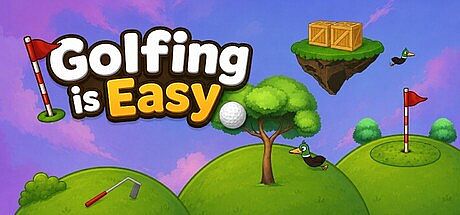



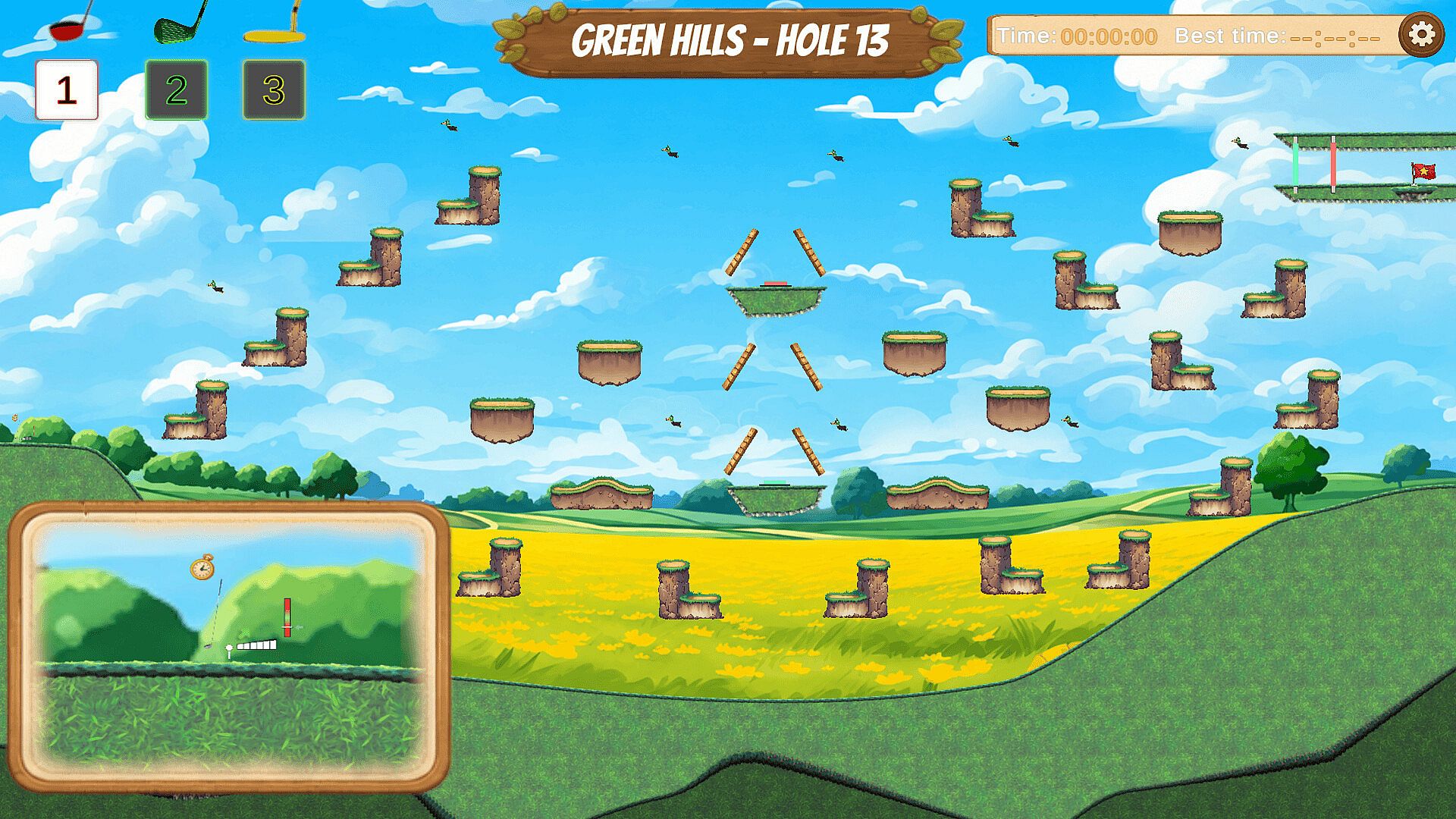
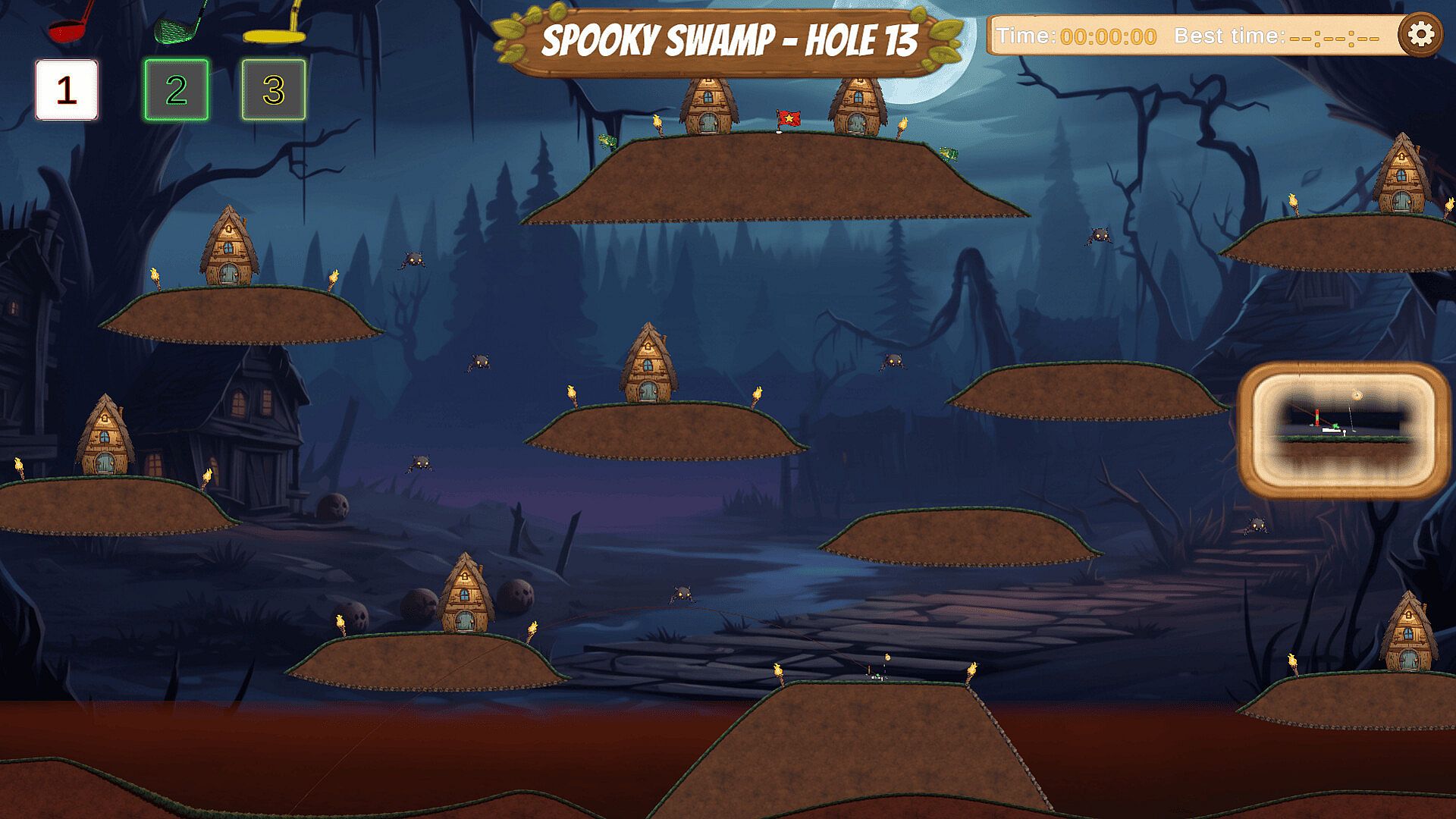
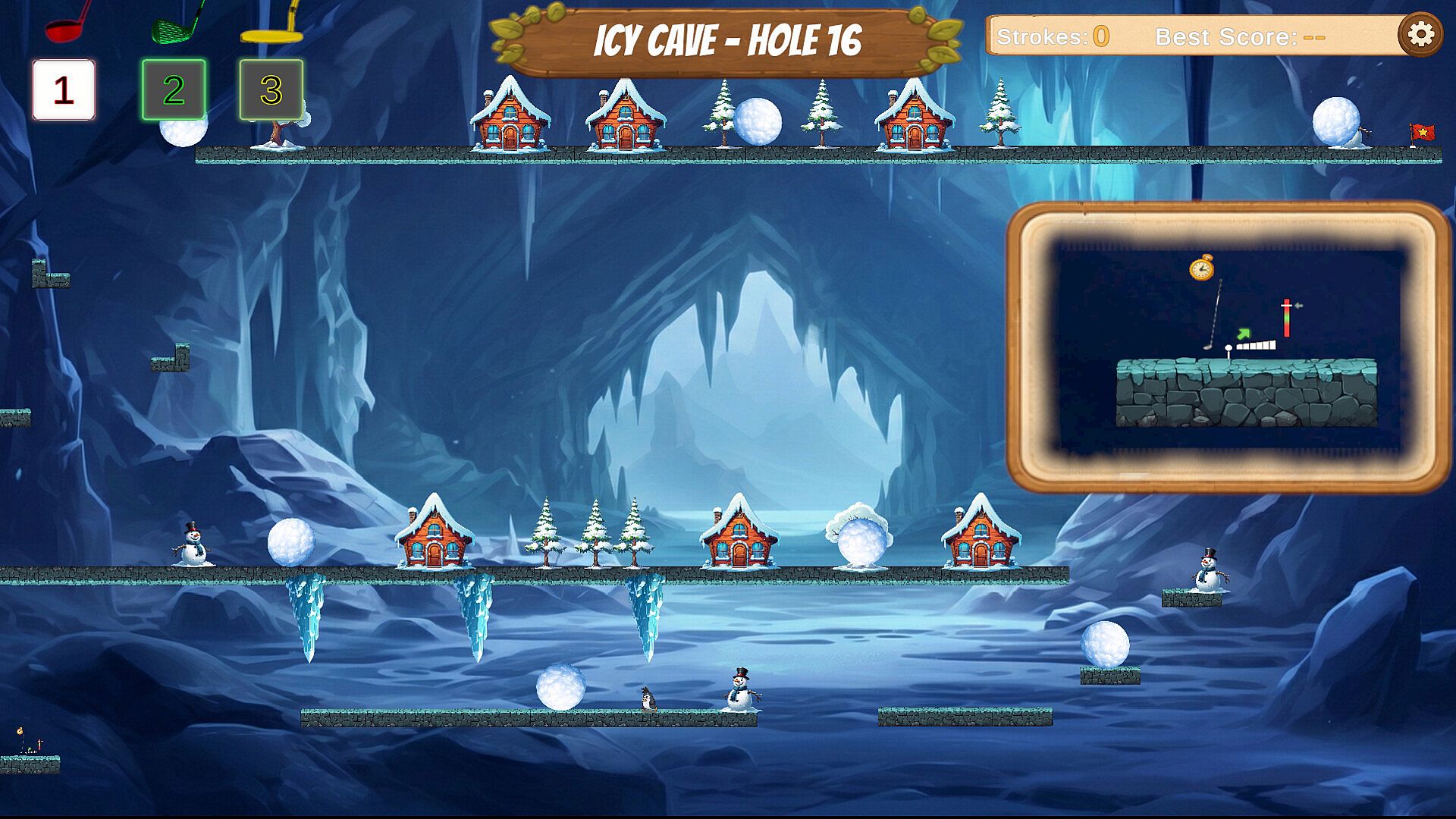
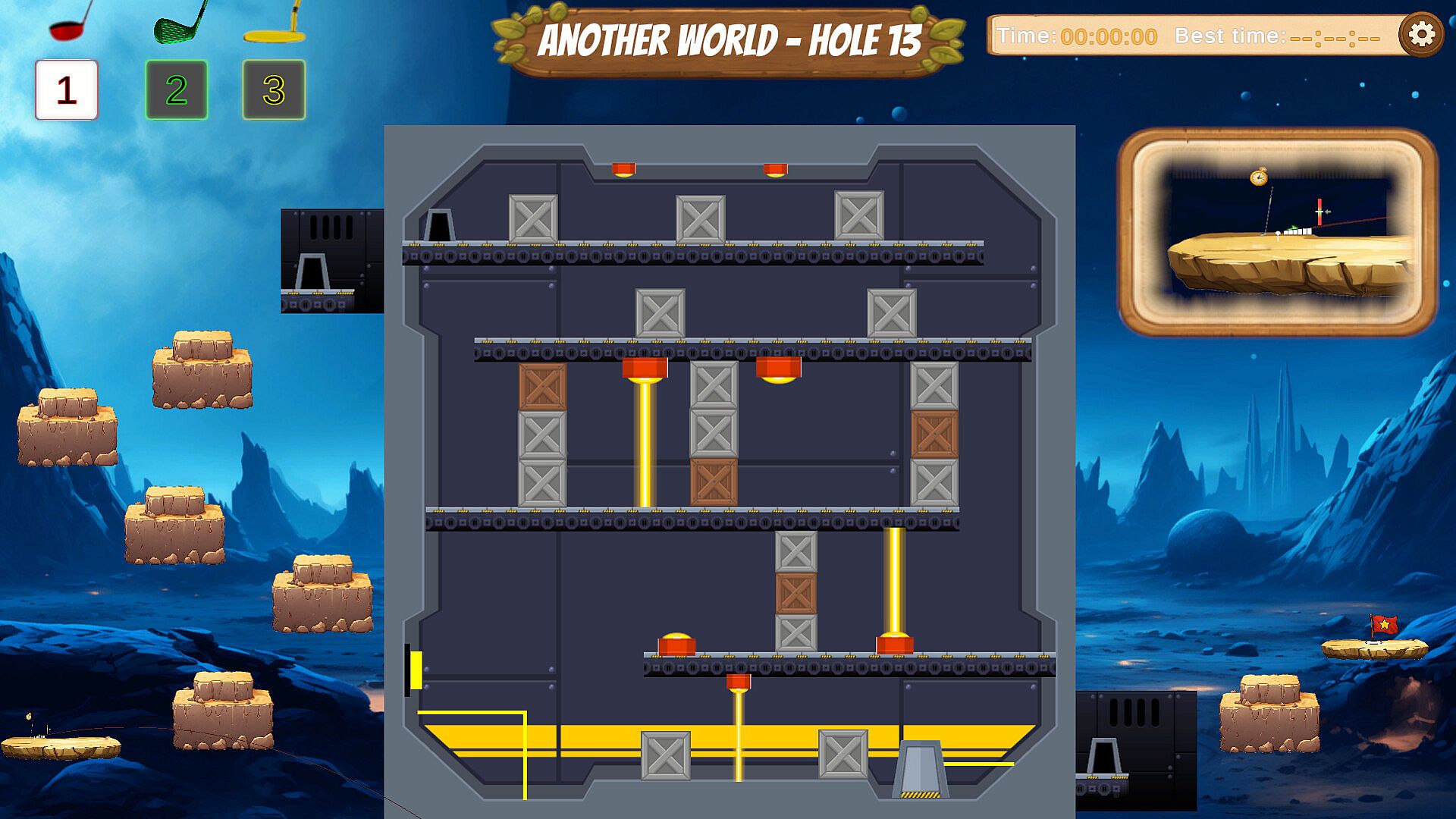
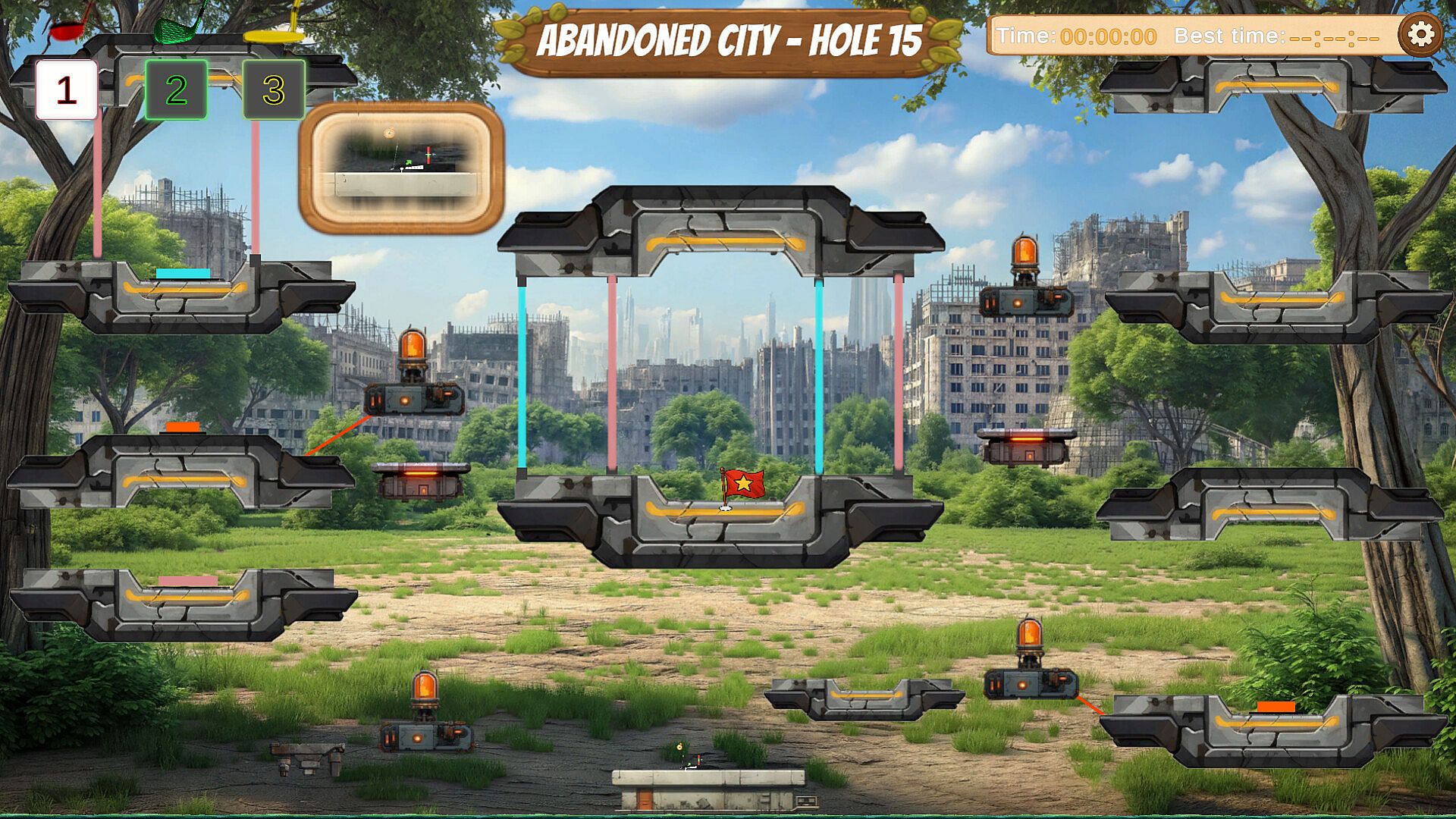
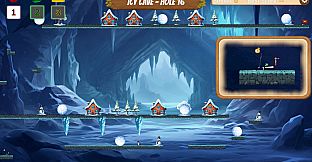
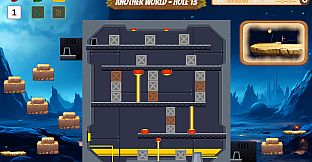
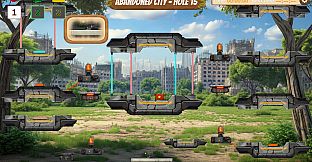
Golfing Is Easy stands out as a 2D golf platformer within the indie sports genre on PC. The core premise remains straightforward: guide a golf ball into the hole on each level. Yet the path to that goal relies on creative navigation through platforming challenges rather than standard fairways and greens. Players control the ball's movement across two-dimensional environments where jumps, bounces, and precise positioning matter as much as power and direction. The physics system governs every interaction, allowing the ball to roll, rebound, and accelerate based on terrain and applied force. This setup creates a loop that rewards experimentation while demanding accuracy to avoid setbacks.
Gameplay
The experience emphasizes accessibility at the start with controls that feel intuitive for basic shots and movement. Over time the demands increase as levels introduce tighter spaces, moving elements, and obstacles that require careful planning. Each shot involves aiming and applying force, after which the ball follows realistic trajectories influenced by the surrounding geometry. Platforming comes into play through the need to launch the ball over gaps, onto elevated platforms, or around barriers that block direct paths. Success depends on chaining actions effectively, such as using walls for ricochets or timing releases to land on specific surfaces. The result is a hybrid that mixes golf fundamentals with puzzle-like navigation, where failure often stems from misjudged angles or insufficient momentum rather than simple putting errors.
Progression feels deliberate because every hole presents unique layouts that test different aspects of control. Shorter holes might focus on quick precision, while longer ones demand sustained momentum management across multiple sections. The absence of traditional golf scoring elements shifts attention entirely to the mechanics of getting the ball home through unconventional routes. This design keeps sessions engaging without overwhelming newcomers, though mastery requires repeated attempts to refine technique and discover optimal paths.
Game Modes
Two distinct modes shape how players approach each hole or course. The timed mode tracks completion speed, encouraging efficient routes and quick recoveries from mistakes. A stroke or hit counter mode instead records the number of attempts needed, turning each level into a test of consistency and minimal intervention. Both options generate a scorecard at the end of a hole or full run, providing clear feedback on performance across the selected content. Switching between modes allows different playstyles to emerge naturally, with timed runs favoring speed and the counter mode highlighting precision. Full courses combine all eighteen holes into one continuous challenge, while single-hole selection supports focused practice on specific layouts.
Courses and Structure
Five separate courses house the full set of eighteen holes each. These environments vary in complexity, with some favoring open areas that reward long carries and others featuring dense clusters of platforms and hazards. Players can tackle content one hole at a time for bite-sized sessions or commit to an entire course for a more complete test of endurance and adaptability. The structure supports both casual exploration and repeated runs aimed at improvement. Physics remain consistent throughout, ensuring that lessons learned on early holes translate to later ones while new obstacles keep the experience fresh.
Is It Worth Playing?
Golfing Is Easy appeals most to players who enjoy singleplayer challenges that combine familiar sports mechanics with platforming freedom. Its easy-to-learn foundation paired with increasing difficulty makes it suitable for those seeking a satisfying solo experience rather than competitive multiplayer. The physics-driven movement and dual modes provide replay value through different approaches to the same holes. As a solo-developed indie title, it offers a focused package centered on core gameplay without unnecessary additions. Those who appreciate deliberate pacing and creative problem-solving in a sports context will likely find repeated play rewarding, especially when aiming to complete courses under both timing and stroke constraints. Support for such projects often comes from players who value straightforward, physics-based challenges over polished productions.