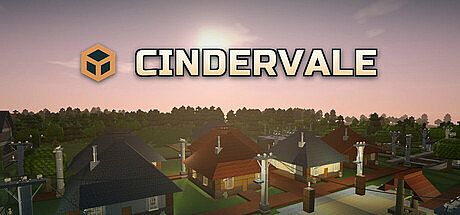


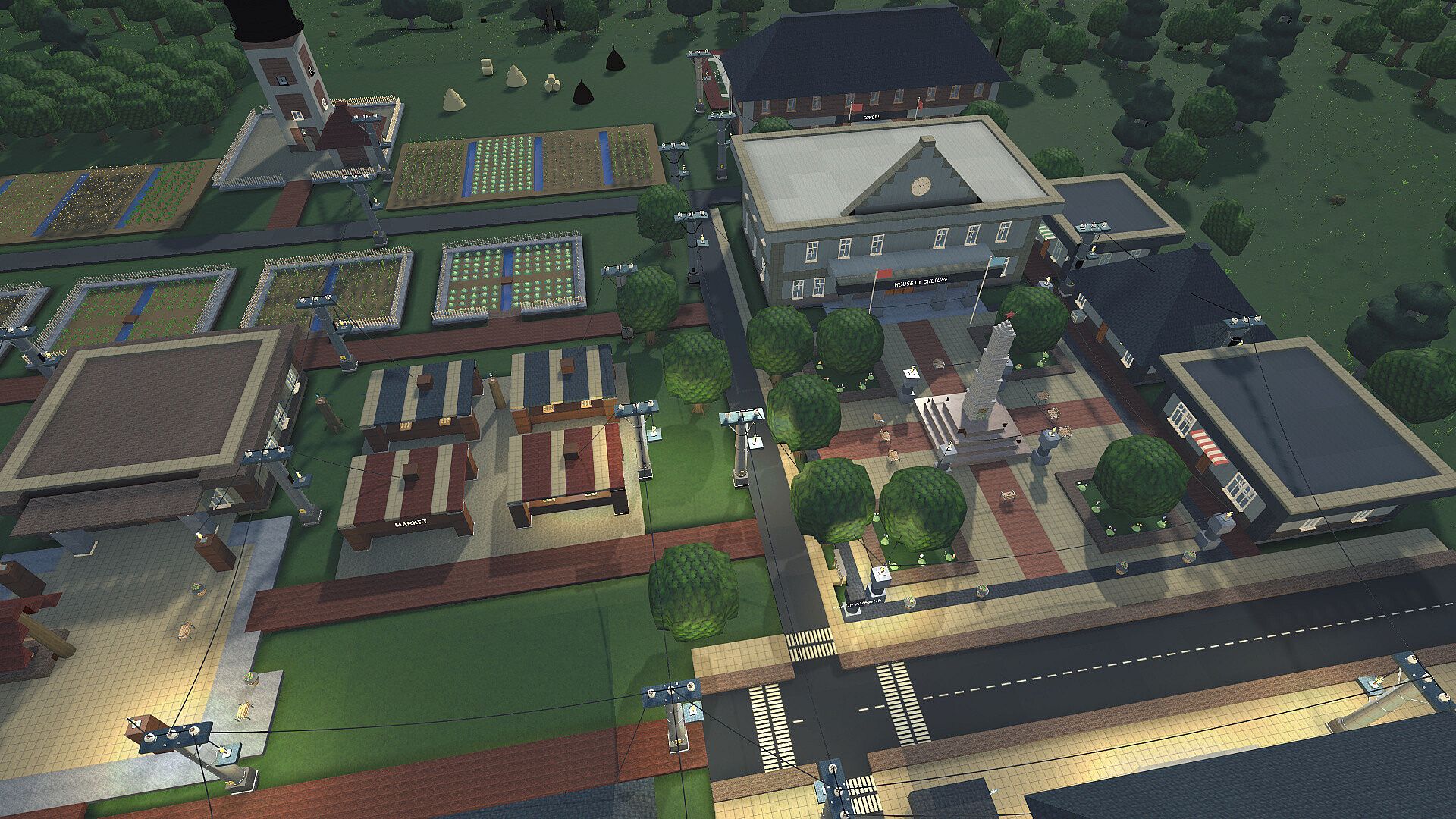
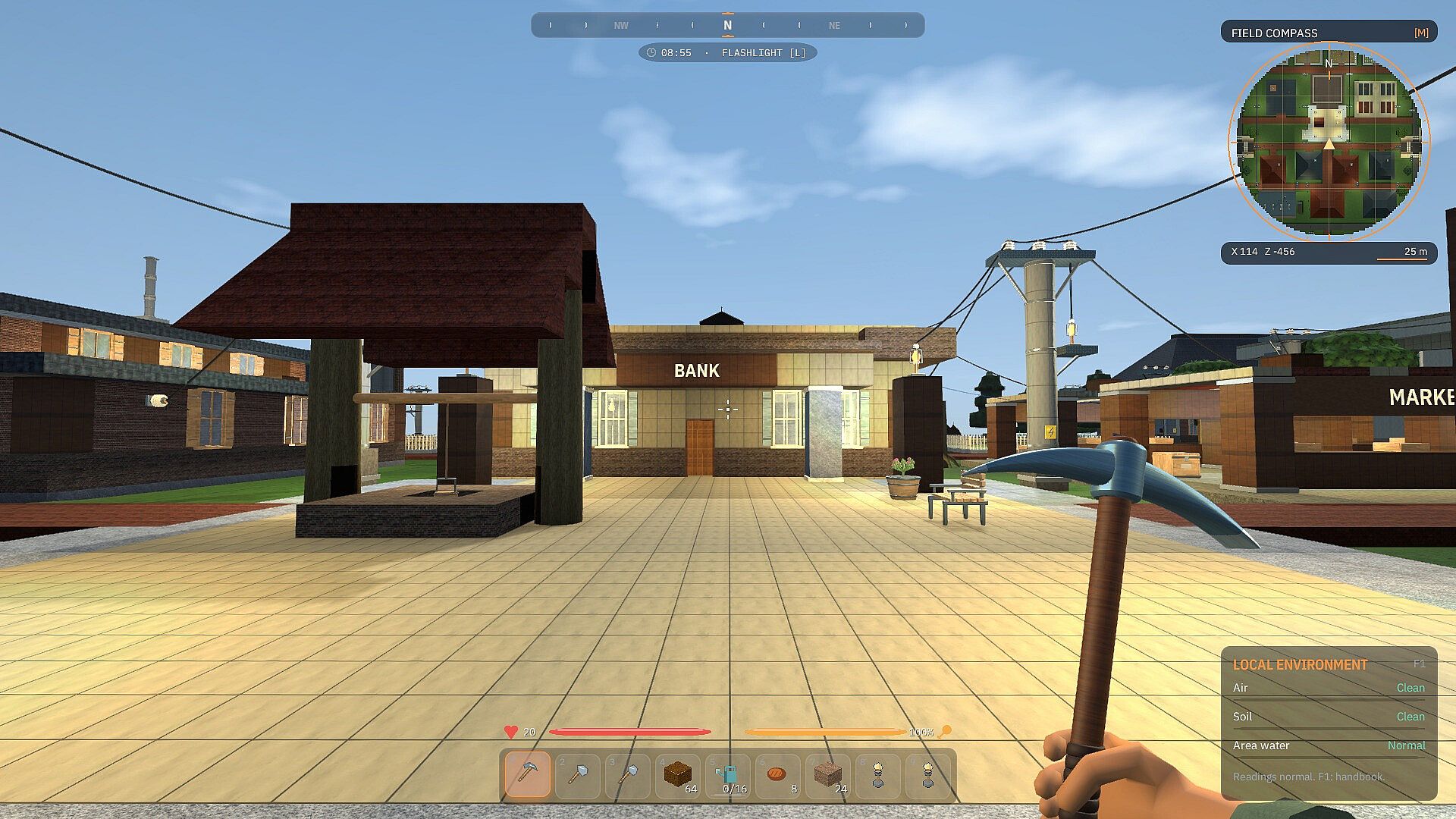
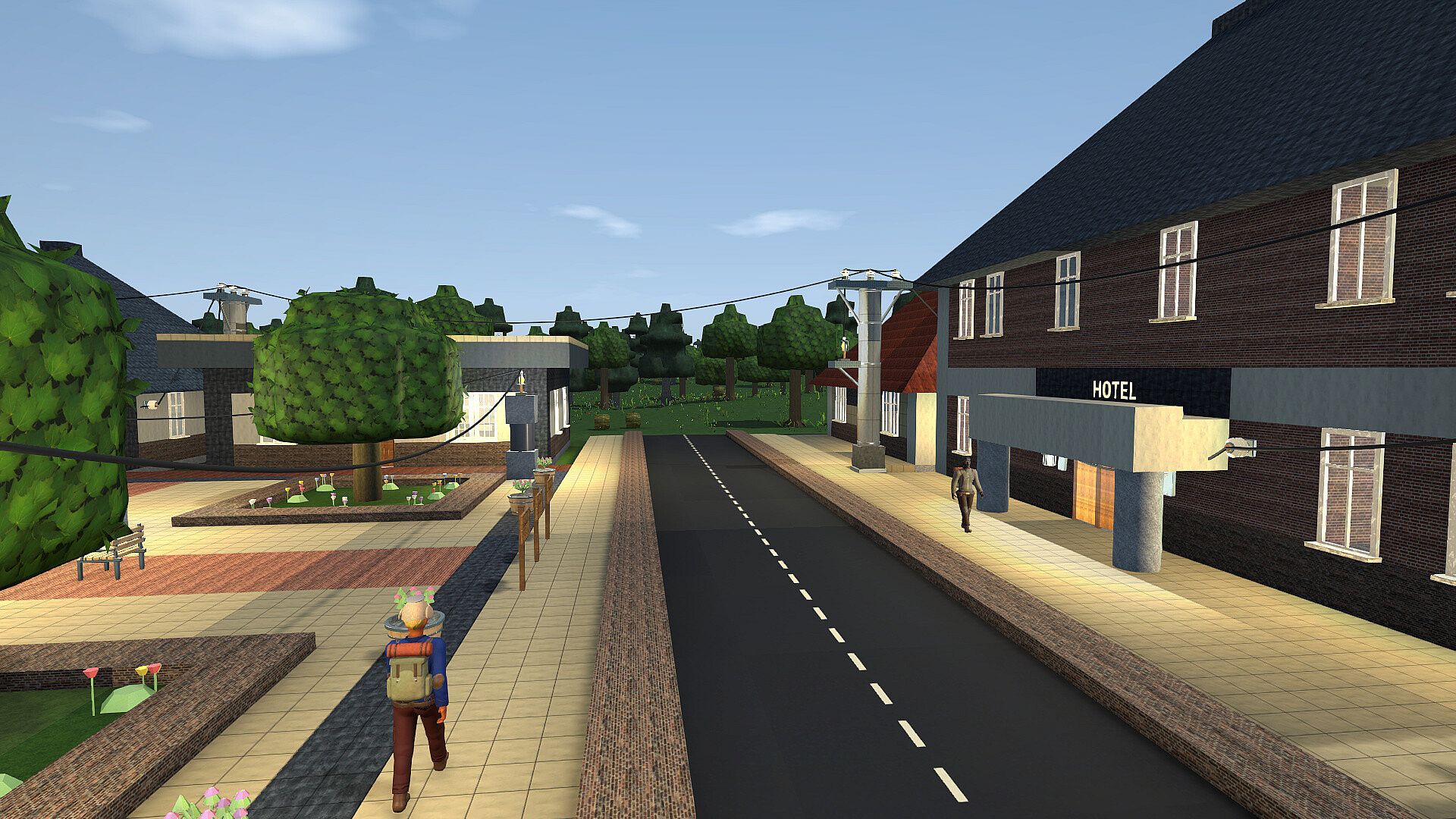
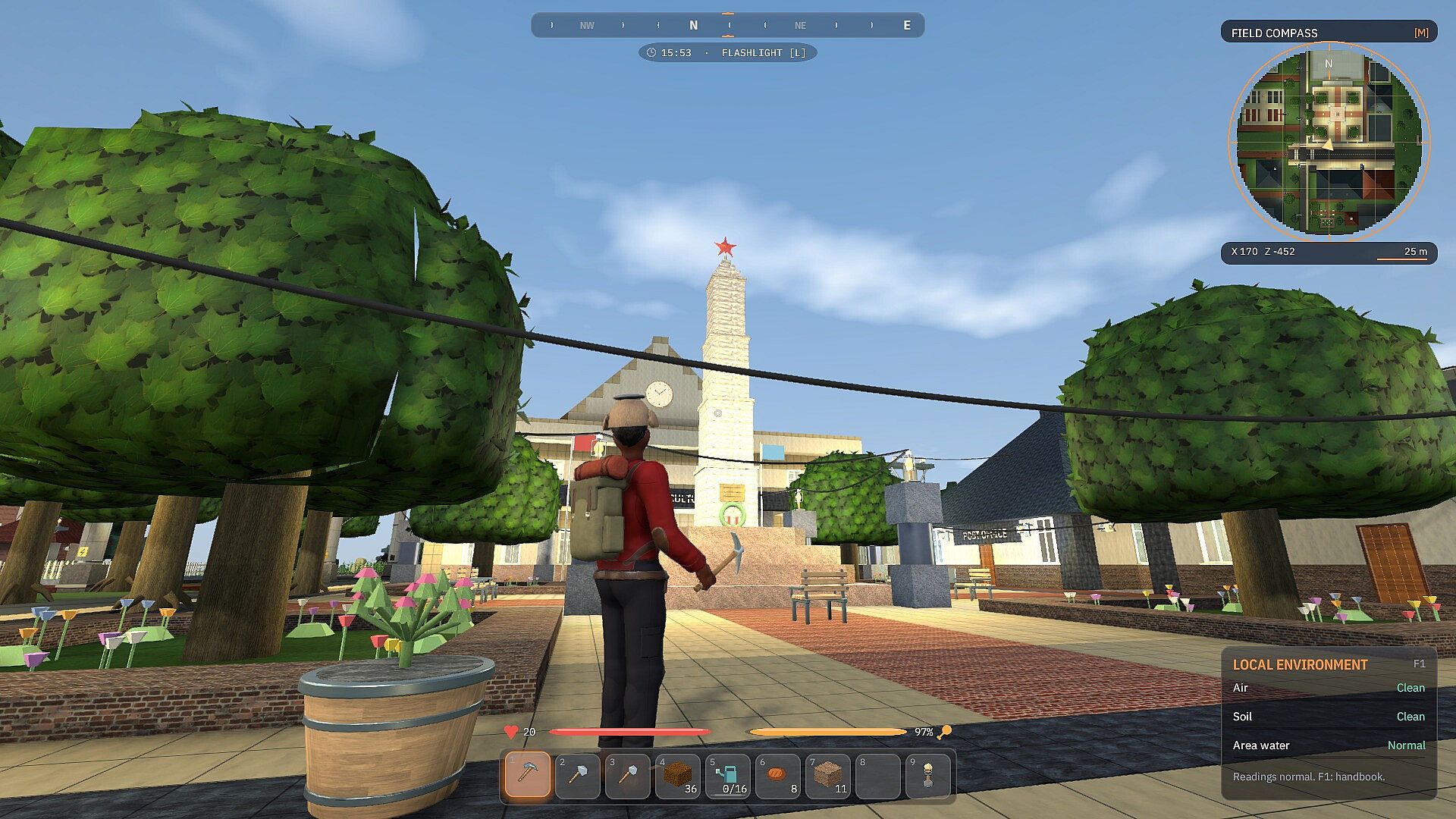
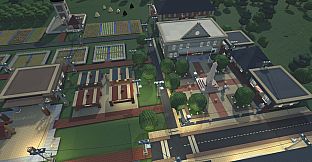
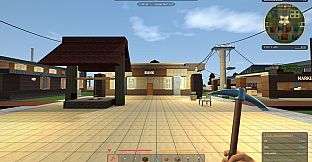
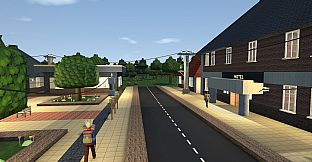
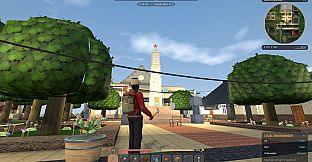
Cindervale is a first- and third-person voxel sandbox game centered on survival, building and engineering. Players begin with basic tools on the square of a starter town and progress through resource gathering, material processing and machine assembly to create functional industries.
Gameplay
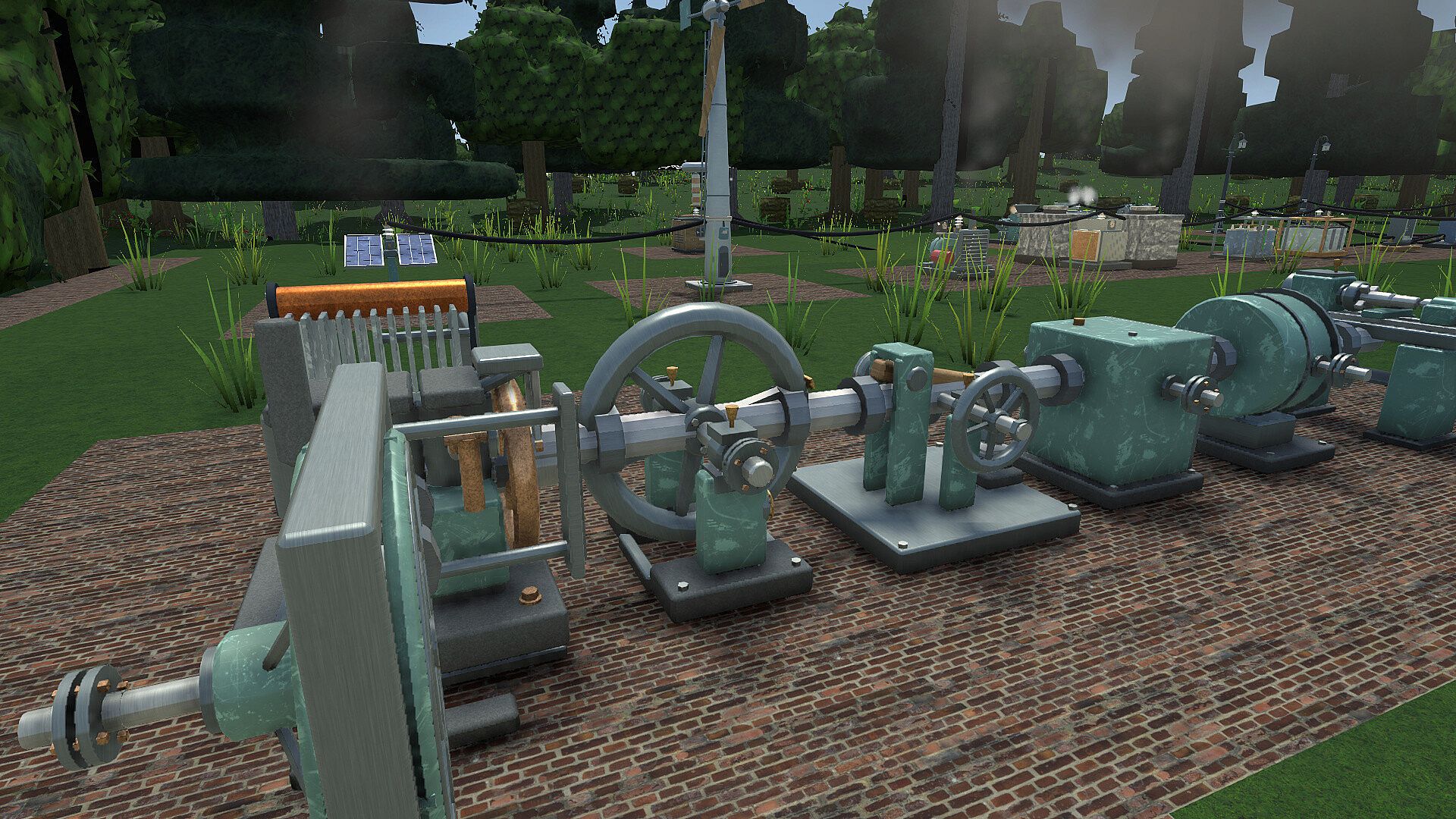
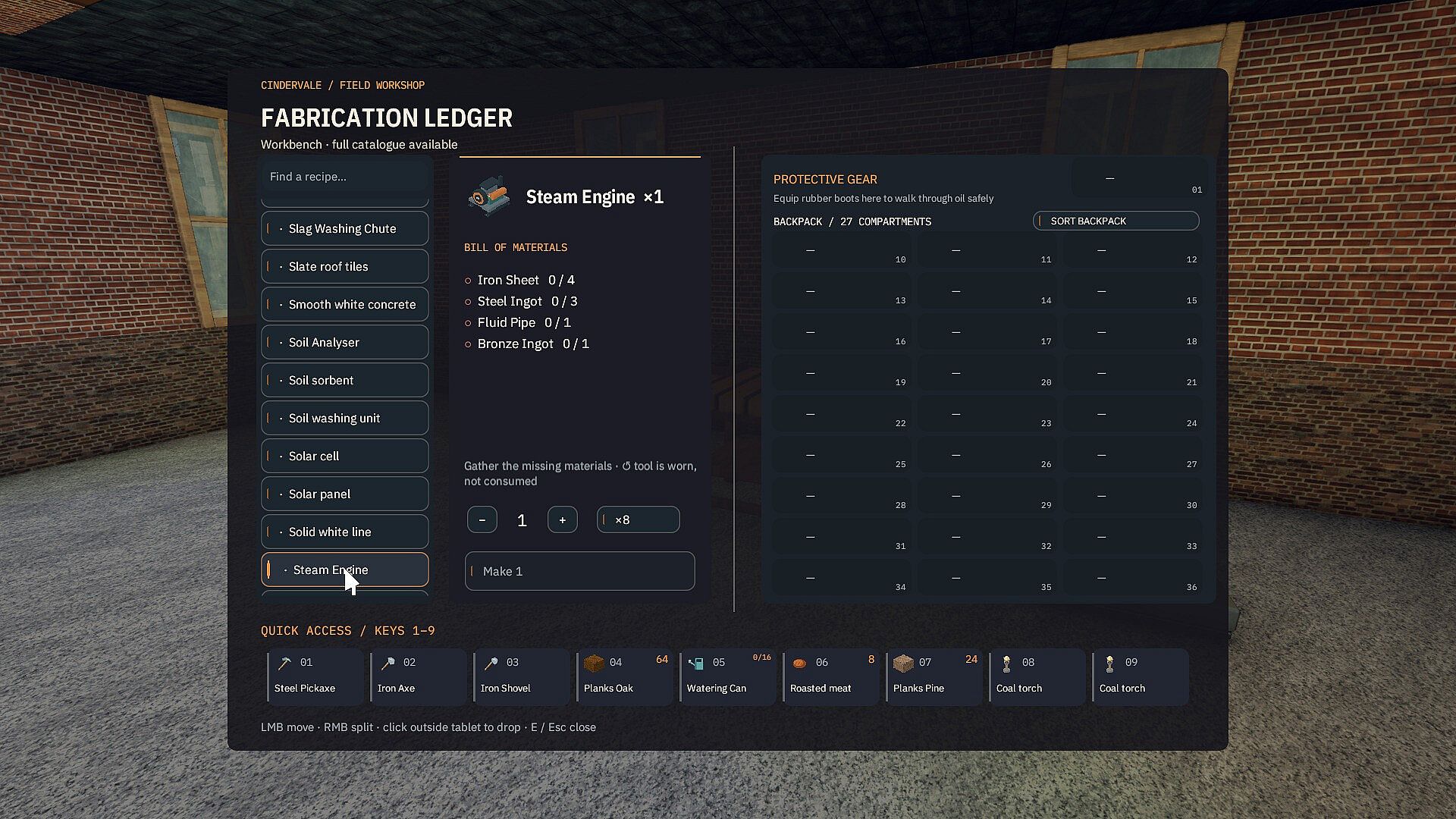
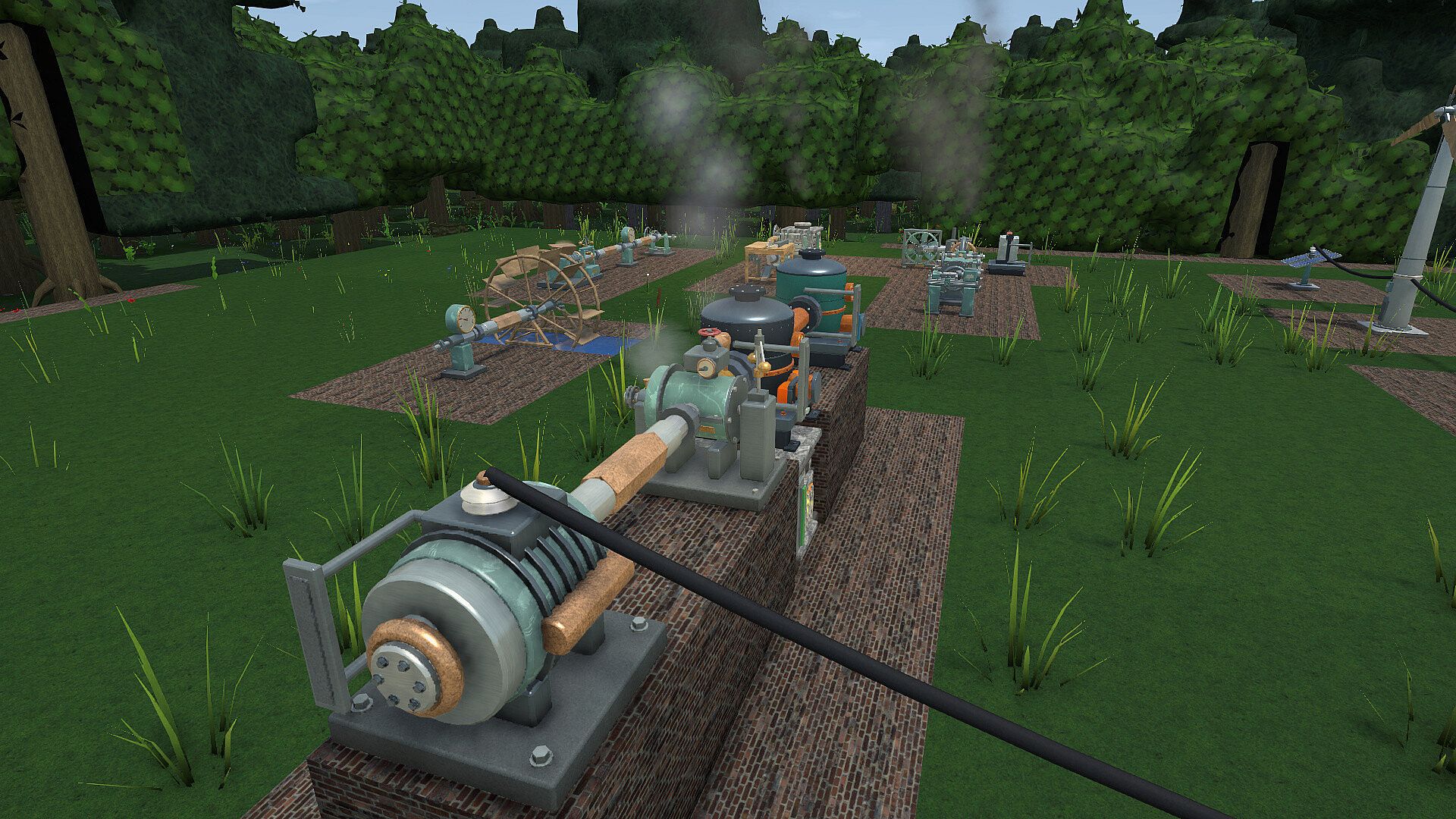
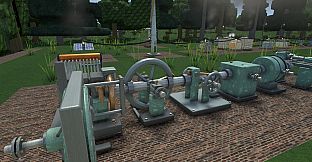
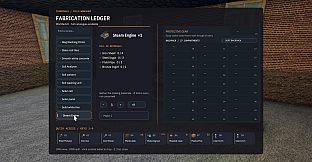
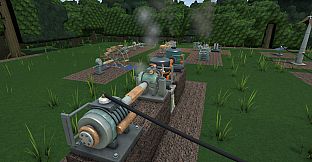
The core loop starts with chopping logs for a wooden pickaxe and advances to smelting ore into steel, bronze and copper wire. Players construct furnaces, channels and casting moulds to produce metals, then use shafts, gears, gearboxes and governors to transmit power. Conveyors and loaders transport goods while pipes, tanks, valves and pumps handle fluids, including a distillation column that separates crude oil into diesel, naphtha and lubricant.
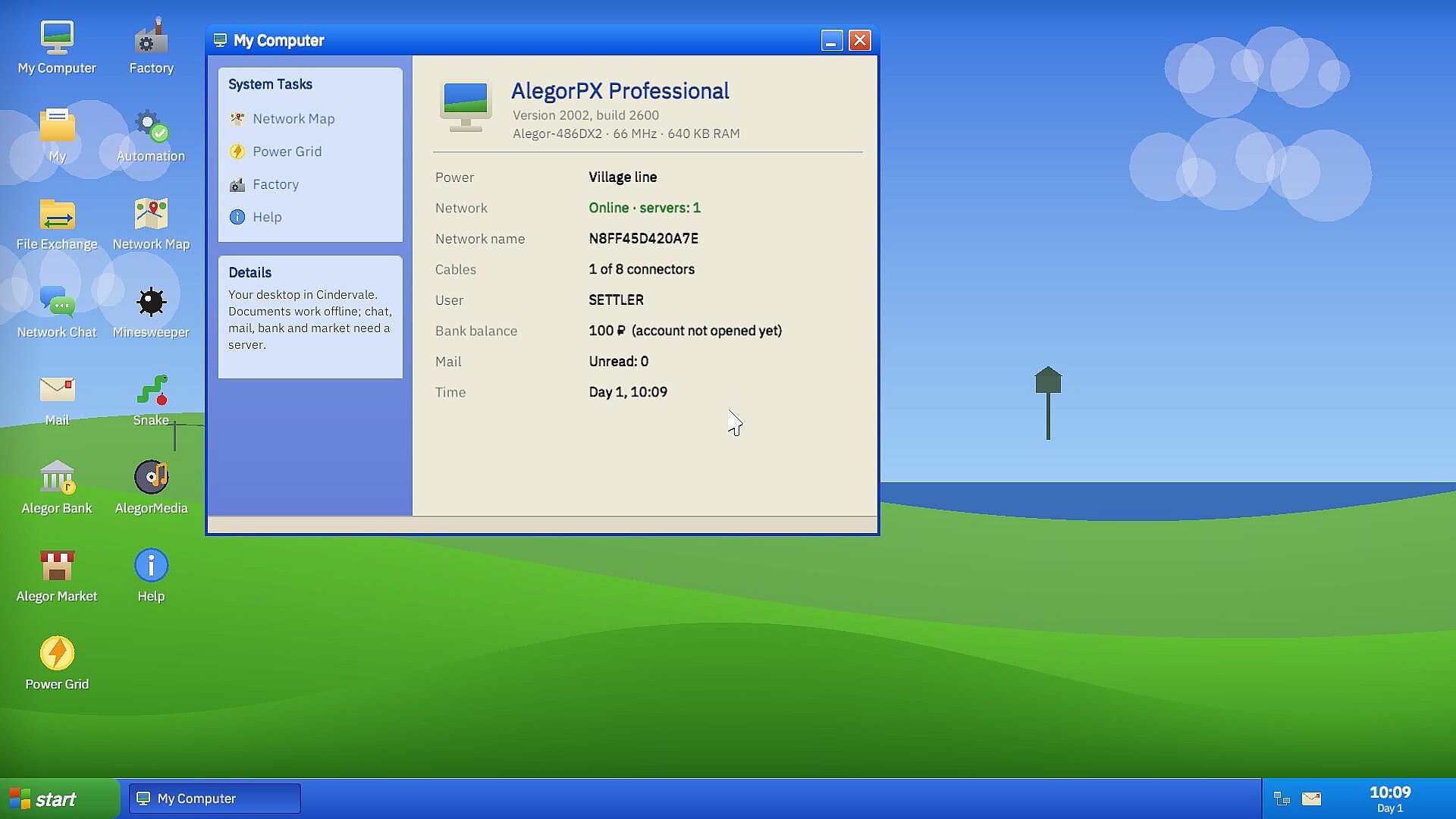
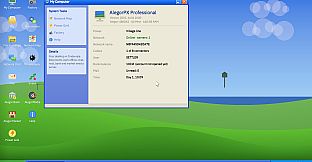
Machine tools such as sawmills, power hammers, lathes and crushers produce components for larger assemblies. Power generation comes from wind turbines, water wheels, steam turbines or solar panels, with wiring run across insulators to batteries, switches and circuit breakers. Electric furnaces, pumps and tools eventually automate production. The AlegorPX computer system manages documents, mail, chat, a network map, banking and a market, while programs monitor power grids, control factories remotely and automate equipment through if-then rules.
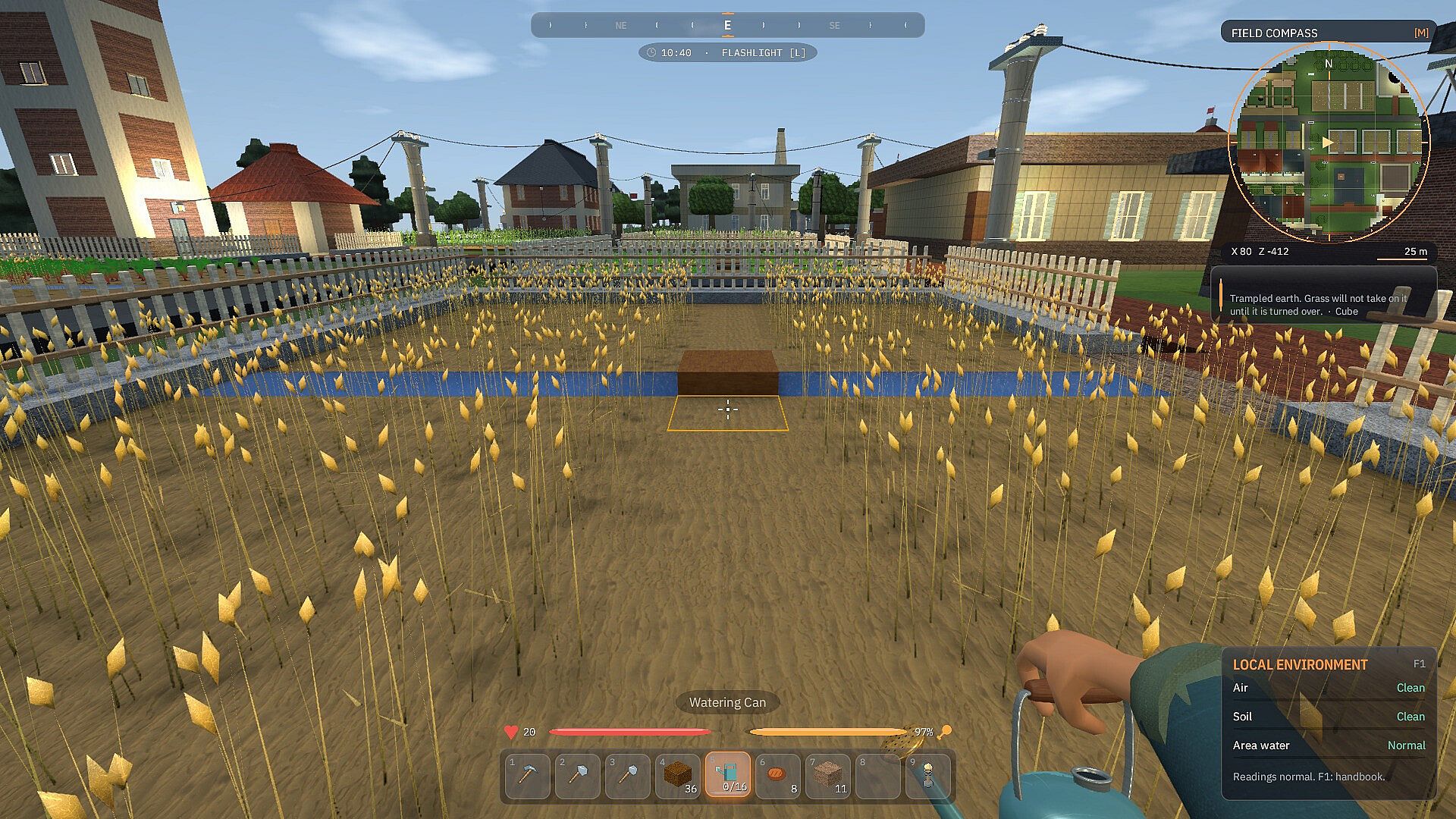
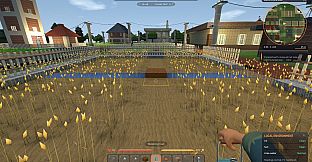
Farming involves growing wheat, potatoes, carrots, beets, onions, corn and cabbage, which require water and healthy soil. Food spoils unless stored in electric refrigerators or preserved by canning. Hunting requires caution around wolves and bears, and shelter must be built before nightfall since each day lasts 40 minutes and weather shifts from clear mornings to thunderstorms. Industry affects the environment through smoke, oil spills and waste that pollute air, soil and water, so players install chimney filters and clean contaminated areas.
Custom vehicles include the CV-46 freight truck, Kestrel motorboat, Survey hot-air balloon, powered hang glider, walking tractor and diesel locomotive with freight wagons. These require fuel, maintenance and route planning, with cargo influencing handling. Character customization offers 16 jackets, 8 pairs of trousers, 10 hairstyles, 8 skin tones and headwear options such as an ushanka, cap, hard hat or beanie, along with adjustments to build and height. Players switch between first-person and third-person views.
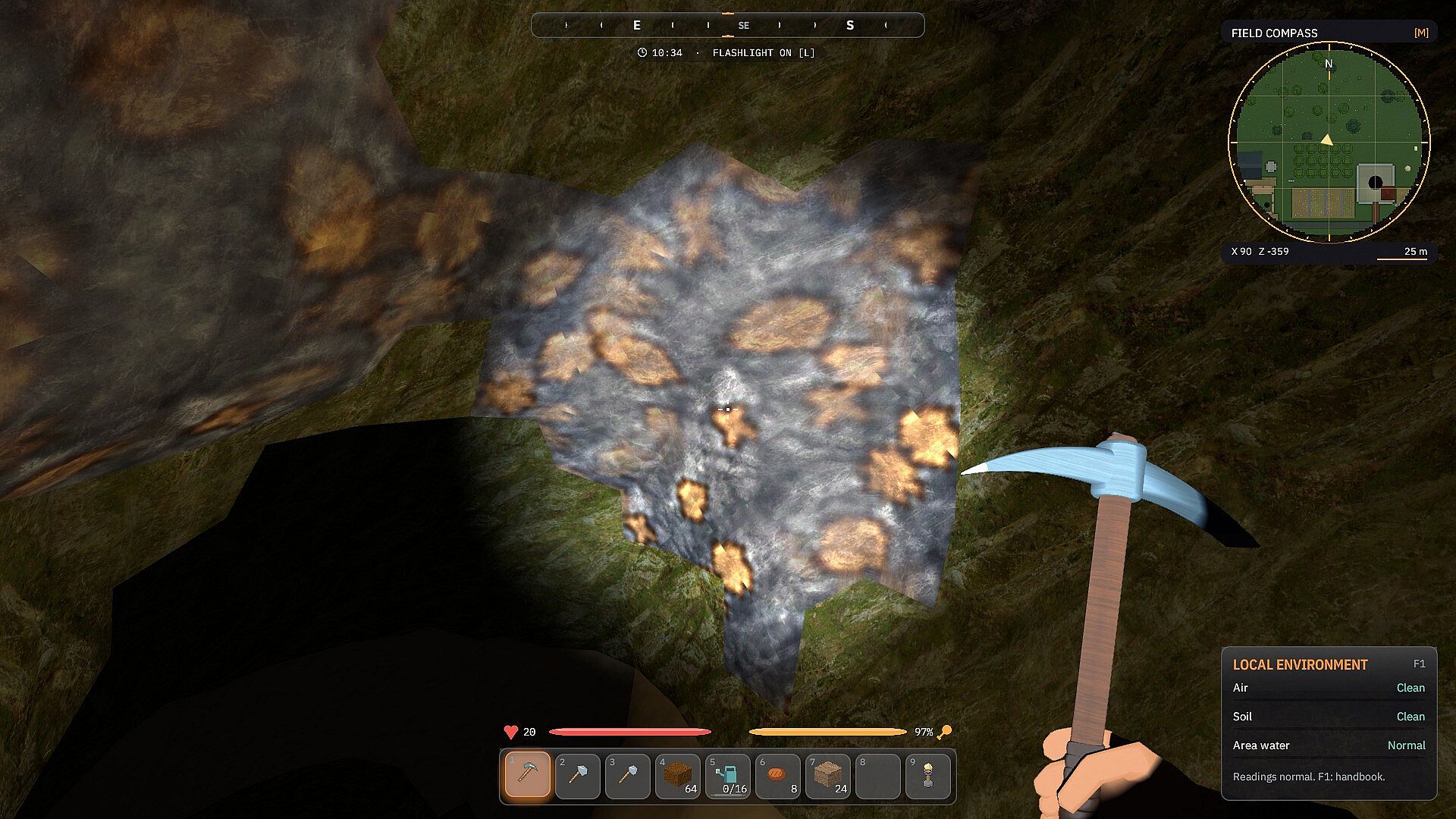
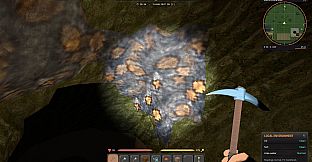
Audio features nine original tracks that change with location and time of day, more than 400 sounds including footsteps on ten surfaces and machinery hums, nine animal species with distinct calls, and twenty kinds of plants with swaying grass and treetops. Ore deposits are limited on the surface, requiring exploration of deep caves.
Game Modes
Survival mode emphasizes resource management, environmental hazards and progression from basic tools to complex machinery. Creative mode removes restrictions for free building and experimentation with mechanical systems. Both modes support single-player and multiplayer sessions over a network or dedicated server, allowing shared settlements where players divide tasks such as farming, mining and workshop operations, trade via the in-game market and place custom signs.
Building and Engineering Systems
Every new machine encourages further mining, workshop expansion and logistics planning. Pollution mechanics force trade-offs between industrial output and environmental maintenance. Power distribution and automation rules add layers of planning, while fluid and mechanical systems create interconnected production chains. Vehicles integrate into these chains for transporting heavy loads across the 181 by 181 metre starter town and surrounding areas.
Is It Worth Playing?
Cindervale suits players interested in detailed survival crafting and engineering within a voxel world. The game remains in active development with several major updates already released during open beta. Expect occasional bugs, ongoing mechanic adjustments and reduced performance on lower-end hardware or with very large factories. Feedback from players directly influences development priorities. Those who enjoy methodical progression from manual labor to automated industry, along with optional cooperative building, will find the current version rewarding despite its early-access status.