







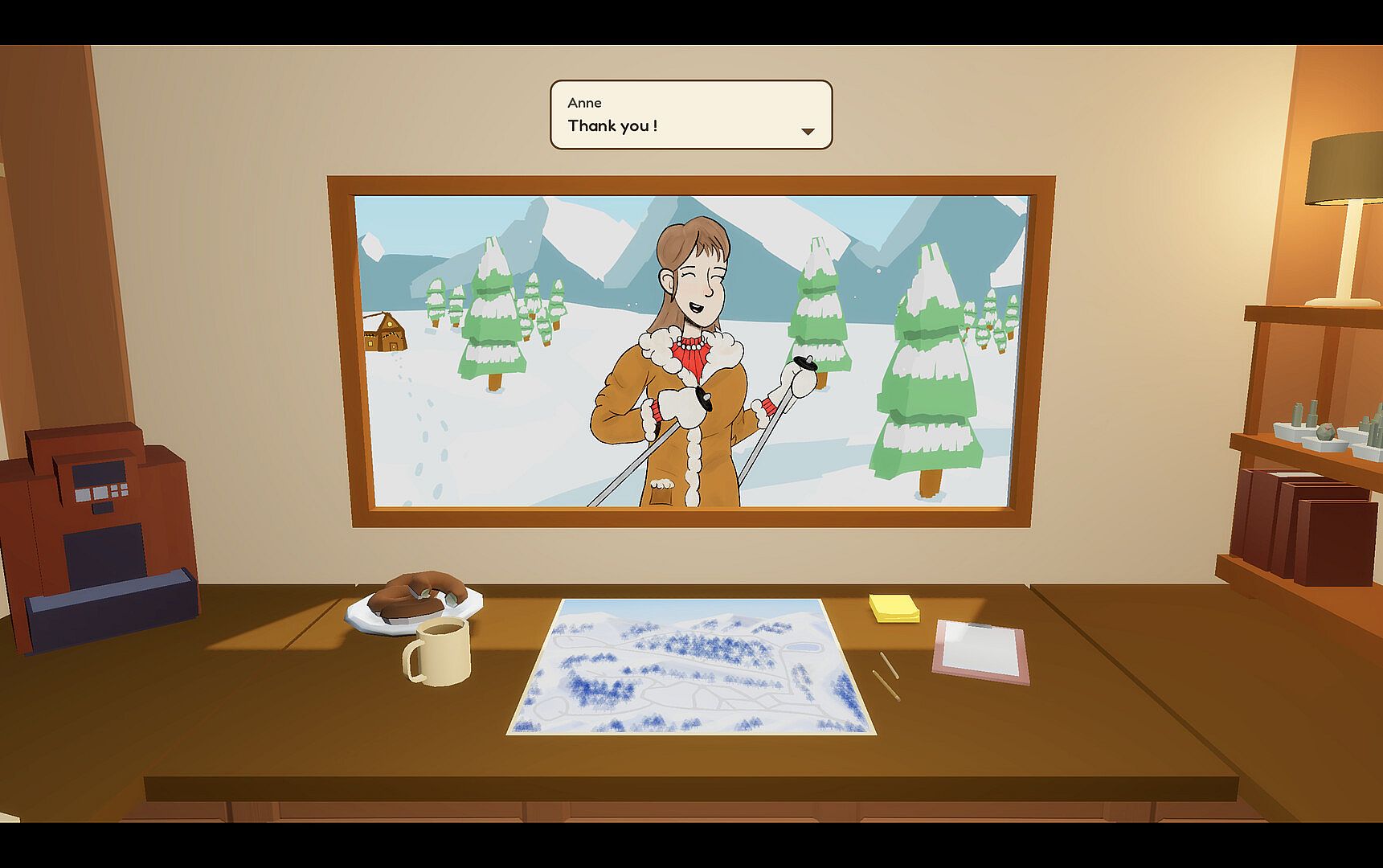
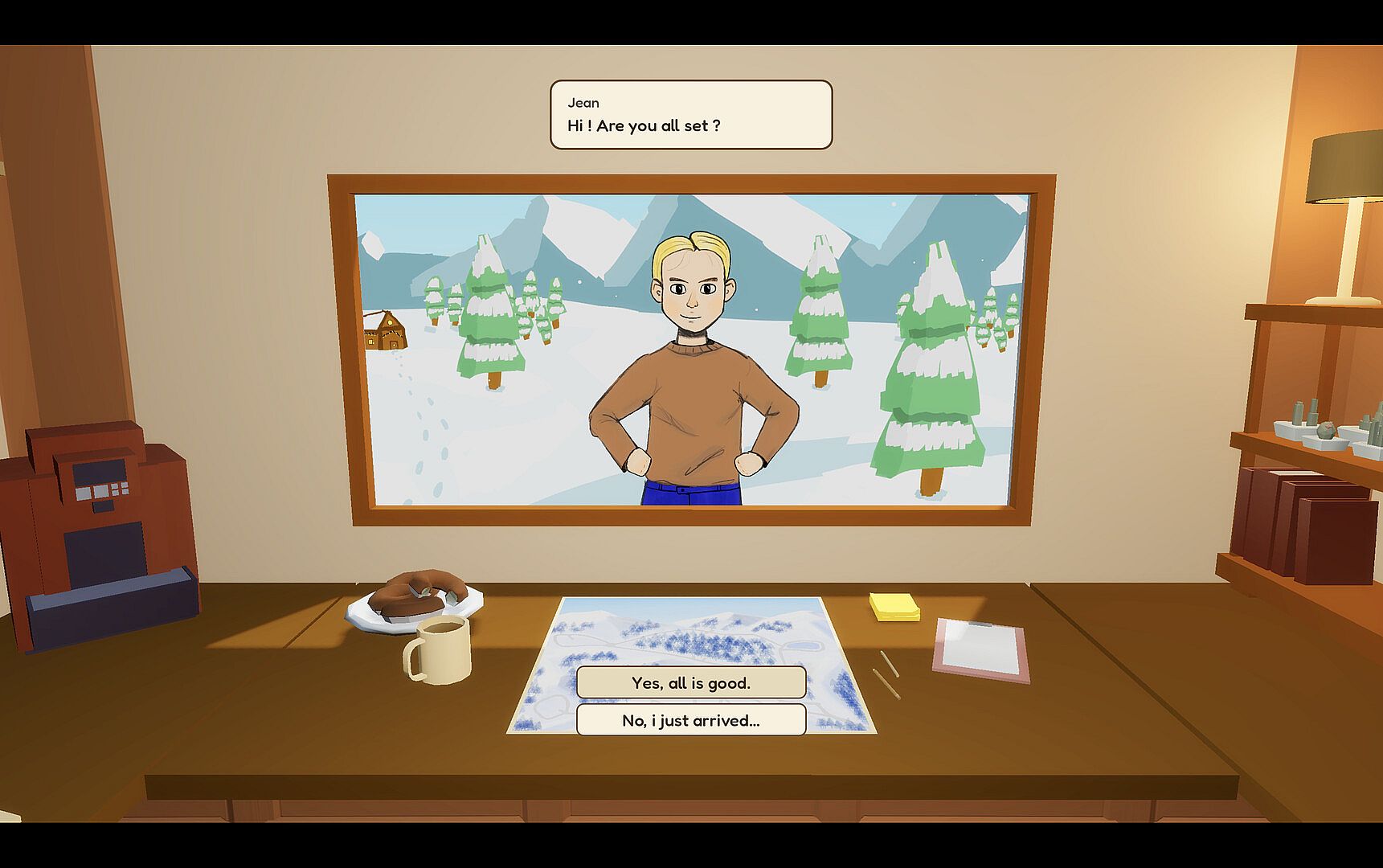
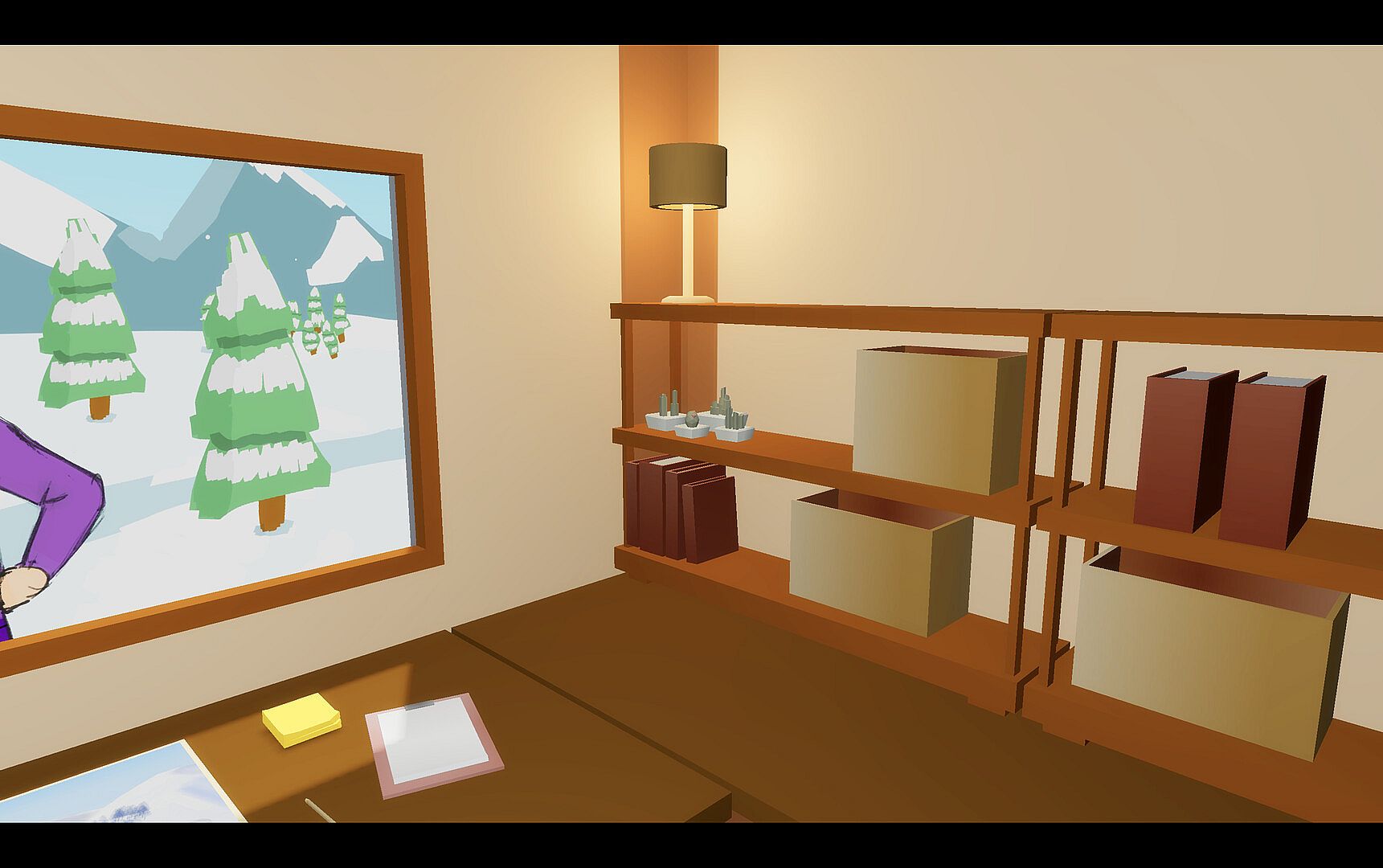

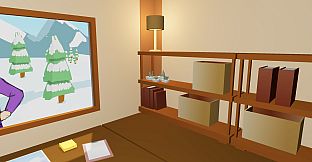
Winters at Silky Peak is a cozy simulation game that places players in the role of a seasonal worker at a tourist office in a small mountain village. The experience centers on helping visitors plan enjoyable outings by listening to their needs and matching them with suitable activities available in the surrounding area.
Gameplay
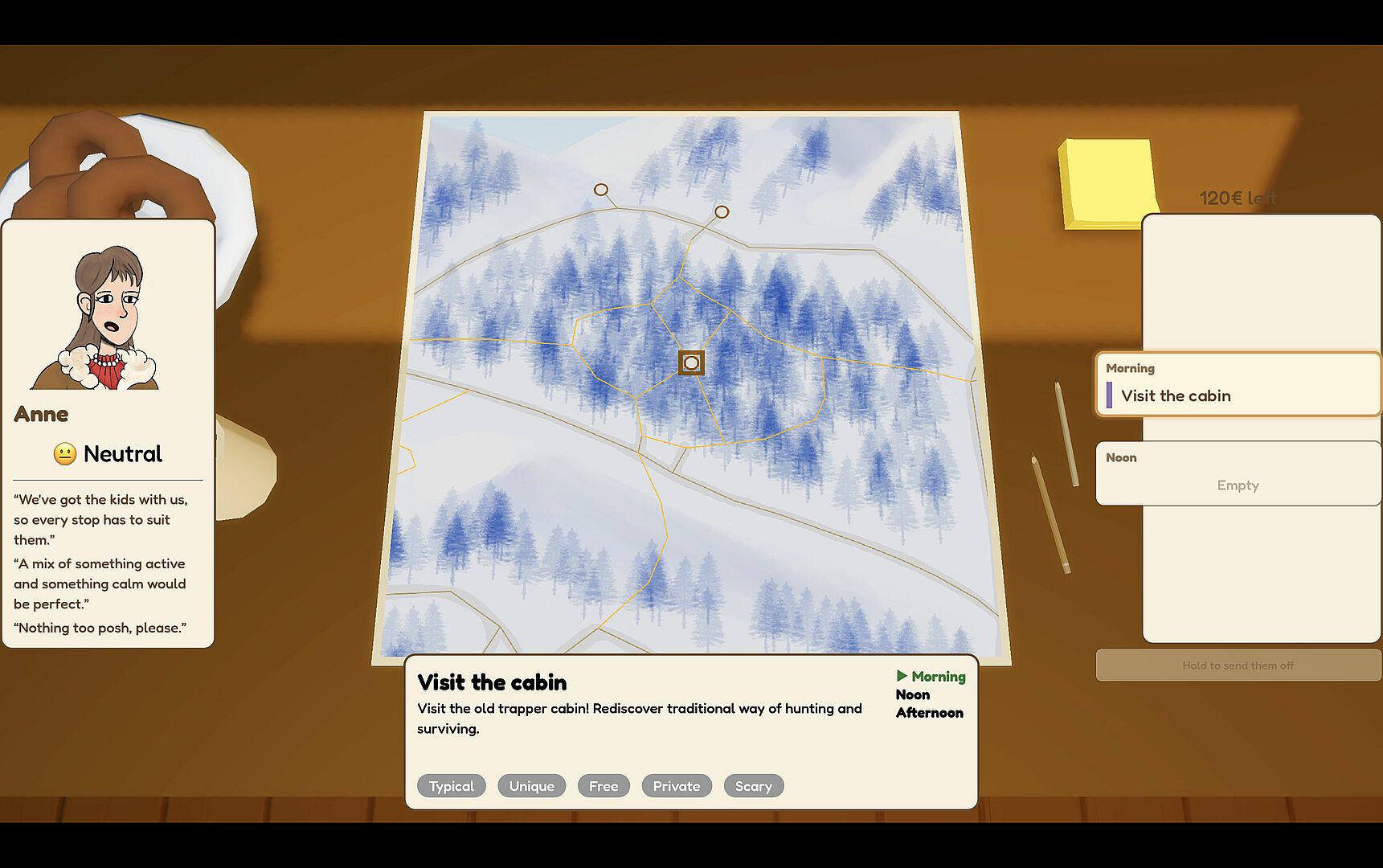
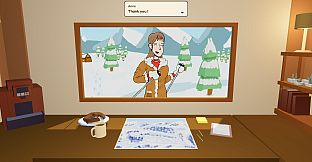
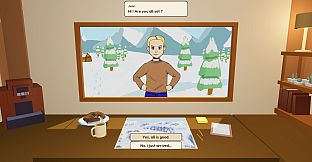
The core loop involves meeting individual travelers and learning details about their preferences and circumstances. Some arrive with children, while others seek more adventurous options or quieter pursuits. Each conversation reveals more about what would create a satisfying day for that person.
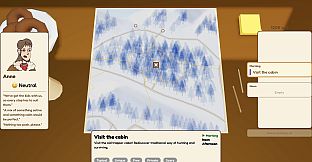
Players consult a map to identify locations and the activities they support. One spot might offer multiple choices, yet each carries practical limits such as operating hours or capacity concerns that can affect availability. Selecting the right sequence of recommendations helps ensure the traveler enjoys a smooth and fulfilling itinerary without conflicts.
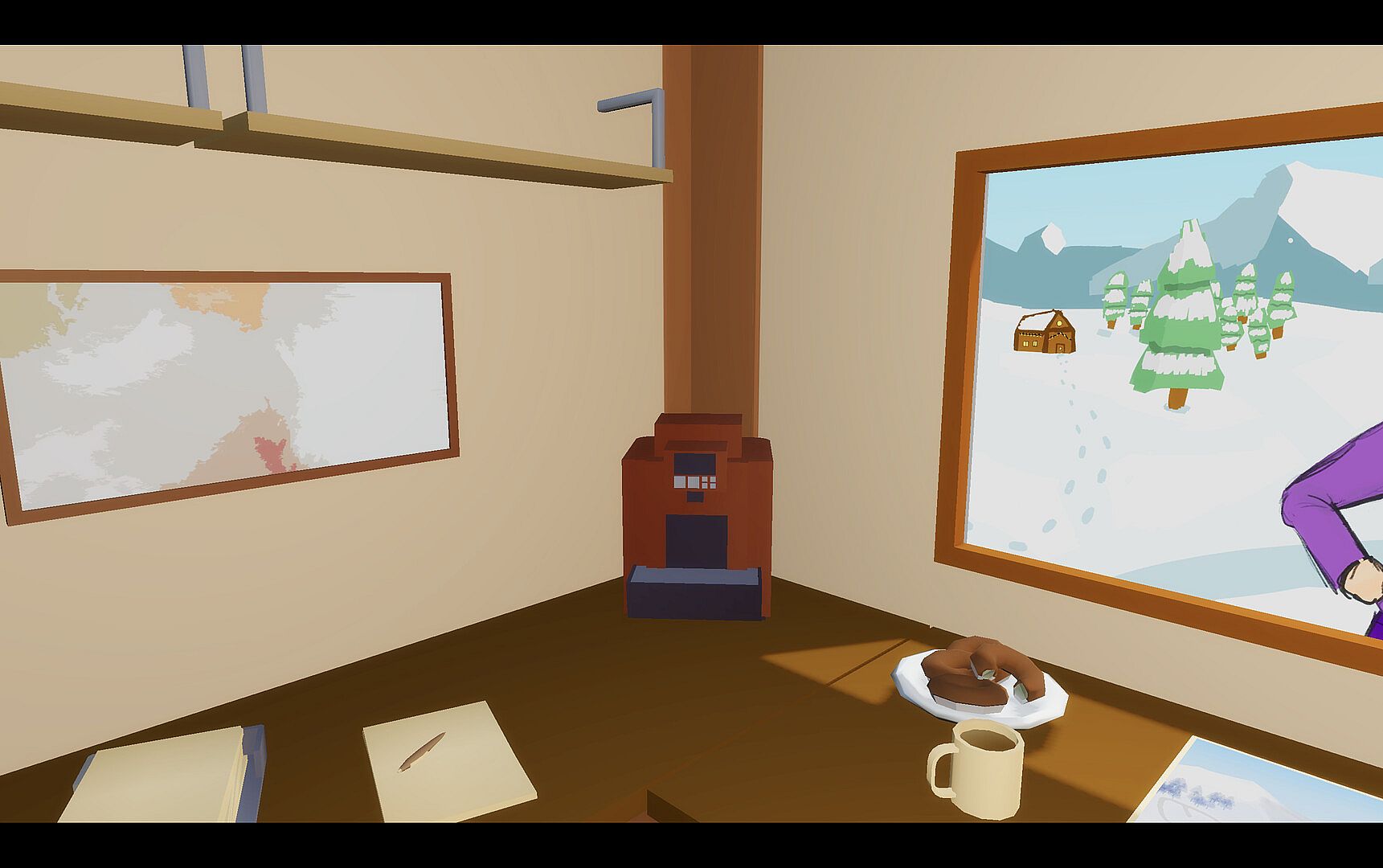
Positive feedback from satisfied visitors leads to improvements at the chalet, expanding the workspace over time. The setting encourages a relaxed pace, with opportunities to observe the village and its seasonal rhythm as the job progresses.
Game Modes
The game operates as a single-player simulation focused entirely on the tourist office role. There are no separate competitive or multiplayer modes. Instead, the experience unfolds through successive interactions with different travelers, each presenting unique combinations of preferences and constraints that shape the planning process.
Progress builds gradually as reviews accumulate and the chalet develops. The emphasis remains on thoughtful decision-making within the daily routine rather than on distinct game variants or team-based elements.
Key Features and Mechanics
Travelers arrive with varied profiles that influence activity suggestions. Factors such as family size or interest in adventure guide choices, requiring players to balance multiple requests across the map. Constraints like limited opening times or popularity-driven overcrowding add layers of consideration when organizing each outing.
Discovery plays a part as new locations and activity options become available through continued play. This expands the range of recommendations possible while reinforcing the need to account for timing and capacity when sequencing visits.
Review collection serves as the main progression driver. Happy travelers contribute to chalet upgrades, which in turn support handling more visitors or refining the workspace environment. The overall structure rewards careful planning and attention to individual details over rapid or repetitive actions.
Who It Is For
This title appeals to players who enjoy relaxed management simulations with a focus on personal interactions and problem-solving. Those drawn to cozy experiences set in picturesque locations will find the mountain village atmosphere central to the appeal. The single-player format suits sessions of varying length, allowing time to consider each traveler's needs without pressure from timers or opponents.
Individuals interested in casual strategy around scheduling and resource matching will recognize familiar elements in the activity recommendation system. The game avoids combat or high-stakes challenges, prioritizing thoughtful engagement with the village's offerings and its visitors.
Is It Worth Playing?
Winters at Silky Peak presents a distinctive take on the simulation genre through its tourist office premise and emphasis on personalized trip planning. The mechanics of gathering traveler details, navigating map constraints, and building through reviews create a consistent loop that rewards observation and careful ordering of activities.
As a new release with no user reviews available yet, the game stands on the strength of its described systems. Players who value cozy, single-player experiences centered on daily routines and gradual improvement may find the village setting and interaction focus engaging. Those seeking more action-oriented or multiplayer content should look elsewhere, as the title remains firmly rooted in its simulation roots.
The planned availability on PC supports accessibility for those interested in this style of gameplay. Its indie casual approach offers a low-pressure alternative to more intense simulation titles, centered on the satisfaction of matching the right experiences to each visitor.












