

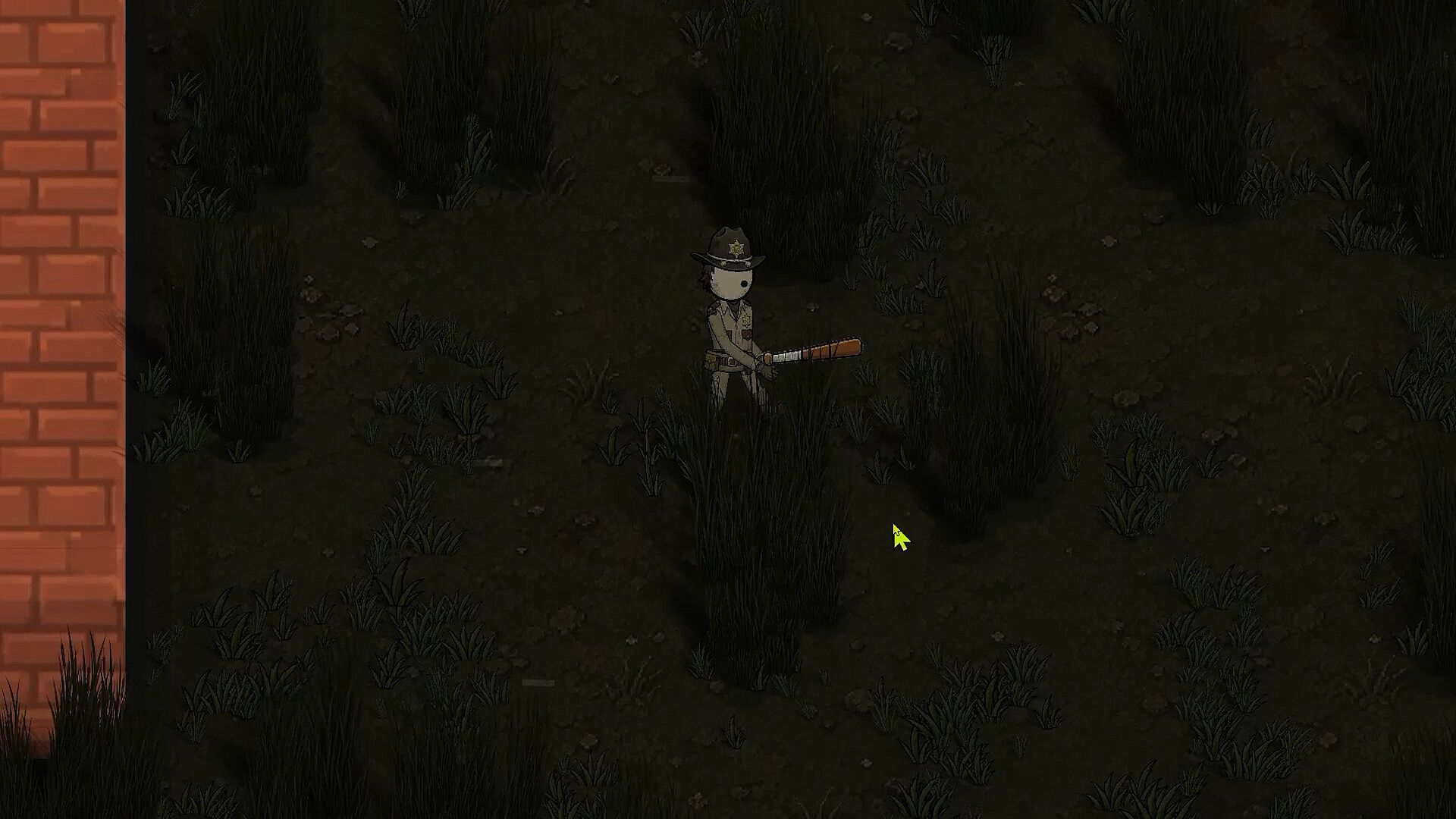
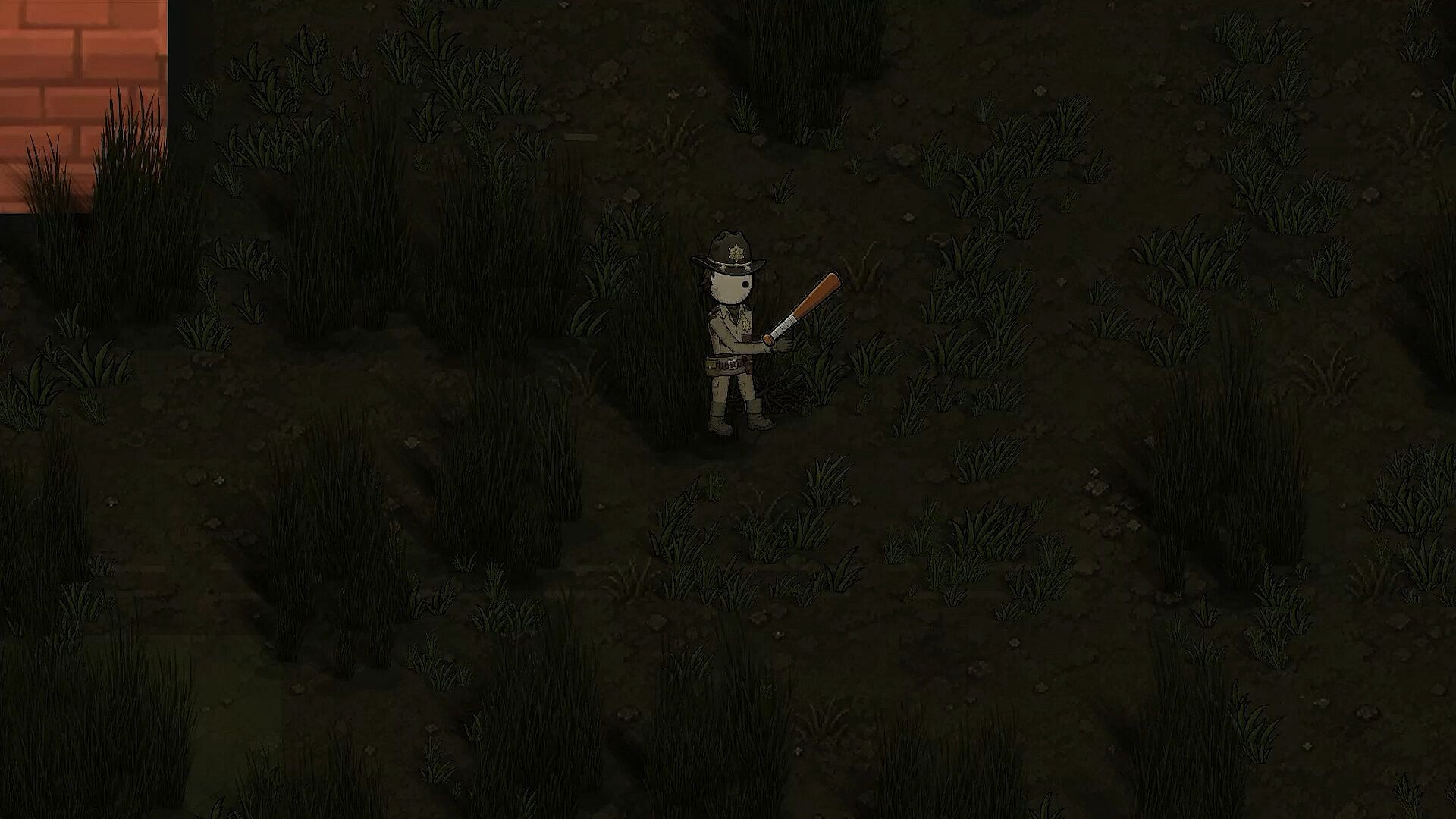
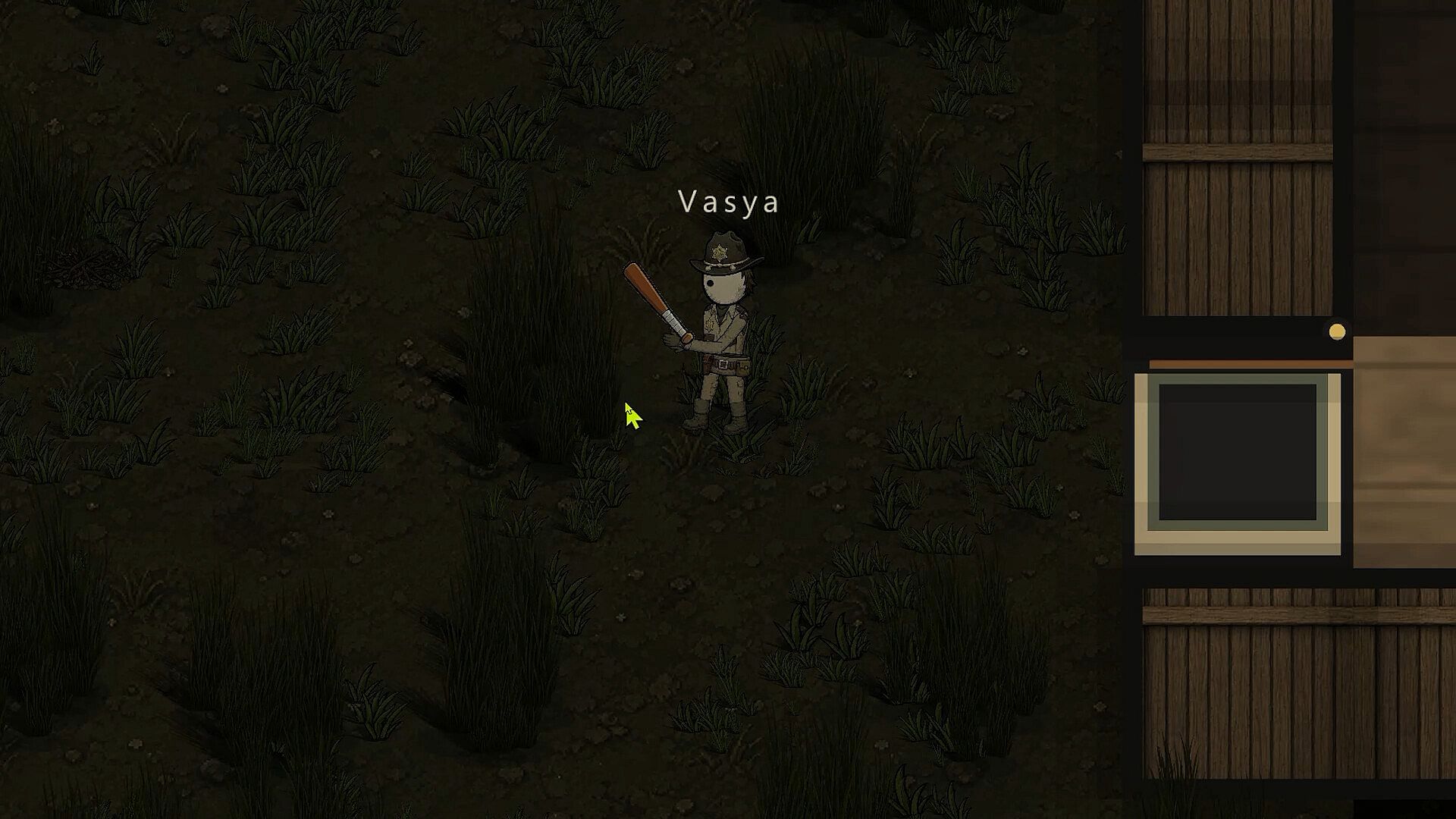

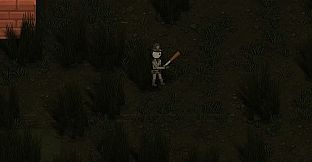
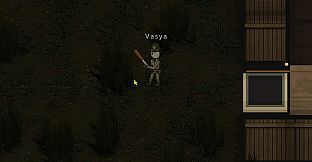
When the Day Comes is a hardcore top-down multiplayer survival game set in a post-apocalyptic world plunged into permanent darkness. Players navigate a procedurally generated landscape filled with abandoned cities, military bases, and rural settlements while managing scarce resources and fending off threats. The title blends simulation and adventure elements with massively multiplayer features, placing emphasis on long-term settlement development and cooperative or competitive interactions among survivors. Early access on PC allows players to experience the core loop of exploration, crafting, and base defense in an environment where every decision carries weight.
Gameplay
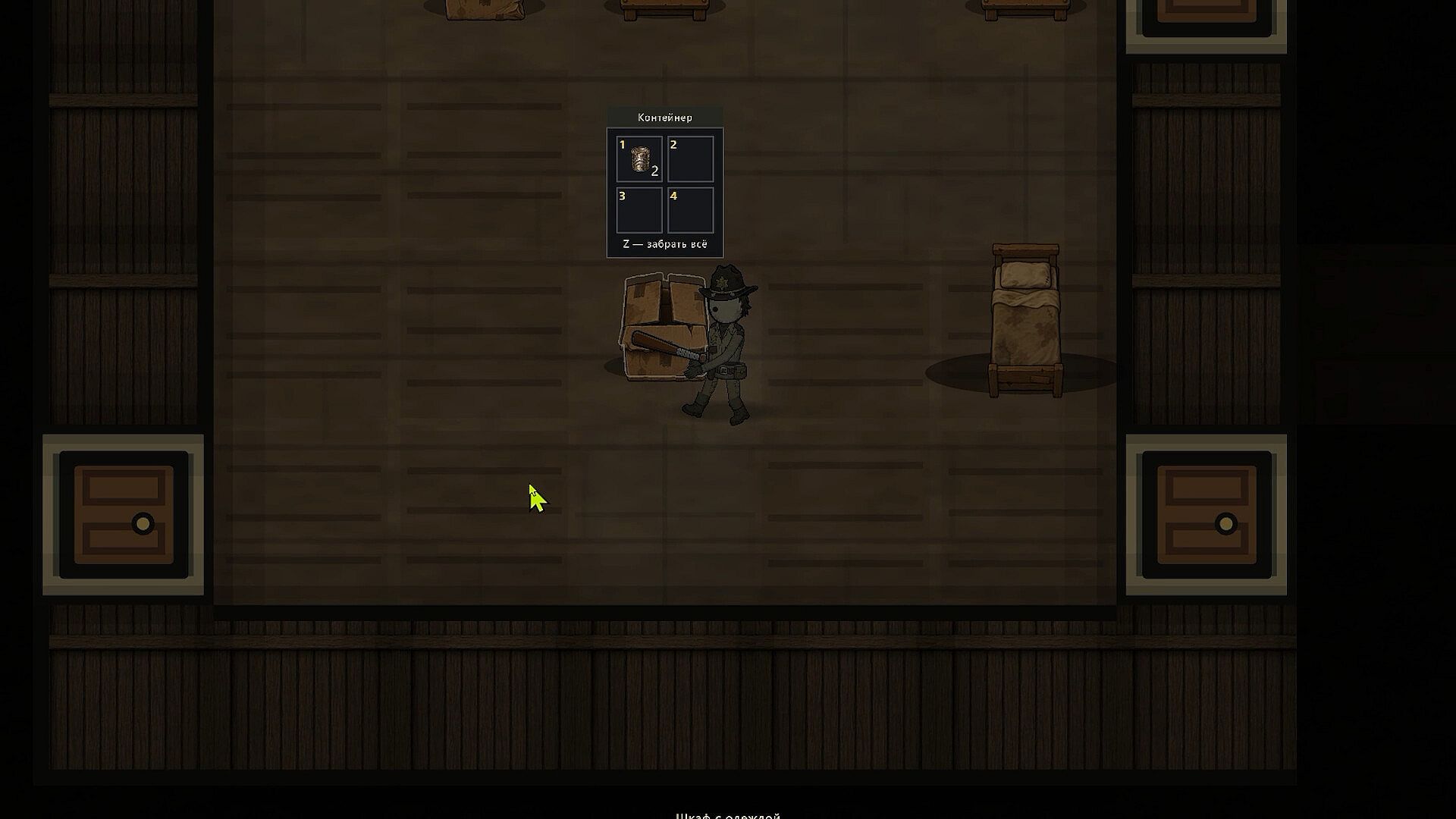
The core loop begins with players waking in unfamiliar locations amid a world without daylight. Scavenging starts immediately, with everyday objects like kitchen knives, batteries, wire, and gas canisters proving essential for survival and construction. Over 300 items support crafting, from basic tools for gathering wood to components that restore power or create traps. Weapons number more than 50 varieties, ranging from melee options such as axes and tire irons to firearms, though loud shots risk drawing additional infected.
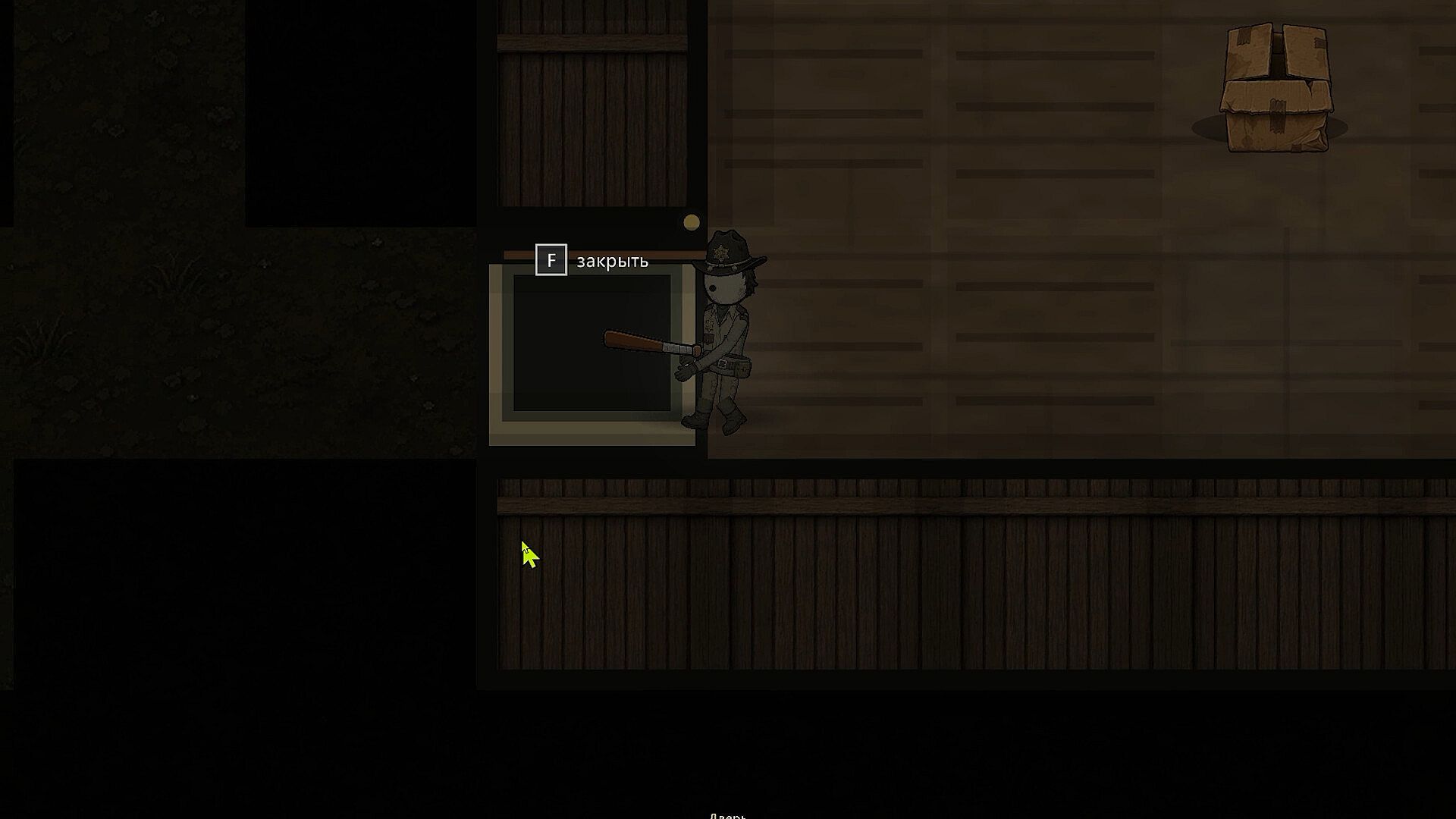
Exploration drives progress across unique maps generated each session. Abandoned hospitals, factories, and homes contain stories and potential supplies, but every outing demands preparation for fuel, medicine, and repairs. Base building transforms any structure into a fortified settlement through boarding windows, erecting walls, installing generators, and setting up workshops or laboratories. Specialists like engineers unlock advanced blueprints for stronger defenses and electrical systems, while doctors research the virus and develop treatments toward a potential vaccine.
Light management forms a constant tension. Generators and floodlights keep darkness at bay yet attract dangers, forcing choices between conservation and illumination. Vehicles offer faster travel but require ongoing maintenance and produce noise that carries far. The world evolves independently, with other players advancing their own projects in real time.
Game Modes
The experience centers on a shared multiplayer environment that supports both cooperative base building and direct player conflict. Allies can combine efforts to expand settlements and protect key personnel, yet rival groups may target resources or specialists for kidnapping. PvP encounters add risk beyond environmental threats, as attacks can strip a settlement of progress or personnel. Co-op play encourages joint expeditions and defense during critical periods, while the procedural nature ensures no two sessions unfold identically.
Key Survival Mechanics
Resource scarcity extends to every aspect of play. Food, water, medicine, and building materials must be gathered continuously, with expeditions planned around limited carrying capacity and vehicle needs. Research through old documents and archives gradually reveals the catastrophe's origins, providing narrative context alongside practical advancements. The Bloody Night event introduces a distinct threat where parasitic organisms emerge in massive numbers, overwhelming conventional defenses unless light sources remain active. Underground tunnels offer an alternative refuge during these periods, though they carry their own hazards.
Settlement uniqueness arises from player choices in layout, fortifications, and specialist assignments. No single blueprint guarantees safety, and a single oversight can lead to total loss. The emphasis remains on adaptation rather than repetition, with each world presenting fresh resource distributions and layout challenges.
Is It Worth Playing?
Players drawn to deliberate, high-stakes survival with base-building depth and multiplayer tension will find substantial engagement here. The procedural maps and item-driven crafting create replayability through varied starting conditions and ongoing threats like the Bloody Night. Those preferring structured single-player campaigns or lighter multiplayer sessions may find the constant resource pressure and risk of loss demanding. As an early access title, the game continues to evolve, with the current focus on core systems of exploration, settlement management, and player interaction providing a foundation for dedicated survival enthusiasts. The emphasis on meaningful choices and persistent world elements suits those comfortable with long-term planning in a hostile setting.