

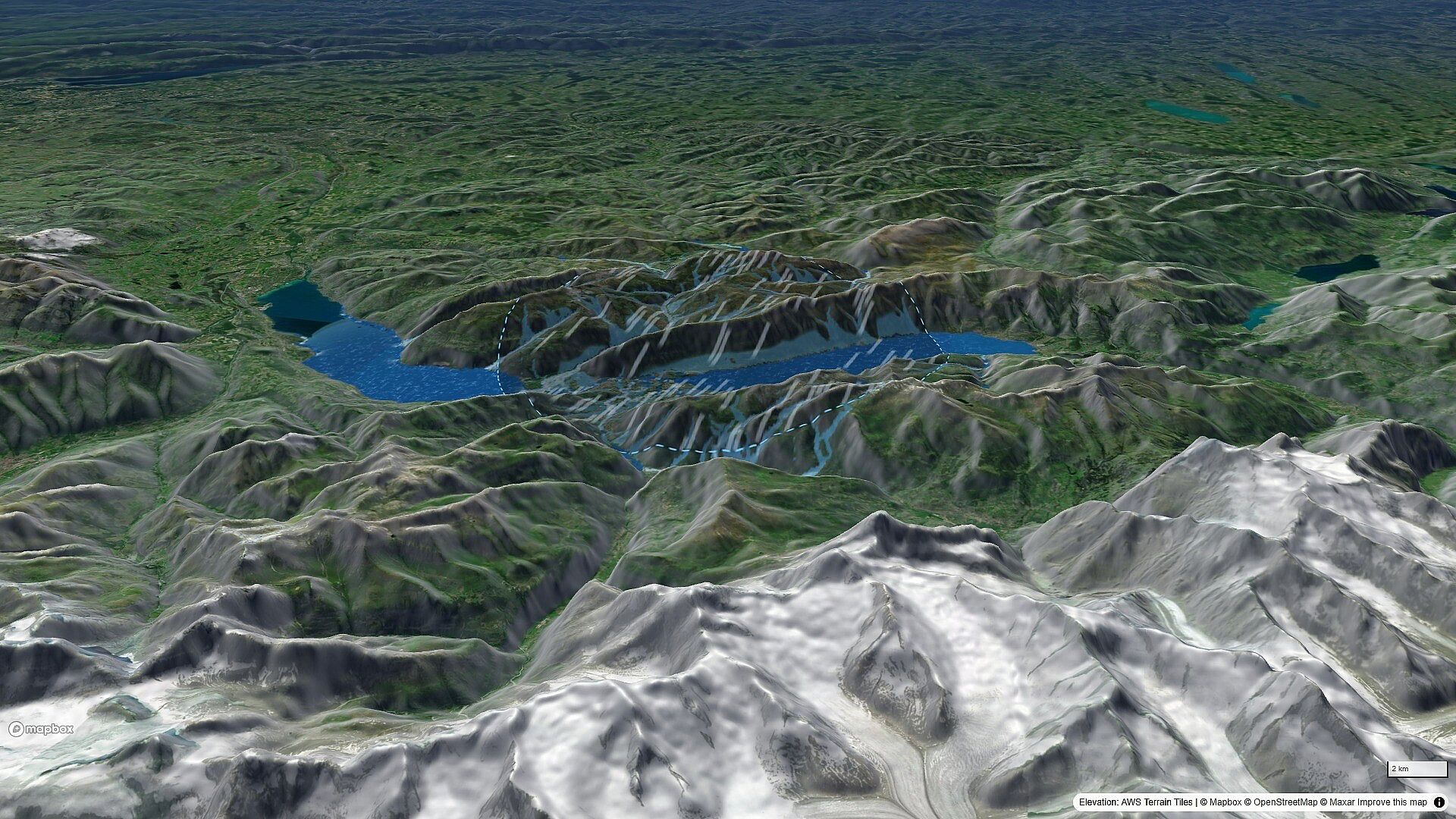
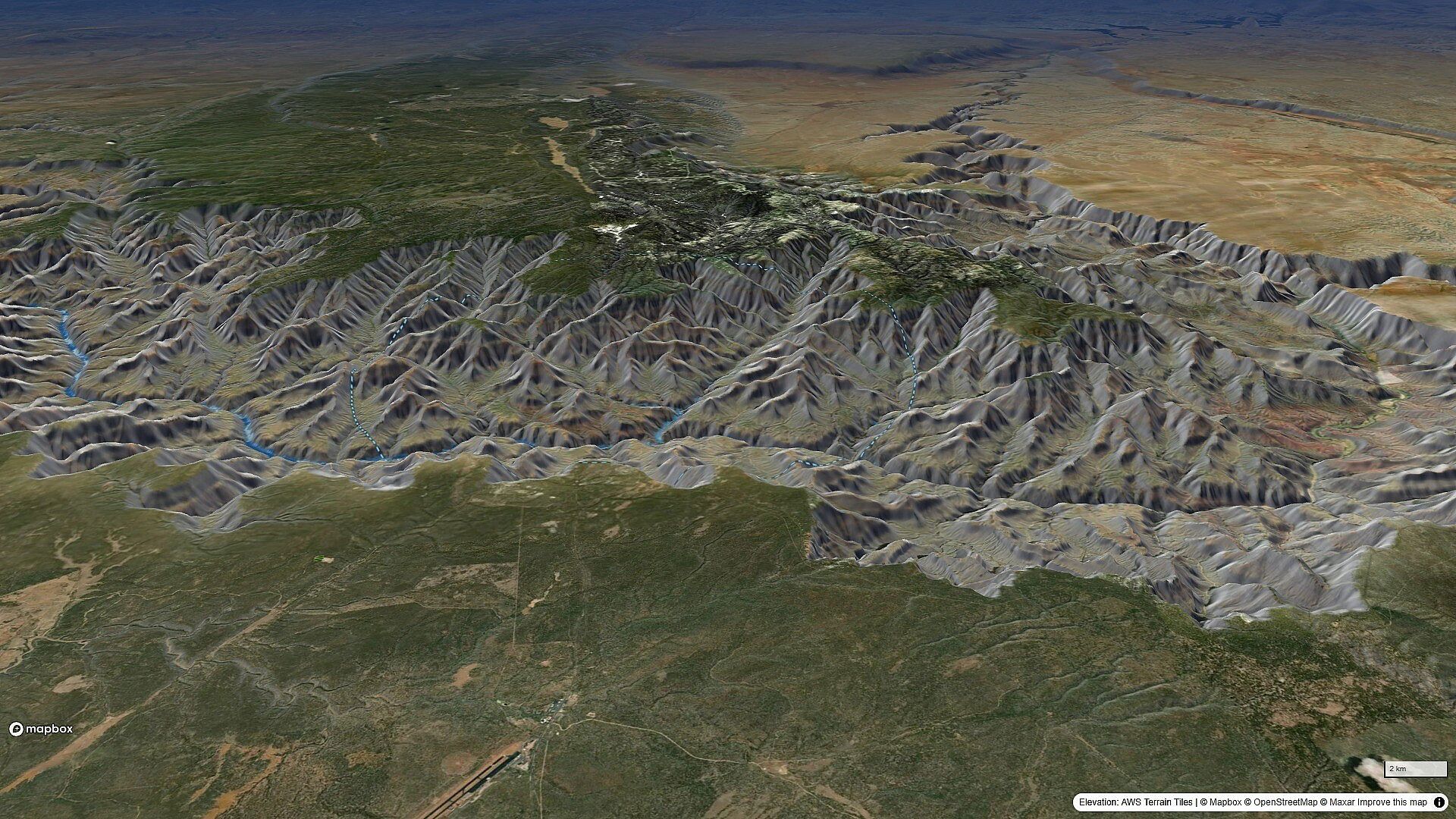
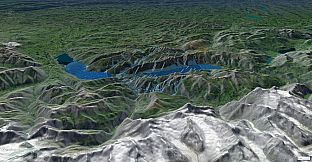
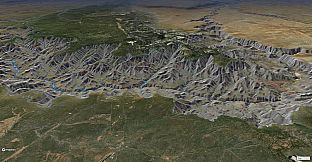
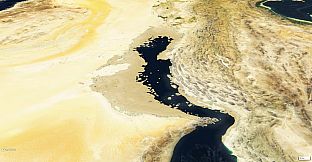
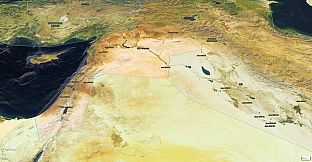
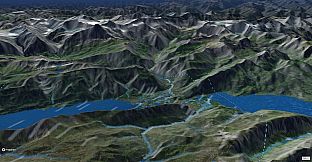
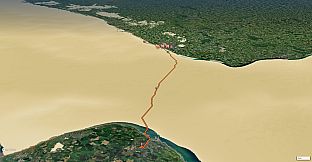
Watershed is an indie simulation game that functions as an educational sandbox built around real-world terrain data. Players select any location on Earth, apply weather events or sea level changes, and observe how water interacts with actual elevation information in real time on their graphics card. The experience emphasizes accurate public datasets rather than fictional scenarios, making it suitable for learning about hydrology, geography, and historical geography in a single-player format.
Gameplay
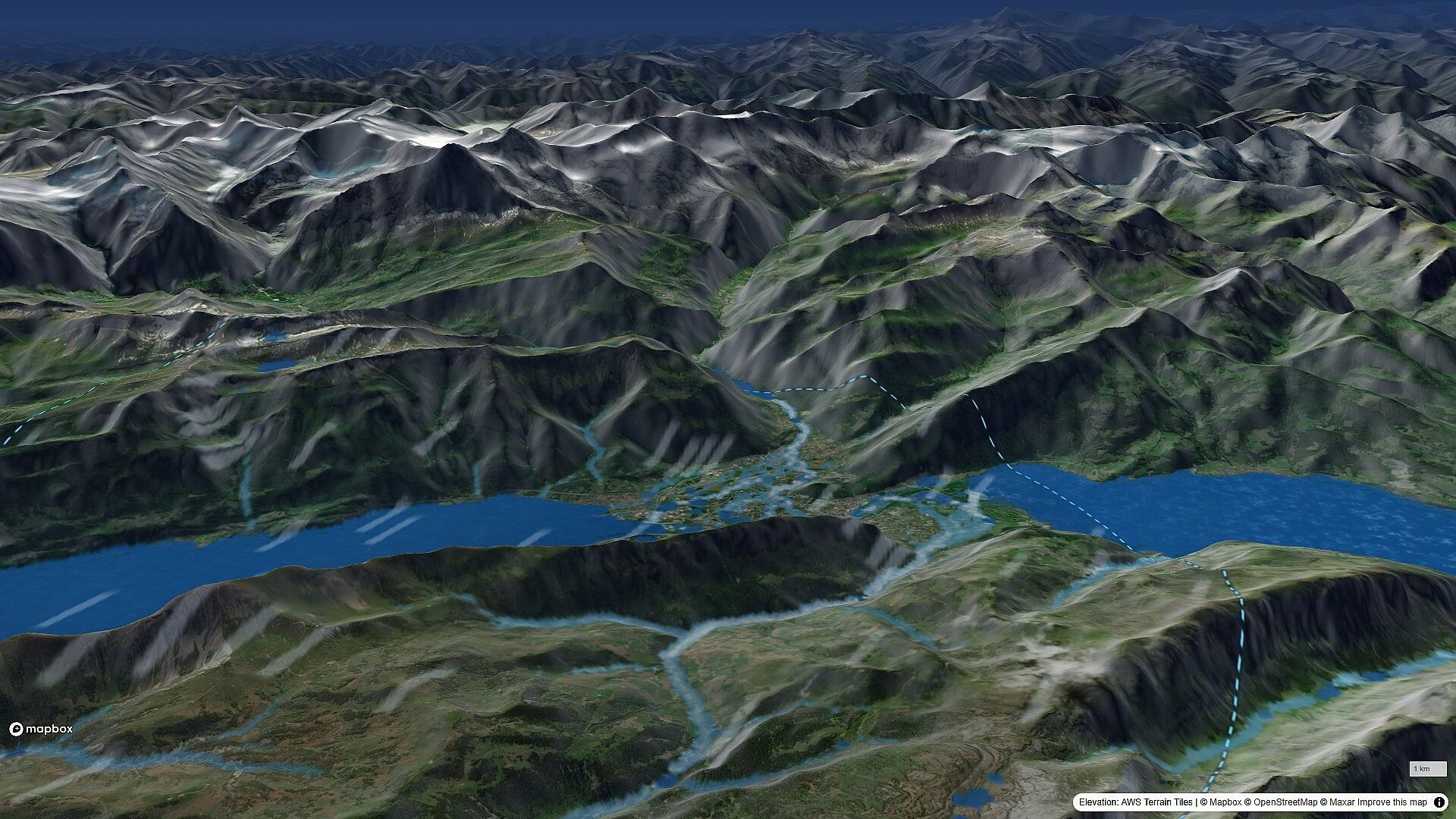
The core loop centers on drawing a custom area, selecting or customizing a storm event, and watching water flow across real elevation data. Rain fills valleys, forms lakes, carves channels, and eventually reaches the sea, with visual effects including cloud shadows, rainfall, and lightning accompanied by a procedural soundscape that responds to the water movement. Players can adjust rainfall intensity to create temporary lakes or allow them to drain naturally once the storm subsides.
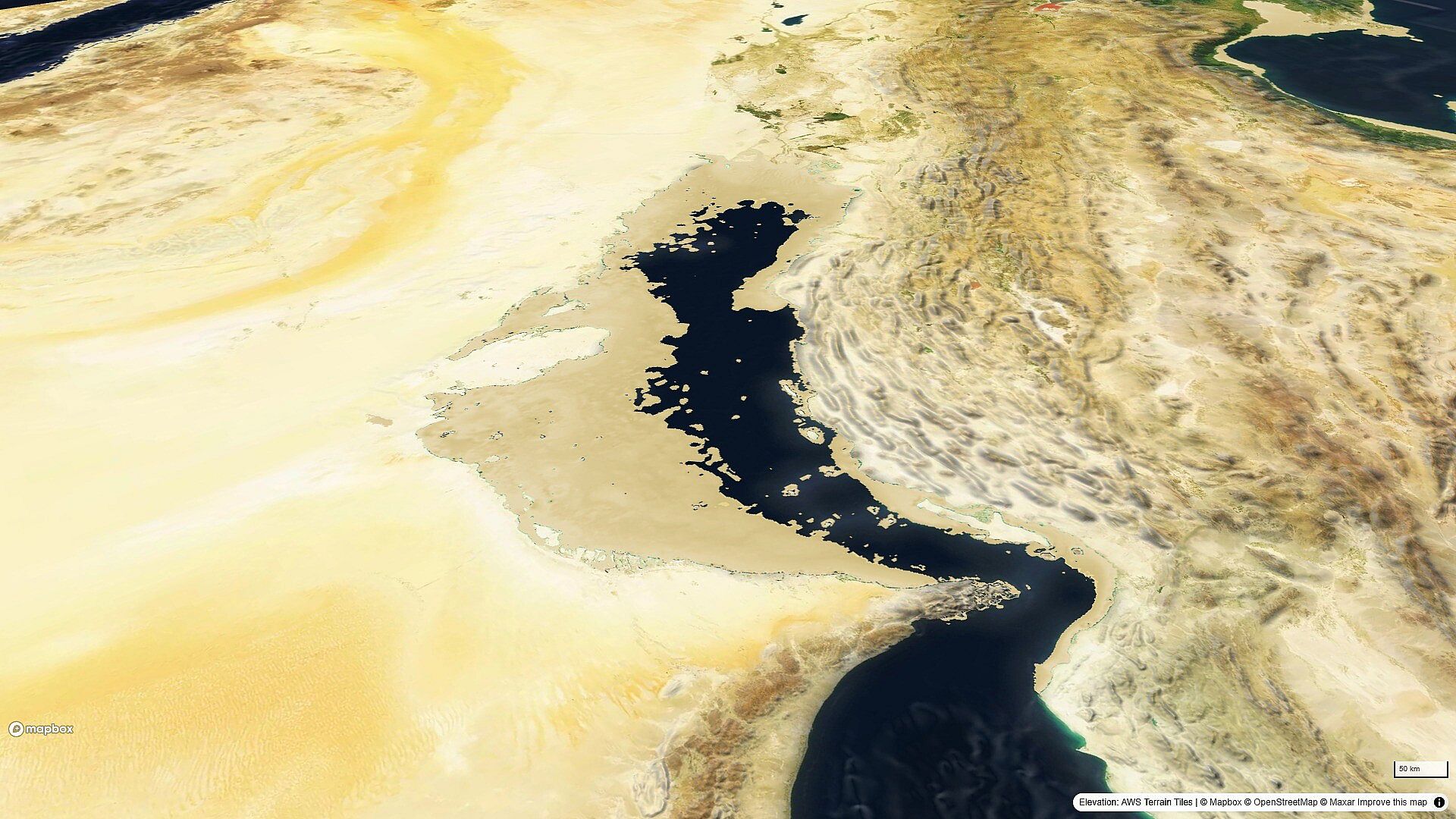
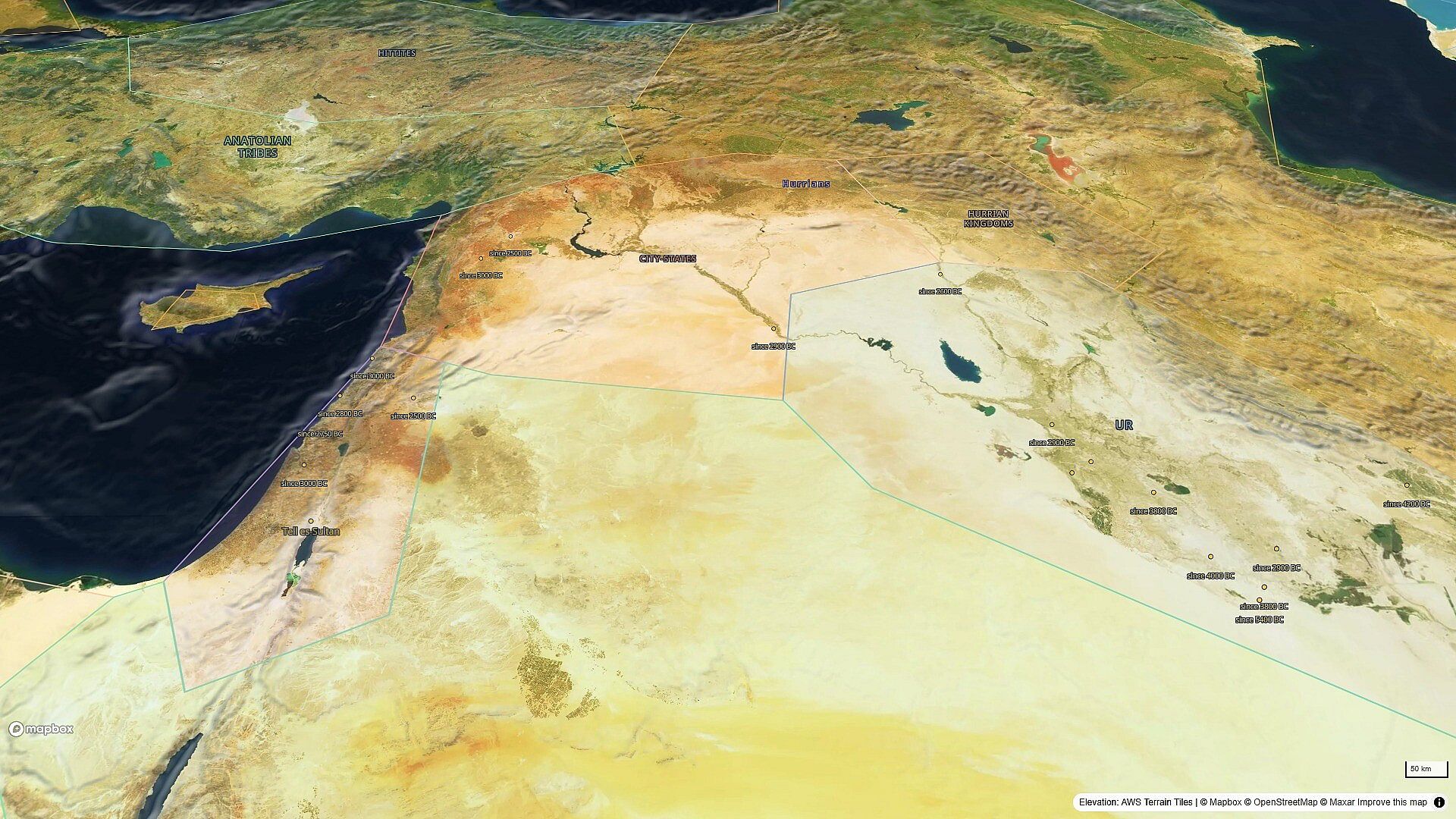
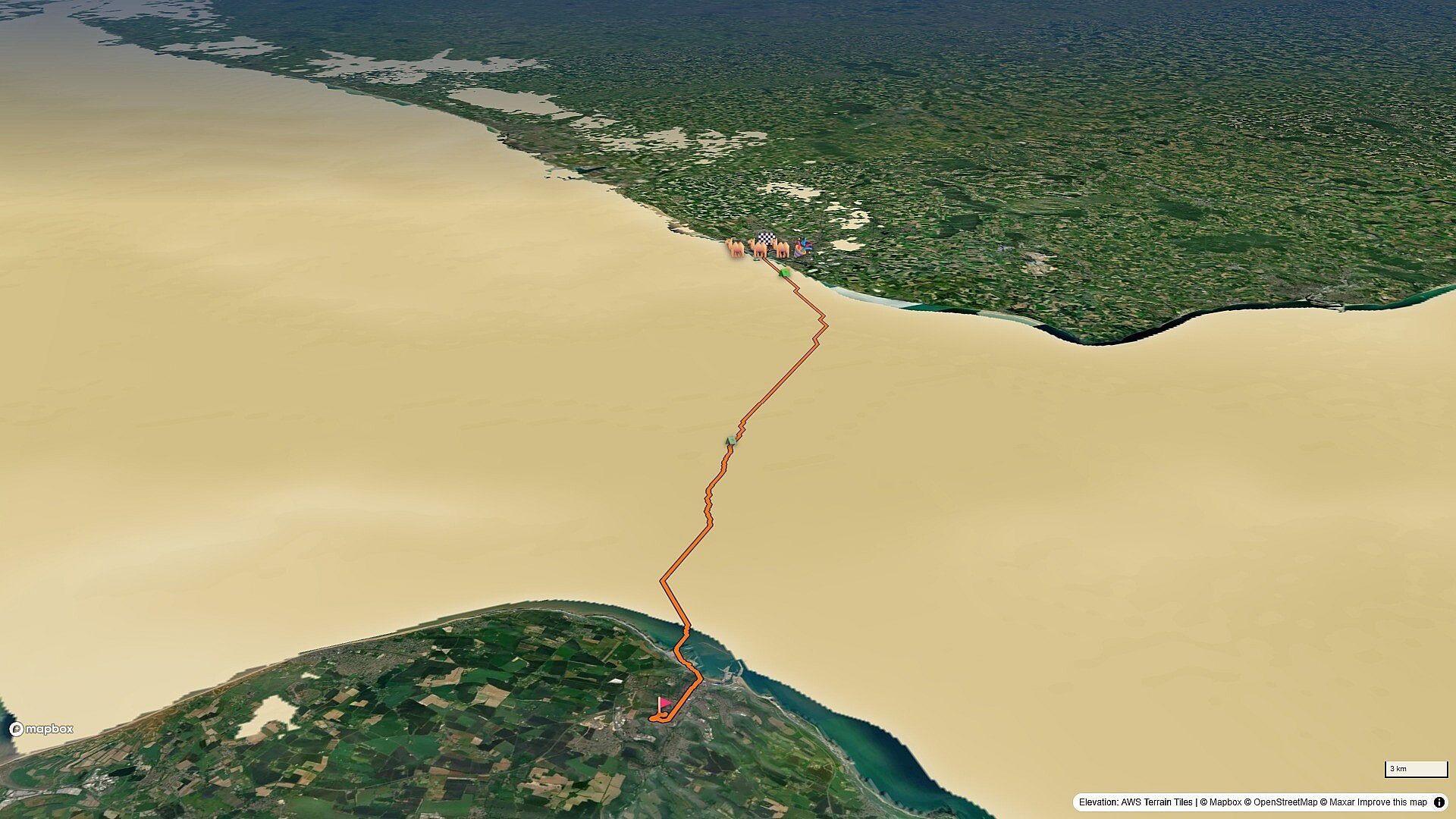
Sea level adjustments operate on real bathymetry, letting users raise or lower the global ocean from 500 meters below current levels to 80 meters above. This reveals features such as exposed river valleys in areas like the Persian Gulf or land connections between regions such as Dover and Calais. Historical time progression overlays an atlas spanning 3000 BC to the present, updating city names, shifting populations and empires, and adding or removing roads according to documented periods. Every historical entry includes its source reference within the interface.
Journey planning adds a travel element where users place starting and ending flags along with up to eight intermediate stops. A caravan using camel or ox transport navigates the terrain of the selected era, fording rivers as needed and pausing at wells or settlements. The simulation tracks daily progress and reports whether the animals would survive the route based on water availability and conditions.
Game Modes
The game operates as an open sandbox without rigid levels or competitive structures. Weather simulation lets players apply preset storms of varying scale or define custom parameters to study runoff and flooding. Ocean adjustment serves as a separate exploration tool focused on bathymetric changes across different sea levels. Historical atlas mode combines terrain with time-based data layers to examine how landscapes and human geography evolved. Journey mode provides a route-planning and survival assessment system that integrates the chosen weather, sea level, and historical period.
These tools function independently or in combination, allowing users to reproduce specific real-world or historical conditions. The interface displays data sources for every layer, reinforcing its role as a teaching instrument rather than a predictive engineering tool.
Classroom and Sharing Features
Scenario links can be generated and shared to replicate an exact combination of location, storm, sea level, century, and route. This supports consistent exploration across multiple users. Two prepared 40-minute lesson plans with accompanying worksheets are included for educational settings. The single-person studio behind the title, based in Dubai, designed these elements with classroom use in mind while requiring an internet connection to fetch map and terrain data on demand.
Is It Worth Playing?
Watershed suits players interested in geography, hydrology, or history who want a data-driven sandbox rather than traditional gameplay objectives. Its strength lies in the direct use of public elevation, bathymetry, and historical records, presented without embellishment. The caravan journey system adds a practical layer for testing survival routes across changing conditions. Those seeking action, narrative, or multiplayer elements will find little here, but the toolset supports repeated experimentation with real terrain and time periods. Availability is limited to PC and depends on stable internet access for data loading. The educational focus and transparent sourcing make it a specialized option for self-directed learning or teaching scenarios.