






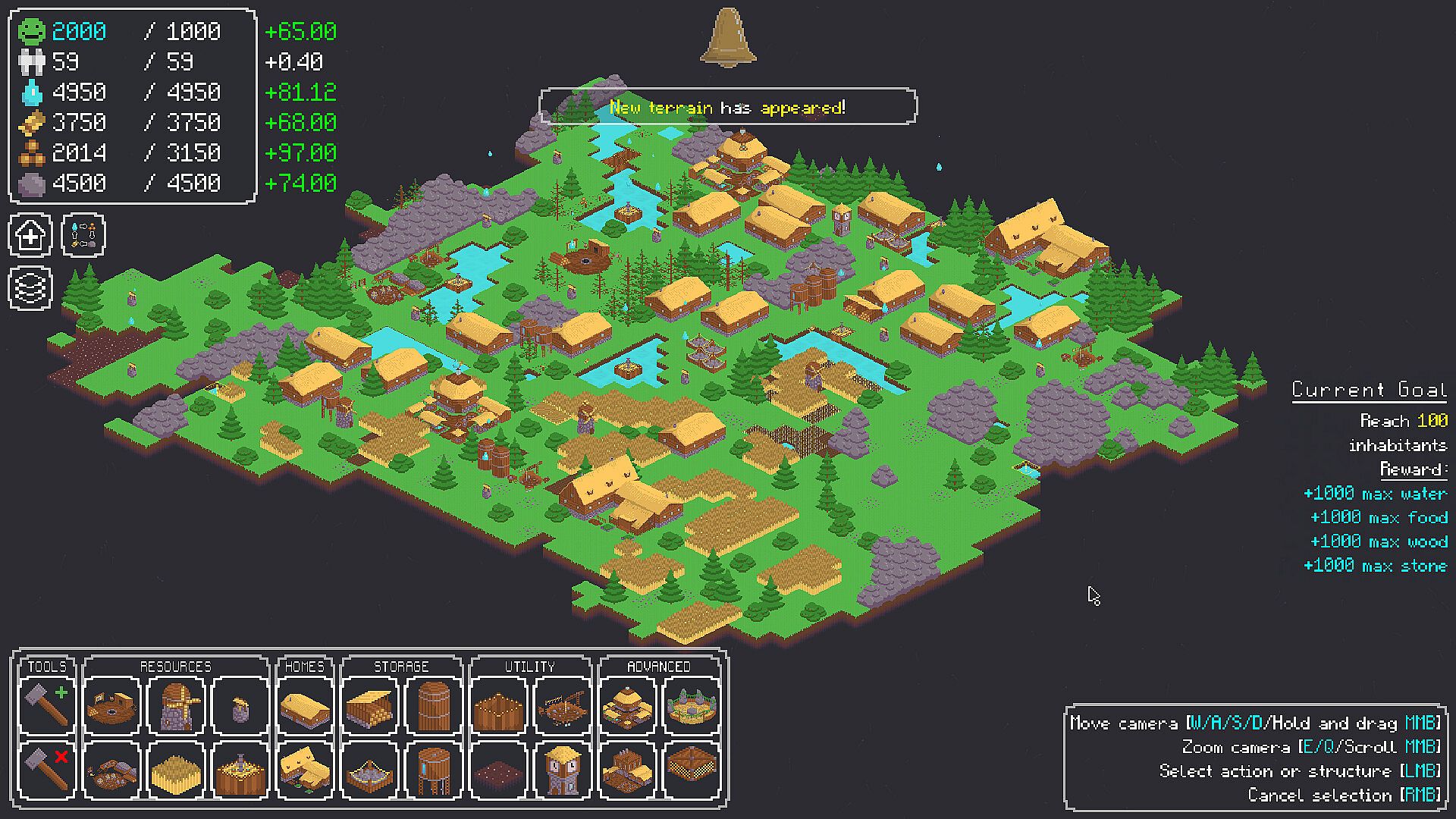
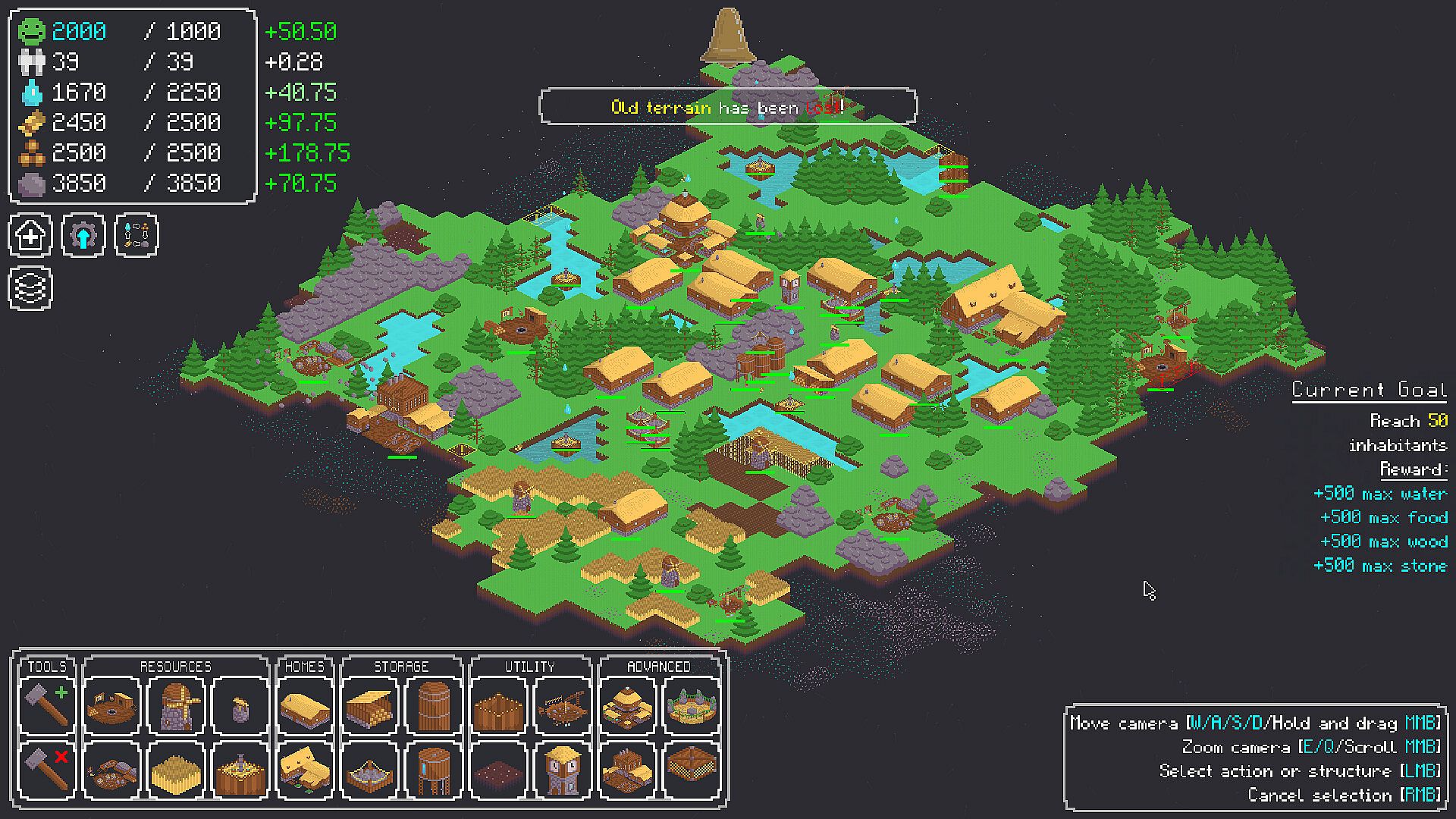
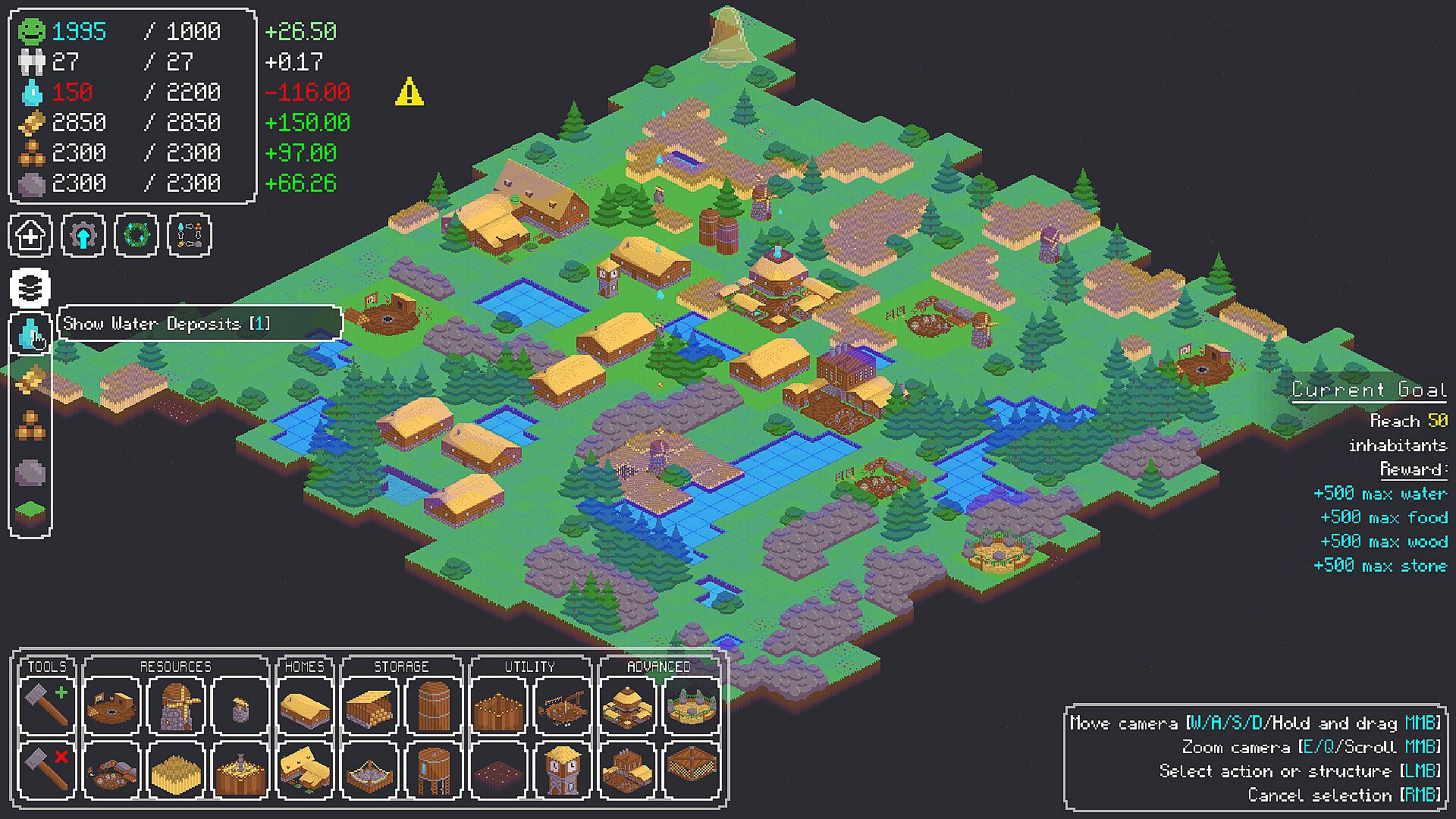
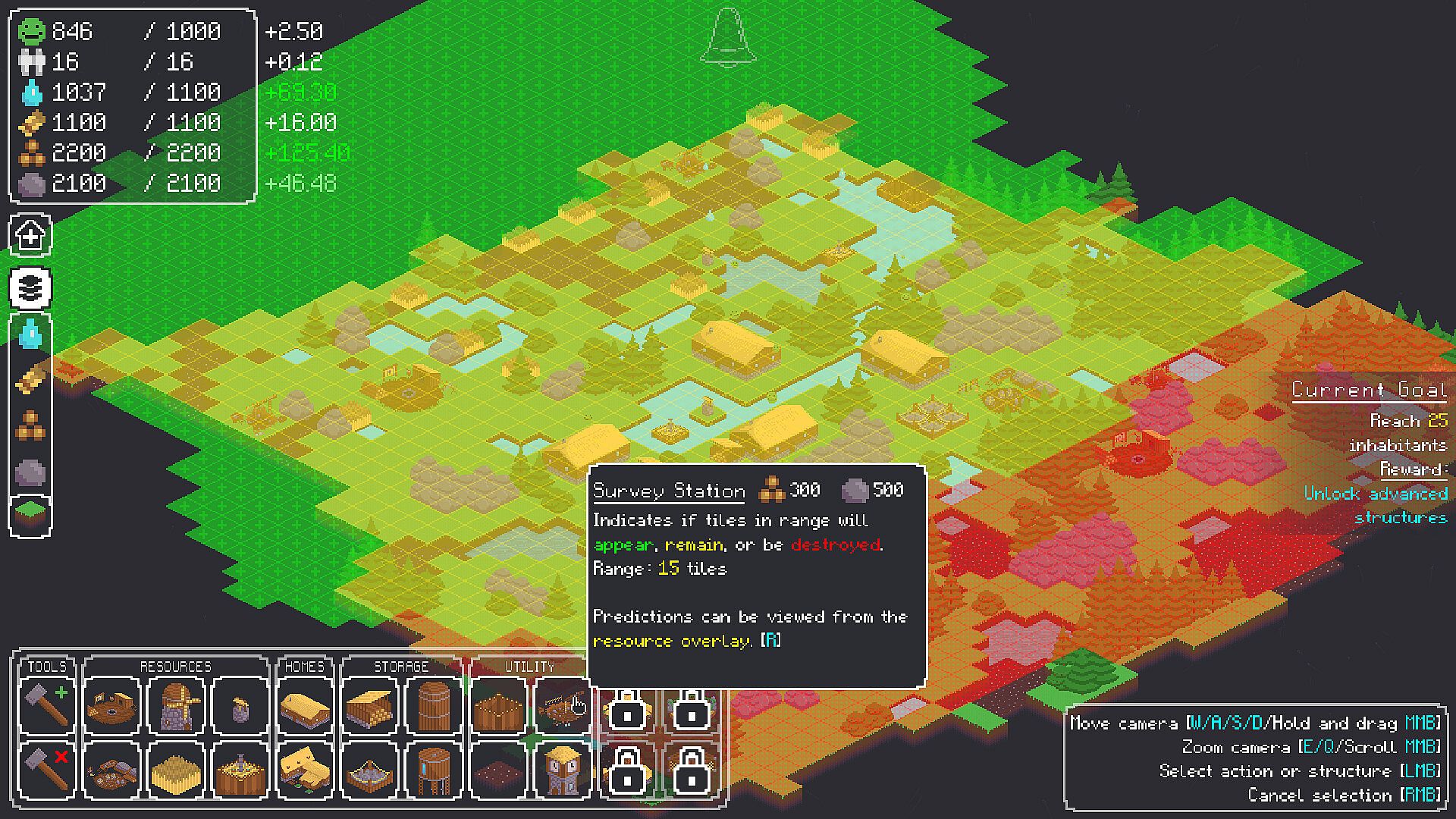
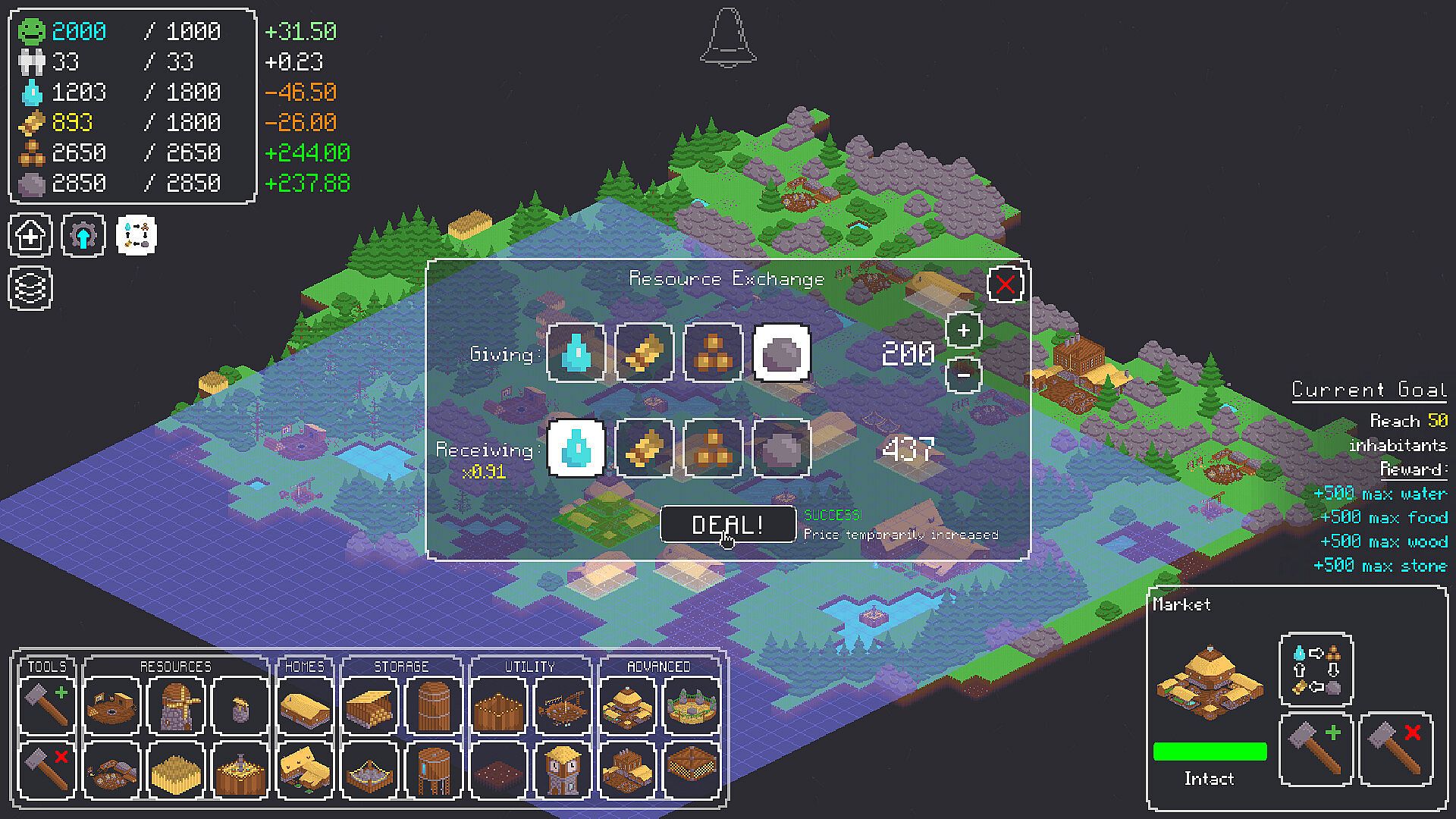
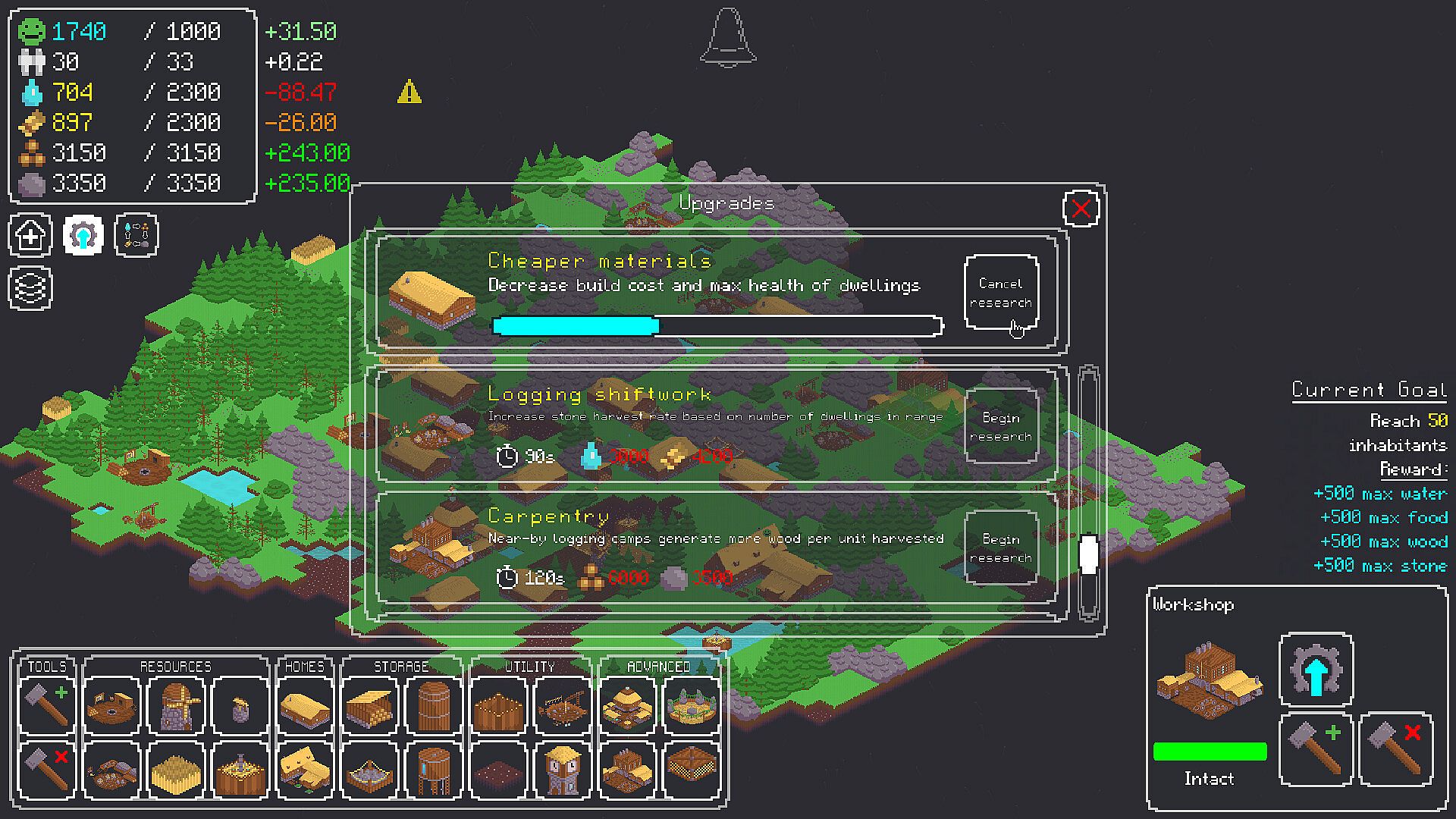
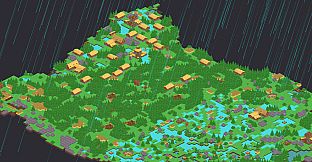
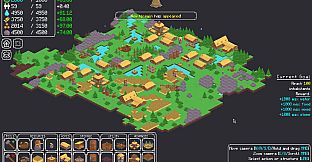
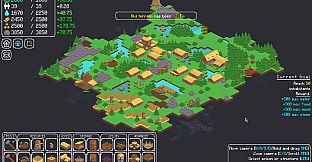
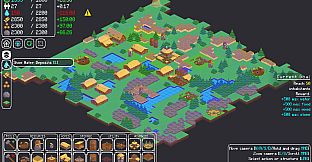
Townfall is a strategy indie city-building survival game for PC that places players in charge of a town navigating an ever-shifting environment. The core challenge centers on keeping the settlement alive and thriving as the surrounding world expands with new resources and contracts, forcing constant adaptation and forward planning.
Gameplay
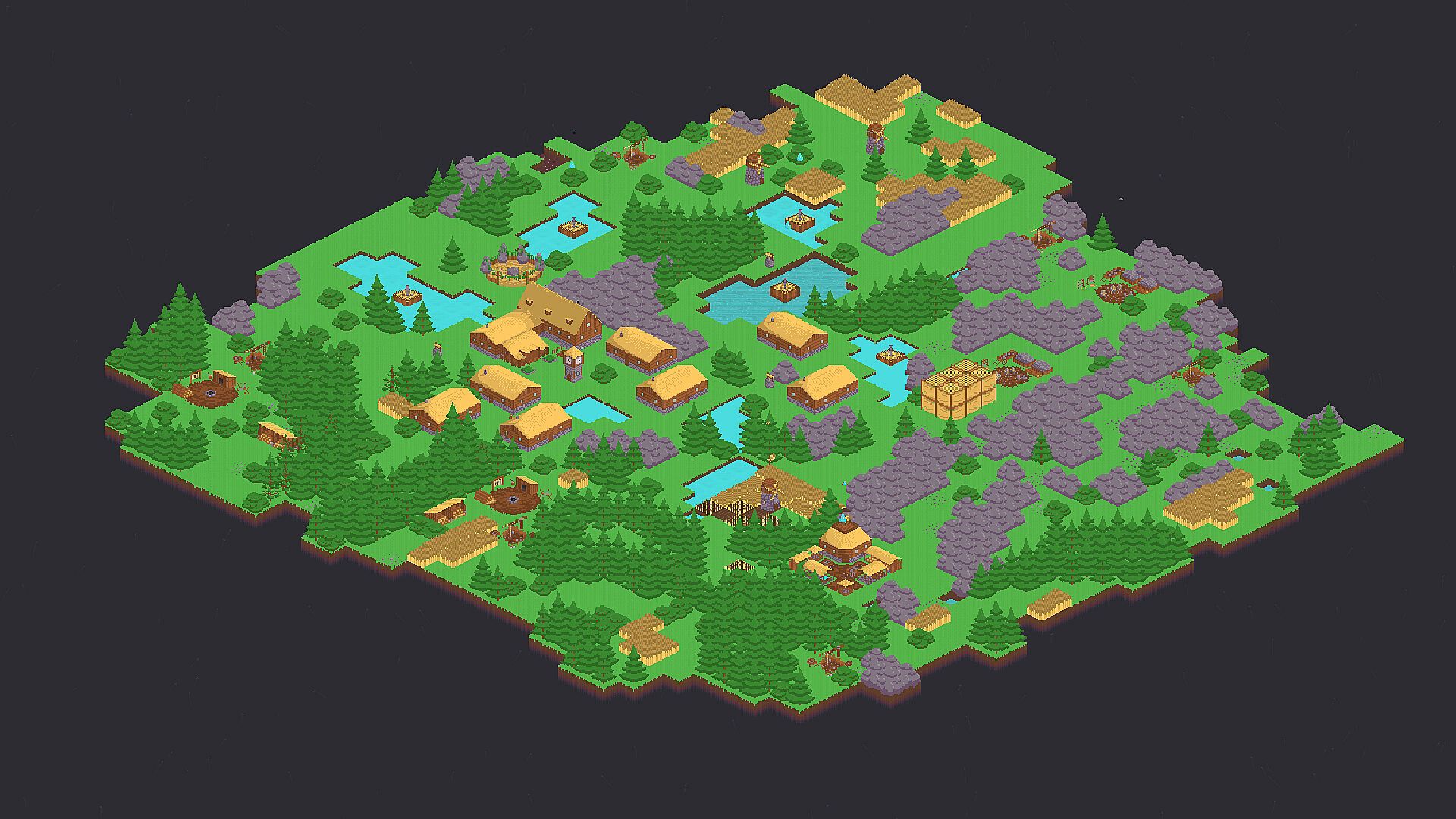
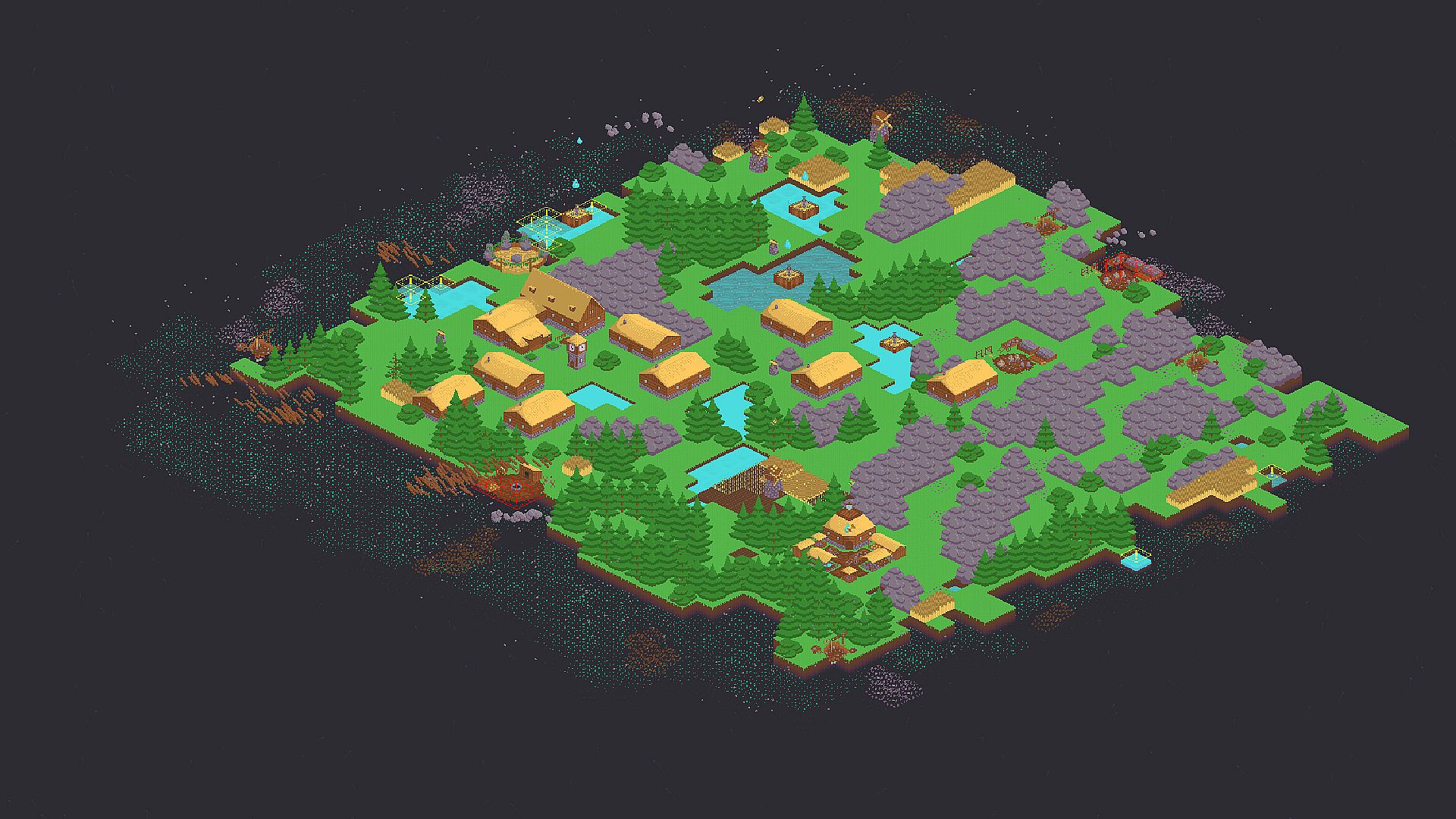
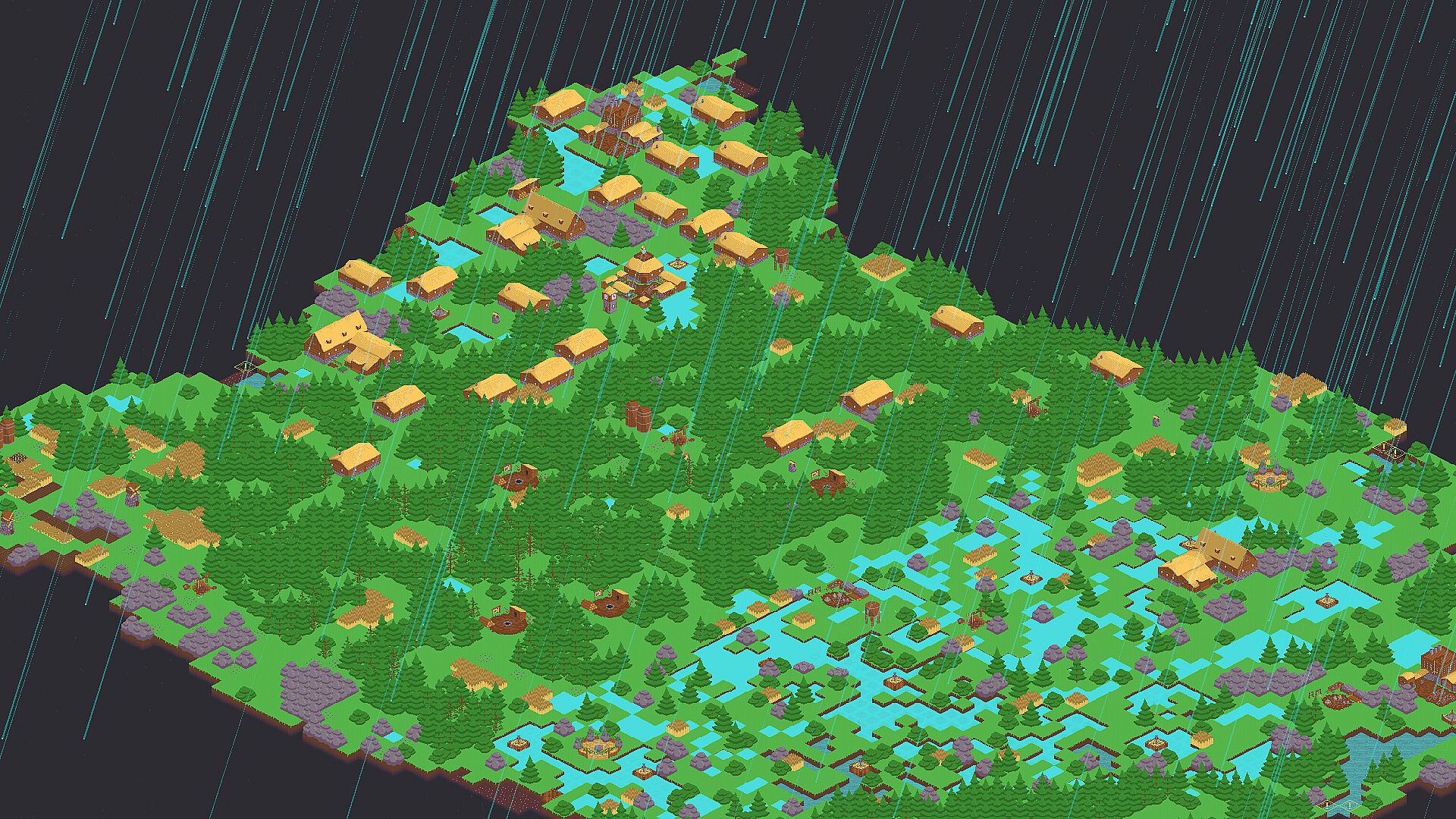
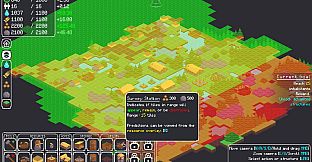
The experience revolves around resource gathering, structure construction, and population management in a setting that begins on a floating island surrounded by an endless abyss. New landmasses emerge over time to provide additional building space and materials, while older sections vanish, removing anything constructed on them. This requires players to expand the town in sync with these changes rather than settling into a fixed layout.
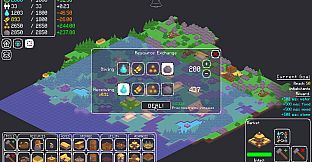
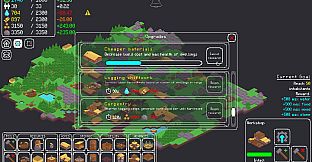
Survival depends on balancing three main elements: happiness, population, and structures. Residents stay productive when their basic needs are fulfilled, which in turn supports further growth. Resources flow from exploration of the changing terrain, and buildings serve as the backbone for production and shelter. Upgrades researched for these structures improve durability against environmental threats, while tributes unlock boons that alter the world itself to create more favorable conditions.
The loop emphasizes quick decisions amid uncertainty. Players must monitor the horizon for emerging hazards and reposition key facilities before land disappears. The pixelated art style and lo-fi soundscape contribute to a focused, unadorned presentation that highlights the mechanics over visual spectacle.
Game Modes
Townfall operates as a single-player strategy experience with no separate multiplayer or competitive modes listed. The entire session unfolds as one continuous campaign where the procedurally generated world evolves independently, presenting fresh layouts and challenges each time a new area appears or an old one fades away. Progression comes through iterative upgrades and world-altering boons rather than branching campaigns or distinct scenarios.
Key Systems and Progression
Resource management forms the foundation, with players collecting materials from newly revealed zones to fuel construction. Structures range from basic shelters to specialized facilities, each benefiting from research that adds resilience. Population growth ties directly to happiness levels, creating a feedback loop where unmet needs can stall expansion or lead to decline.
The moving world introduces a layer of risk management absent from static city builders. Anticipating disappearances means prioritizing mobile or temporary builds in vulnerable areas and securing critical infrastructure on more stable ground. Boons obtained through tributes offer ways to influence this process, such as extending the lifespan of certain zones or revealing hidden resources ahead of time.
Is It Worth Playing?
Townfall suits players who enjoy city-building games with an added survival twist and a strong emphasis on adaptation. Its dynamic world mechanic demands ongoing attention to layout and timing, rewarding those who plan several steps ahead rather than relying on permanent foundations. The indie focus on core loops over extraneous features keeps sessions streamlined around the central tension of growth versus inevitable loss.
Those drawn to pixel-art presentations and straightforward resource systems will find the audiovisual style supportive of long play sessions without distraction. The absence of named factions or complex social simulations keeps the scope tight on town leadership and environmental navigation. If the idea of rebuilding and relocating assets in response to a living, contracting map appeals, the game delivers a distinctive take on the genre that stands apart from more conventional builders.











