




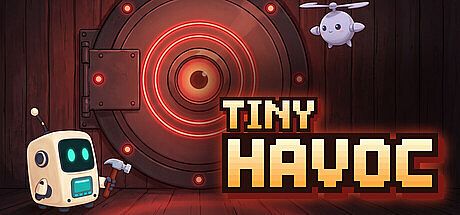


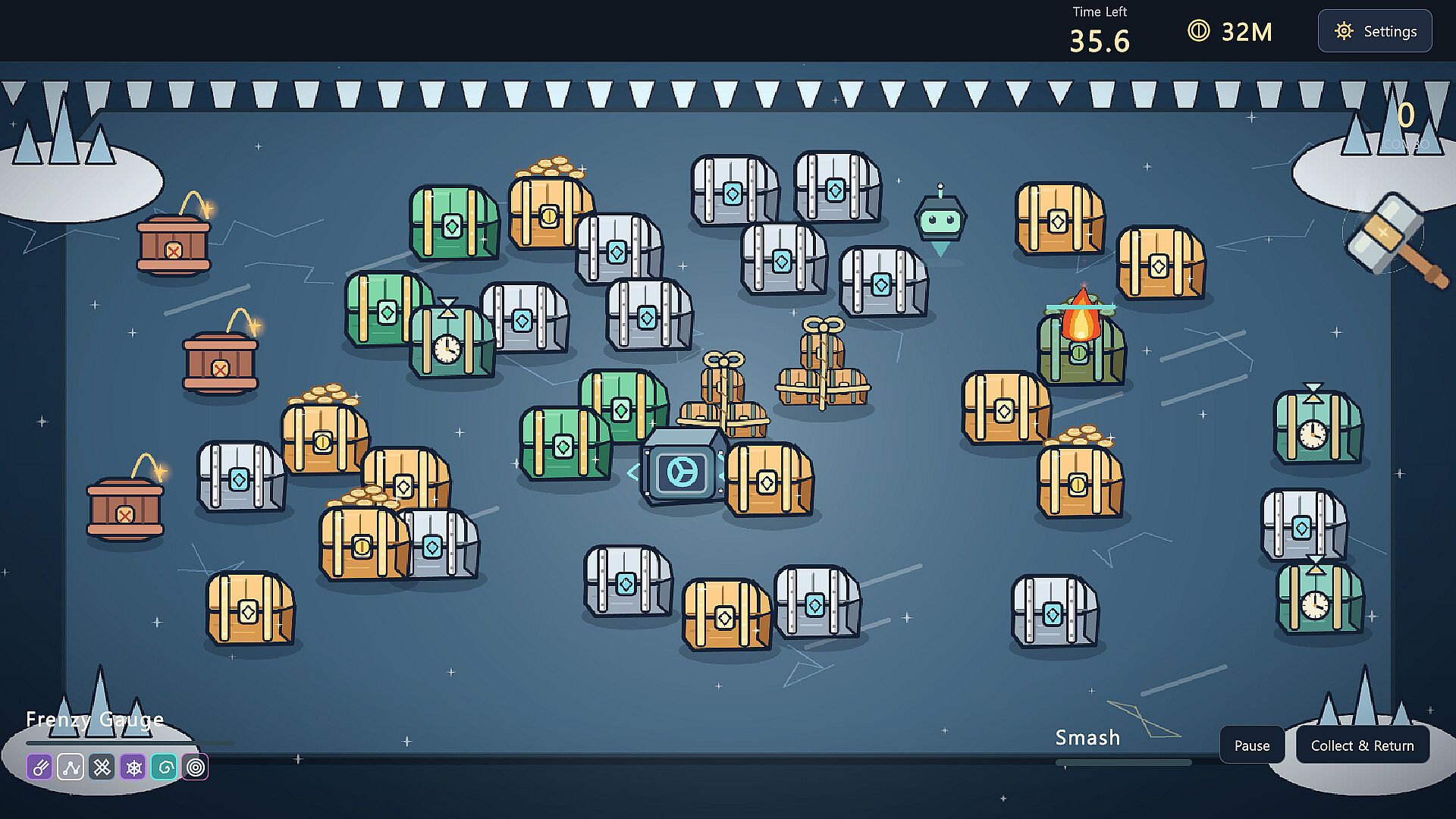
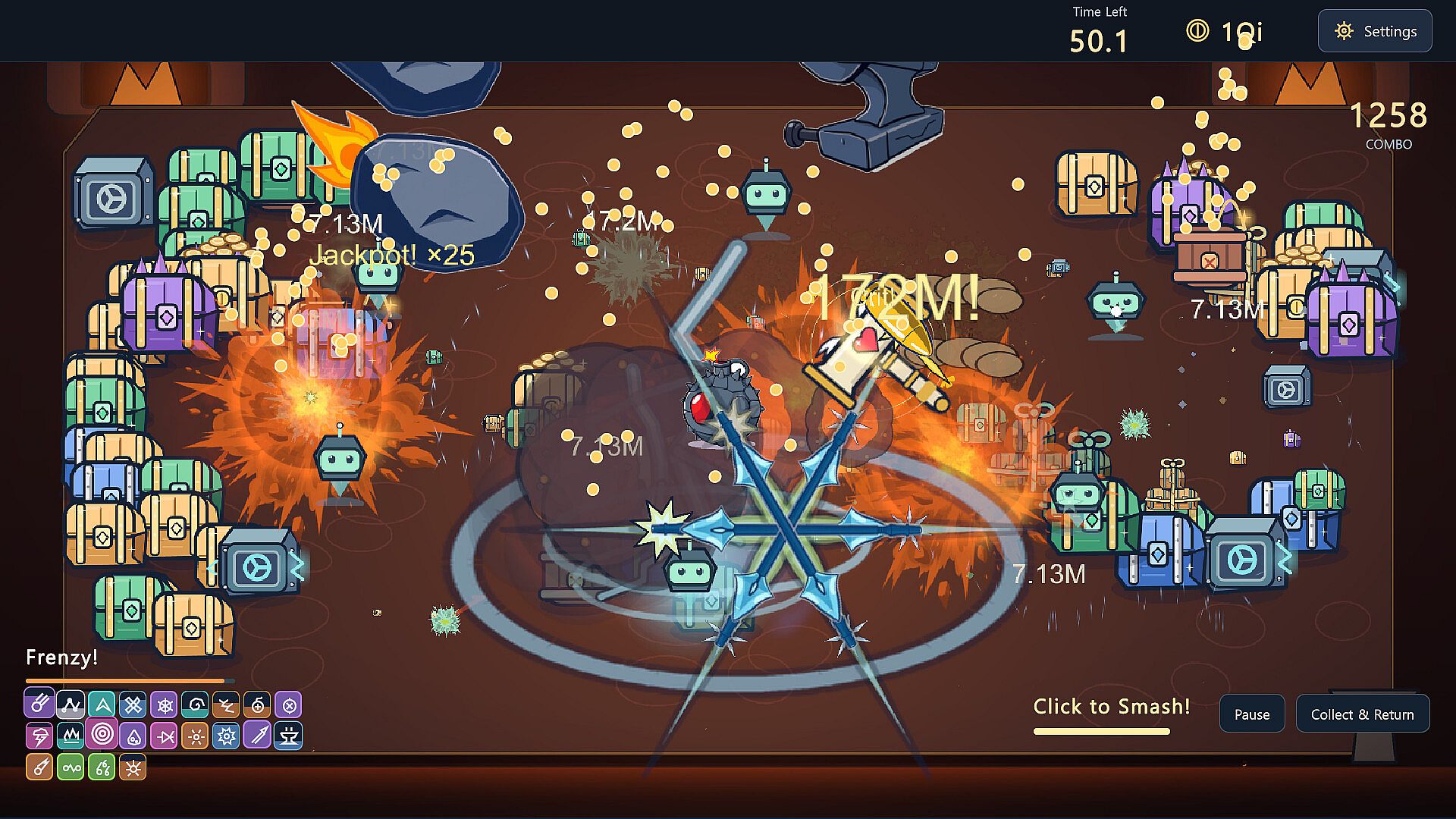
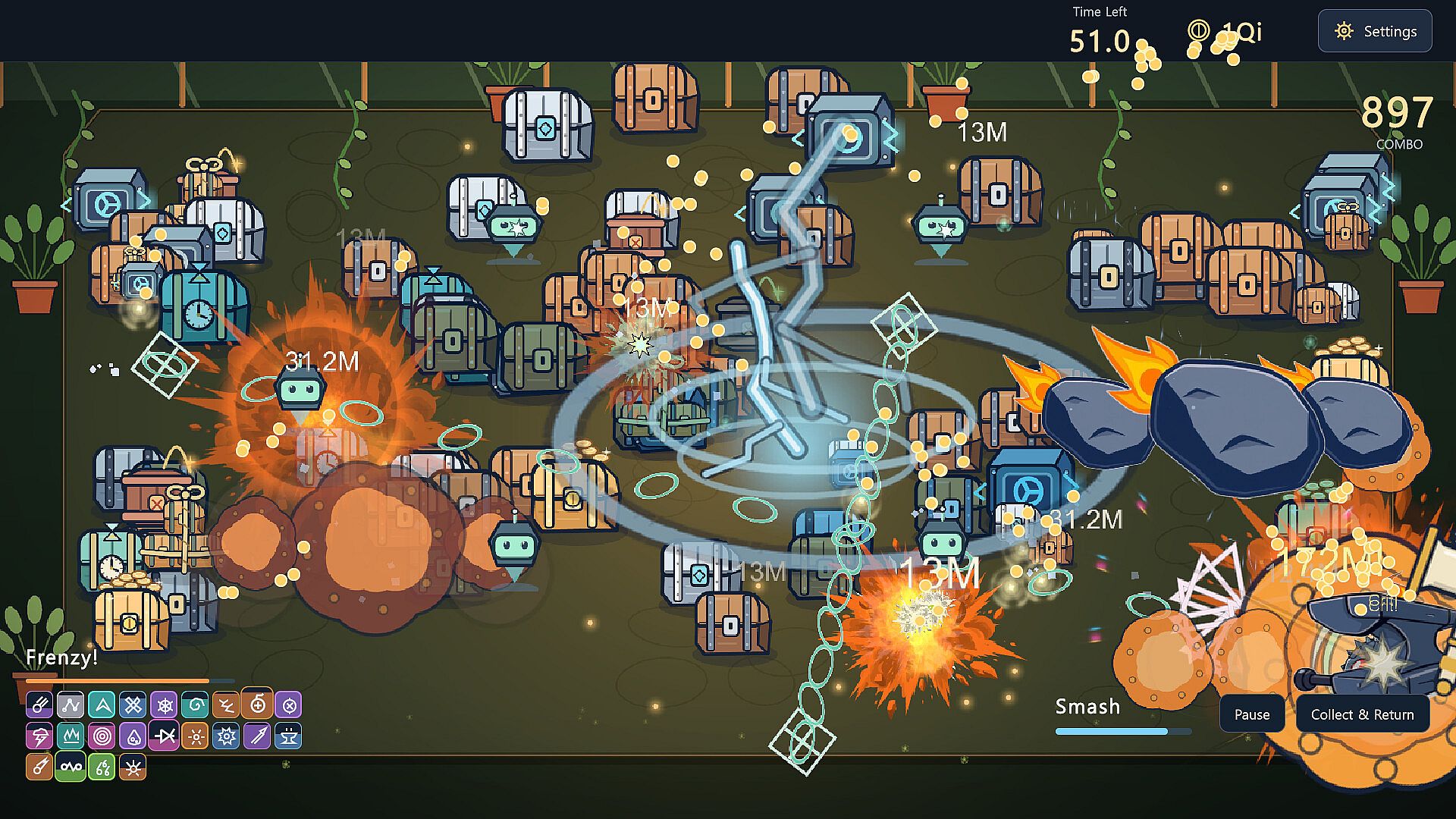
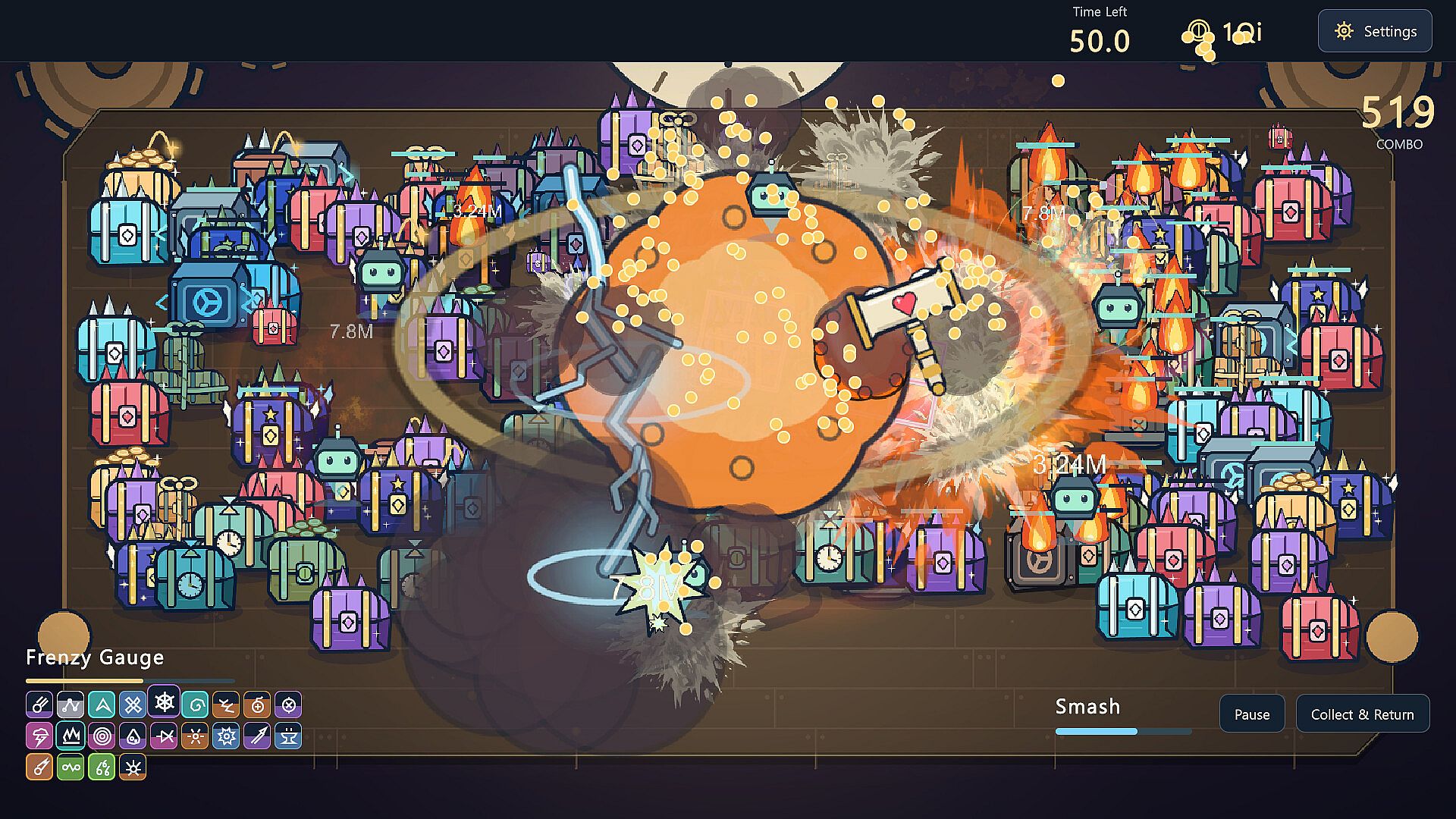

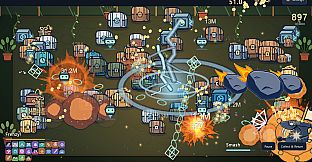
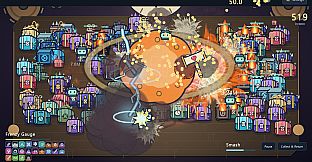
Tiny Havoc is an indie casual single-player game on PC in which players control a small salvage robot named Tin and use a hammer to smash crates across short runs. The story follows Tin and a guide drone named Pin as they work to open vaults sealed by an AI after a memory-swallowing storm hit the city. Their goal centers on returning memories to residents, including a girl named Bomi who waits for her mother.
Gameplay
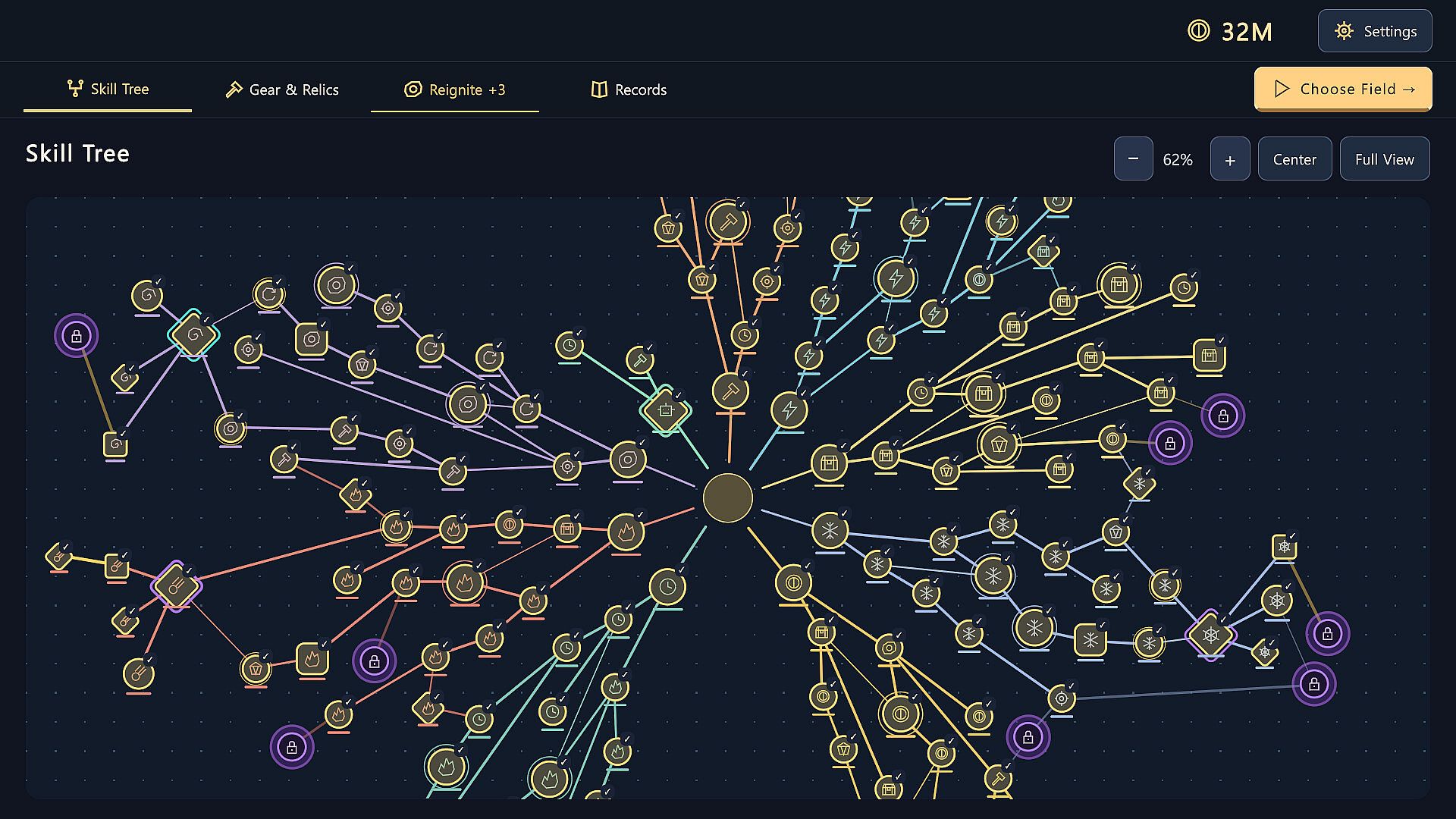
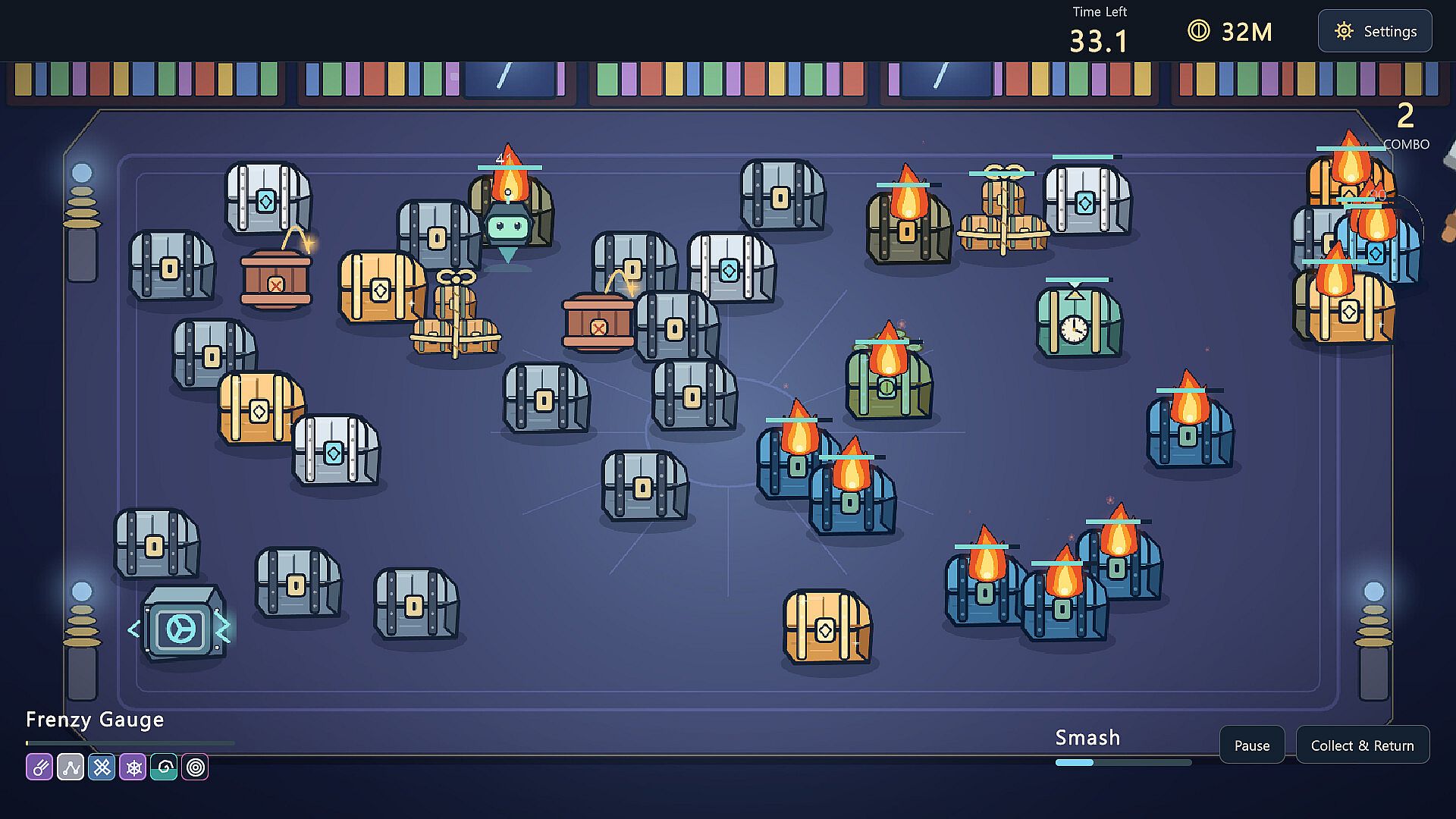
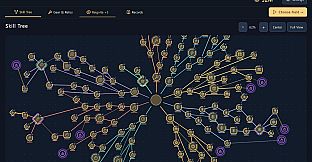
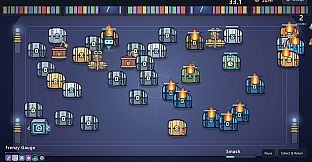
The core loop revolves around brief sessions of up to 45 seconds. Players move the hammer with the mouse to break crates and gather gold while avoiding or triggering chain reactions from collected items. A large skill tree with 321 nodes lets players invest in damage, reach, critical hits, gold collection, and entirely new attack types. Choices at crossroads present three options that branch the run in different directions each time.
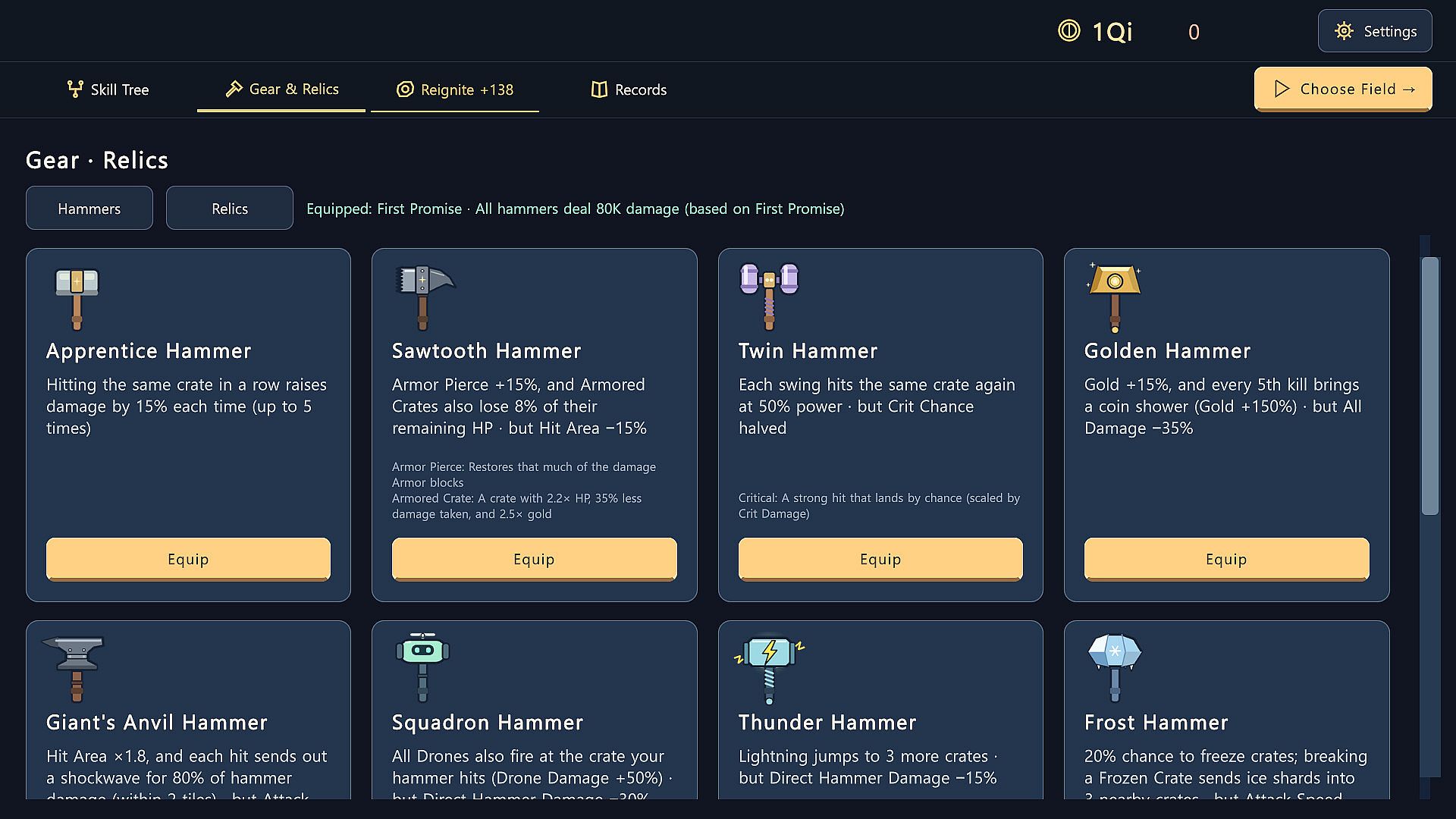
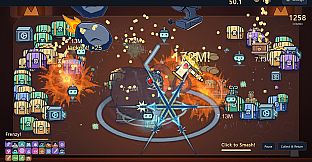
Progression includes 12 distinct hammers, each carrying its own skill and drawback, along with 32 relics that improve when starred up. Twenty-three assists and drones add effects such as lightning strikes, meteors, saw blades, vortexes, and mines that can combine into larger explosions from a single swing. After each run, players spend Embers on permanent upgrades through the Reignite system before starting again with greater strength.
Game Modes
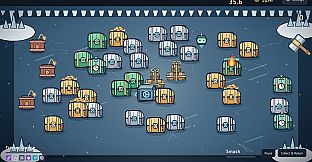
Tiny Havoc operates as a single-player experience built around repeatable short runs that feed into longer-term progression. There are no separate multiplayer or competitive modes. The structure centers on advancing through ten distinct fields, each with unique crates and a guardian that protects a vault. Defeating a guardian returns the memories stored inside and unlocks the next area.
Fields include Abandoned Docks, Golden Greenhouse, Gear Factory, Storm Archive, Ice Cellar, Starlight Foundry, Zero-G Storage, Sleeping Streets, Stopped Clock Tower, and the Central Memory Vault. Each location features its own soundtrack that adds layers during combat, Frenzy states, or guardian encounters. The game reaches a defined ending after roughly five to seven hours of play without requiring endless grinding or rare item drops, though players can continue afterward.
Progression and Systems
Incremental upgrades form the backbone of long-term advancement. Gold collected during runs supports immediate power spikes, while Embers earned across multiple attempts fund lasting improvements. The skill tree and relic system encourage experimentation because different hammer and assist combinations alter how runs unfold. Crossroads choices further increase variety so that the same field can play out differently on subsequent visits.
Music integration supports the pacing. Each field starts with a base track, and additional instruments or intensity layers activate as combat escalates or guardians appear. This creates a sense of building tension without interrupting the short-run format.
Is It Worth Playing?
Tiny Havoc suits players who enjoy short, focused sessions combined with meaningful progression in a single-player casual package. The defined ending and absence of mandatory grinding make it accessible for those who prefer a complete experience within a few hours rather than open-ended play. The mix of mouse-driven smashing, branching choices, and permanent upgrades provides steady forward momentum across the ten fields and their guardians. With a planned release in November 2026 and no user reviews available yet, the game appeals most to fans of incremental mechanics and light narrative delivery through environmental storytelling and character goals. Those seeking quick, repeatable action with depth in build customization will find the core loop rewarding once it launches.











