


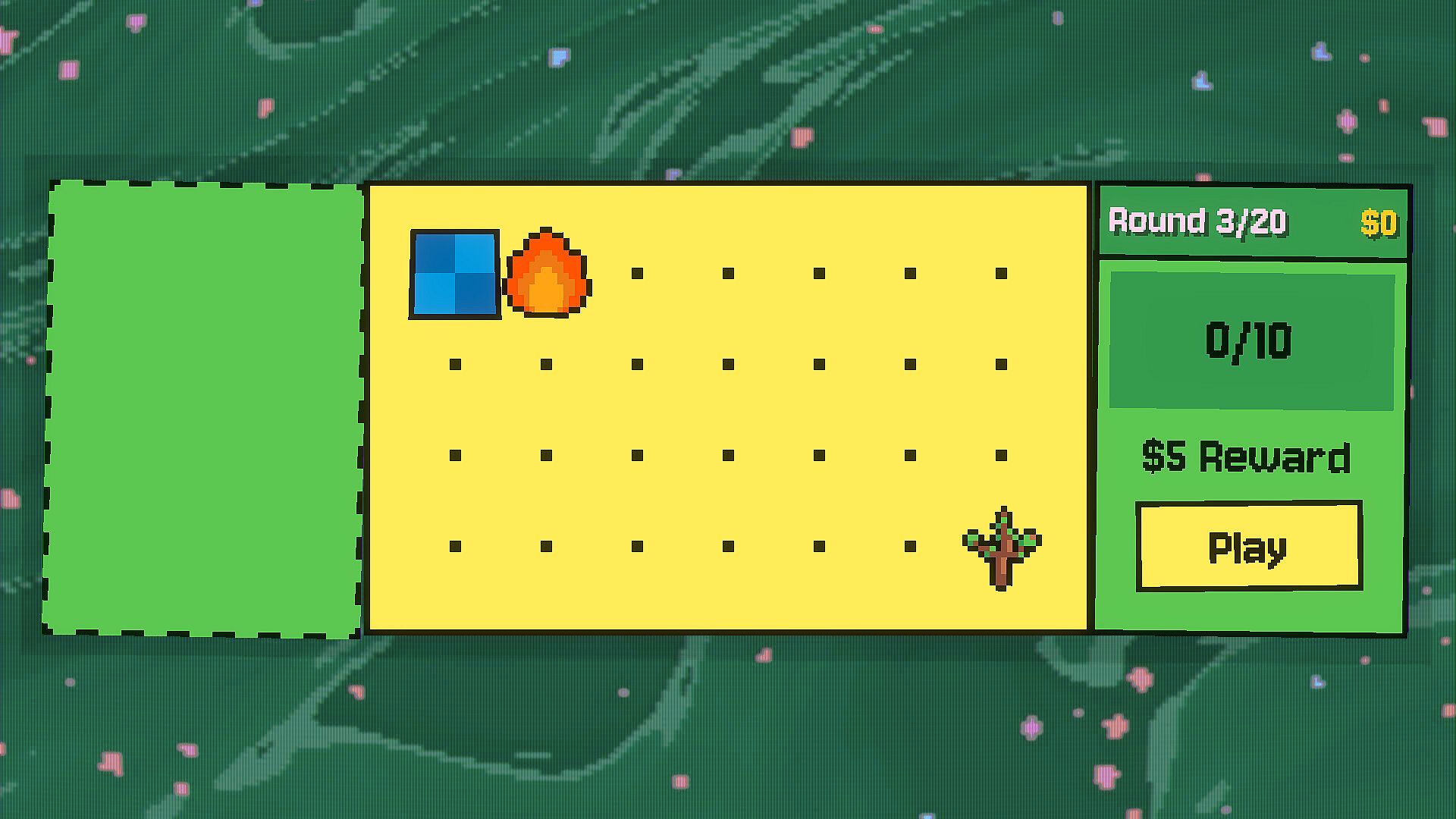
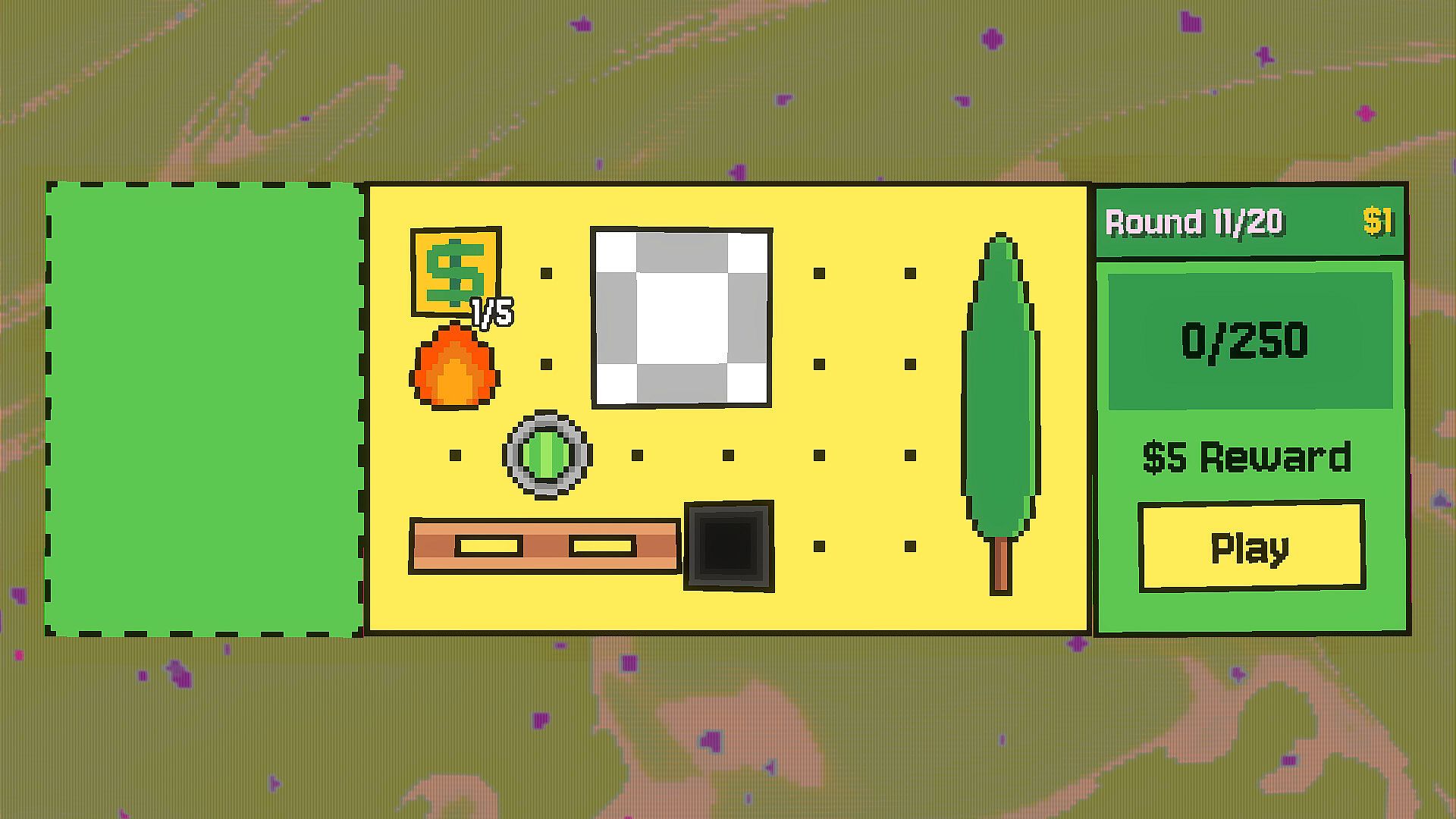
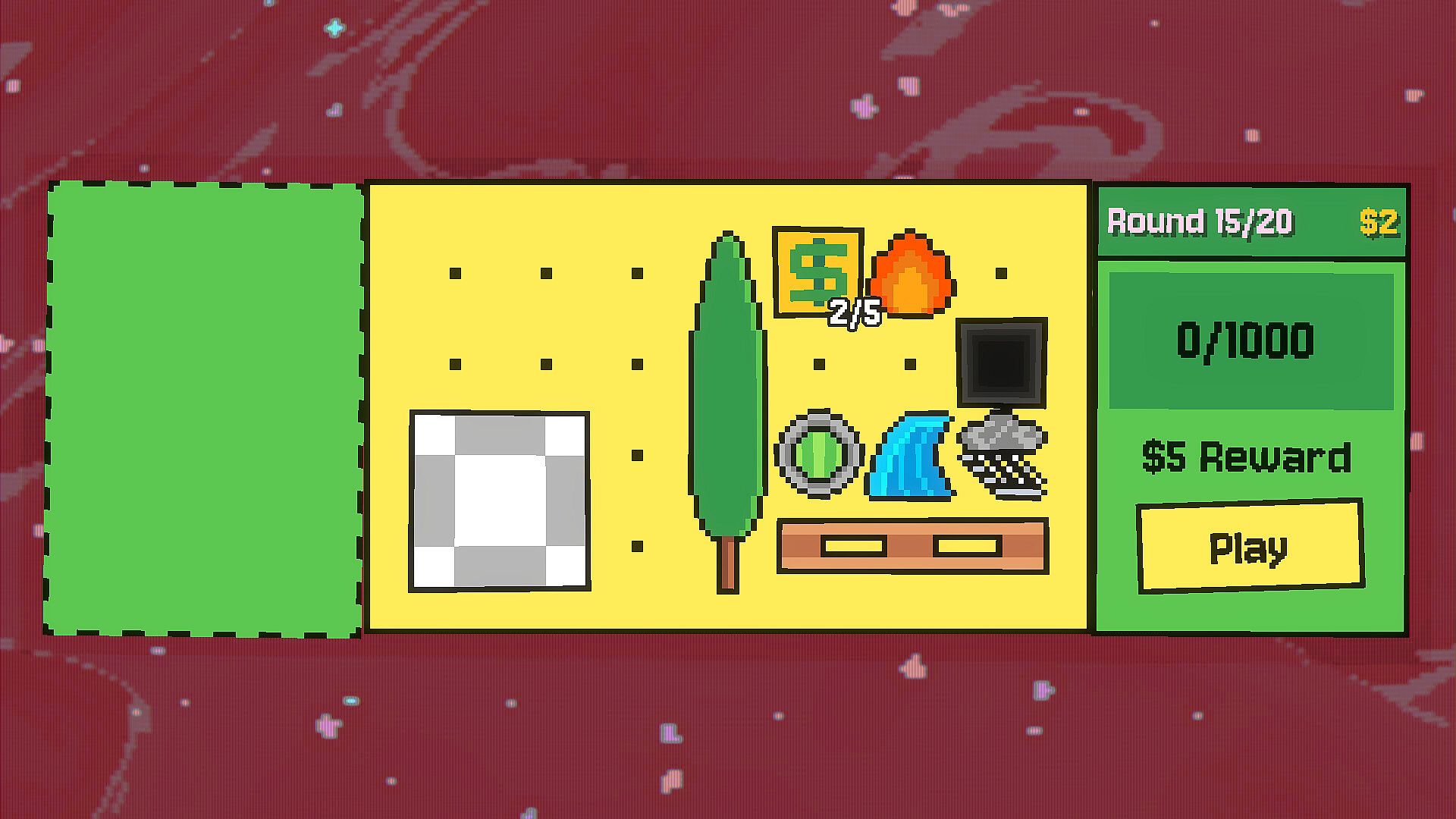
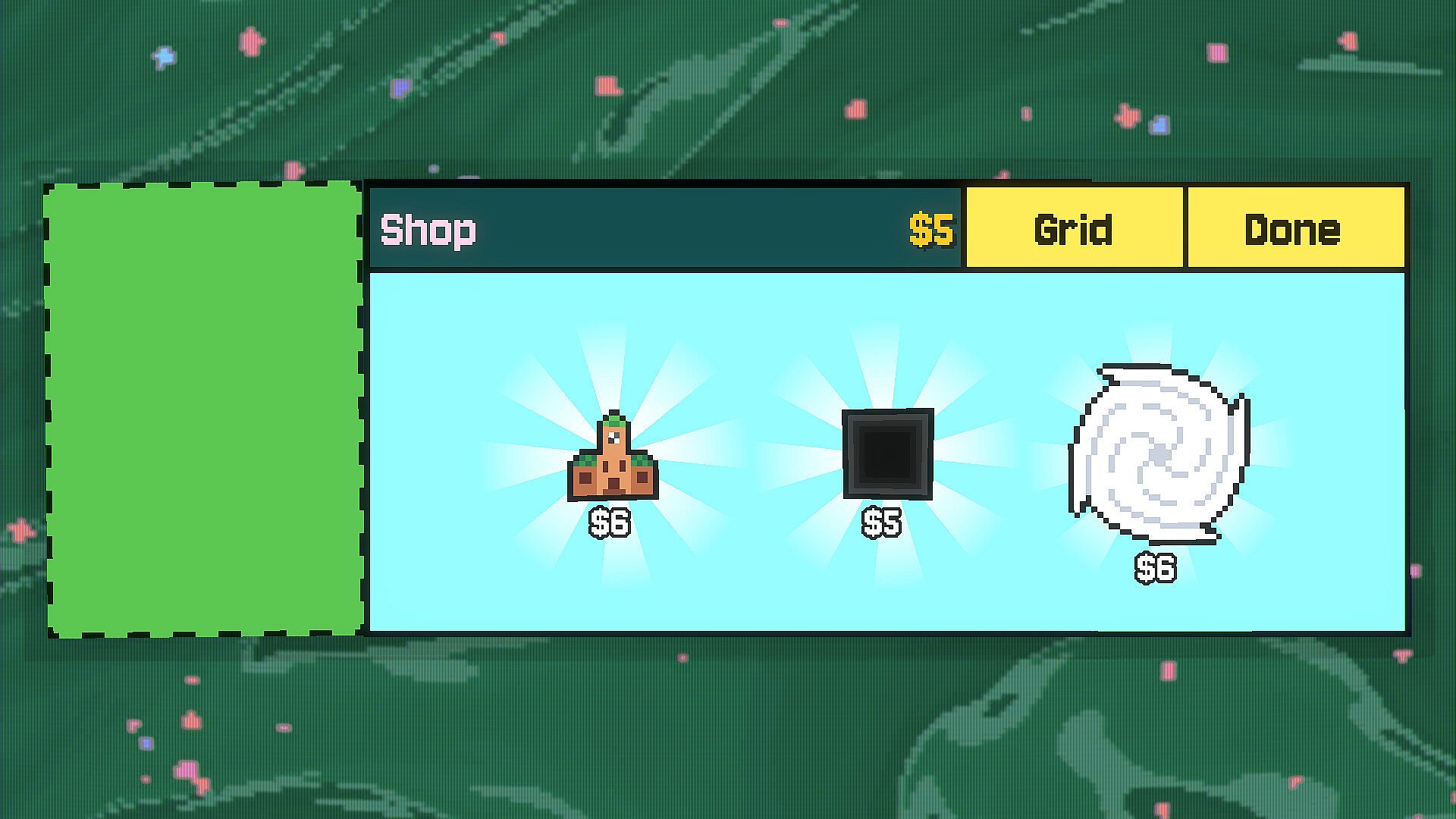
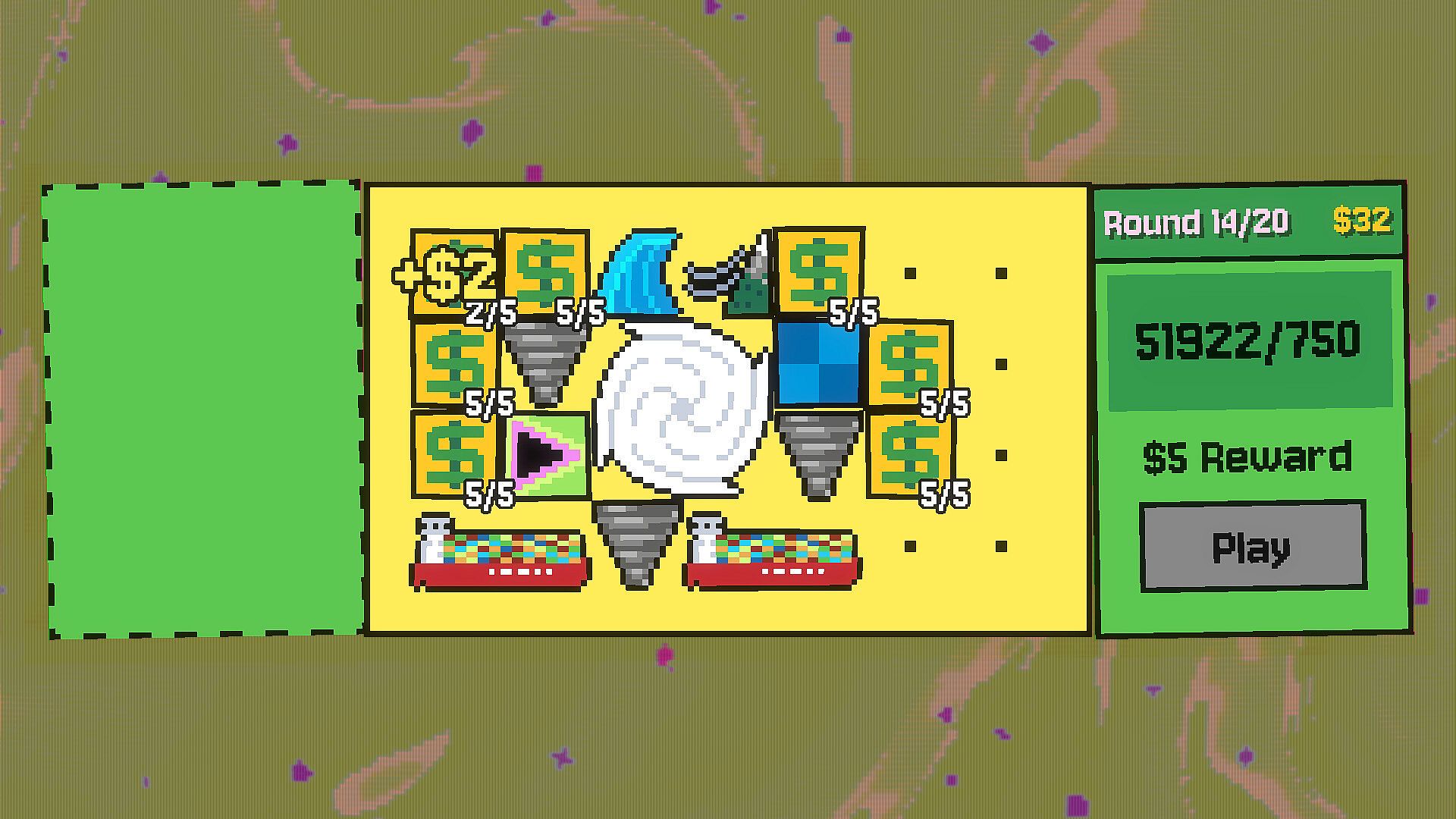
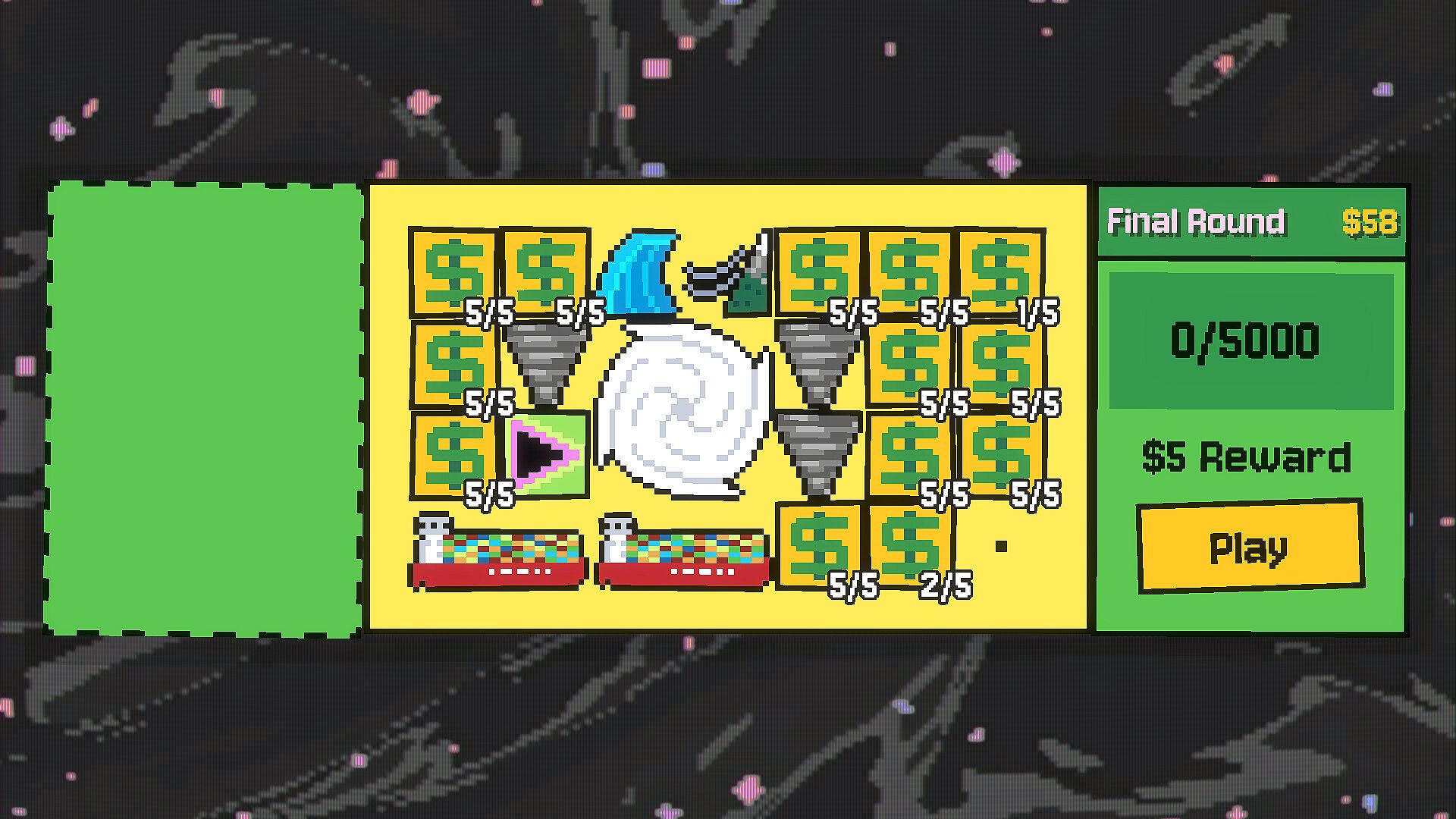
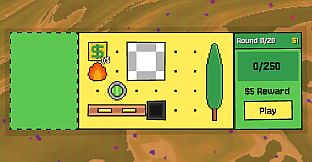
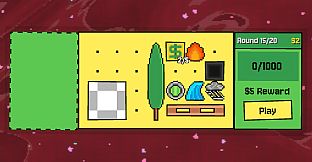
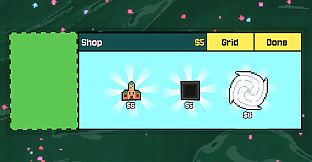
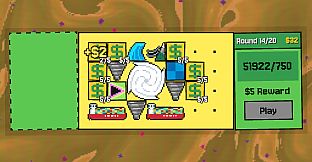
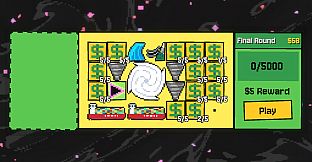
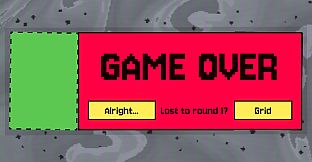
Tileneer is a single-player roguelike strategy game that combines tile placement on a grid with careful decision making to build high-scoring combinations. Players purchase tiles from a shop and arrange them to create synergies that help survive increasingly demanding rounds.
Gameplay
The core loop centers on acquiring tiles with distinct effects and positioning them on a grid to maximize overall score. Each tile contributes unique mechanics that interact with others, so placement order and location determine how effectively a build performs across multiple rounds. Shop purchases allow upgrades to the current setup, but every addition requires evaluation of its impact on existing tiles and future requirements. Success depends on identifying combinations that scale efficiently into later stages where round demands rise sharply.
Decision points arise constantly during runs. A tile that boosts one area might limit options elsewhere, forcing trade-offs that shape the entire session. The roguelike structure means each attempt starts fresh, with new tile selections and arrangements to test. This setup rewards repeated play as players refine their understanding of how different effects combine under pressure.
Game Modes
Tileneer focuses on a single-player experience built around successive rounds of tile acquisition and grid optimization. The format emphasizes personal progression through escalating challenges rather than competitive or cooperative elements. Runs test the ability to adapt builds on the fly while meeting score thresholds that grow stricter over time.
Within this structure, the emphasis remains on thoughtful sequencing of purchases and placements. No separate variants or alternate rulesets appear in the available details, keeping the attention on the central grid-based strategy loop.
Key Mechanics
Tile effects form the foundation of every run. Some tiles may alter scoring directly while others modify how neighboring tiles function, creating layers of interaction that players must balance. Shop access provides opportunities to expand options, yet limited resources mean each choice carries weight toward the final outcome.
Late-game rounds introduce higher benchmarks that only optimized arrangements can clear. This progression encourages experimentation with different tile mixes while maintaining focus on efficiency. The casual accessibility of the interface pairs with the strategic depth required for consistent progress.
Is It Worth Playing?
Tileneer targets players who enjoy roguelike runs where individual choices shape outcomes through tile synergies and grid management. Its indie casual strategy blend suits those seeking a focused experience centered on optimization rather than action or narrative elements. The game remains in a pre-release state with no user reviews available yet, so current impressions rest on the described systems and the developer's emphasis on meaningful decision making.
Those drawn to games that reward careful planning and iterative improvement may find the core loop engaging once it launches. Availability on PC through standard digital platforms will determine access for interested players.