




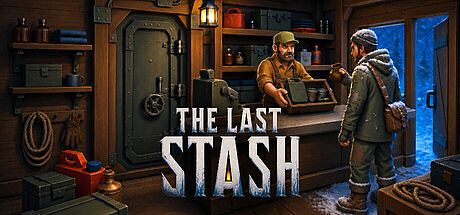


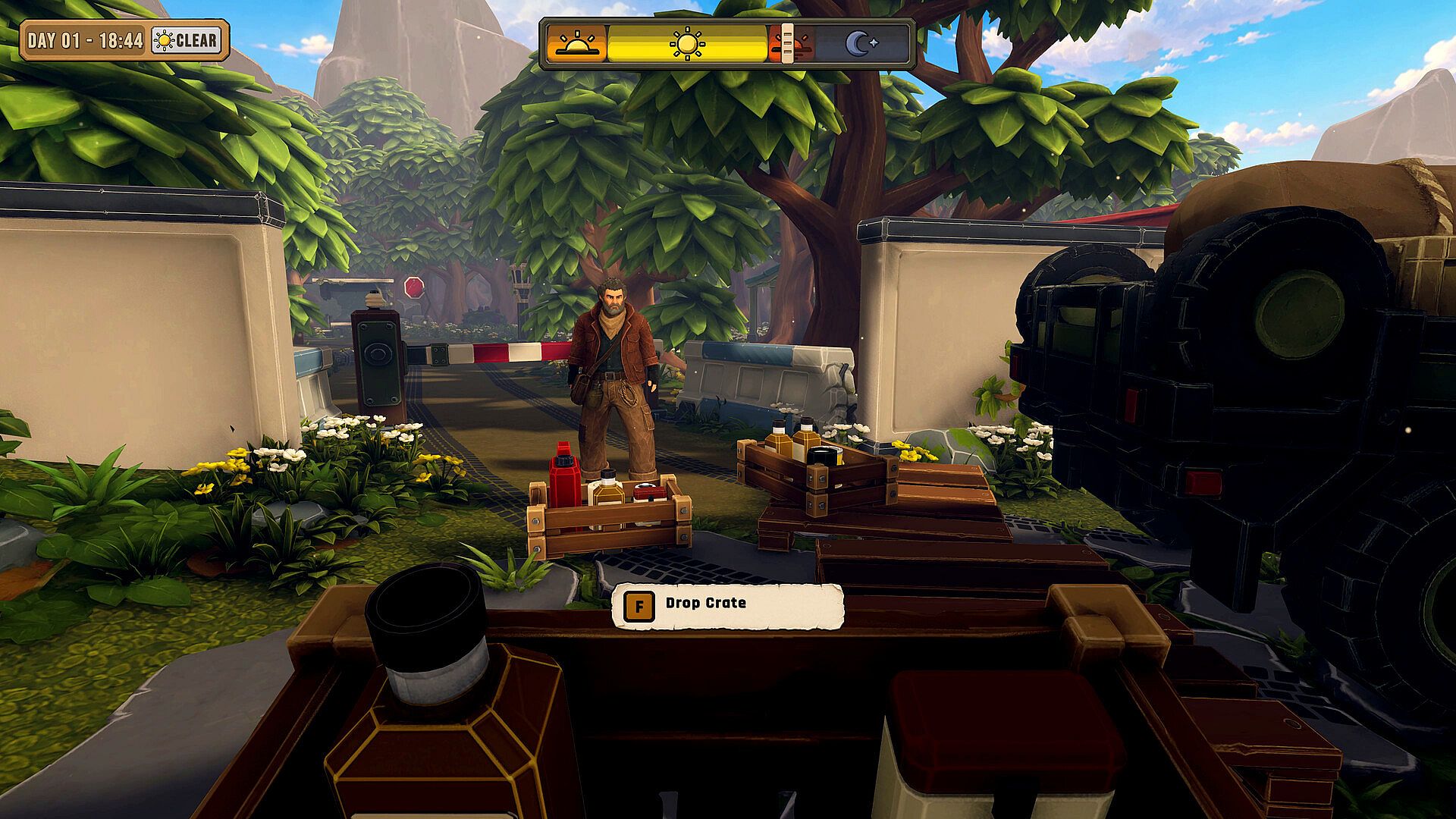
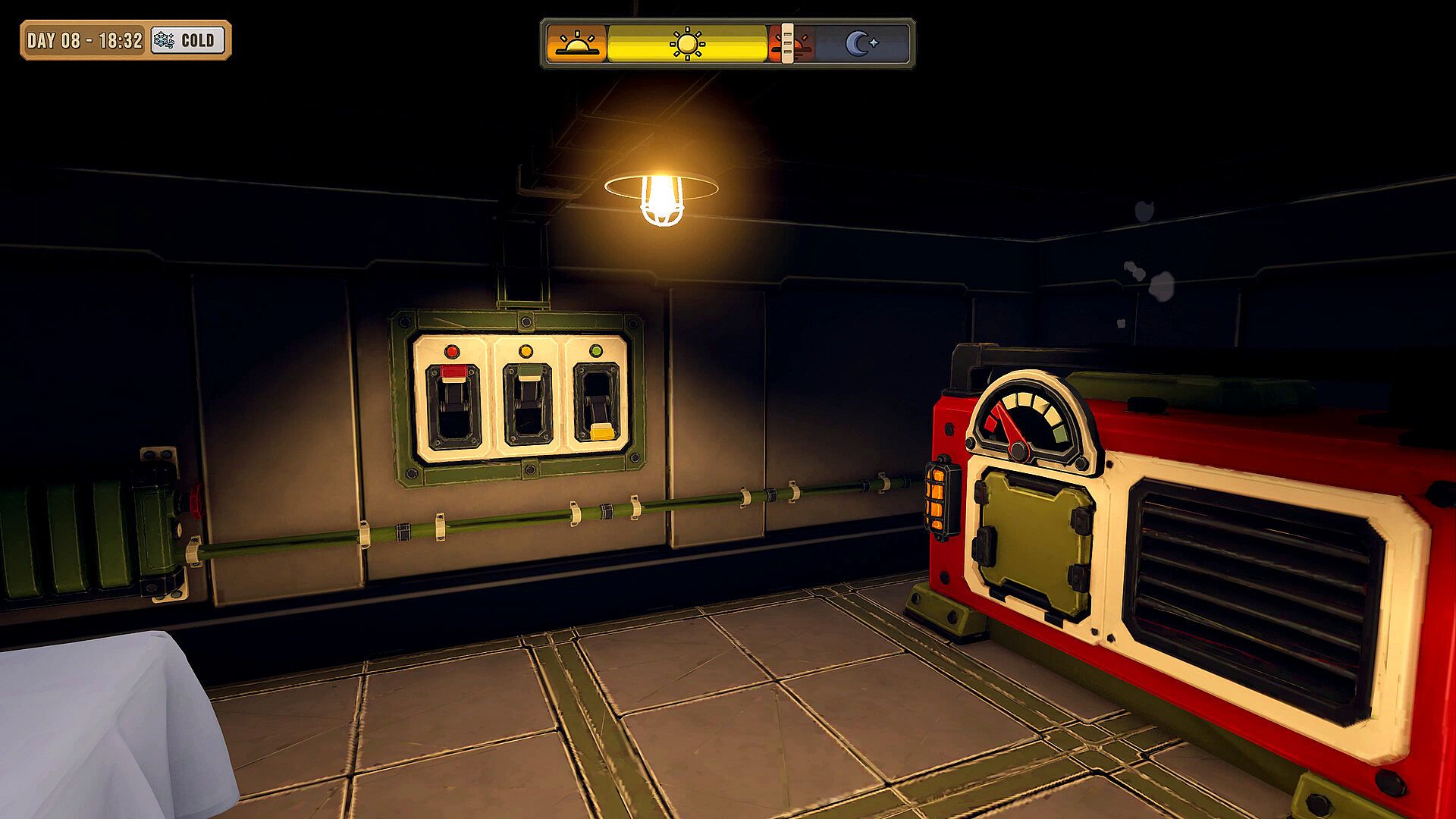
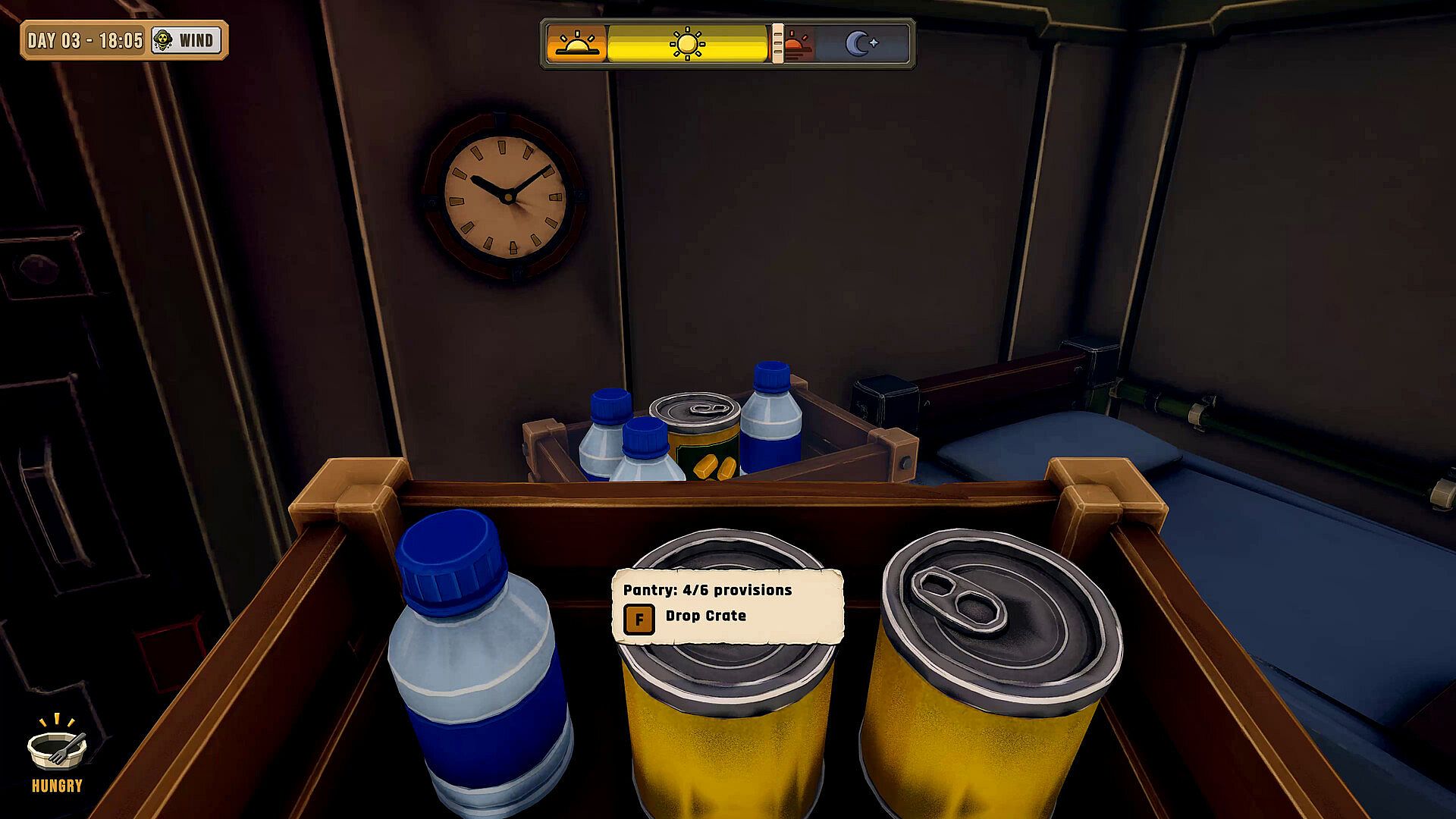
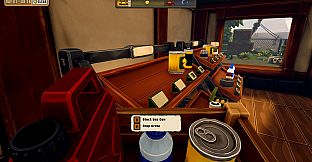
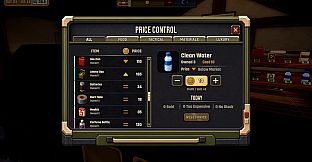


The Last Stash is a post-apocalyptic simulation game that blends shop management with personal survival decisions. Players operate the final store in a ruined town, balancing sales of scarce supplies against the need to reserve those same items for the bunker beneath the shop. Every choice about pricing and inventory directly affects both daily revenue and nighttime endurance against hunger, thirst, and cold.
Gameplay
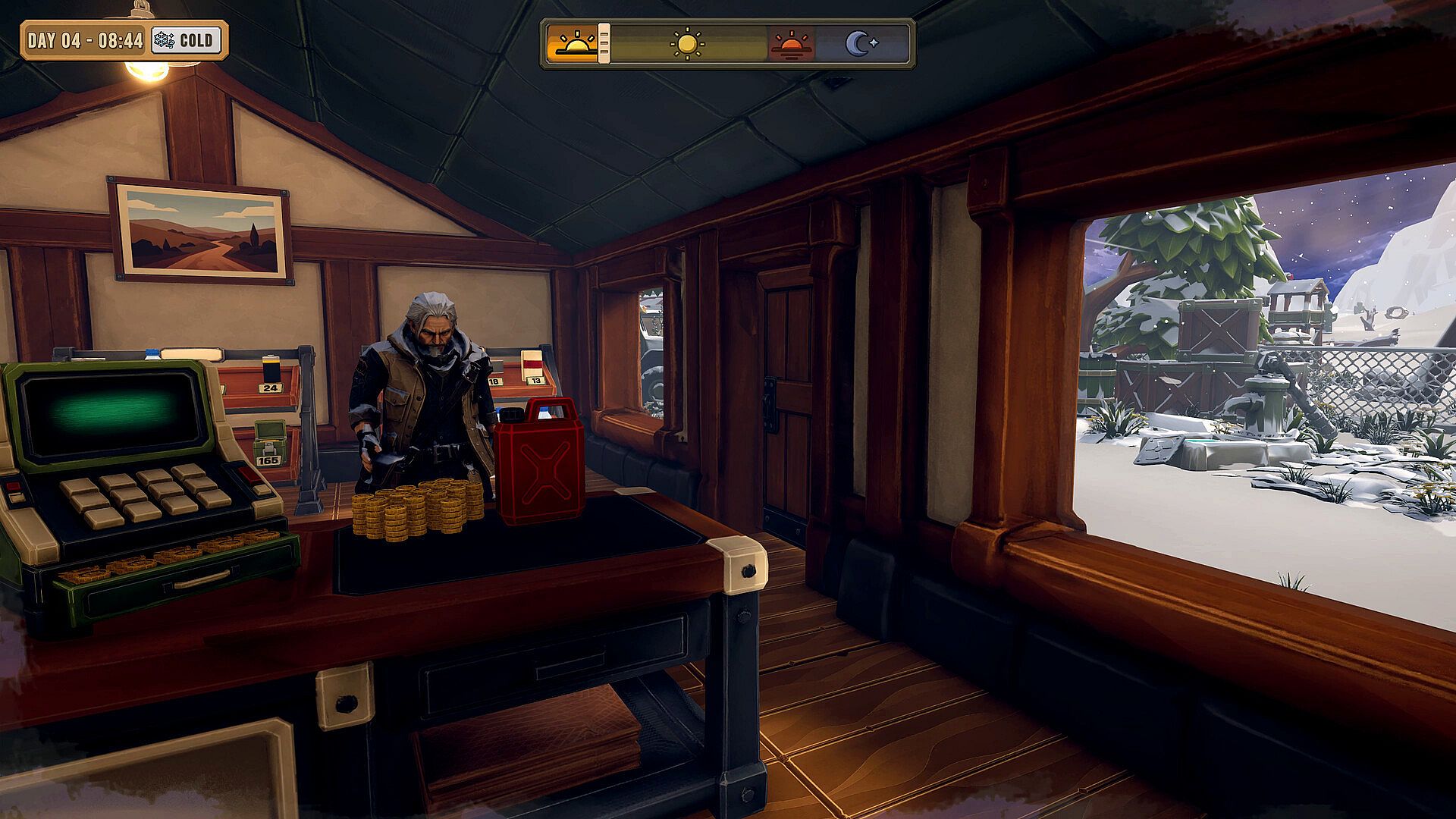
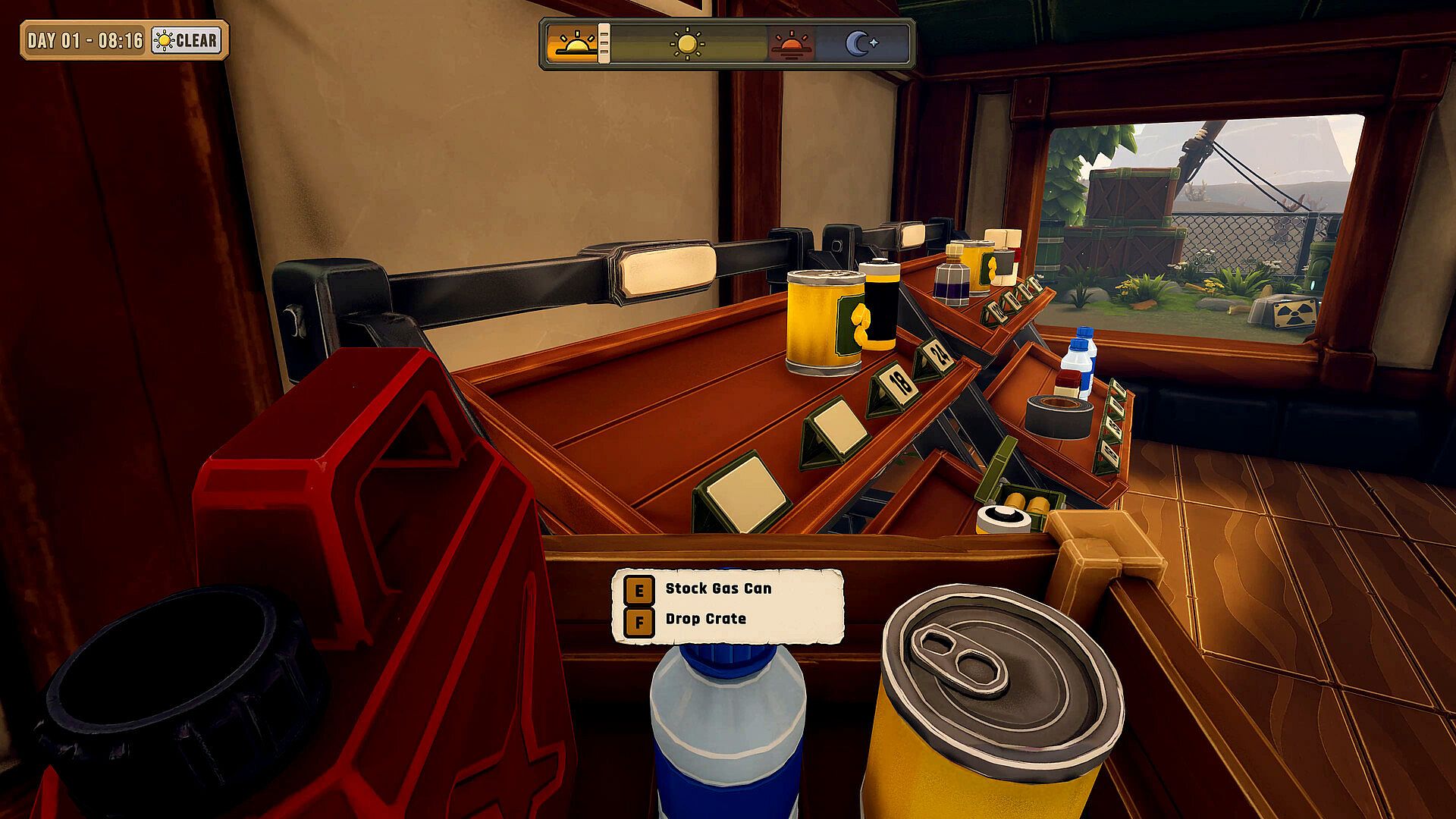
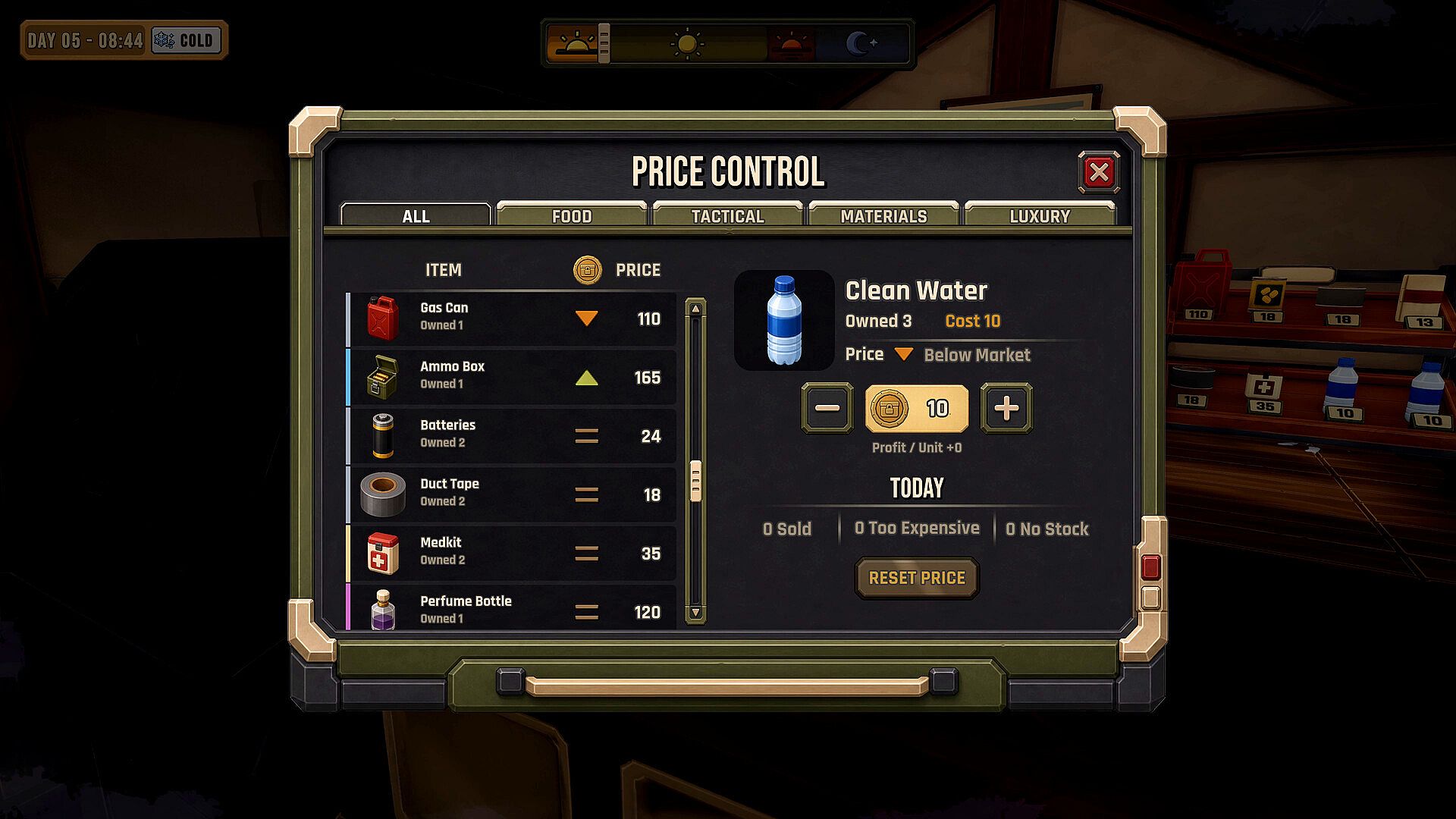
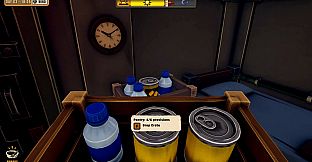
Core play centers on manual shop operations. Stock arrives via supplier truck, and players must carry each crate inside, place individual items on shelves, adjust price tags, and handle transactions at the register. Customers react visibly to costs, creating tension around what sells quickly versus what remains for personal use. Goods like gas, batteries, water, food, and medicine generate strong demand during the day yet serve as critical bunker resources once the shutters close.
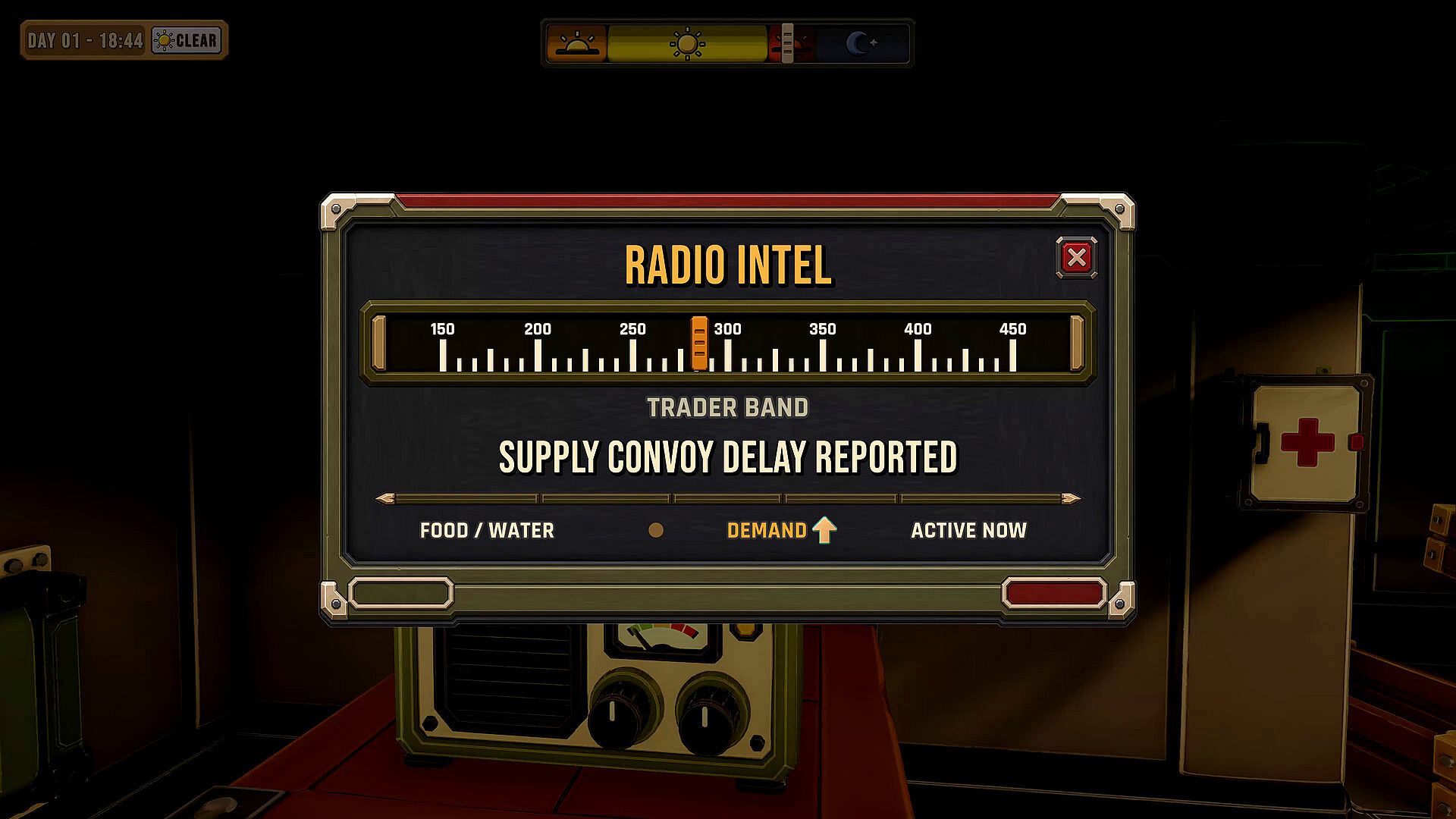
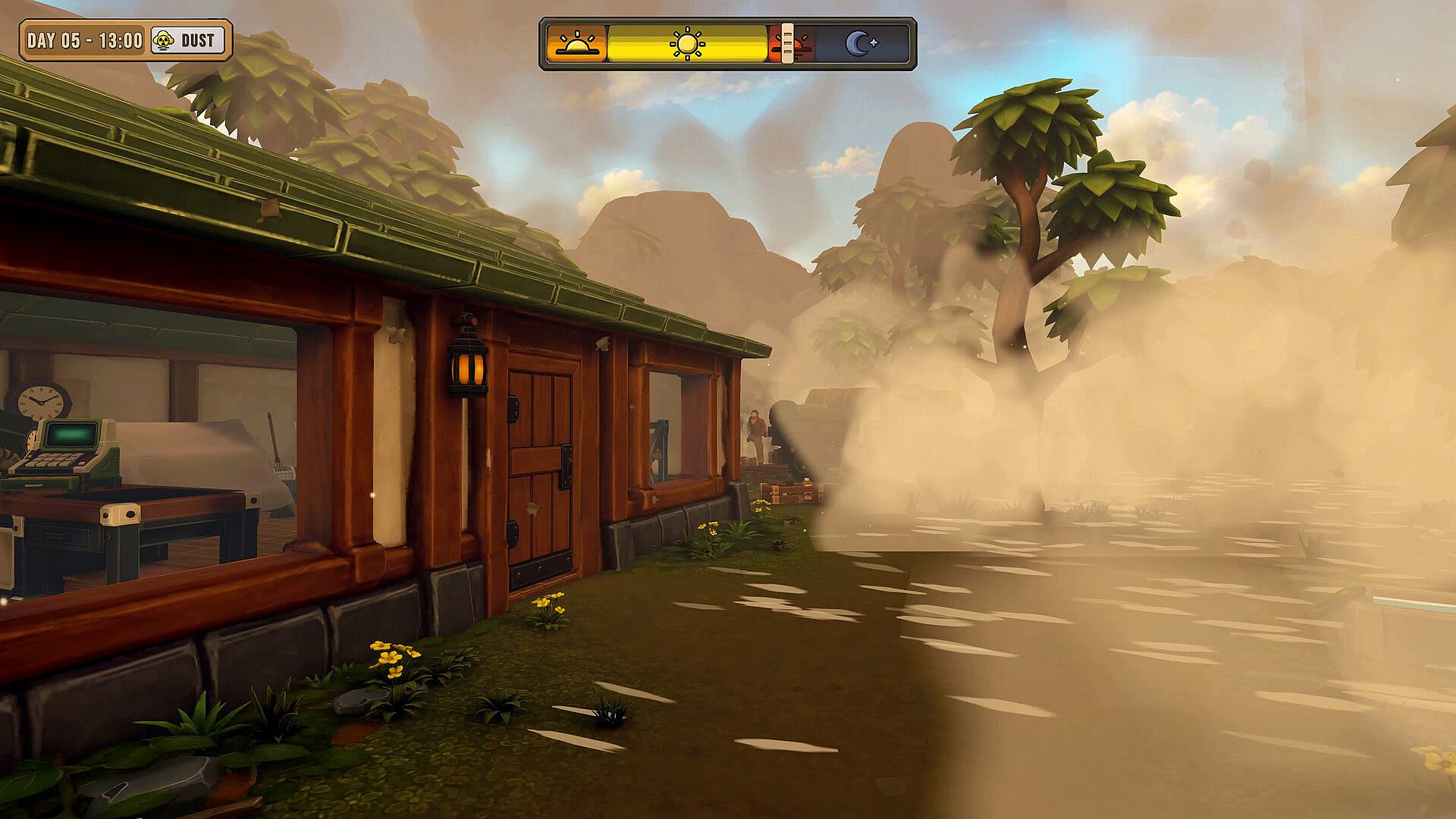
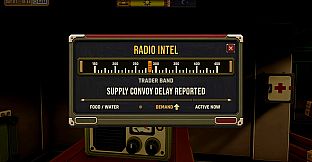
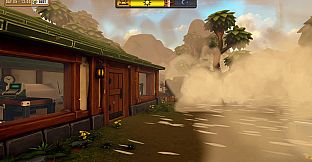
Weather plays a constant role through radio forecasts. Morning reports detail incoming snowstorms, dust walls, or other events that can block roads, delay deliveries, and create sudden shortages. Players adjust orders and pricing in response, turning environmental changes into both risks and opportunities for profit. Contracts from desperate clients request specific themed bundles, rewarding successful deliveries with rare parts that enable further crafting at the workbench.
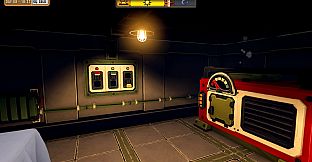
Upgrades provide tangible progression. New shelving expands display space, repaired machines improve efficiency, and bunker improvements such as generator maintenance or tank extensions increase survival margins. Each change appears physically in the environment and influences how the town interacts with the shop over time.
Game Modes
The experience runs as a single-player campaign focused on long-term shop operation and bunker management. A free demo covers an initial seven-day period, while the full Early Access version extends the campaign length substantially. No separate competitive or multiplayer modes exist at launch, keeping emphasis on the solitary loop of daily trading and nightly survival calculations.
Future content planned during Early Access includes optional co-op supply runs and defensive elements against external threats, but the base structure remains centered on individual decision-making around inventory and resource allocation.
Progression and Atmosphere
Advancement comes through visible physical improvements and expanded capabilities. Better shelving and equipment allow more efficient sales, while bunker upgrades reduce the daily pressure of conserving supplies. The radio serves as the primary connection to the outside world, delivering forecasts that shape short-term strategy and long-term planning.
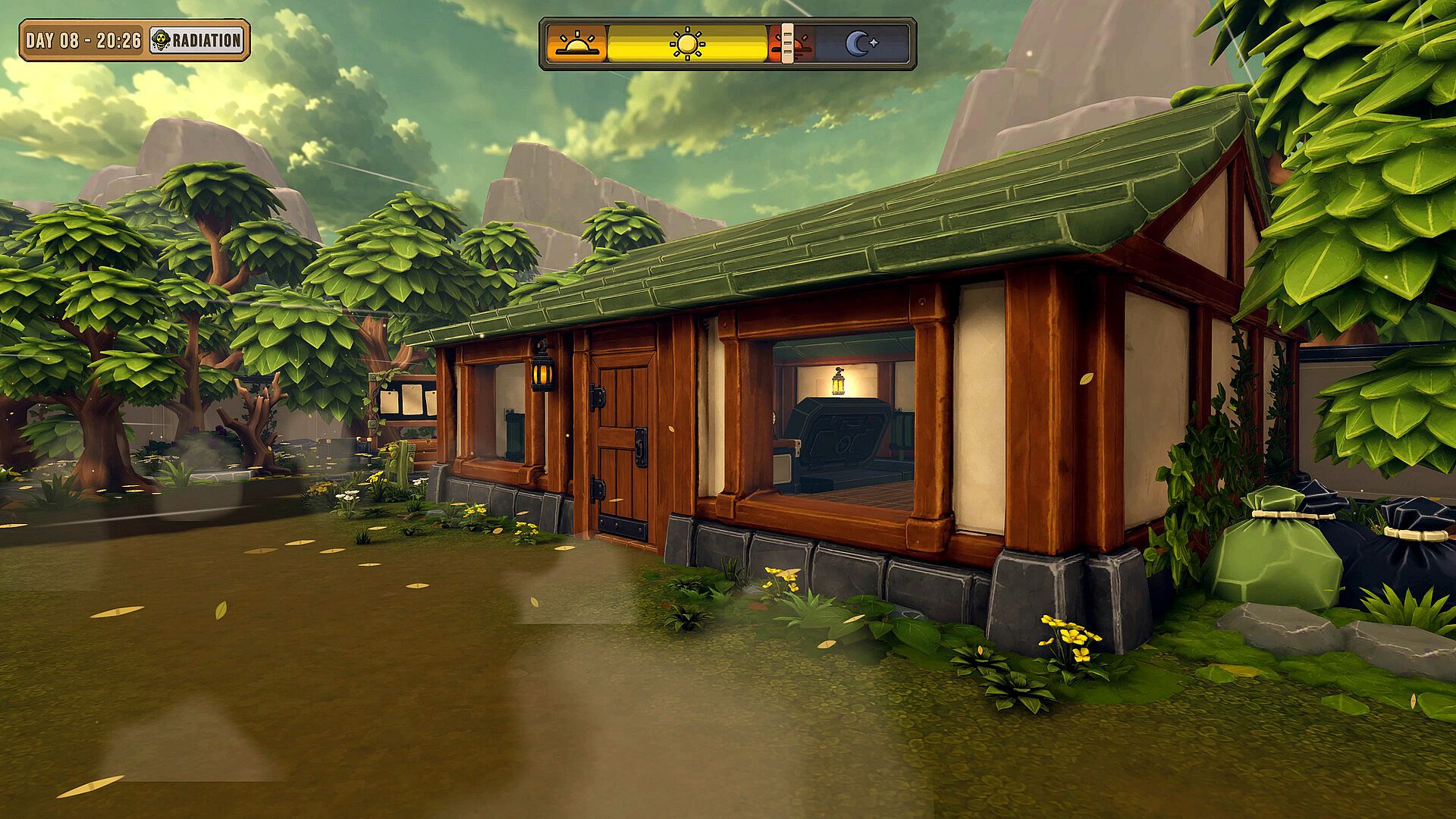
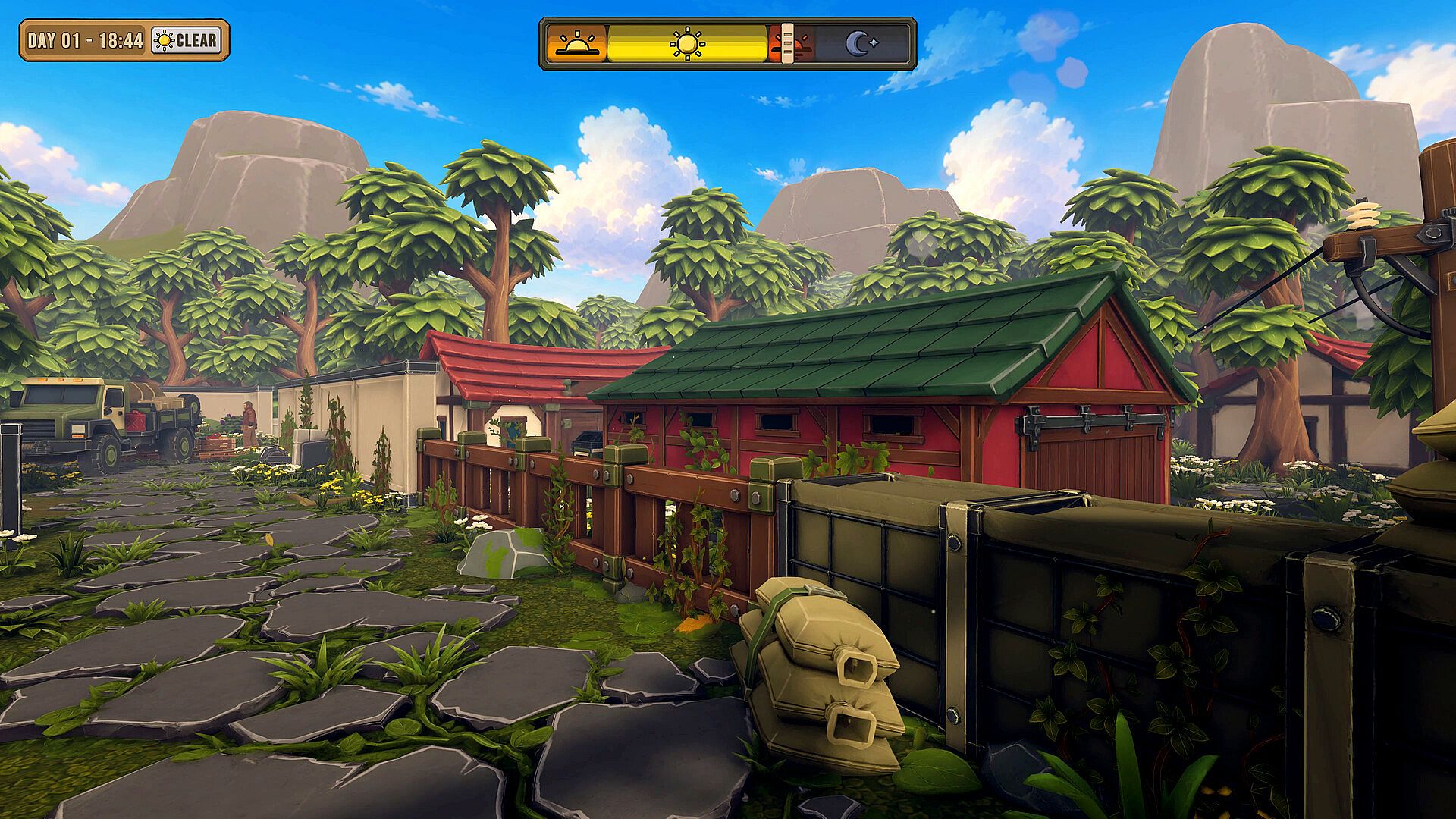
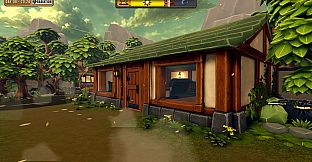
The setting emphasizes scarcity without exaggeration. The broken town and wasteland beyond create a grounded backdrop where every item carries dual value, and the shop itself becomes both business and home. Sound and visual details reinforce the routine of stocking, serving customers, and retreating underground as night falls.
Is It Worth Playing?
The Last Stash targets players who enjoy deliberate shop simulators combined with survival constraints. Its manual handling of stock and direct impact of sales on personal well-being set it apart from lighter management titles. As an Early Access title scheduled for Q4 2026, the core systems of trading, weather influence, contracts, crafting, and bunker upkeep are already playable, with additional content and refinements expected based on community input.
Those drawn to thoughtful resource management in a post-apocalyptic context will find the dual shop-and-survival loop engaging. The game rewards careful planning over speed, and its single-player focus suits solo sessions. Early Access buyers should expect an evolving experience rather than a finished product, with the developer committing to regular updates and transparent roadmaps. If the premise of weighing customer needs against personal endurance appeals, it offers a distinctive simulation worth following through development.











