






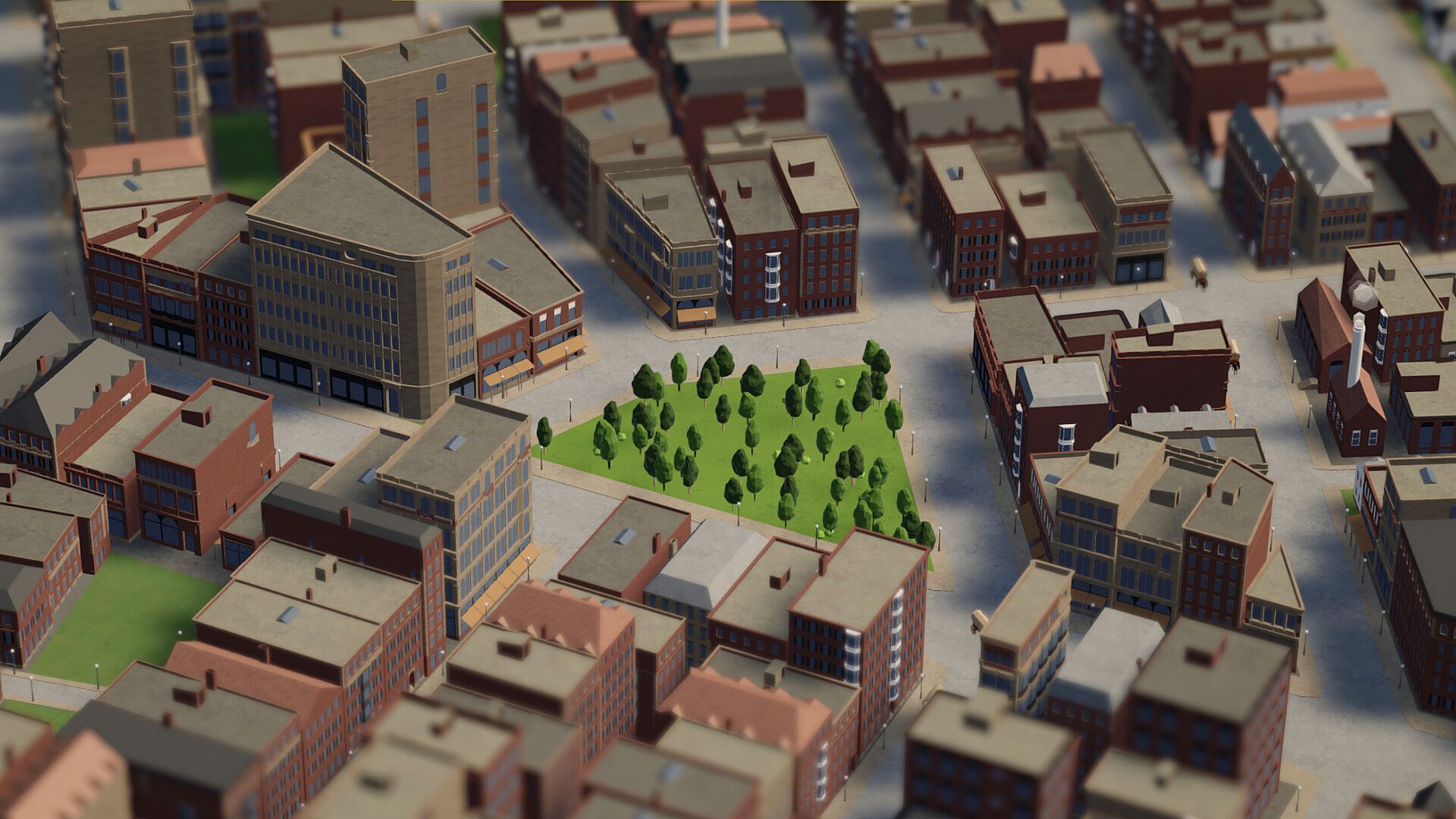
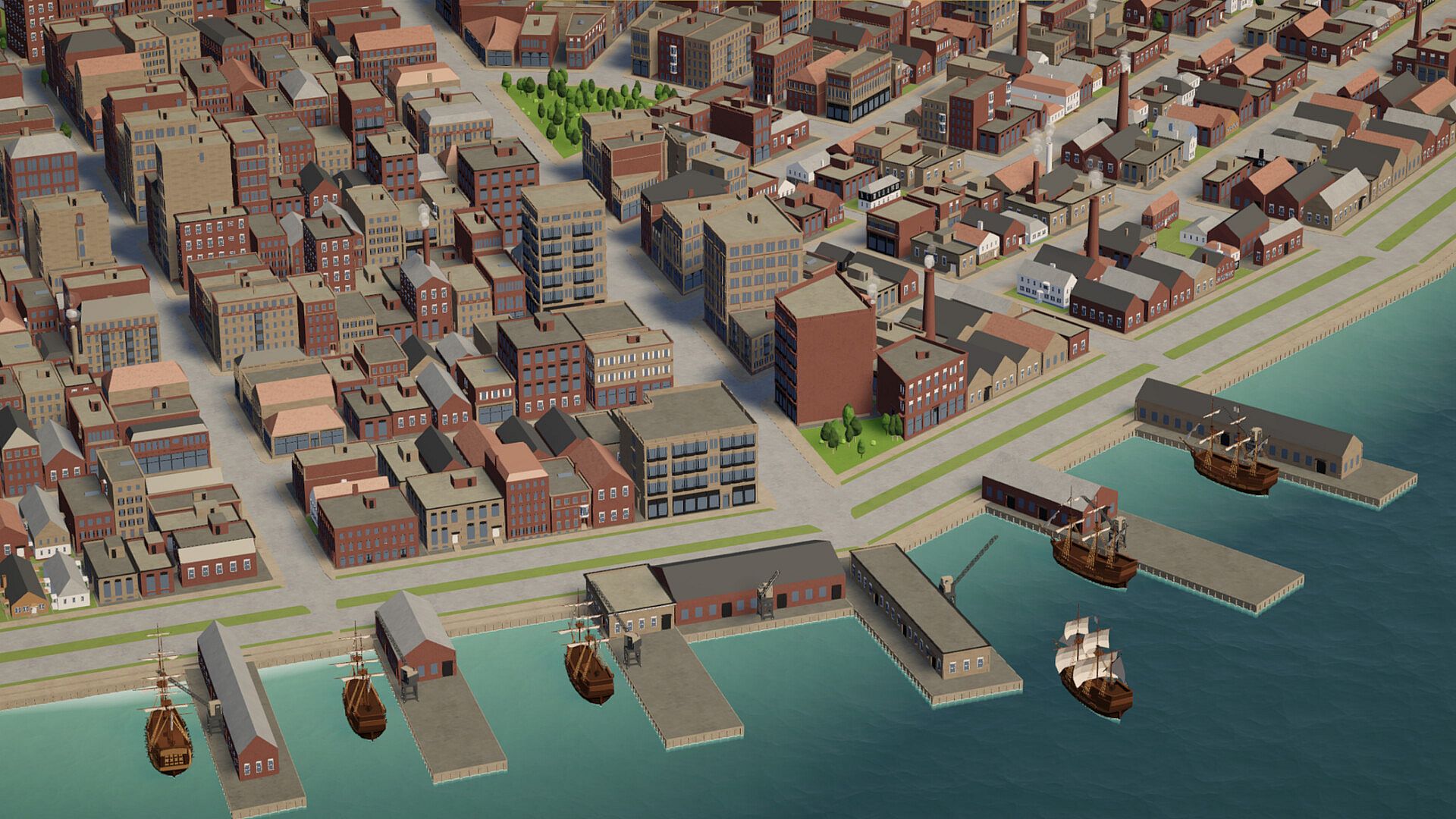
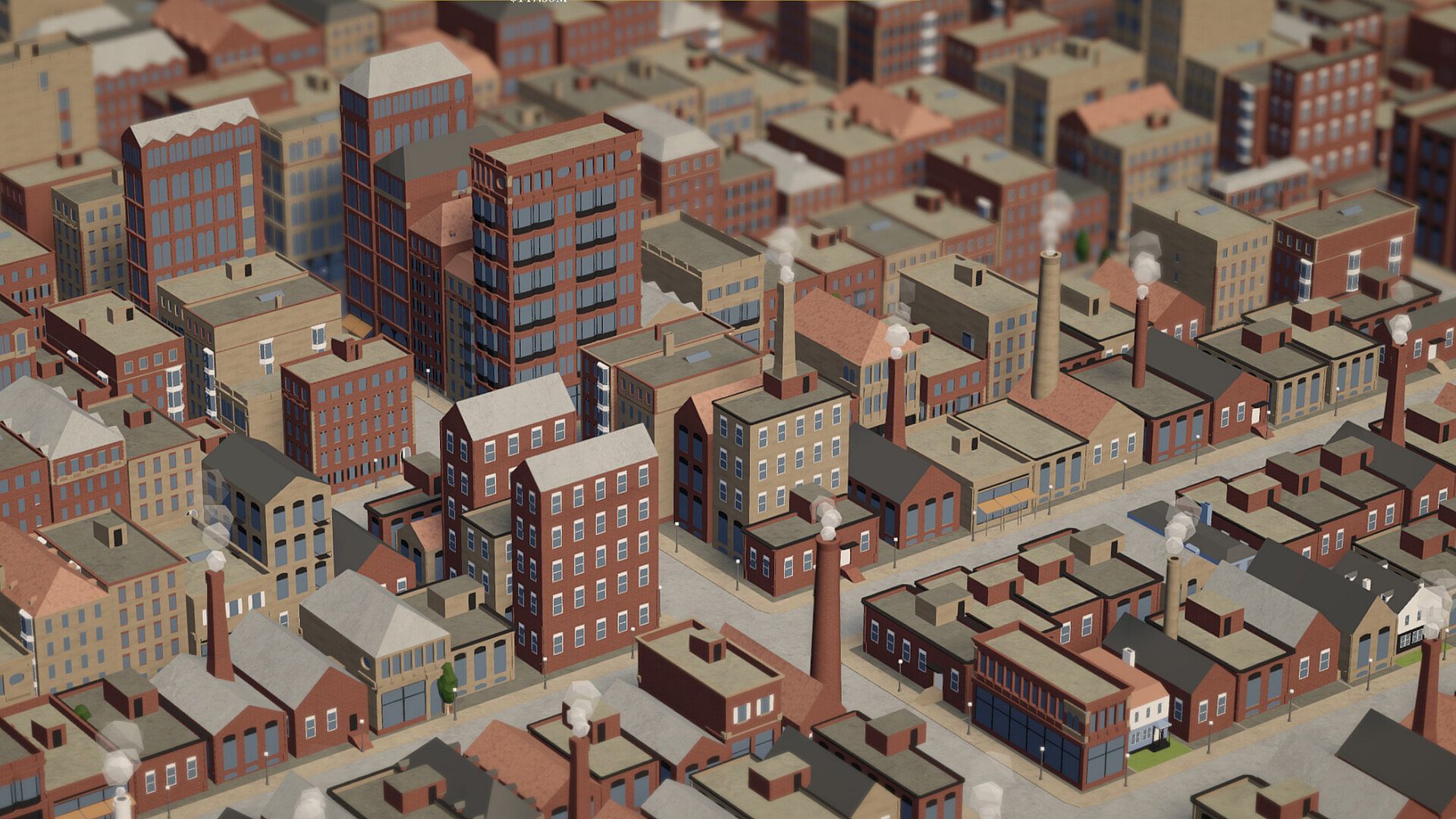
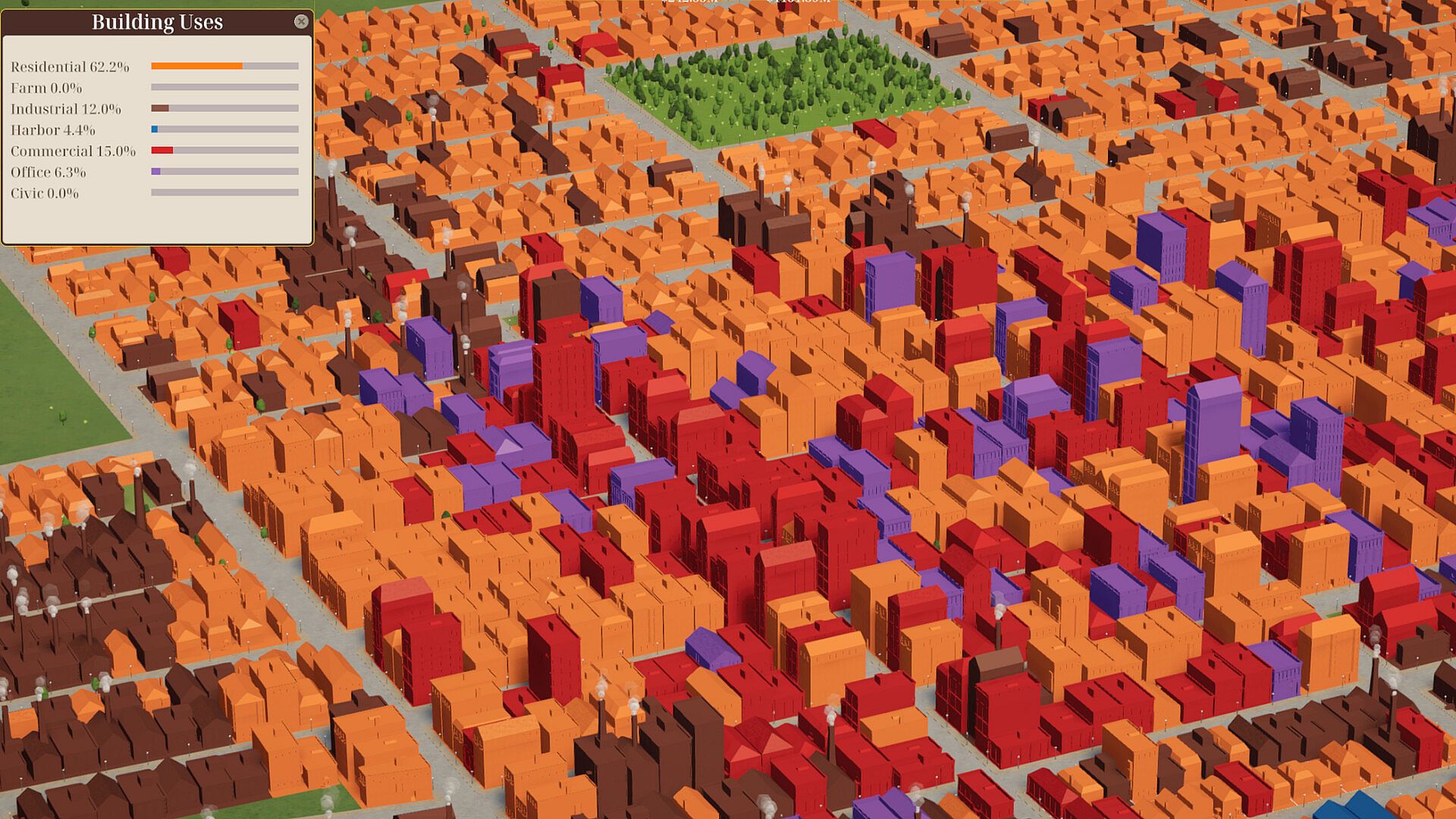
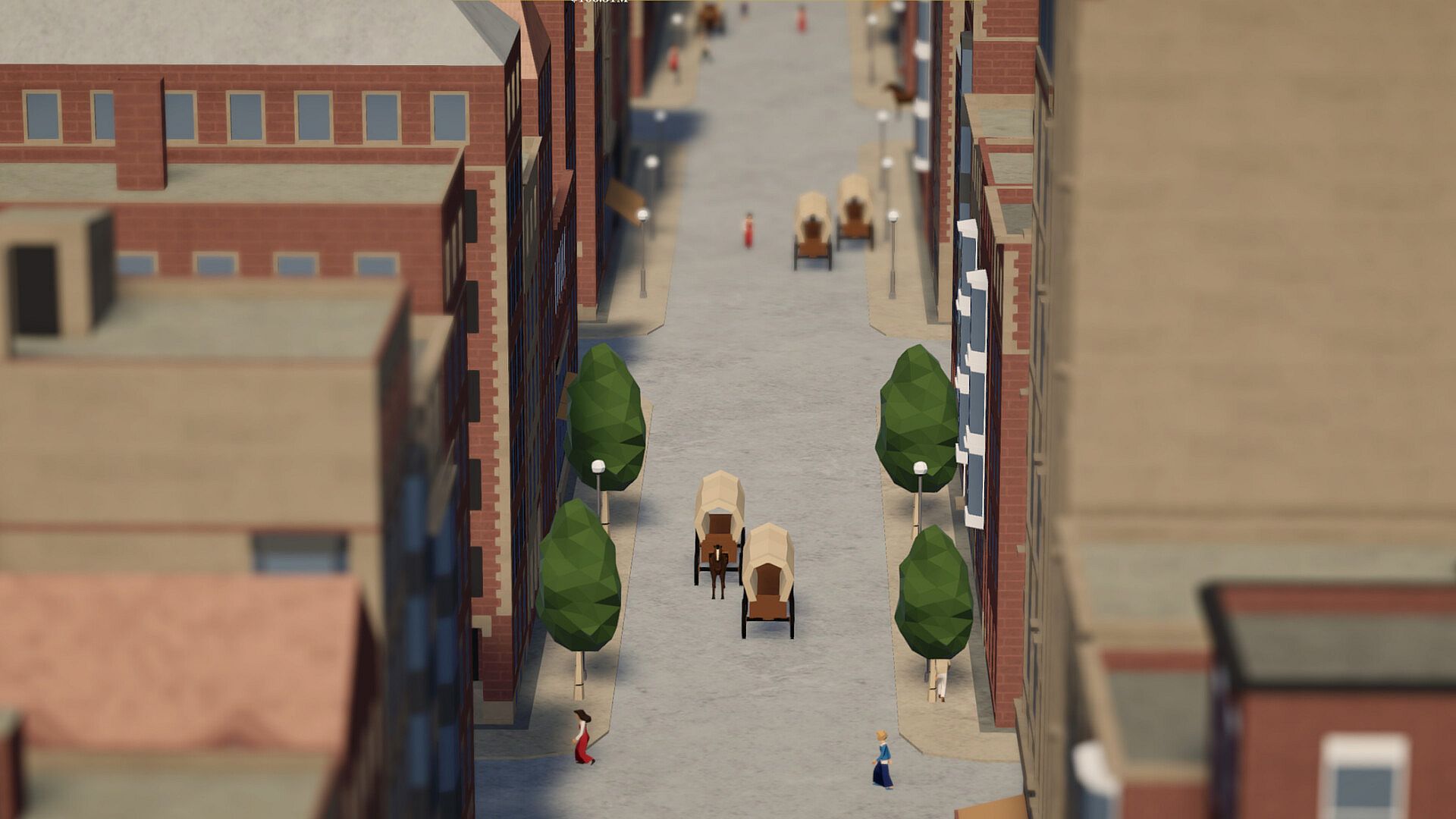
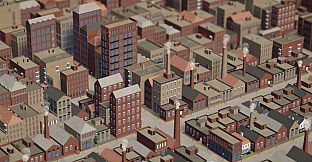
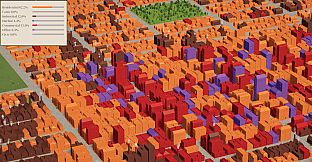
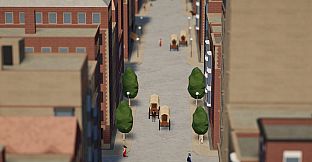
The Gilded City is an indie city-building simulation set during the American Gilded Age. Players begin with a modest 19th-century village and guide its expansion into a dense industrial metropolis complete with skyscrapers, active ports, and factories. The experience centers on economic influence rather than direct placement of every structure, allowing the city to develop organically based on the conditions created through land use, infrastructure, and market signals.
Gameplay
Core play revolves around shaping urban growth without a rigid grid system. Free-form roads and land parcels let players define the city's layout from the start. Infrastructure such as railroads and ports links local production to broader markets, while factories convert raw materials into goods that businesses then sell. Demand and economic opportunity determine where developers and tycoons choose to invest, constructing residences, factories, or commercial buildings in response to the environment provided.
Customization options include planting trees, adding decorations, and adjusting building setbacks or forms to refine the overall city appearance. The focus remains on indirect guidance through accessibility, land value, and opportunity rather than manual construction of each element. Over time, the settlement evolves across the changing conditions of the 19th century, with new technologies and market shifts influencing expansion patterns.
Game Modes
The game operates as a single-player historical simulation without separate competitive or cooperative modes. Progression follows a continuous campaign-style experience that spans the transformation of one settlement across decades. Players manage the same growing city throughout, responding to evolving economic and technological factors rather than switching between distinct scenarios or match types.
City Development and Economy
Development occurs through an emergent system where external actors react to player-created conditions. Attracting or limiting developers and tycoons controls the pace and character of growth, preserving compactness or encouraging dense industrial zones as desired. Market mechanics tie production to distant demand, with factories adapting output and businesses competing for customers based on supply and location advantages.
Decisions about infrastructure and land directly affect these flows, creating feedback loops that drive further changes. The result is a city that expands on its own once the foundational elements are in place, reflecting the rapid industrialization of the era without requiring constant manual intervention.
Is It Worth Playing?
The Gilded City suits players who enjoy economic city builders that emphasize indirect influence and long-term urban evolution over hands-on building. Its early access status means the core systems for free-form planning, developer-driven construction, and market-driven industry are available now on PC, with the historical Gilded Age setting providing a focused timeframe for city transformation. Those drawn to simulations where infrastructure and opportunity shape organic growth will find the mechanics align closely with that interest, while the absence of god-mode placement encourages experimentation with different city forms and economic strategies.











