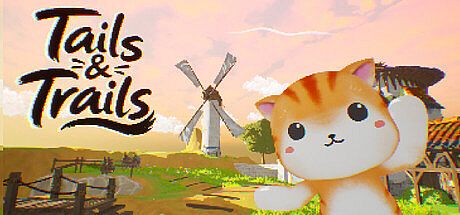



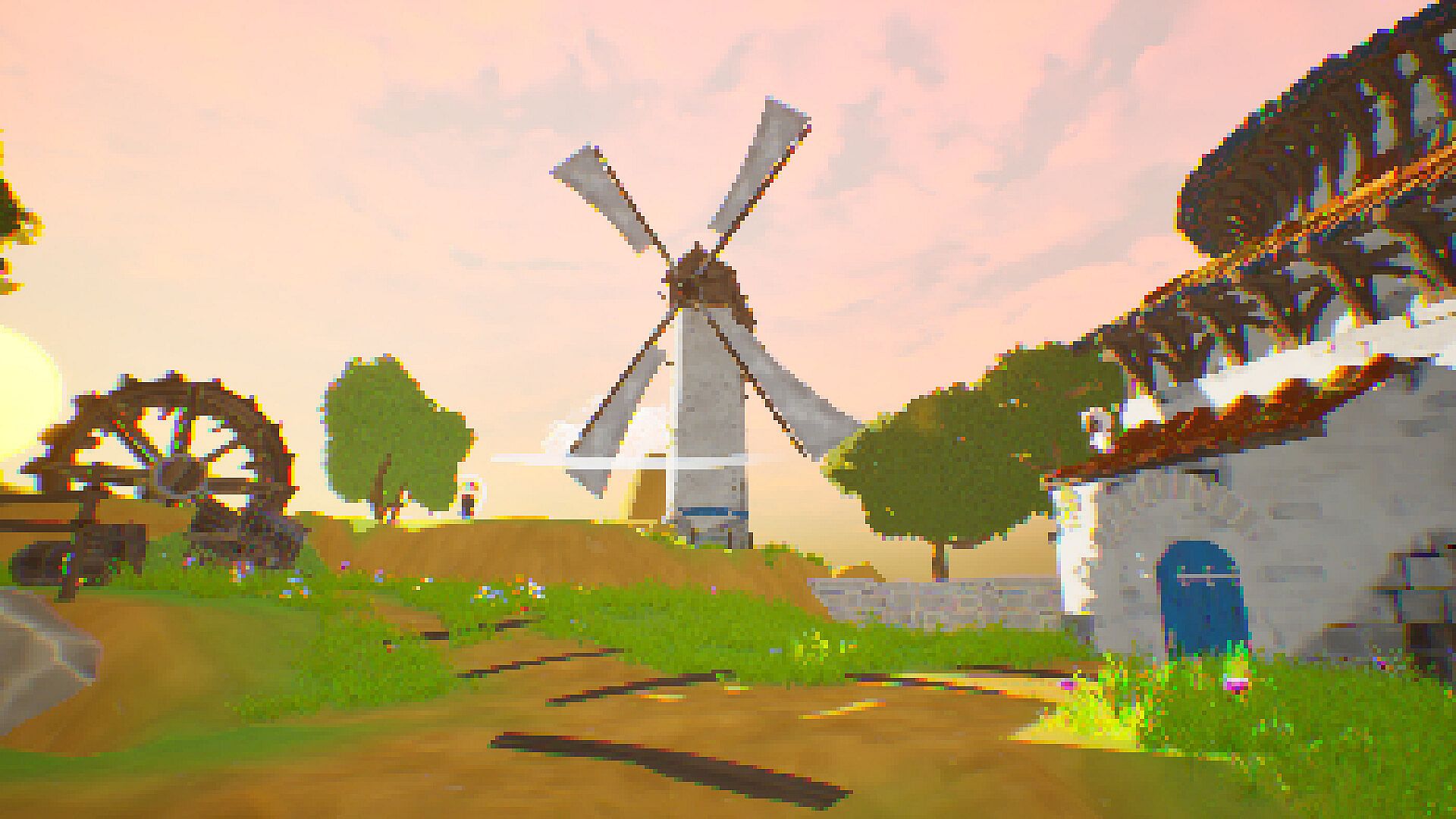
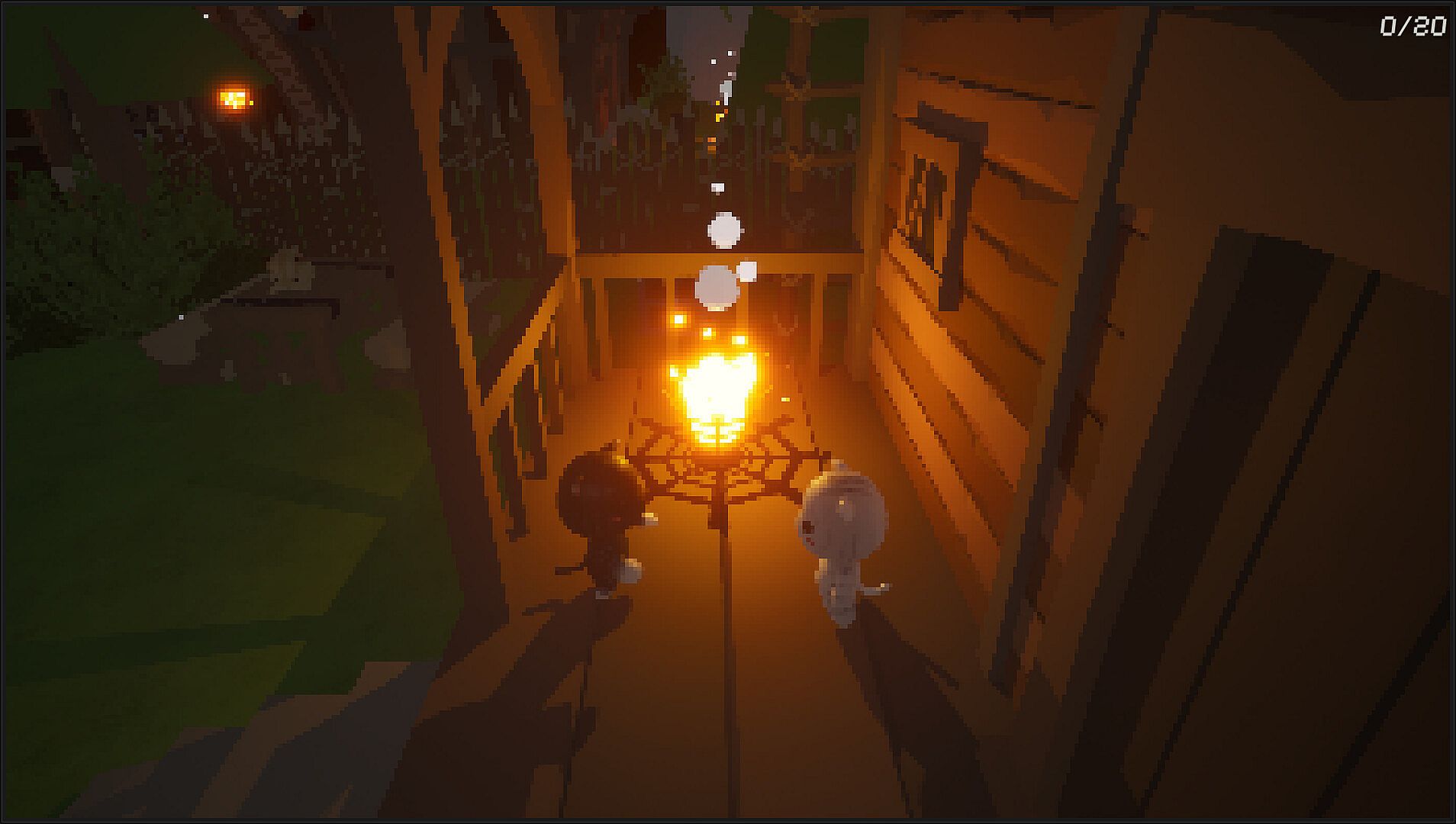
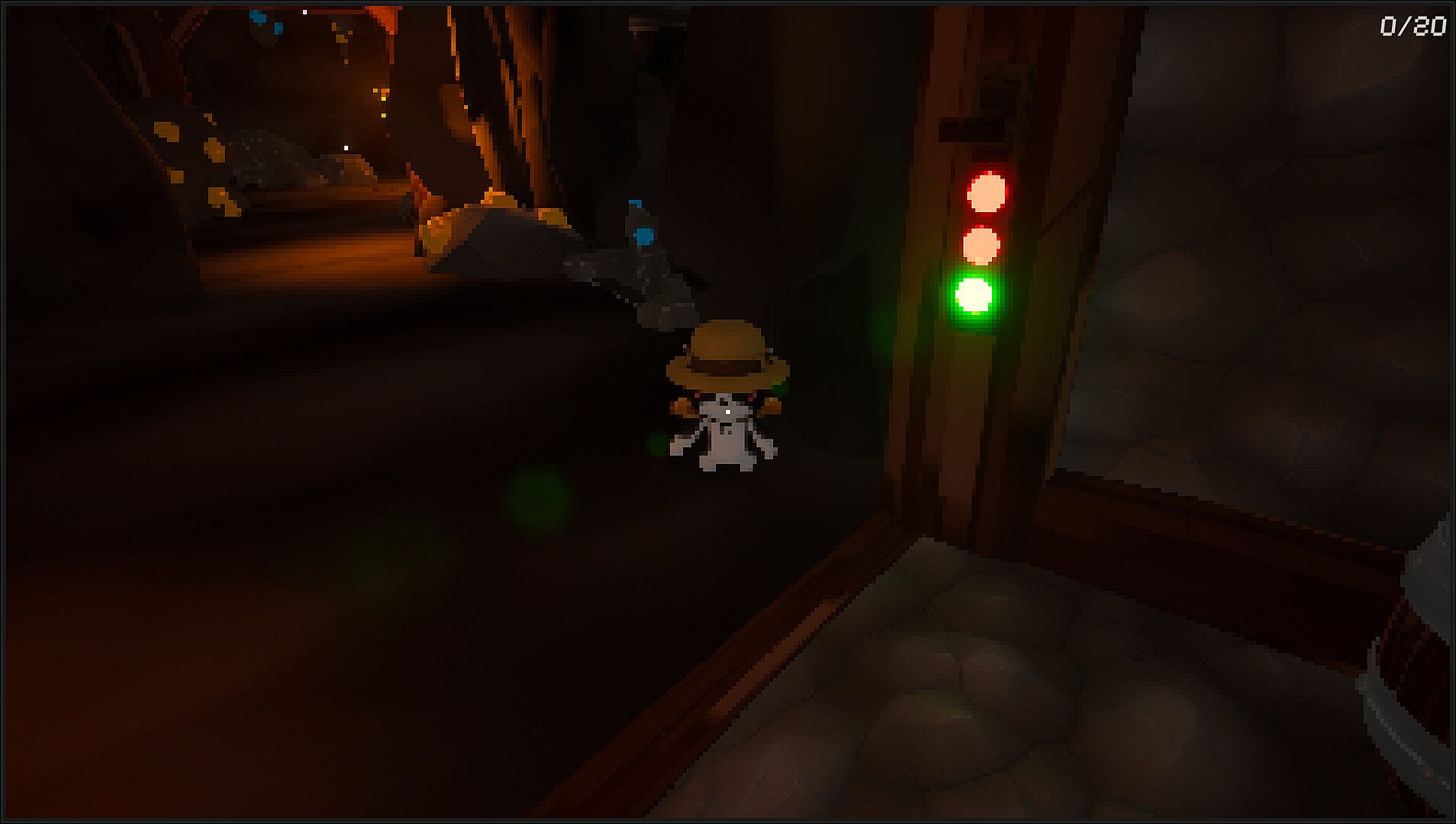
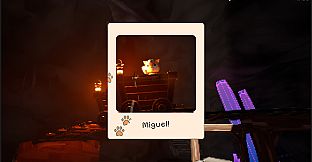
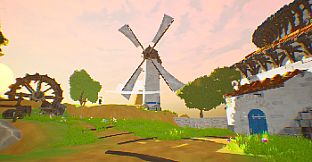
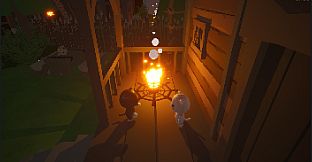
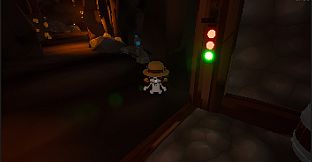
Tails & Trails è un rilassante gioco di ricerca oggetti in 3D sviluppato per PC nei generi indie e casual. Il giocatore esplora piccoli ambienti colorati per trovare gatti e immortalarli con la fotocamera. L'esperienza si basa su libertà di movimento, interazioni leggere e puzzle semplici, senza combattimenti né limiti di tempo.
Gameplay
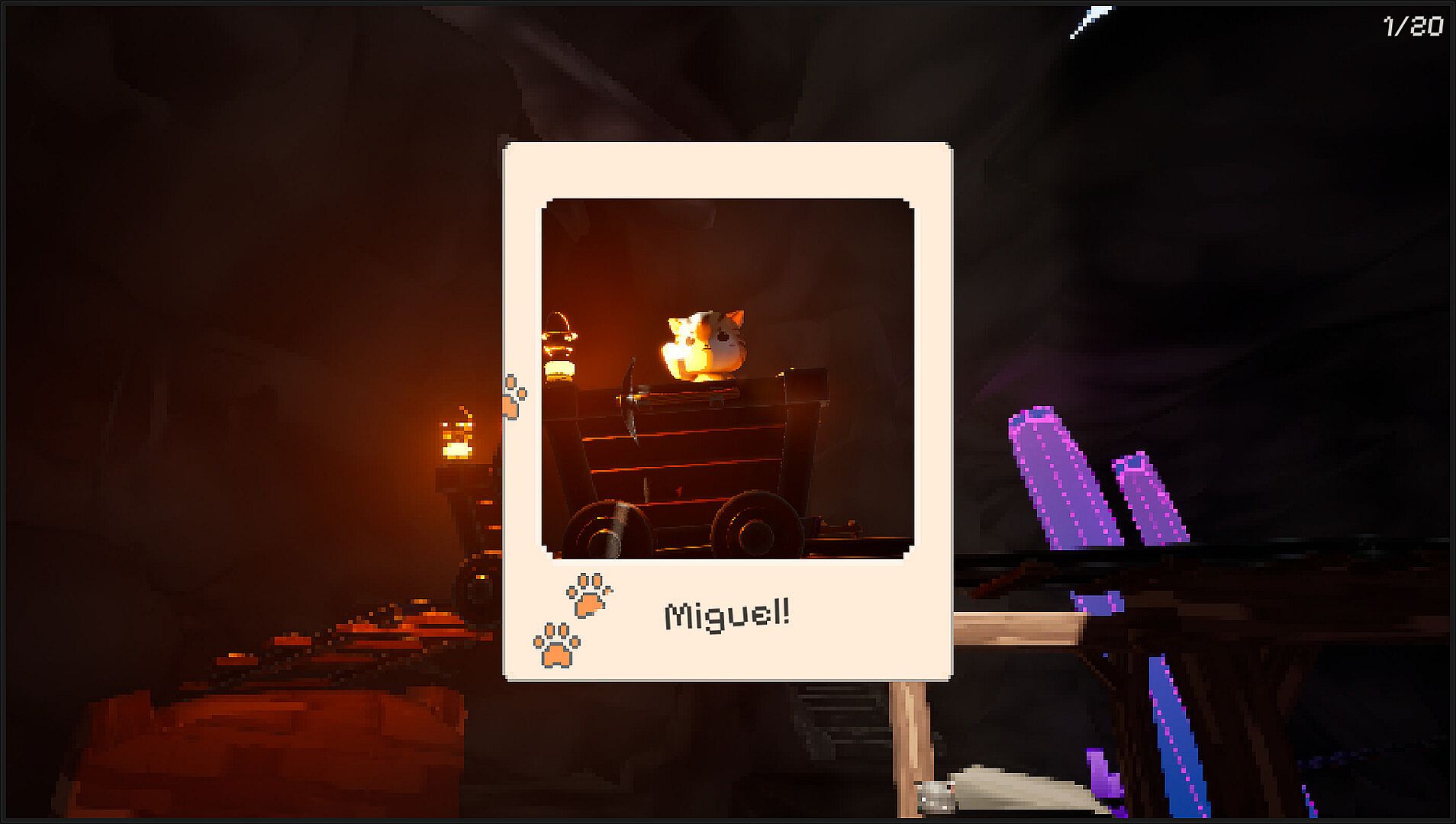
Il ciclo di gioco prevede di muoversi liberamente tra gli scenari a proprio ritmo. Si esaminano gli oggetti, si spostano gli elementi e si seguono indizi visivi per sbloccare percorsi o raggiungere punti elevati dove i gatti amano nascondersi. Le interazioni restano intuitive e non richiedono comandi complessi né menu articolati. La fotografia è l'obiettivo principale e premia l'attenzione ai dettagli e le inquadrature creative quando un gatto compare in un punto inaspettato.
Gli ambienti presentano superfici e oggetti che reagiscono alle azioni del giocatore. Un gatto può restare su un davanzale finché qualcosa nelle vicinanze non si muove, oppure seguire una traccia di oggetti sparsi che il giocatore riorganizza. Questi momenti invitano a tornare nello stesso luogo da angolazioni diverse. L'assenza di nemici o condizioni di fallimento permette di concentrarsi solo sulla scoperta e sulla composizione di ogni scatto.
Modalità di gioco
Tails & Trails propone un'esperienza single-player articolata su livelli sequenziali. Ogni livello è un mondo a sé stante il cui obiettivo resta invariato: trovare tutti i gatti e documentarne la presenza. Il progresso avviene naturalmente attraverso l'esplorazione, senza varianti competitive o a tempo. Non sono previste modalità multiplayer né regole alternative che modifichino l'approccio base.
Entro questa struttura, il giocatore sceglie liberamente l'ordine di scoperta. Alcuni gatti sono in vista, altri richiedono una breve serie di interazioni preliminari. Il design supporta sia passaggi rapidi per i primi ritrovamenti sia ricerche più approfondite per completare la collezione. Questo approccio unitario mantiene l'attenzione sui meccanismi di ricerca oggetti senza introdurre sistemi estranei.
Esplorare mondi colorati
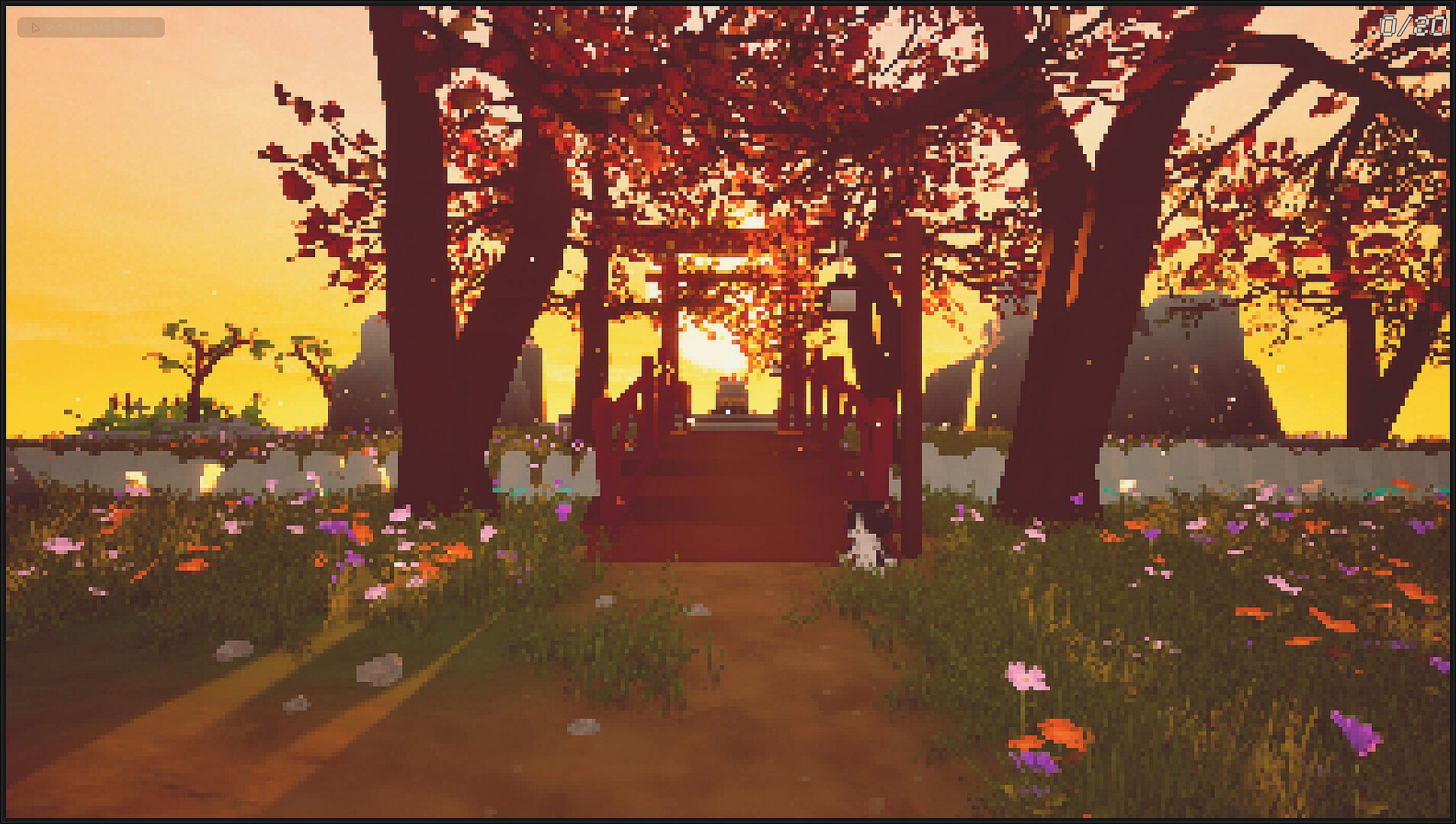
Ogni ambiente è una scena compatta e autonoma ricca di dettagli quotidiani. Colori vivaci e geometrie semplici creano spazi accoglienti che invitano a un'osservazione ravvicinata. È possibile girare intorno alle strutture, guardare dietro i mobili e verificare come gli oggetti reagiscono al tocco o allo spostamento. Queste interazioni spesso svelano nuovi punti di vista o percorsi prima bloccati.
I mondi valorizzano verticalità e stratificazione. I gatti possono trovarsi sui tetti, negli spazi angusti o negli angoli parzialmente nascosti, accessibili solo dopo un piccolo cambiamento ambientale. Questa disposizione incoraggia a considerare ogni area come un puzzle tridimensionale piuttosto che come un'immagine piatta da scandagliare. Il risultato è una serie di piccoli diorami pensati per un'osservazione paziente.
Incontrare gli abitanti
I gatti appaiono in ogni livello impegnati in attività quotidiane. Alcuni riposano al sole, altri esplorano angoli o si bilanciano su sporgenze strette. I loro comportamenti aggiungono personalità senza richiedere controllo diretto o dialoghi. Alcuni mostrano interesse per il cibo sparso nei paraggi, creando brevi momenti di osservazione che interrompono la ricerca.
Questi personaggi restano coerenti tra una sessione e l'altra, permettendo di imparare nel tempo i loro nascondigli preferiti. La varietà di posture e collocazioni mantiene fresco ogni nuovo ambiente pur conservando lo stesso tono rilassato. Nessun gatto condivide posizione o contesto identici, favorendo l'obiettivo di fotografare una collezione completa.
Vale la pena giocarci?
Tails & Trails si rivolge a chi apprezza i giochi rilassanti di ricerca oggetti e i puzzle delicati. Il formato single-player e l'assenza di combattimenti o timer lo rendono adatto a sessioni brevi o a sessioni più lunghe e continue. Poiché il gioco non è ancora uscito, non esistono recensioni né punteggi aggregati da consultare. Chi è attratto dall'esplorazione cozy e dalla meccanica di collezione troverà probabilmente interessanti i sistemi descritti una volta disponibile. Il design lineare evita complessità superflue e punta invece sulla soddisfazione di una ricerca accurata e di una fotografia creativa.