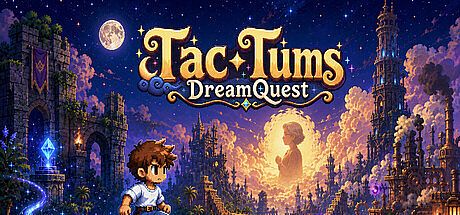



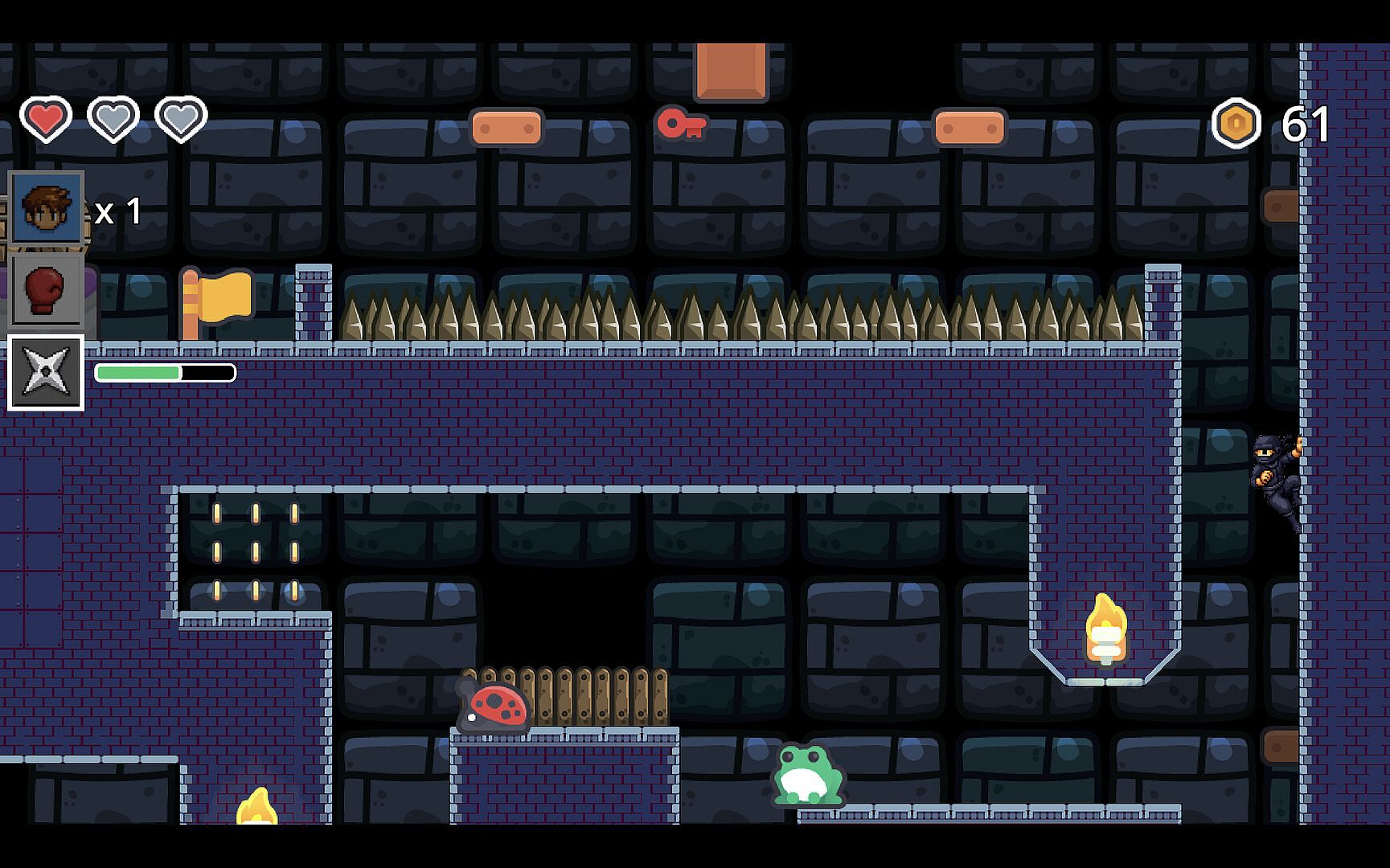
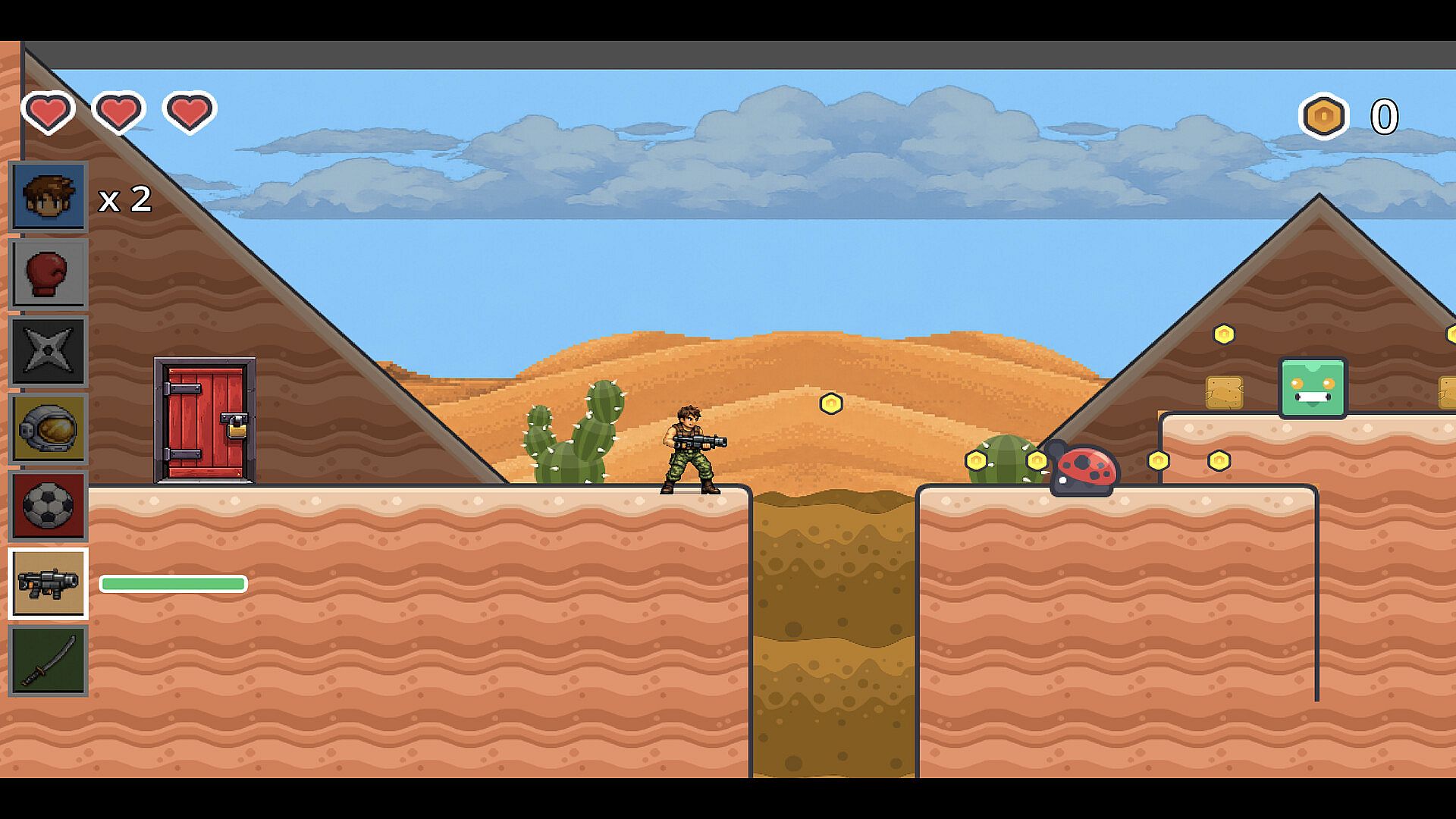
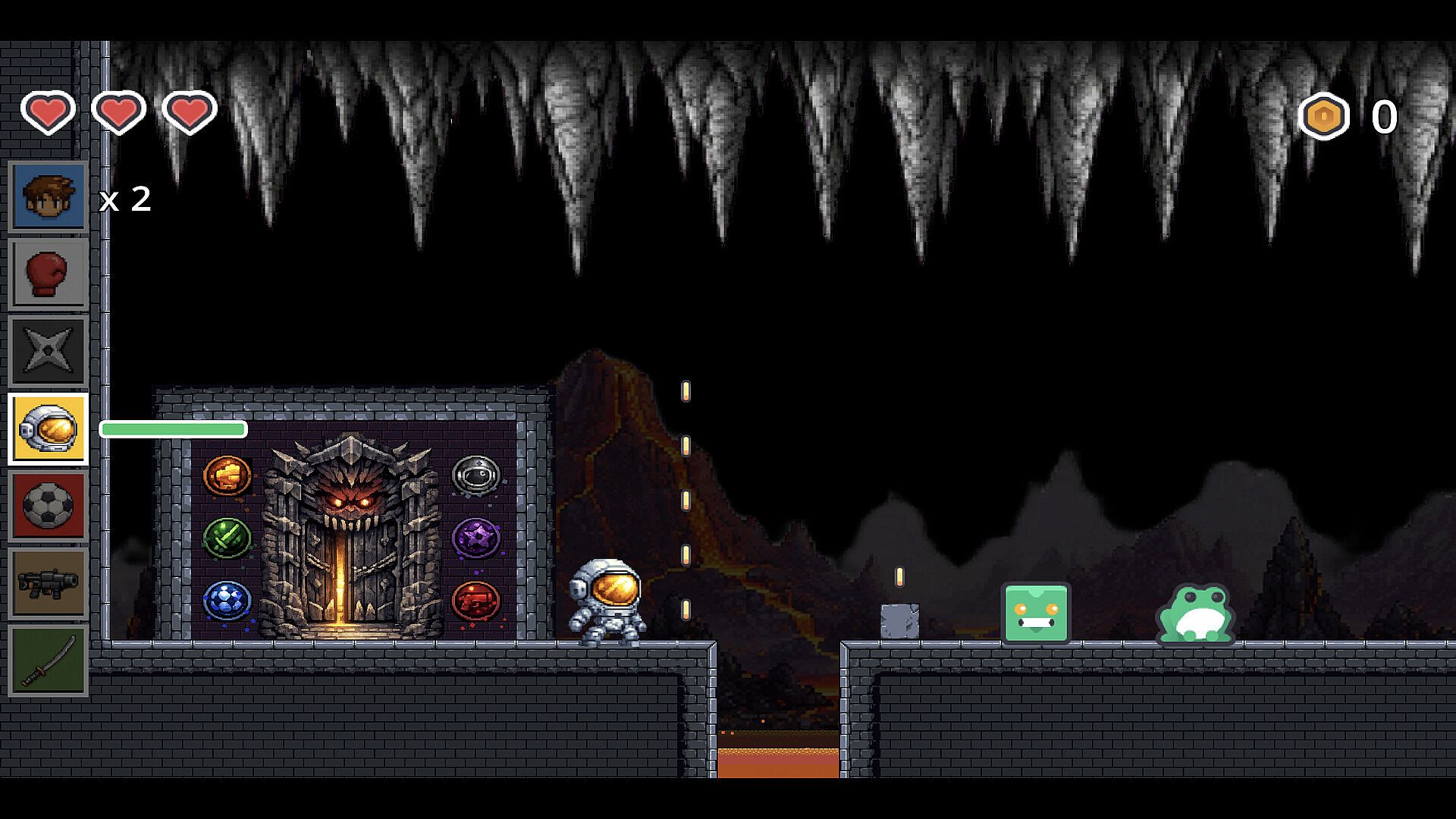
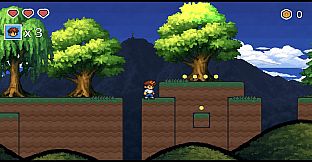
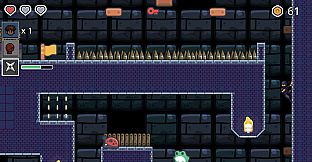
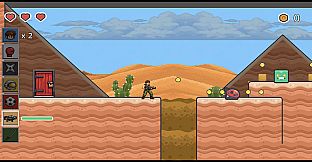
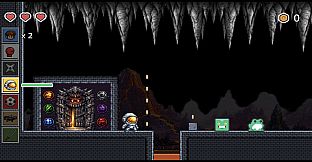
Tac-Tums: DreamQuest è un action-platform indie in pixel art incentrato su movimento ed esplorazione in stile classico 2D. Un giovane entra nei propri sogni per salvare la sua amata Yaya, attraversando livelli realizzati a mano che riprendono paesaggi venezuelani: castelli, abissi, torri, giungle e deserti. Il gameplay ruota attorno a salti precisi, scontri con i nemici e puzzle leggeri, oltre alla raccolta e all'uso di trasformazioni magiche chiamate Tac-Tums.
Gameplay
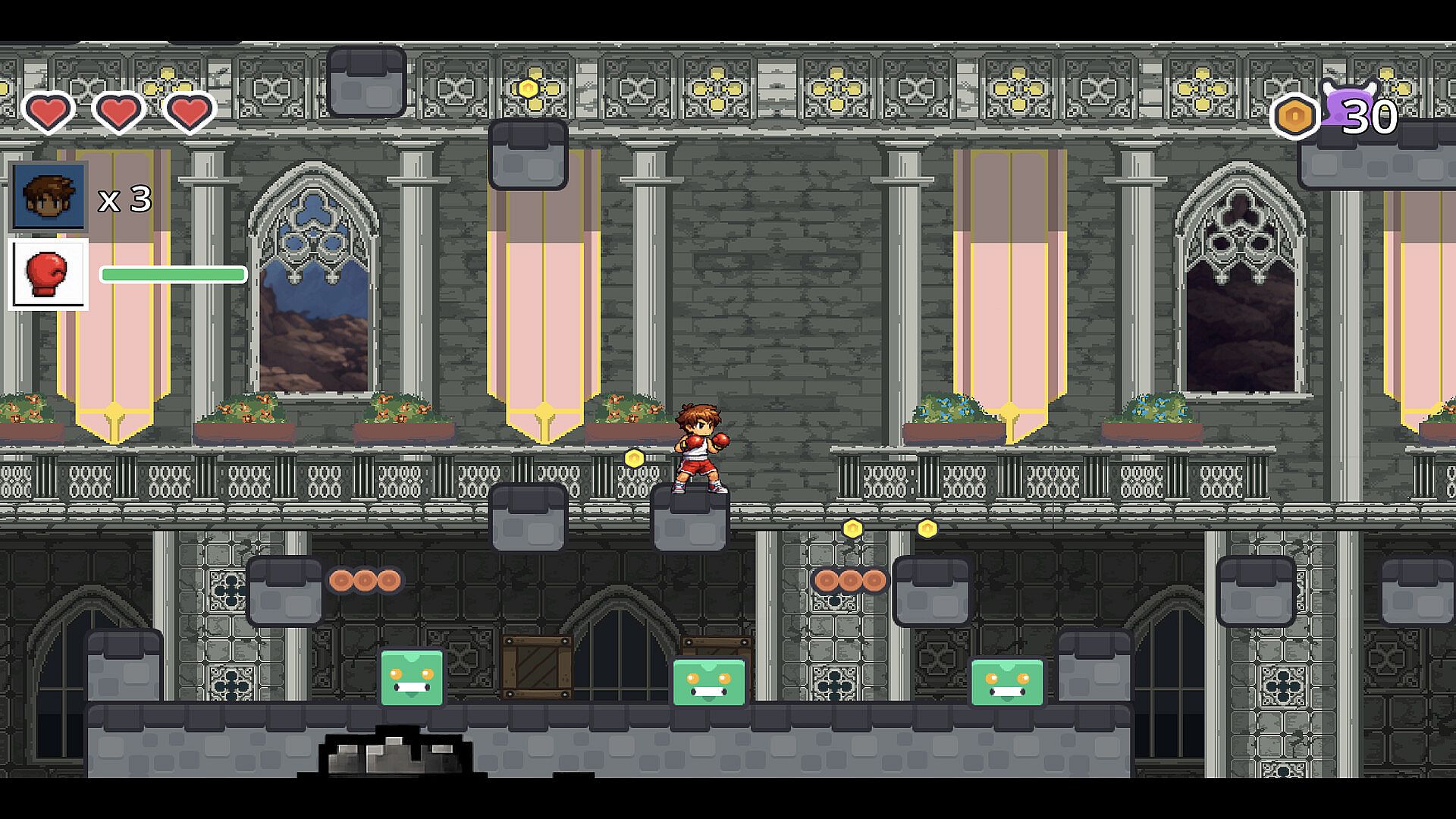
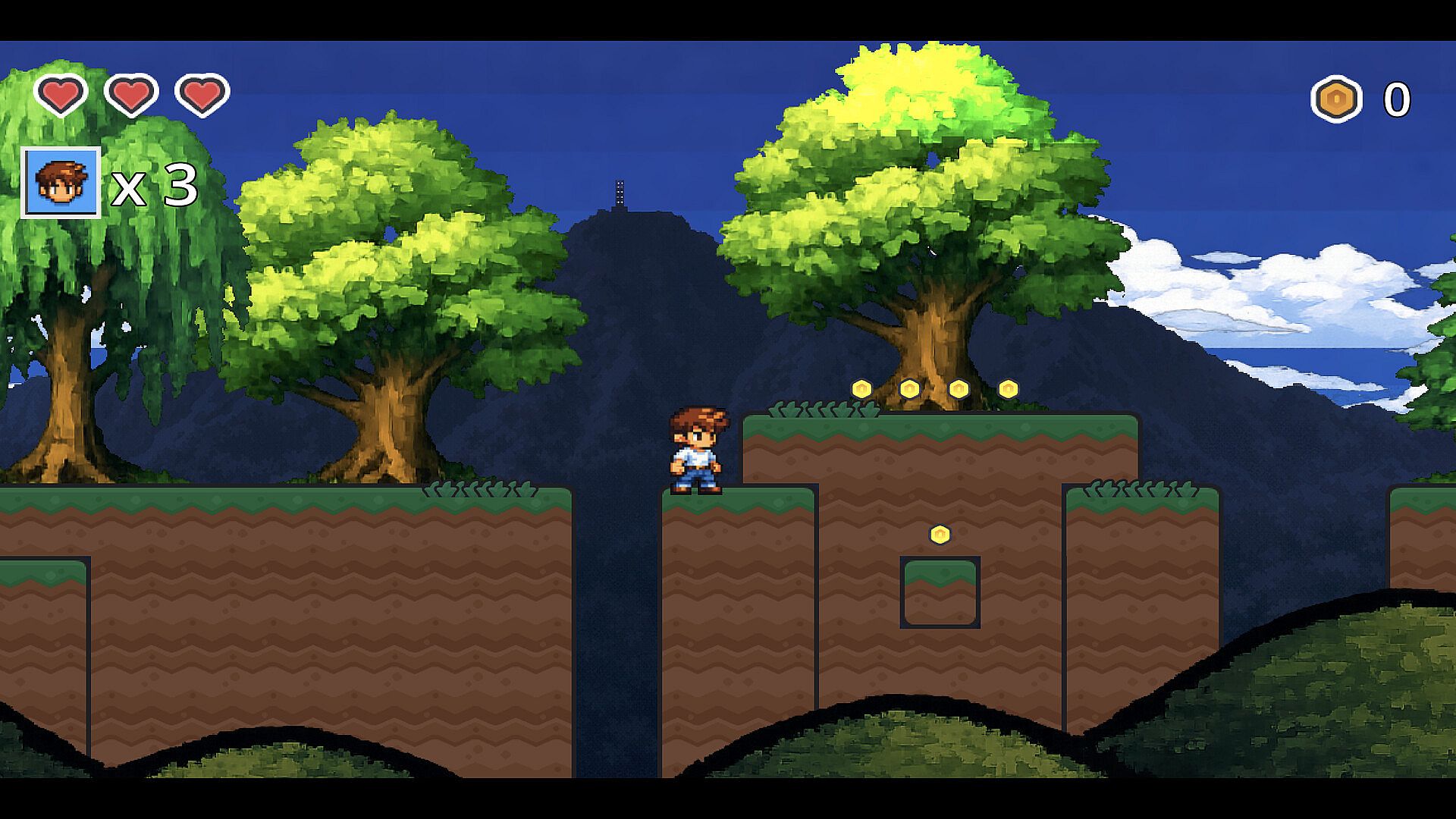
Il protagonista si muove attraverso livelli a scorrimento laterale che richiedono tempismo e attenzione allo spazio. Il platforming di base prevede corsa, salti e interazioni con piattaforme che vanno posizionate con cura. Il combattimento è ridotto all'essenziale e si concentra sull'evitare pericoli, usando le forme trasformate per eliminare nemici o raggiungere nuove zone. Ogni Tac-Tum offre uno stile di movimento o un'abilità diversa, come altezza del salto modificata, raggio d'attacco o nuove interazioni con l'ambiente. Queste forme spingono a tornare indietro e sperimentare per scoprire percorsi nascosti o superare ostacoli impossibili da affrontare con il movimento normale.
I puzzle più semplici si presentano sotto forma di interruttori, piattaforme mobili o interazioni ambientali legate direttamente alle trasformazioni. I progressi derivano dall'acquisizione di nuovi poteri che ampliano lo spazio esplorabile, senza alberi delle abilità complessi né sistemi di inventario. Le sfide premiano la precisione e la costanza più che la velocità, con sezioni che mettono alla prova coordinazione e pazienza man mano che la difficoltà cresce. Lo stile pixel art mantiene le immagini leggibili e dona un tono caldo e accogliente adatto a un pubblico ampio.
Modalità di gioco
Il gioco è interamente single-player. Non esistono modalità competitive o cooperative e l'esperienza si svolge come una campagna continua guidata dalla storia. Il giocatore avanza in sequenza attraverso le regioni oniriche, usando i Tac-Tums appena ottenuti per tornare nelle aree precedenti e scoprire contenuti extra. La struttura è lineare, con ramificazioni esplorative facoltative che ricompensano chi esplora a fondo senza offrire percorsi narrativi alternativi né finali multipli.
Il titolo supporta sia tastiera sia gamepad, con quest'ultimo consigliato per un controllo più fluido durante le sequenze di platforming più precise. Le opzioni linguistiche includono testo in inglese e spagnolo per interfaccia e dialoghi.
Mondo e storia
La narrazione segue il viaggio del ragazzo nel mondo dei sogni, dove il salvataggio di Yaya rappresenta la motivazione principale. Gli ambienti riprendono la geografia venezuelana reale reinterpretata attraverso una lente onirica, creando scenari vari che passano da interni di castelli chiusi a distese desertiche aperte. Ogni regione introduce nuovi temi visivi e sfide di platforming pur mantenendo meccaniche coerenti. La storia resta semplice ed emotiva, privilegiando il racconto ambientale e i momenti dei personaggi rispetto a dialoghi ramificati, e sottolinea temi di coraggio e perseveranza.
Vale la pena giocarci?
Tac-Tums: DreamQuest si rivolge a chi apprezza i platform 2D ispirati al retrogaming, con difficoltà misurata e progressione basata su trasformazioni. Il tono family-friendly si accompagna a sezioni che richiedono concentrazione e tentativi ripetuti, risultando adatto a chi cerca platforming di precisione senza frustrazioni eccessive. Lo sviluppo indipendente e l'estetica nostalgica tra 16 e 32 bit conferiscono al titolo un carattere personale che piace ai fan delle piattaforme classiche. Disponibile su PC con supporto al controller, si presta bene a sessioni che premiano l'esplorazione attenta più che le partite veloci. Chi cerca un'avventura compatta e autosufficiente con progressione chiara attraverso nuovi poteri la troverà soddisfacente, mentre chi preferisce il multiplayer o la libertà open-world potrebbe orientarsi altrove.