

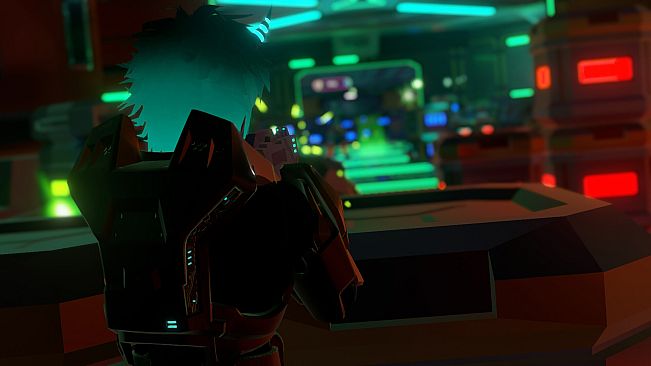
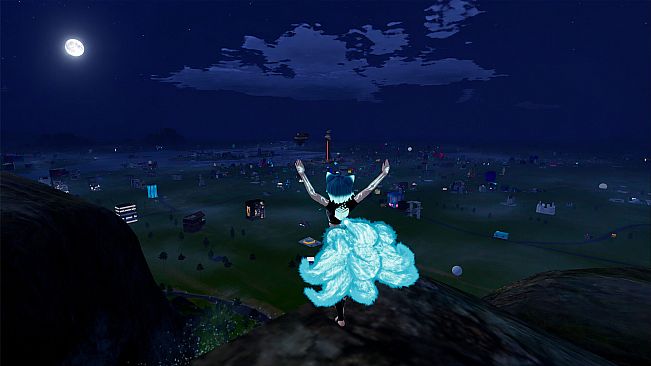

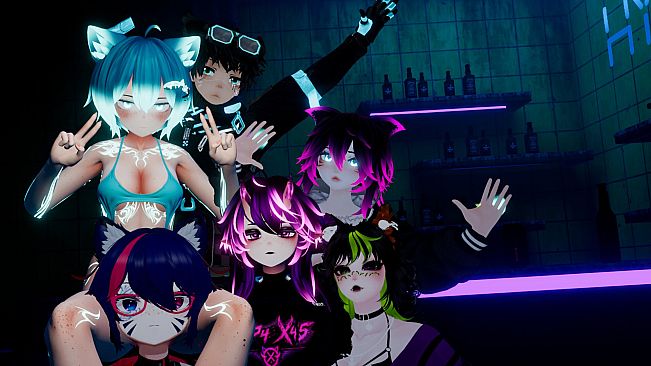
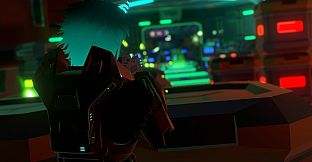
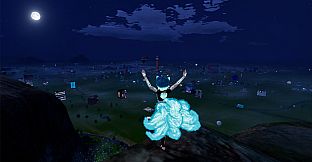

Somnium Space is a free-to-play massively multiplayer social VR platform built exclusively for adults. It operates as an always-online space where users explore, create custom content, attend live events, and form connections through avatars and full tracking support. The experience runs on PC via VR headsets or desktop mode, with mandatory age verification that keeps the environment strictly 18+.
Gameplay
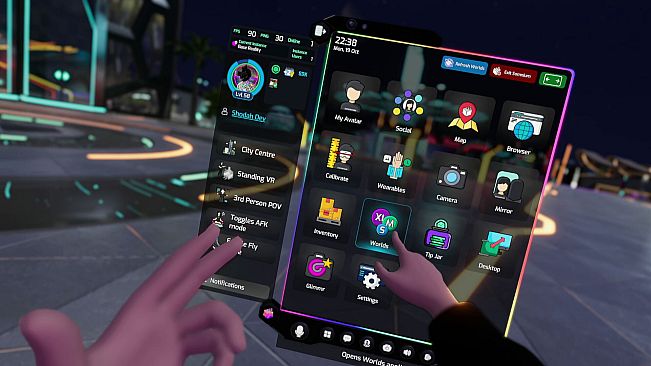
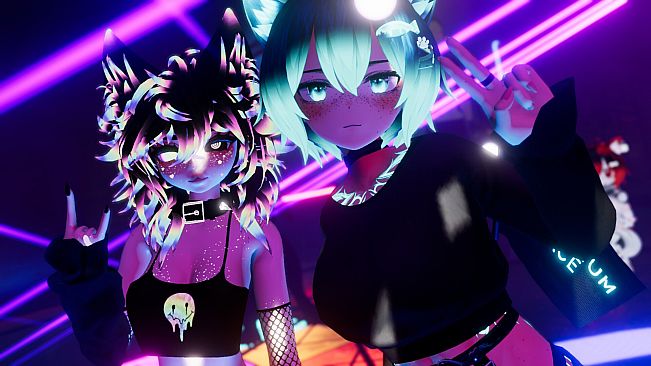
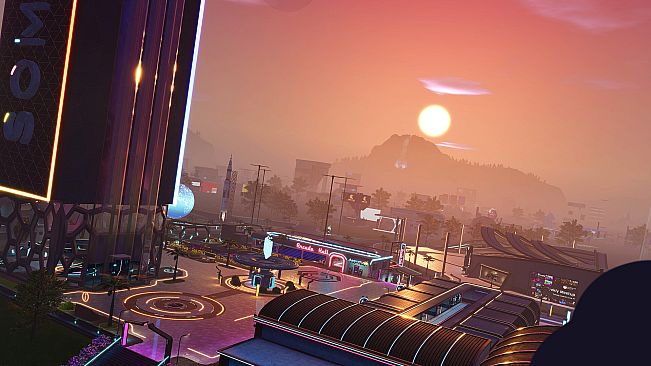
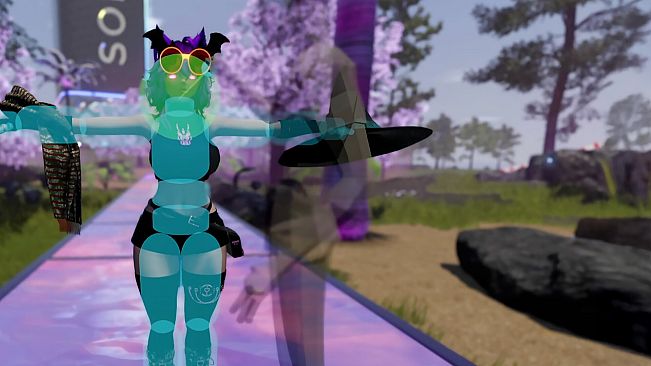
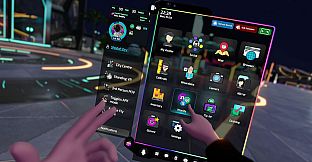
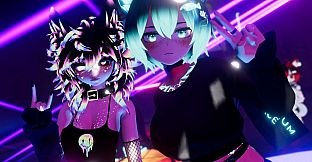
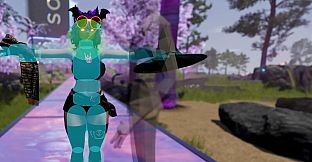
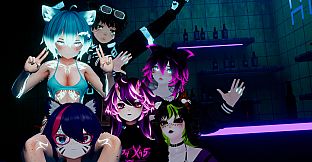
Players begin in Base Reality, a large persistent social hub where avatars move freely among others. Movement, voice chat, and proximity-based interactions form the core loop. Avatars support extensive customization through an in-game tablet system or imported models via the SDK. Full-body tracking, facial expressions, eye movements, and finger tracking integrate across multiple hardware options, allowing nonverbal communication to play a significant role during conversations.
Desktop users access the same social tools without a headset, including global and bubble chat options. Recent updates have added vehicle mechanics with passenger seating and rooftop riding, plus network improvements that support larger gatherings. Performance optimizations on Unity 6 and URP help maintain smooth frame rates even as more avatars populate shared spaces. Wearables and items can attach dynamically, and new features like sticky wearables expand creative expression during social sessions.
Game Modes
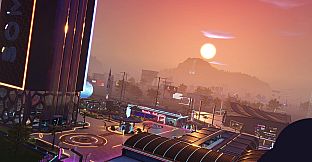
The platform centers on open social exploration rather than structured competitive play. Base Reality serves as the primary gathering point for spontaneous meetings and ongoing conversations. Private and semi-private instances allow groups to control access through friends-only, friends-plus, PIN-protected, or paid options, enabling focused events without public interference.
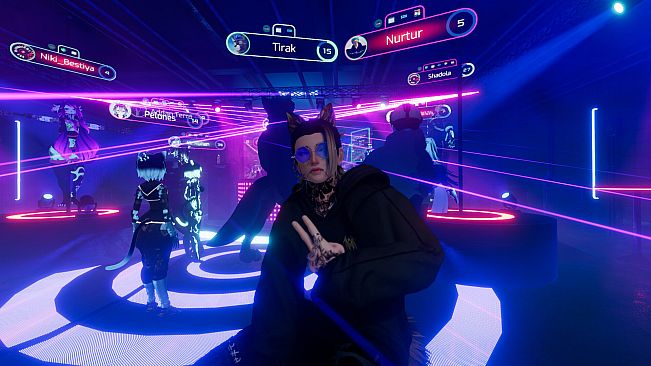
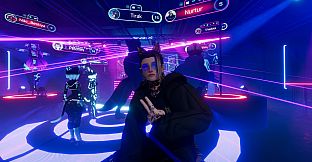
Live events run daily and include DJ performances, concerts, comedy shows, open mics, and community meetups. A dedicated events tool helps users discover and join these sessions. Creator-built experiences add variety, ranging from interactive minigames to relaxed environments. Server-side scripting and full C# support let builders implement custom logic, networking, and interactions that turn individual worlds into unique destinations categorized for games, events, chill sessions, or artistic showcases.
Building and Creation Tools
Creators receive a robust SDK that handles foundational systems so they can focus on original ideas. Full scripting capabilities support custom game logic, object interactions, and networked behaviors. Worlds load quickly thanks to ongoing performance work, and a Worlds Hub organizes content into clear categories for easier discovery. Avatars and items can be updated on the fly, with recent patches improving avatar previews and upload workflows for faster iteration.
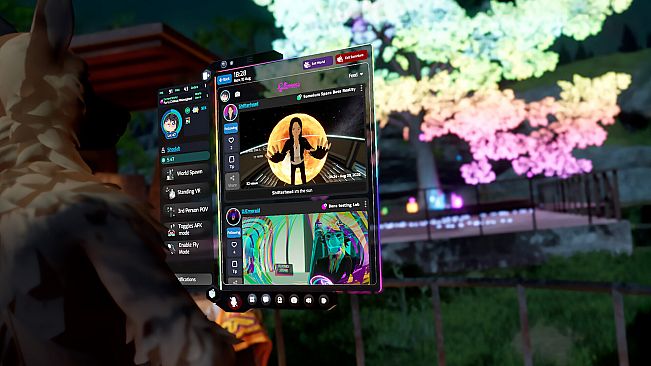
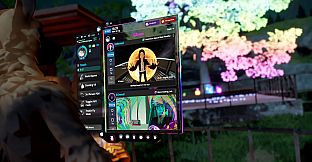
Additional social layers include in-game photo sharing through Glimmr, group messaging, and video call integration that keeps connections active even outside sessions. These tools encourage ongoing community involvement without requiring external platforms.
Current State and Updates
Development remains active with frequent patches that refine networking, tracking, and quality-of-life features. Version 3.1.6 introduced the expanded instance system and server-side scripting. Later updates added DLSS 5 support, base reality instances, categorized world browsing, and vehicle enhancements. The platform continues preparing for a broader Steam release with Steam Deck compatibility in focus.
Player numbers stay modest, resulting in a more intimate atmosphere compared to larger social VR titles. The emphasis stays on adult-oriented interactions and creator freedom rather than mass-scale events.
Is It Worth Playing?
Somnium Space suits adults who want a dedicated social VR environment free from younger users. The free entry model, combined with strong avatar and tracking options, supports genuine connections and creative projects. Active updates demonstrate ongoing investment in performance and social features, while instance controls give hosts flexibility for private gatherings or ticketed experiences.
Those interested in building custom worlds or attending regular community events will find the SDK and event tools particularly useful. The smaller current player base means quieter sessions that reward consistent participation over constant crowds. Desktop access lowers the barrier for newcomers testing the waters before committing to VR hardware. Overall, it delivers a focused alternative for mature users seeking ownership over their virtual presence and the ability to shape shared spaces.