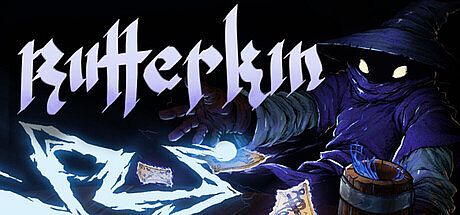


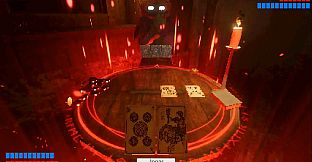
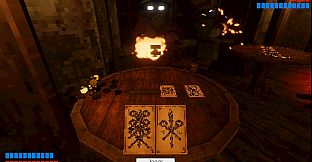
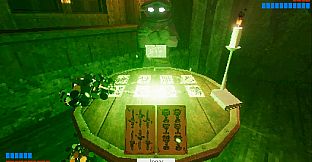
Rutterkin is a single-player first-person fantasy card roguelite for PC. Players take on the role of a wizard navigating a tavern filled with rival spellcasters who settle disputes through high-stakes card games. The core loop combines free movement through the tavern environment, strategic betting on duels, and card-based combat that draws from traditional Scopa rules but layers in magical spells, health management, and mana recovery.
Gameplay
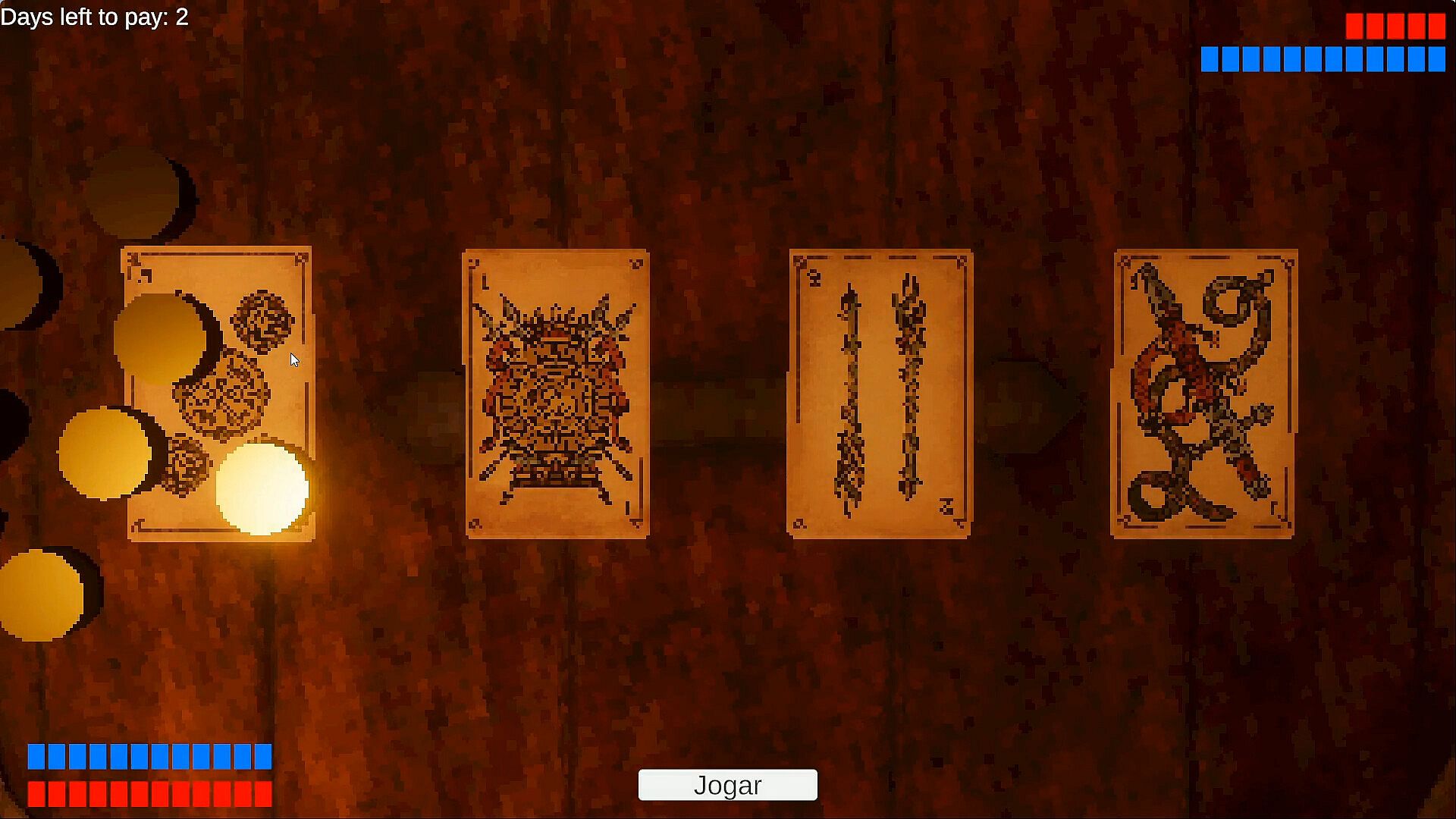
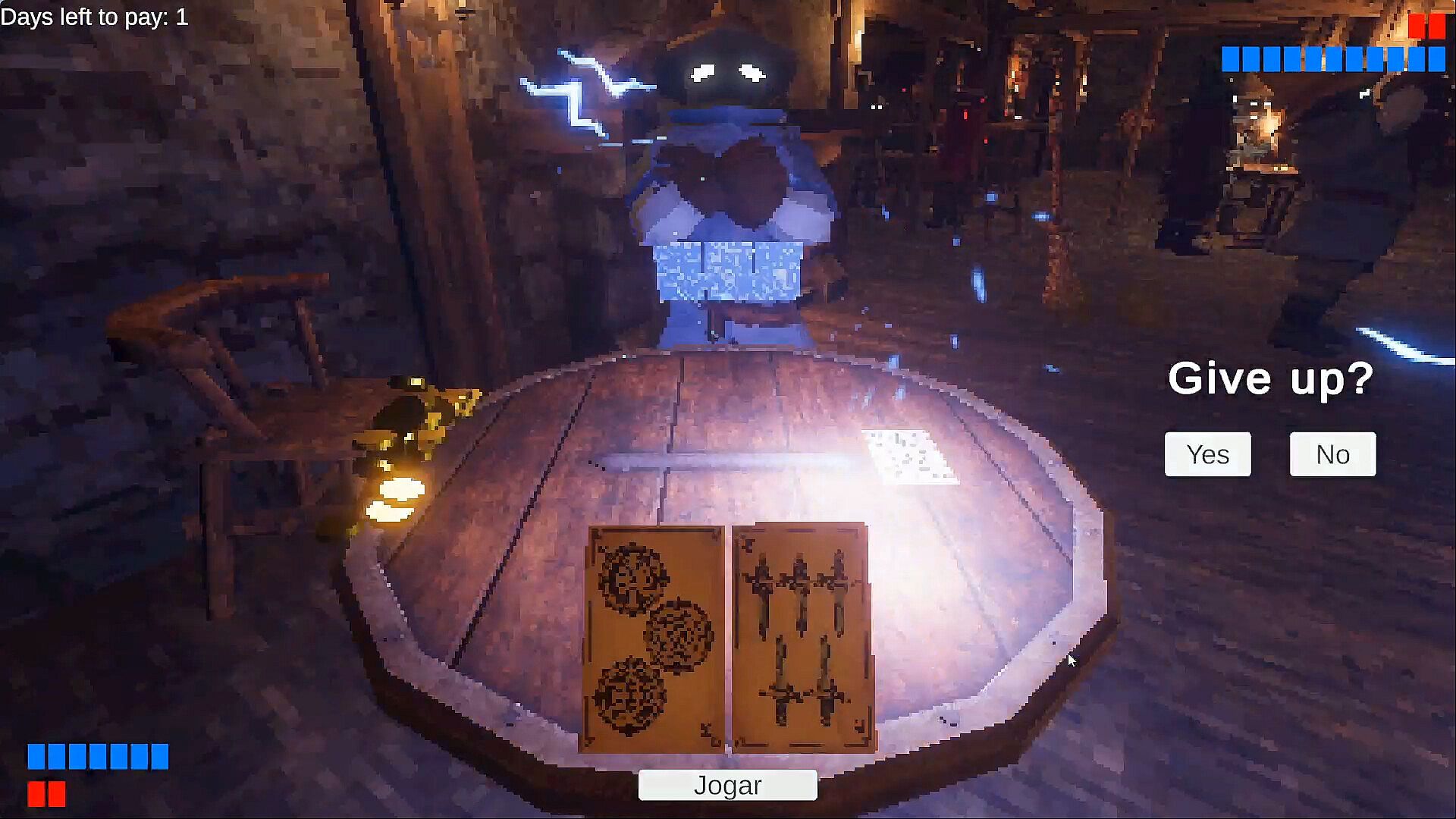
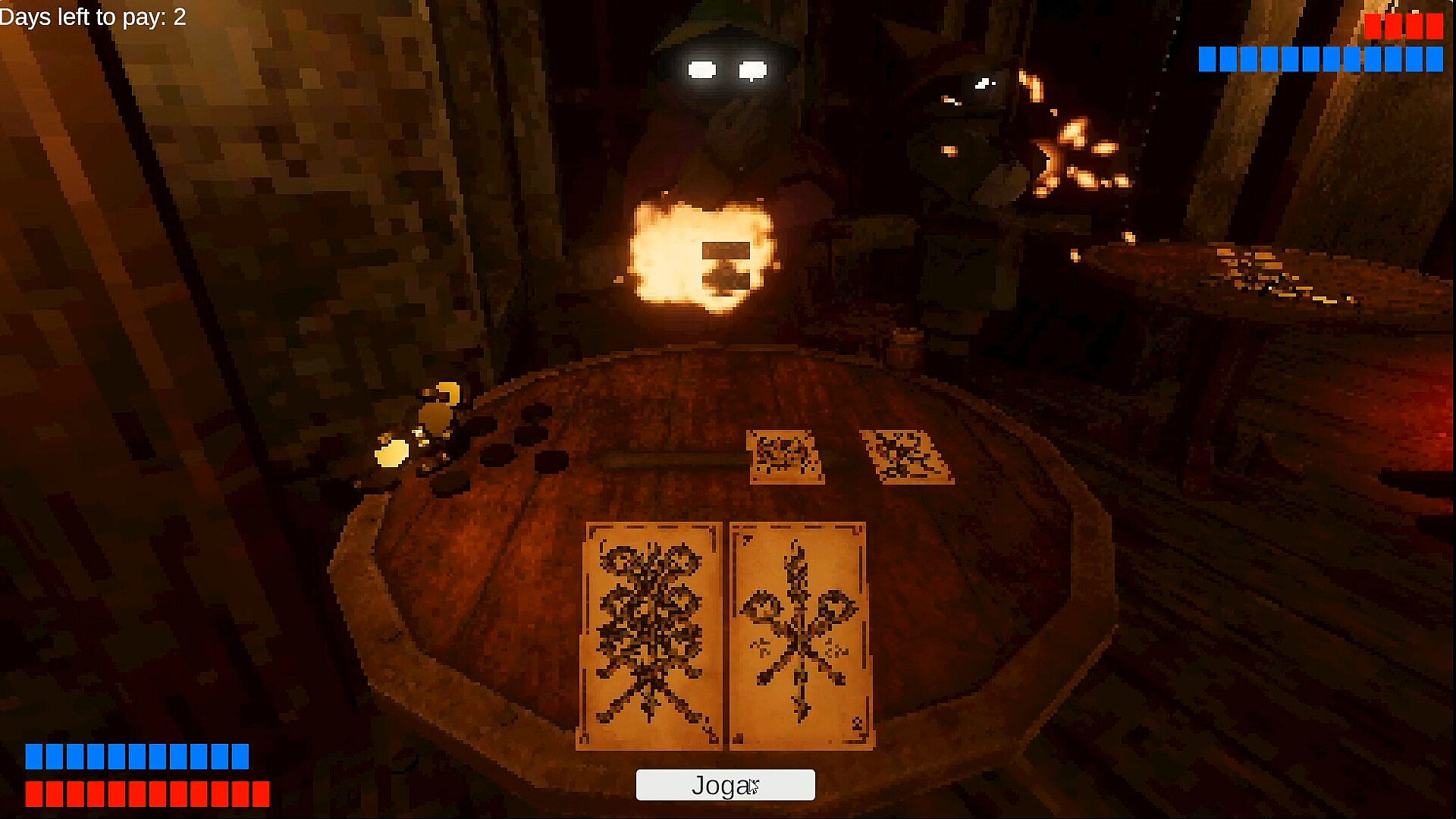
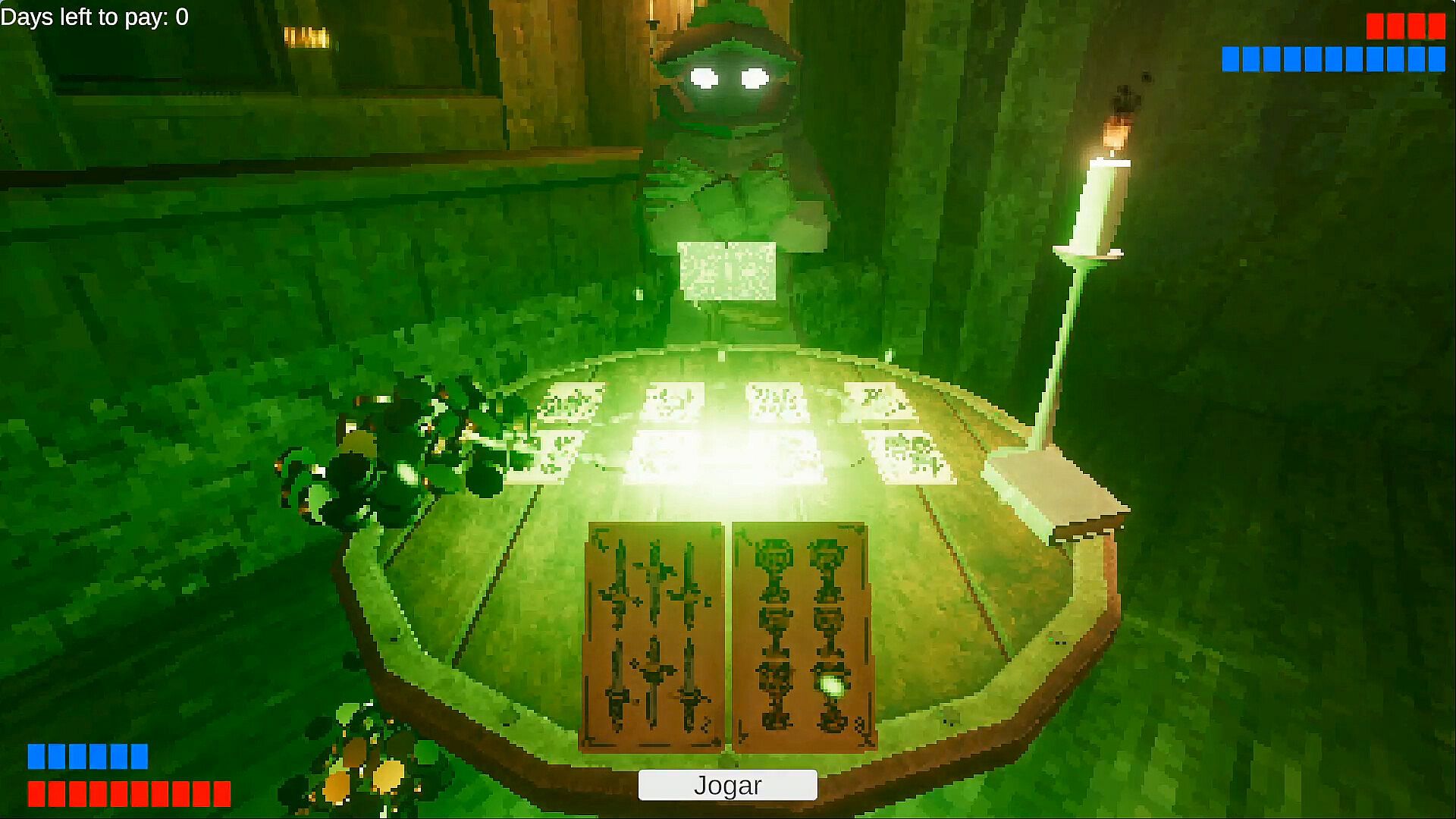
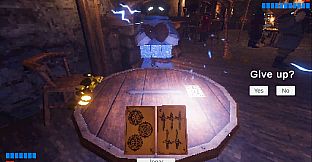
The experience centers on one-on-one card duels where card combinations activate spells. These effects include direct damage to opponents, health restoration, deck manipulation, card burning, and other tactical alterations to the match state. Each wizard maintains separate health and mana pools, and matches conclude when one side reaches zero health or surrenders. Before every duel, players select a wager amount that forms the initial pot, with certain spells capable of multiplying the pot's value mid-match for larger payouts on victory.
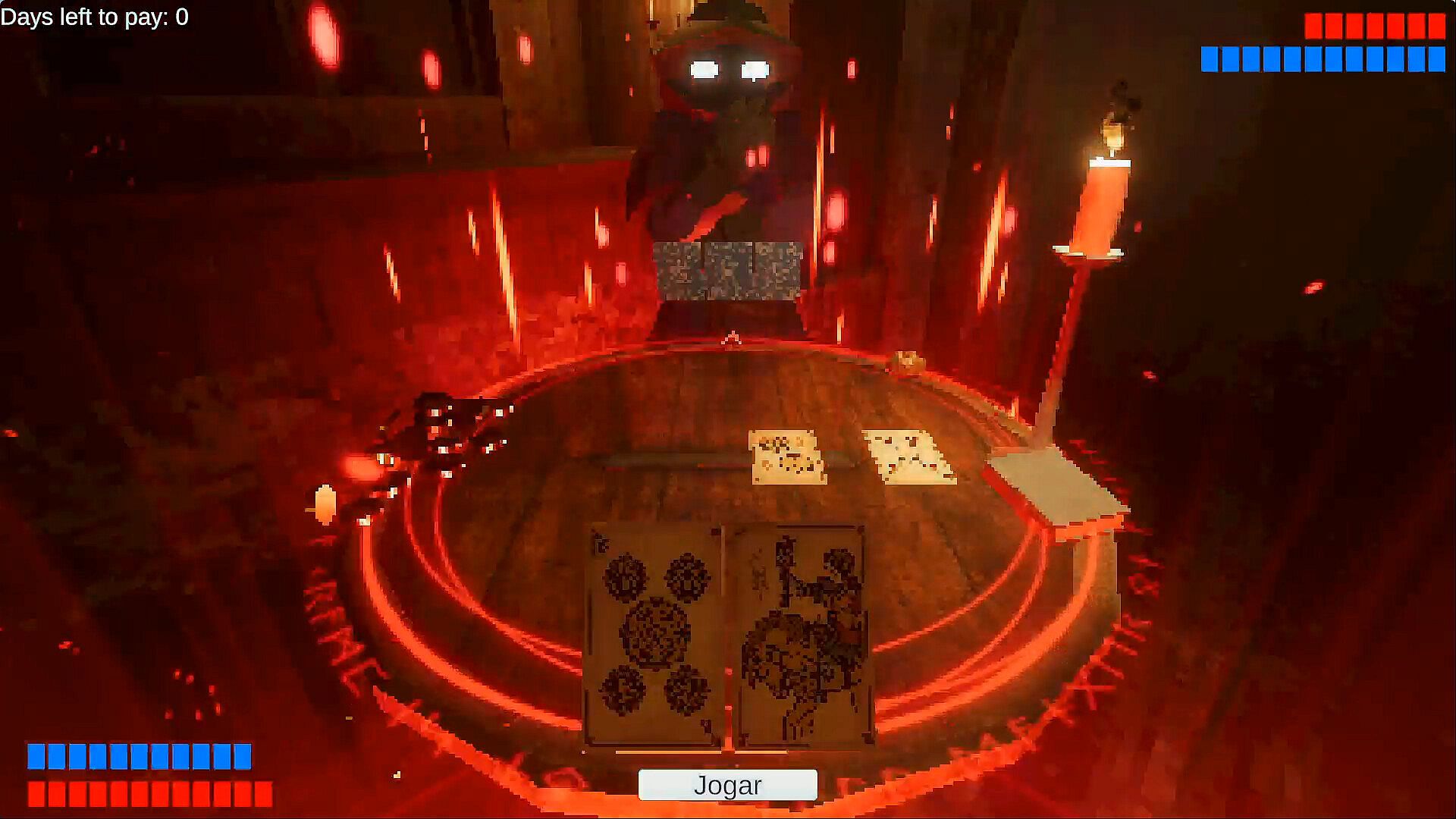
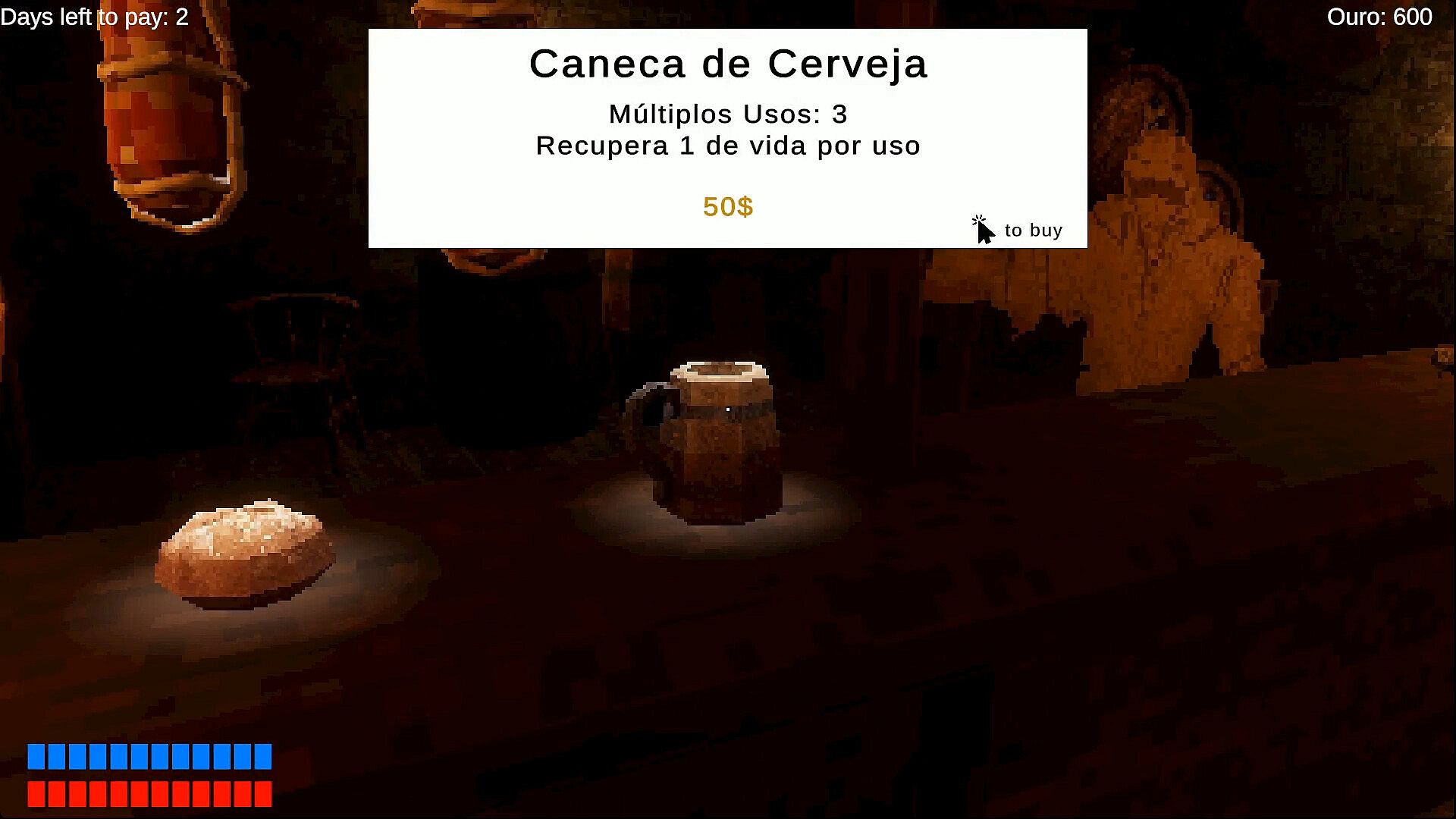
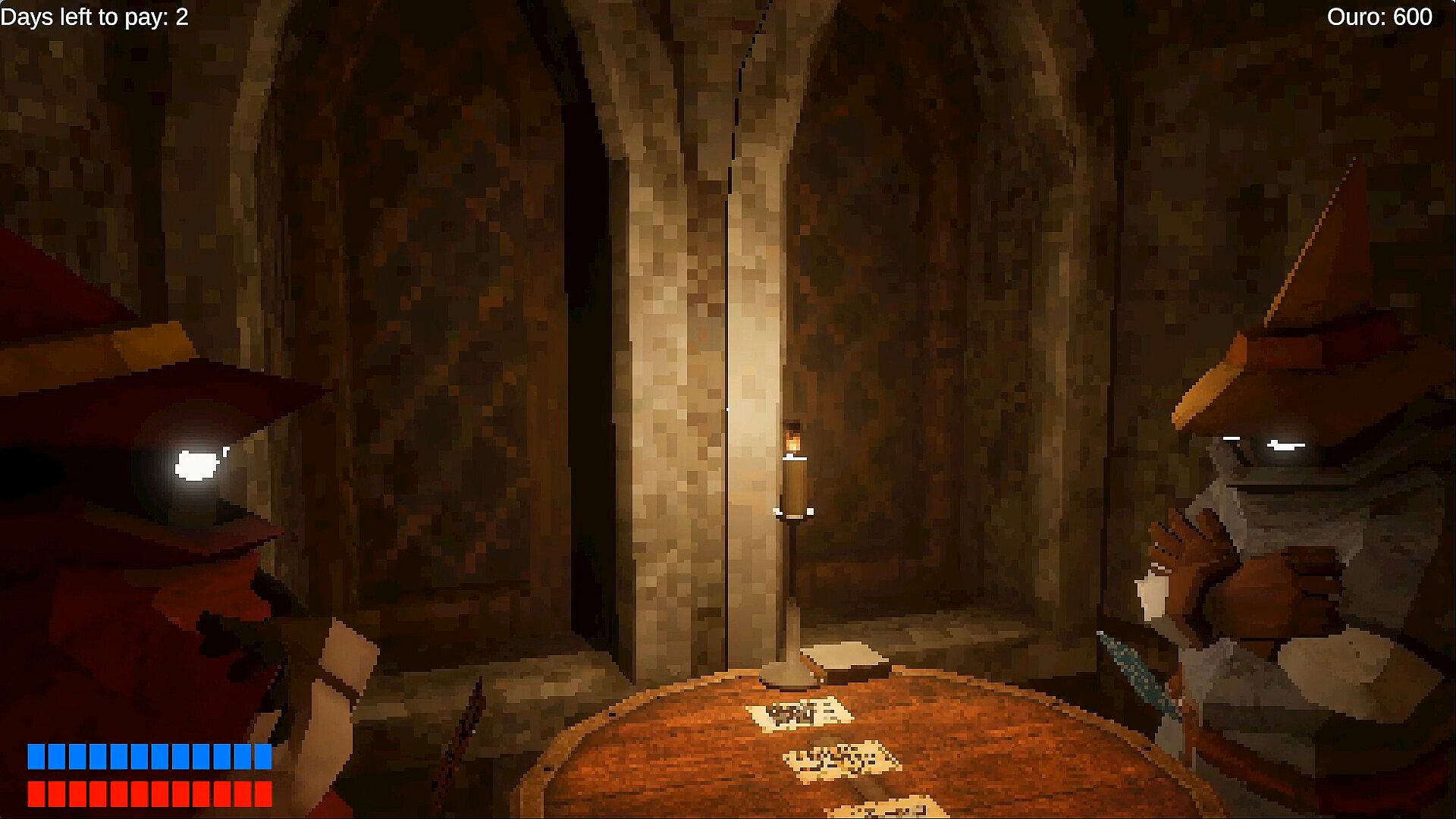
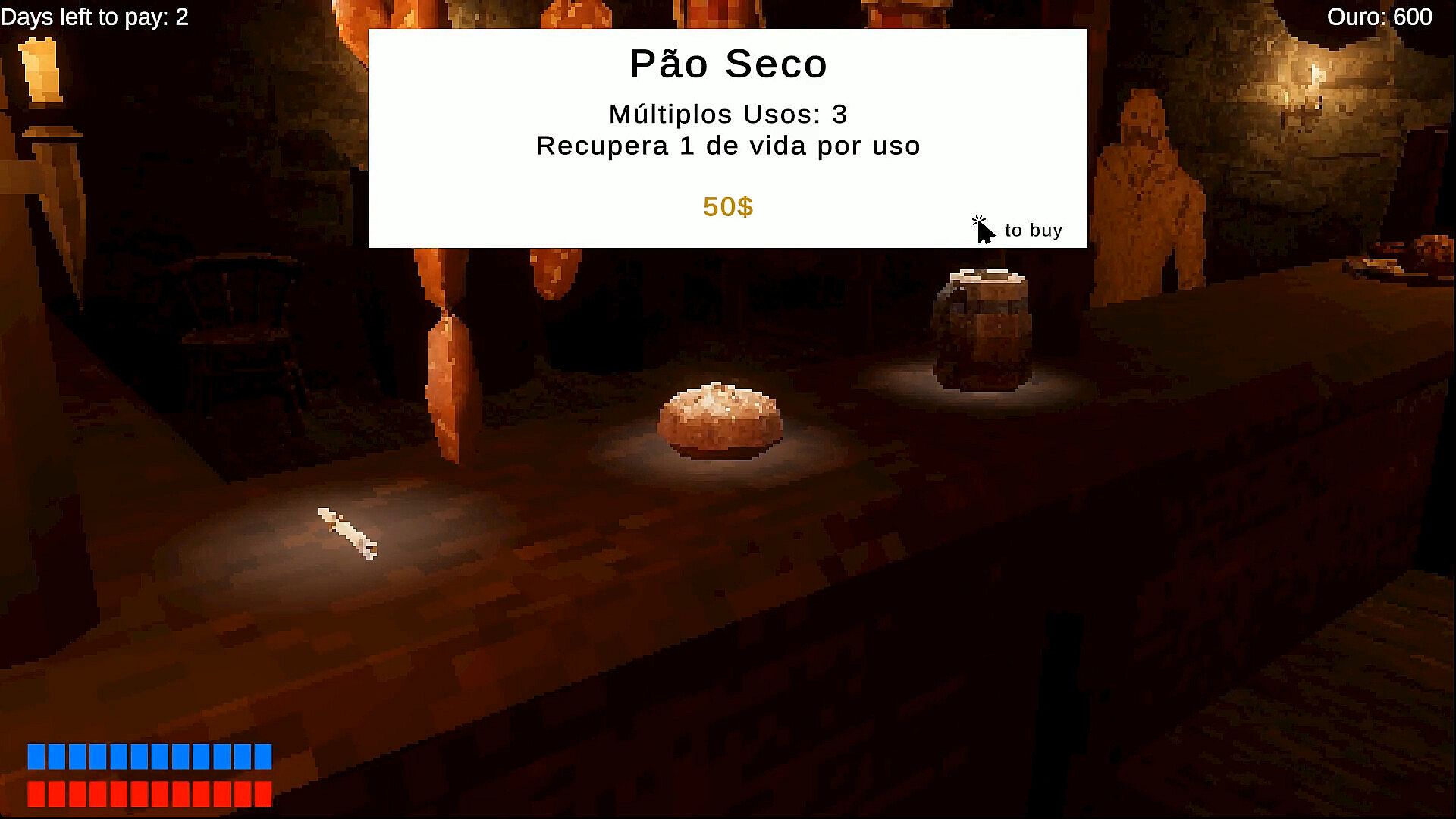
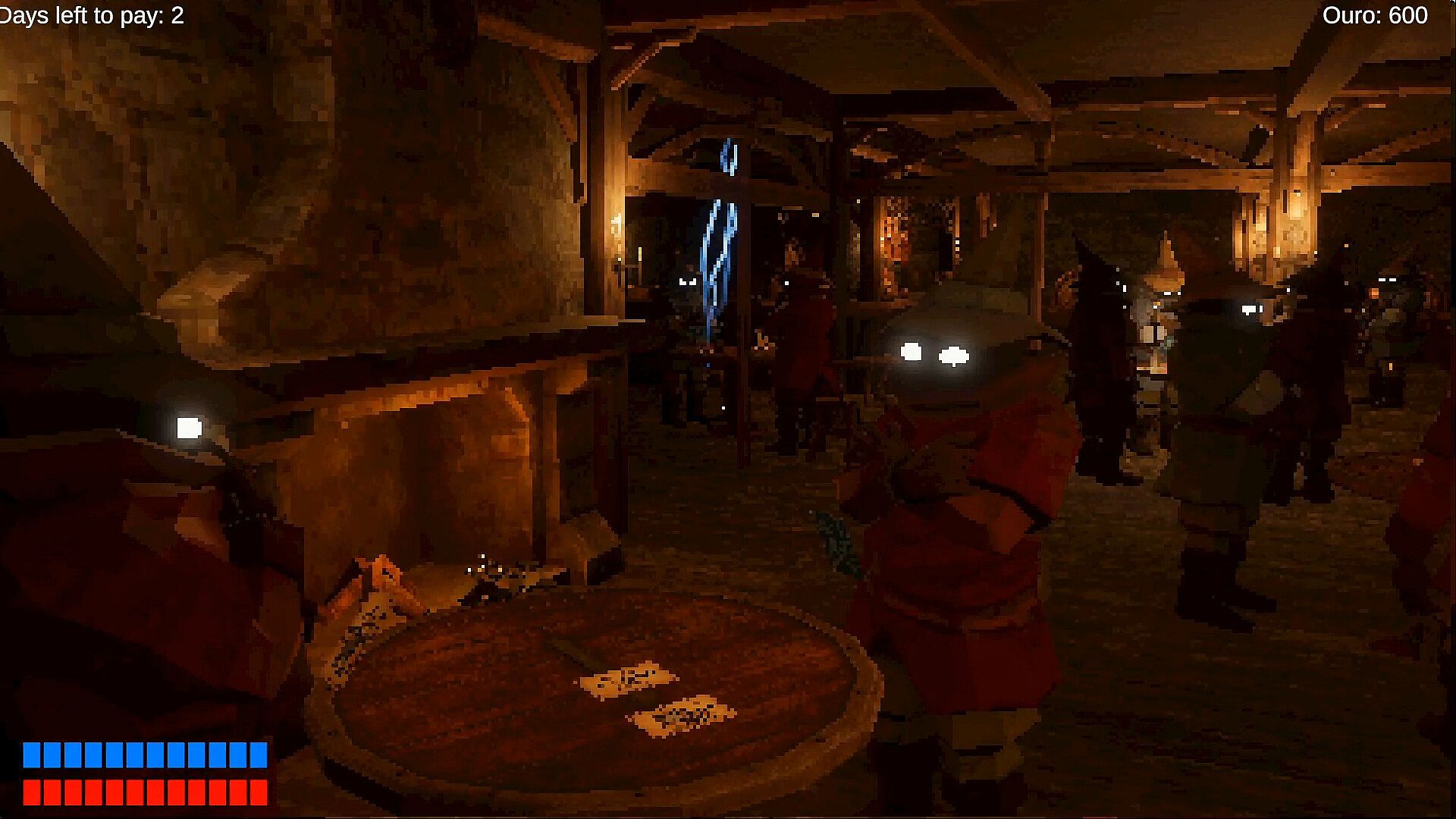
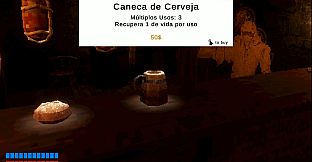
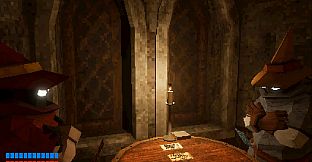
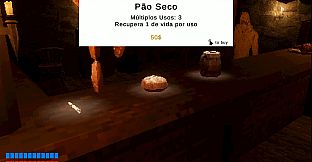
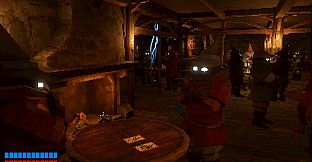
Exploration occurs in first person as players walk the tavern freely, locate willing opponents, converse with the bartender, and observe other wizards in action. Between duels, mana can be restored through purchased drinks, though excessive consumption risks blackout and the loss of a day. Opponents differ in health totals, mana reserves, decision patterns, and equipped artifacts, requiring careful selection of matches and bet sizes. Artifacts purchased at the bar modify spell behavior, introduce new effects, or enable combinations that shift duel strategies. These items carry forward only if stored safely with the bartender after earning sufficient trust, otherwise they risk loss during blackouts.
Runs operate under a three-day deadline to gather enough gold for the debt collector. Success resets the timer with a larger debt, while failure ends the run. No fixed match limit exists per day, allowing players to continue gambling until stamina or funds run low.
Game Modes
Rutterkin features a single-player roguelite structure built around repeated tavern runs. Each run emphasizes resource management across a fixed three-day window, with progression tied to gold accumulation, artifact acquisition, and bartender trust levels that unlock storage options. Duels serve as the primary activity, varying in risk based on opponent selection and wager size. The tavern itself functions as an interactive hub where players decide the pace of each run by choosing when to engage in matches or recover mana.
Progression carries partially across runs through protected storage, encouraging long-term decisions about which artifacts to risk in future attempts. The system rewards careful play that balances aggressive betting for quick gains against sustainable mana and health management to avoid early run endings.
Tavern Exploration and Risk Management
Movement through the tavern allows direct interaction with the environment and non-player characters. Players identify opponents by their varying attributes and decide wager amounts accordingly, with some wizards requiring minimum bets. Mana recovery via drinks introduces a deliberate risk-reward element, as overindulgence can prematurely end a day and advance the debt deadline. Artifact management adds another layer, since carried items can be stolen during blackouts while stored ones remain secure for subsequent runs.
This setup creates tension around every decision, from opponent choice to spending habits at the bar. The first-person perspective reinforces the sense of being physically present in the tavern, turning exploration into an active part of planning the next duel or recovery action.
Is It Worth Playing?
Rutterkin suits players who enjoy roguelite progression combined with card-based combat and light exploration. The Scopa-inspired duels provide a familiar yet altered foundation through spell effects and resource pools, while the debt deadline and artifact storage create meaningful long-term choices. Those drawn to single-player experiences focused on strategic betting, opponent assessment, and incremental power growth through artifacts will find a cohesive loop here. The game remains in development with a release date to be announced, so interested players can follow updates on its Steam page for the latest details on availability.