




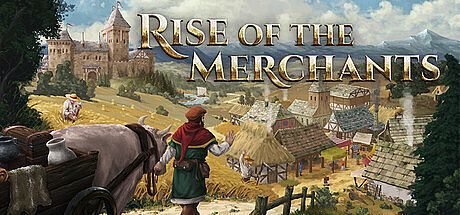



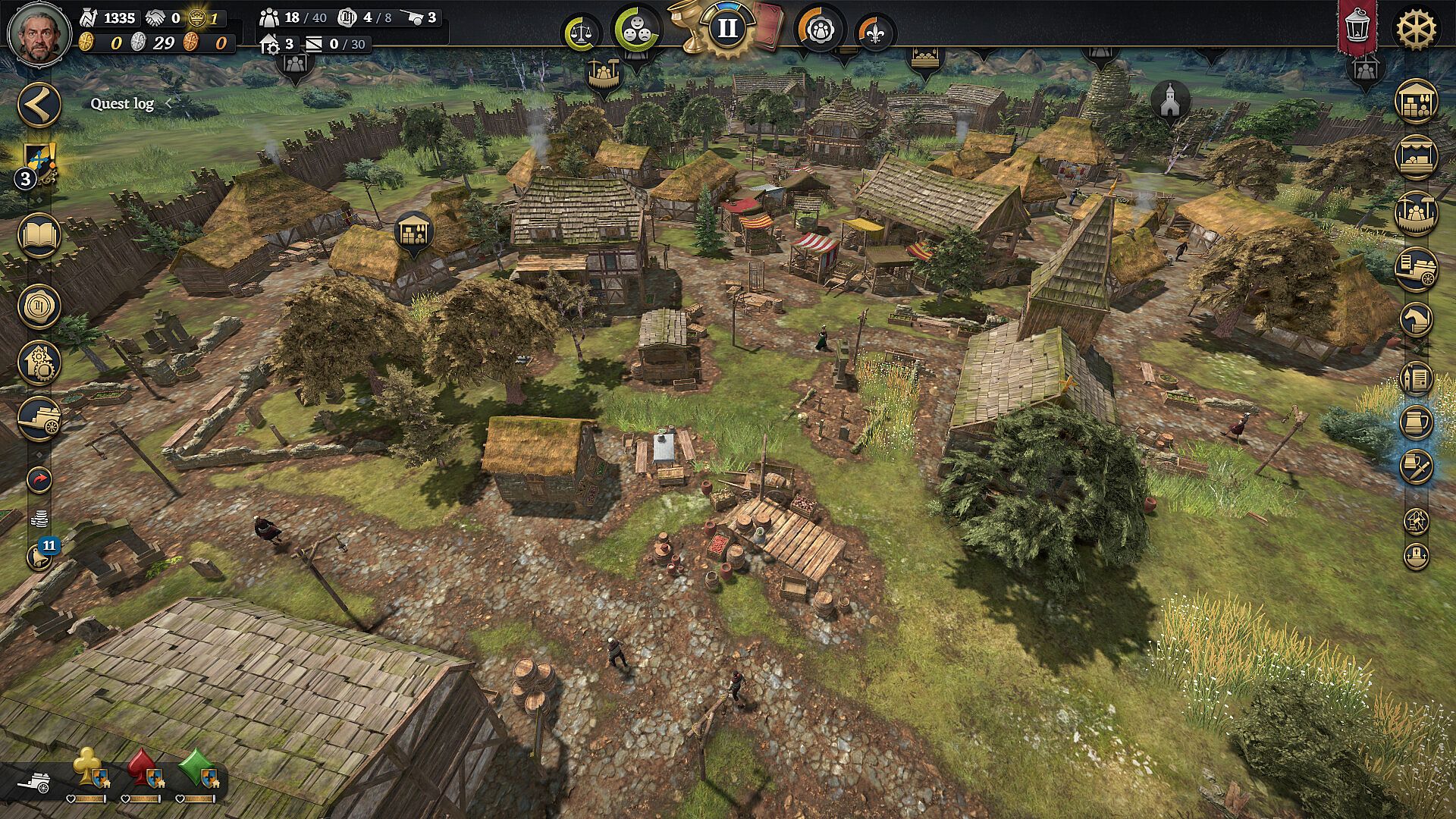
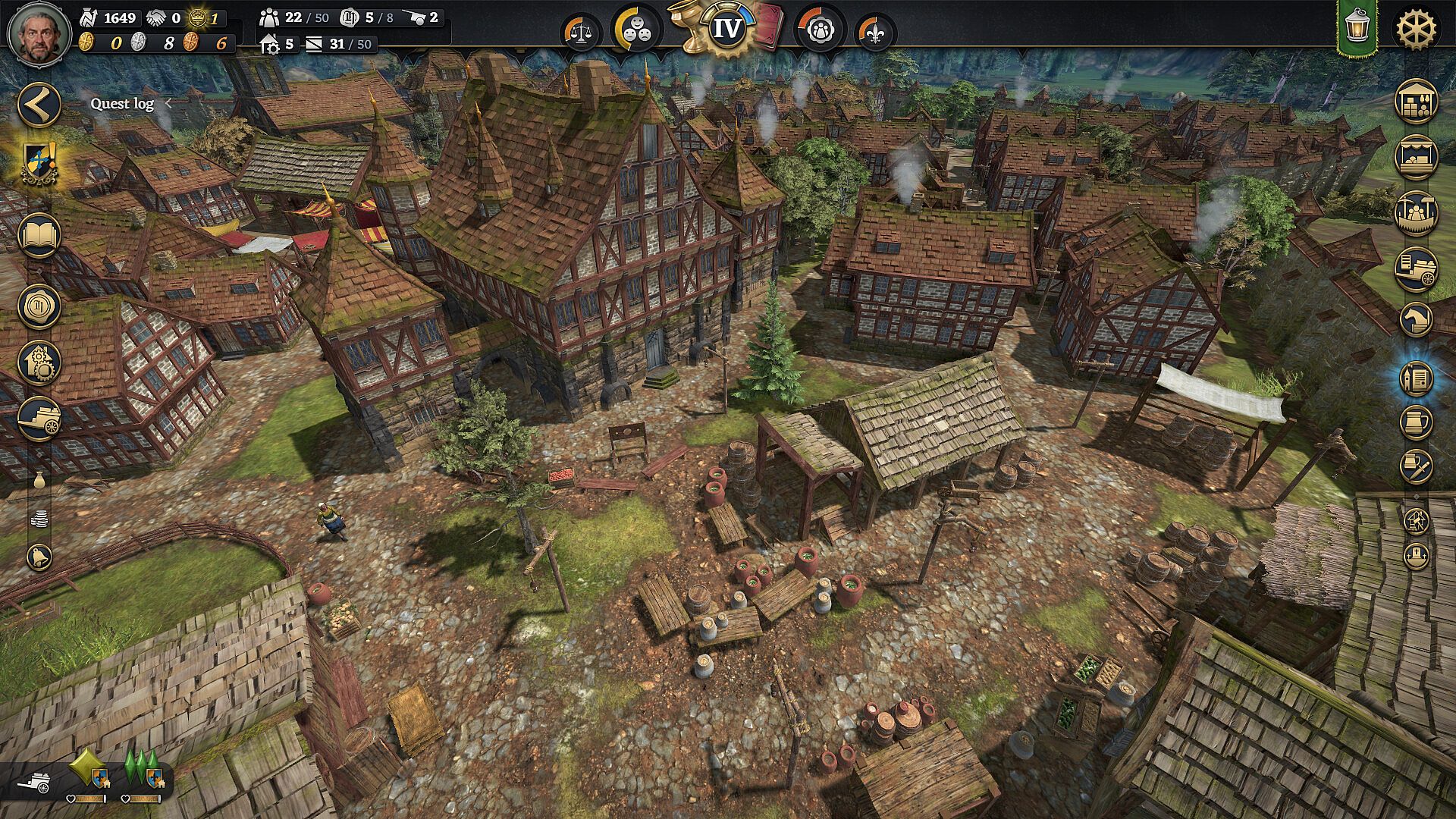
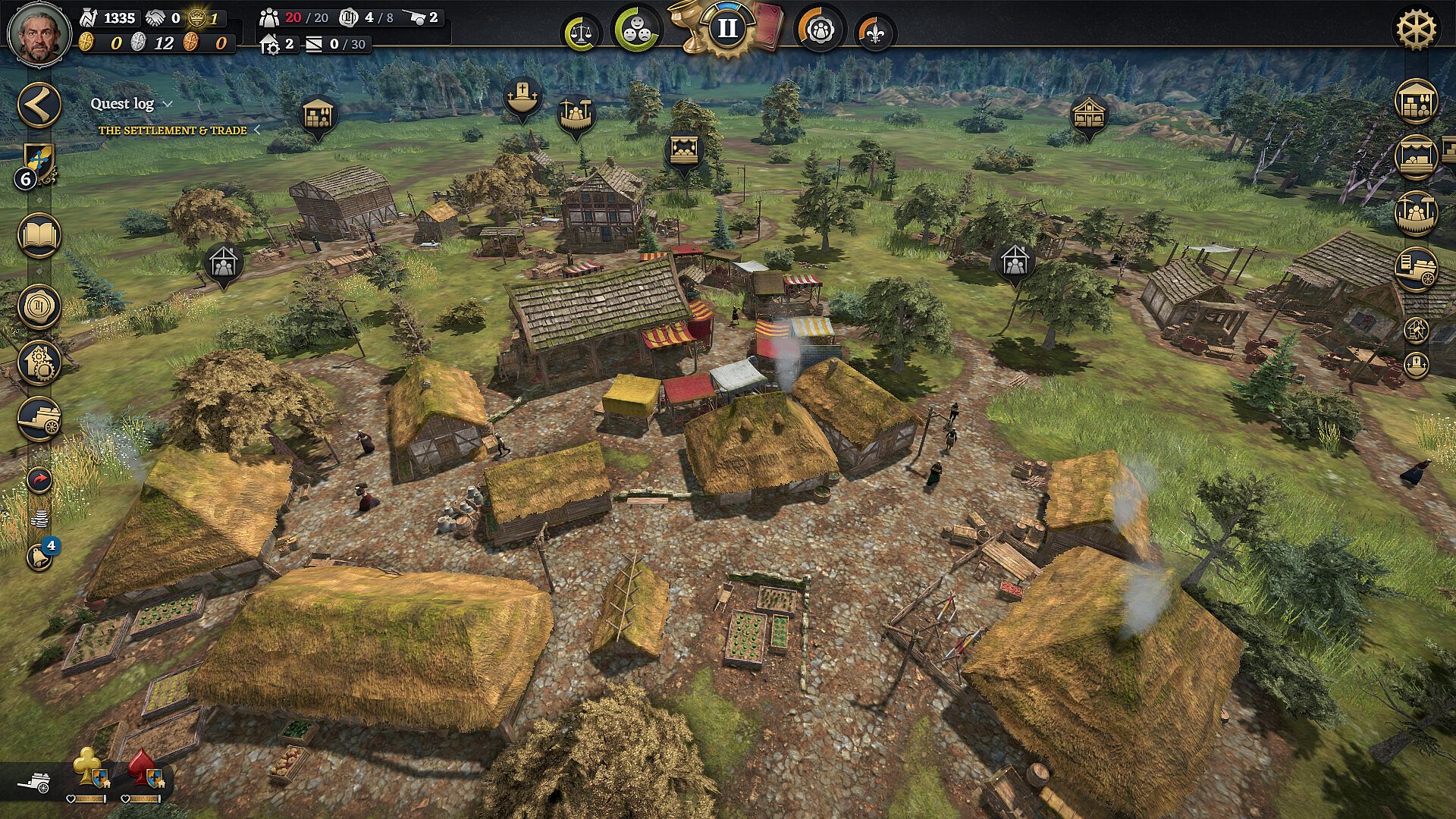

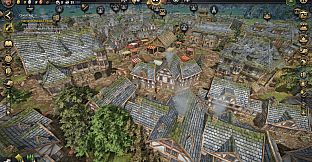

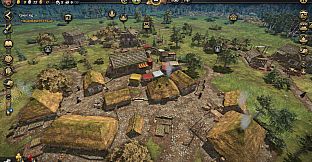

Rise of the Merchants is a medieval strategy and simulation game that blends city-building with deep economic systems, political maneuvering, and trade management in a persistent online world on PC. Players begin with a modest settlement and work to expand it into a major trading hub while navigating production, commerce, and social dynamics that respond to both individual choices and the actions of others.
Gameplay
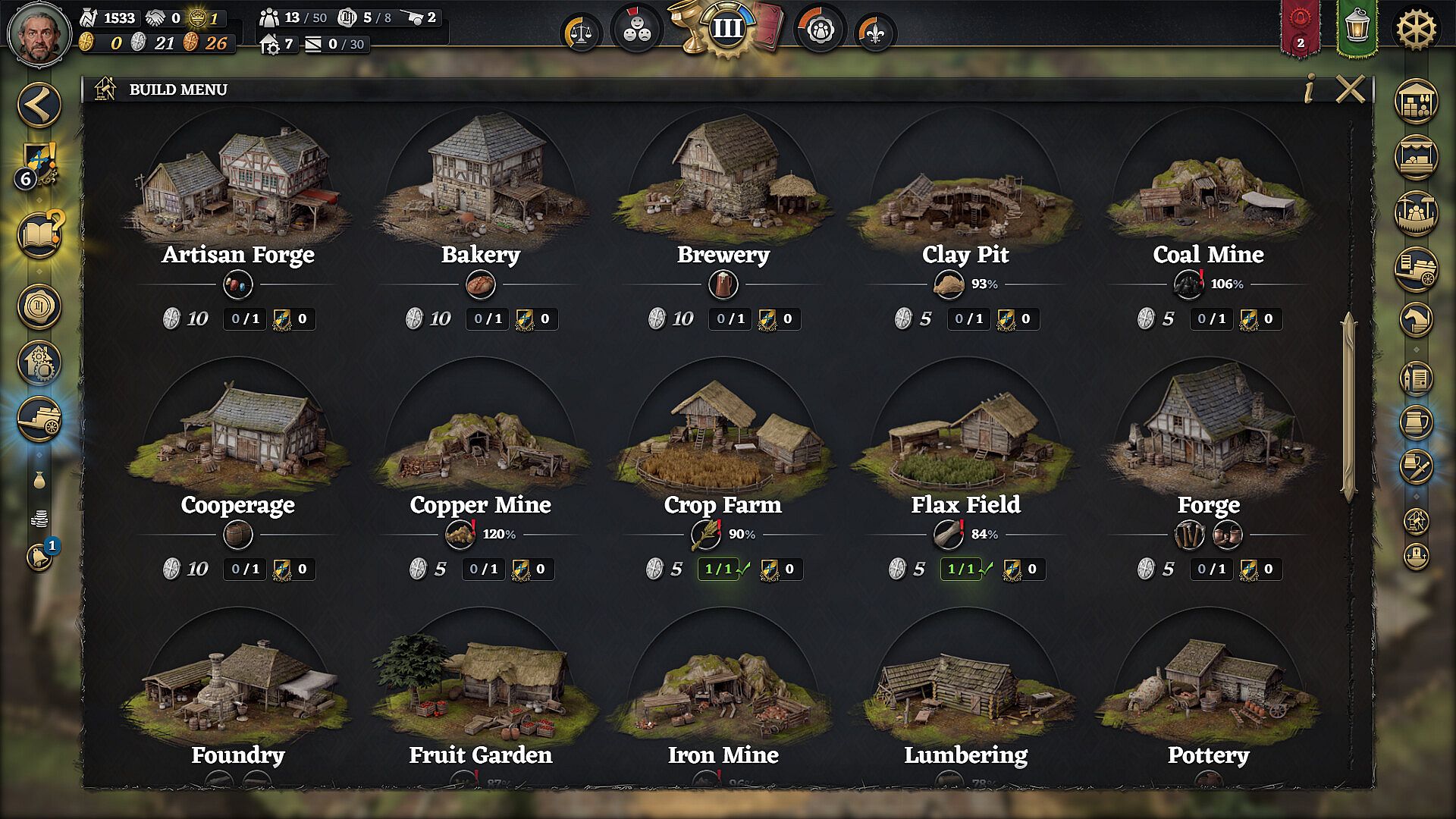
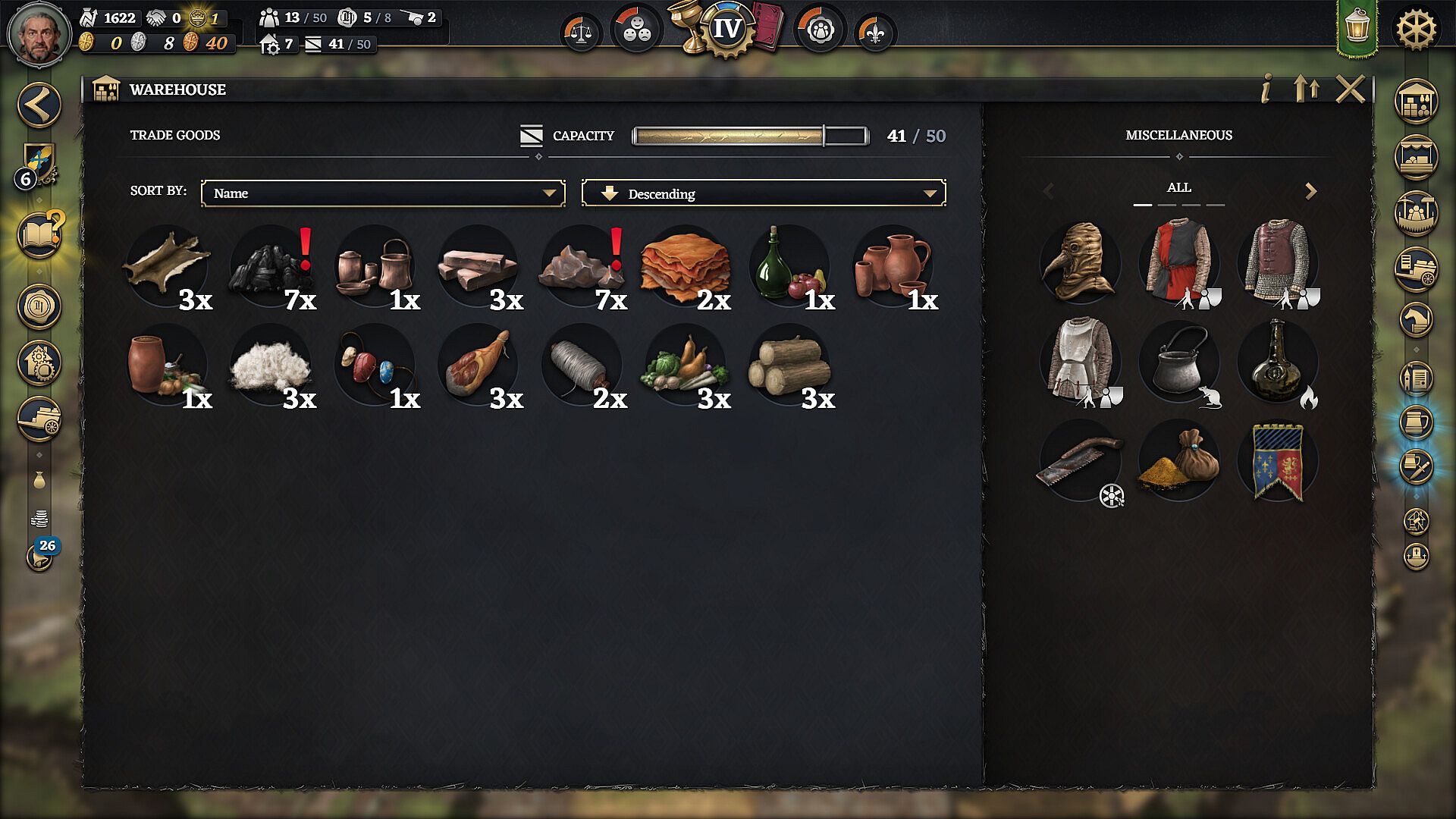
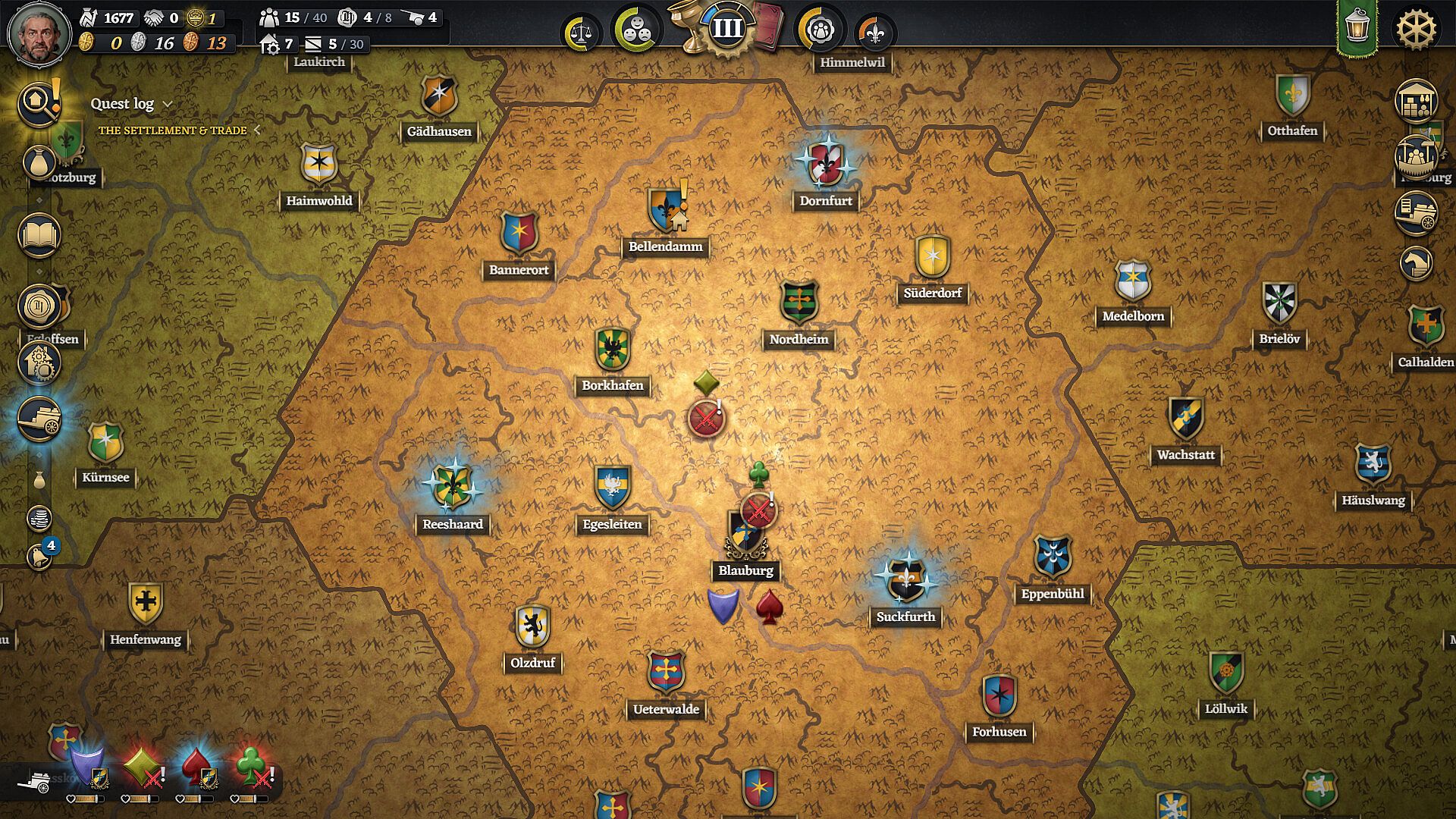
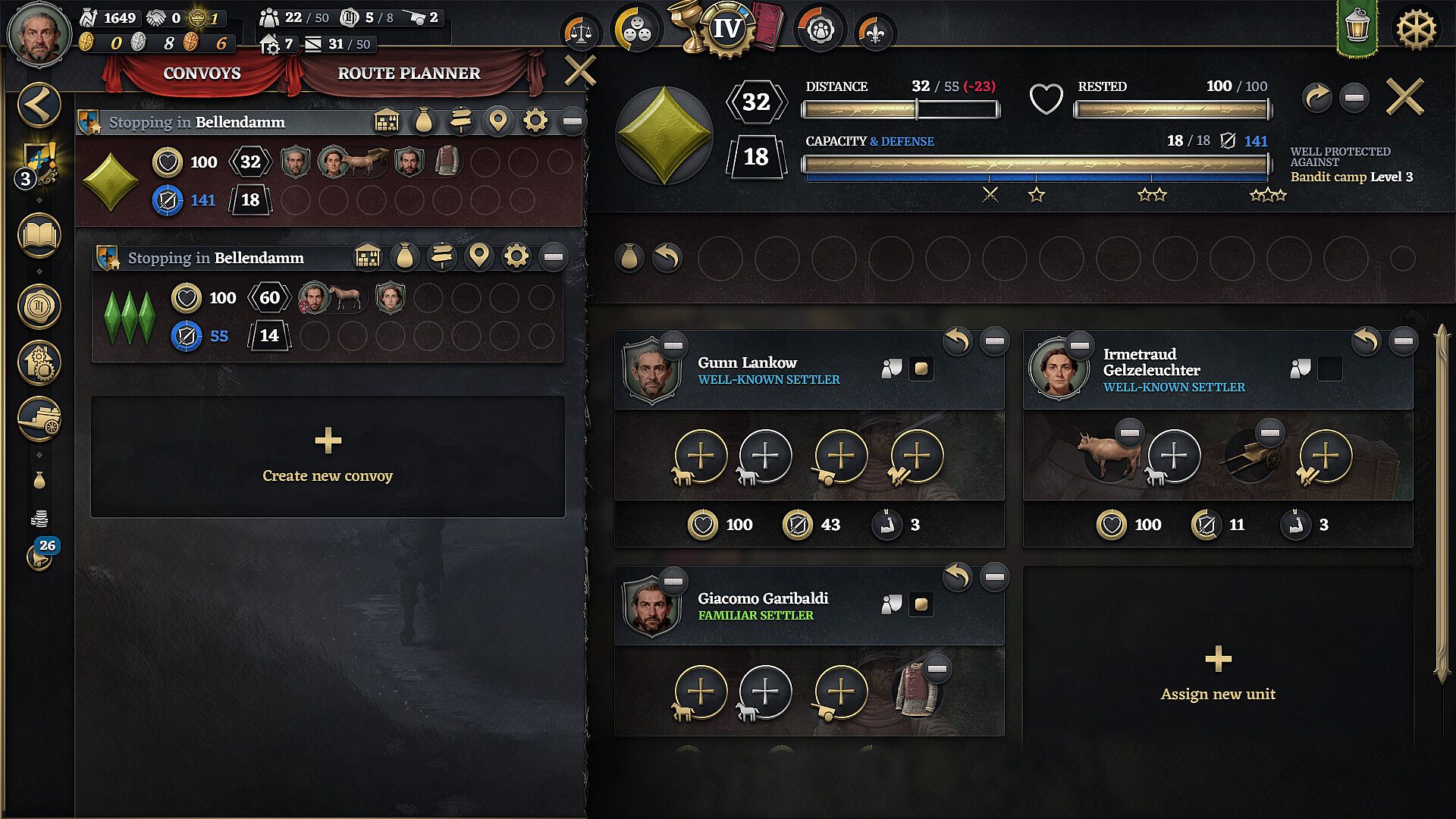
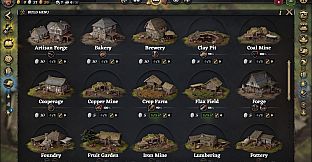
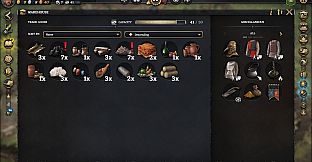
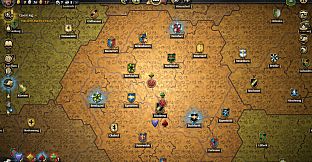
The core loop centers on constructing and upgrading more than 50 buildings to support a growing population. Production chains turn raw materials into finished goods that meet settler needs and generate profit through sales. Trade caravans travel between settlements, with success depending on route planning that accounts for distance, terrain, and bandit threats. NPC traders provide steady demand even during low player activity, while player interactions create shifting market conditions that reward specialization and timely decisions.
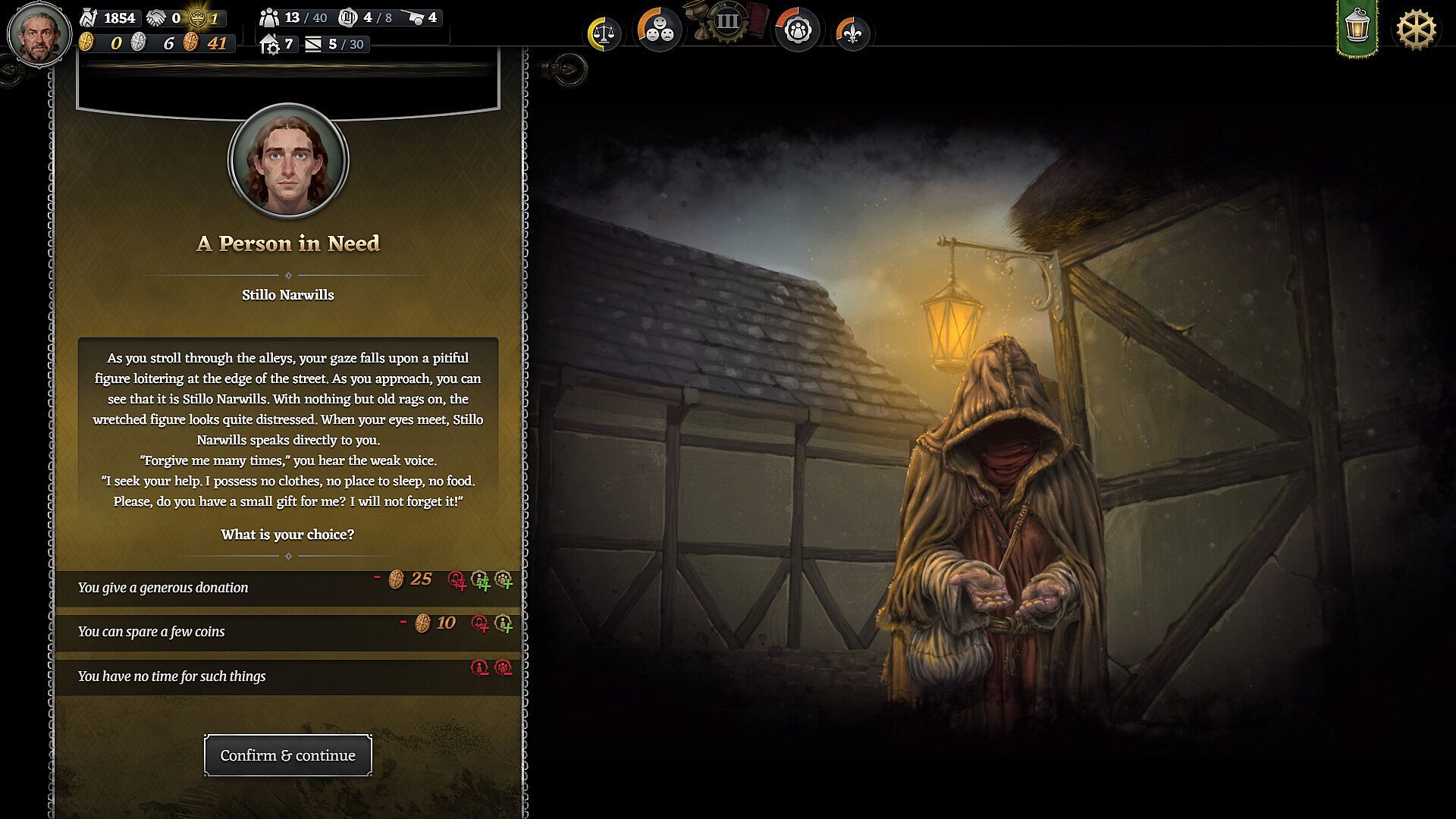
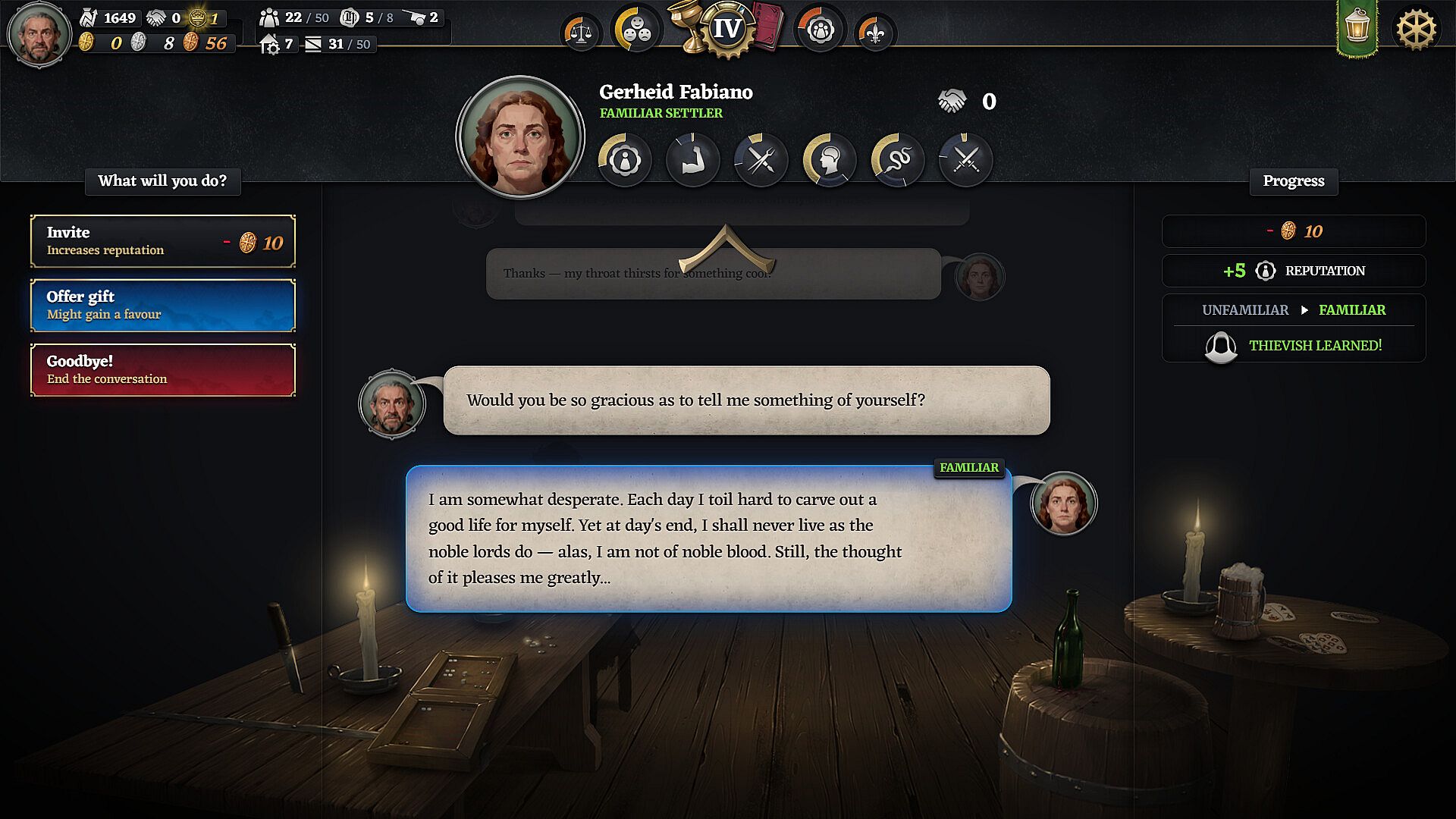
Settlers form the foundation of long-term strategy. Each individual carries distinct skills, traits, and requirements that affect output, security, and community stability. Managing their development and addressing personal concerns can unlock advantages, though illness or conflict may disrupt plans. Outcomes arise from the combination of player actions and the evolving world rather than fixed scripts.
Political elements add another layer. Players can build influence through councils and noble favor to open new options, or pursue indirect methods when direct competition arises. Seasons introduce periodic shifts that alter resource availability and trade conditions, requiring ongoing adaptation as the city expands its reach.
Game Modes
The game supports single-player sessions alongside online multiplayer. In the shared world, participants may cooperate on trade networks or engage in optional player-versus-player activities such as sabotage, with systems in place to balance risk levels. Chapters present objectives without prescribing exact solutions, allowing progress through economic dominance, political alliances, negotiation, or strategic disruption depending on preference.
Multiplayer emphasizes a living economy where individual settlements interact, yet NPC systems maintain baseline functionality. Single-player offers the same building, production, and trade mechanics in an isolated county that still connects to the broader simulated world for consistent market access.
Key Mechanics and Progression
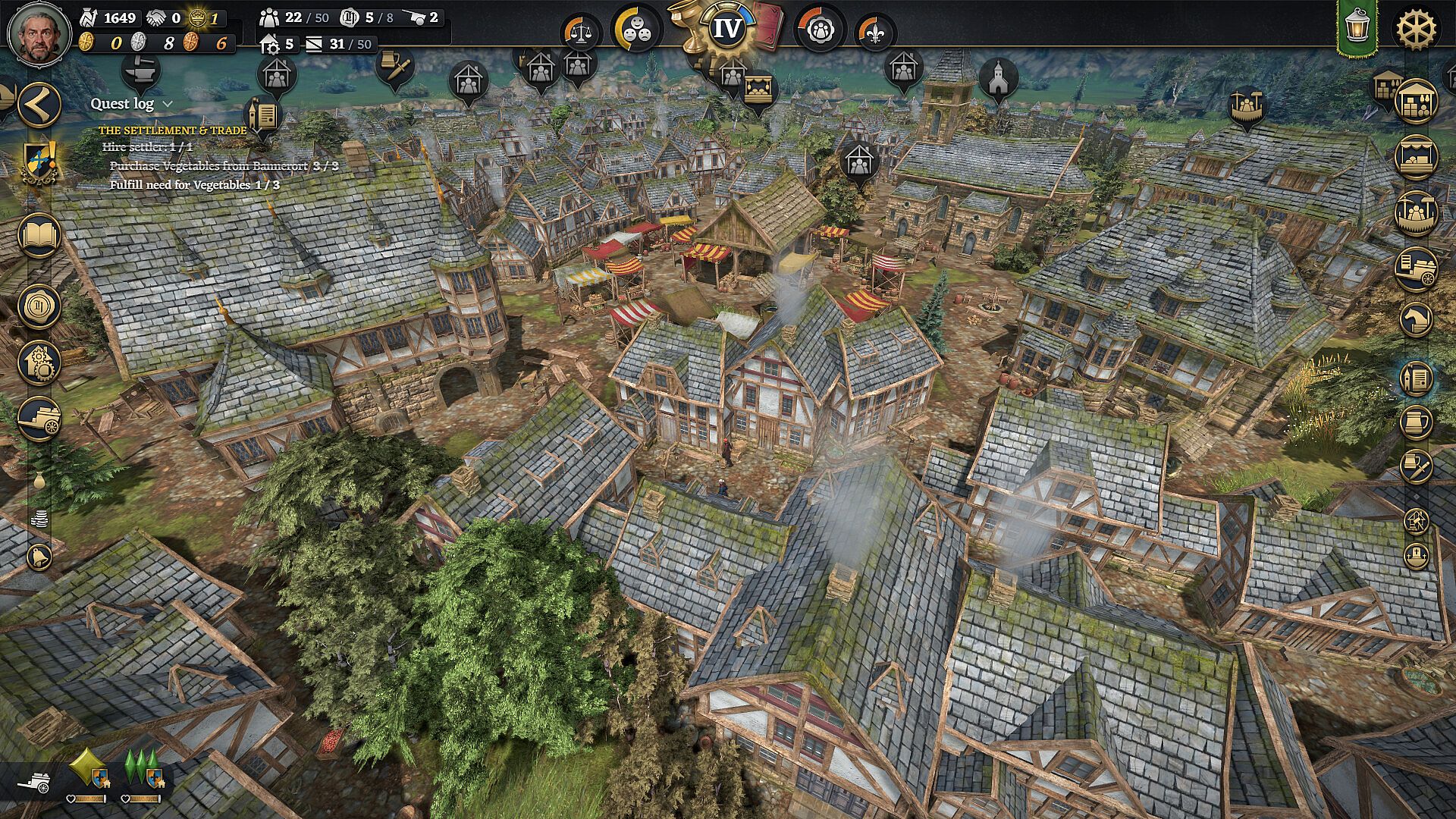
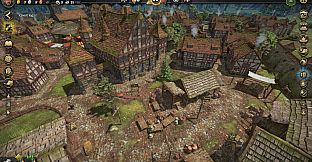
Building customization extends beyond basic placement. Different materials, colors, and upgrade stages let each settlement develop a distinct appearance while improving efficiency. The interface introduces features gradually, starting with straightforward controls before layering in economic, political, and social systems as the settlement grows.
Trade routes demand attention to logistics and protection. Caravans must balance speed, capacity, and security against potential losses. Production facilities scale with population demands, encouraging players to refine chains for higher-value outputs. Political roles grant access to broader influence, while settler stories can provide unexpected benefits or complications based on prior interactions.
Is It Worth Playing?
Rise of the Merchants targets players who enjoy methodical city-building combined with economic planning and light political elements. The persistent online setting adds variability through other participants, while single-player remains fully viable with reliable NPC support. Early Access status means the experience continues to evolve with updates focused on balance, content expansion, and quality-of-life refinements over the planned development period leading to full release.
Those drawn to titles that reward careful route management, chain optimization, and settler oversight will find substantial depth here. The absence of rigid paths supports varied playstyles, from pure economic focus to more competitive approaches. Current information indicates the core systems are already functional, making it suitable for players comfortable with ongoing development in a simulation of this type.












