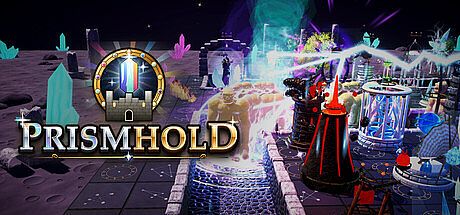


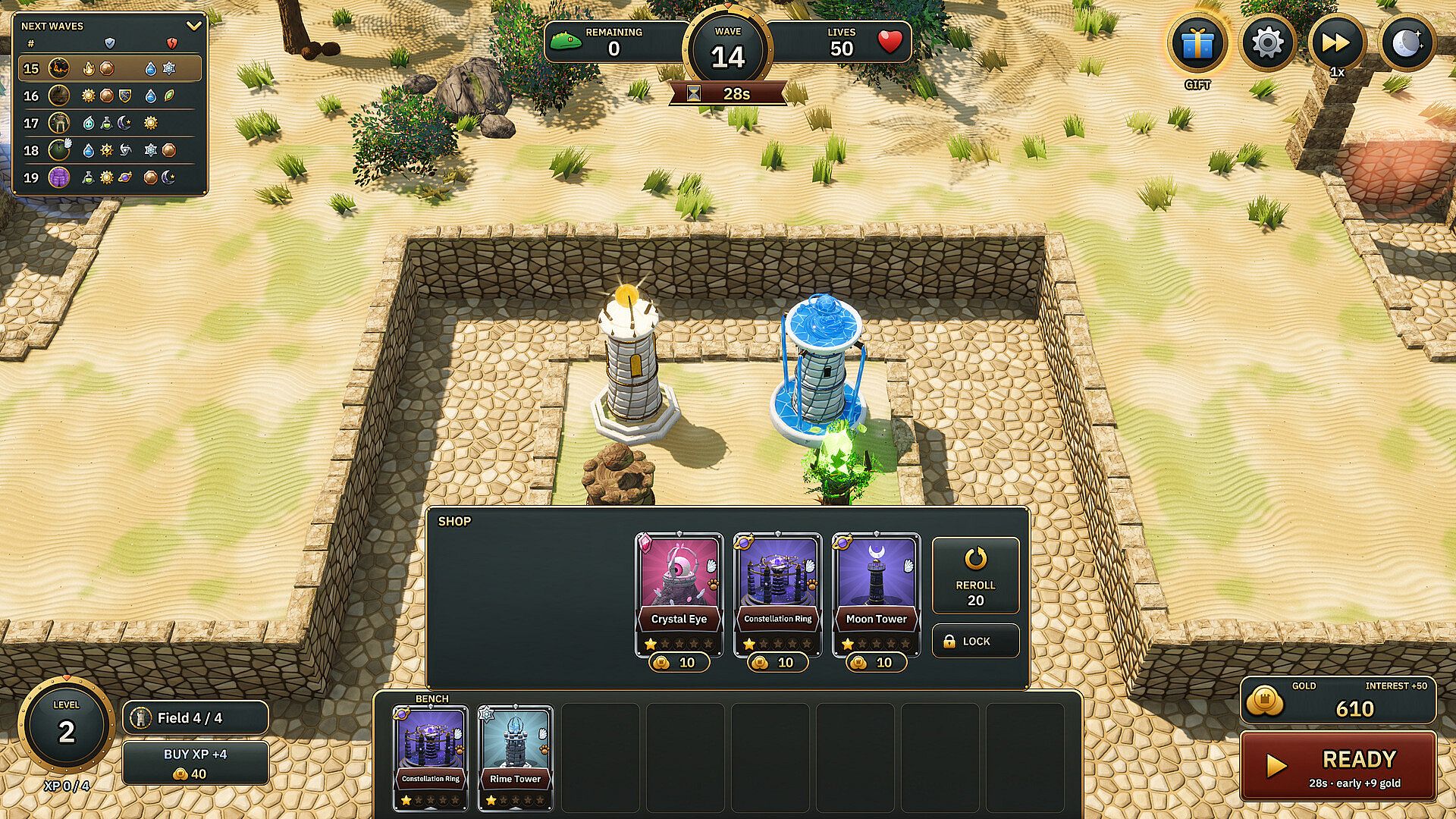
Prismhold is a strategy game that blends tower defense with deck-building mechanics on PC. Players construct defenses by drawing towers as cards from a custom deck, placing them along enemy paths to survive escalating waves of creatures. The core loop centers on drafting from a shop each wave, positioning towers strategically, and adapting to threats that include resistant enemies and special attacks.
Gameplay
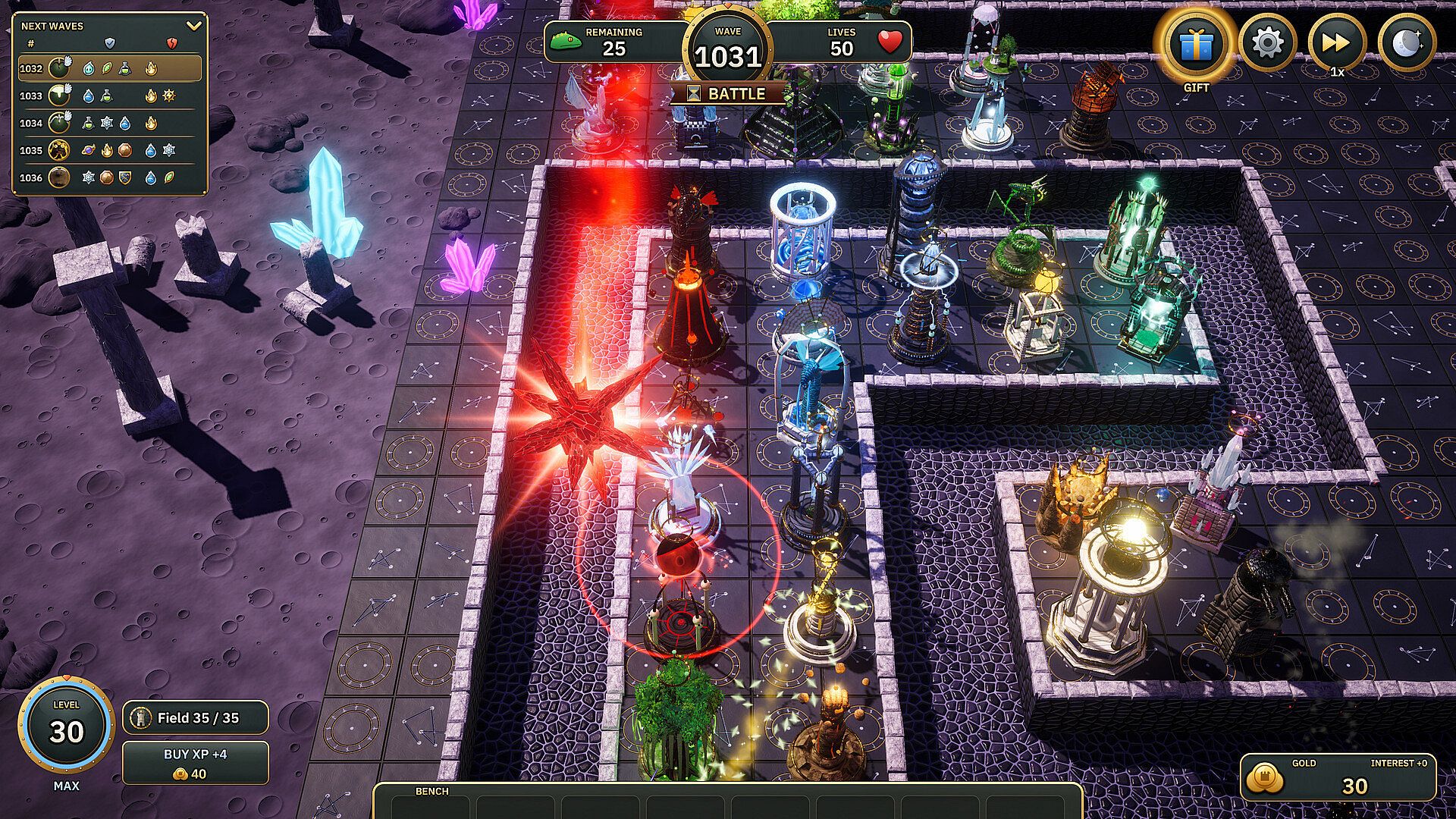
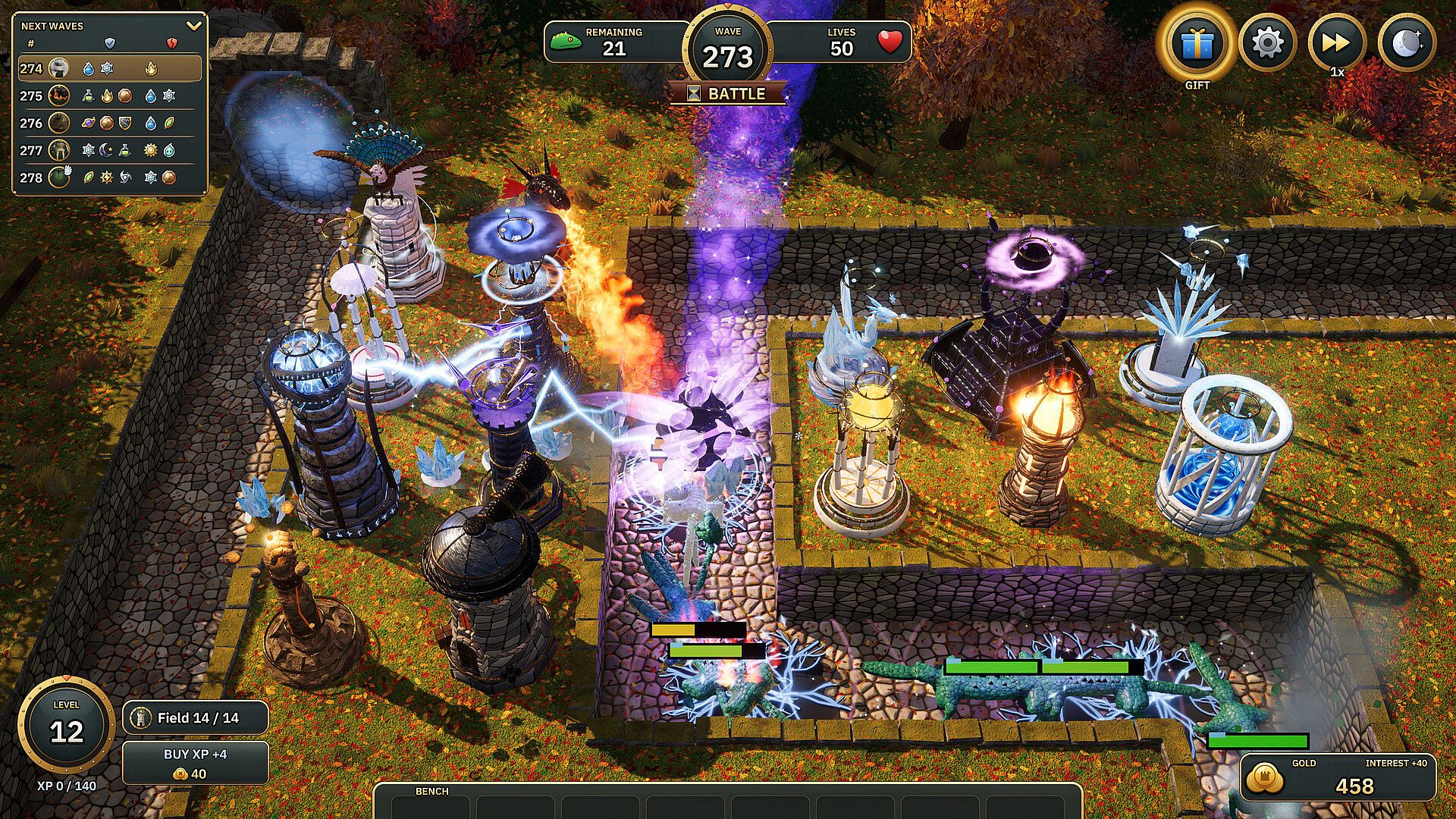
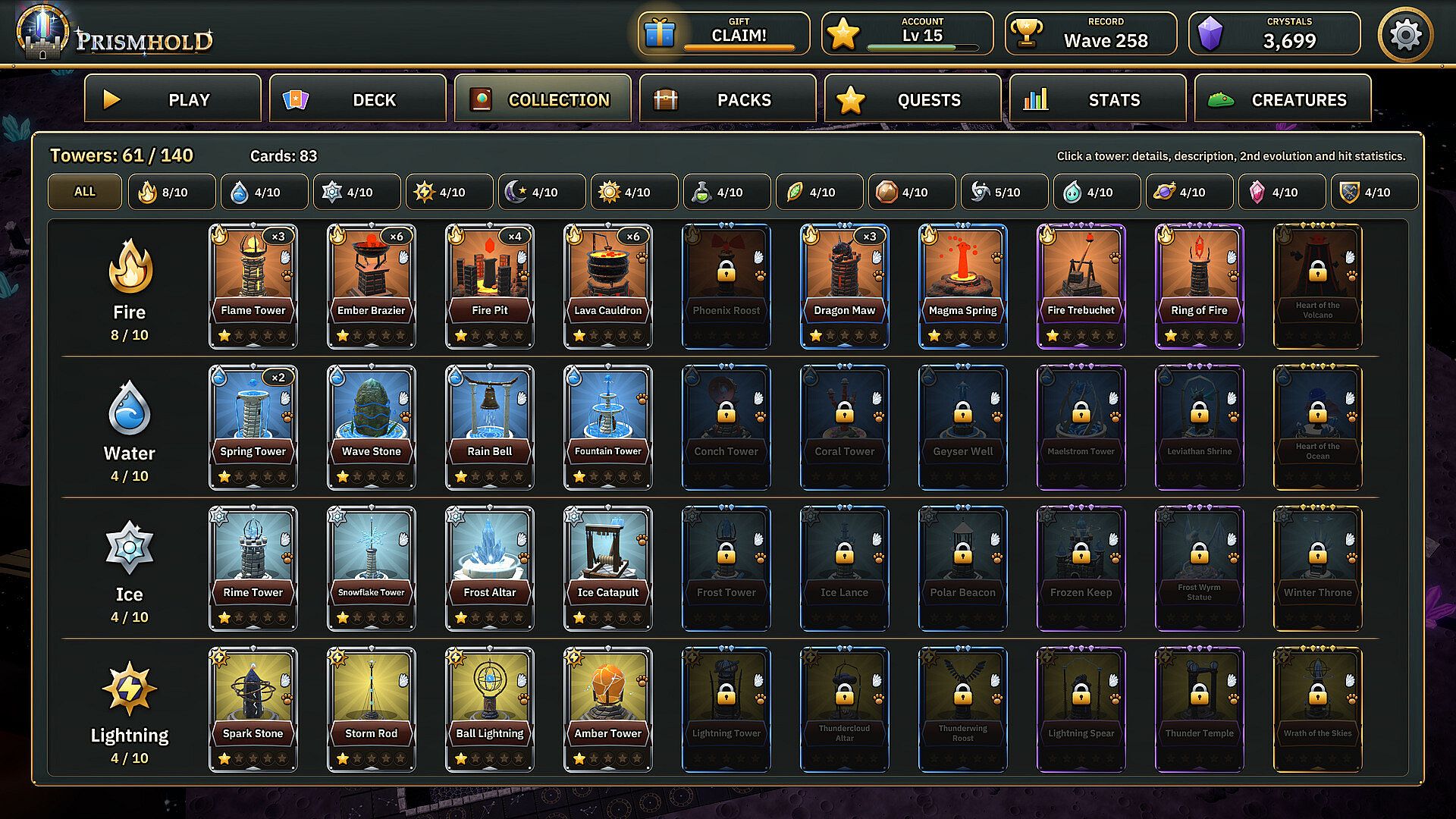
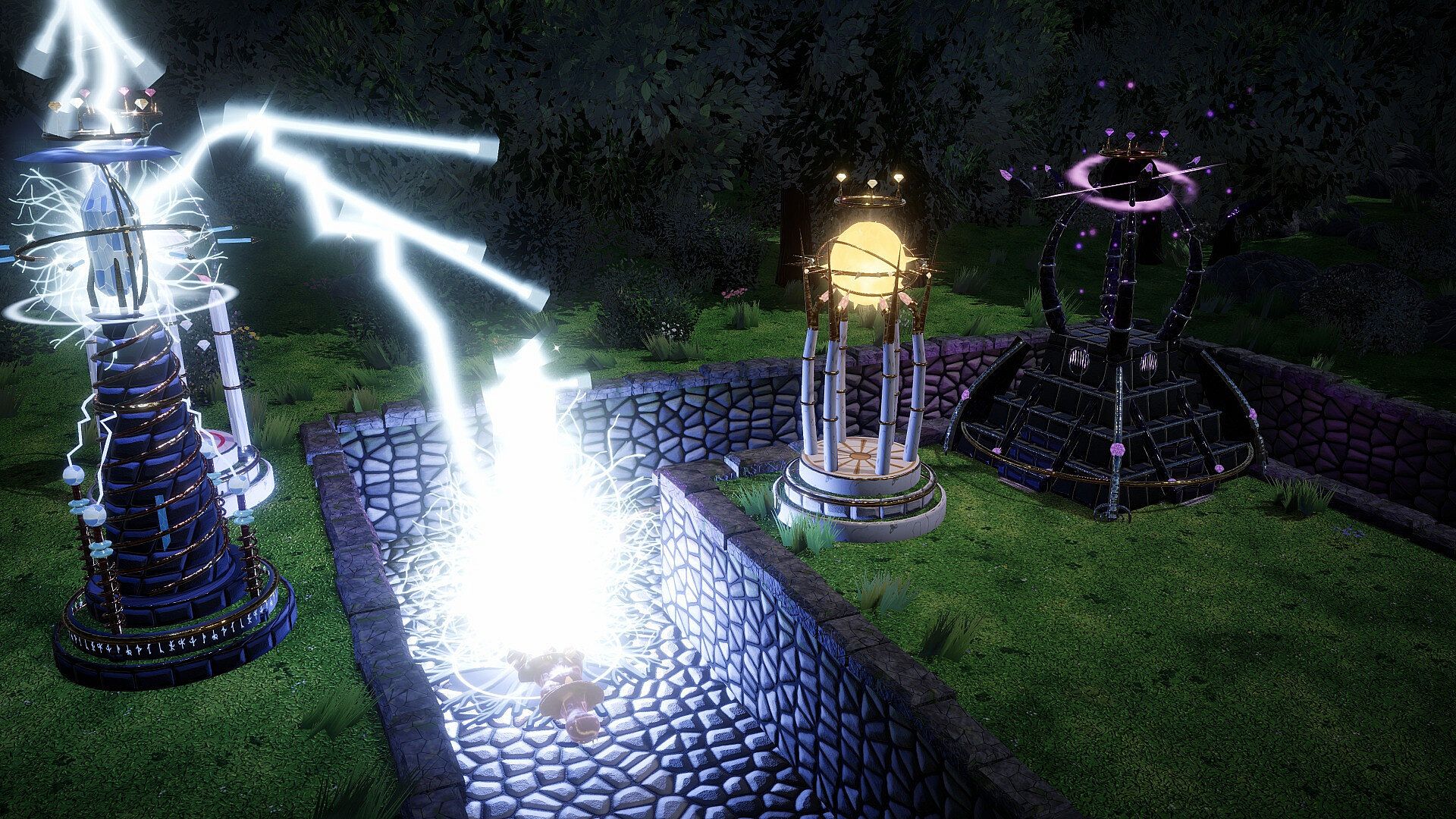
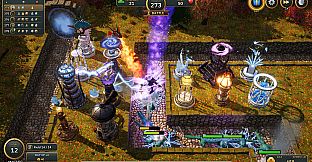
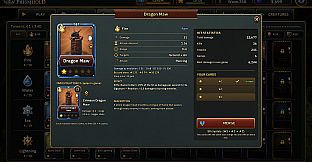
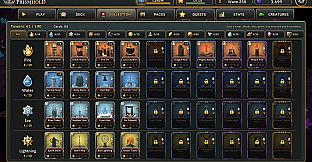
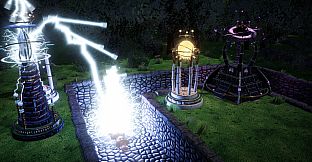
Every tower functions as a card drawn from a collection of 140 options spread across 14 elements. These elements include fire, water, ice, lightning, darkness, light, poison, nature, earth, air, spirit, cosmic, laser, and firearms. Towers deliver attacks in distinctive styles such as dragon breath, chain lightning, black holes, falling stars, tornadoes, and ricocheting beams. Creatures show weaknesses and resistances to specific elements, encouraging players to balance their deck for coverage.
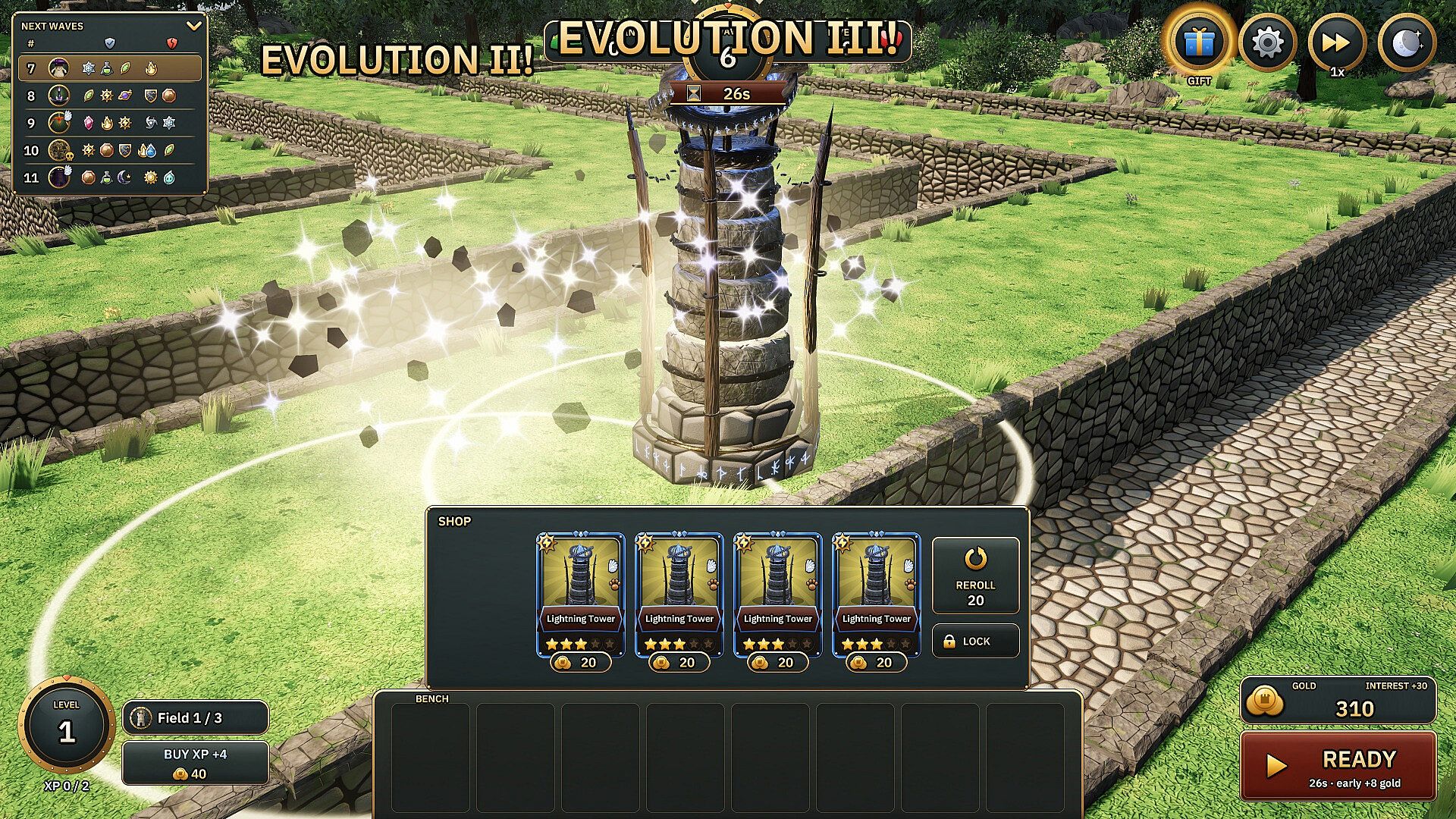
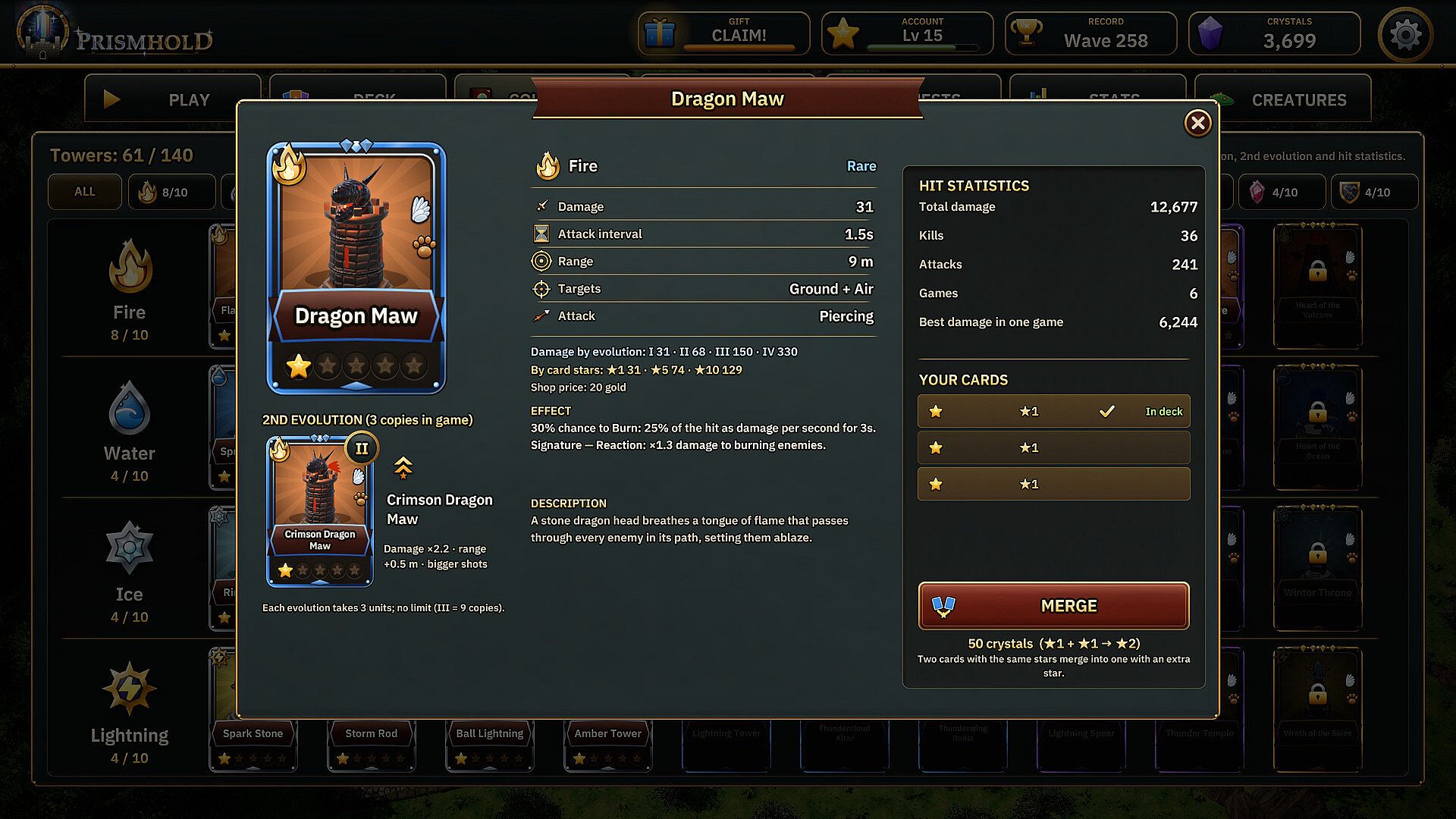
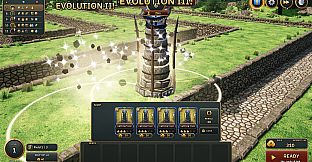
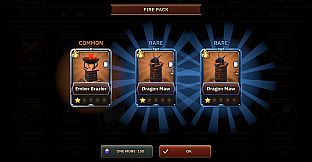
Deck construction plays a central role. A focused selection increases the frequency of desired cards in the shop, which speeds up merging. Three identical towers combine into a stronger evolution with an updated appearance. Evolutions continue without an upper limit, allowing repeated upgrades to higher tiers. Placement occurs beside the path, and positioning matters for covering ground and handling different enemy types.
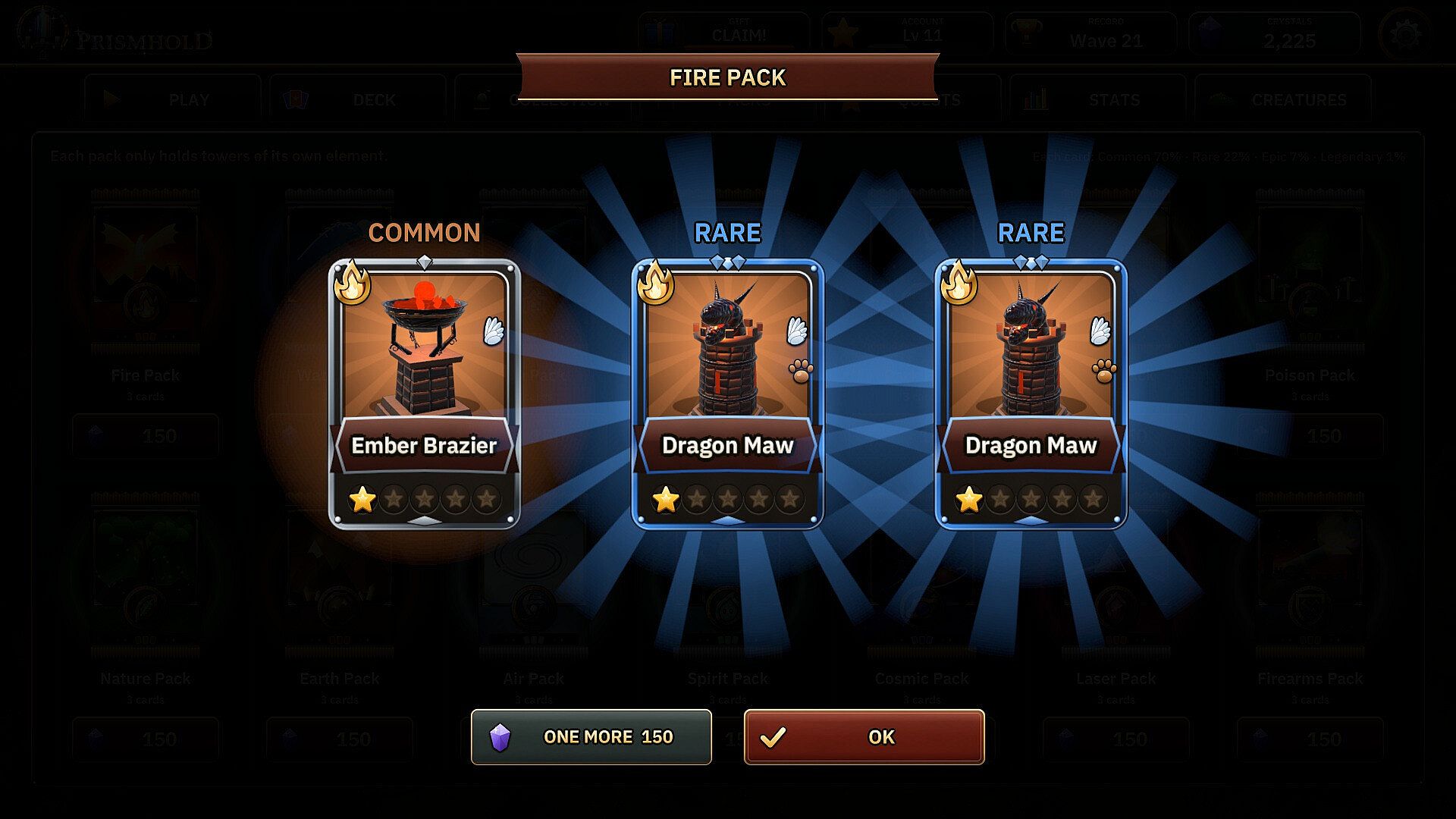
Progression ties into runs through augments that alter economy, evolution speed, or element mastery each time. Players begin with limited tower slots that expand with leveling, and maps unlock gradually. Crystals earned from successful defenses open element packs and allow card upgrades up to ten stars. Daily challenges provide a fixed map, deck, and seed for competitive comparison via leaderboards.
Game Modes
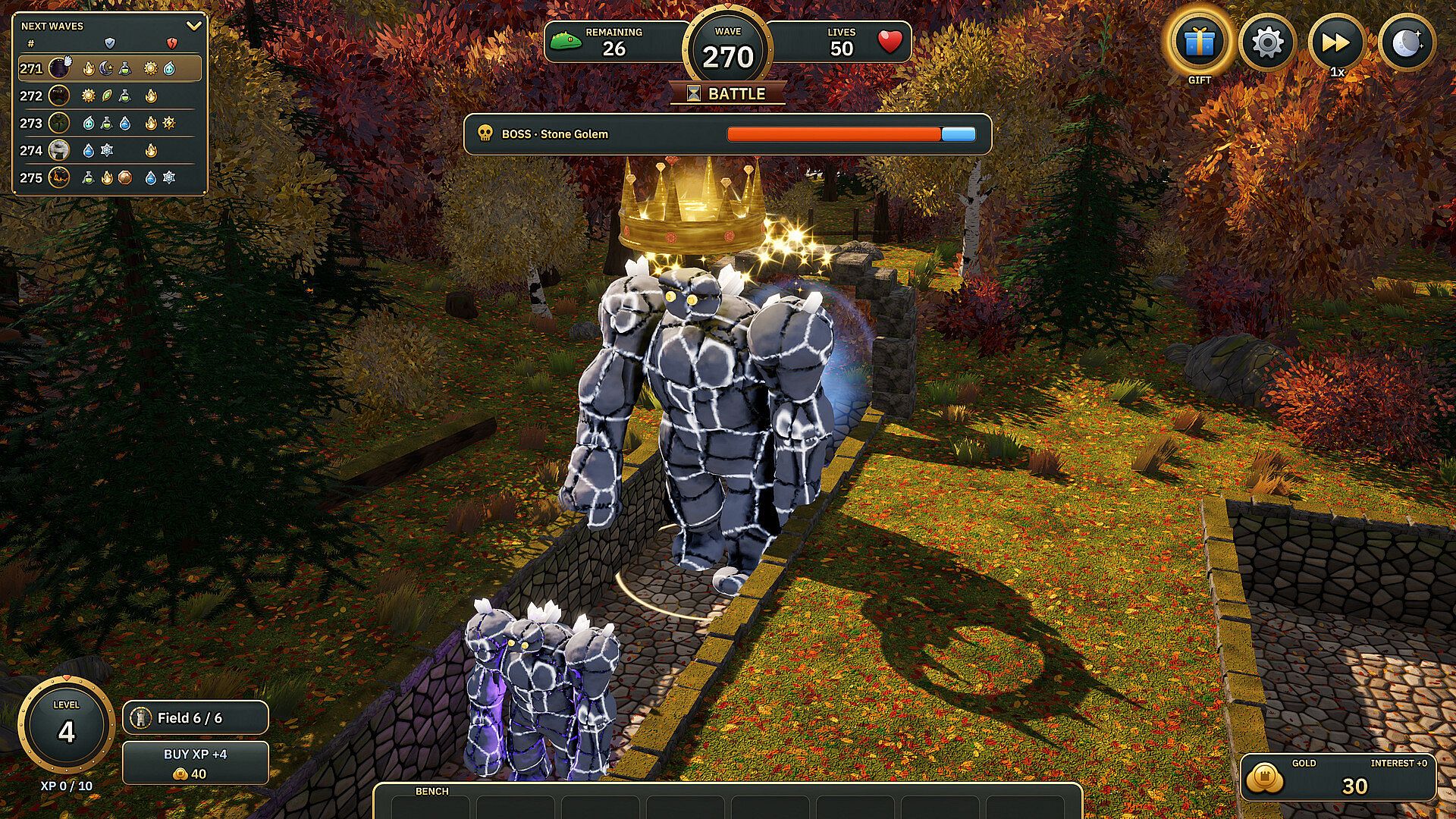
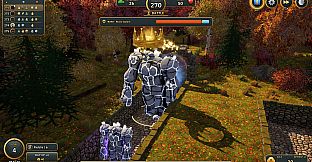
Single-player runs emphasize endurance against endless waves. Every tenth wave introduces a crowned boss equipped with abilities like shields, regeneration, fury, or splitting. Clearing a boss reaches the Summit, where players decide whether to cash out crystals or continue deeper into tougher cycles. Elite waves appear periodically, and flying enemies require towers marked with a wing symbol to engage them effectively.
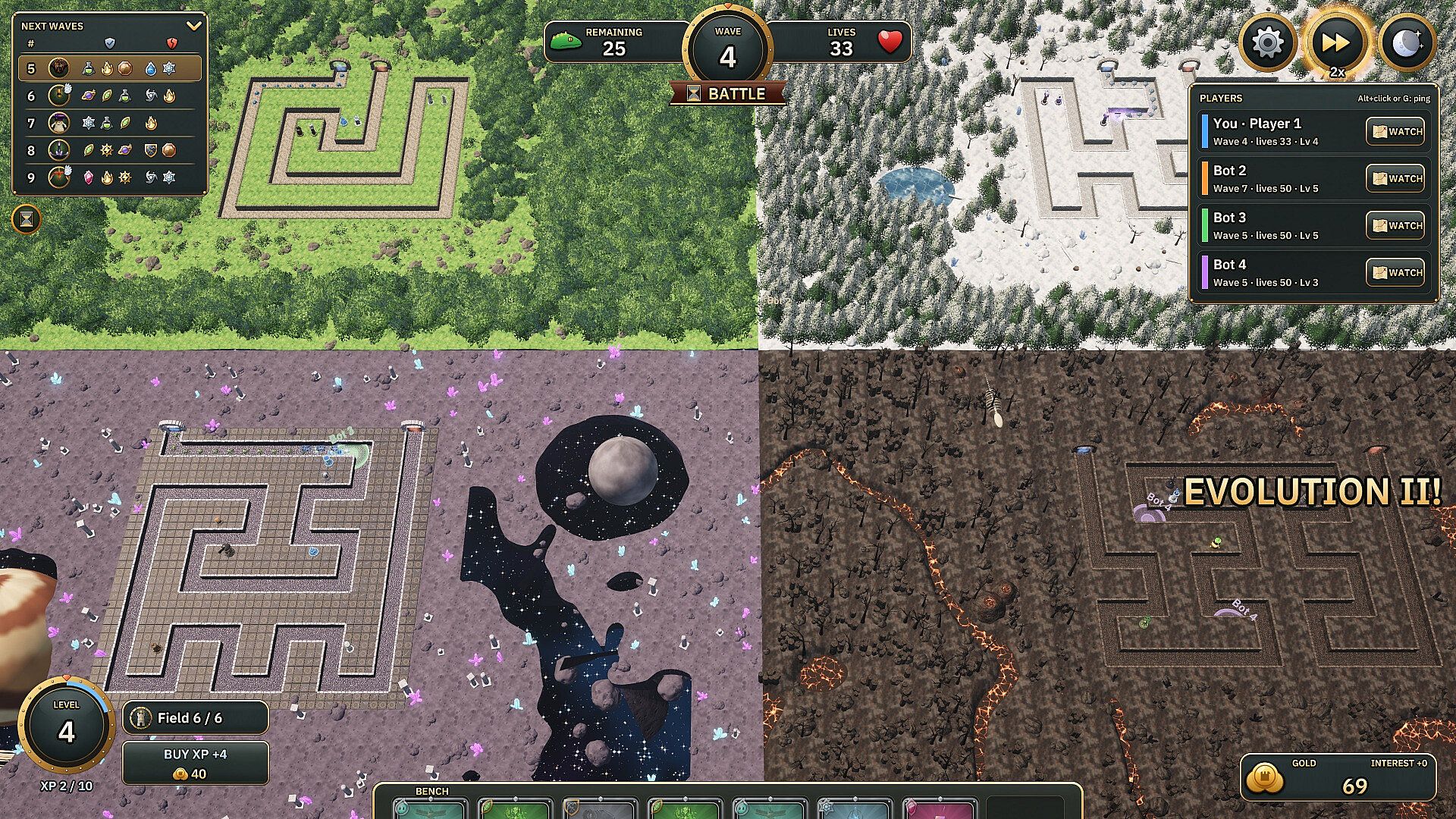
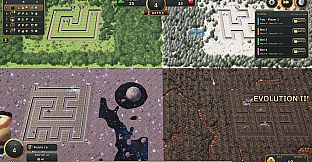
Multiplayer expands the experience in two distinct formats. The Together mode lets two players share a single map and lives while managing separate gold and tower placements. Side by Side supports up to four players, each defending an individual map positioned adjacent to the others, allowing observation and direct competition to outlast the group. Open lobbies or private sessions with invited friends are both supported.
Progression and Features
Long-term advancement comes from unlocking additional maps, expanding tower capacity, and completing a collection of upgraded cards. Daily quests and a set of 47 achievements provide ongoing goals. The system rewards consistent play with gifts in the early hours, including a legendary tower option. A free demo is scheduled to include two maps, runs limited to wave 30, two-player multiplayer, and dedicated leaderboards.
The game supports 23 languages and runs on standard PC hardware with online connectivity required only for multiplayer features. Single-player sessions function offline once installed.
Is It Worth Playing?
Prismhold targets players who enjoy tower defense combined with deck management and incremental merging systems. The verified mechanics offer depth through element mixing, unlimited evolutions, and varied enemy behaviors across multiple biomes. Multiplayer options add social layers without requiring constant coordination, while the daily challenge and leaderboards suit those seeking repeatable competition.
As an upcoming title with no released version or player reviews available, its appeal rests on the described systems of card drafting, strategic placement, and progression. Those interested in casual strategy sessions with potential for extended runs and co-operative or competitive play may find the upcoming demo a useful starting point to evaluate fit. The absence of pay-to-win elements in the outlined features supports accessibility for solo and group play alike.