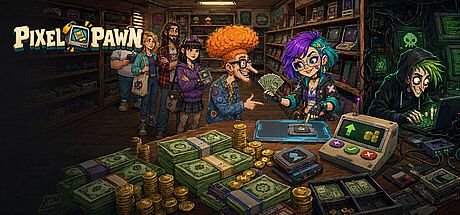





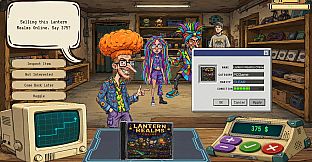
Pixel Pawn is a strategy, indie, casual, and simulation game set on PC that places players in charge of a second-hand game shop in the city of Neon Haven. The core loop revolves around buying used consoles, handhelds, and games from customers, appraising their condition and value, haggling over prices, and then reselling items at a profit while covering ongoing business expenses like rent and utilities.
Gameplay
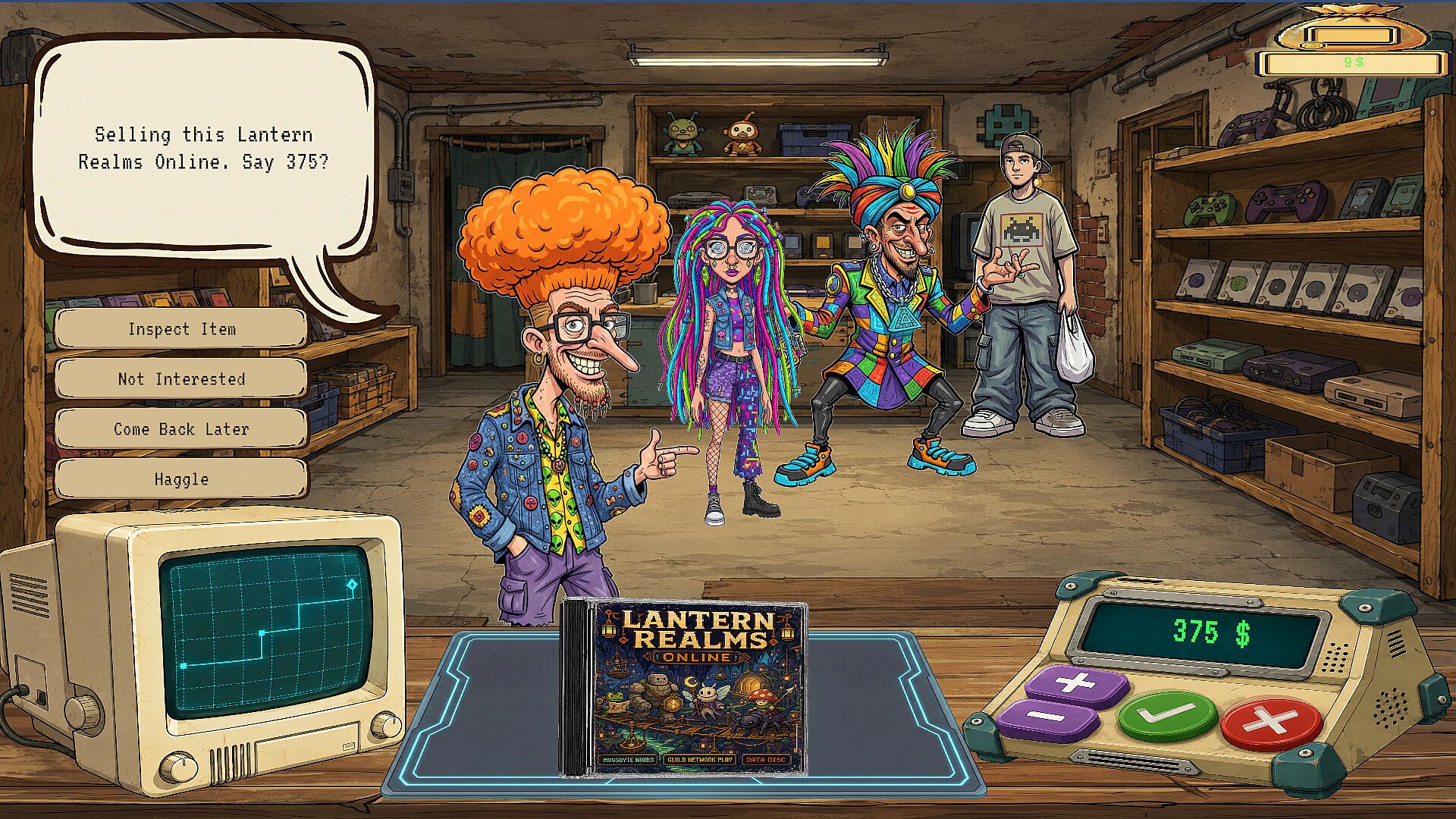
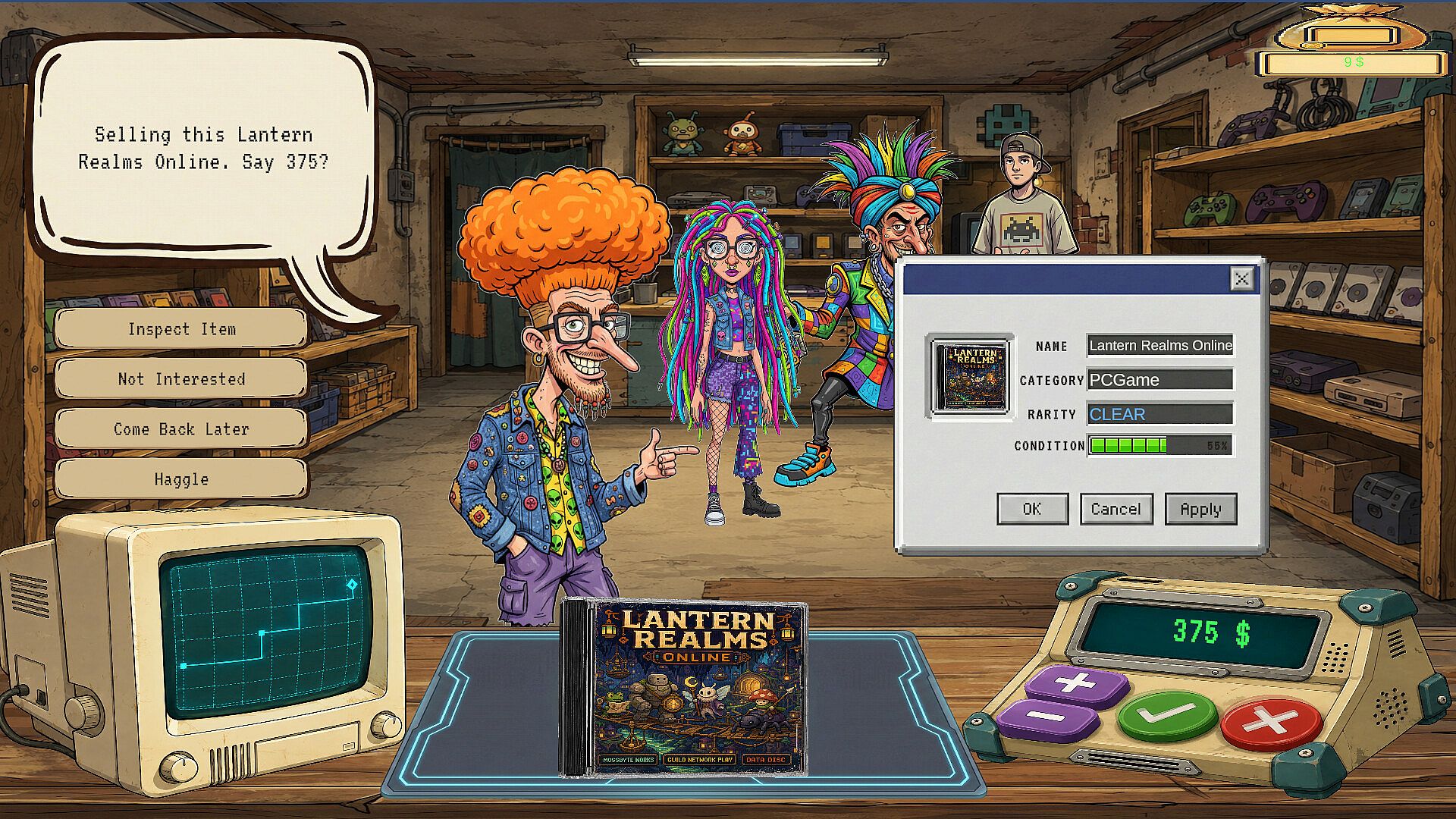
The experience centers on daily shop operations where customers arrive throughout the day with items to sell or seeking bargains. Each transaction begins with inspection of the item, which falls into categories such as consoles, handhelds, classic games, or accessories, and carries a condition rating ranging from factory sealed to broken. Hidden factors include true market value and the possibility of counterfeits or refurbished units that can lead to losses if not caught during appraisal.
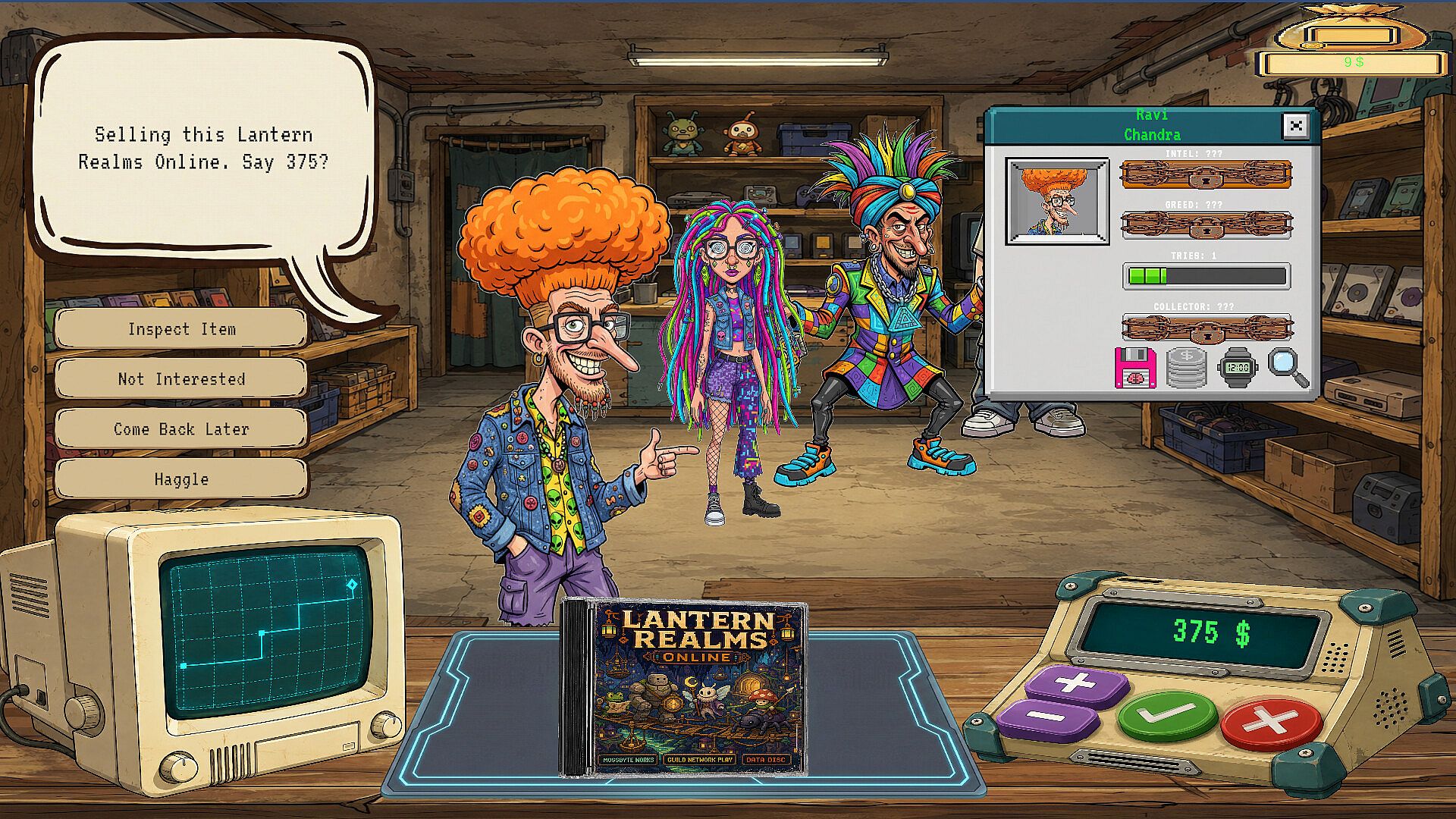
Negotiation forms the central mechanic. Players enter an initial offer on a shop calculator, respond to customer counters, and adjust based on reading the seller's personality, budget, and patience level. Collectors may pay premium prices for rare pieces, while casual sellers or hagglers require different approaches to avoid insulting them or leaving money on the table. Overly aggressive offers risk losing the deal entirely.
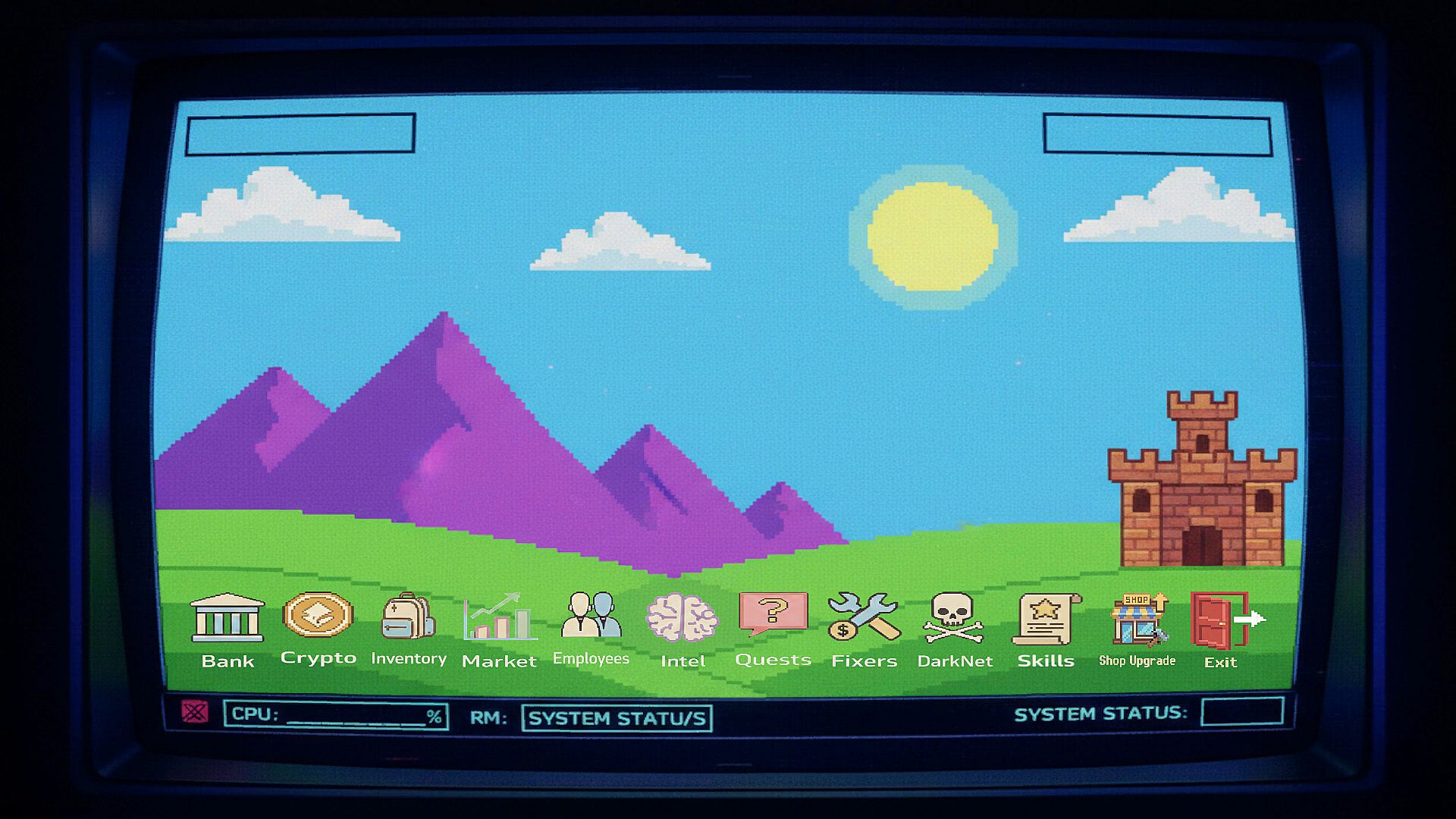
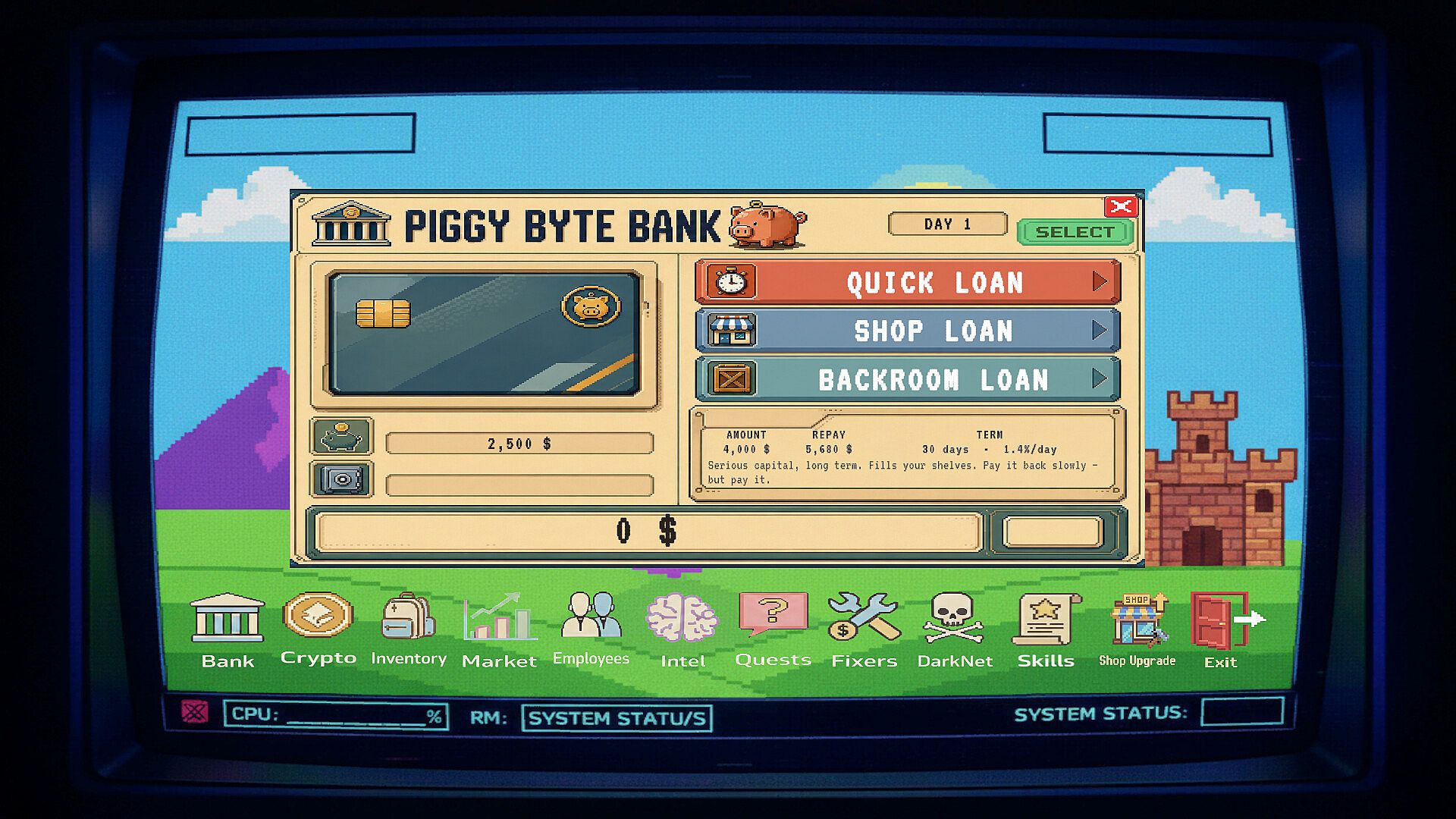
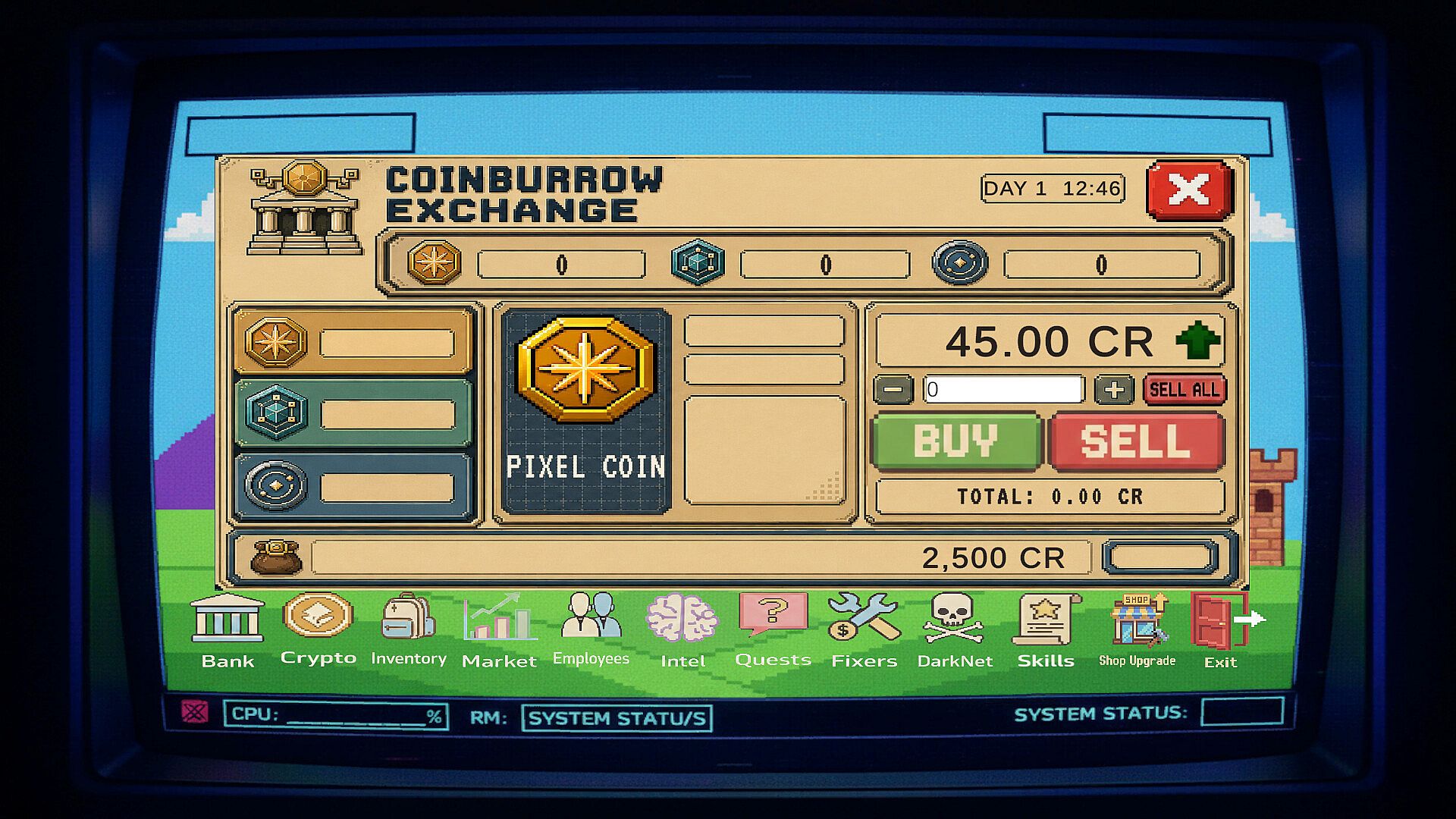
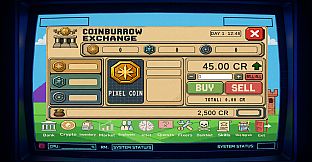
Behind the counter, the in-game shop PC serves as the hub for broader management. Inventory tracking, real-time market price fluctuations, staff oversight, bank balances, quest acceptance, and even crypto trading or darknet access for higher-risk opportunities all run from this interface. Bills arrive on fixed schedules, and loans from the bank provide temporary relief when cash flow dips, though prolonged negative balances lead to shop closure.
Progression comes through reinvestment. Profits fund shop upgrades that draw wealthier clientele, better equipment for faster appraisals and clearer customer insights, and personal skill training in areas like negotiation, perception, and restoration. Hiring staff such as clerks, appraisers, technicians, or a hacker adds layers of automation and specialized capabilities to handle volume and risk.
Game Modes
Pixel Pawn operates as a single continuous simulation without separate named game modes or multiplayer components. The entire experience unfolds through the ongoing management of the pawn shop, where daily customer interactions, market shifts, and financial decisions build toward long-term growth or failure. Quests and optional high-risk activities on the shop PC integrate directly into this core loop rather than branching into distinct play styles.
Players advance by scaling the business from a basic corner stall to a larger operation, with all mechanics tied to the same shop environment. There are no campaign divisions, versus modes, or procedural variants confirmed beyond the persistent business simulation itself.
Shop Management and Progression Systems
Inventory and market tools on the shop PC allow monitoring of price trends that rise and fall, influencing buy and sell decisions across item categories. Condition grades affect both purchase costs and resale potential, while counterfeit detection adds a layer of risk assessment before committing funds.
Customer variety drives strategy. Personalities range from patient big spenders to impatient scammers who may introduce fakes, requiring players to adapt offers accordingly. Staff hires and skill upgrades improve efficiency in these areas, while shop expansions increase foot traffic and average transaction value.
Financial systems include scheduled expenses and loan options that carry repayment obligations. Risky paths such as dealing in shady goods accelerate earnings but introduce threats like cyber attacks and reputation damage that can affect future deals.
Is It Worth Playing?
Pixel Pawn suits players who enjoy detailed shop management simulations and negotiation-focused strategy games. The emphasis on reading customers, appraising variable items, and balancing short-term profits against recurring costs creates a steady loop of decisions that reward careful observation and timing.
Those drawn to indie titles with simulation depth will find the progression from small stall to expanded business satisfying, especially when experimenting with staff roles and skill development. The risk elements around counterfeits and darknet activities add tension without requiring external modes or competitive play.
Overall, the game appeals to fans of casual strategy experiences centered on business operations rather than action or story-driven content. Its systems encourage repeated playthroughs through market variability and customer interactions, making it a solid choice for dedicated management game enthusiasts seeking a focused PC simulation.