






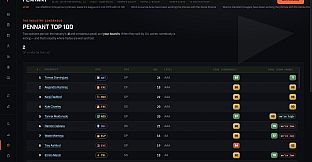

PENNANT: Baseball Owner is a text-based strategy and simulation game that places players in the role of a baseball franchise owner on PC. It emphasizes front-office decisions, financial management, and long-term career consequences in a generated league without real-world licenses or rosters.
Gameplay
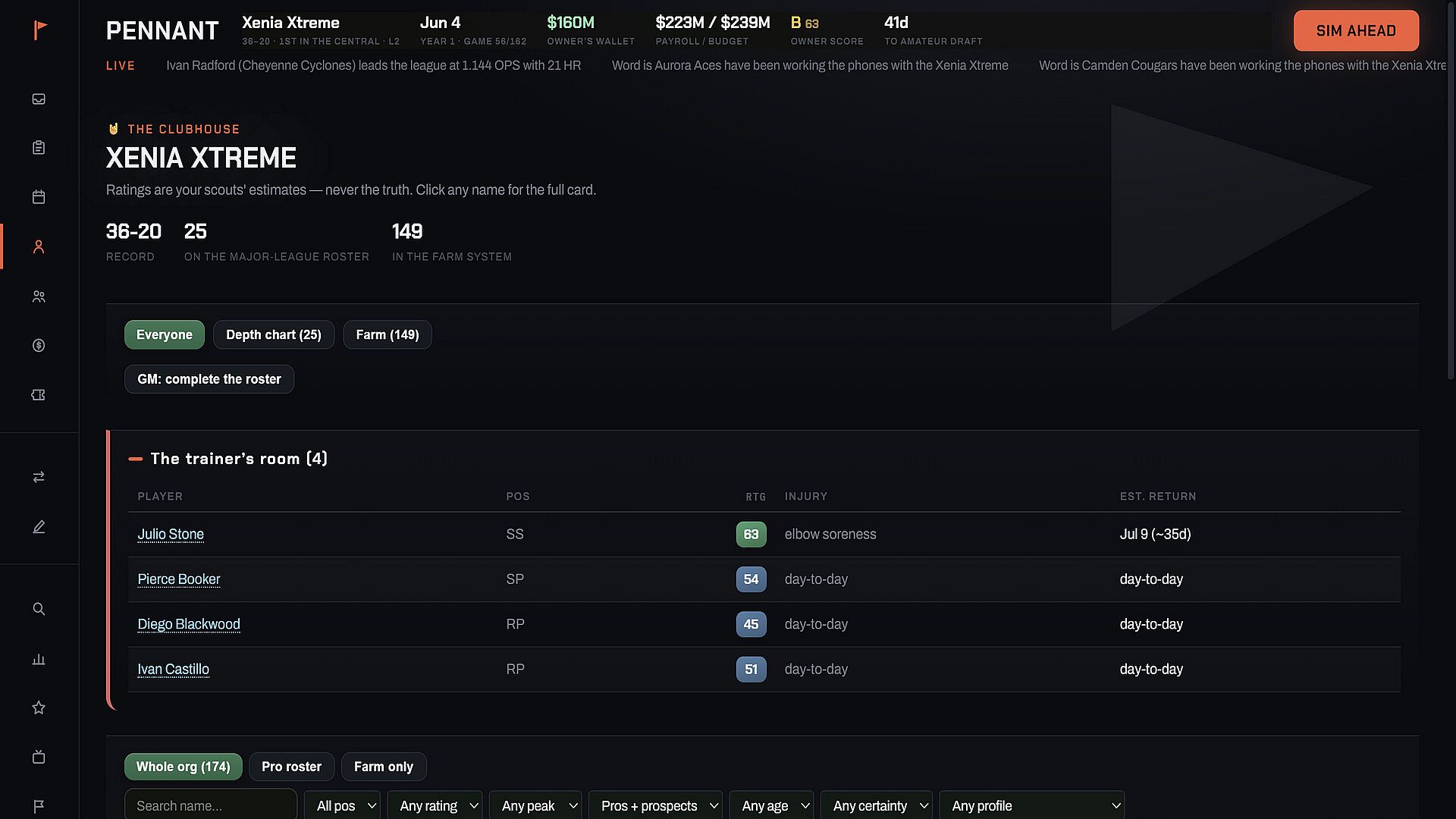
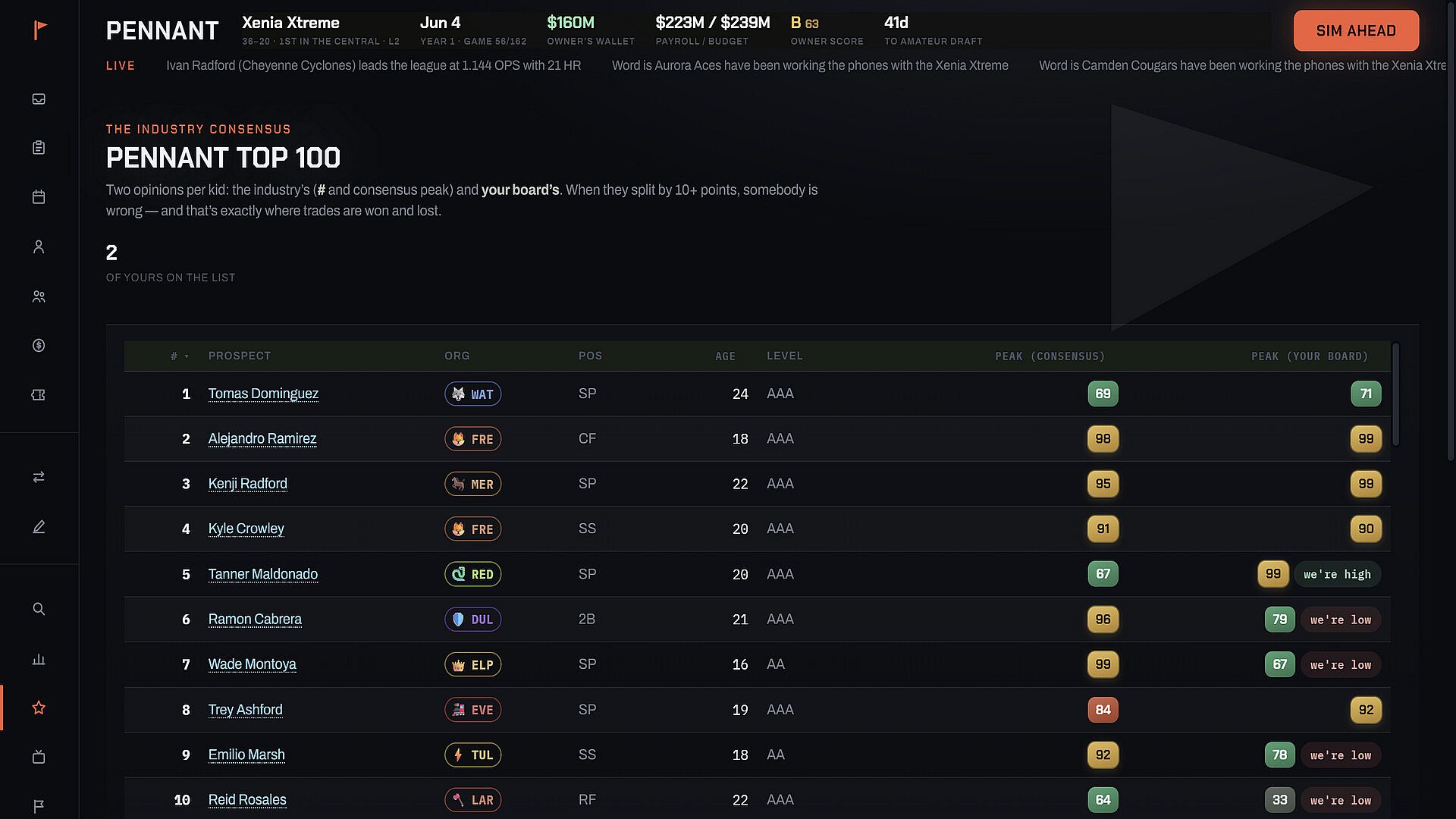
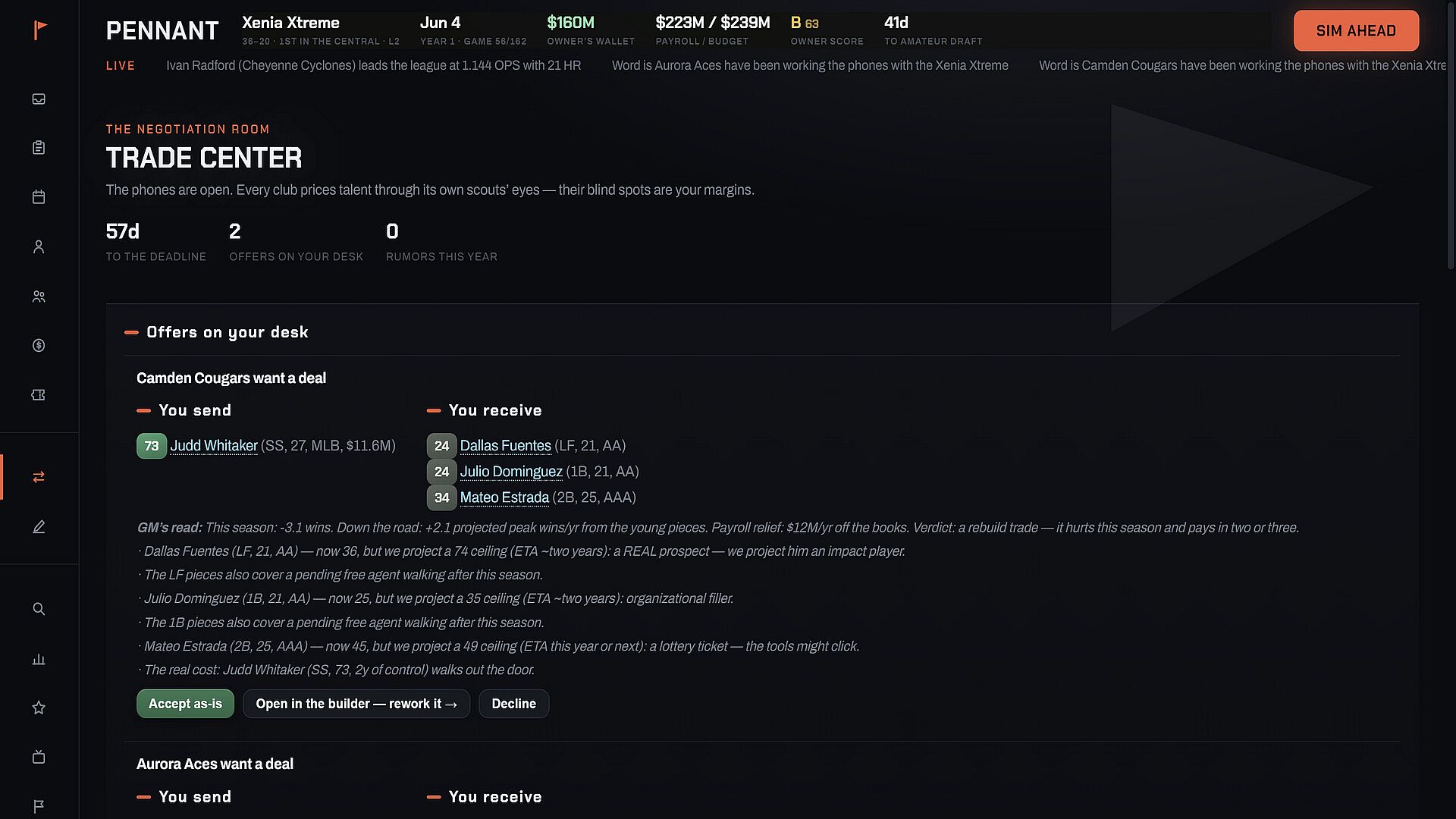
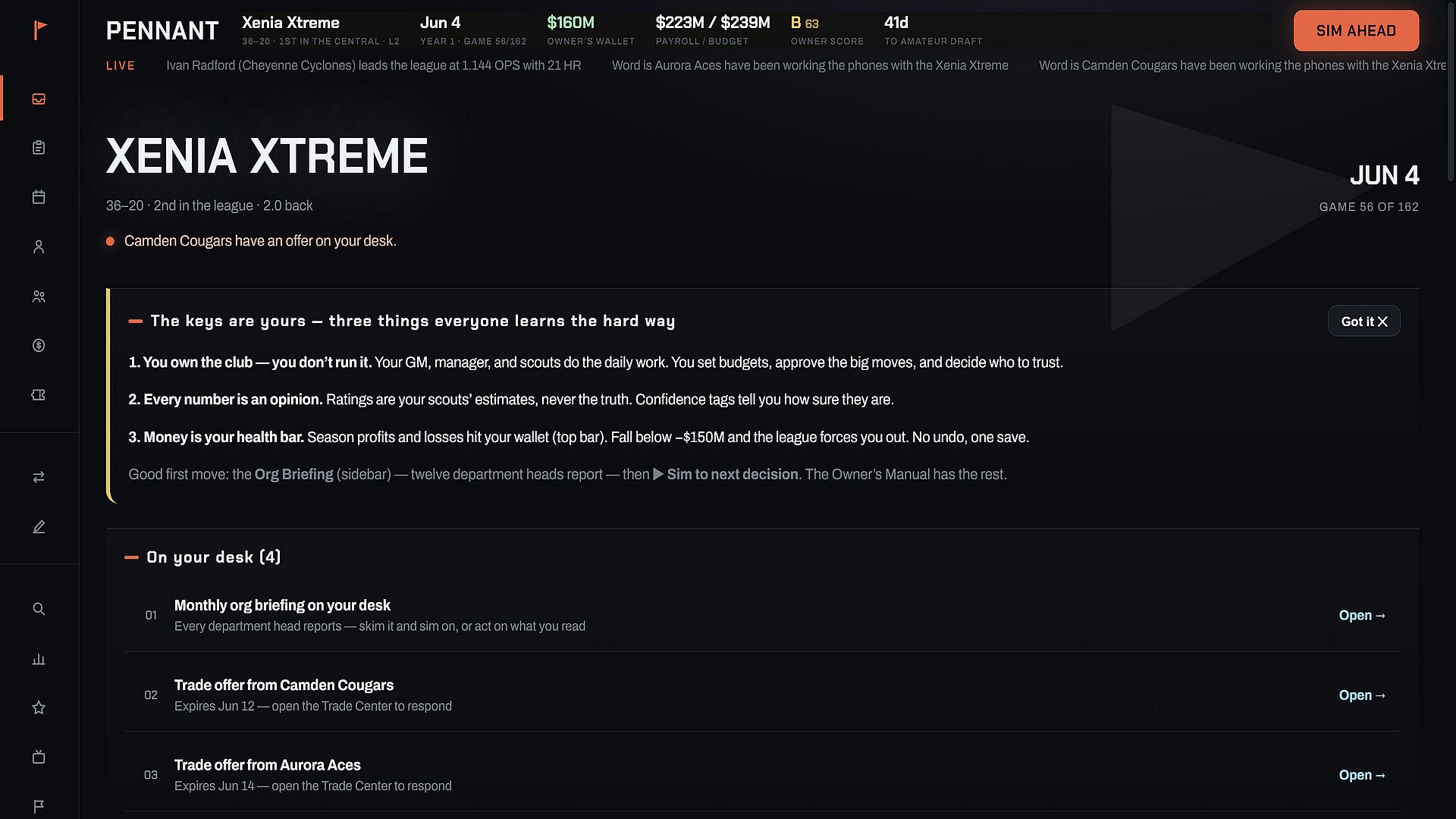
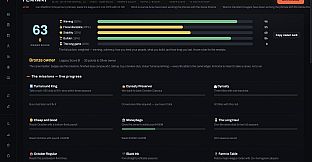
The core loop revolves around running an entire organization from the owner's perspective. Players purchase a franchise, either a high-cost big-market team or an affordable small-market one, and then oversee every aspect of the business and baseball operations. Front-office staff handle routine tasks, but key choices on trades, budgets, scouting hires, and directives remain with the owner. Scouting reports provide estimates rather than true player abilities, so hiring competent or overconfident staff directly affects roster quality and financial outcomes.
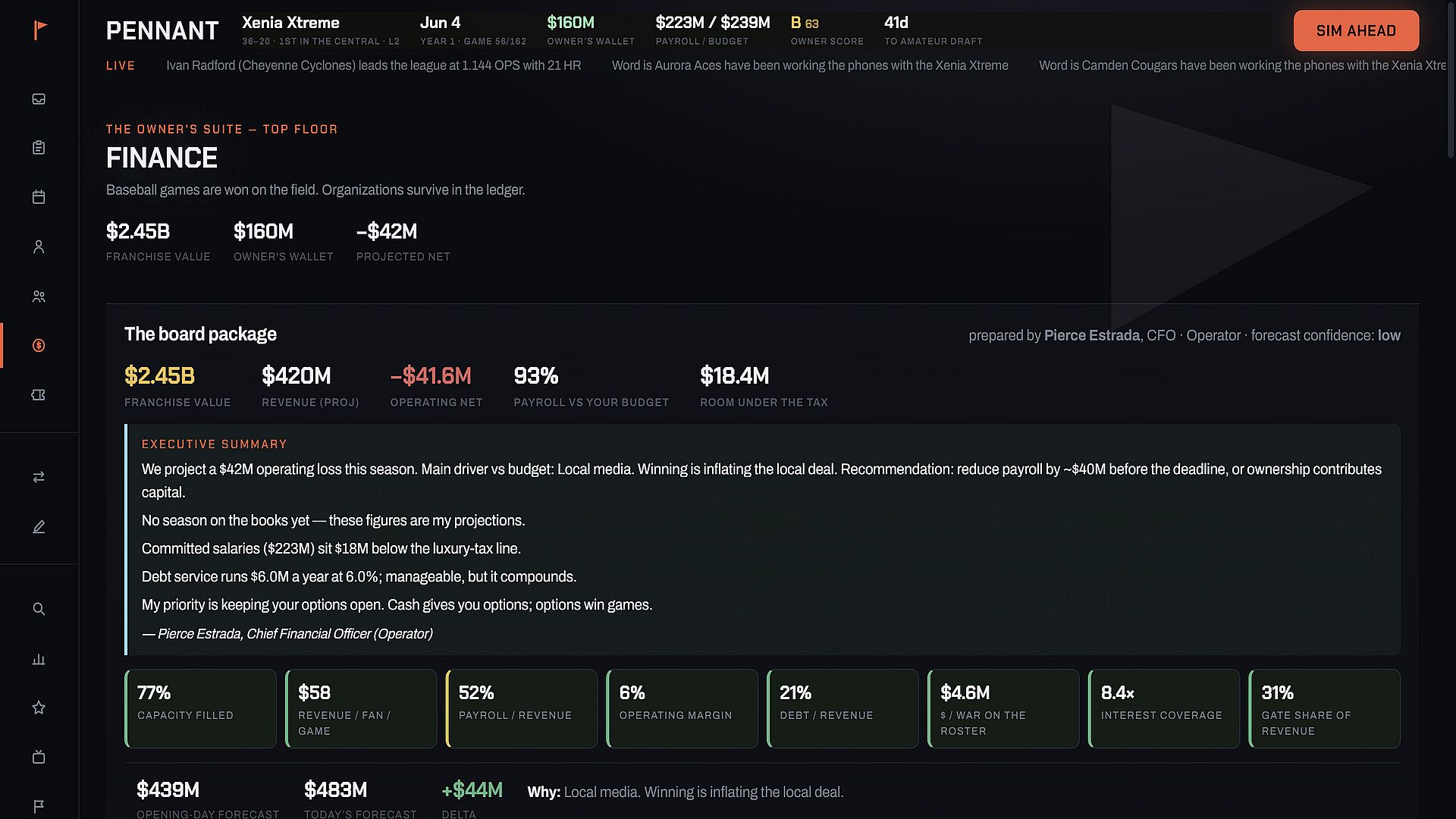
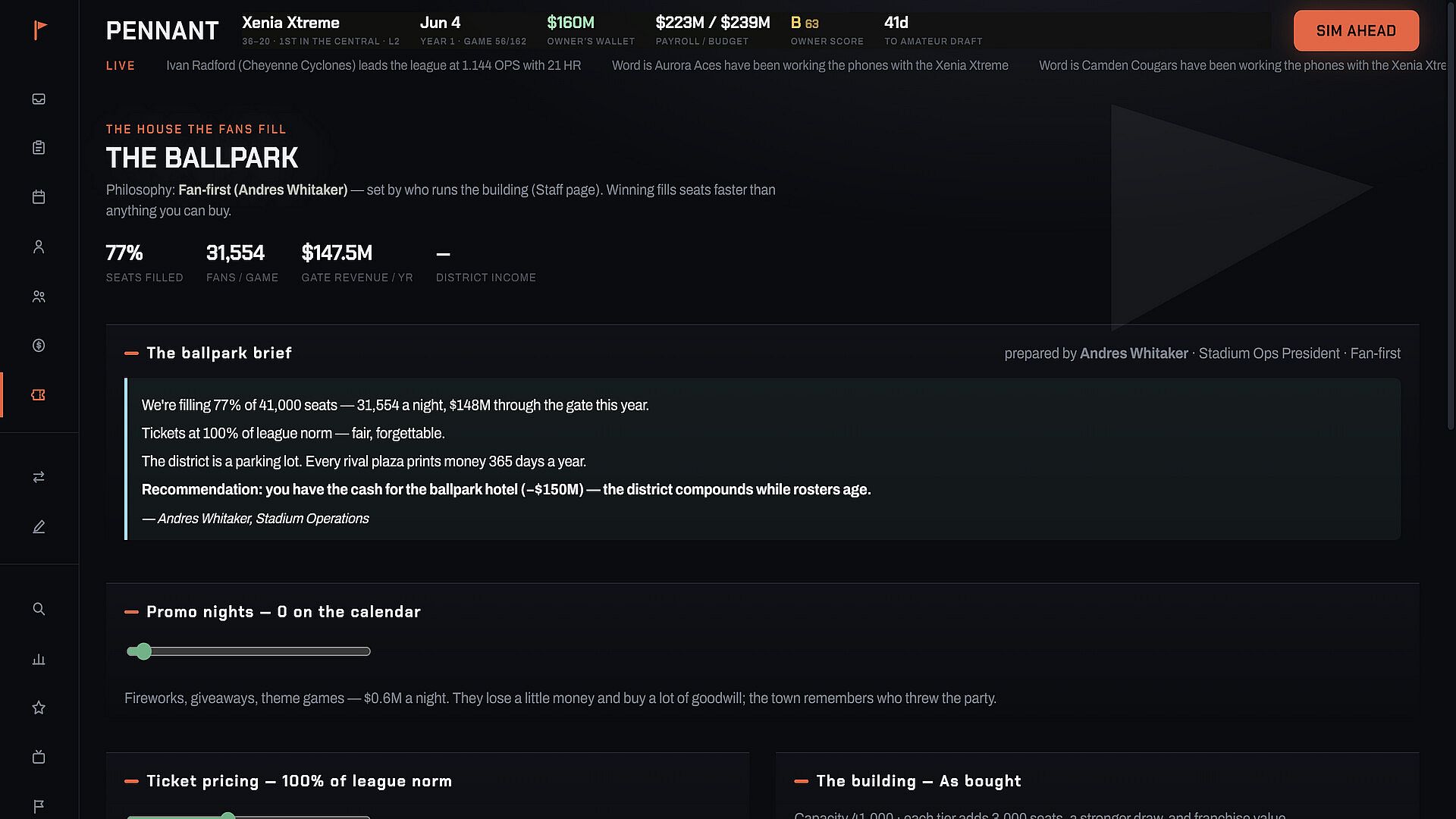
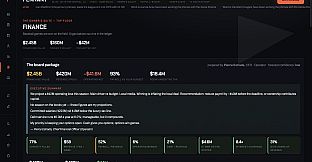
Money functions as the primary constraint and failure condition. Revenue from tickets, media, and sponsorships must cover payroll, luxury taxes, stadium projects, and debt. A full economic simulation runs alongside the on-field action, meaning strong performance does not guarantee solvency. The baseball engine itself is deterministic and validated against real MLB data, producing results from hidden player development curves, injury risks, and a living minor-league system that spans Rookie ball through AAA.
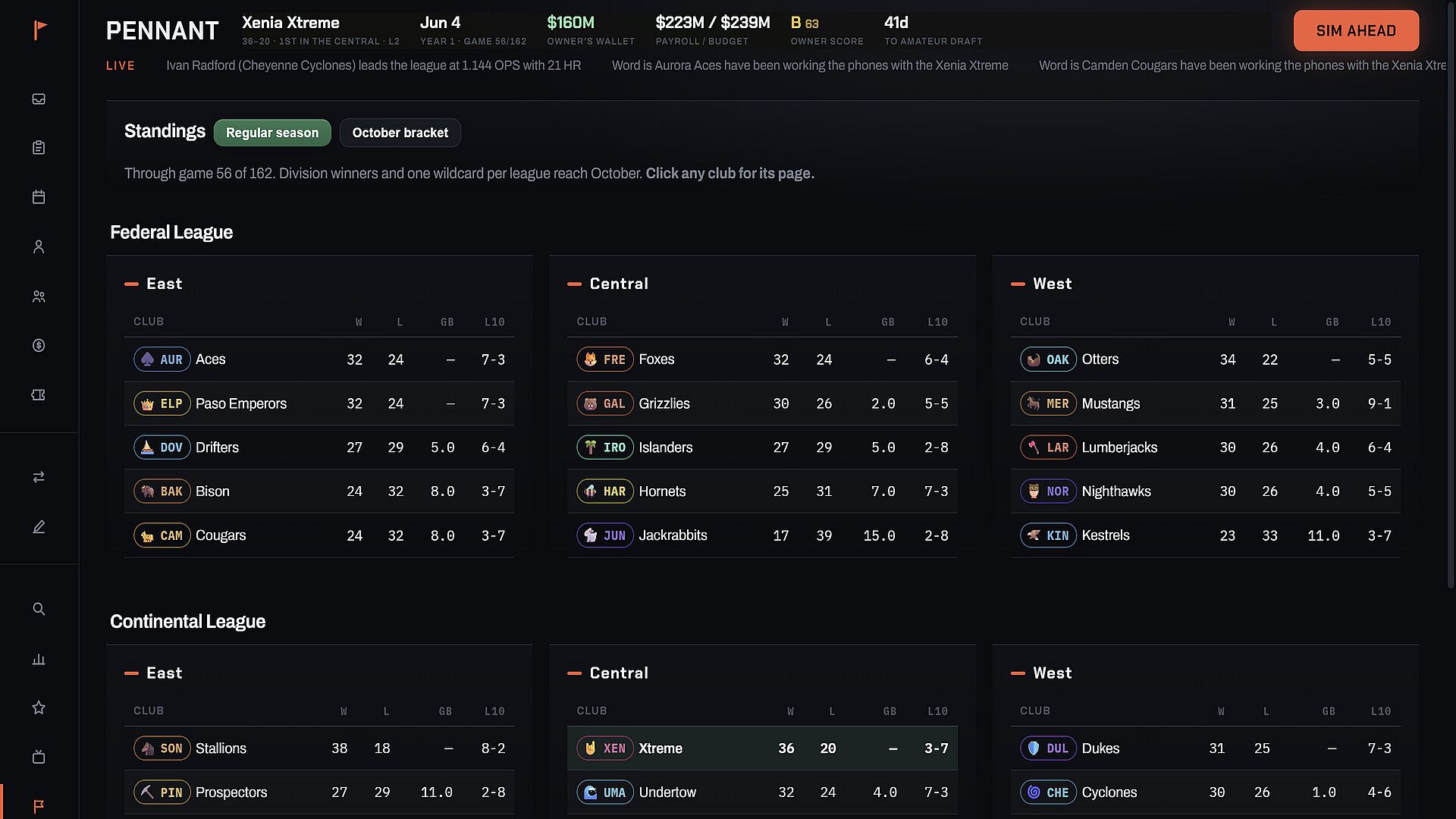
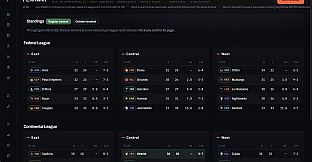
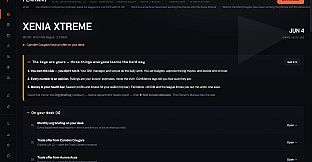
Each season follows a realistic calendar that includes international signings, spring training, the mid-season draft, the trade deadline, free agency, and postseason play. Pitcher win-loss records, batting titles, and award voting all emerge from actual simulated innings rather than scripted events. Twenty-nine AI-controlled owners manage the remaining teams with their own goals, creating dynamic league-wide competition.
Game Modes
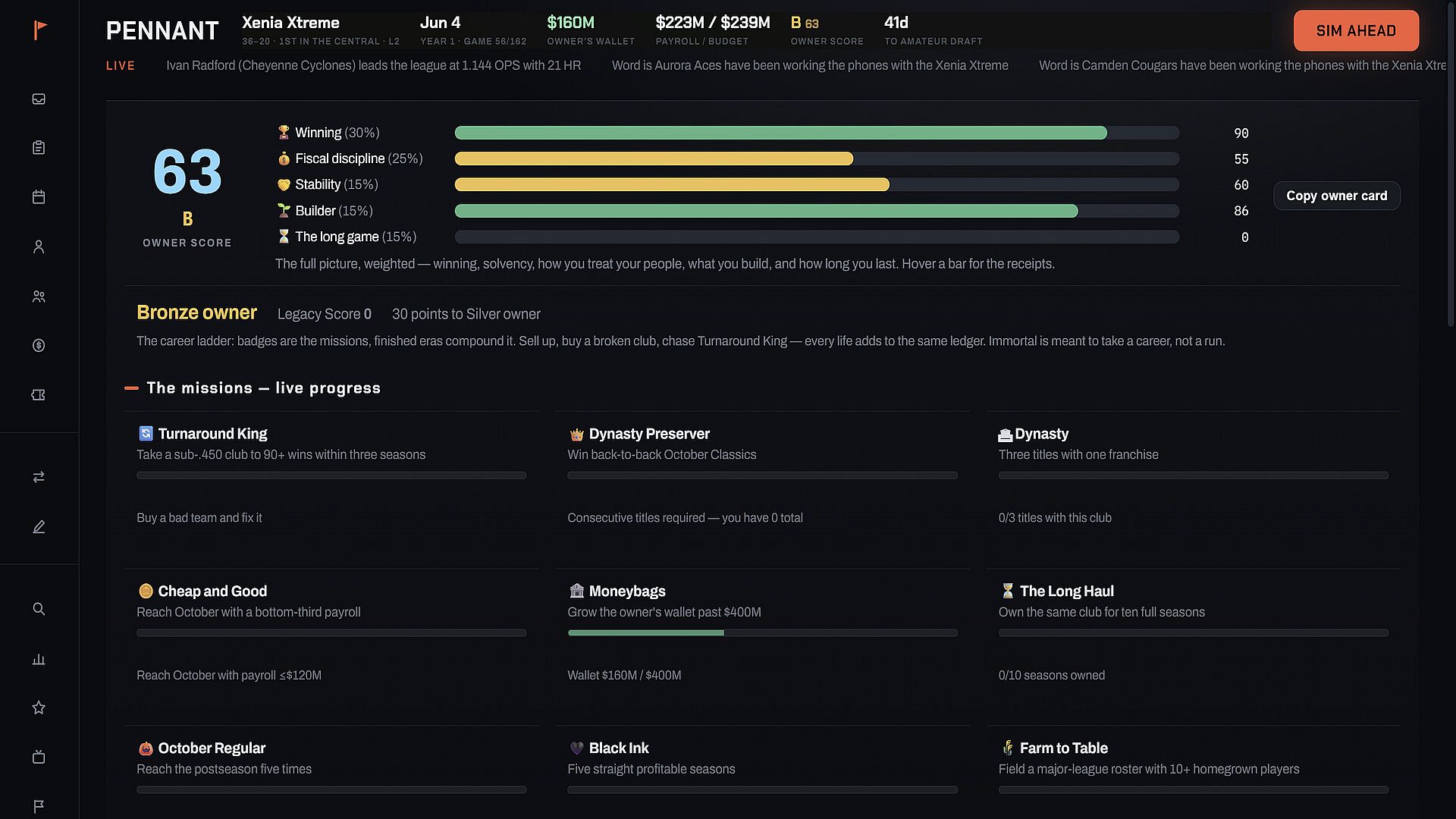
Two distinct entry points exist. Classic mode supports an open-ended owner career across multiple franchises, where decisions carry forward and a persistent career grade tracks overall performance. Situations mode delivers focused scenarios that impose specific strategic constraints, such as turning around a struggling club or executing a deliberate rebuild.
Both modes operate under roguelike rules with a single ironman save per owner life. Trades, hires, and financial commitments cannot be undone, and bankruptcy ends the run. The Hall of Owners preserves records of both successful dynasties and complete failures for later review.
The Owner's Responsibilities
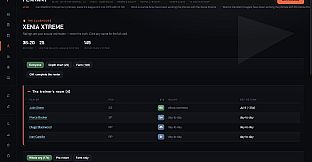
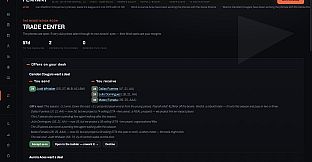
Twelve staff positions report directly to the owner, including the general manager, chief financial officer, scouting director, farm director, manager, and analytics personnel. Each staff member performs according to their actual abilities, which players discover through results rather than upfront ratings. Budget meetings with the CFO set payroll limits, while the GM presents trade proposals that reflect their own judgment. The manager sets lineups, though the owner can offer input on specific decisions.
Franchise acquisition allows either outright purchase or financing that carries ongoing debt service. Small-market teams offer lower entry costs but tighter budgets, while big-market options require substantial capital yet provide greater revenue potential. A 20-round draft with bonus pools and international signings supply talent for the farm system, where prospects develop or stall based on hidden attributes.
Is It Worth Playing?
This title suits players who enjoy deep, text-driven management simulations and accept permanent consequences for every decision. The combination of financial accountability, imperfect information from scouting, and ironman career progression creates a high-stakes experience focused on long-term strategy rather than quick matches. Seventeen Steam achievements provide additional goals, and the generated universe ensures each playthrough produces unique stories. Those who prefer visual gameplay or reversible saves will likely find the roguelike structure and emphasis on spreadsheets and reports too demanding. Early Access status means the simulation and systems continue to receive refinements, but the core owner-focused loop is already fully present for fans of baseball business simulations.











