




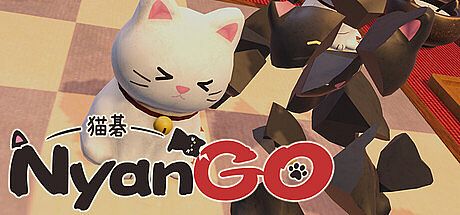



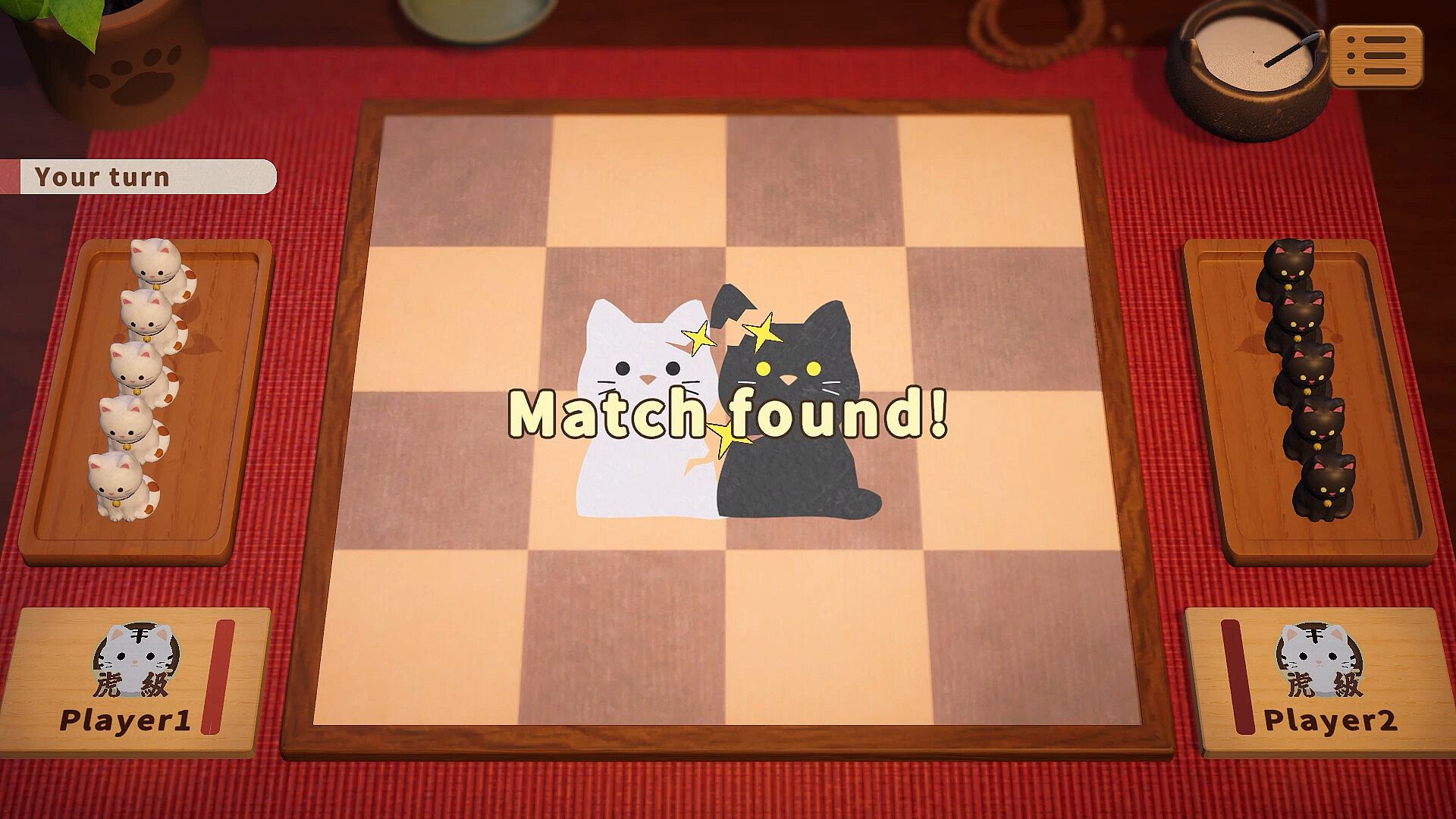
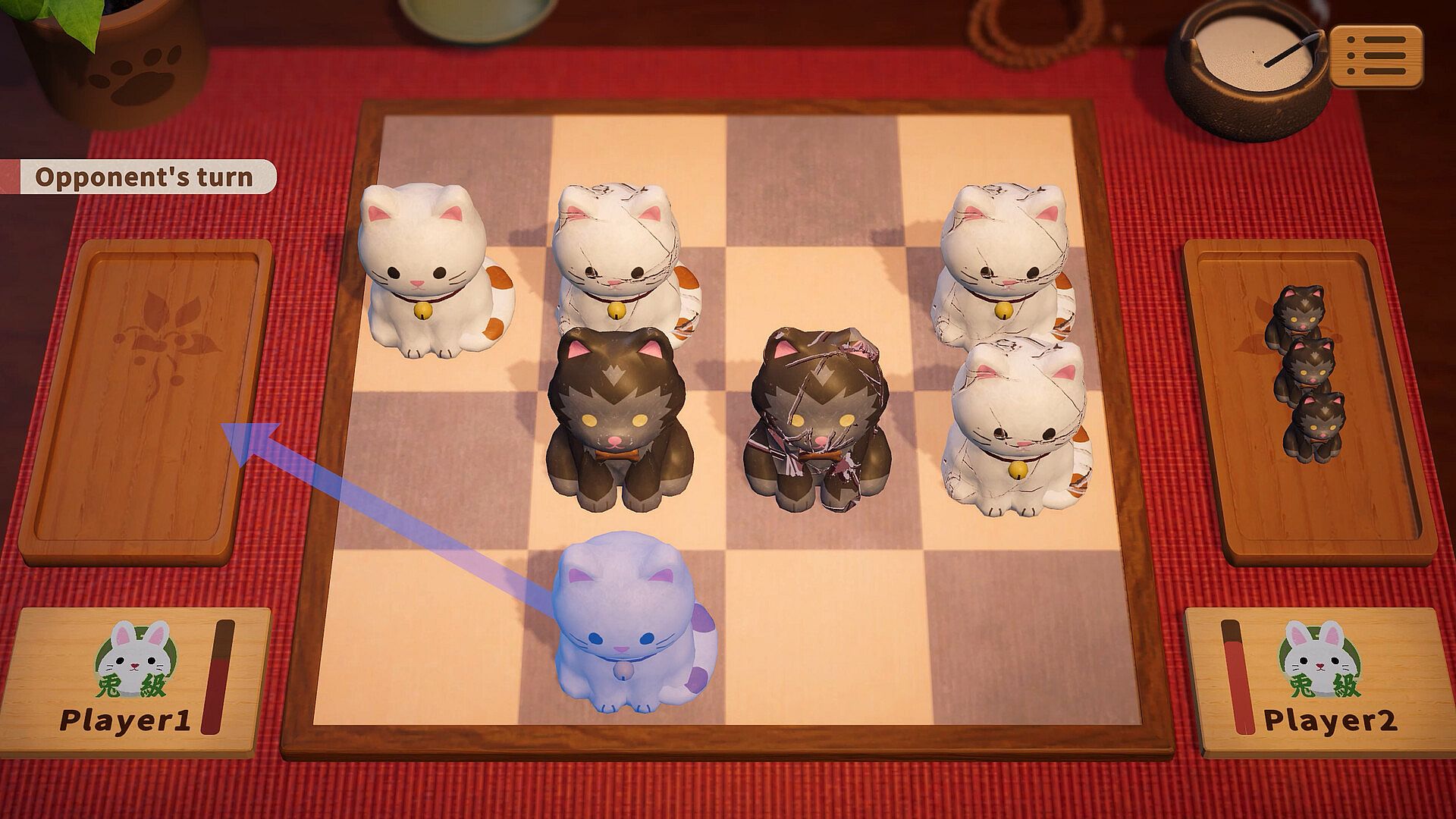
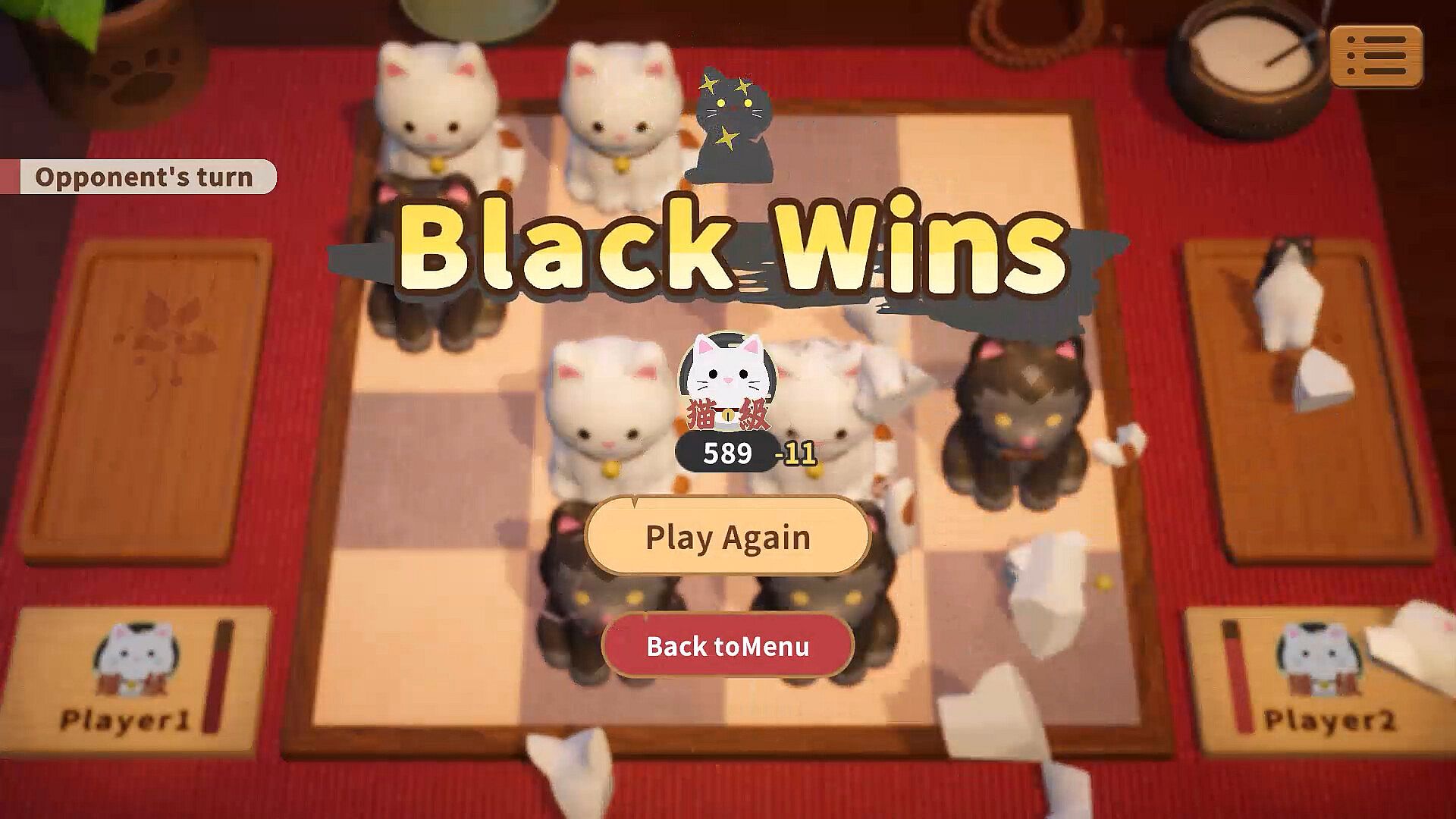
NyanGo stands out as an indie casual board game on PC that blends familiar strategy elements with unique pushing mechanics. Players control a small set of cat pieces on a 4x4 board, aiming to outmaneuver opponents through placement, movement, and direct confrontation. The compact size keeps sessions quick while the rules allow for layered decisions that reward careful planning.
Gameplay
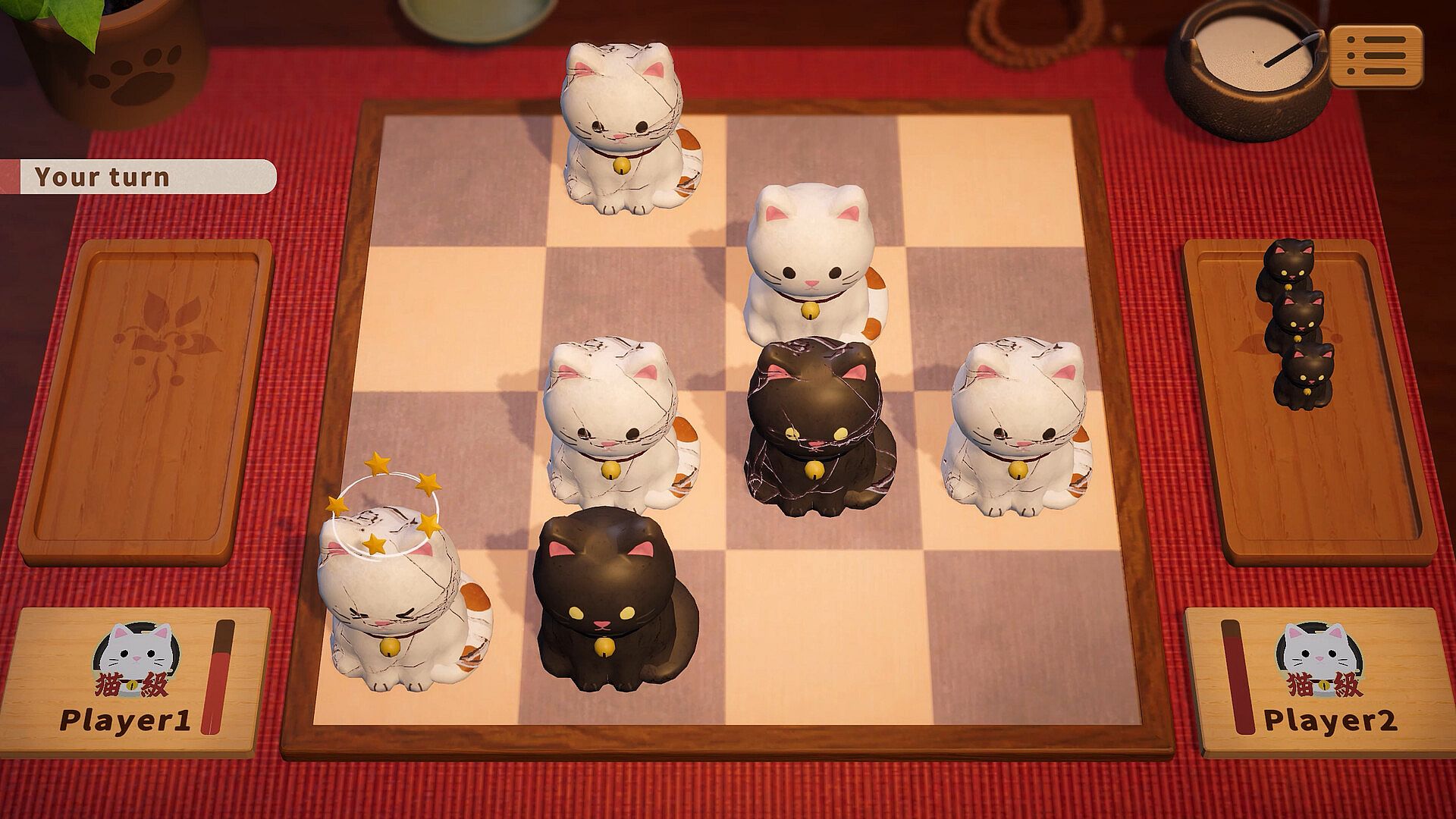
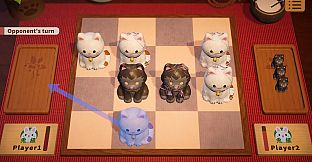
The core loop revolves around three actions available each turn. A player can place a cat from their hand onto an empty square, move an existing cat one space in any cardinal direction while pushing any piece in the path, or take back one cat to their hand once all five are deployed. These options create constant tension because movement directly affects positioning and can force reactions from the opponent.
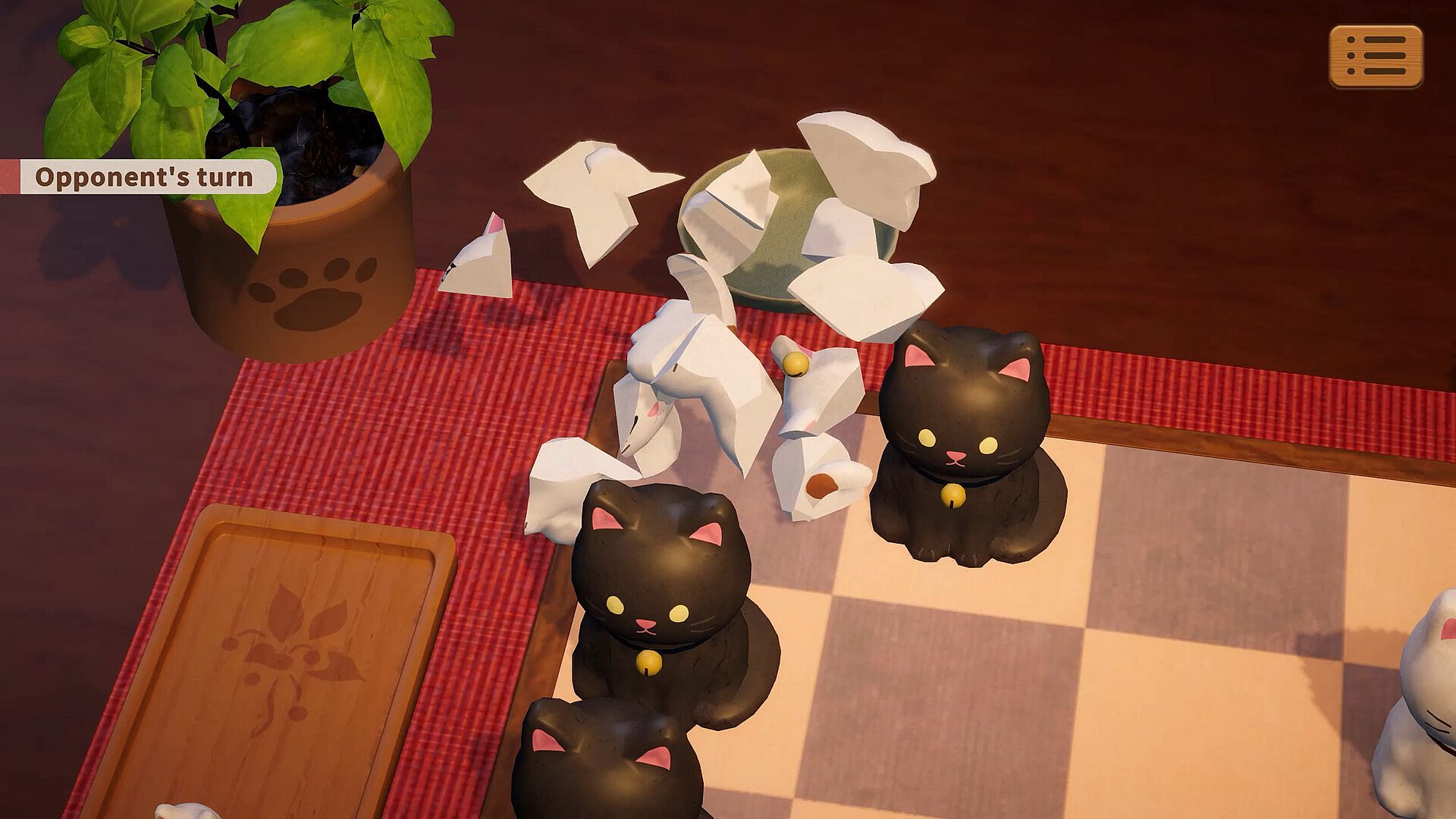
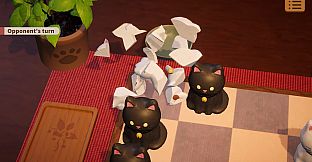
Pushing introduces a stun system that adds depth without complicating the basics. Any cat pushed becomes stunned and cannot move or be taken back on the opponent's next turn. Repeated stuns accumulate cracks on a piece, and three total stuns cause it to shatter, ending the game immediately for that player. This mechanic turns every push into a dual-purpose tool for both offense and area control.
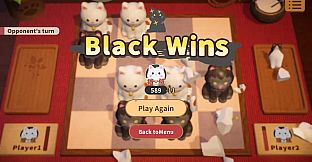
Victory conditions focus on two paths. One involves surrounding an opponent's cat or connected group completely using your own cats and the board edges. The other relies on shattering pieces through accumulated stuns. The small board ensures that a single sequence of moves can dramatically shift control, encouraging players to anticipate several steps ahead in both placement and pushing exchanges.
Game Modes
Random Match supports ranked online play where participants climb through tiers labeled Rabbit, Cat, Tiger, Wolf, and Ox Class. Passcode Match allows direct matches against friends by sharing a code for private sessions. Level Challenge provides offline CPU opponents with progressively tougher stages for solo practice or progression.
Local 2-Player mode uses hot seat turns on one PC, while Remote Play Together extends this to distant friends sharing the same setup. These options cover both competitive online ladders and casual local or remote gatherings without requiring additional hardware.
Unlockables expand visual variety. Starting pieces feature standard cats, and new designs such as Rabbit, Tiger, Wolf, and Ox variants become available through Level Challenge completion or rank advancement in online modes.
Key Mechanics and Strategy
The stun and shatter system differentiates NyanGo from pure placement games. Players must weigh the benefit of pushing an opponent into a vulnerable spot against the risk of exposing their own pieces to counter pushes. Taking back a cat offers flexibility for repositioning but only after full deployment, which forces early commitment to the board.
Surrounding wins emphasize control of key squares and edge usage, while shatter wins reward sustained pressure through repeated impacts. The 4x4 grid limits long-term setups, so games often hinge on mid-turn adjustments and reading the opponent's likely responses to pushes.
Supported languages include Japanese, Simplified Chinese, and English, making the experience accessible across regions. The rules require only minutes to grasp, yet the interplay of actions supports repeated play without repetition in outcomes.
Is It Worth Playing?
NyanGo suits players who enjoy quick strategy sessions with a light theme and competitive edge. Its indie casual focus keeps the experience approachable for newcomers to board games while the push and stun layers provide enough tactical variety for repeated matches. The mix of online ranked progression, offline CPU challenges, and local or remote multiplayer covers different preferences without added complexity.
Those drawn to compact abstract games with direct interaction will find the mechanics engaging, especially the way every move influences the entire board state. Availability across single-player and multiplayer formats supports both solo improvement and social play. The game remains in a pre-release state with no public player reviews or ratings available yet, so expectations should center on the described systems rather than community sentiment.












