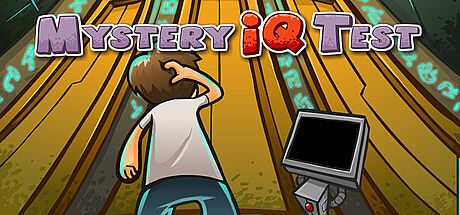


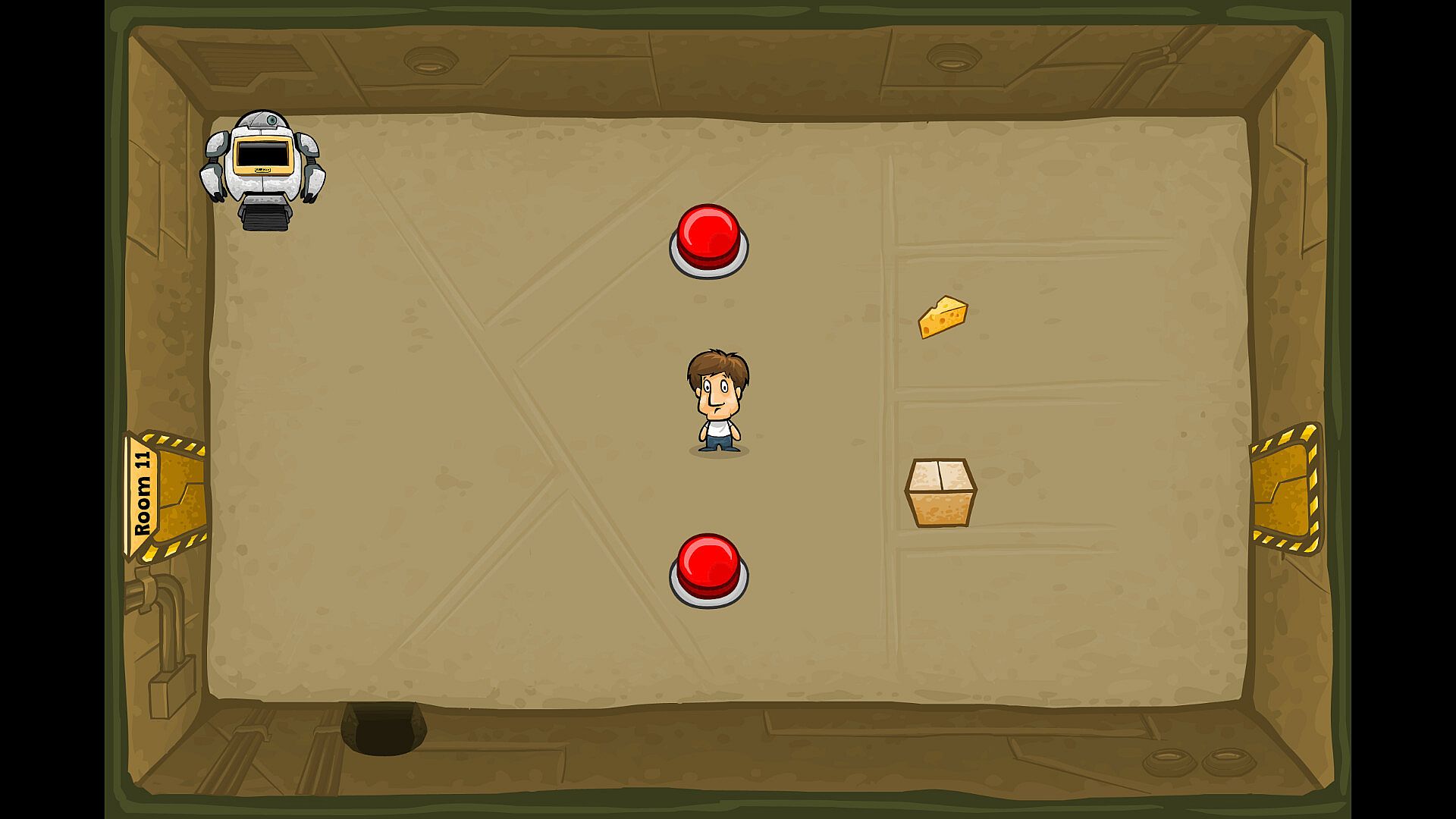
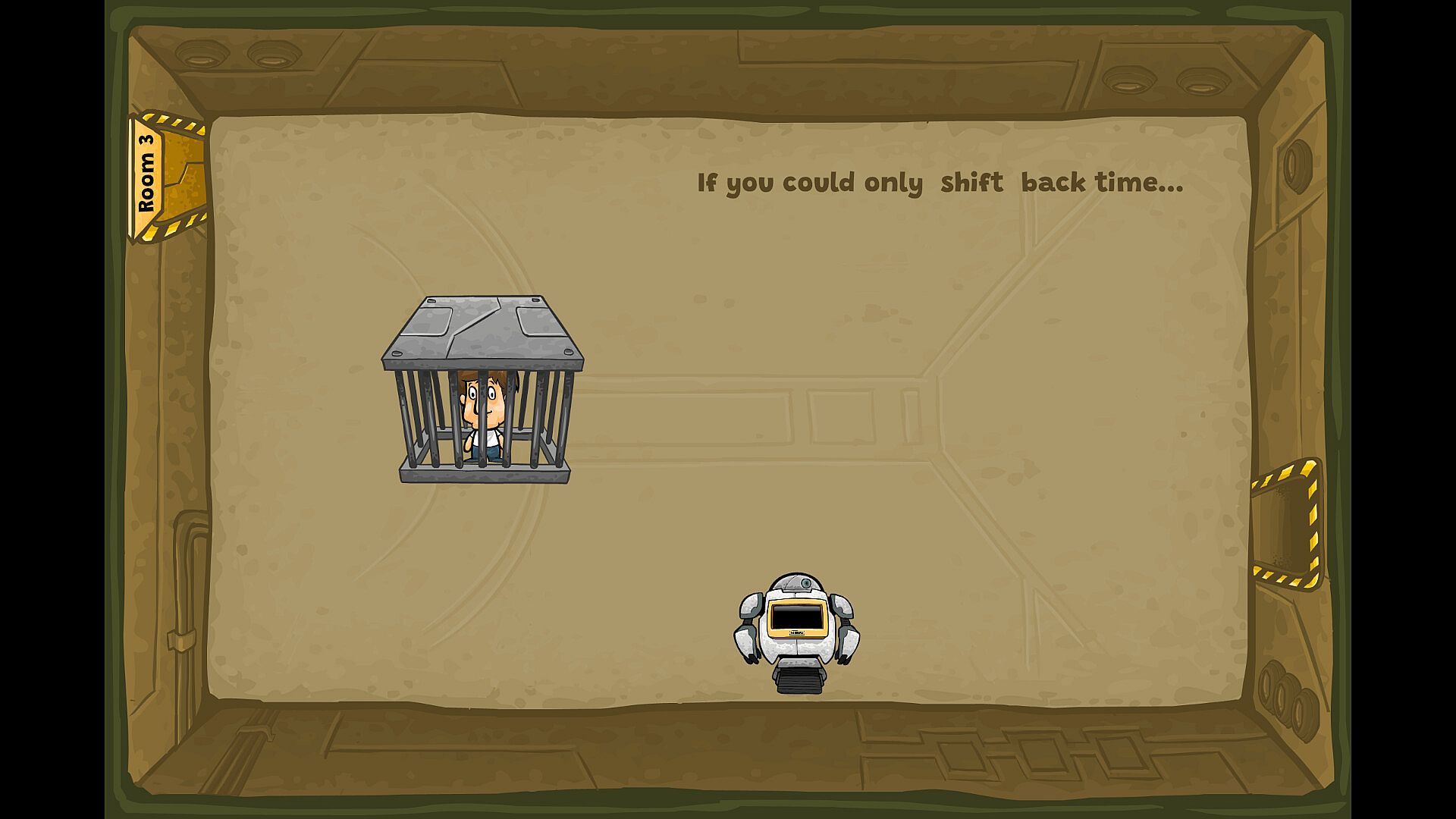
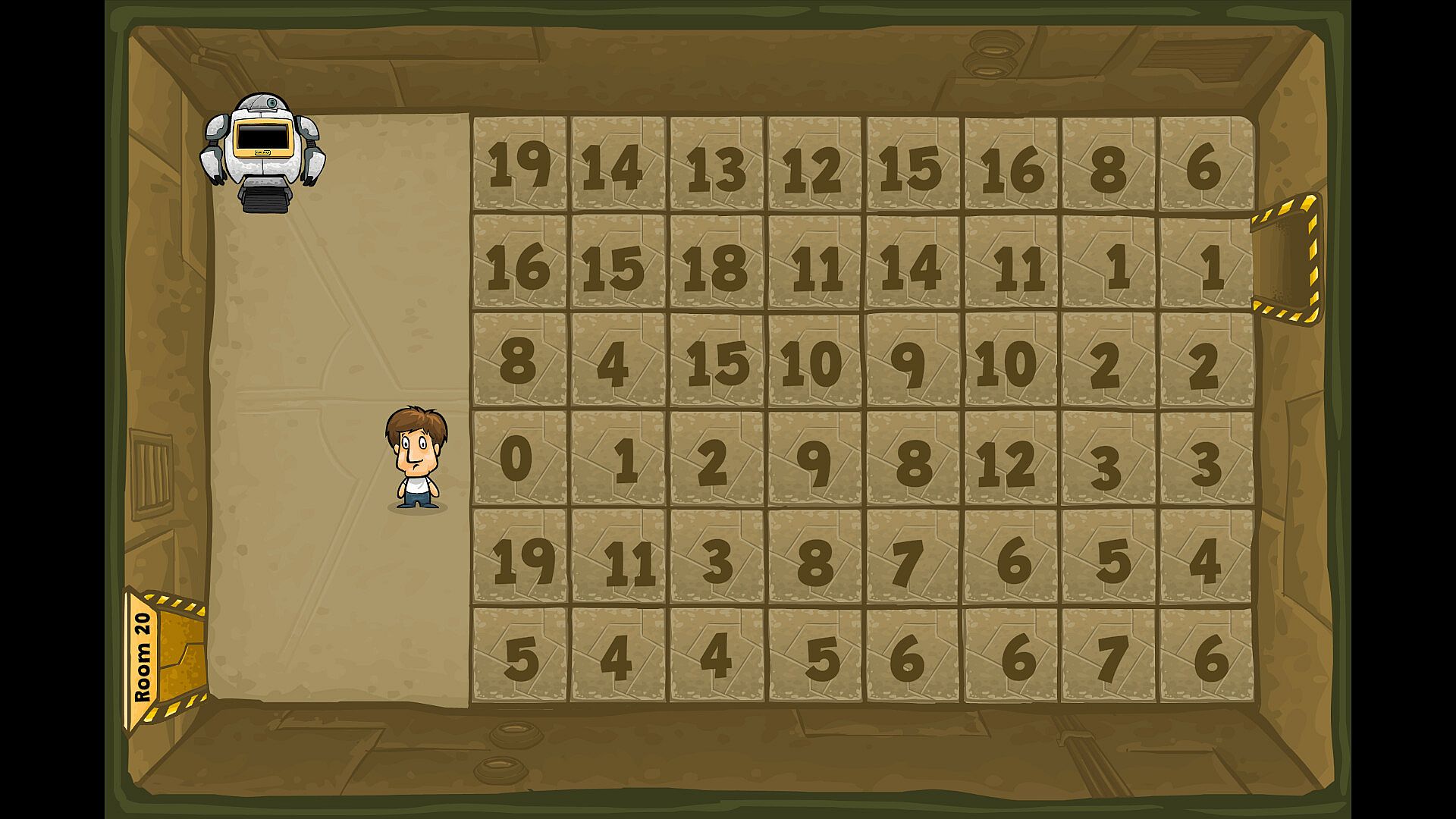
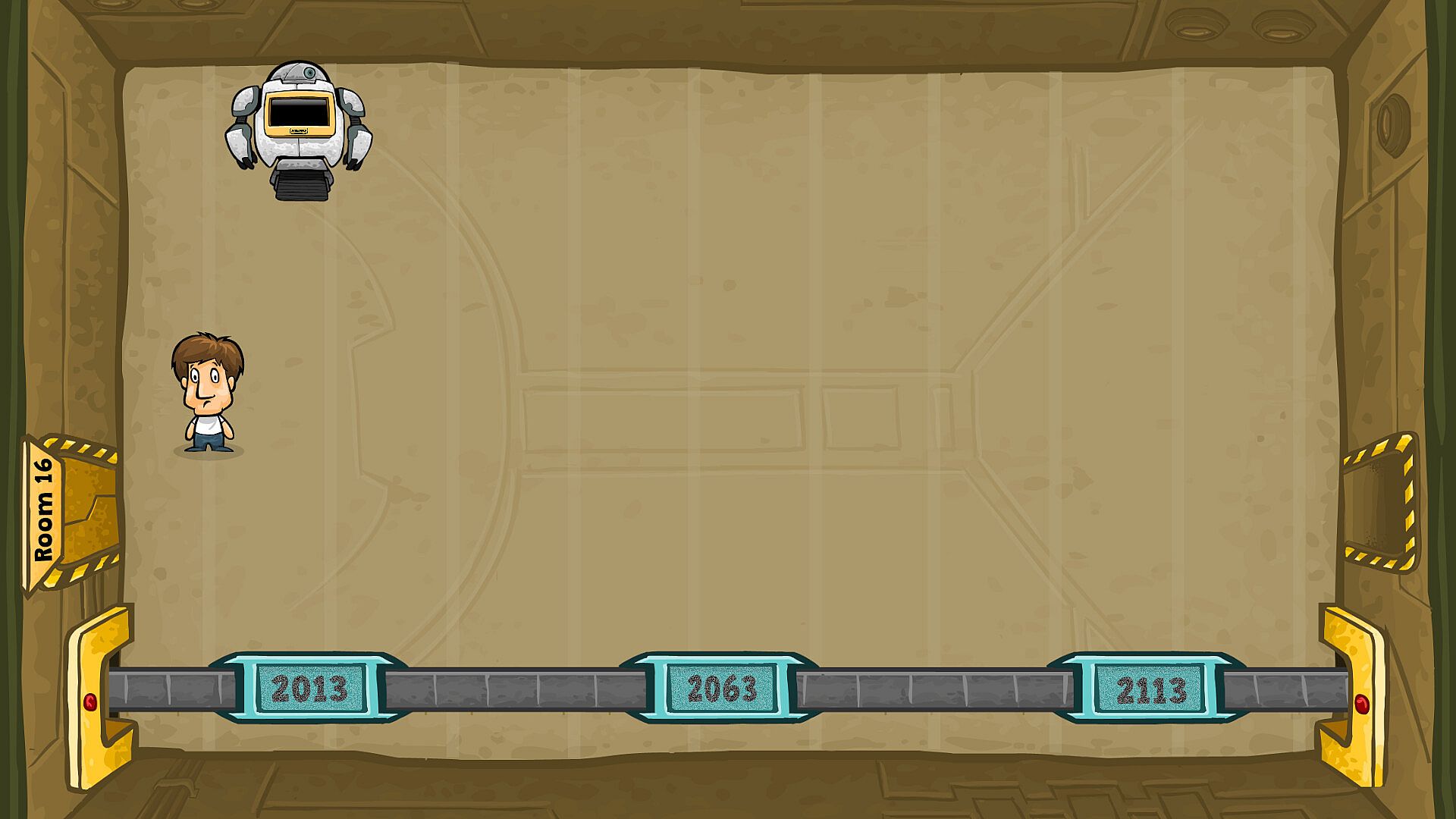
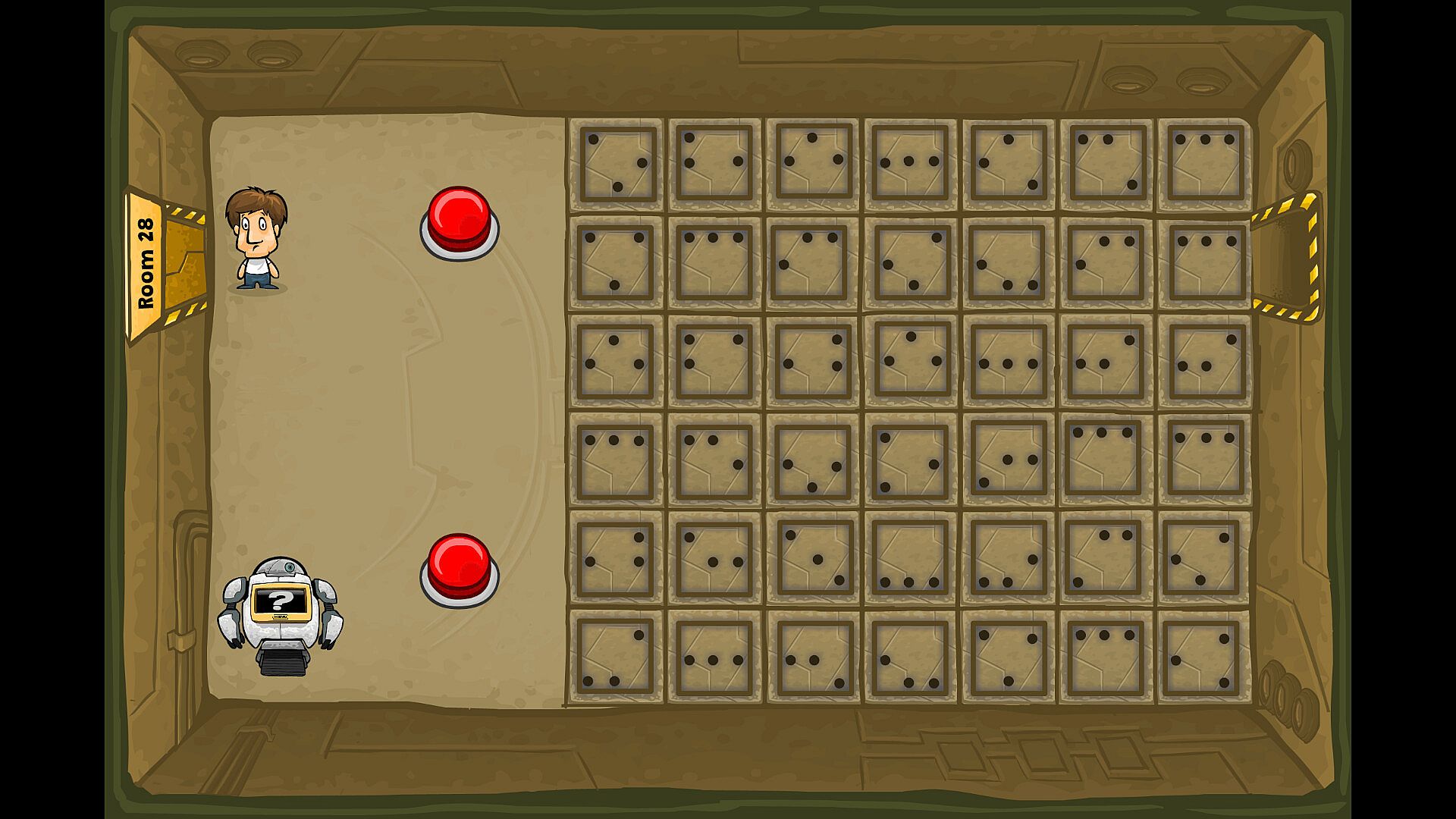
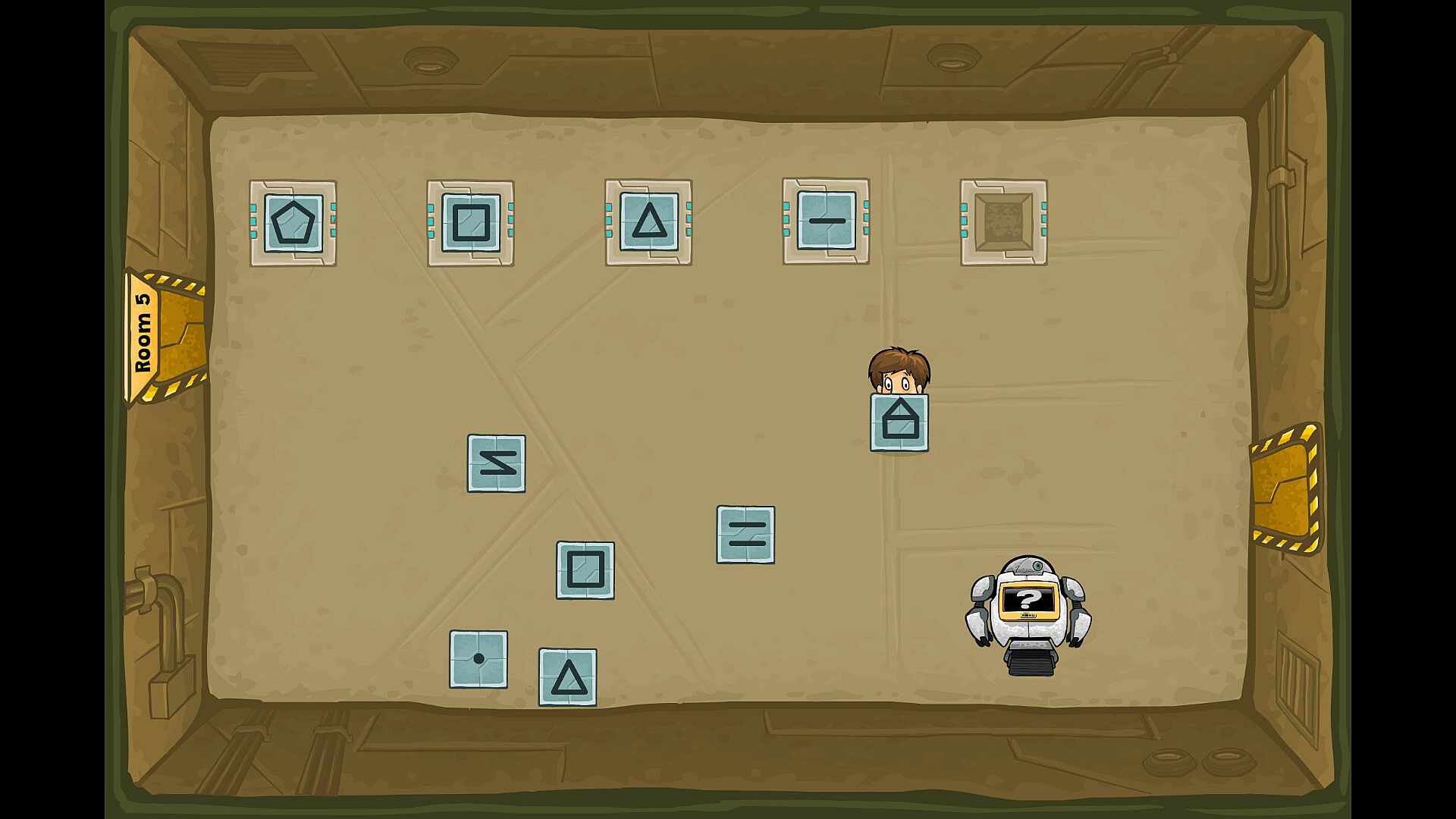
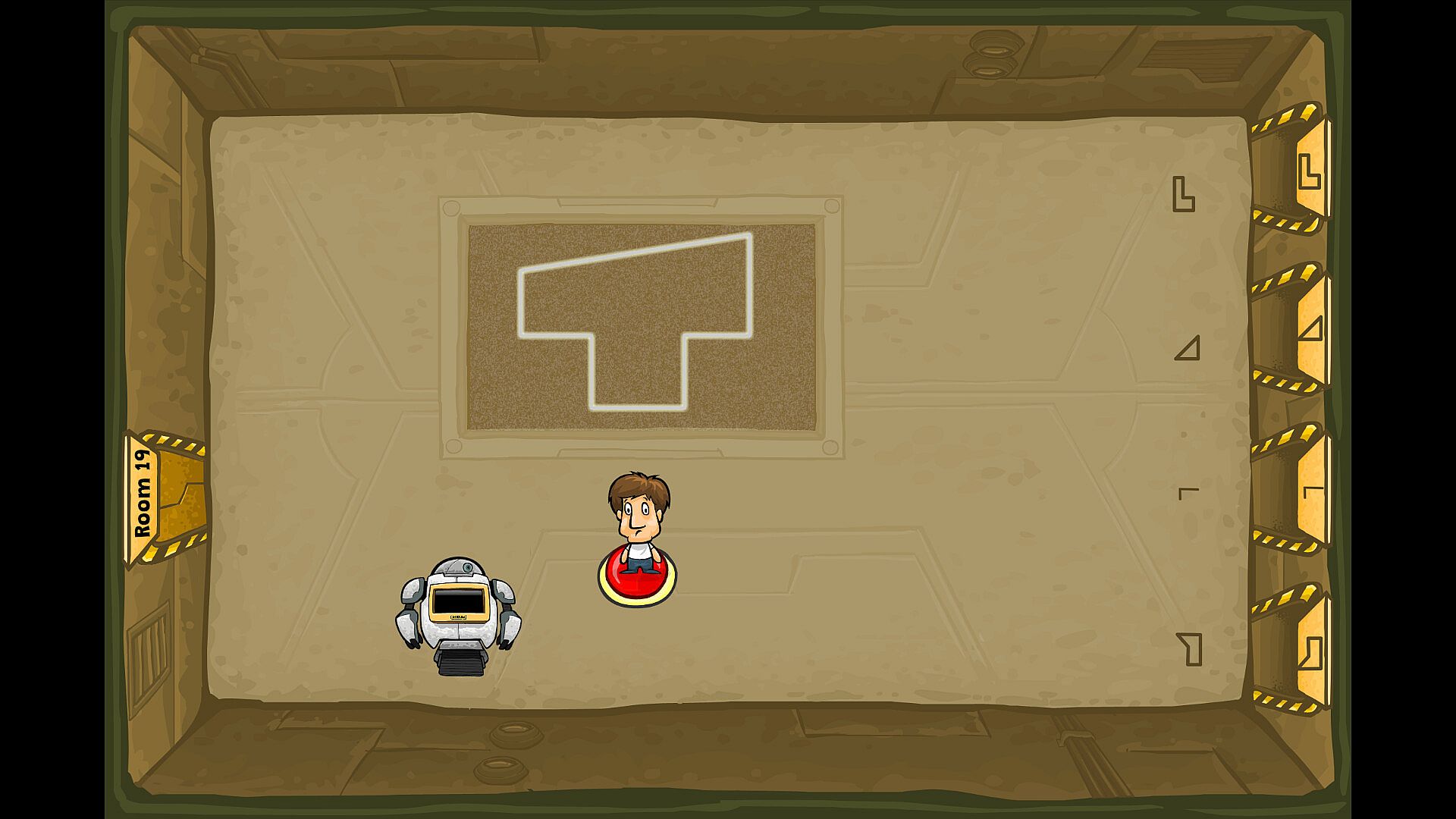

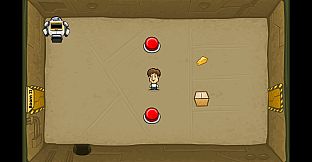
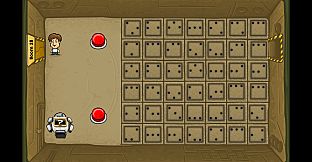
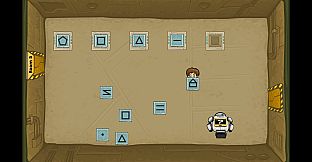
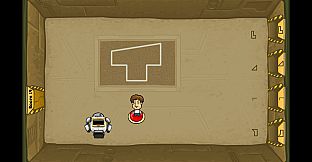
Mystery IQ Test is an indie casual puzzle game for PC in which players navigate a series of rooms filled with deceptive doors and environmental tricks designed to test observation and logic skills. The premise places the player in an unfamiliar location after waking up to a note that explains an intelligence evaluation is underway, with escape possible only by selecting the correct door in each room while avoiding penalties that reduce an IQ score.
Gameplay
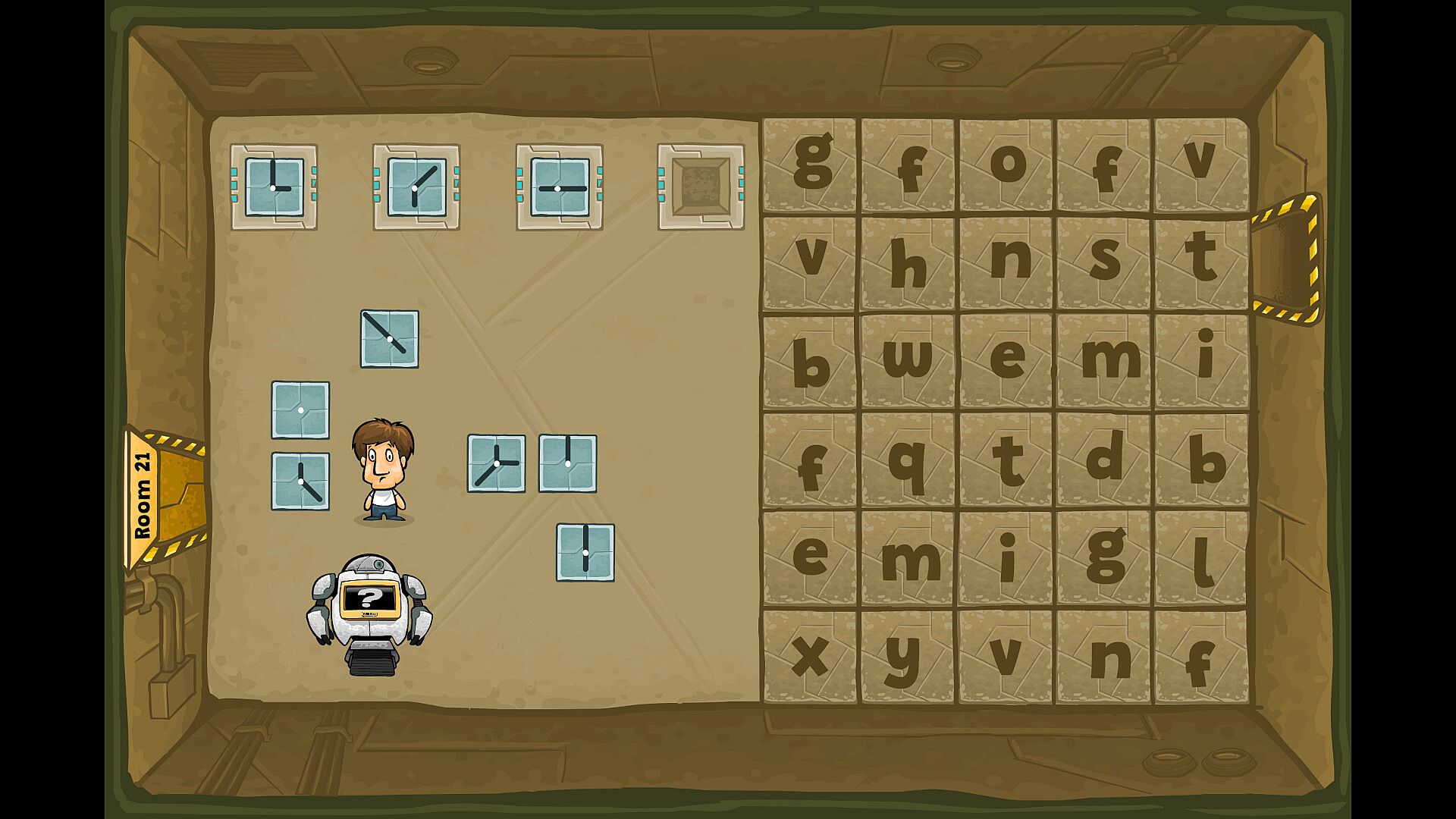
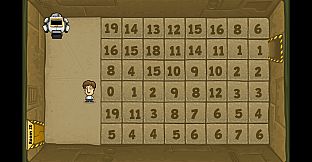
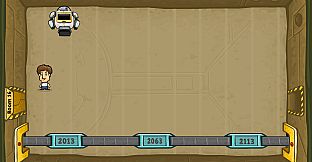
The core loop centers on exploring compact rooms where one door leads forward and the others deduct IQ points. Puzzles rely on close inspection of the surroundings rather than complex controls or timers. Some rooms require counting specific objects or patterns, others involve altered lighting that obscures details, reversed controls that demand mental adjustment, or misleading visual cues that players must see through. Every solution exists visibly within the room itself, rewarding careful attention over external knowledge or trial-and-error guessing.
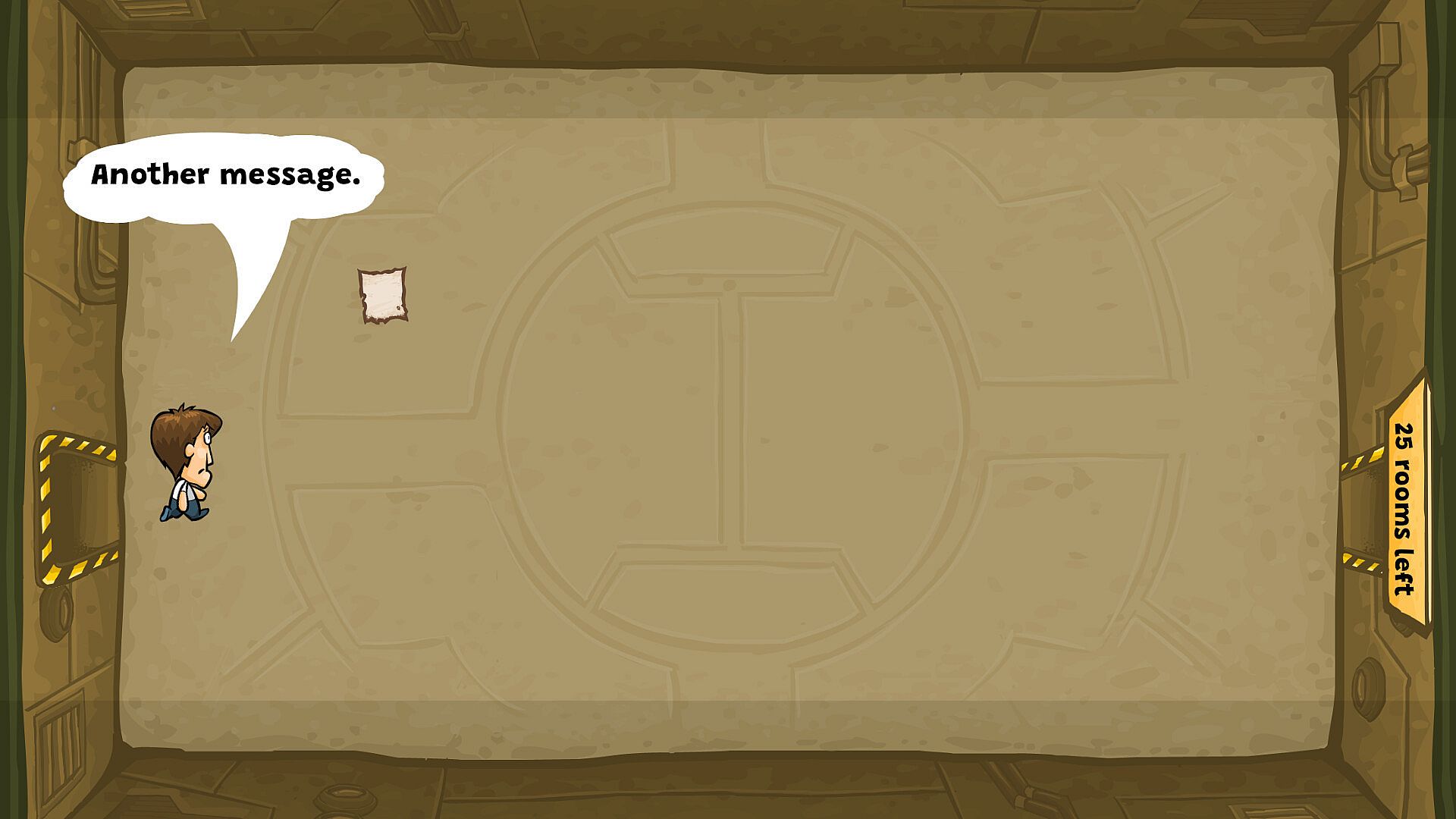
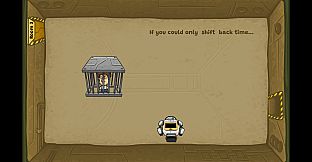
Progression moves through 30 puzzle rooms divided across six chapters. Between chapters, players enter a safe room where the current IQ score is displayed and minor story elements provide context about the situation. A help robot offers hints or complete solutions at a cost in IQ points, encouraging players to attempt solutions independently before spending resources. The experience emphasizes short, focused sessions that highlight varied puzzle types such as spatial awareness, simple counting tasks, and control manipulation.
The game is a remake of a 2013 Flash title, preserving the original hand-drawn artwork now rendered sharply at any resolution. Modern additions include full gamepad support and compatibility with Steam Deck, allowing comfortable play across different input methods without altering the puzzle design.
Game Modes
Three difficulty levels shape the experience from the start. Safe mode provides a gentler point system that reduces the penalty for mistakes, while Challenging mode applies stricter scoring that demands more precise play. An intermediate level sits between these options, offering a balanced approach for players who want moderate pressure without the highest stakes. Each level affects how IQ points are gained or lost but does not change the underlying puzzles or room layouts.
Single-player focus remains consistent across all modes, with no additional game modes or variations beyond the difficulty selection and the built-in hint system. The final score at the end of the game serves as the primary measure of performance, though the title notes that this result should not be compared directly to professional IQ assessments.
Features and Presentation
Thirteen Steam achievements reward both standard completion and optional silly actions, adding light replay incentive for those who enjoy exploring every possibility. The game supports 17 languages, making the text and instructions accessible to a broad audience. Story scenes appear between chapters in the safe rooms, providing brief narrative context without interrupting the puzzle flow.
Controls stay simple throughout, relying on movement and interaction that adapt to keyboard, mouse, or gamepad. The hand-drawn style maintains a consistent, approachable aesthetic that fits the casual puzzle tone while benefiting from the updated resolution support in the remake.
Is It Worth Playing?
Mystery IQ Test suits players who enjoy short, observation-driven puzzle experiences that emphasize noticing details over fast reflexes or extensive grinding. The three difficulty options allow customization of the challenge level, and the hint robot provides a safety net for those who get stuck without forcing progression. As a remake, it delivers the original 30-room structure with improved technical support for modern hardware and input devices.
Reception for the original version highlighted the variety of puzzle types and the satisfying sense of discovery when spotting solutions, though some noted the puzzles lean toward the accessible side. The current version preserves that focus while adding quality-of-life improvements. Those seeking a compact single-player puzzle title with clear progression and a final score summary will find a straightforward match, particularly if they appreciate environmental trickery and logical deduction in bite-sized rooms.