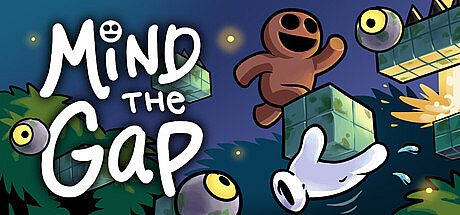


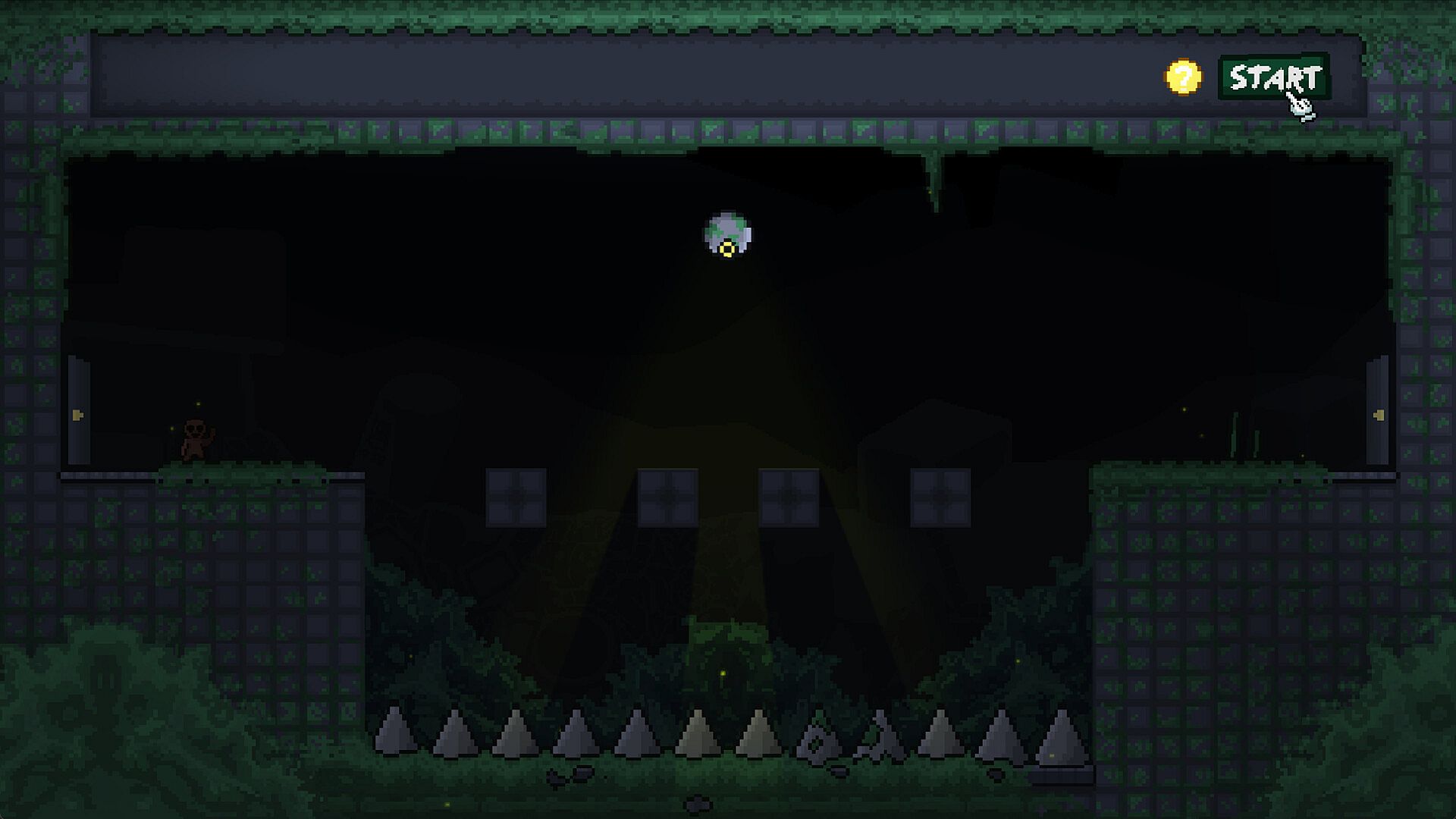
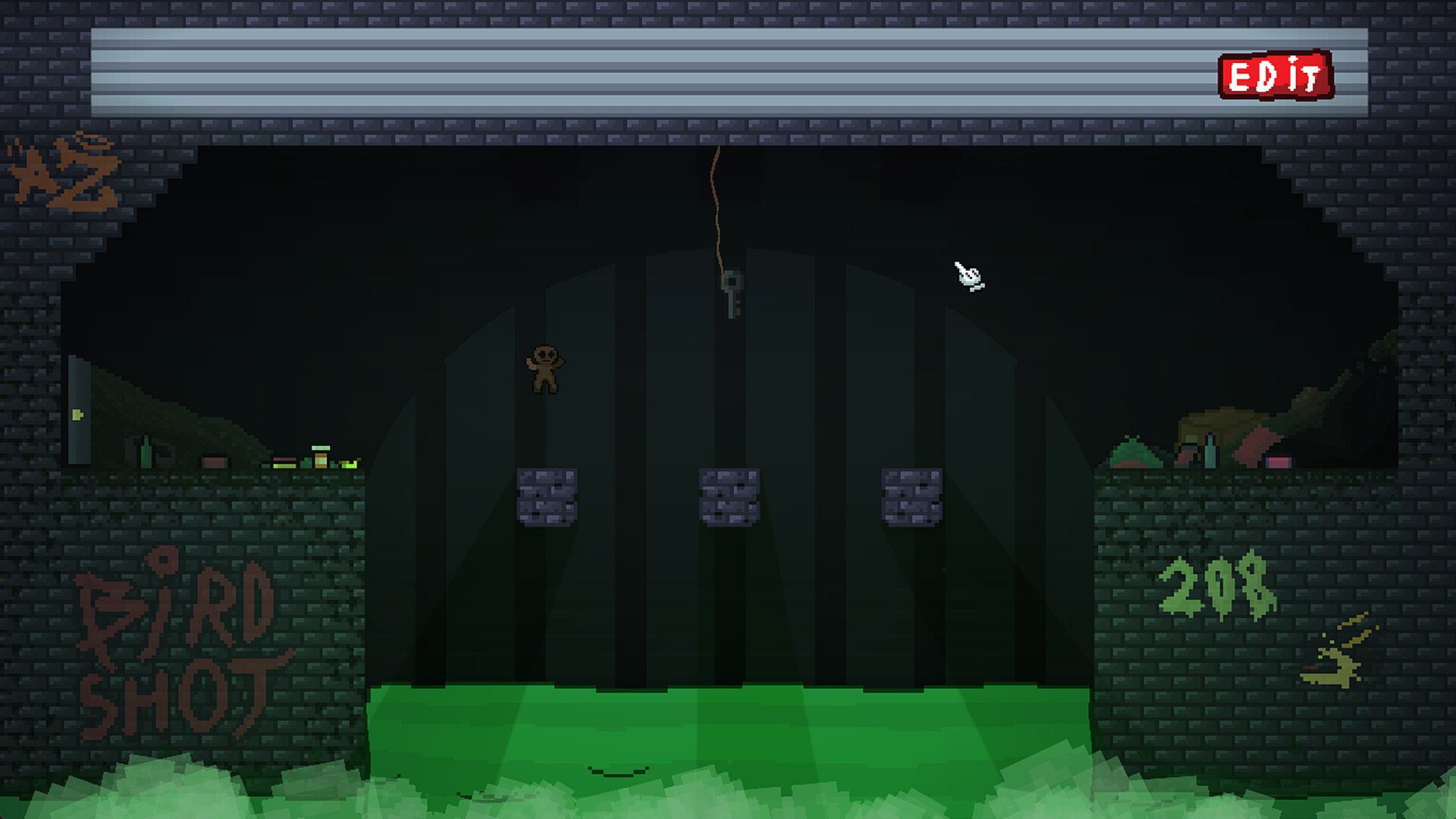
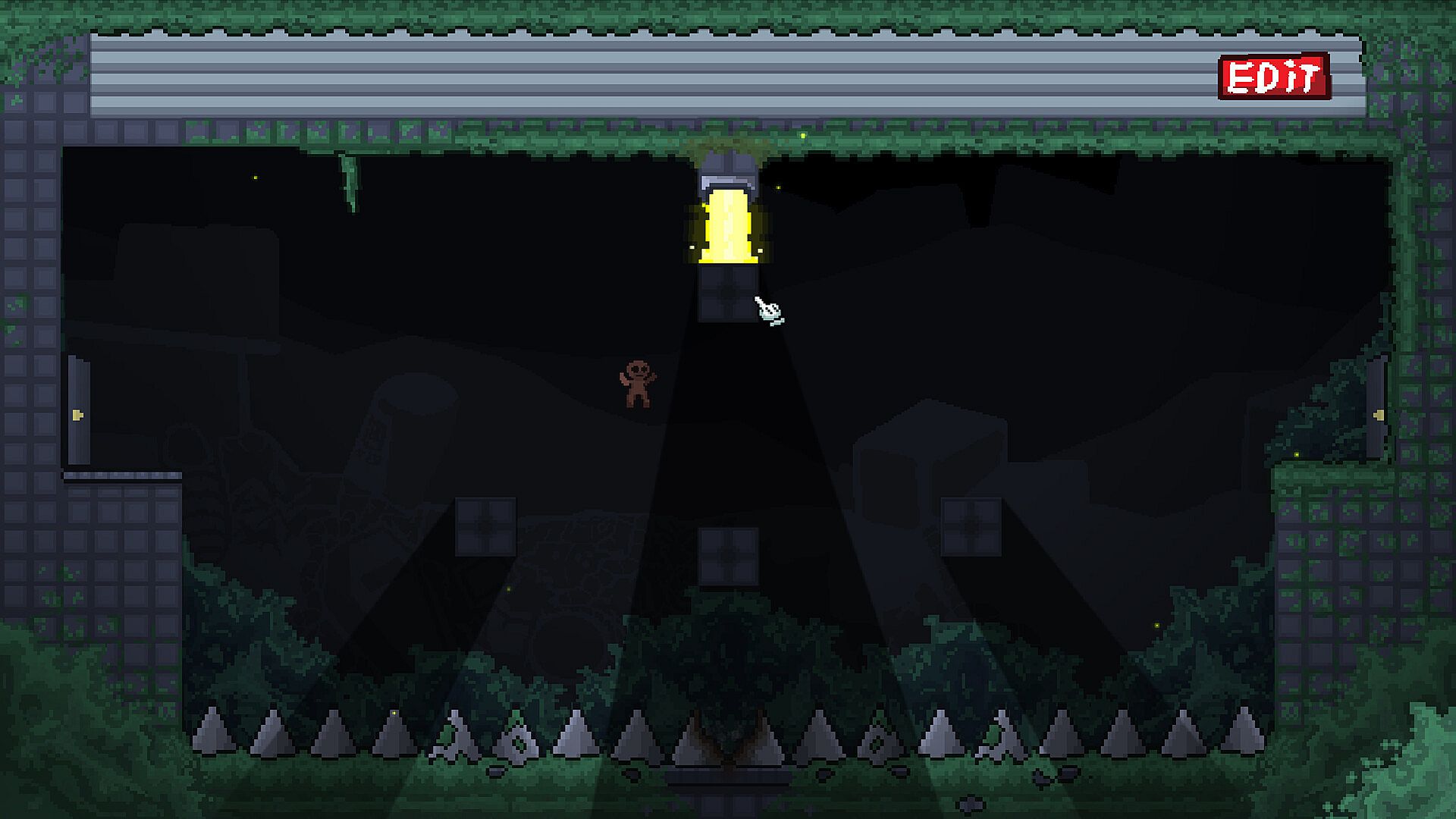
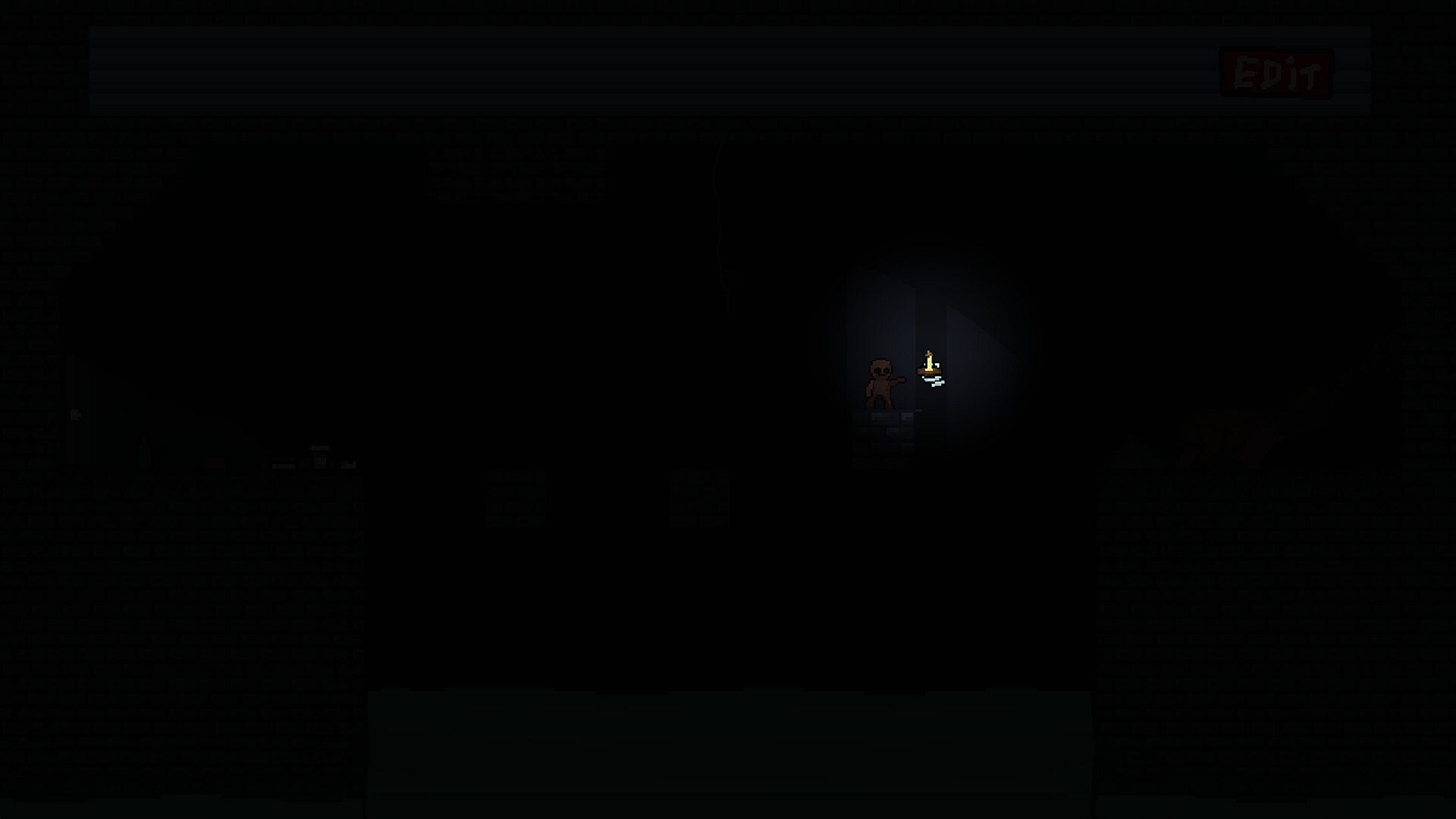
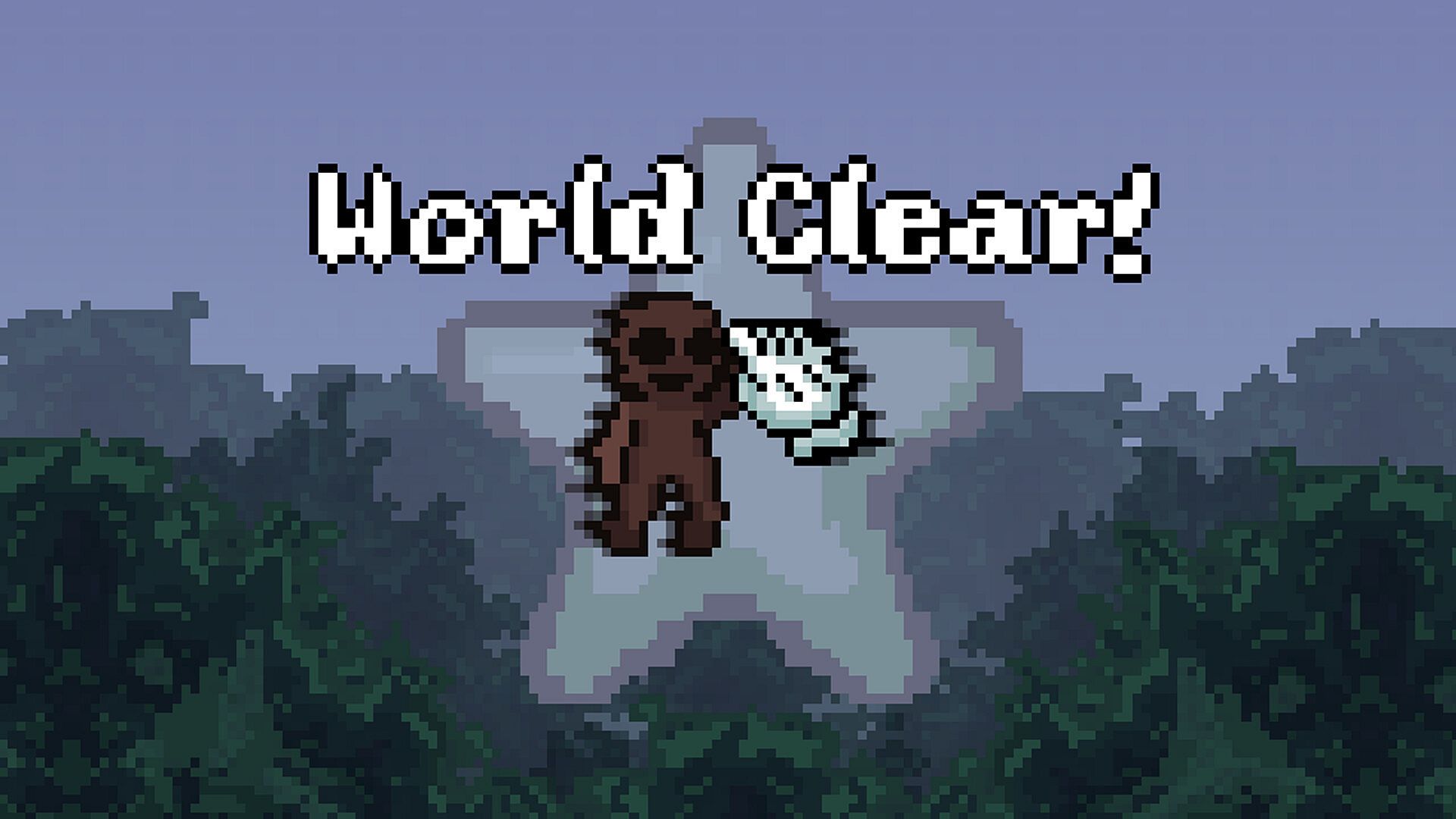
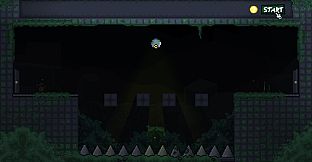
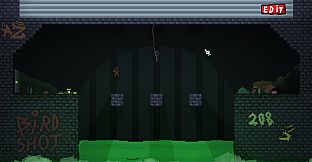
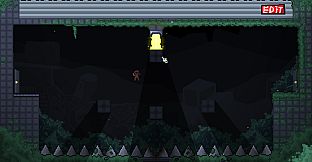

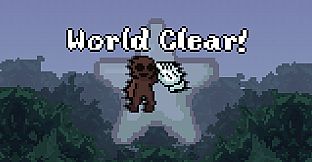
Mind The Gap is an indie puzzle-platformer developed for PC that places players in control of an escaped laboratory experiment and a sentient hand companion. The story follows the pair as they navigate a series of connected environments while solving environmental challenges to reach freedom. Core mechanics center on using the companion's abilities to interact with objects, shift blocks, operate switches, and alter laser paths, all while the main character moves through the level geometry.
Gameplay
The central loop involves progressing through handcrafted stages by experimenting with available tools and discovering how different elements interact. Levels begin in laboratory settings before opening into sewers and subway tunnels, with each new area layering additional rules onto the existing systems. Players must combine the companion's manipulation powers with standard platforming movement to create routes across gaps and past obstacles. Many stages support multiple valid approaches rather than enforcing one correct sequence, which encourages repeated attempts to find efficient or creative paths. New mechanics appear progressively, requiring players to adapt previous techniques to fresh constraints such as timed activations or redirected hazards.
Hidden collectibles appear throughout the environments, rewarding thorough exploration without altering the main objective. Boss encounters introduce larger-scale tests that combine several mechanics at once in sequences not seen in standard levels. The overall design emphasizes problem solving over precision timing or combat, aligning with its casual genre classification while still demanding careful observation of how pieces fit together.
Game Modes
Mind The Gap operates entirely in single-player mode. The experience centers on controlling both the primary character and the companion simultaneously within the same levels, allowing seamless switching between their respective capabilities to solve each puzzle. There are no separate competitive or cooperative multiplayer options. Progression follows a linear sequence of stages that introduce mechanics gradually, with no branching campaigns or alternate difficulty settings confirmed at this stage. The structure remains focused on puzzle completion and optional collection rather than score chasing or time trials.
Key Features and Progression
Over eighty distinct levels form the backbone of the journey, each built around fresh combinations of the core manipulation and platforming systems. Environmental variety across laboratory chambers, sewers, and abandoned stations provides visual and mechanical contrast without requiring separate game modes. Collectibles scattered in out-of-the-way spots offer additional goals for players who enjoy thorough searching. The absence of a single prescribed solution per stage supports replayability through experimentation rather than through added modes or leaderboards.
Is It Worth Playing?
Mind The Gap targets players who enjoy methodical puzzle-platformers that reward observation and creative combinations of simple tools. Its single-player focus and progressive introduction of mechanics make it accessible to those new to the genre while still offering depth through multiple solution paths and hidden items. Because the game has not yet released, concrete player reception data remains unavailable. Those drawn to the described blend of narrative framing, environmental interaction, and open-ended puzzle design may find it a worthwhile addition to their library once it becomes available in early 2027. The emphasis on experimentation over rote memorization aligns well with casual audiences seeking thoughtful rather than reflex-heavy challenges.