



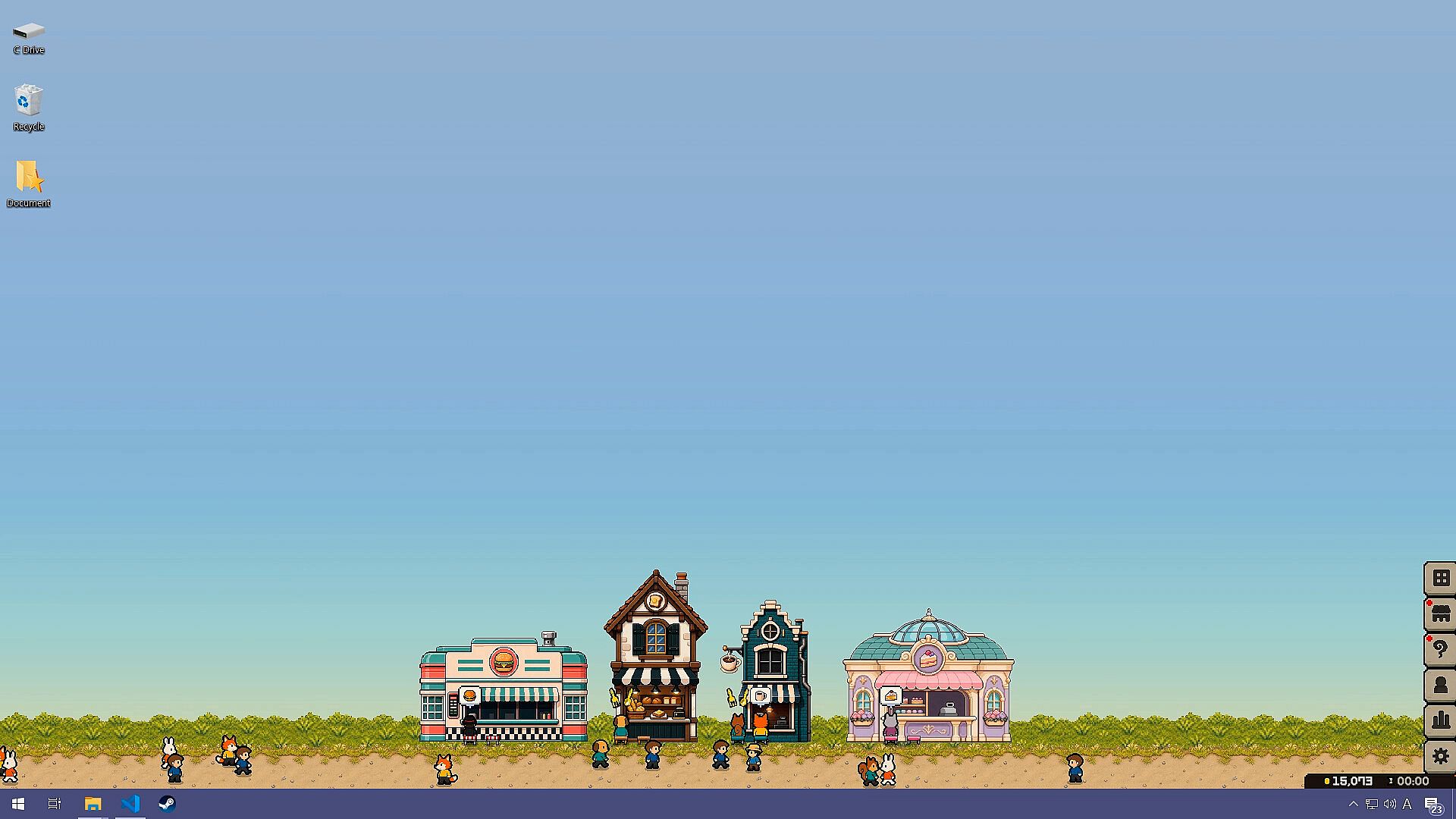
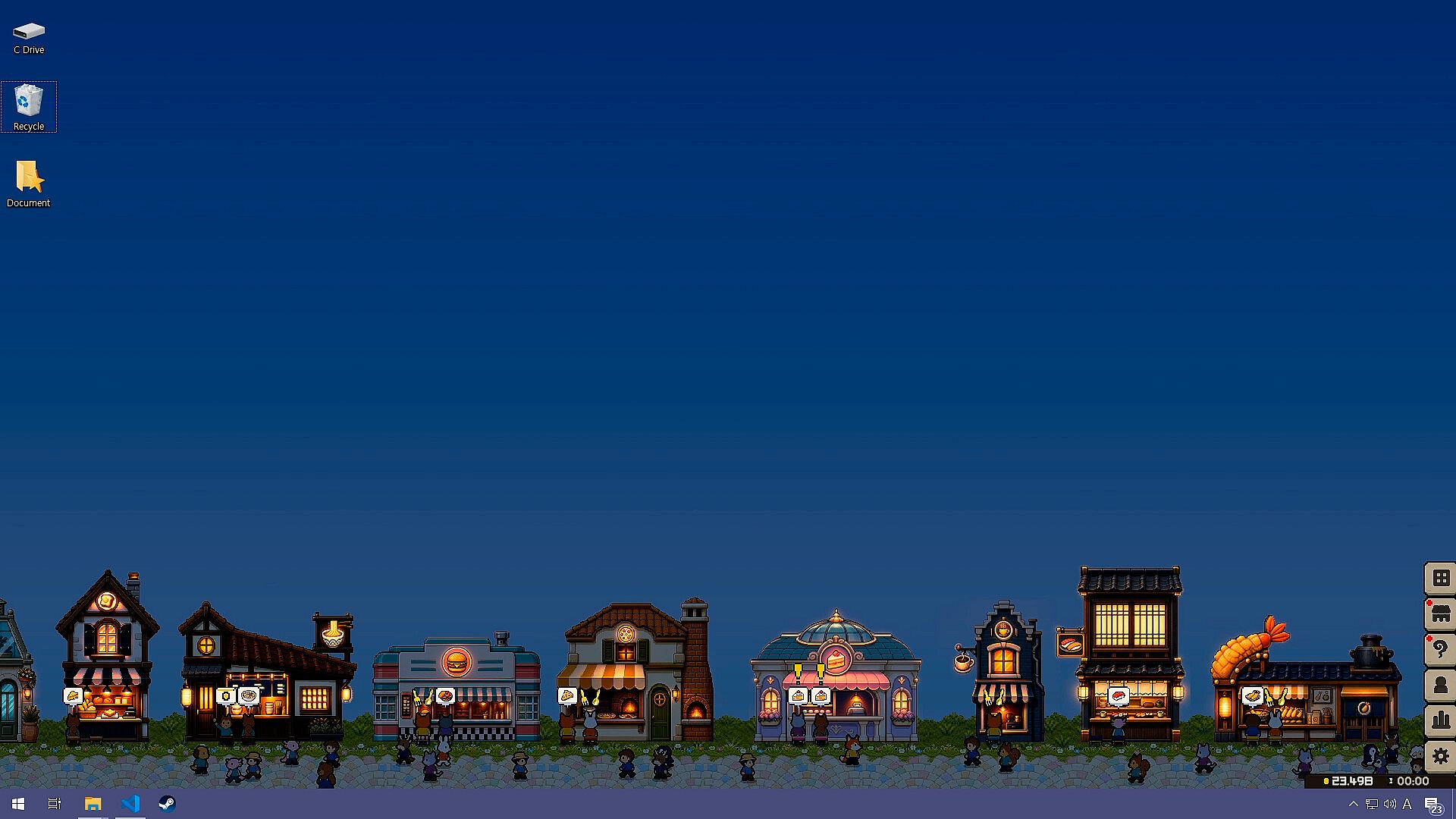
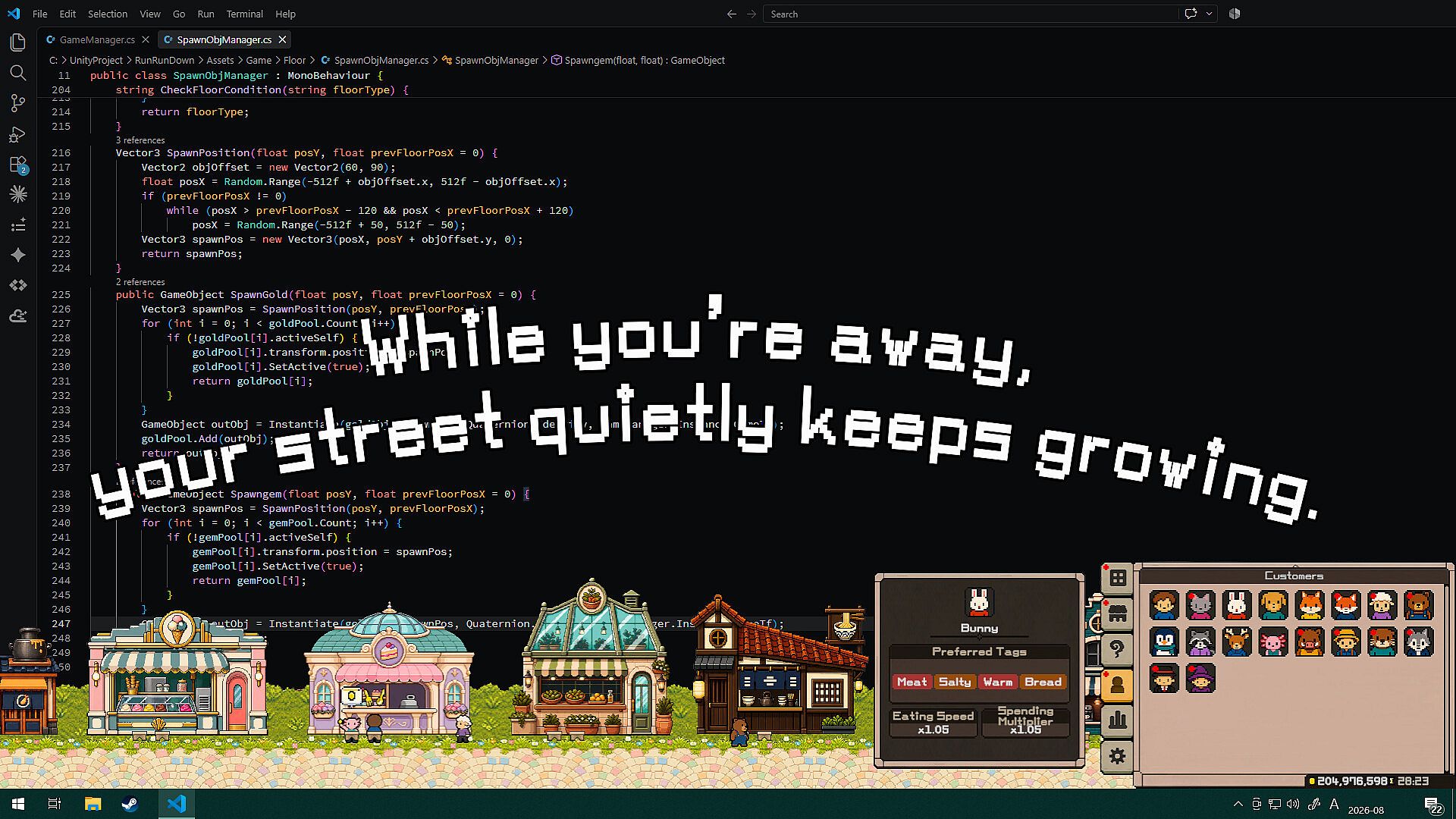
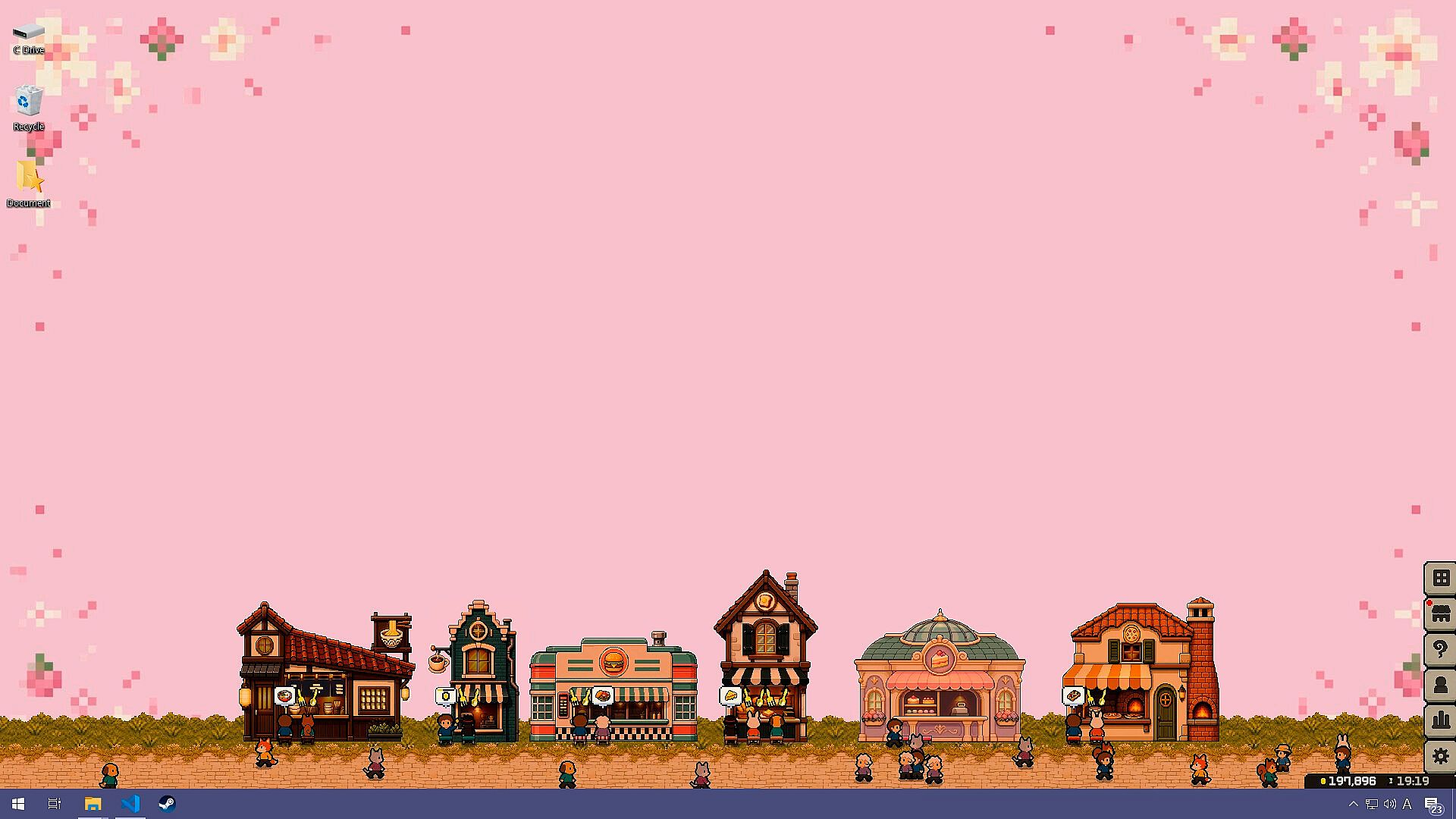
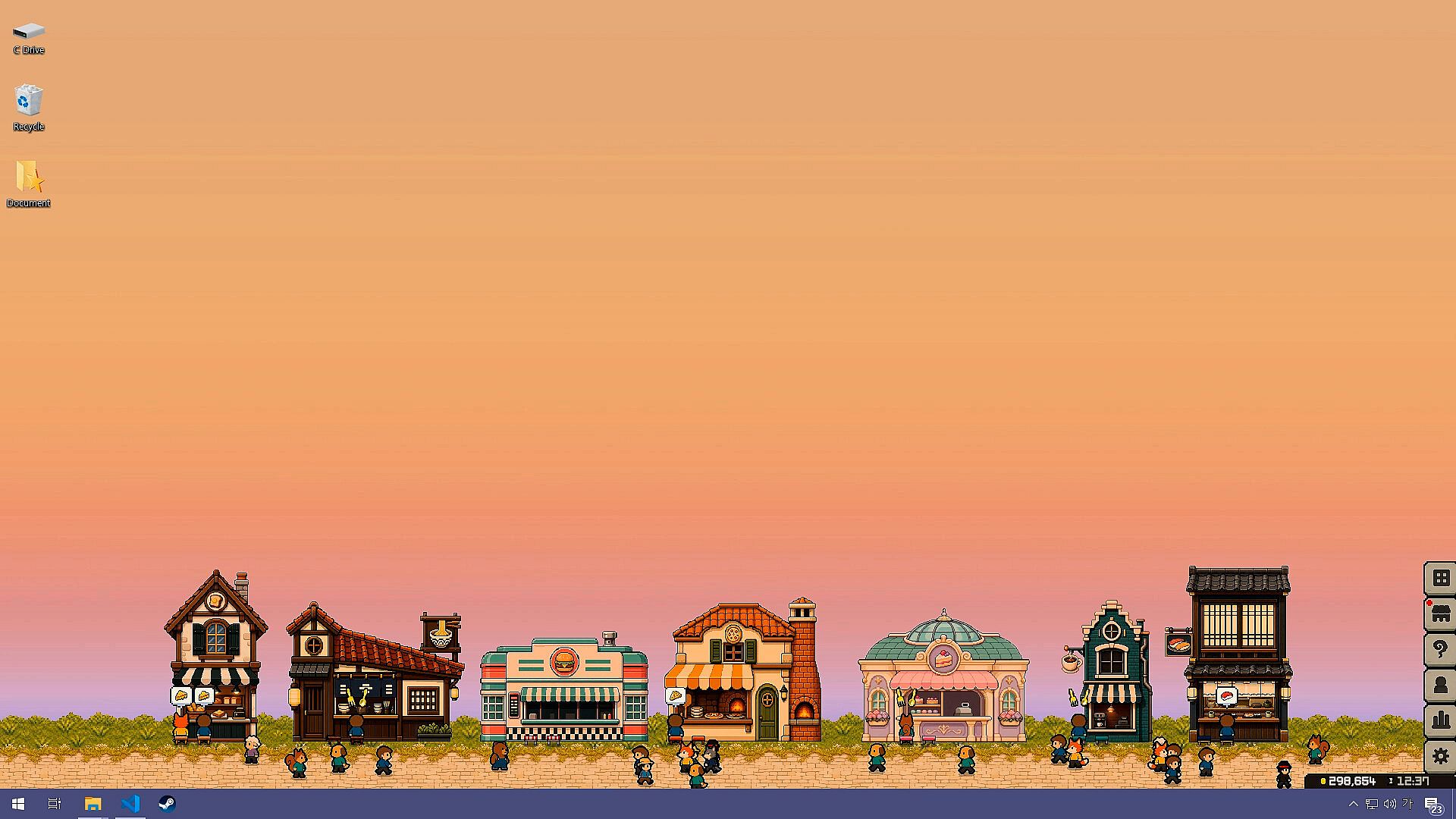


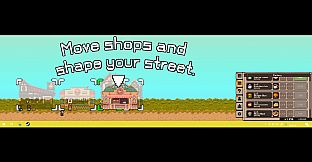
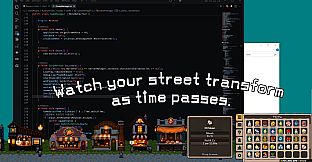

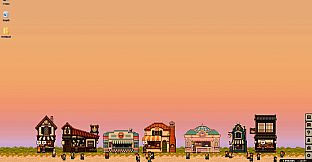
Mellow Flavor Alley is an indie casual simulation game for PC that runs quietly in the corner of the screen while other tasks occupy the foreground. A compact window displays a small alley lined with eateries that operate independently throughout the day. Customers arrive on their own, enter a chosen spot, order a meal, eat, settle the bill, and leave satisfied as the light shifts from morning through afternoon and into night.
Gameplay
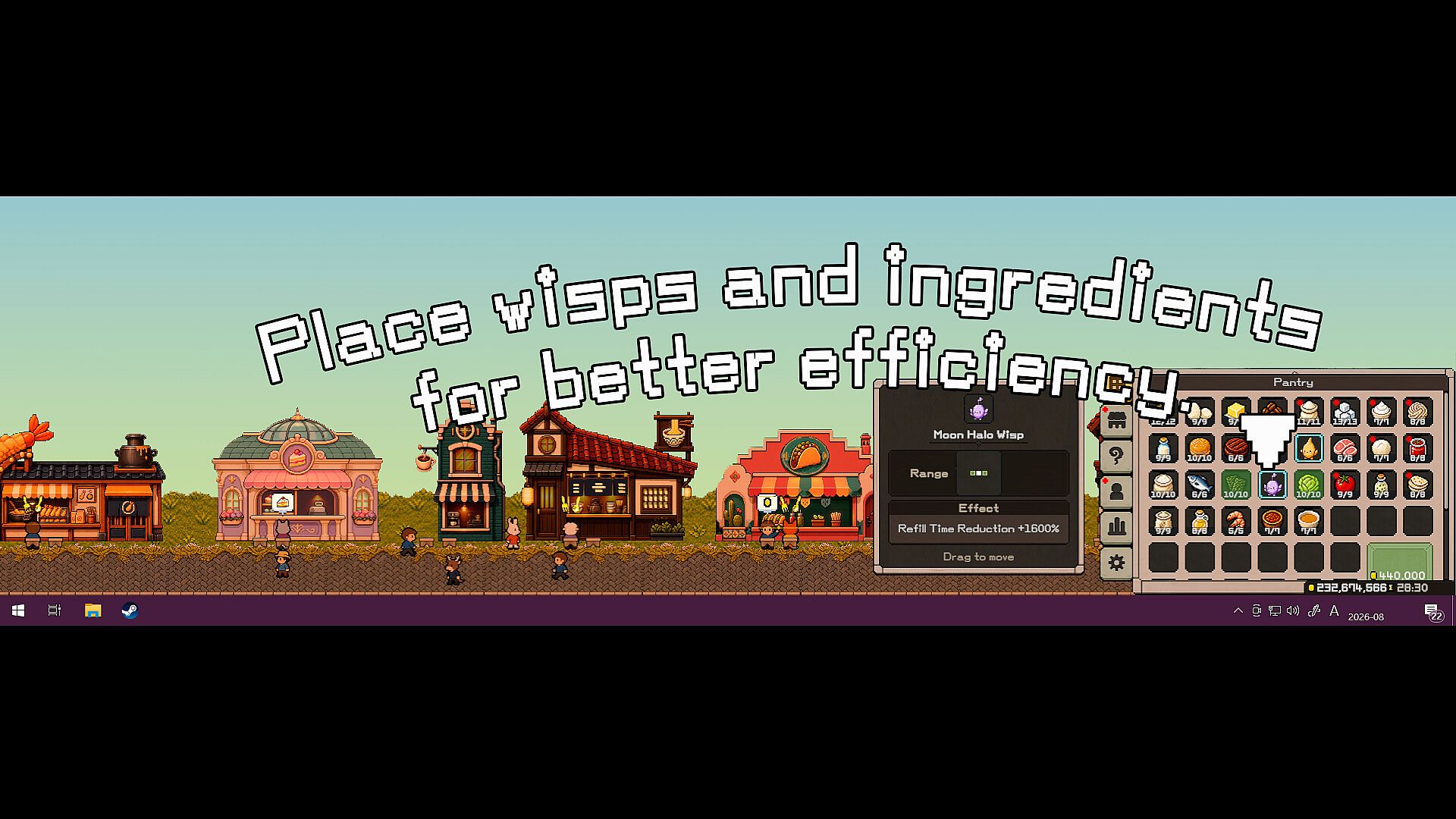
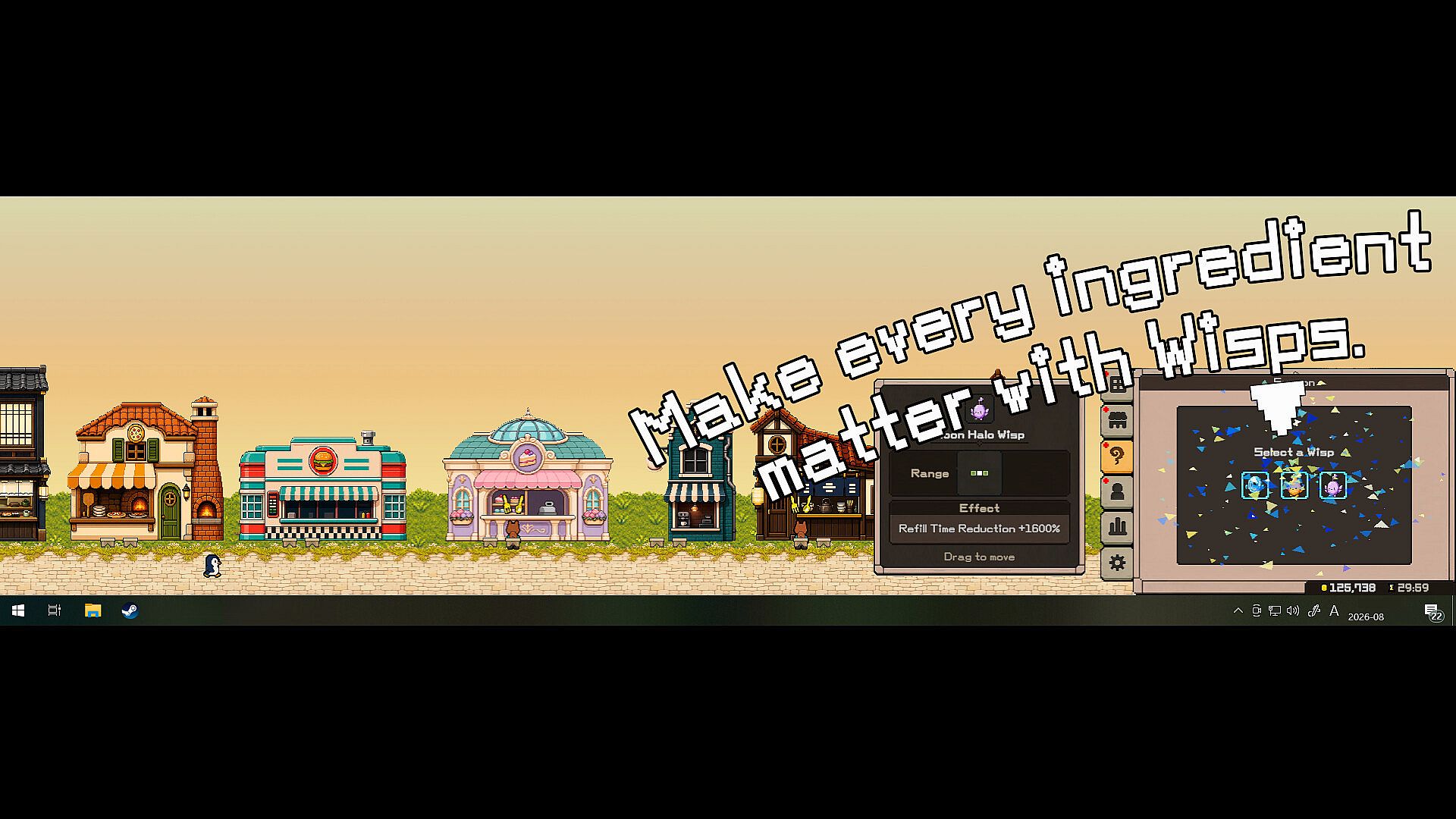
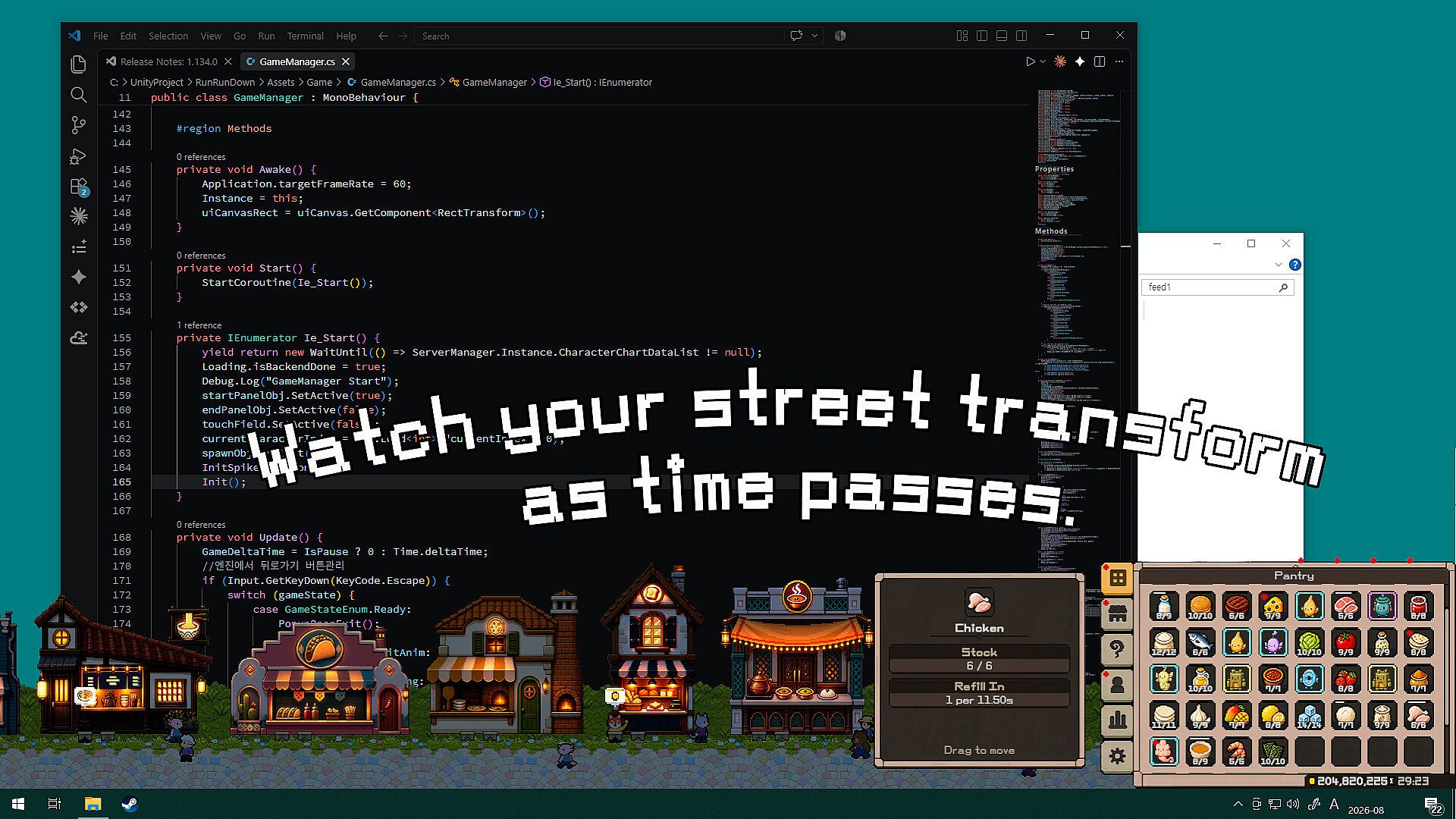
The core loop centers on managing a shared 8x8 pantry that supplies every ingredient needed across the alley. Each of the 15 eateries draws from this single stock for its 45 total dishes. When supplies run low, waiting customers remain seated indefinitely and tie up space until the shortage is resolved. Players arrange 54 ingredients within the grid to keep multiple eateries stocked efficiently. Overlaps matter because 20 wisps can be placed to automate production within their individual ranges, and strategic positioning lets one wisp support several stations at once.
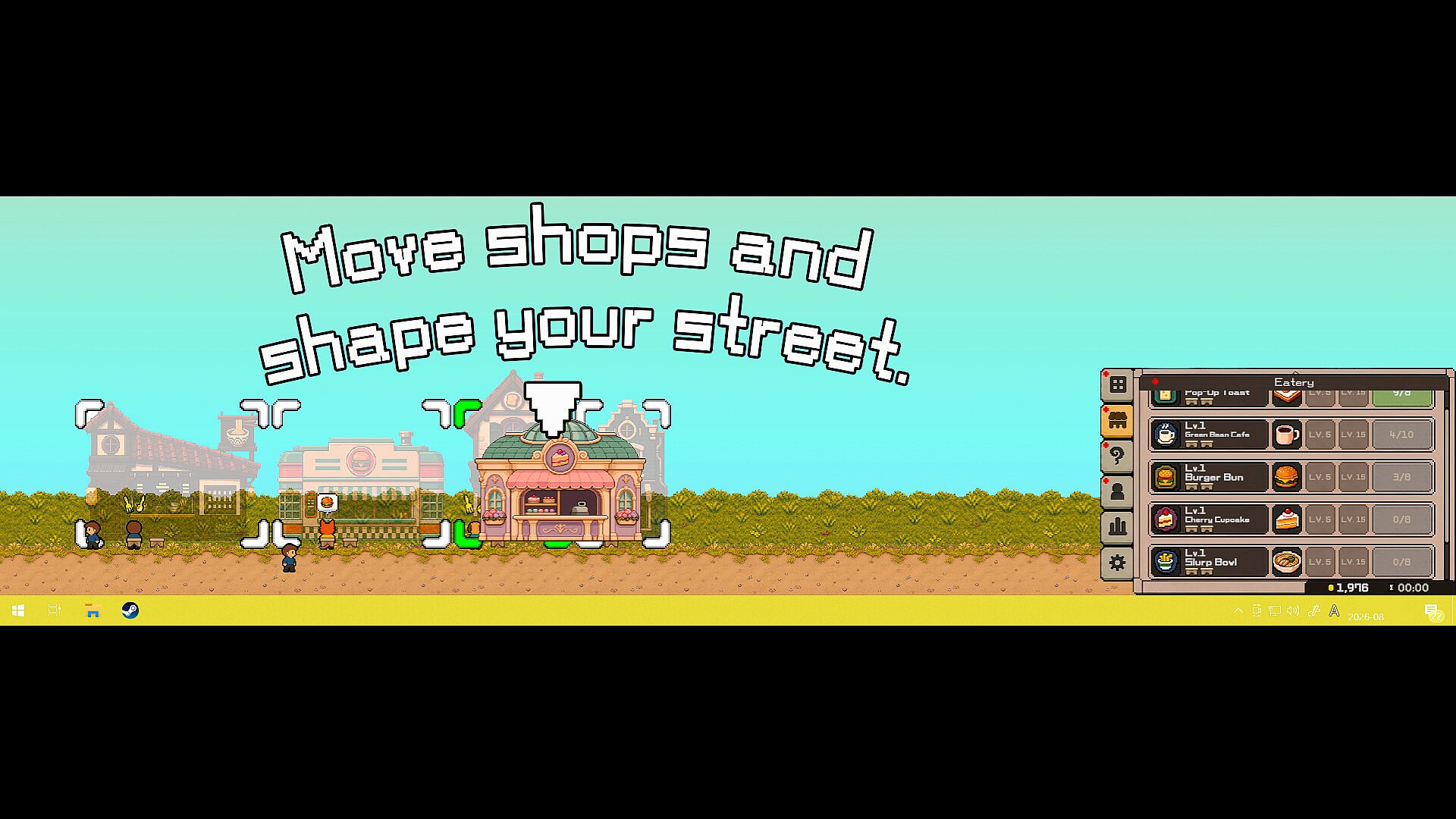
Progress comes from unlocking additional slots, expanding the number of open eateries, and rearranging the layout for better flow. The alley advances through its daily cycle on its own once the window is active, showing different customer types among the 18 varieties as hours pass. Each customer type favors specific eateries and carries its own spending limit, which influences how quickly the scene evolves visually and economically.
Game Modes
The experience stays within a single continuous simulation. There are no separate named modes or competitive structures. Everything occurs in one persistent alley environment that players shape through pantry organization and wisp placement. Time advances only while the game window remains open, and progress saves automatically through Steam Cloud without any requirement for an online connection or account.
Core Mechanics and Progression
Setup begins with a basic toast stand and expands toward more complex options such as cafes, burger joints, ramen shops, pizza places, sushi bars, curry houses, dumpling stalls, and pancake spots. Each new eatery adds its own cooking style and customer preferences. The shared pantry forces ongoing decisions about ingredient allocation and automation coverage. A well-planned layout visibly increases the speed at which customers cycle through the alley, while poor placement leads to frequent shortages and idle seats.
Visual changes accompany the passage of time. The alley lighting shifts with the hour, and the mix of passing customers adjusts accordingly. This creates a low-maintenance background activity that still rewards periodic checks and adjustments to the pantry grid.
Is It Worth Playing?
This title suits players who enjoy keeping a small, self-running scene visible while working or watching other content. It appeals specifically to those seeking an idle simulation without constant clicking or active input. The focus on layout optimization and ingredient management provides a light puzzle element that rewards observation of which eateries consume what and how quickly. Because the game requires the window to stay open for time to pass and offers no offline advancement, it fits best as a companion window rather than a primary activity. The single-player design with no network features keeps the experience simple and contained to the local machine.