








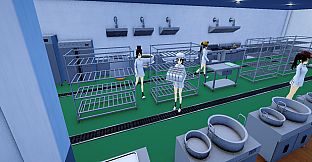
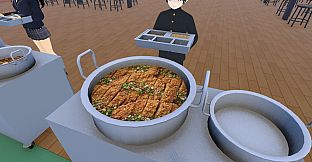

Lunch Duty is an indie casual simulation game set in a school cafeteria where players manage the daily lunch rush as cooks working with a tight budget and limited time. The core experience revolves around coordinating with others to serve students efficiently while balancing costs, waste, and satisfaction across multiple stations.
Gameplay
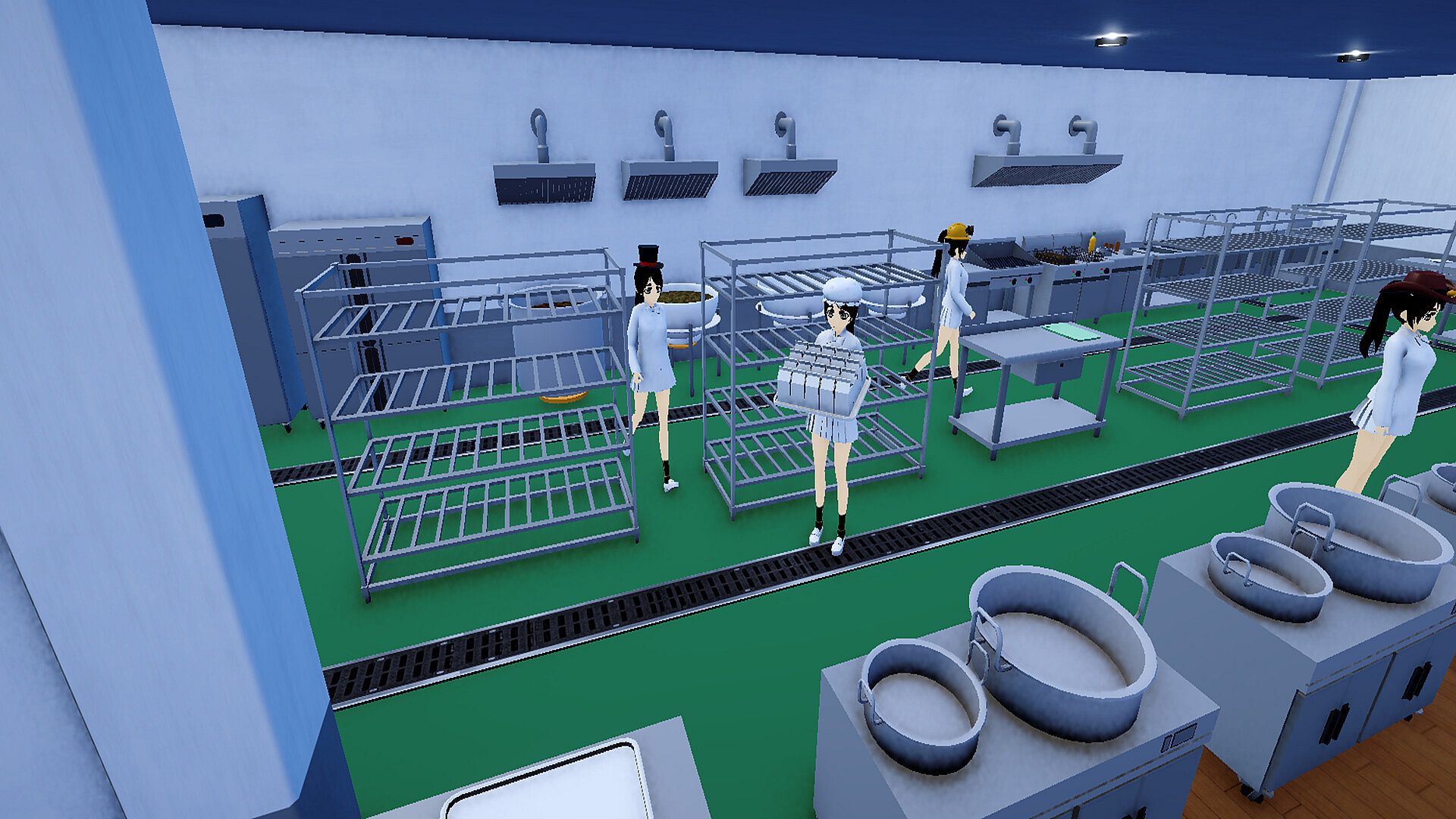
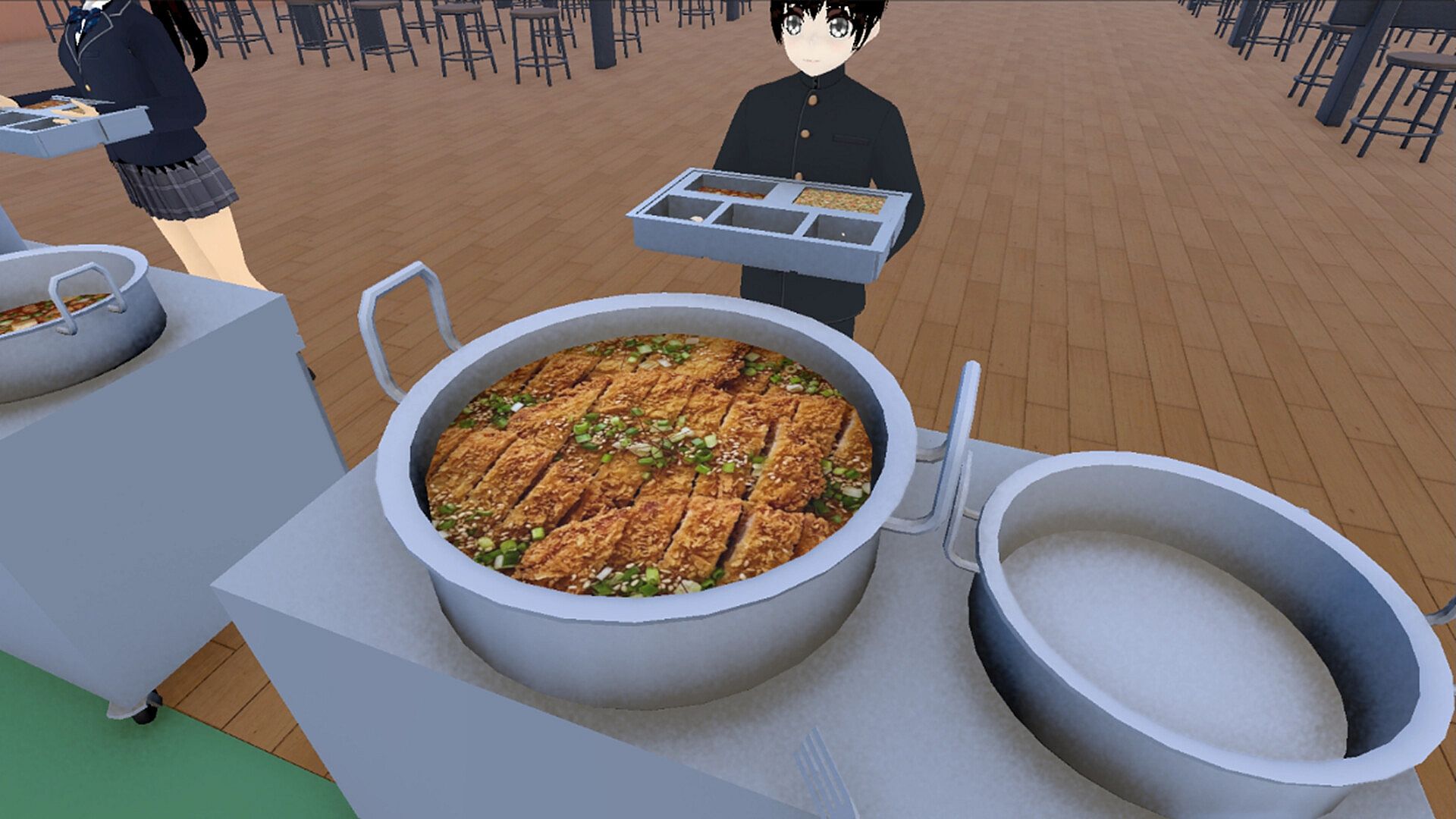
Each day begins with checking the menu to order ingredients. Popularity varies by dish, such as high demand for Tonkatsu or low interest in Spinach Salad, so ordering too little leaves students hungry while excess reduces the budget through leftovers. Cooking follows using equipment like giant cauldrons, deep fryers, and stir-fry pans to prepare large batches before transferring food to serving pans. Leaving items unattended risks burning them.
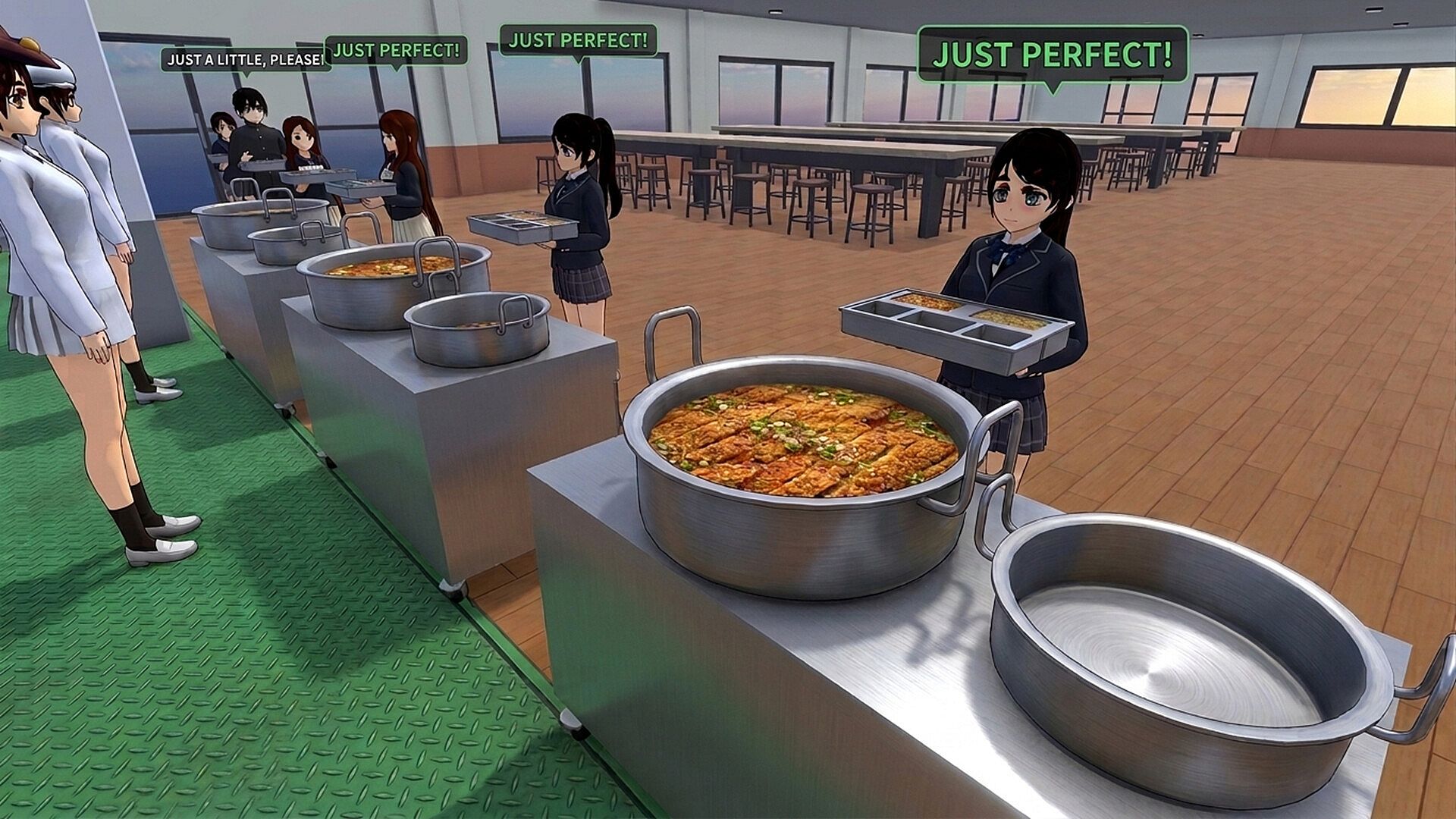
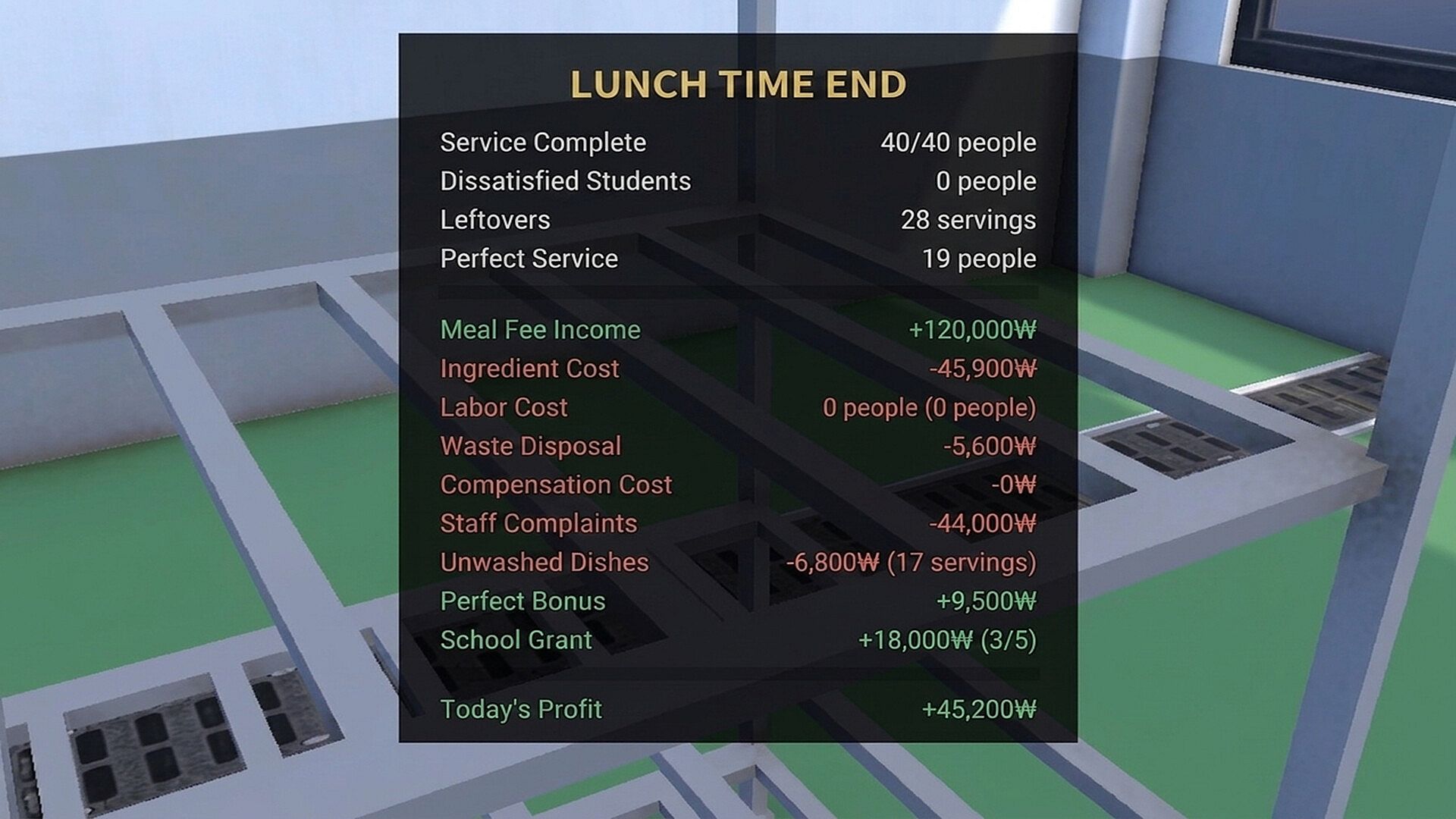
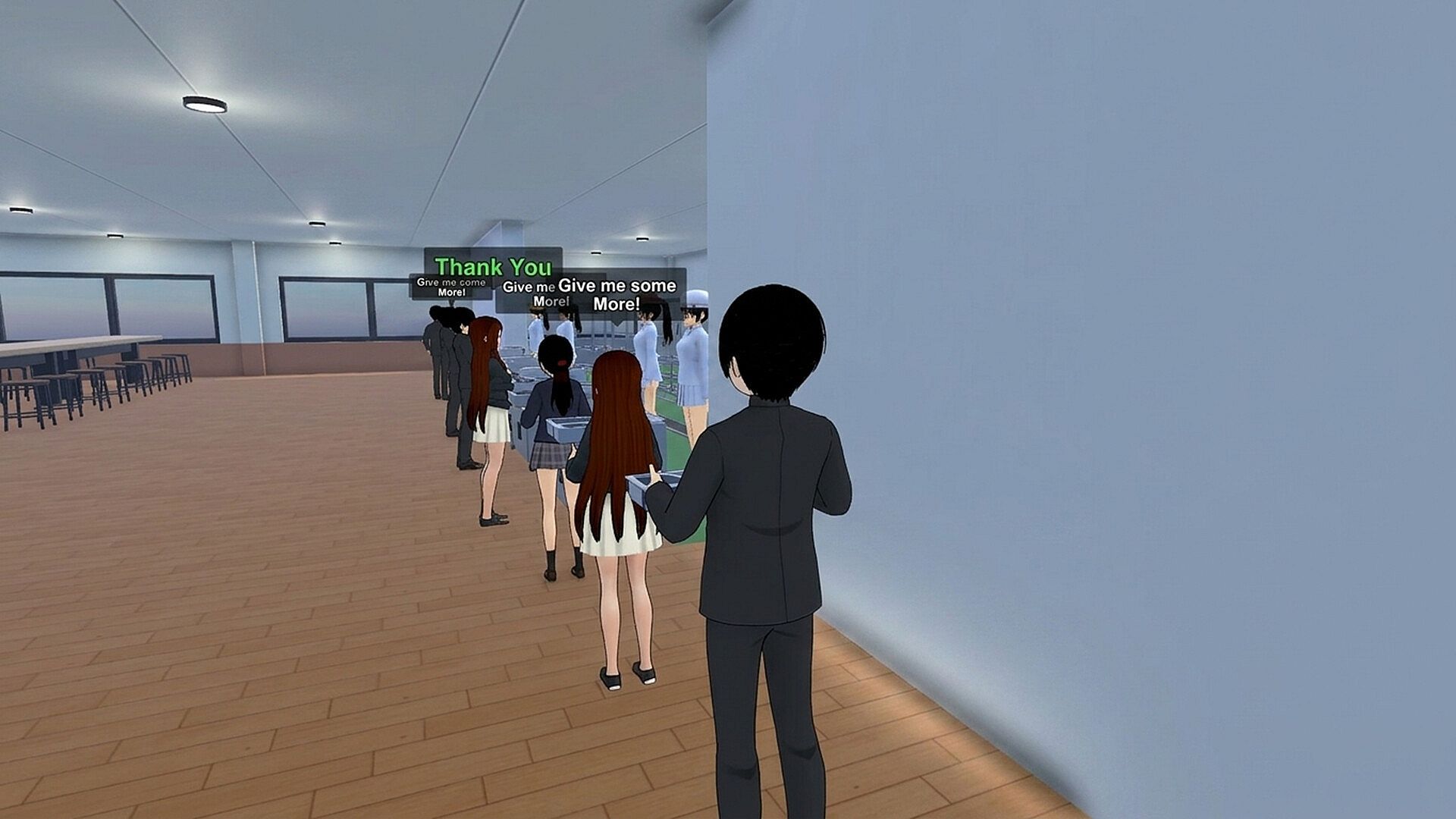
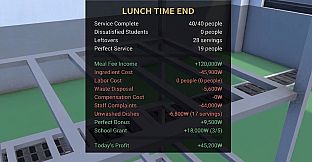
Serving takes place at five stations where students request specific portions. Over-serving creates waste and penalties, while under-serving leads to complaints. Limited trays mean the line halts once supplies run out, requiring someone to switch to dishwashing at the sink. The day ends with settlement calculations covering meal revenues, ingredient costs, food waste penalties, and school subsidies to set the next day's budget.
Before students arrive, portions must be set aside for the principal, vice principal, and teachers. Skipping this step lowers the overall rating. Pan capacities limit how much can be allocated to staff without reducing student servings.
Game Modes
The experience scales directly with group size. With one or two players, individuals often juggle cooking and serving, leading to missed students and accumulating dishes. Three or four players require everyone to handle multiple roles simultaneously for smooth operation.
Groups of five to eight players allow clear role division, such as dedicated cooks, servers, and dishwashers. Unmanned stations let students serve themselves, often taking more than intended. Players can spend money on AI cooks to fill gaps, though this reduces profits compared to relying on real teammates.
Daily Menus and Strategy
Menus change each day with items including White Rice, Fried Rice, Seaweed Soup, Kimchi Stew, Tonkatsu, Spicy Pork, Kimchi, Radish Kimchi, Spinach Salad, Yogurt, and Chocolate Milk. Each dish carries unique popularity levels, costs, and equipment needs, making menu analysis and batch planning a key part of success. The limited tray system and staff pre-serving add layers of resource management that reward careful coordination.
Is It Worth Playing?
Lunch Duty suits players who enjoy cooperative simulation games focused on time management and teamwork. The multiplayer structure encourages communication across roles, with larger groups enabling specialized tasks that single players or small teams cannot handle as efficiently. The daily loop of ordering, cooking, serving, and settling provides repeatable sessions where decisions on portions and staffing directly affect outcomes. Those seeking casual multiplayer experiences centered on school cafeteria operations will find the mechanics engaging without complex progression systems.












