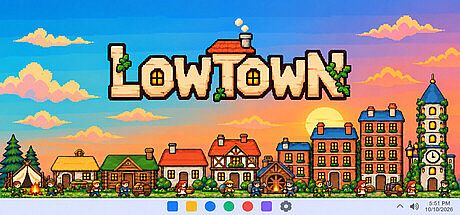


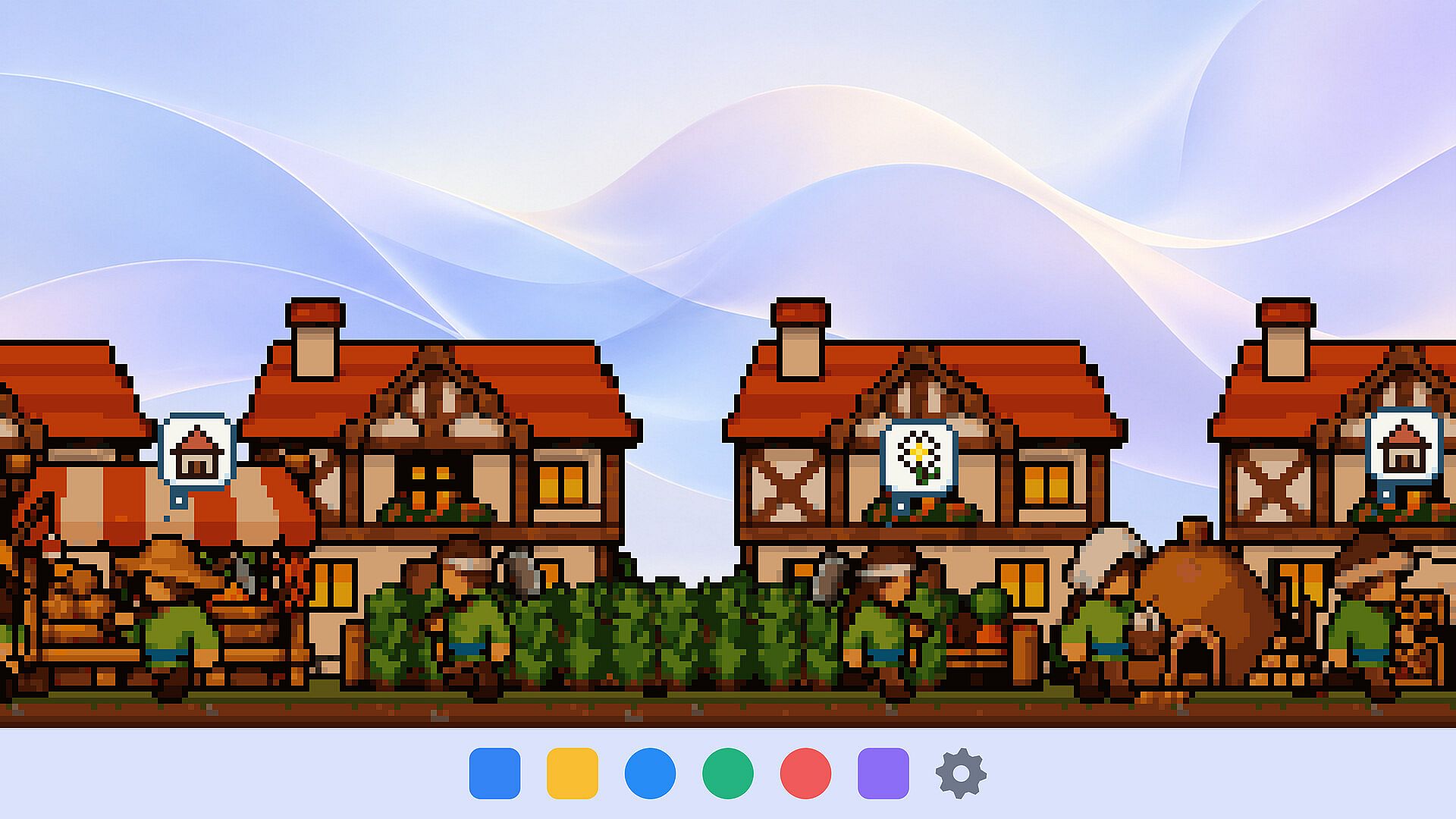
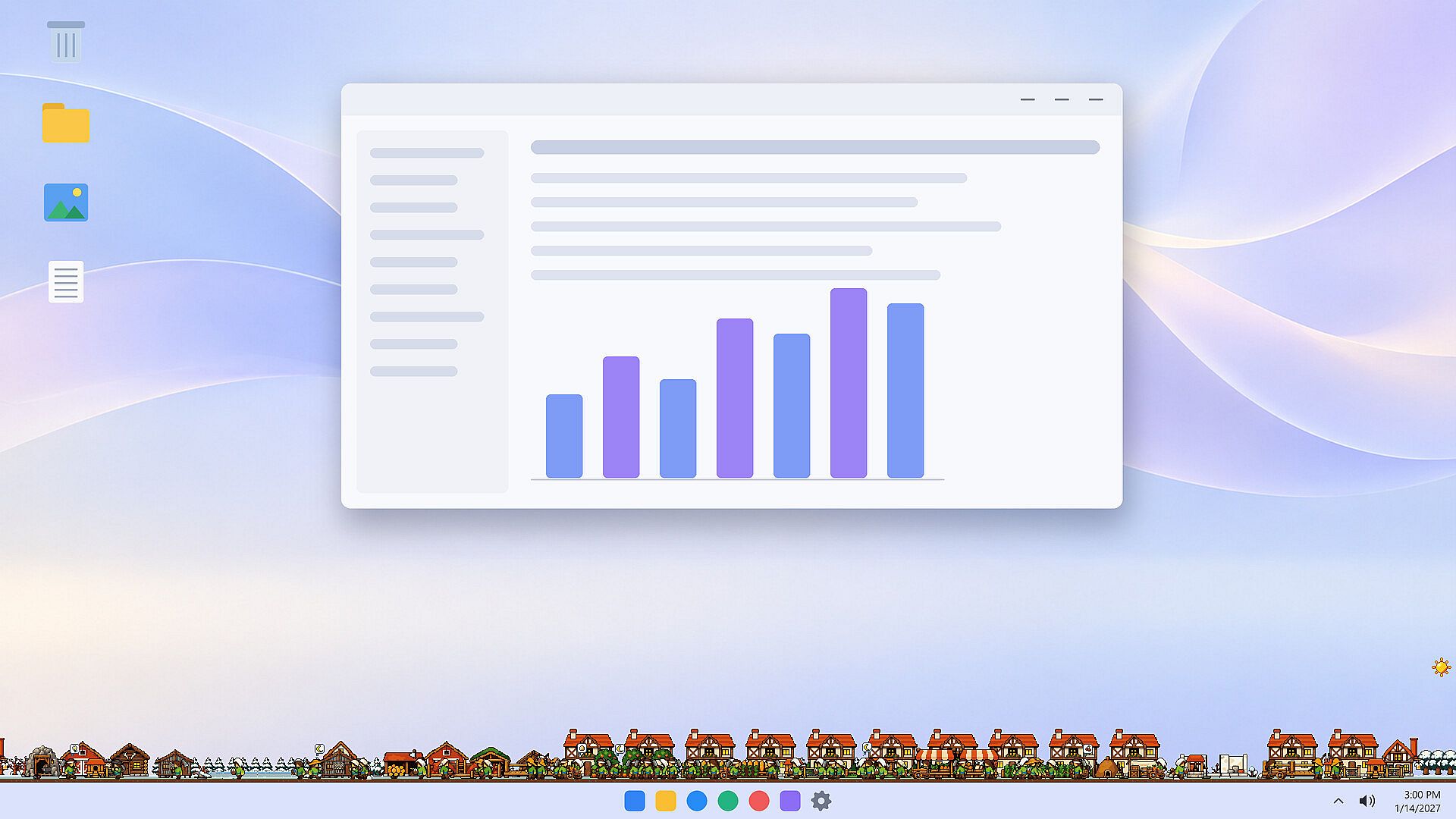
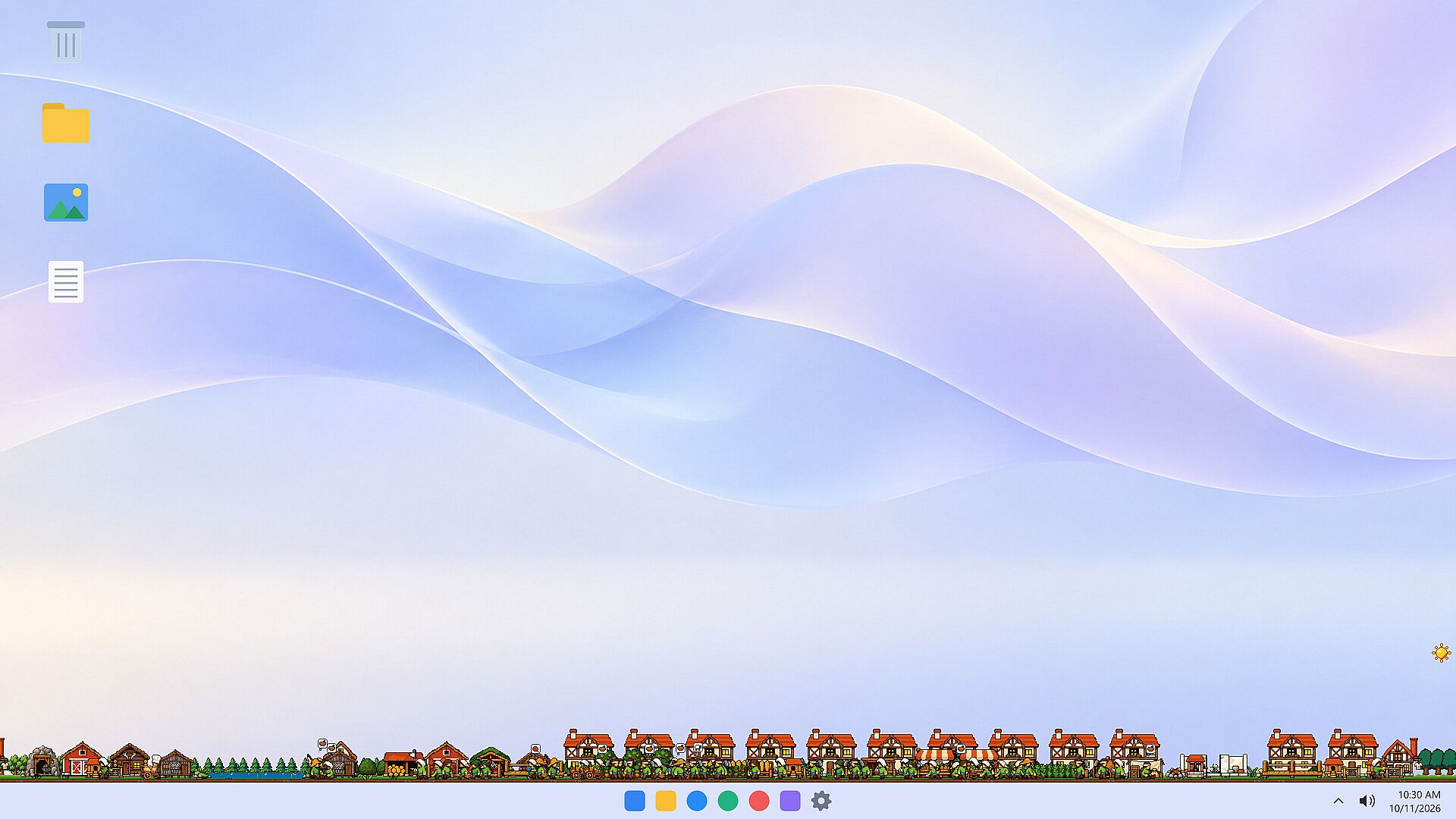
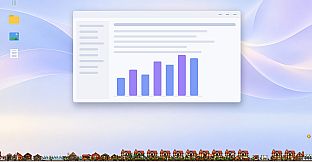

Lowtown is an indie casual simulation game for PC that places a self-running pixel art village directly above the Windows taskbar. The settlement operates without player input, allowing villagers to handle all activities while users focus on other tasks.
Gameplay
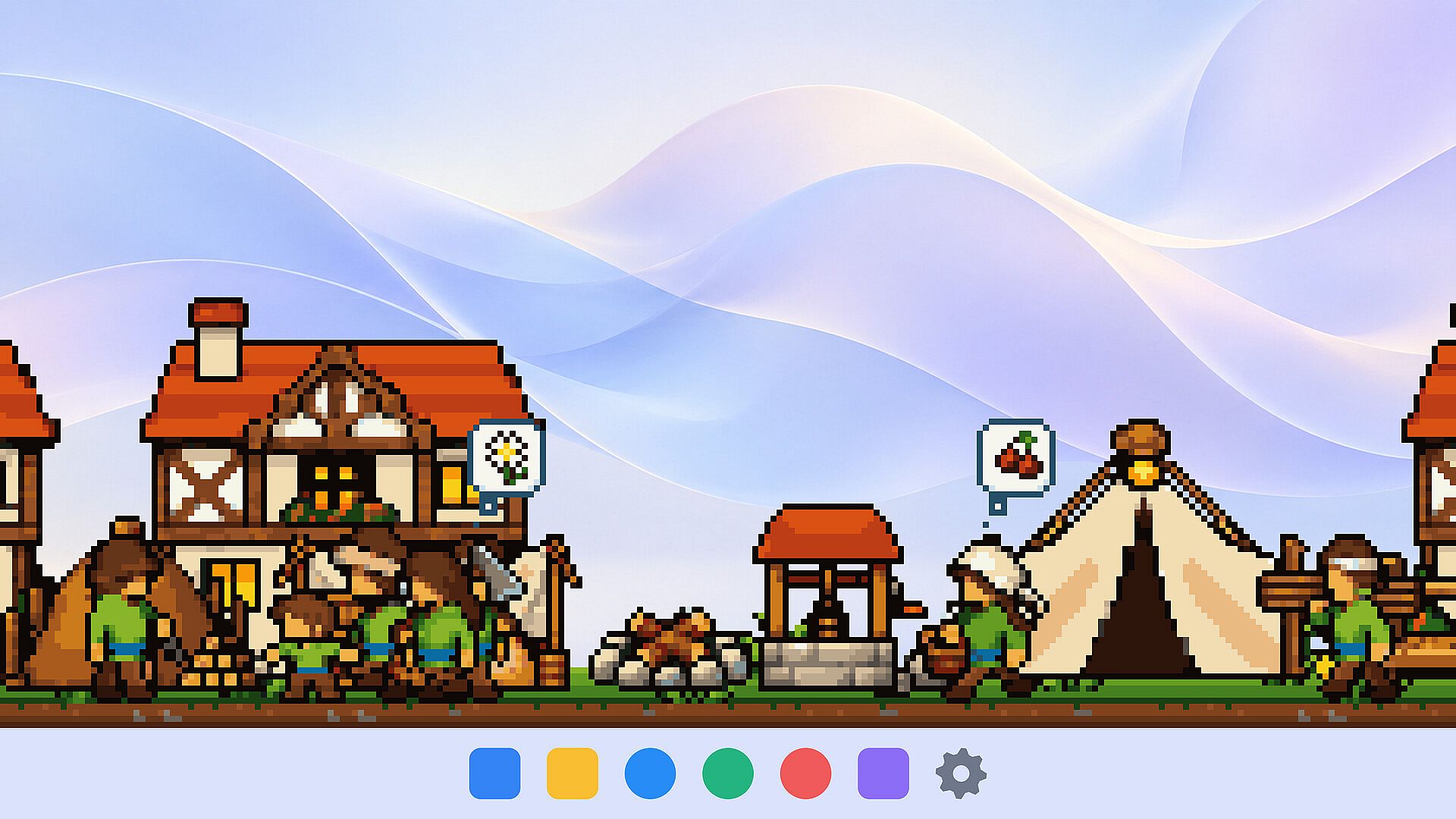
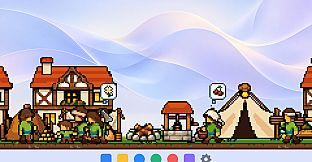
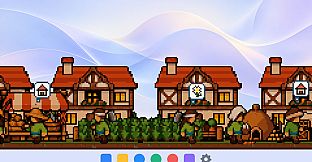
The core loop centers on observation rather than direct control. Villagers chop wood, fish, farm, bake bread, forge tools, and construct new houses on their own. A village council assigns trades as the population expands, with thought bubbles appearing to highlight new activities. Children play in open areas, and newcomers arrive from off-screen to join the community. The entire process unfolds autonomously, with no commands or building required from the user.
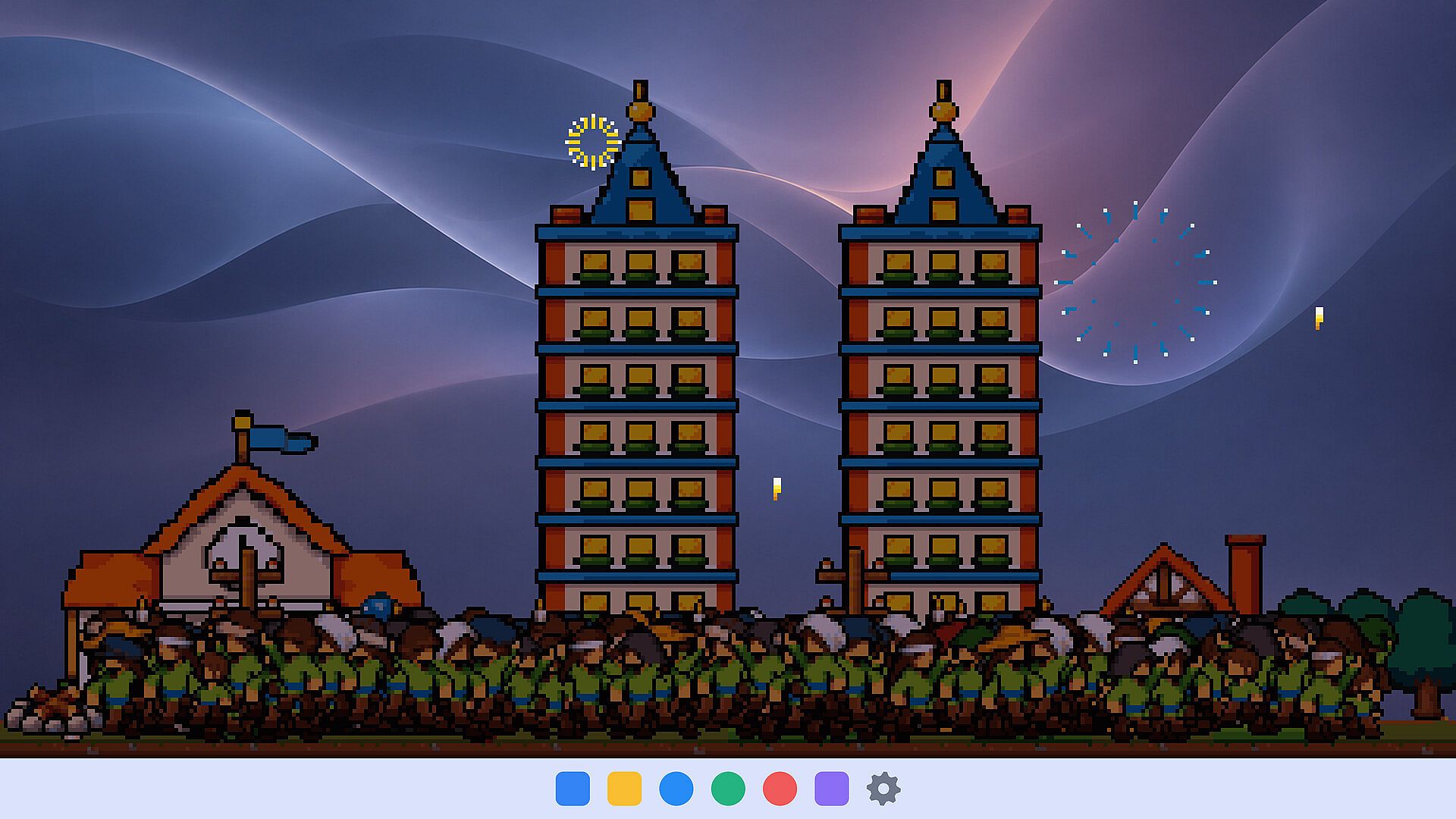
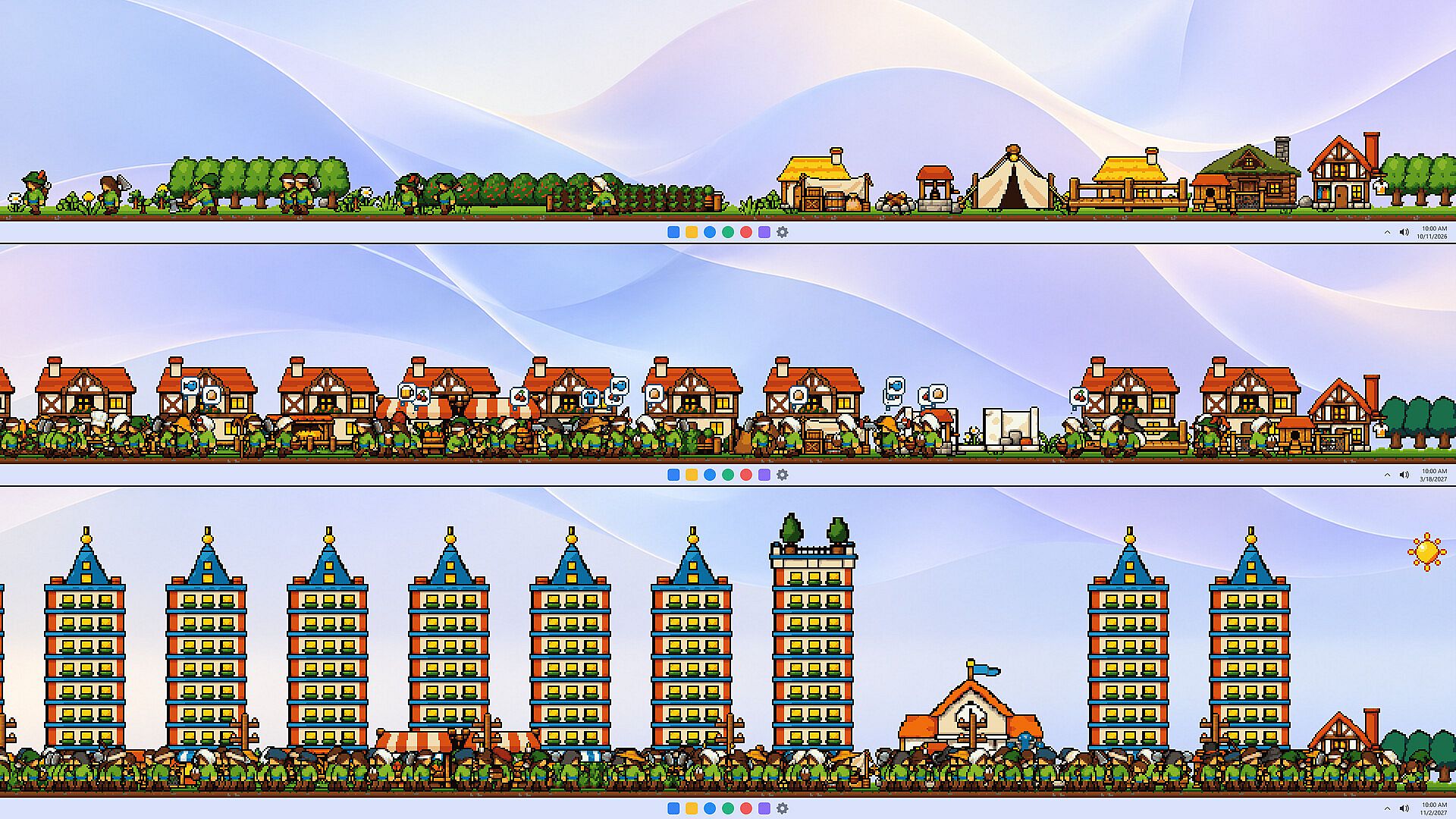
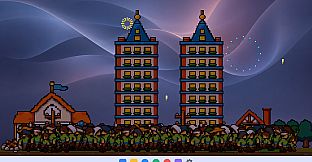
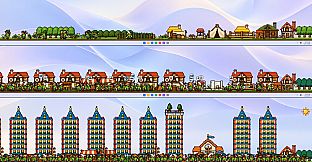
Visual progression spans seven distinct eras. Early stages feature canvas tents around a campfire, advancing through timber cottages and brick houses toward towers of steel and glass. Once skyscrapers fill the available space, fireworks mark the milestone, after which players may begin a fresh settlement or allow the existing one to continue indefinitely.
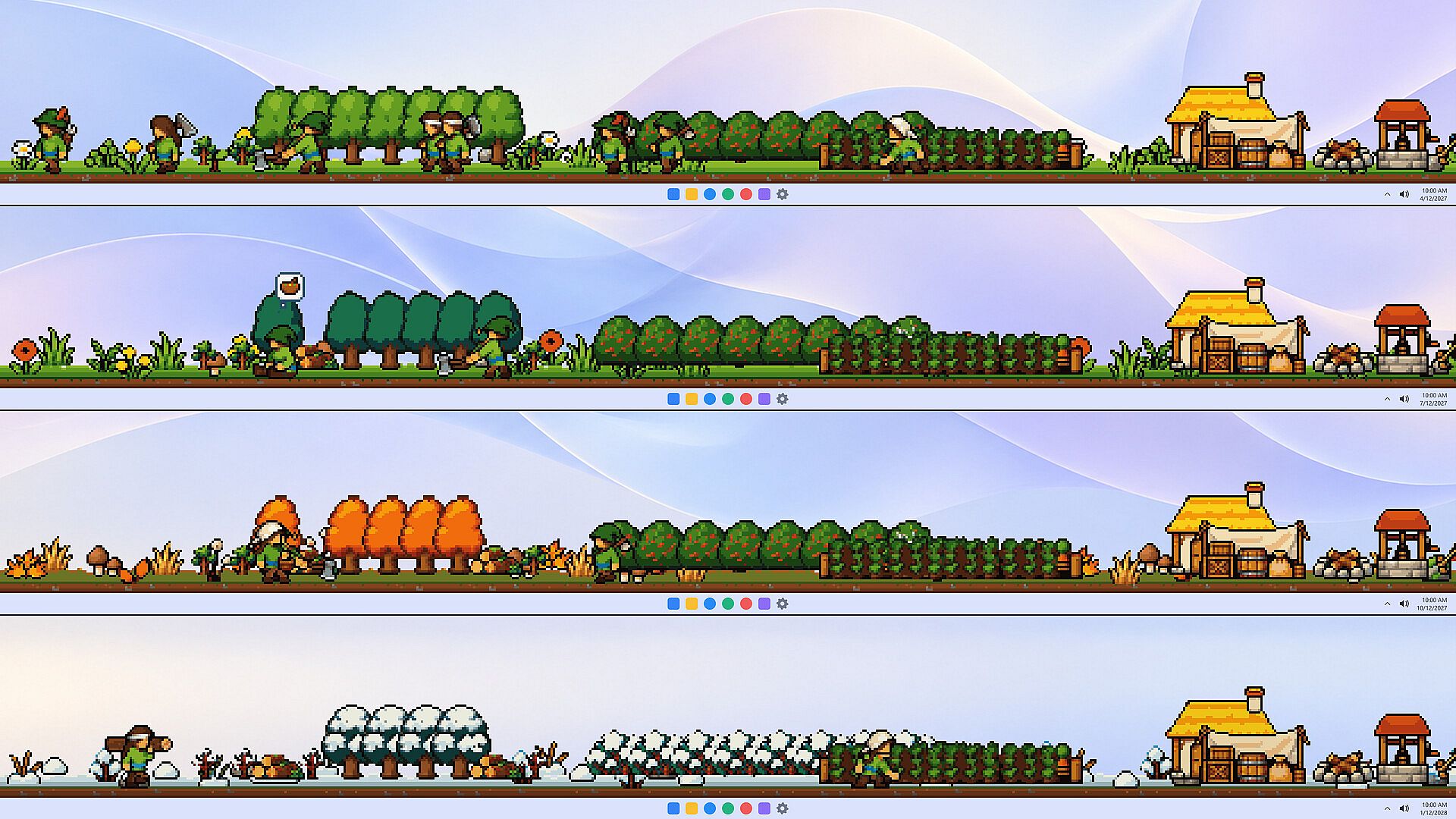
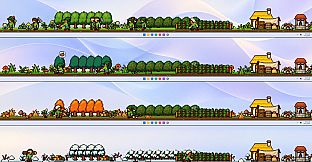
Time passes in accelerated cycles. A full day completes in 24 minutes, with the sun and moon moving across the sky and windows illuminating at dusk. A year cycles every 12 days, bringing spring blossoms, summer greenery, autumn foliage, and winter snow. Harsh winters prompt villagers to gather extra firewood and supplies, while children engage in snowball fights.
Game Modes
Lowtown offers a single continuous simulation experience with no traditional competitive or structured modes. The village runs independently once launched, and the only variation comes from choosing to start a new world after reaching the final era. This design emphasizes passive watching over active management or multiplayer elements.
Progression and Atmosphere
Growth occurs naturally through resource gathering and construction without any risk of failure. Winters slow activity but impose no penalties, maintaining a steady pace regardless of conditions. The absence of combat, disasters, or permanent losses keeps the focus on gentle, ongoing development across seasons and eras.
Sound and visuals reinforce the relaxed tone. Day and night cycles affect lighting and villager behavior, while seasonal changes alter the landscape. The settlement remains fully visible yet non-intrusive during normal computer use.
Technical Features
Mouse clicks pass through the village layer, preserving workflow on the desktop. The display fades when the cursor approaches and can be toggled via a tray icon menu. Options there include showing or hiding the village, selecting the monitor, adjusting speed, changing language, and enabling startup with Windows. Resource demands stay minimal through low frame rates, below-normal process priority, and Windows efficiency mode. Progress saves automatically in the background.
Is It Worth Playing?
Lowtown suits players seeking a low-pressure desktop companion during work or study sessions. Its autonomous nature and cozy ruleset deliver quiet company without demanding attention or risking setbacks. Those who enjoy idle simulation elements and pixel art aesthetics will find consistent appeal in watching the settlement evolve through its eras and seasons. The design prioritizes relaxation over challenge, making it a steady background presence rather than a primary gaming focus.