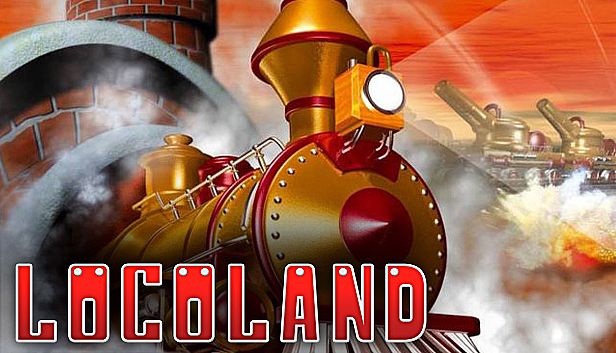















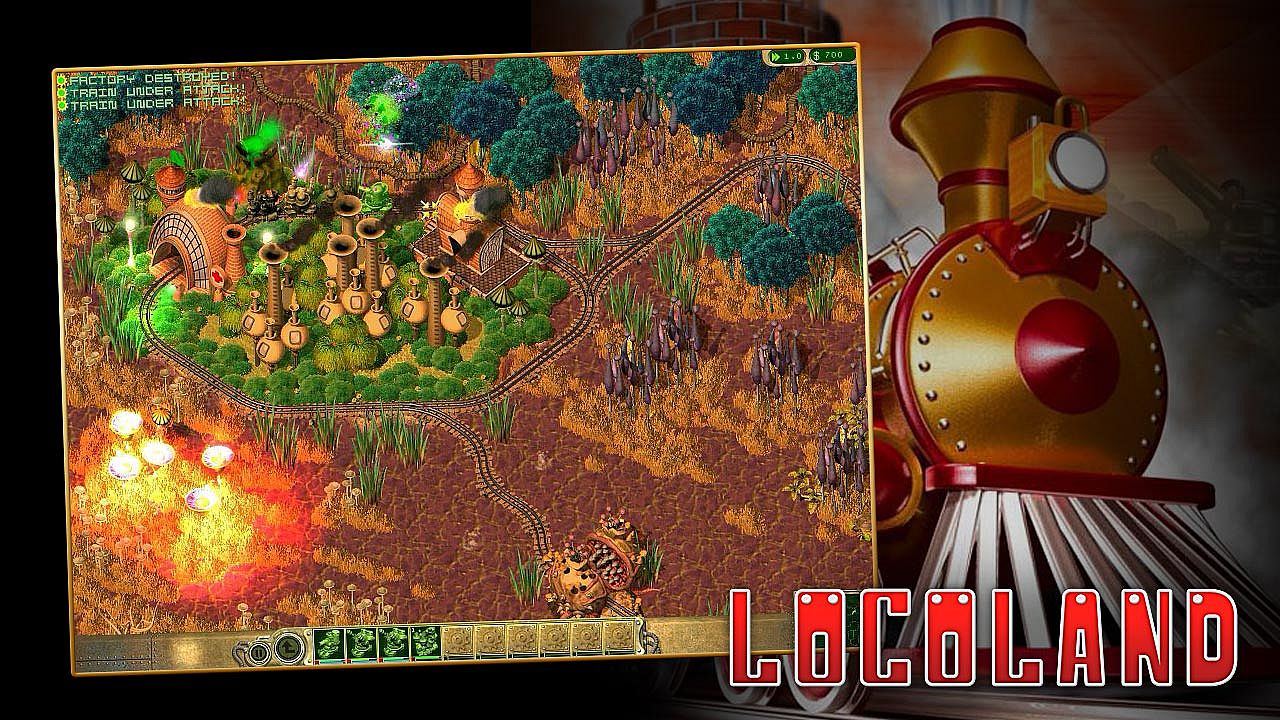
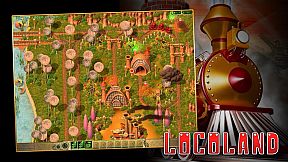
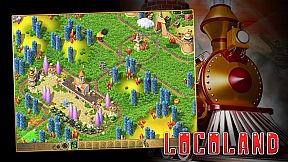
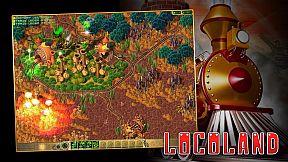
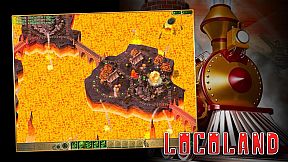
Locoland è uno strategico in tempo reale per PC in cui i giocatori comandano convogli robotici a vapore su un pianeta ostile e colorato. Il gioco fonde gestione delle risorse e combattimenti tattici in un mondo ricco di piante insolite, clima mutevole e pericoli elementali. Pubblicato nel 2003 e successivamente distribuito su piattaforme digitali, rappresenta un'esperienza indie incentrata su una campagna singleplayer anziché sul multiplayer competitivo.
Gameplay
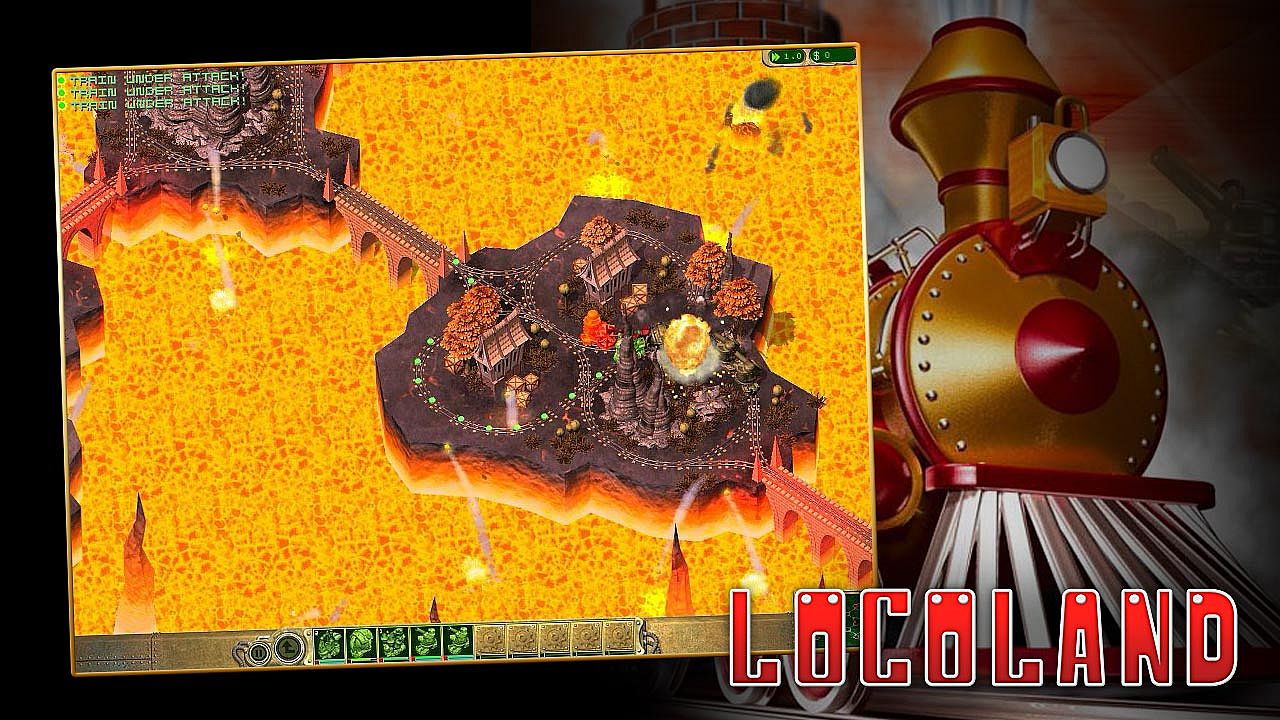
Il cuore del gioco sta nella costruzione e nel controllo di treni corazzati che possono muoversi solo lungo binari fissi. I giocatori raccolgono risorse per assemblare locomotive e vagoni armati, bilanciando la produzione con la difesa contro ondate di creature ostili e catastrofi naturali come piogge di meteoriti o eruzioni vulcaniche.
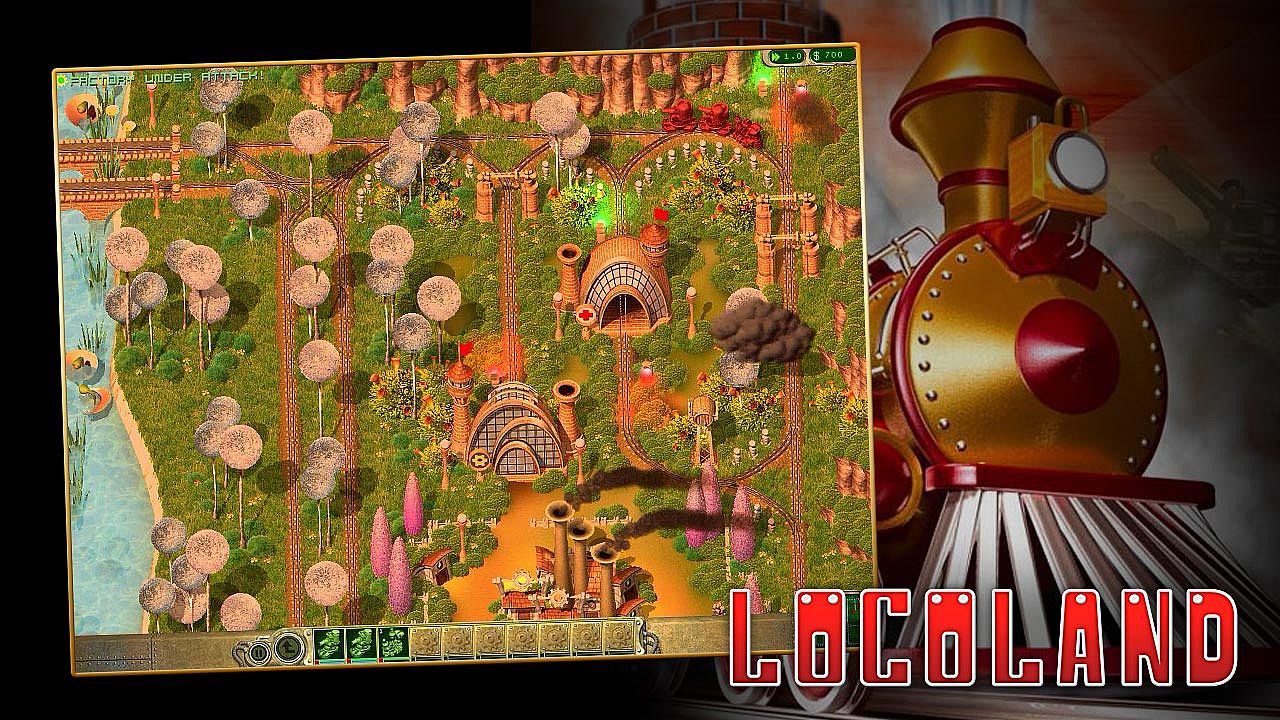
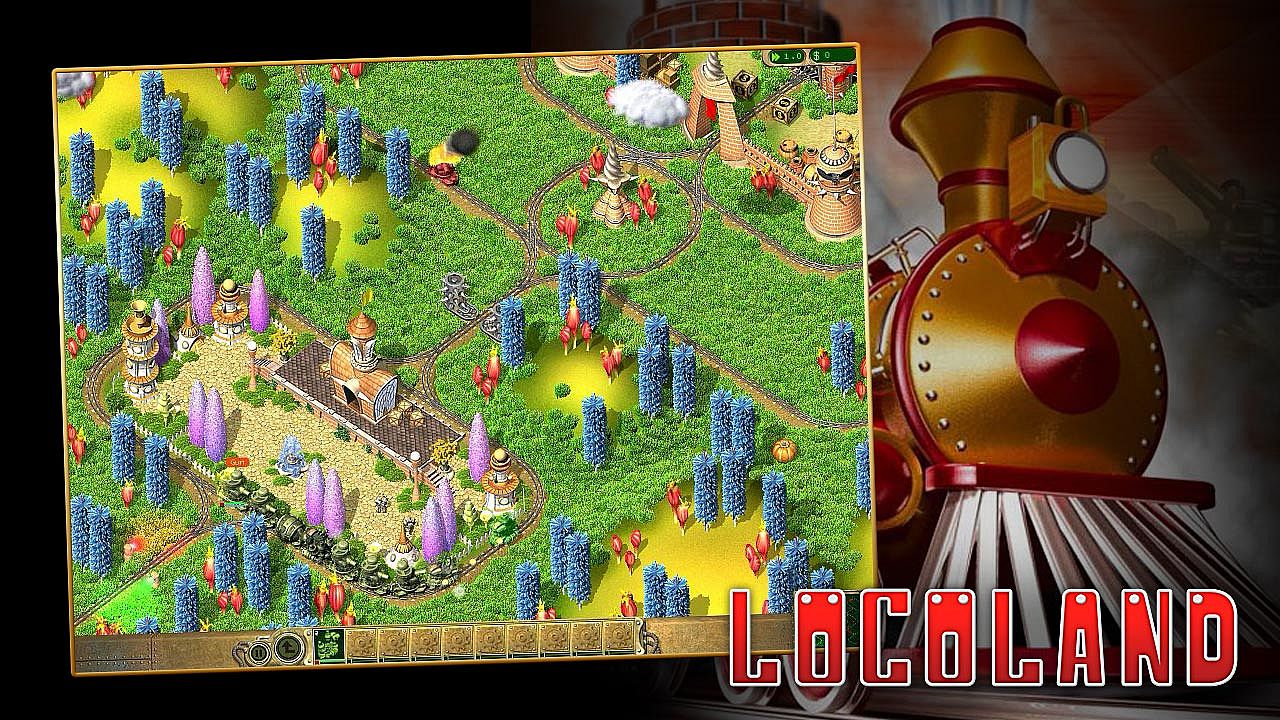
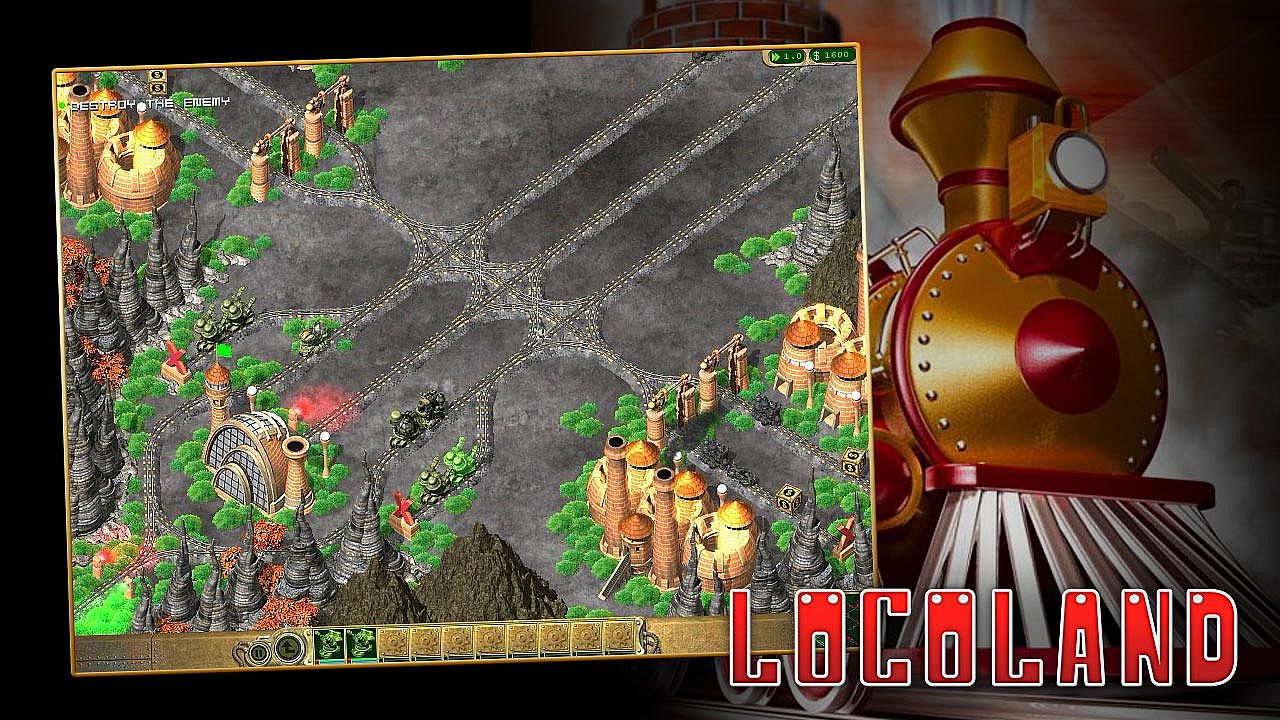
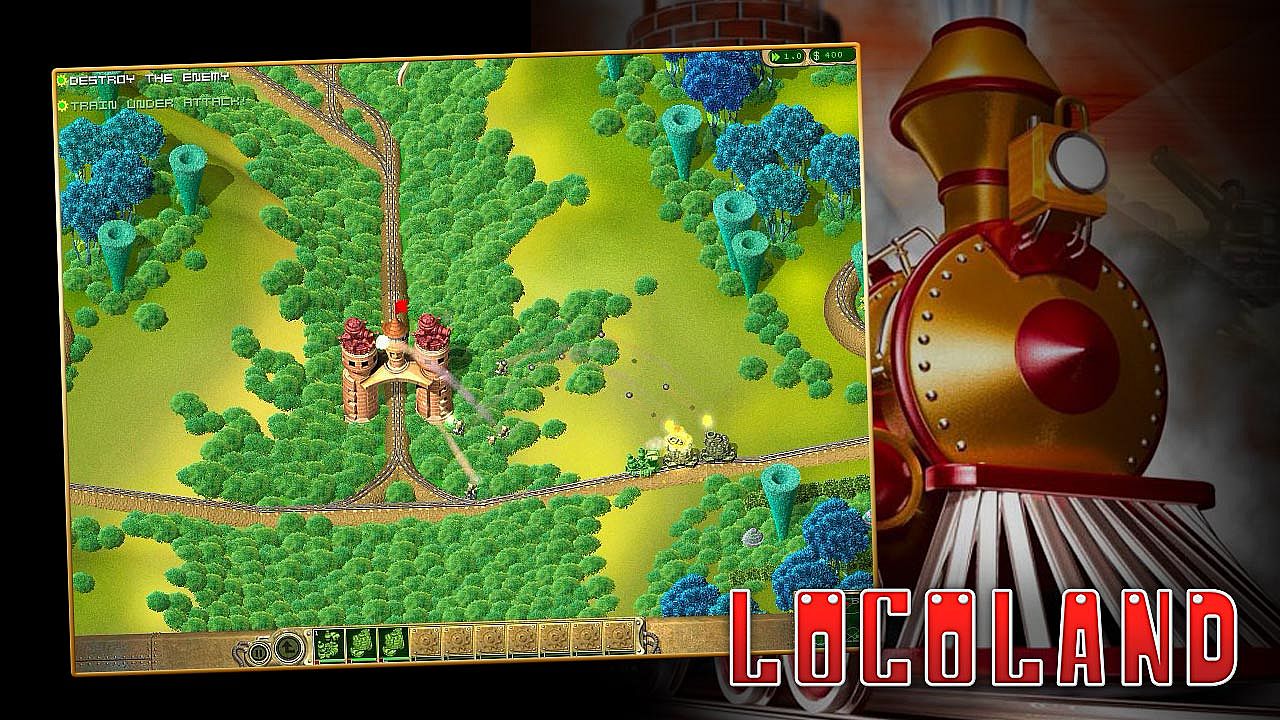
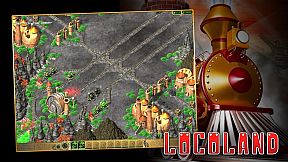
I convogli si spostano in tempo reale su una mappa a vista dall'alto e il combattimento scatta quando le forze nemiche si incontrano sui binari. È possibile agganciare o sganciare vagoni per personalizzare gli equipaggiamenti, impartire ordini di pattuglia o eseguire attacchi di speronamento. I cicli climatici e l'alternarsi del giorno e della notte influenzano visibilità e condizioni di battaglia, aggiungendo variabili a posizionamento e tempistica. I comandi si basano principalmente su click del mouse per selezionare e muovere le unità, mentre le scorciatoie da tastiera servono a raggruppare i convogli, attivare abilità come la posa di mine o passare dalla gestione del deposito al comando sul campo.
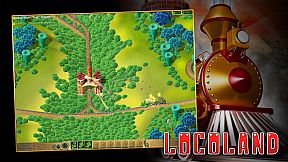
Ombre dinamiche e paesaggi mutevoli arricchiscono un mondo dal sapore cartoon, dove le strategie vanno continuamente adattate ai pericoli ambientali imprevedibili. Il sistema permette sia difese statiche sia espansioni aggressive lungo la rete ferroviaria.
Modalità di gioco
Locoland propone una campagna singleplayer composta da venti missioni di complessità crescente. Ogni missione presenta obiettivi diversi, dal respingere i primi attacchi alla gestione di offensive su larga scala in condizioni sempre più difficili. La difficoltà aumenta progressivamente, con nemici più numerosi e risorse più limitate nelle fasi avanzate.
Non esistono modalità multigiocatore o competitive. L'esperienza è interamente dedicata alla campagna, lineare ma con percorsi narrativi che si sviluppano man mano che si procede. Il design delle missioni incoraggia il replay attraverso diverse configurazioni dei binari e composizioni dei convogli.
Grafica e presentazione
Lo stile grafico cartoon colorato mette in risalto la flora aliena e i mutamenti del terreno. Pioggia, neve e cadute di meteoriti modificano sia l'atmosfera visiva sia le scelte tattiche. La varietà di locomotive e armamenti, tutti coerenti con il tema steampunk robotico, rende gli scontri visivamente diversi da una missione all'altra.
Nonostante l'età del titolo, le prestazioni restano stabili sui PC moderni, anche se le opzioni di risoluzione sono ridotte rispetto ai giochi più recenti. La presentazione punta sulla chiarezza per la gestione delle unità piuttosto che sulla fedeltà grafica.
Vale la pena giocarci?
Locoland è indicato per chi apprezza gli strategici classici in tempo reale e cerca una campagna singleplayer con meccaniche basate sui treni. I comandi accessibili e la curva di difficoltà bilanciata lo rendono adatto sia ai giocatori più giovani sia agli strateghi esperti in cerca di sessioni leggere ma profonde.
Su Steam il titolo ha recensioni "Molto positive", con l'80 % di giudizi favorevoli su 173 valutazioni. Gli utenti lodano l'ambientazione originale e il ciclo di gioco appagante, pur segnalando l'interfaccia datata e l'assenza di funzioni moderne di qualità della vita. Non ricevendo aggiornamenti, Locoland resta un'esperienza autoconclusiva da affrontare per la sua struttura originale.
Chi cerca titoli indie con veicoli insoliti e sfide ambientali troverà la campagna coinvolgente. Chi preferisce il multiplayer o contenuti frequenti potrebbe orientarsi verso produzioni più recenti del genere.