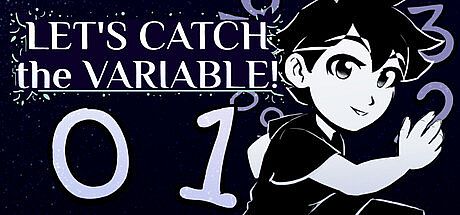



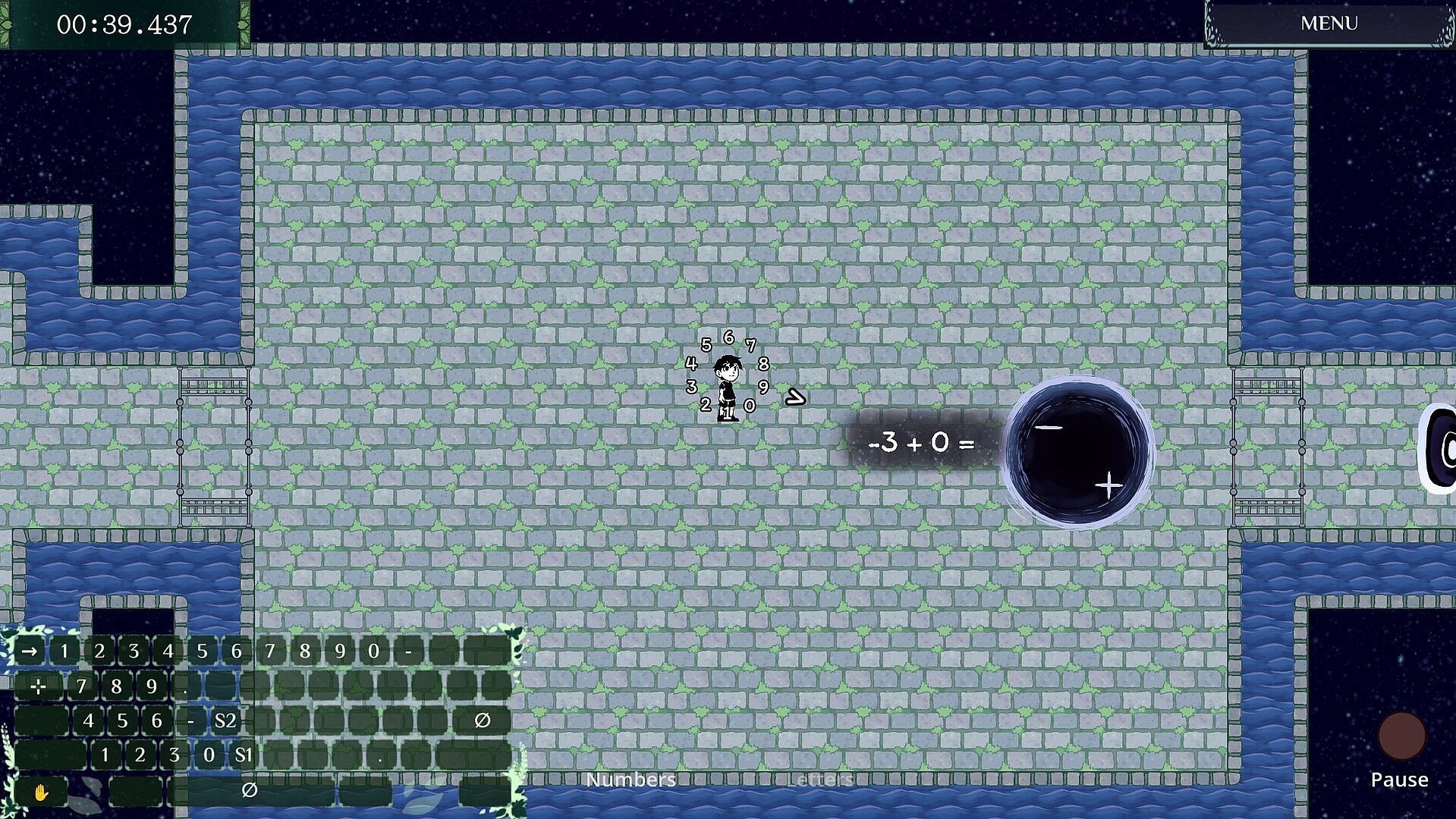
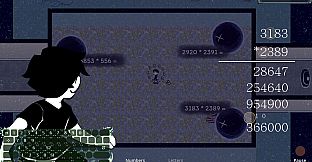
Let's Catch the Variable! è un indie casual single-player per PC che unisce l'azione di tiro top-down 2D all'esercizio di matematica e agli elementi puzzle. Il giocatore difende la città di Multiplicity da ondate di problemi aritmetici, risolvendo equazioni in movimento o fermandosi per calcolare. L'esperienza alterna riflessi rapidi e ragionamento ragionato tra sfide matematiche e minigiochi vari.
Gameplay
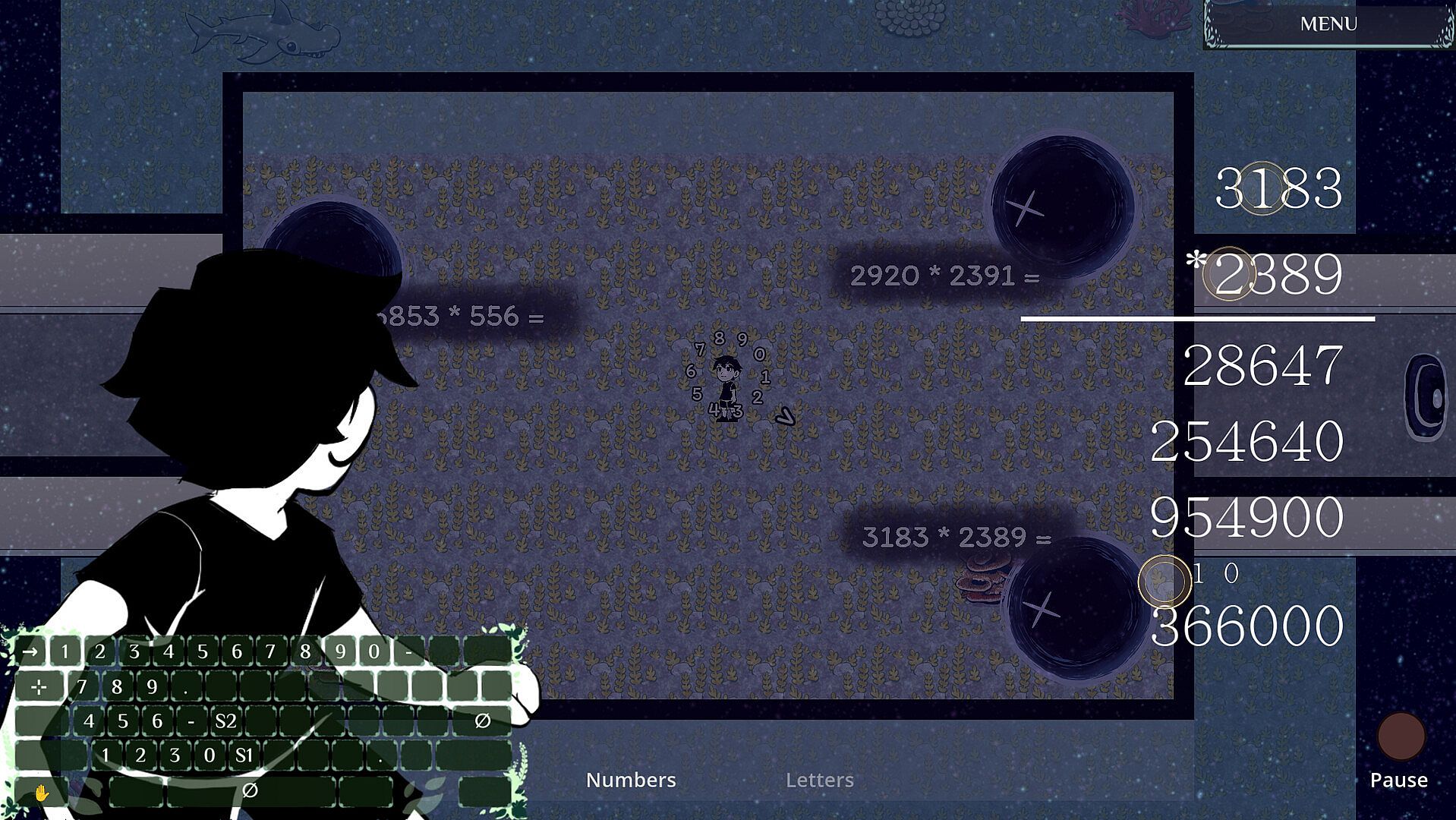
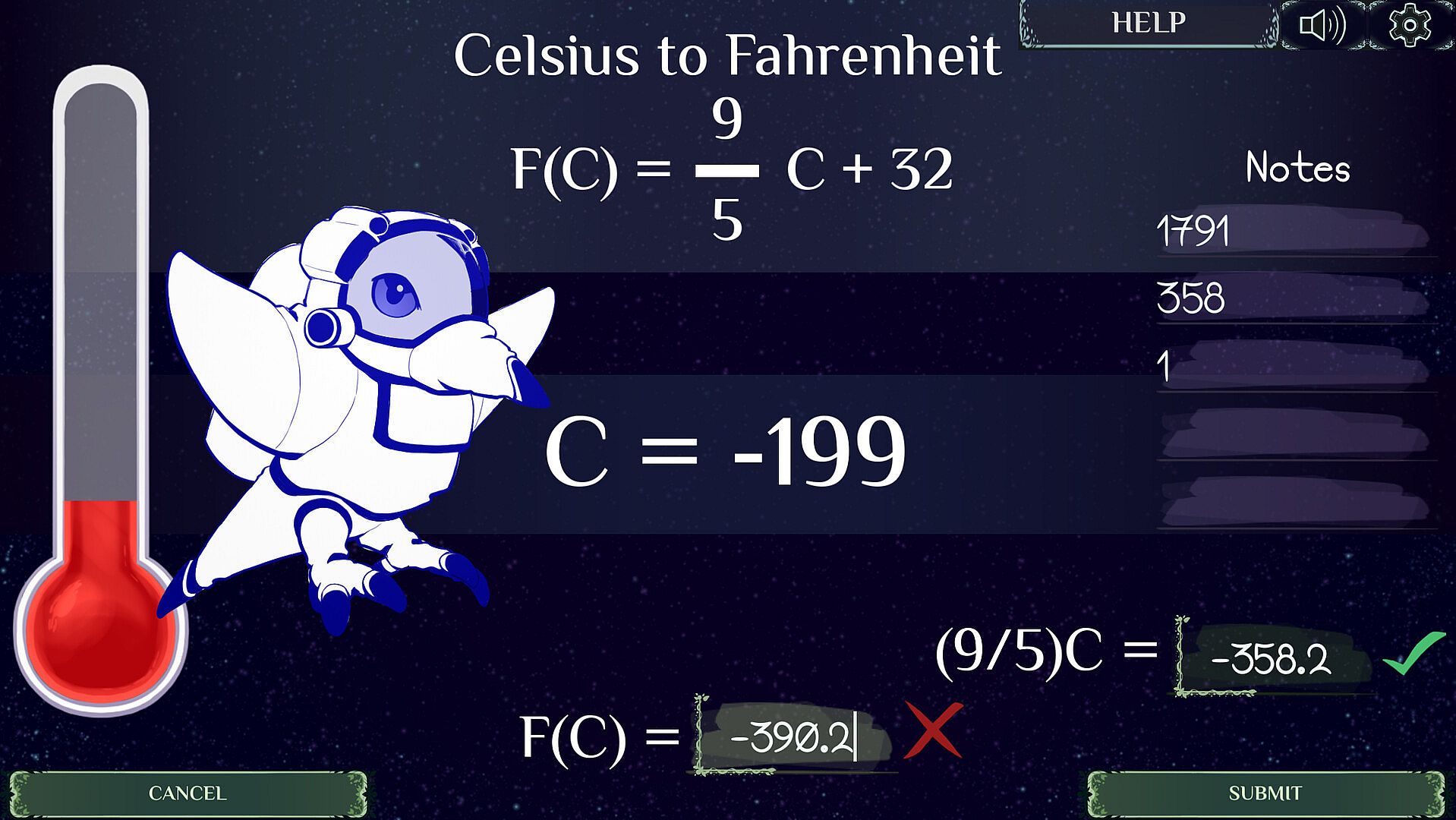
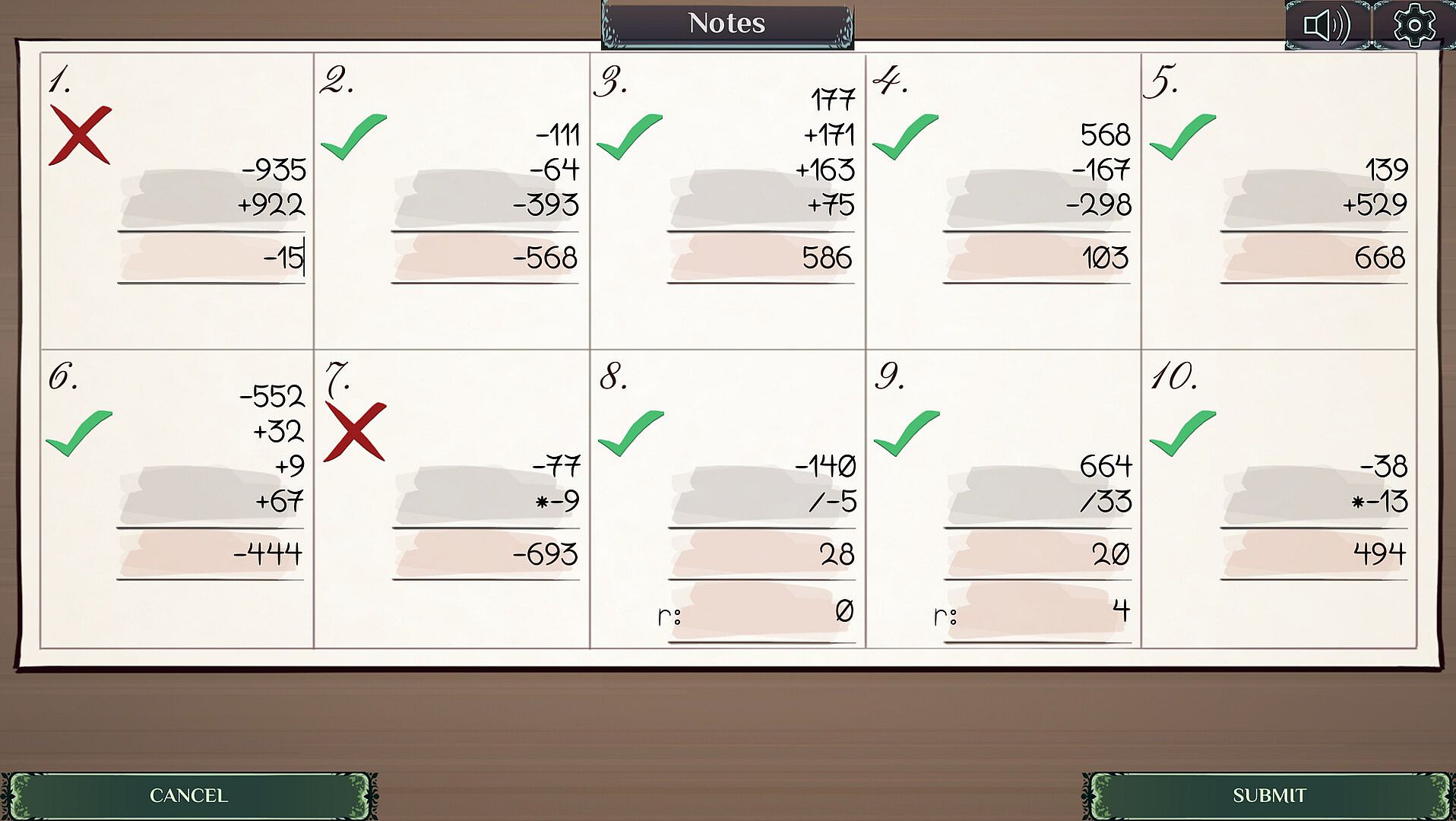
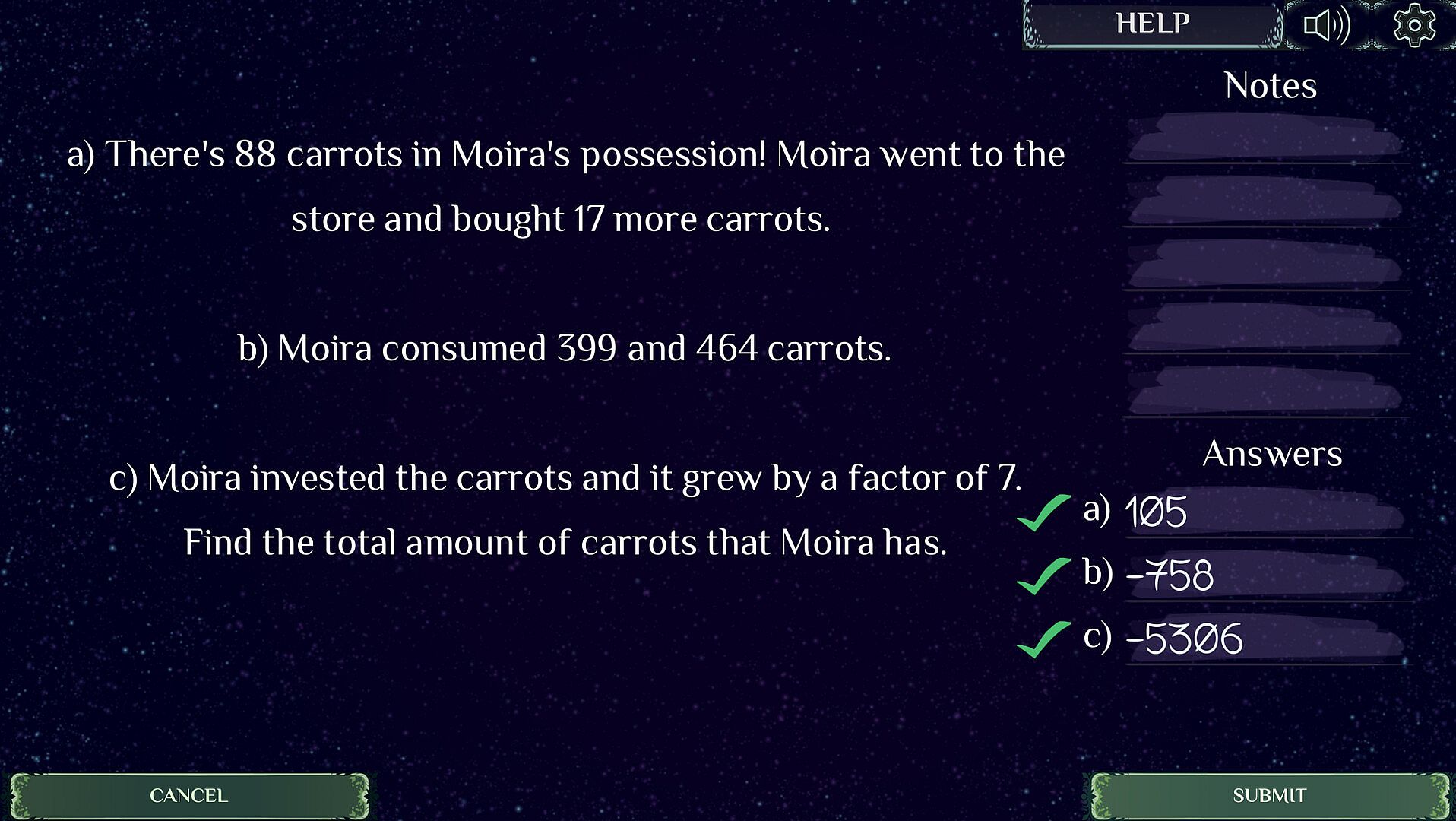
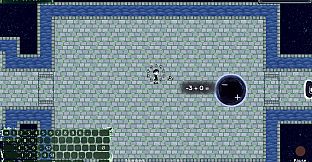
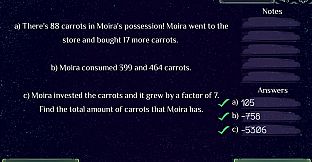
Il ciclo di gioco si svolge in visuale top-down, con i problemi matematici che si avvicinano come nemici. Le operazioni base comprendono addizione, sottrazione, moltiplicazione e divisione, con avvisi per espressioni più lunghe o complesse. Il giocatore risponde inserendo i risultati mentre si muove sullo schermo o si ferma per concentrarsi. Il sistema premia sia la velocità sia la precisione, a seconda del ritmo scelto.
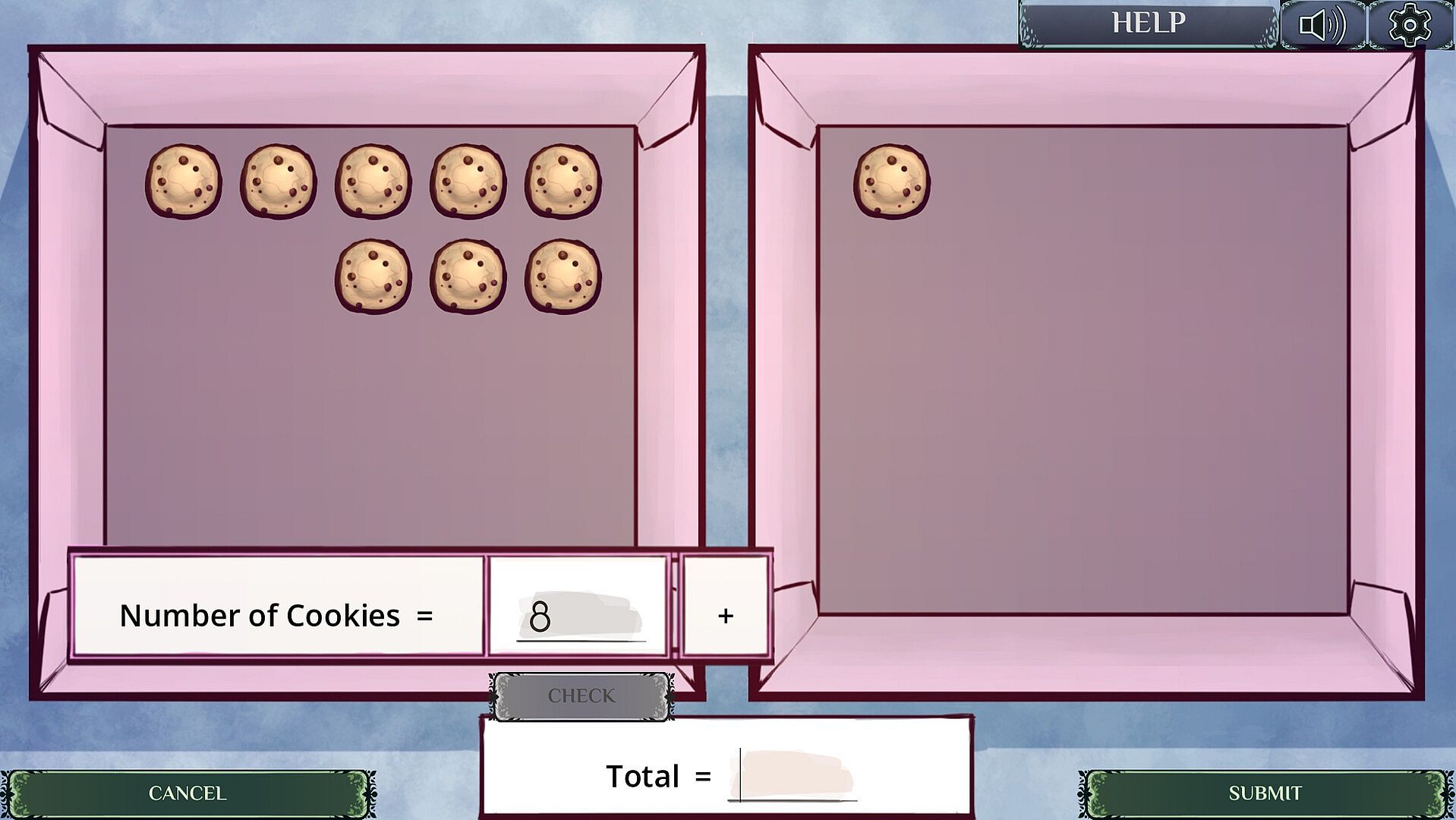
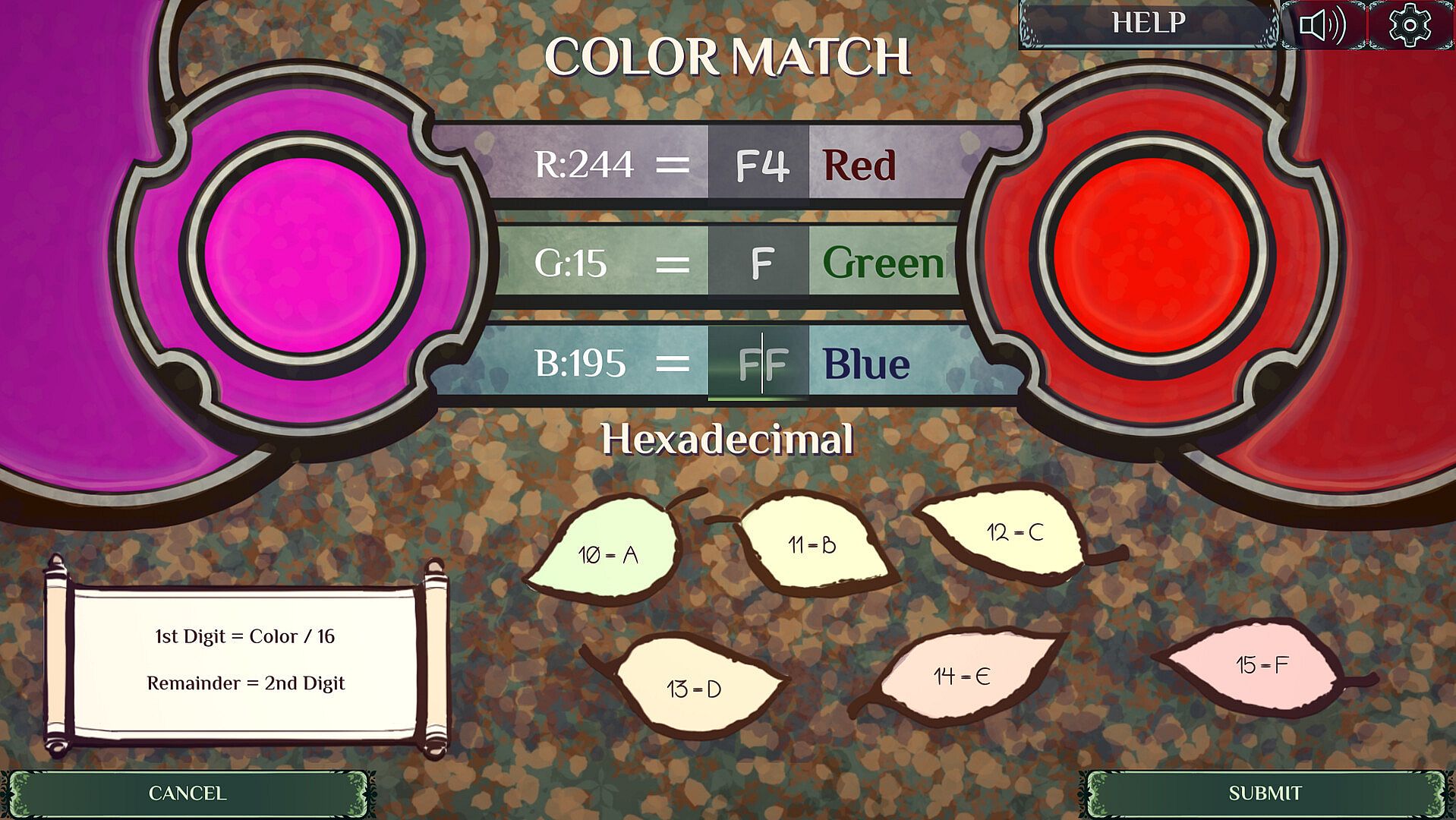
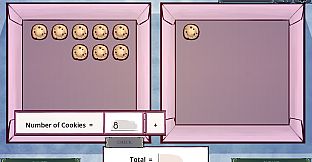
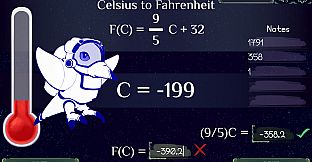
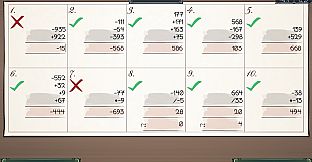
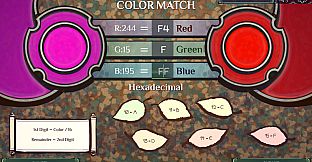
Minigiochi interrompono l'azione principale con meccaniche diverse: tracciare su una retta numerica, contare monete di vario taglio, ordinare elementi in un diagramma di Venn, convertire tra sistema decimale ed esadecimale e altri esercizi che rafforzano competenze correlate. Ogni minigioco sposta l'attenzione dal combattimento diretto a un allenamento mirato, con uno stile visivo e meccanico distinto.
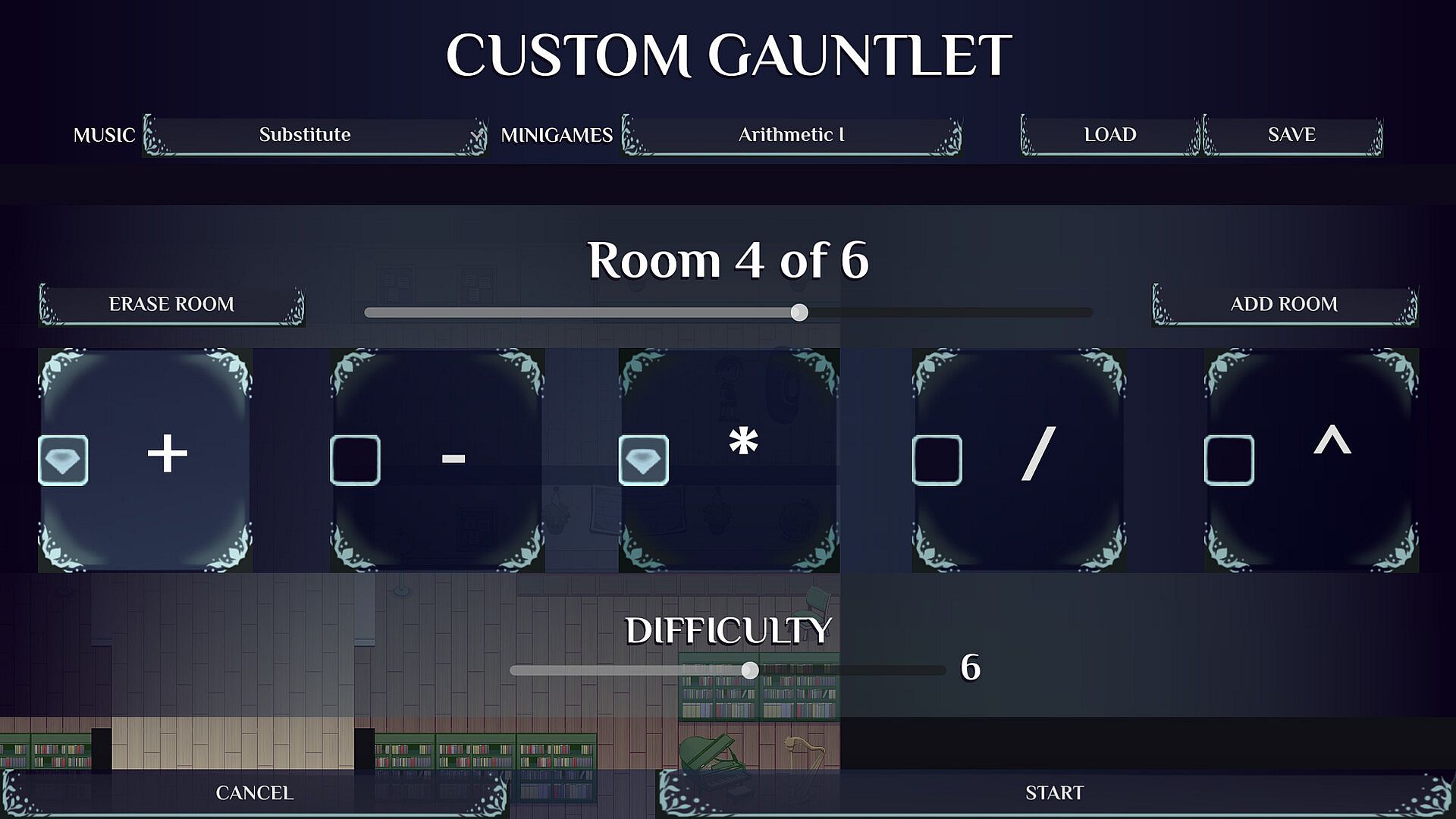
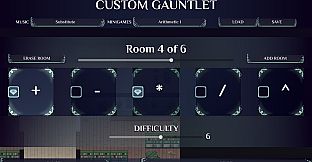
Prima di iniziare è possibile personalizzare l'esperienza. Le impostazioni Gauntlet regolano la combinazione di tipi di problema e il livello di difficoltà, permettendo sessioni su misura che vanno dalla ripetizione rilassata a sequenze intense. La personalizzazione della base numerica consente di eseguire i calcoli in basi da 2 a 36, introducendo conversioni mentali senza modificare le operazioni fondamentali.
Game Modes
La modalità principale è il Gauntlet personalizzabile, in cui il giocatore affronta ondate successive di nemici aritmetici intervallate da minigiochi. La struttura supporta sia sessioni brevi e mirate sia sfide di resistenza più lunghe, grazie ai parametri regolabili.
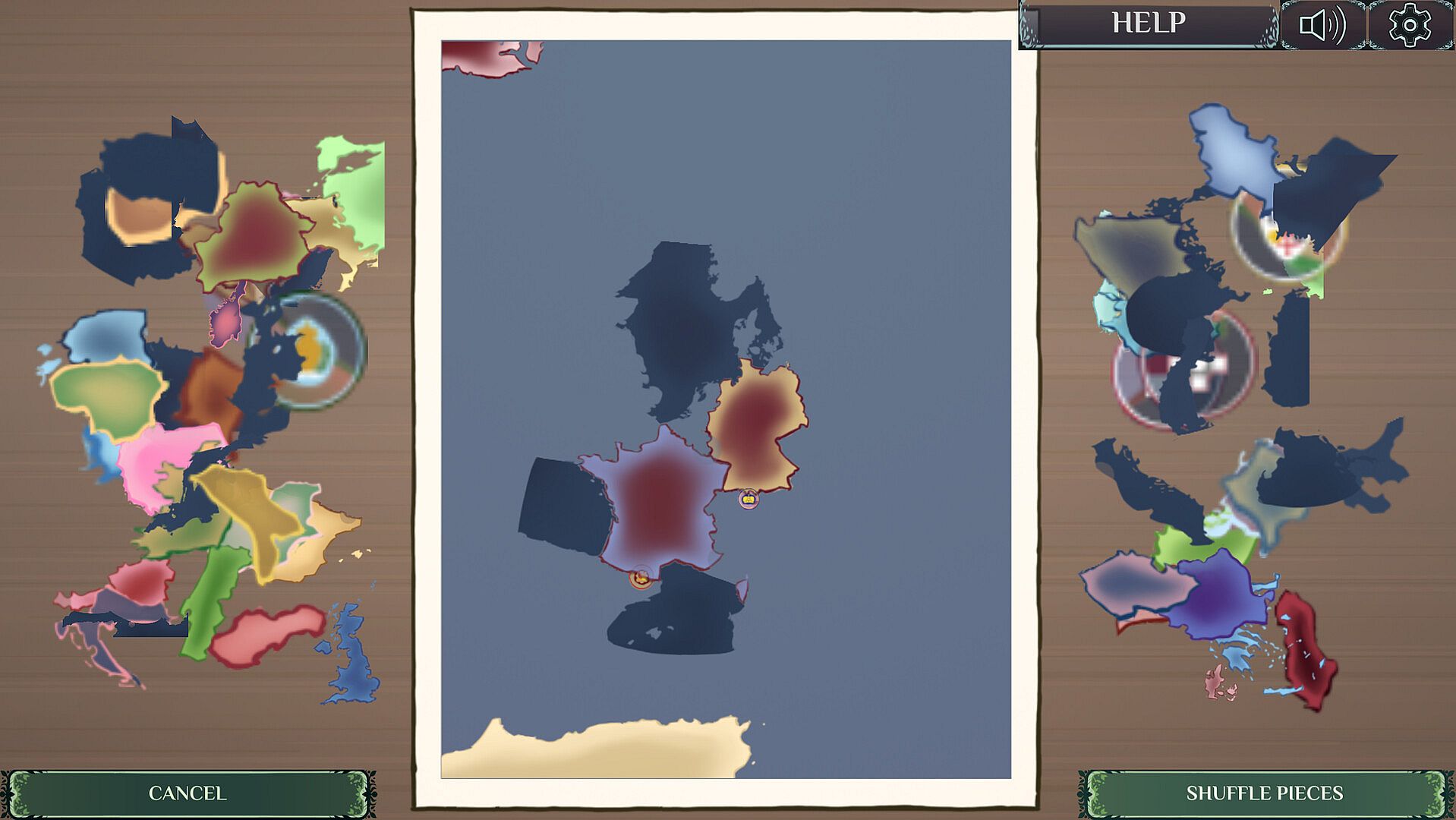
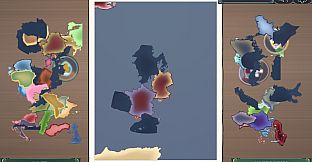
I puzzle geografici offrono pause facoltative dalle attività numeriche. Si tratta di assemblaggi in stile jigsaw con sagome di Paesi, che forniscono un cambio di ritmo visivo-spaziale pur mantenendo l'attenzione su riconoscimento di pattern e dettagli.
Non esistono modalità competitive o multiplayer separate. Tutto resta all'interno del framework single-player, con progressione legata alle configurazioni personali del Gauntlet piuttosto che a classifiche o sessioni condivise.
Customization and Progression
Il giocatore costruisce le sessioni in base alle proprie preferenze, scegliendo quali operazioni aritmetiche includere, con quale frequenza attivare i minigiochi e quale curva di difficoltà impostare. La modifica della base numerica aggiunge varietà richiedendo risposte in sistemi non decimali, verificando la comprensione del valore posizionale in contesti diversi.
La combinazione di movimento da shooter e calcolo in pausa permette stili di gioco differenti. Chi preferisce restare in movimento può gestire problemi più semplici schivando, mentre altri possono fermare l'azione per calcoli più complessi o basi meno familiari.
Is It Worth Playing?
Il titolo si rivolge a chi cerca un'esperienza educativa casual con un tocco di azione. Le meccaniche verificate si concentrano sulla pratica aritmetica attraverso la risoluzione diretta e i minigiochi di supporto, con impostazioni flessibili adatte a diversi livelli di abilità e tempi di attenzione.
Poiché il gioco non è ancora uscito, non sono disponibili feedback né dati sulle prestazioni. Chi è interessato a un rinforzo matematico unito a varietà puzzle e un leggero elemento di tiro potrebbe trovare interessanti i sistemi descritti una volta disponibile il 4 agosto 2026. Il design single-player e il supporto al family sharing lo rendono adatto sia all'uso individuale sia alla condivisione in famiglia.