







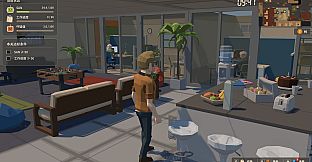
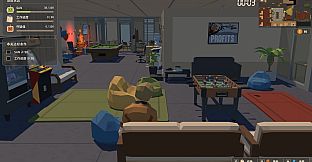
今天你摸鱼了吗! is a casual indie simulation game set in a third-person office environment on PC. Players take on the role of an employee navigating daily work demands while carving out time for personal breaks, all while managing the risk of detection by the boss.
Gameplay
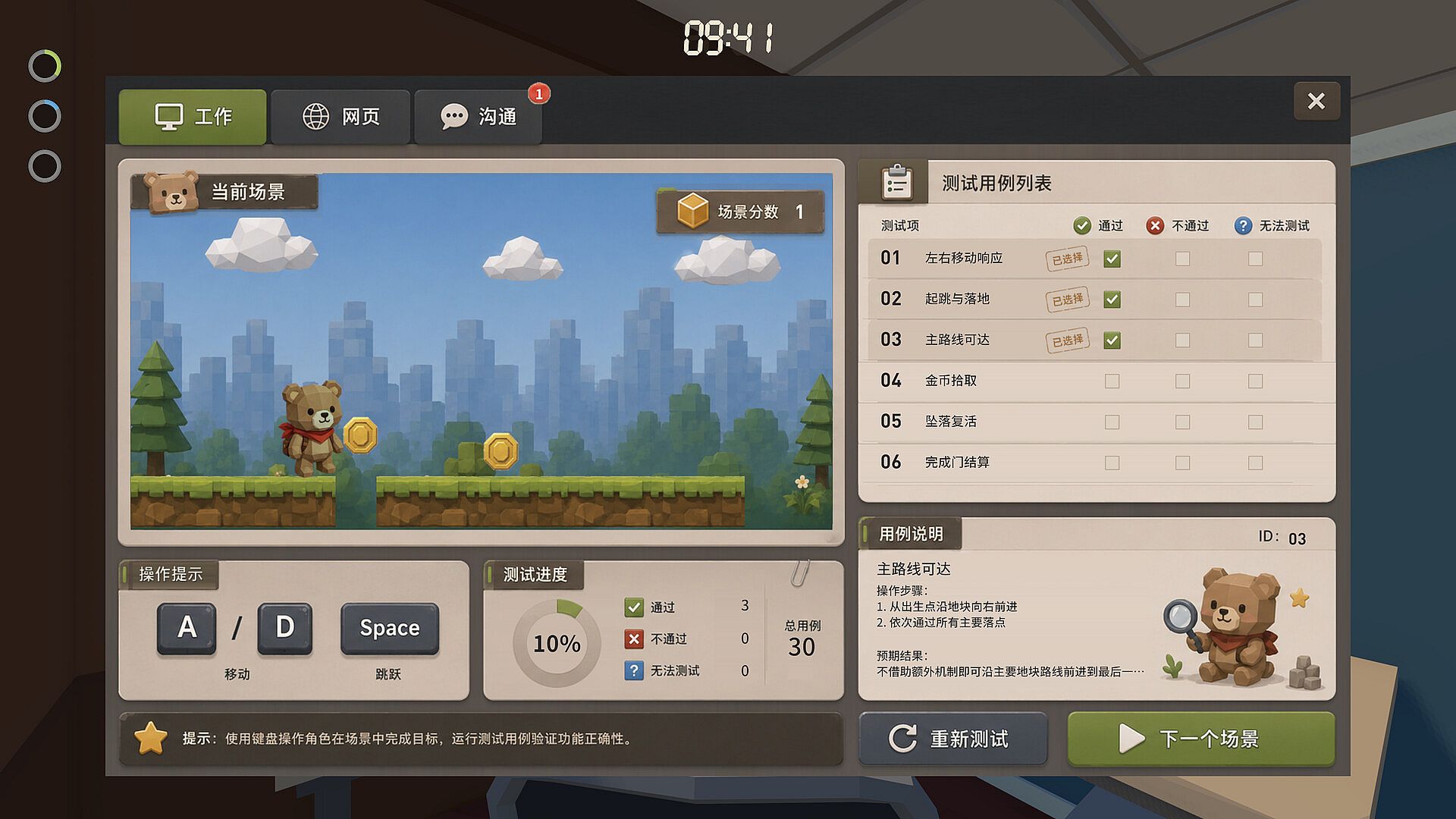
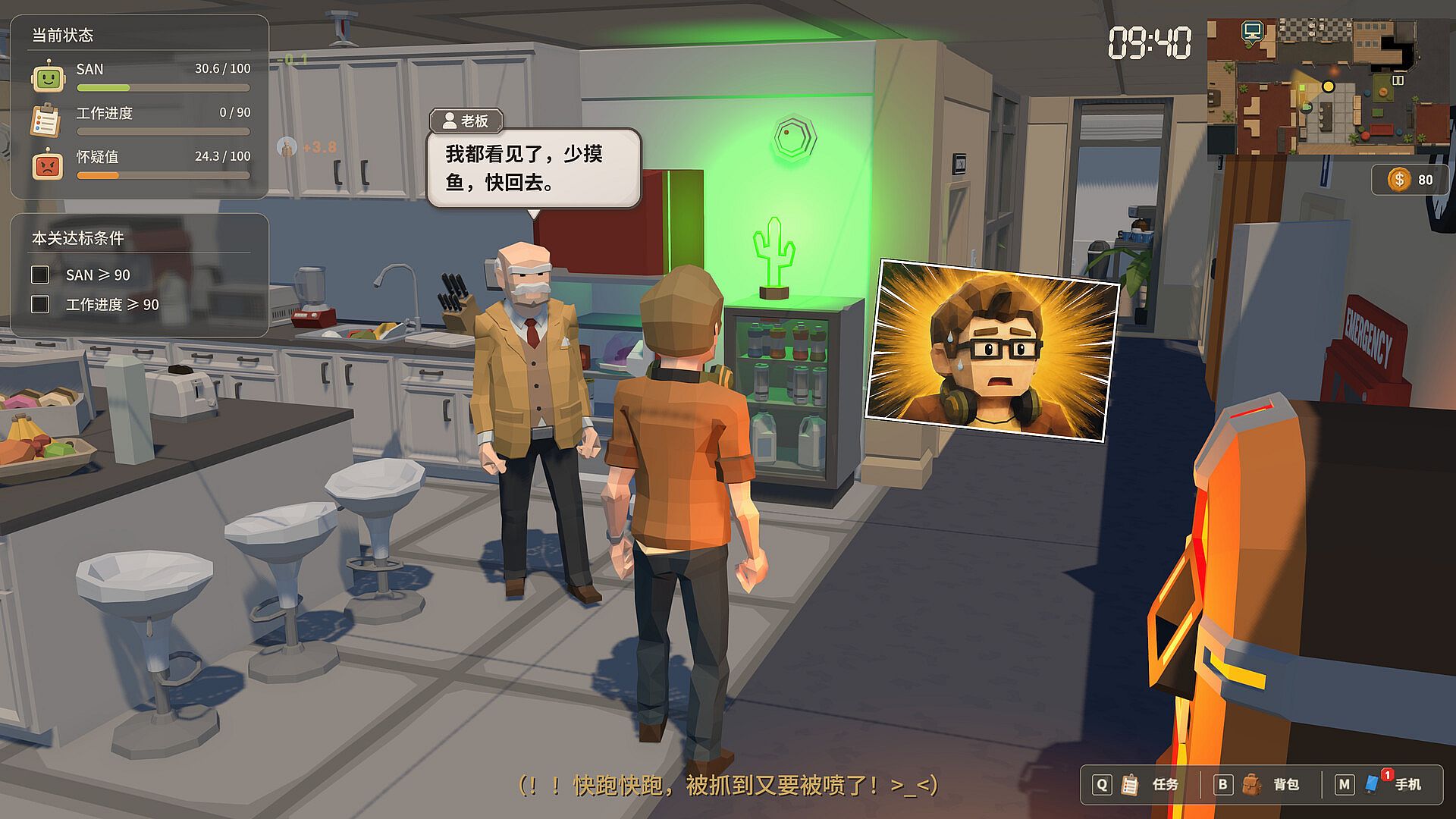
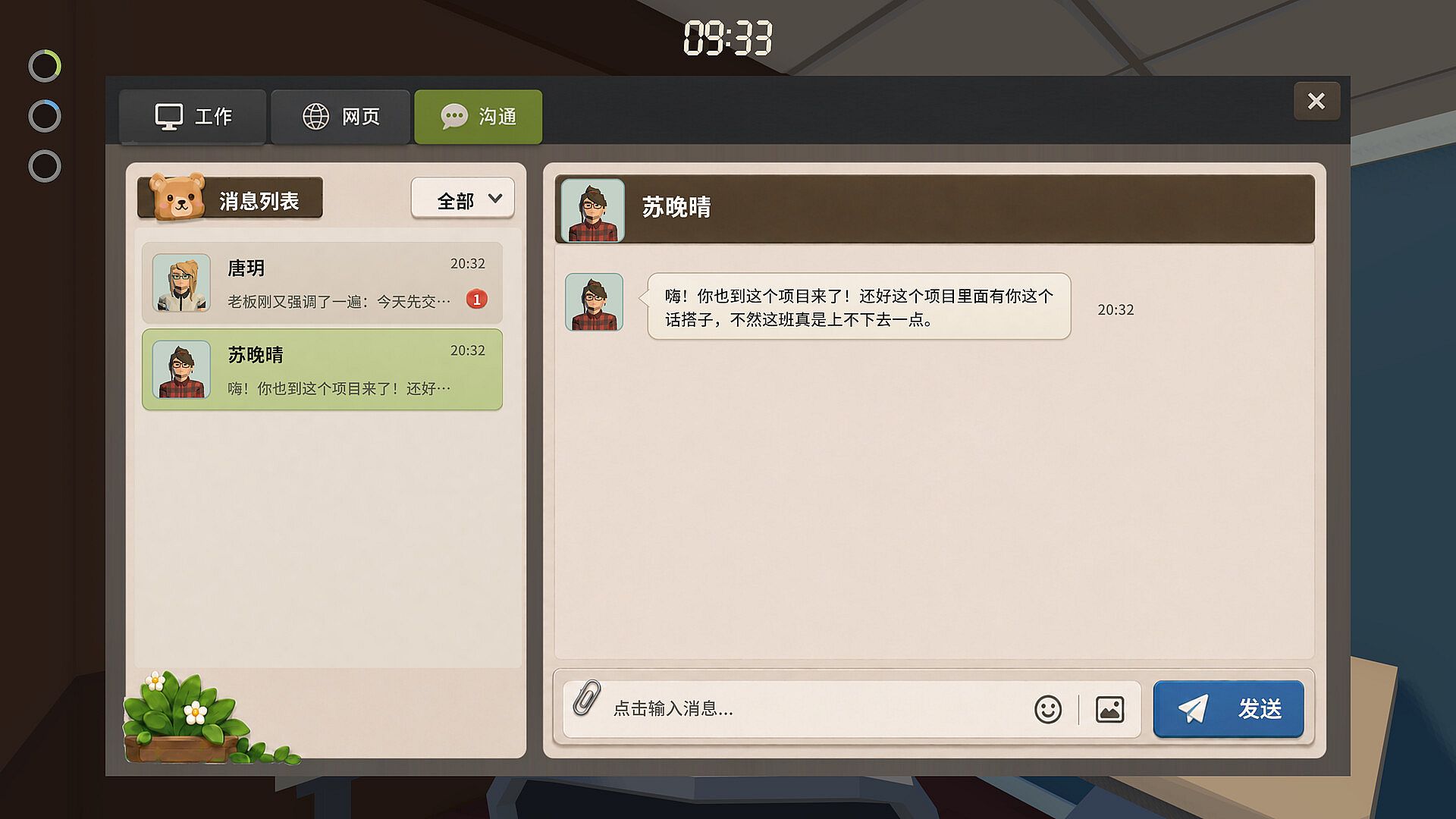
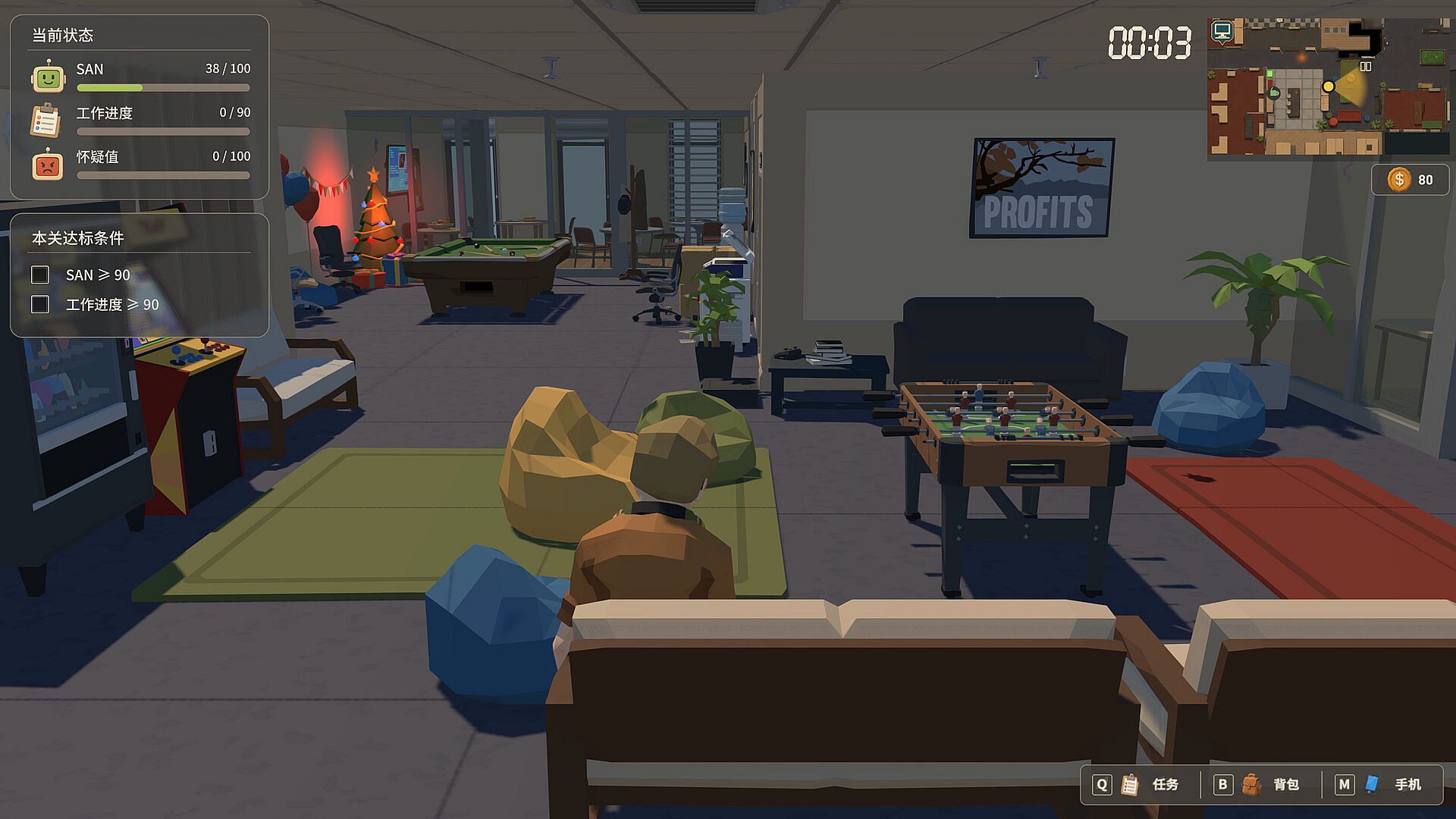
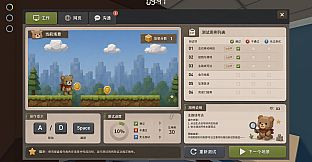
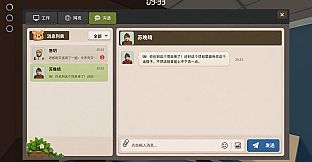
The core loop revolves around juggling assigned tasks with opportunities to recover energy through various slacking activities. Work involves completing tests, handling communications, and progressing on projects, but extended focus without breaks leads to declining mental state. Slacking options include browsing web pages, viewing jokes, playing poker, relaxing on the office sofa, or preparing coffee to restore balance. The boss patrols different office locations, and detection raises a suspicion meter that ends the run if it maxes out. Players must maintain an appearance of productivity while timing breaks carefully.
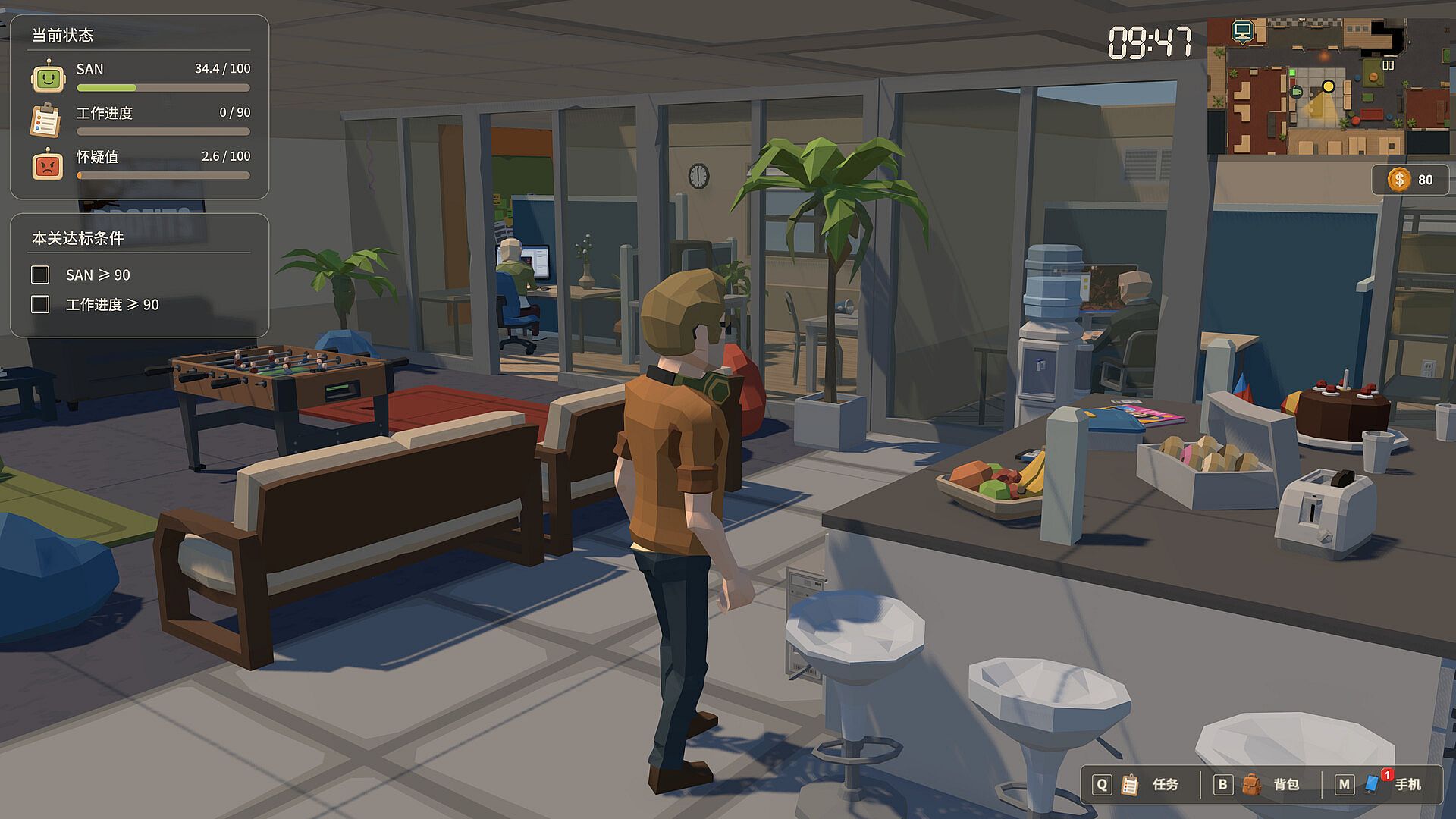
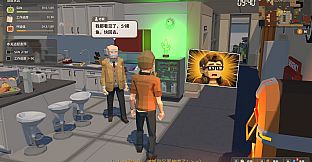
Progression comes through light upgrades and relationship building. Forming positive connections with colleagues or the boss can provide assistance during risky moments. Side activities allow earning extra income to acquire better equipment or tools that ease slacking pressure. Reaction speed and operational skills also improve over time, reducing the overall stress of office navigation. The system emphasizes three interconnected values: mental state or SAN, work progress, and suspicion level. Too little work fails objectives, excessive work erodes mental state, and overly bold slacking draws unwanted attention.
Game Modes
The experience centers on a single-player simulation focused on daily office survival and balance management. Sessions revolve around completing a set of work objectives within an office layout while integrating slacking sequences. No separate competitive or multiplayer modes are present; the emphasis stays on personal strategy for sustaining employment through clever timing and resource allocation.
Core Mechanics and Progression
Mechanics reward observation and timing. Players scan the office for the boss's position before initiating any break activity. Successful slacking restores mental state without triggering alerts, but each action carries risk based on duration and visibility. Upgrades from side earnings or relationships unlock faster recovery options or safer hiding spots. The simulation encourages experimentation with different break combinations to find efficient recovery patterns that still allow task completion.
Over multiple sessions, players develop routines that optimize the three key values. Early runs focus on basic task completion and simple breaks, while later play involves more complex sequences that combine work efficiency with frequent, low-risk recovery moments. The light progression system supports repeated attempts without heavy penalties, fitting the casual tone.
Is It Worth Playing?
This title suits players who enjoy relaxed management simulations with humorous undertones and strategic timing elements. The premise of balancing productivity against personal downtime in an office setting delivers consistent light entertainment through its core risk-reward loop. Those drawn to indie casual games that simulate everyday scenarios with a twist will find the mechanics engaging over short to medium sessions. The absence of intense action or complex narratives keeps the focus on thoughtful pacing and incremental improvement, making it a solid choice for unwind time rather than high-stakes competition.











