

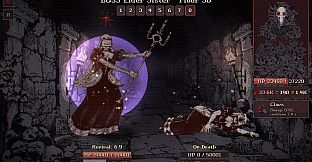
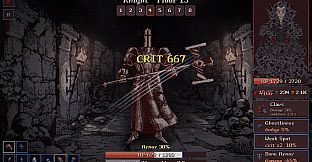
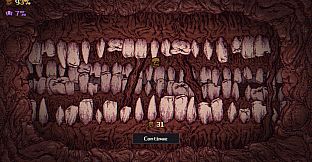
I Am Plague is an indie incremental roguelite for PC that places players in control of a growing horde of rats ascending through a vast underground fortress. The swarm operates as a single hivemind, fighting its way toward the surface while devouring enemies and harvesting resources to fuel further growth. Automatic combat forms the core loop, with outcomes determined by the mutations and upgrades assembled before each run.
Gameplay
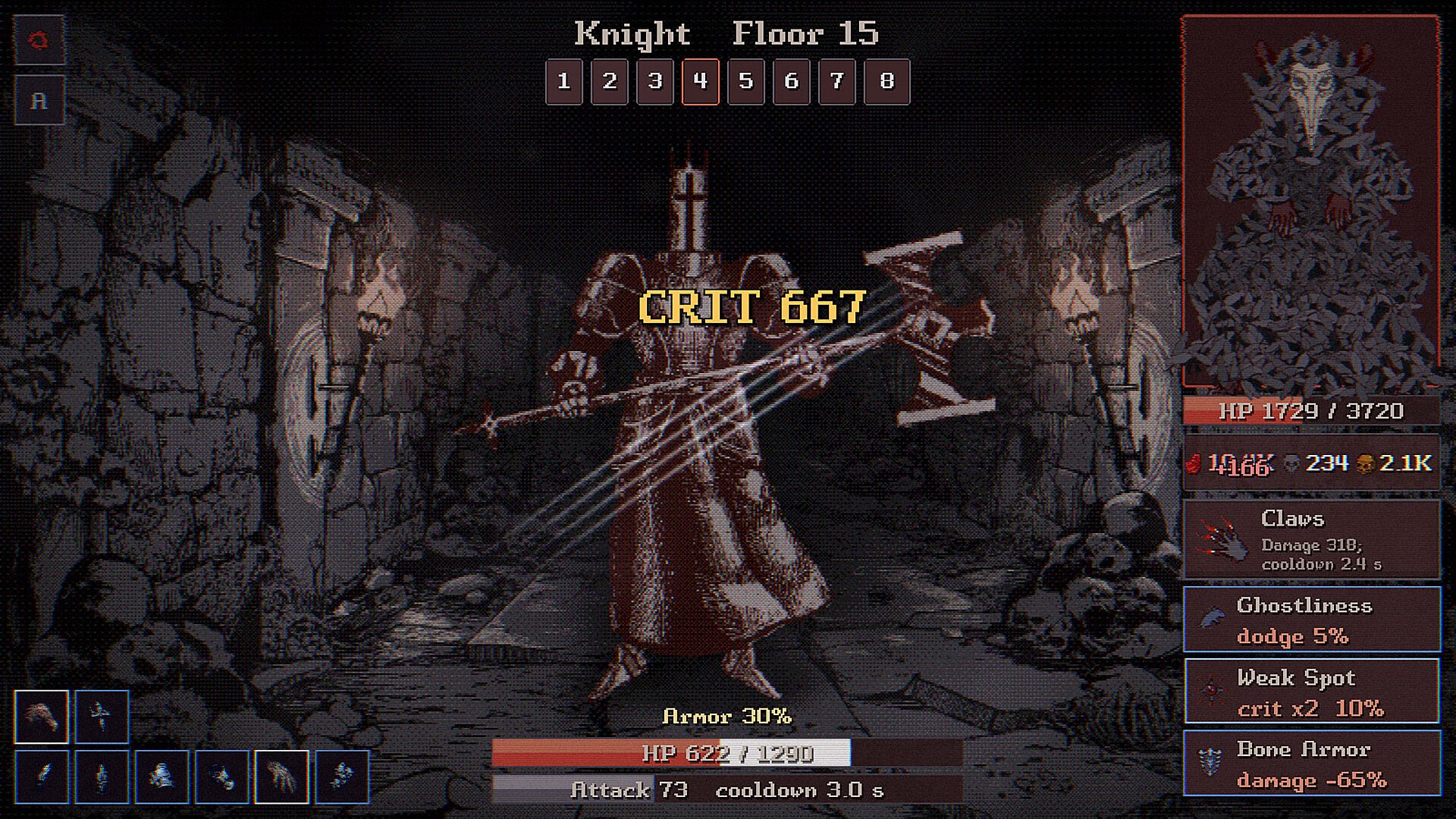
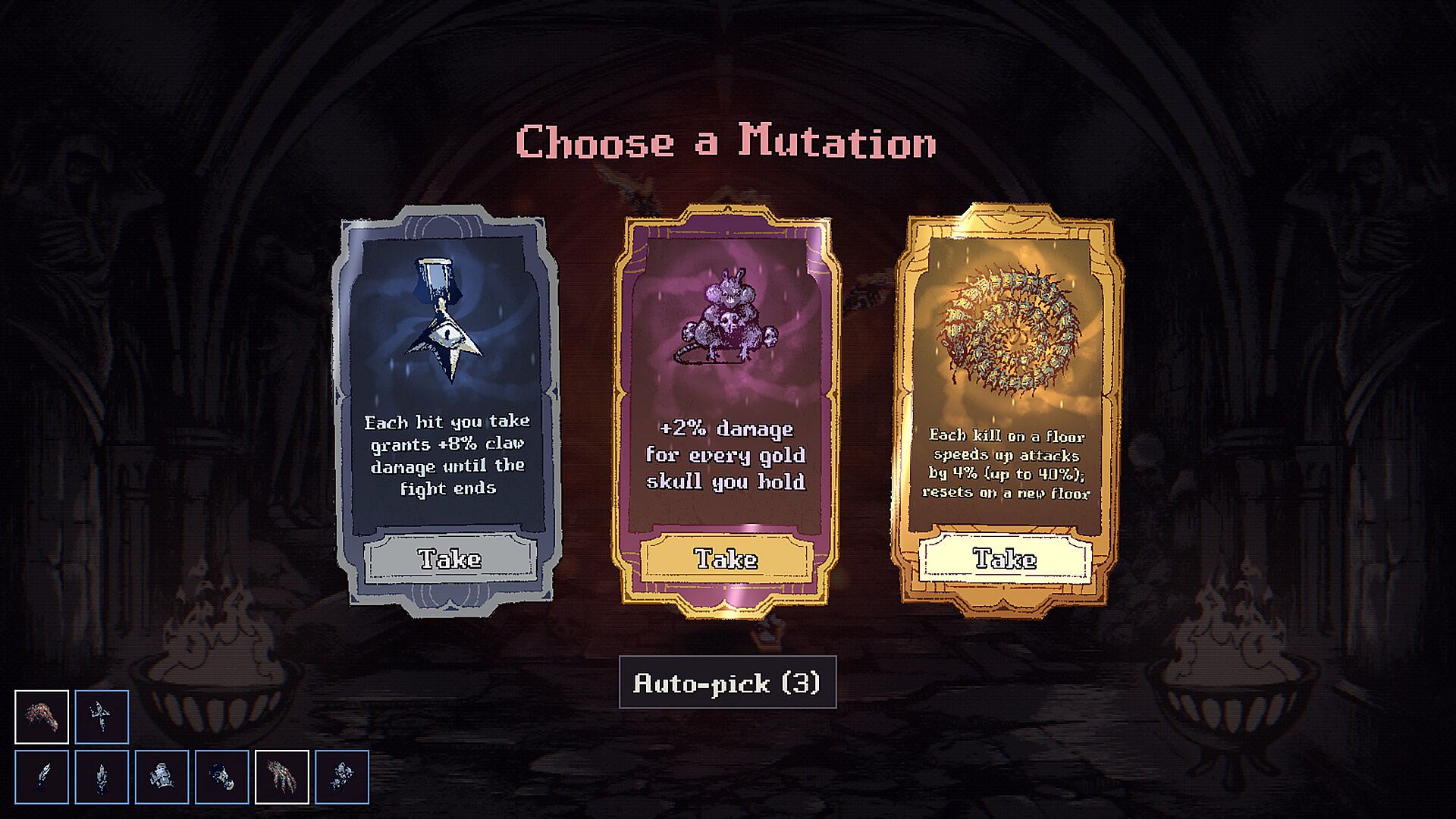
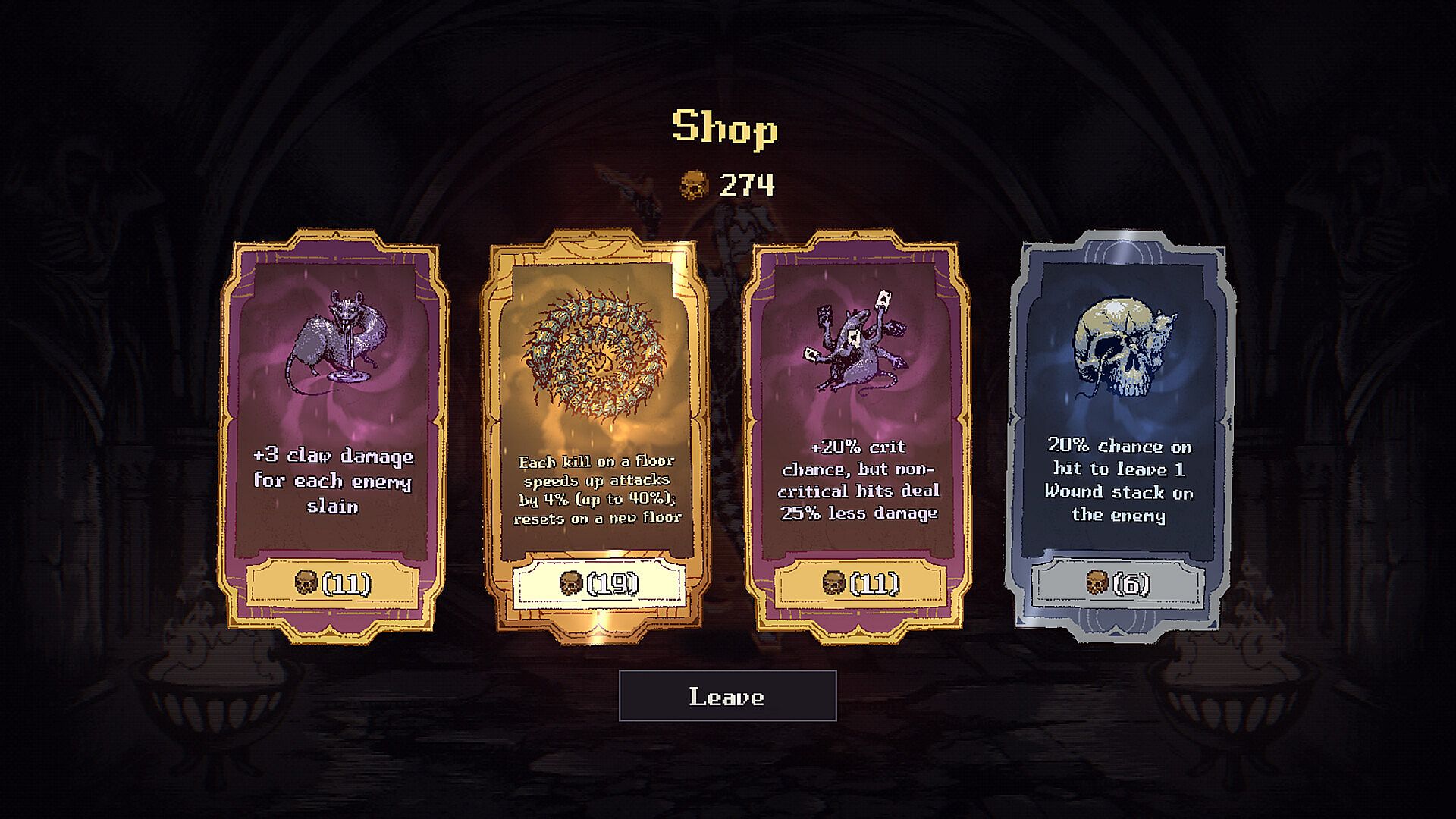
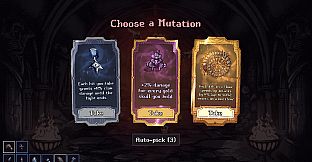
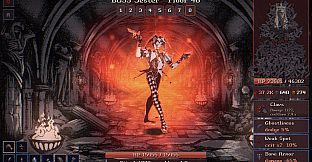
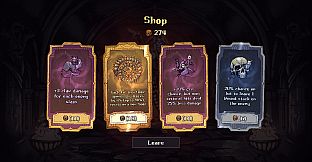
The horde begins weak and must navigate floor by floor, selecting from three mutation options at key points or purchasing additional ones in shops. Mutations cover categories such as strength, attack speed, health, defense, critical hits, evasion, and regeneration. Repeating selections on the same mutation strengthens its effects, encouraging players to pursue focused builds or experiment with combinations for synergies like status effects on attacks or bone armor for protection.
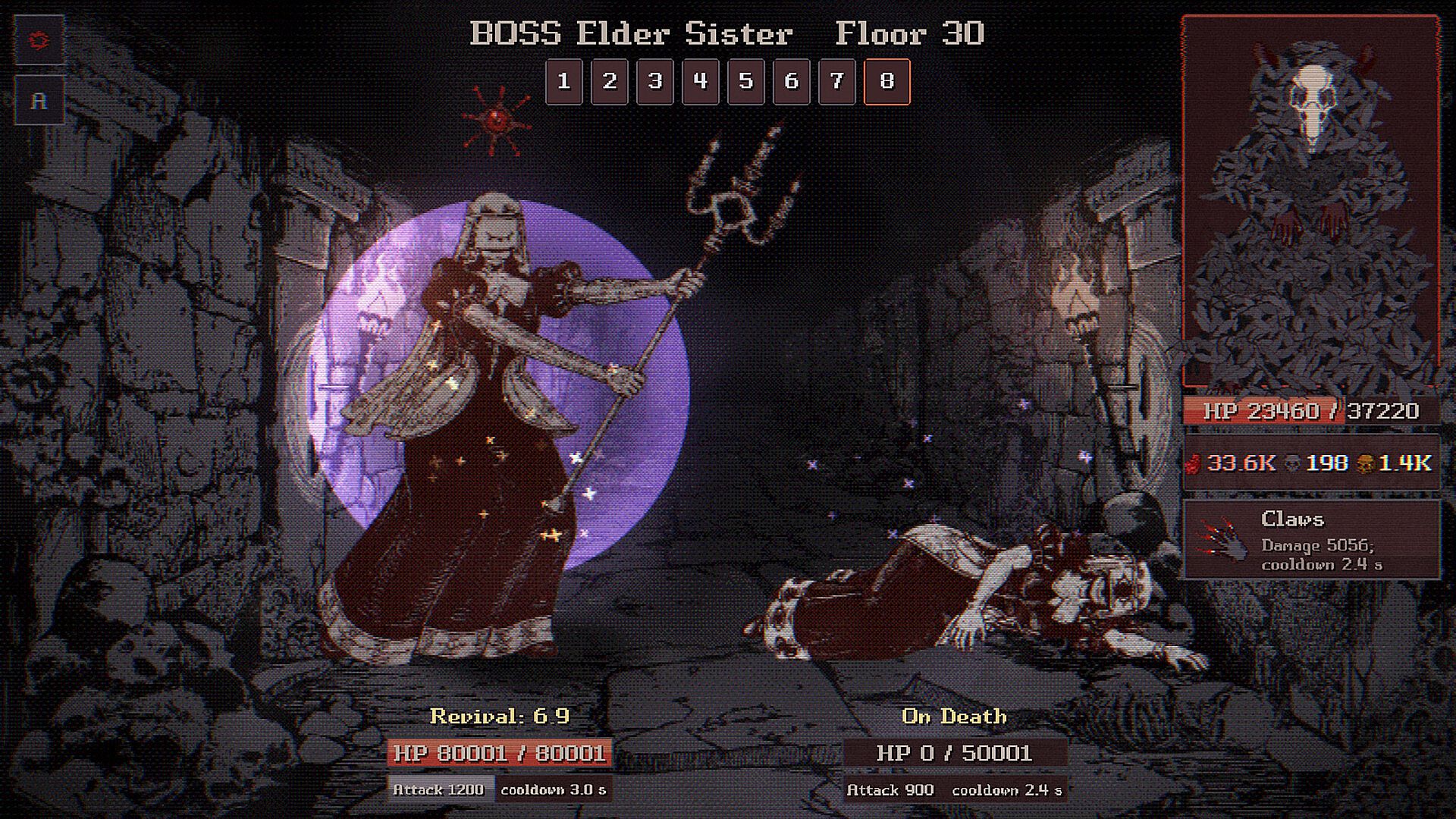
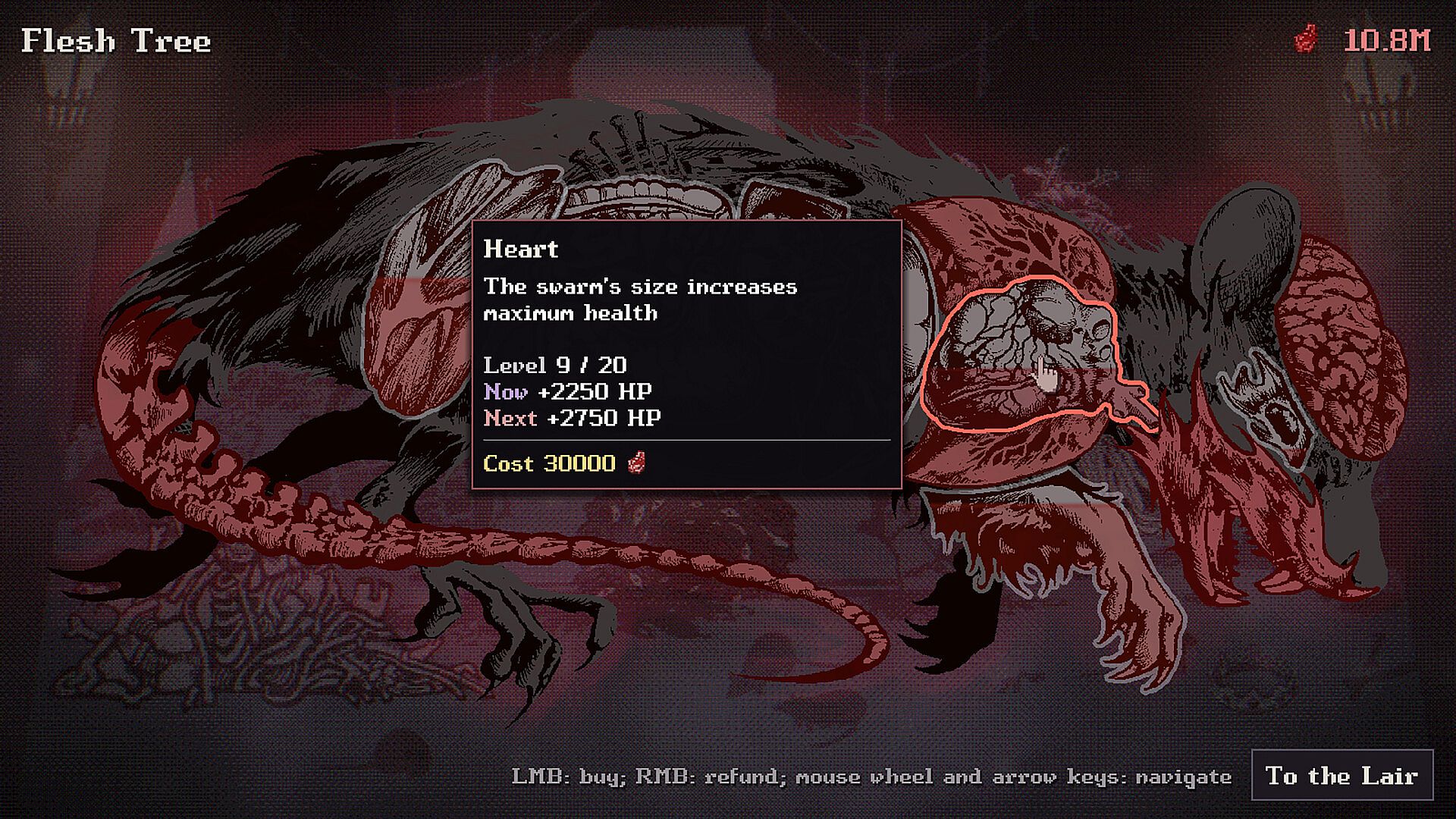
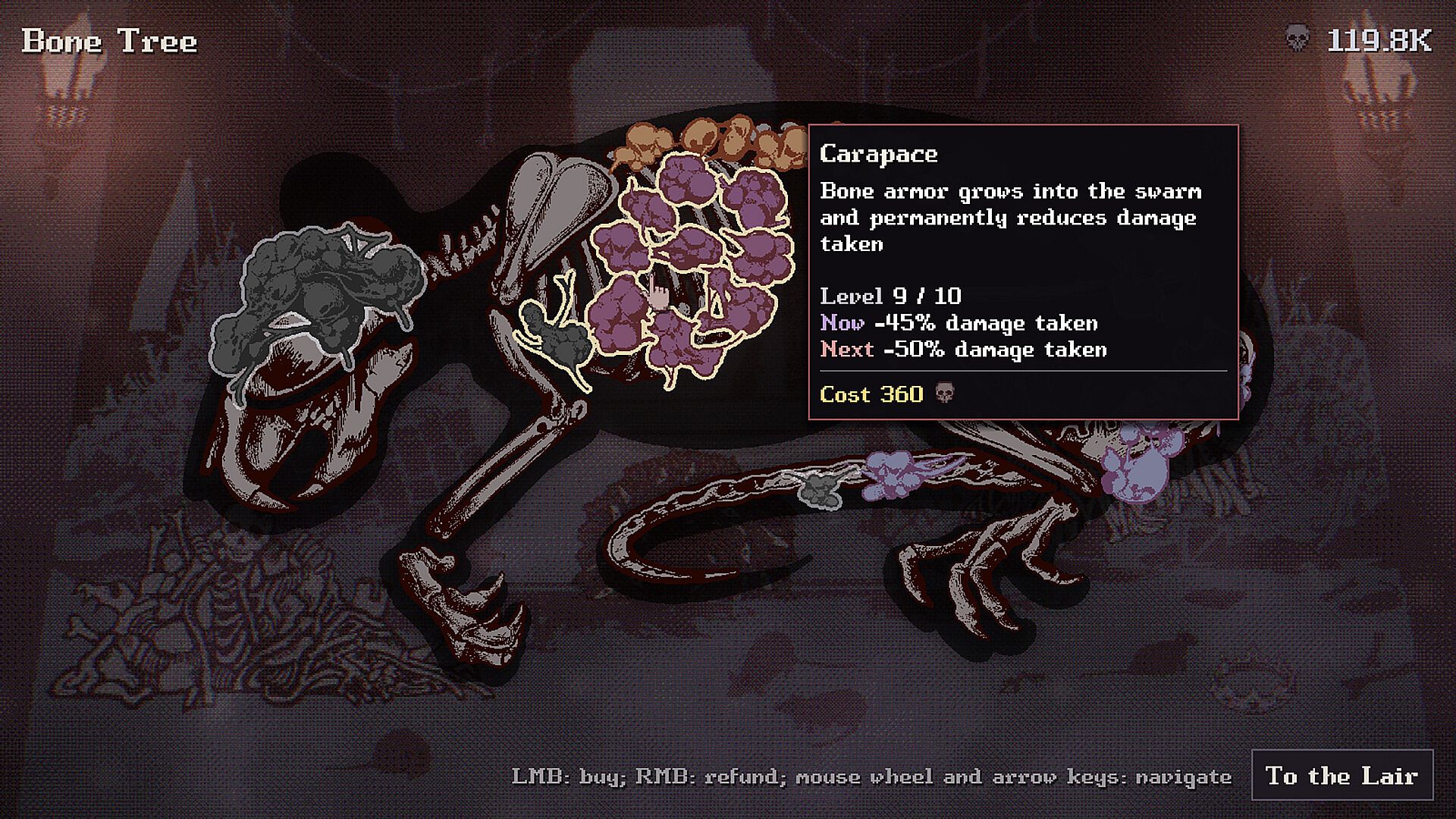
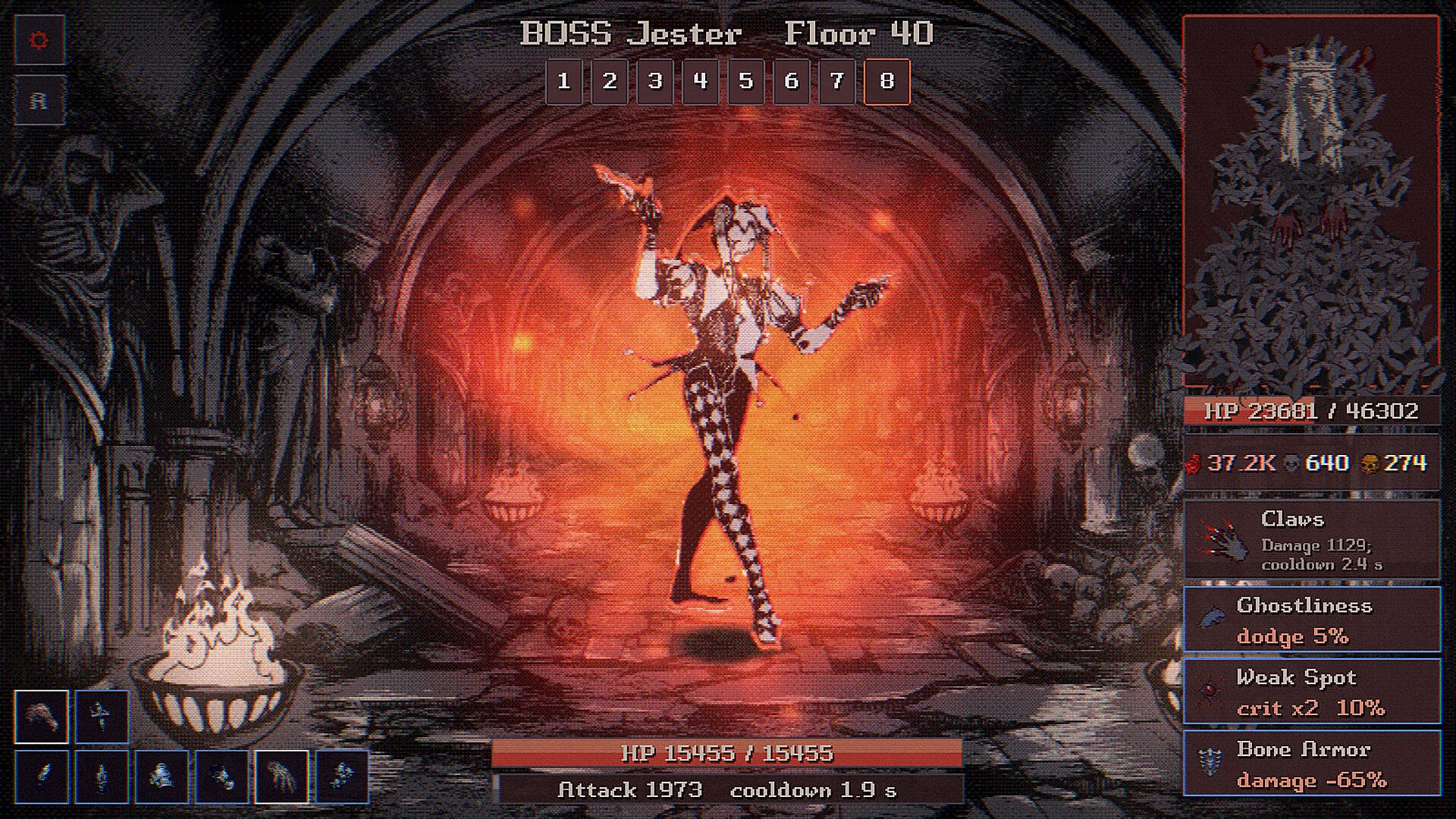
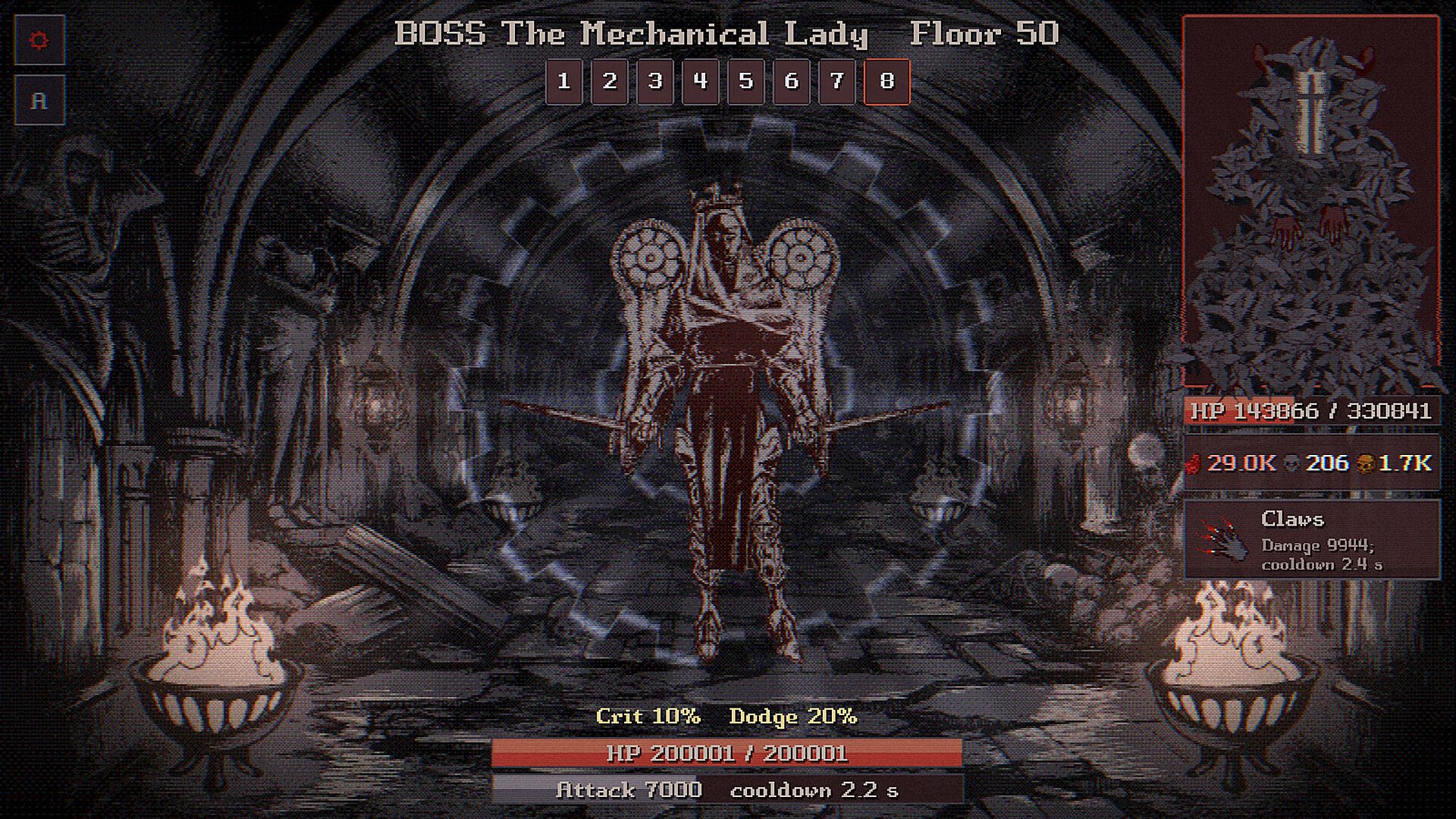
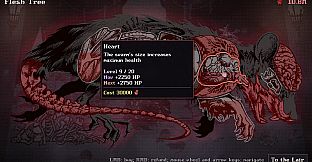
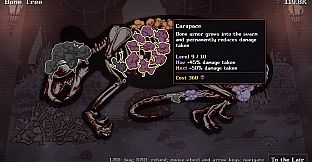
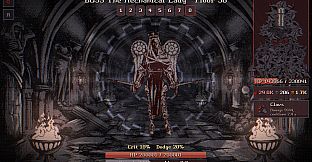
Resources collected from fallen foes include flesh and skulls, which feed into permanent upgrades back in the lair through the Tree of Flesh and Tree of Bones. These meta-progression systems boost base horde stats and unlock new mutations that become available in subsequent runs. Branching routes at forks force decisions between risk and reward, while text-based events add layers of choice. Enemy encounters scale with new types and increasingly dangerous bosses as floors are cleared, and the environment shifts to reflect deeper secrets uncovered along the ascent.
Visages, formed from enemy skulls, allow the swarm to adopt different classes that introduce fresh abilities and further customization options during a run. The automatic nature of combat means the focus stays on preparation and long-term planning rather than moment-to-moment inputs.
Game Modes
I Am Plague centers on roguelite runs through the dungeon, where each attempt ends in death or progress toward the surface. Permanent upgrades carry over between runs, turning early failures into foundations for stronger builds on later attempts. There are no separate multiplayer modes or distinct variants; the experience remains a single-player progression loop built around repeated ascents with expanding options.
Shops, events, and route choices provide variety within each run, while the mutation system and class changes via Visages create replayability through different build paths. The full release plans to include over 200 dungeon floors and more than 50 mutations across rarity tiers to support this structure.
Progression and Builds
Early runs highlight the horde's vulnerability, often ending quickly as players learn the basics of mutation selection and resource management. Success comes from identifying synergies, such as pairing attack modifiers with health regeneration or defensive layers, and adapting to the enemies encountered on each floor. The incremental elements reward consistent play by expanding the pool of available mutations and strengthening core stats over time.
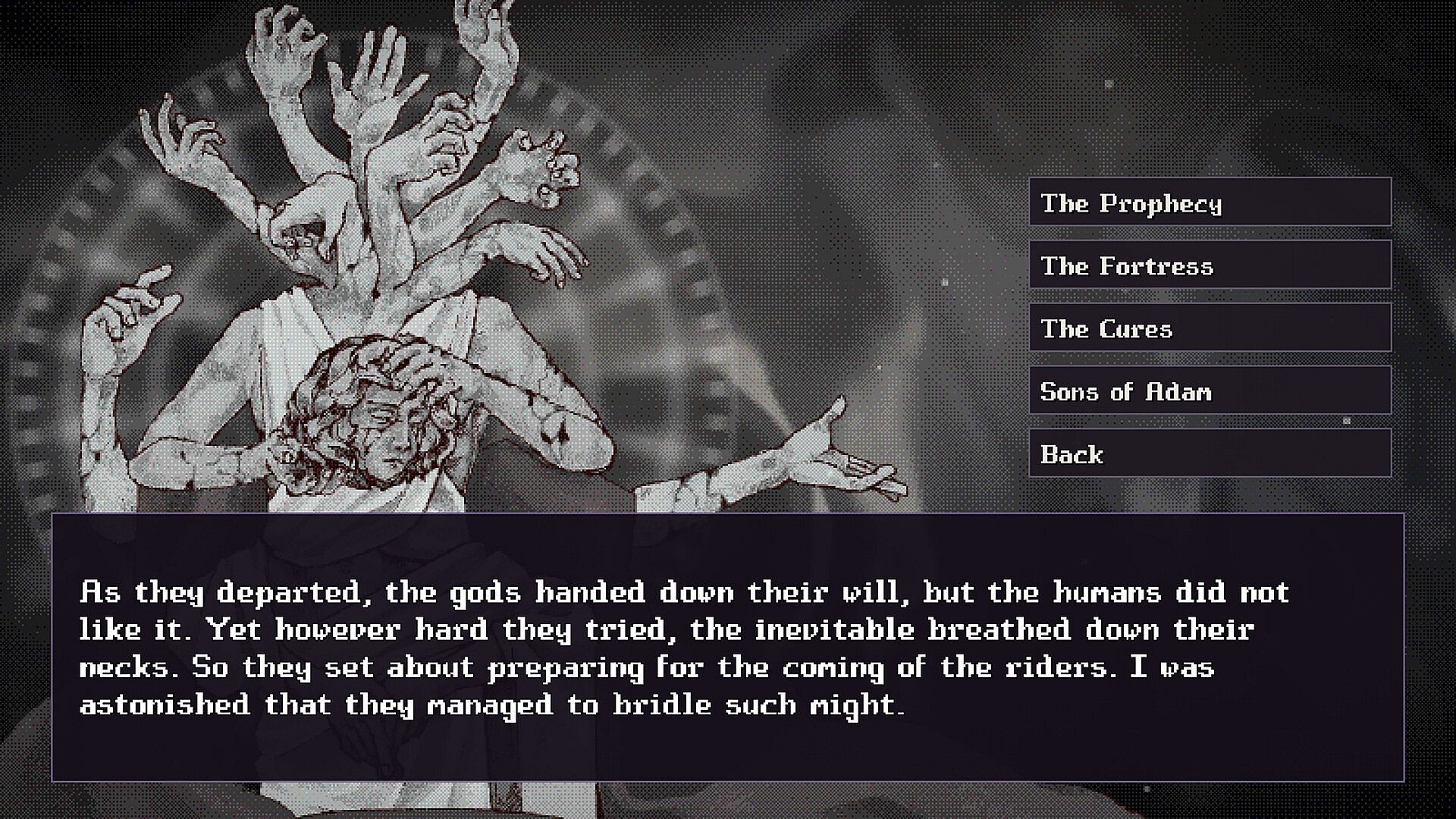
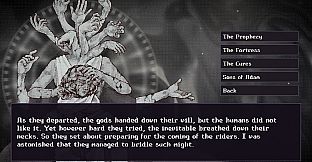
Branching paths and text events encourage weighing immediate gains against longer-term advantages, while boss fights test whether a build can handle escalating threats. The narrative elements emerge gradually through discovered memories and defender reactions, adding context to the mechanical climb without interrupting the core loop.
Is It Worth Playing?
The game remains in active development with a planned full release in 2027 and an open playtest currently available on PC. No user reviews exist yet due to its pre-release status. Players interested in incremental roguelites that emphasize build crafting, automatic combat, and meta-progression through permanent upgrades will find the described systems aligned with that style. The focus on mutation synergies and resource-driven growth suits those who enjoy planning multiple runs to refine a horde build rather than direct control during fights. Those seeking traditional action or multiplayer experiences may want to wait for more details closer to launch.