



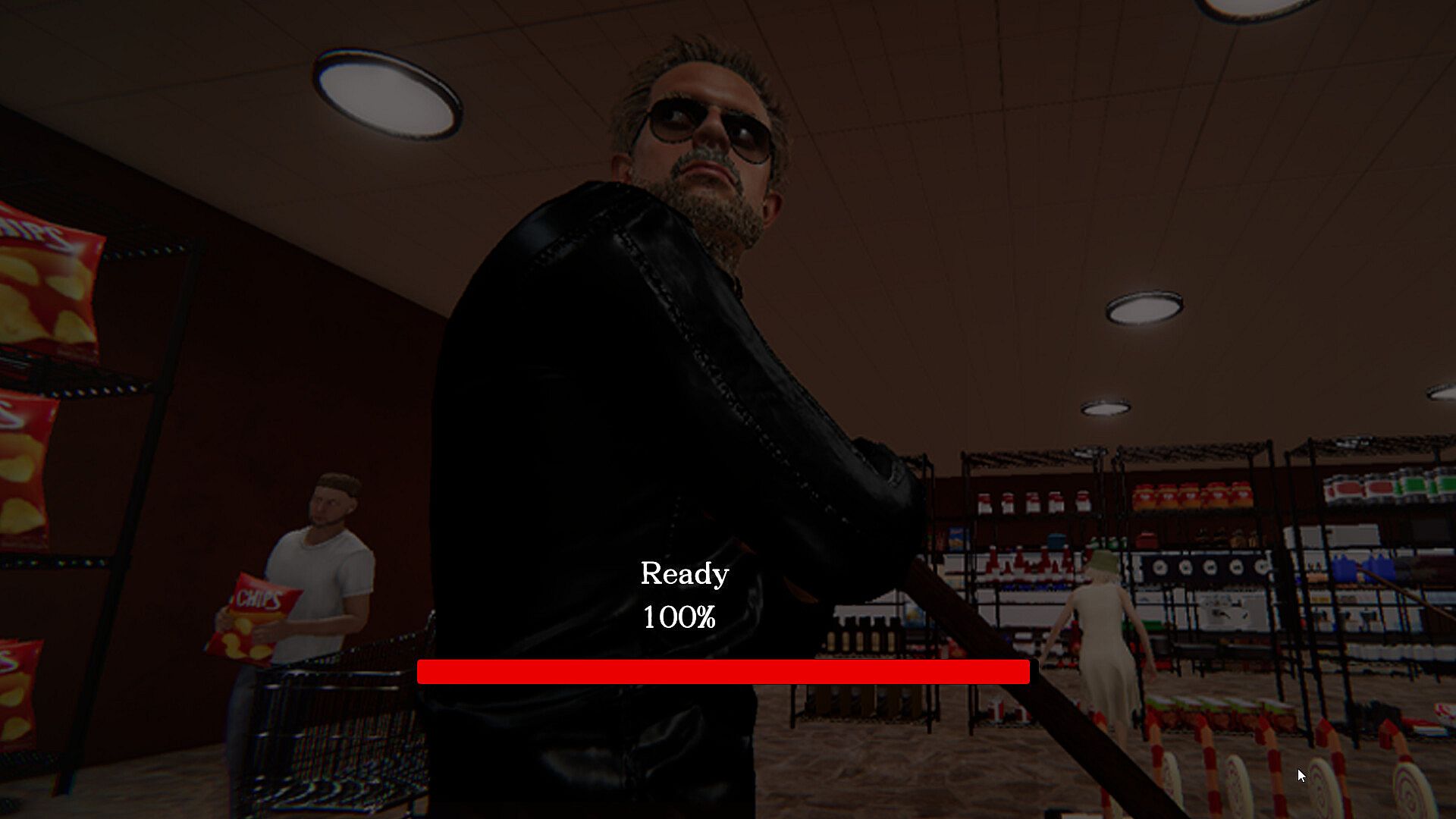
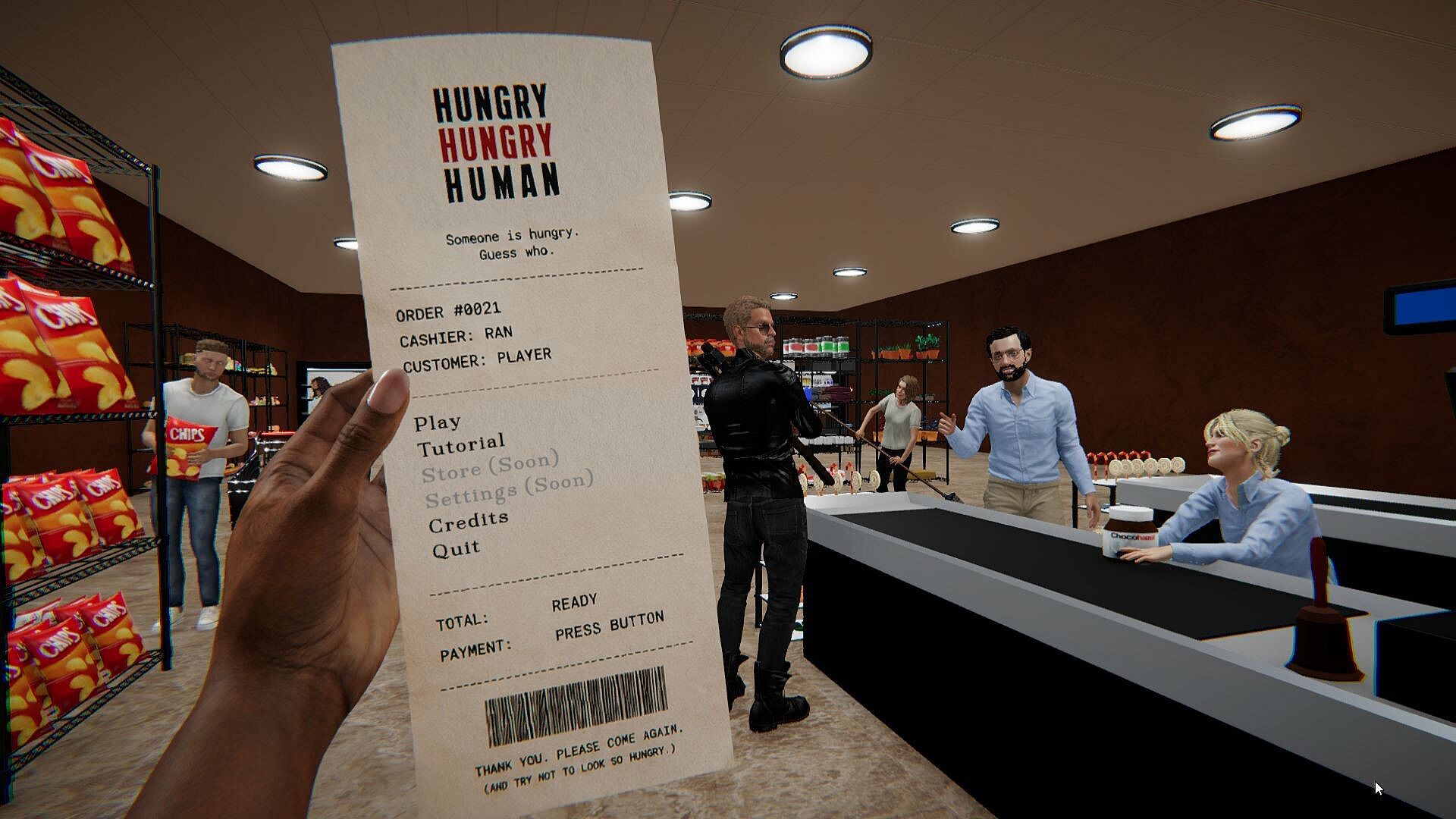


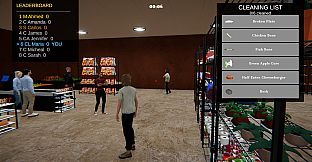
Hungry Hungry Human è un indie di social deduction che unisce elementi di simulazione leggera a meccaniche di ruoli nascosti su PC. Ambientato interamente all'interno di un supermercato affollato, il gioco mette i giocatori in situazioni quotidiane di vendita al dettaglio, dove uno di loro agisce con un'identità segreta. L'obiettivo principale è portare a termine i propri compiti mentre si cerca di scoprire chi sta consumando la merce del negozio.
Gameplay
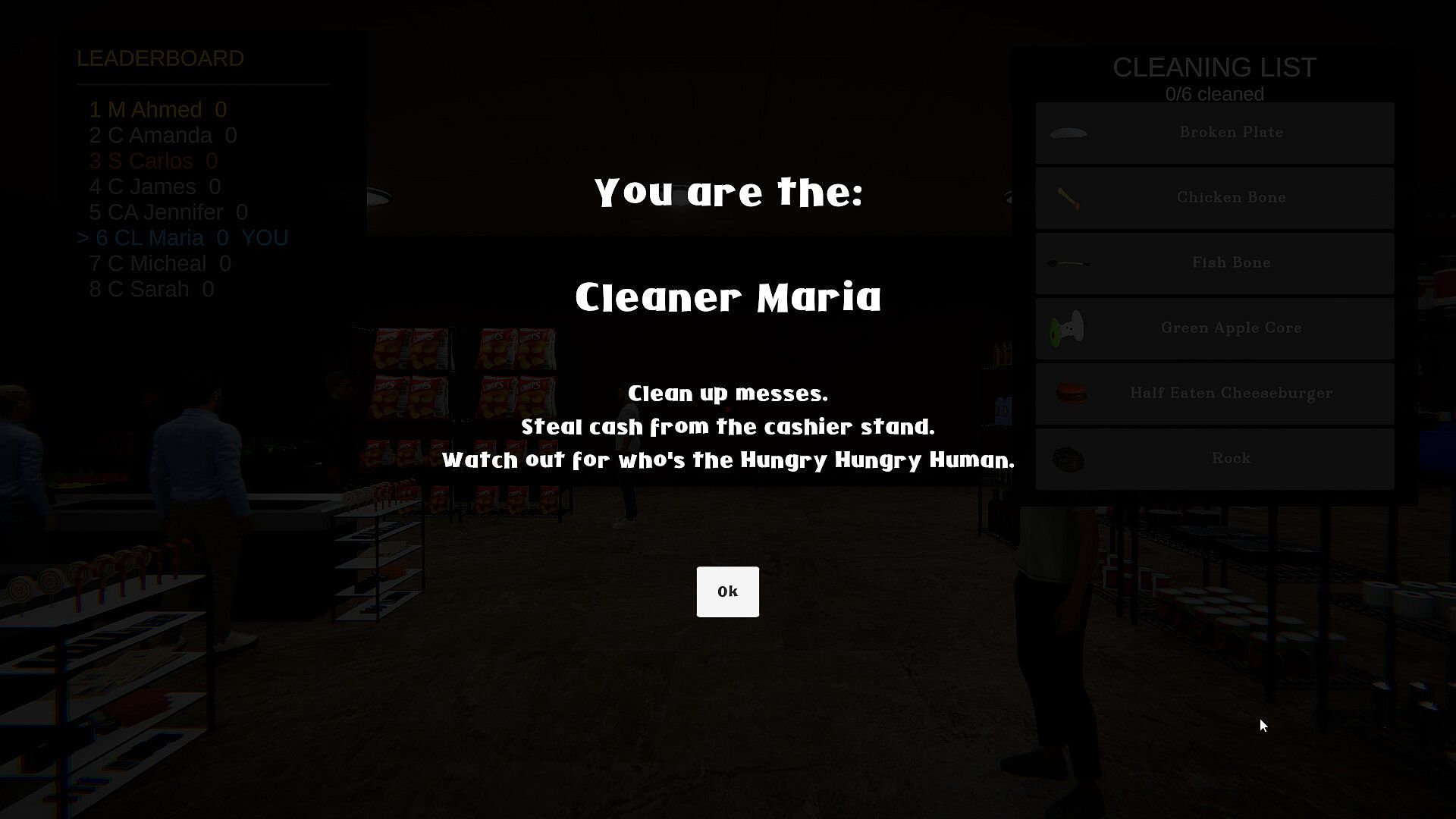
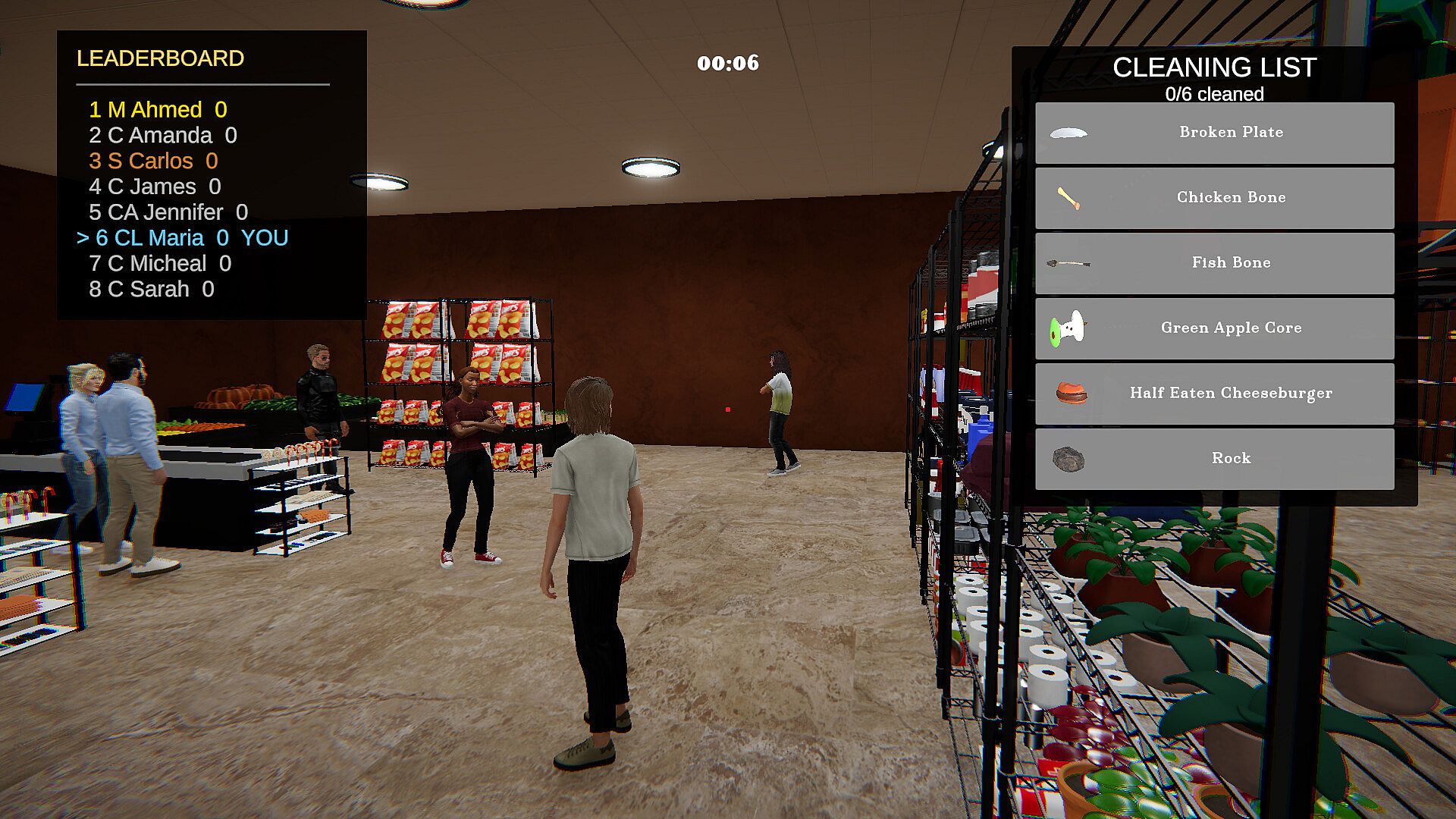
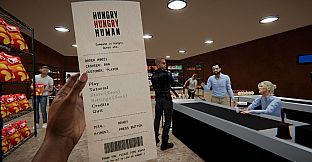
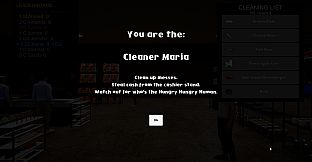
Ogni partecipante ricopre un ruolo specifico che definisce le sue responsabilità durante la partita. I clienti scelgono e acquistano prodotti dagli scaffali, il personale delle pulizie si occupa di rimuovere macchie e rifiuti dal pavimento, la sicurezza controlla gli espositori e ispeziona gli altri personaggi, il cassiere gestisce il rifornimento alla cassa e il manager coordina il team assicurandosi che le attività procedano senza intoppi.
Un ruolo resta nascosto al resto del gruppo. Questo giocatore segreto crea scompiglio consumando prodotti direttamente dagli scaffali o cercando di nascondere le prove delle sue azioni. Gli altri devono bilanciare il proprio lavoro con l'osservazione di movimenti e comportamenti sospetti, come sostare troppo a lungo in certi reparti, seguire percorsi insoliti o non completare i compiti visibili.
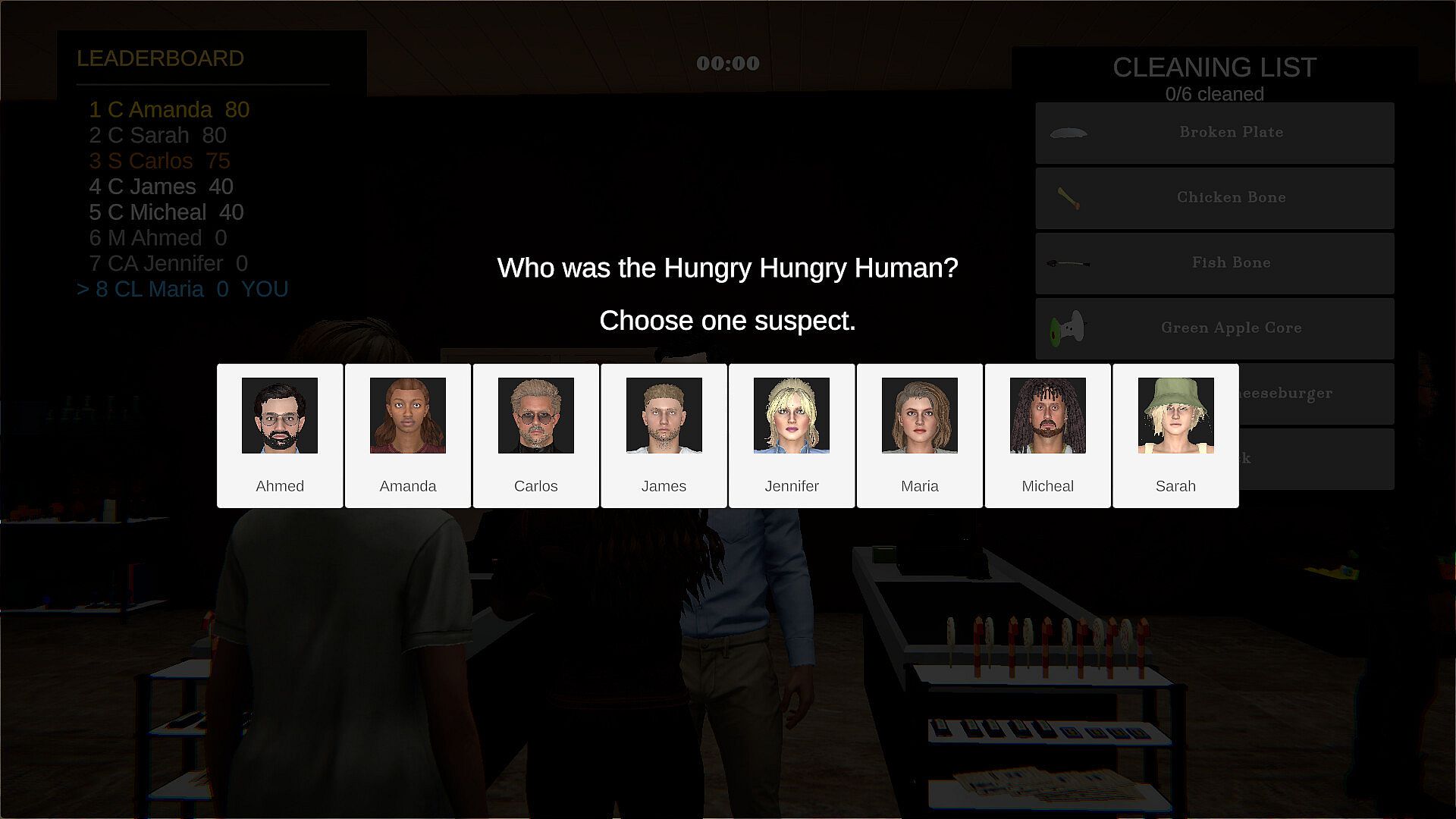
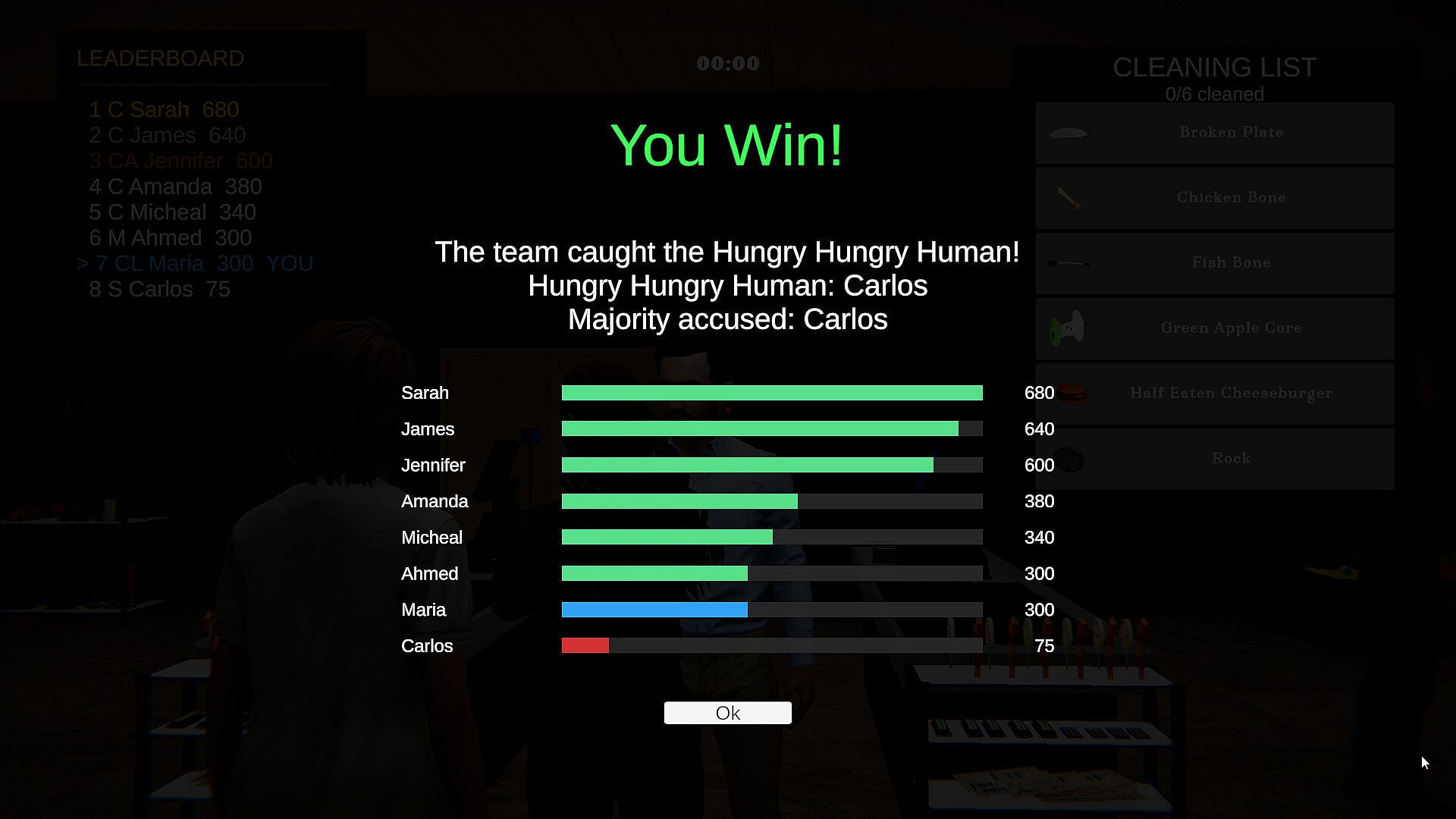
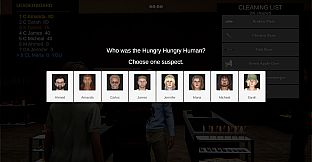
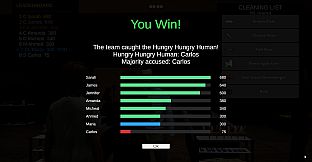
La comunicazione avviene durante le fasi di discussione, in cui i giocatori condividono le proprie osservazioni e mettono in discussione eventuali incongruenze. Al termine segue una votazione per individuare ed eliminare l'elemento di disturbo. Se il gruppo ha successo, la partita si conclude a favore del team dei lavoratori; in caso contrario, il ruolo nascosto continua a creare problemi fino al raggiungimento delle condizioni per la sua vittoria.
Modalità di gioco
La struttura principale prevede round ripetuti di assegnazione dei ruoli e deduzione all'interno del layout del supermercato. Ogni round azzera i compiti e ridistribuisce le posizioni, favorendo sessioni multiple per provare combinazioni diverse. Il setup supporta sia la cooperazione tra la maggioranza dei giocatori sia le azioni del singolo partecipante nascosto.
Tra le funzionalità previste figurano il supporto a bot offline nella fase demo iniziale, utile per testare le meccaniche in solitaria, e il multiplayer online al lancio completo, che permette a gruppi di coordinarsi in tempo reale. Queste caratteristiche si sviluppano direttamente sulla base del social deduction senza introdurre varianti con nomi distinti.
Ruoli e interazioni
I compiti distinti generano occasioni naturali di interazione e depistaggio. Un cliente può sembrare impegnato negli acquisti ma deviare verso zone riservate; il personale delle pulizie può sfruttare i propri spostamenti per raccogliere informazioni fingendo di concentrarsi sulla manutenzione; i controlli della sicurezza offrono un motivo legittimo per avvicinarsi agli altri, possibilità che il ruolo nascosto può sfruttare o evitare.
Da queste sovrapposizioni nascono interazioni divertenti tipiche del supermercato. Le azioni di consumo del giocatore segreto contrastano con attività legittime come il conteggio della merce o la gestione dei turni. I tentativi di contrabbando aumentano la tensione durante le perquisizioni, mentre rifornimento e pulizie mantengono l'ambiente dinamico. Questi elementi rafforzano lo strato di simulazione leggera accanto alla componente deduttiva.
Vale la pena giocarci?
Hungry Hungry Human si rivolge a chi apprezza i titoli di social deduction ambientati in contesti quotidiani e con obiettivi legati al ruolo. Il tema del supermercato offre uno scenario diverso rispetto a contesti più astratti o fantascientifici, con compiti radicati nella routine del retail. Lo sviluppo indie di RanQ mantiene il focus sulle meccaniche principali senza espandersi in feature eccessive.
Le informazioni attuali indicano un lancio previsto per dicembre 2026 e l'assenza di recensioni utente al momento. Le funzionalità elencate includono opzioni single-player, co-op online e supporto PvP. Chi è attratto da meccaniche basate su osservazione, discussione e votazione troverà interessante il ciclo di gioco una volta disponibile. Gli appassionati di simulazione leggera unita a deduzione potranno seguire gli aggiornamenti per provare in anteprima la fase demo con i bot.