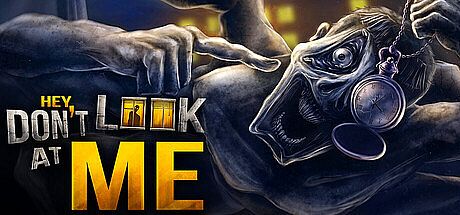


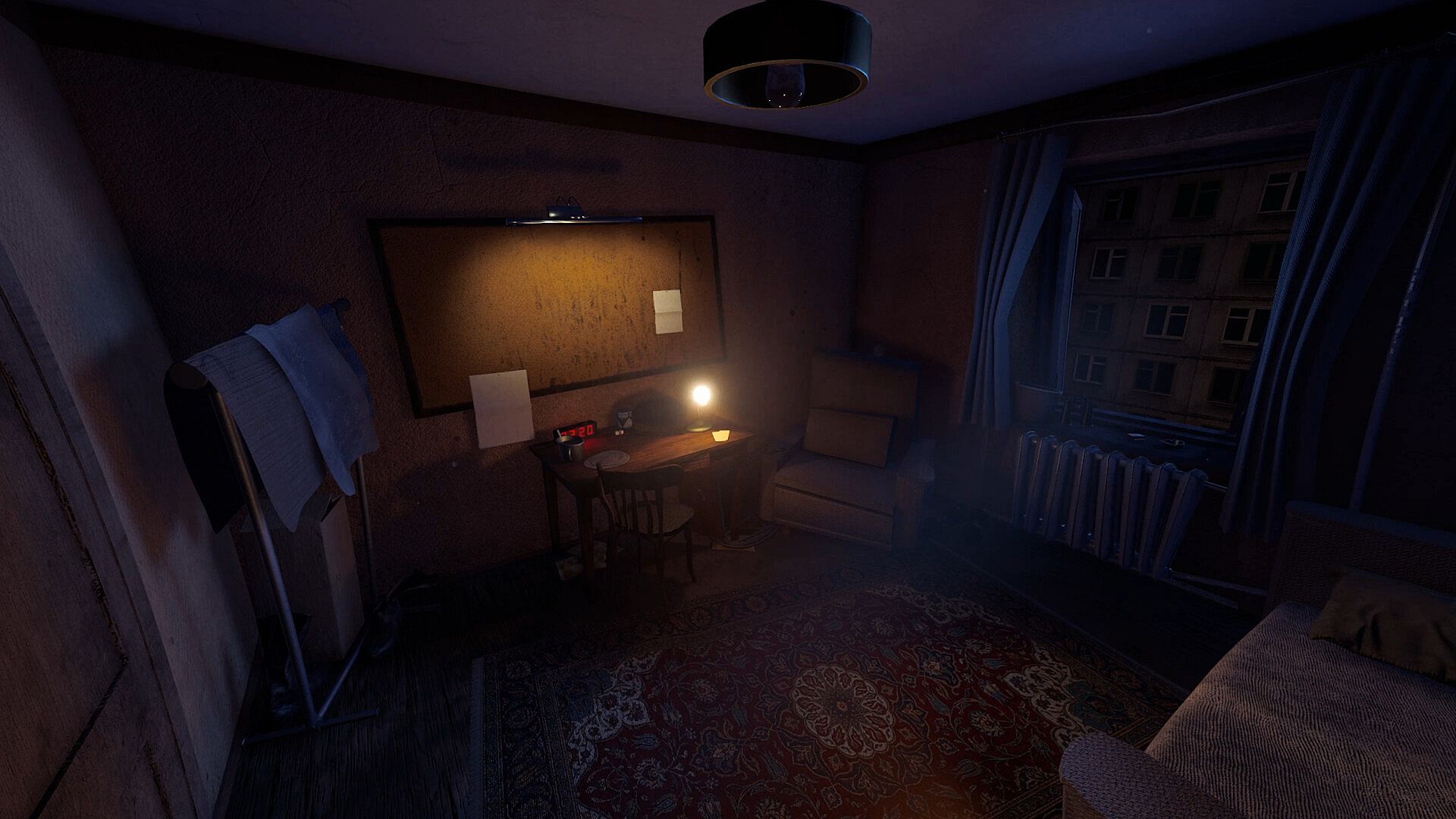
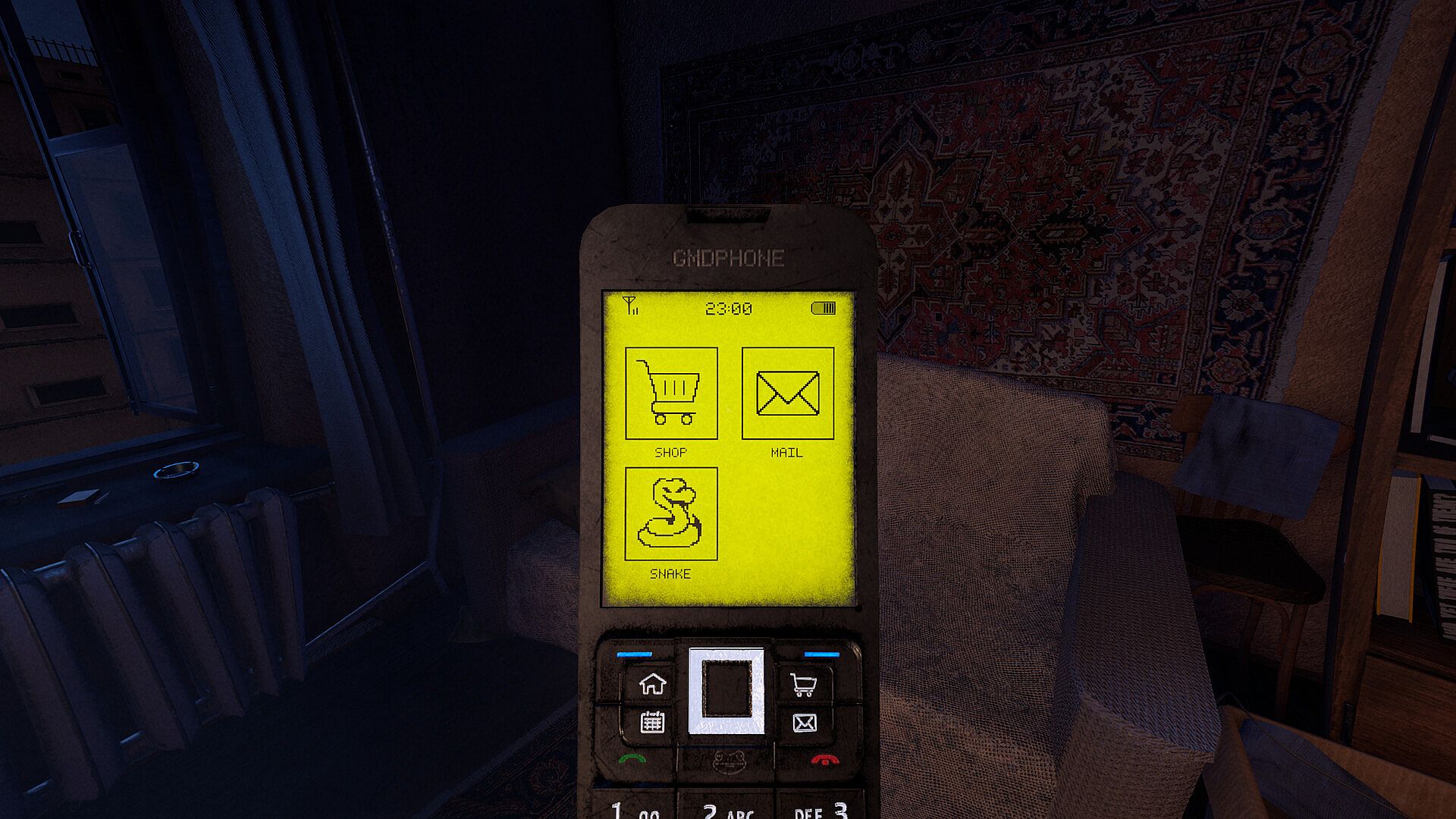
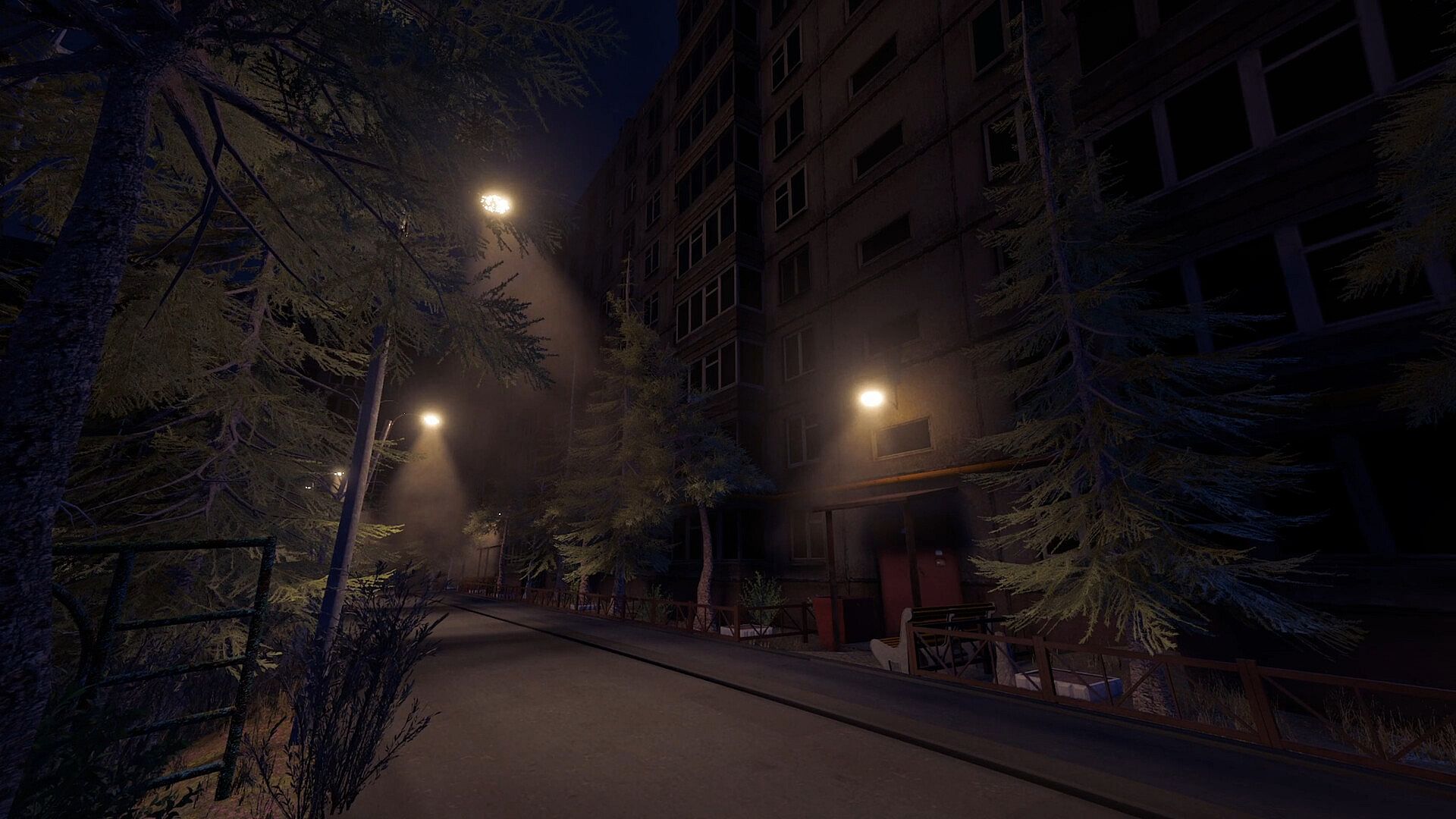
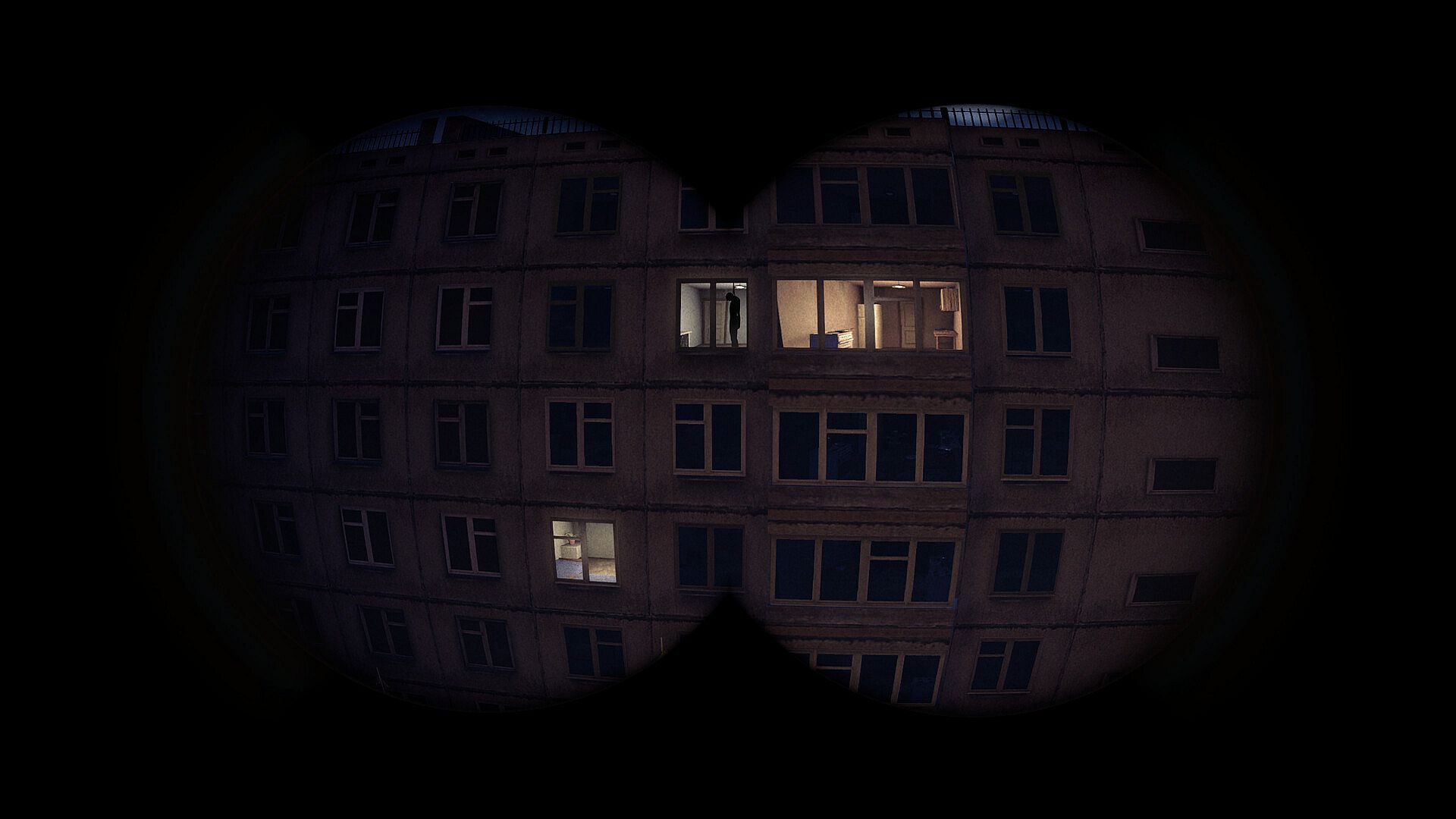
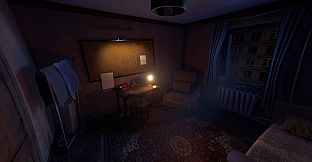
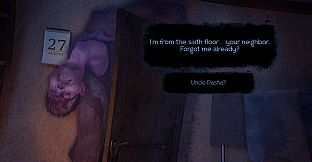
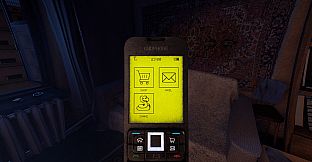
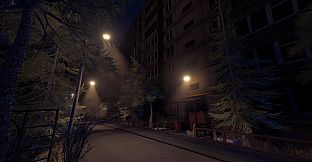
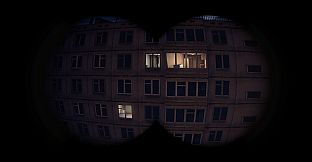
Hey, Don't Look at Me is a psychological first-person horror game set in a quiet apartment building where the player sorts through a late grandmother's belongings while strange events unfold across the street. The core experience revolves around observation and investigation rather than direct confrontation, placing the player in a vulnerable position inside their own home as they peer through binoculars at the abandoned house opposite.
Gameplay
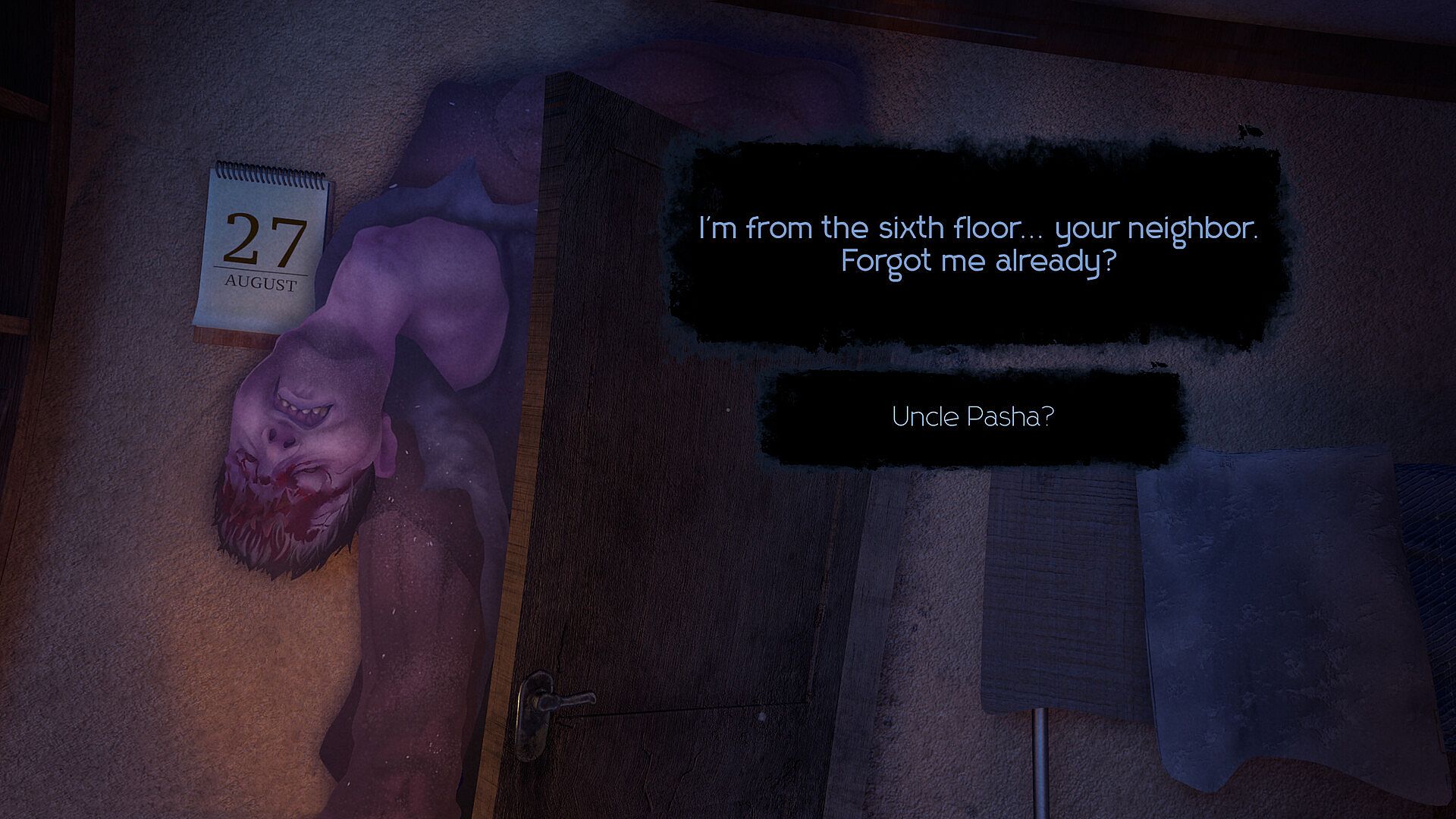
The gameplay centers on nightly cycles where ghosts replay the final moments of their lives. Players use binoculars to watch these scenes from a distance, noting details in the environment, listening for audio cues, and interacting with objects found inside the apartment. Conversations with the apparitions form a key part of the loop, as the spirits remain unaware of their own deaths and provide fragmented information about the events leading to their passing.
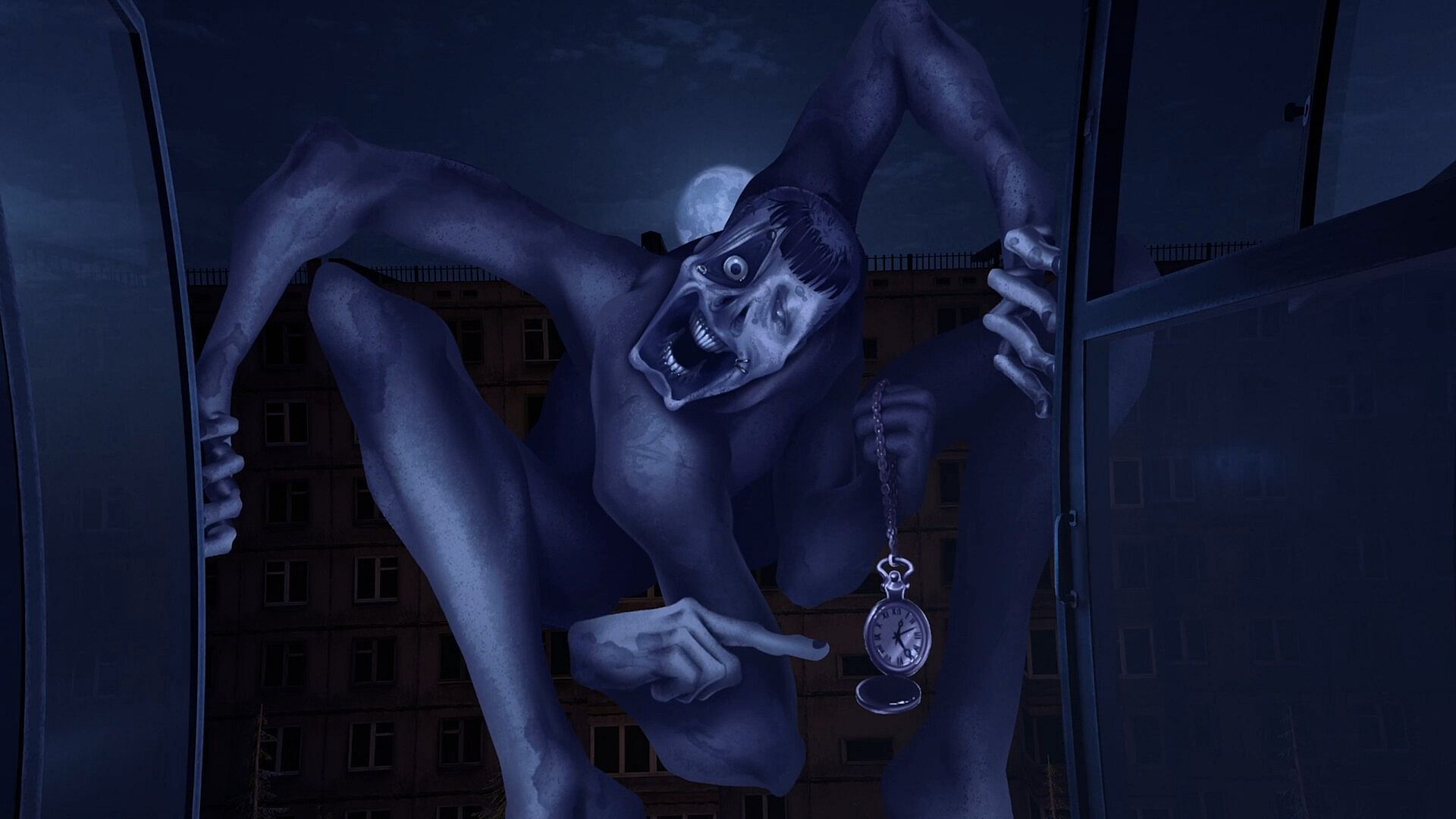
Survival elements require careful timing and restraint. Prolonged observation risks drawing attention from the entities, which can turn the situation around and place the player under scrutiny from the windows across the street. Objects collected in the apartment help piece together clues, while sounds and visual anomalies guide the search for inconsistencies in each ghost's final moments. The first-person perspective keeps the focus on the apartment interior and the limited view through the binoculars, emphasizing tension built from watching rather than exploring large areas.
Game Modes
The game offers a single-player experience built around sequential nights of observation and investigation. There are no separate multiplayer or competitive modes, with all activity taking place in the protagonist's apartment and the targeted house across the street. Progression follows the narrative structure of freeing lost souls one by one through careful watching and deduction, without branching paths or alternative play styles beyond the core loop of observation, listening, and interaction.
Story and Setting
The narrative begins with the player moving into the inherited apartment to start fresh after a family loss. The abandoned building opposite becomes the focal point once a light appears in one of its windows on the first night. Each ghost encountered carries a personal history tied to their death, and the player must uncover the circumstances without the spirits realizing they have already passed. The setting stays intimate, limited to the player's living space and the distant view of the neighboring structure, which heightens the sense of isolation and voyeuristic unease.
Atmosphere and Mechanics
Sound design plays a central role, with every creak, whisper, and distant movement serving as potential clues or warnings. Visual details in the observed scenes often hide the critical information needed to resolve each ghost's story. The binoculars act as the primary tool for gathering evidence, while apartment objects provide additional context or ways to influence events indirectly. The risk of being watched creates a constant push-and-pull between gathering information and avoiding detection, making restraint as important as thoroughness.
Is It Worth Playing?
This title suits players who enjoy slow-burn psychological horror focused on deduction and careful observation rather than action or combat. The single-player structure delivers a contained story of investigation and survival within one location, appealing to those interested in narrative-driven experiences with supernatural elements. Since the game remains unreleased with no player reviews or ratings available yet, its reception will depend on how well the observation mechanics and tension hold up upon launch. Those drawn to intimate, first-person horror centered on watching and listening will find the described systems align with that preference, while fans of fast-paced or multiplayer horror may want to wait for more information after release.