










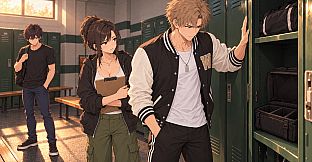




Hentai Academy: After Class is an indie casual single-player game on PC that places players in the role of a twenty-one-year-old university student navigating daily life at Briarcrest University while pursuing personal ambitions that extend well beyond academics.
Gameplay
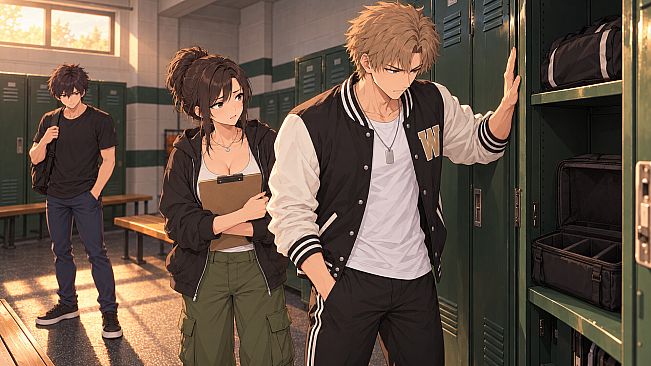
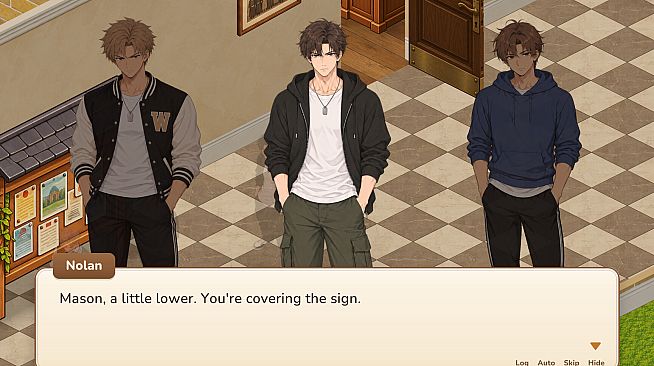
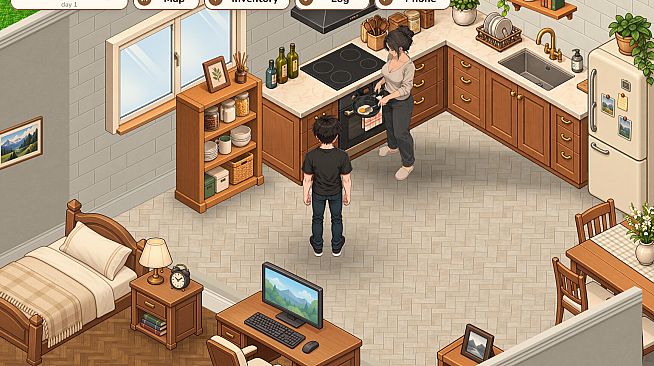
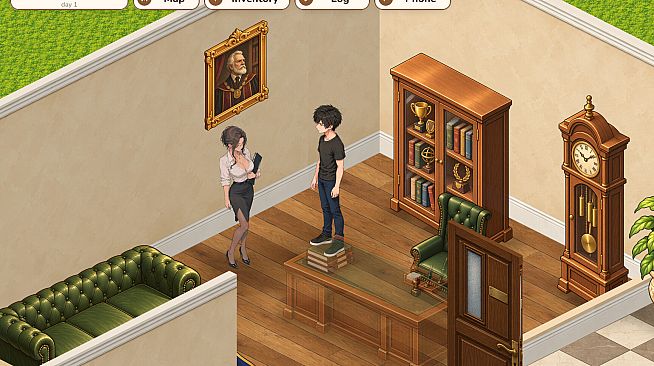
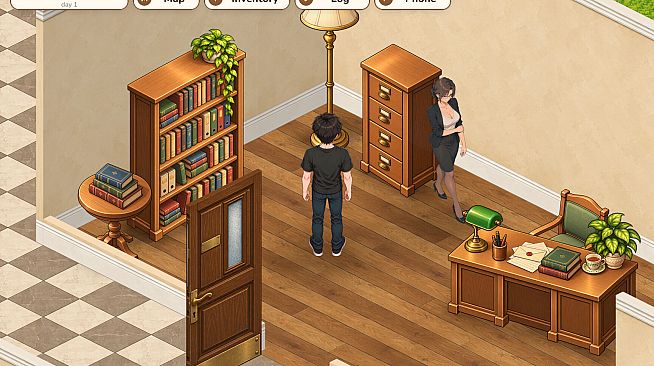
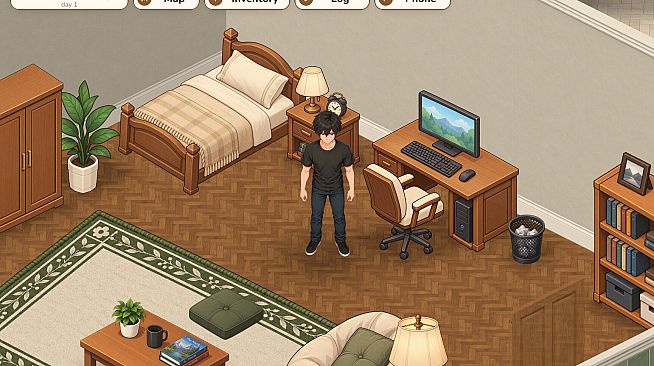
The core experience unfolds in an isometric view of familiar campus locations that shift with the time of day and ongoing story events. Players move between lectures, the café, the sports field, and home, where conversations and lingering tasks await. Time management forms a central loop as classes, part-time work, social plans, and personal projects compete for limited hours each day.
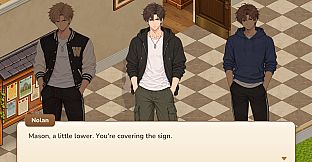
Dialogue choices drive much of the progression. Players can confess feelings, tell lies, offer support, or leverage overheard information during conversations. Characters retain memory of prior exchanges, so decisions can unlock fresh paths or close others for extended periods. Reputation builds through kept promises, shared secrets, and visible actions, influencing who offers trust or demands proof of reliability.
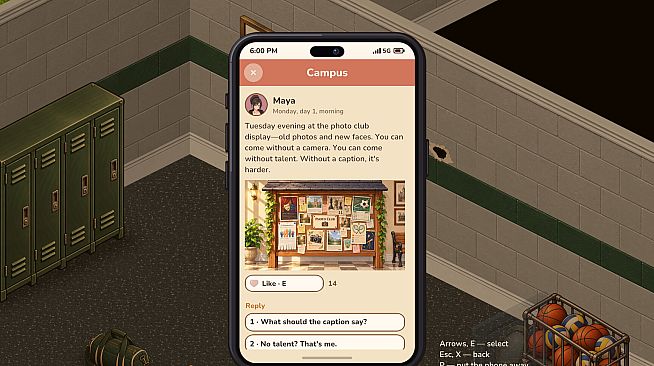
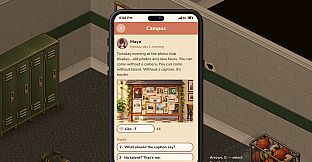
Photography integrates directly into exploration and objectives. Players select angles, adjust focus, and capture portraits, sporting events, or performances to fulfill reports or notice overlooked details. Mini-games and interactive tasks break up the routine with puzzles, equipment assistance, venue setup, and event preparation. A personal phone serves as a persistent hub for messages, the university feed, stored photos, and scheduled plans, often extending the weight of choices beyond face-to-face meetings.
Romance routes develop through shared activities, text exchanges, dates, and difficult discussions. Each character holds distinct desires and reasons to refuse advances. Relationships track more than simple affection, requiring attention, respect, and consistent behavior even when shortcuts appear easier. Mysteries and rumors add layers as players compare photos, messages, and witness statements to test theories and decide how to handle discovered secrets.
Game Modes
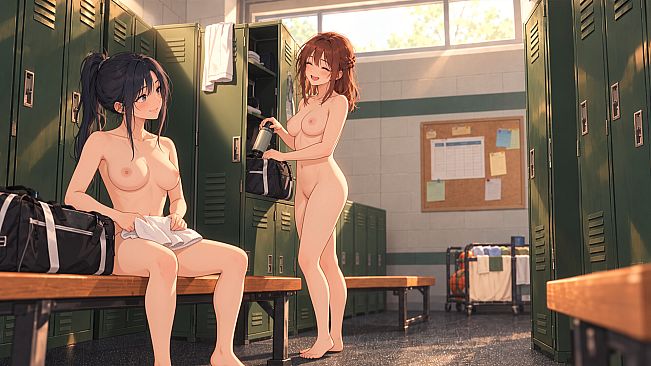
The game operates entirely as a single-player experience with no multiplayer components. Progression centers on a flexible daily schedule that lets players allocate time across academic obligations, side jobs for income, social interactions, and personal projects. Different story branches emerge from accumulated choices in dialogue and actions, leading to varied relationship outcomes and multiple endings illustrated through dedicated CG scenes.
Exploration and task completion remain consistent across playthroughs, while reputation and relationship systems create replay incentive by altering available opportunities and character responses. Photography and mini-game elements stay available throughout, supporting both main objectives and optional activities that influence available resources and time.
Story and Characters
The narrative follows a student who lives with parents, attends Briarcrest University, and becomes fixated on instructor Claire Bennett. A conversation with a best friend introduces an AI service capable of undressing images, sparking a plan that requires obtaining a university camera currently held by a longtime rival. Fabricated photo stories and careful timing become necessary to avoid detection while pursuing the idea.
Side jobs provide income for entertainment and projects, while everyday expenses force trade-offs between spending and time with others. The university setting includes changing environments based on story progress and time of day, reinforcing the sense of a living campus where rumors spread and personal actions carry consequences into later scenes.
Is It Worth Playing?
This title suits players who enjoy choice-driven narrative games with life-simulation elements, reputation tracking, and branching romance paths. The combination of schedule management, photography mechanics, dialogue consequences, and mystery-solving creates a focused single-player loop that rewards careful planning and attention to character responses. Multiple endings and CG scenes tied to key decisions provide clear payoff for different approaches.
Those seeking straightforward action or competitive multiplayer will find little here, but fans of story-rich indie experiences centered on university life, personal relationships, and incremental reputation building can expect substantial depth from the systems described. The game remains available on PC for those interested in its particular blend of exploration, conversation, and consequence.











