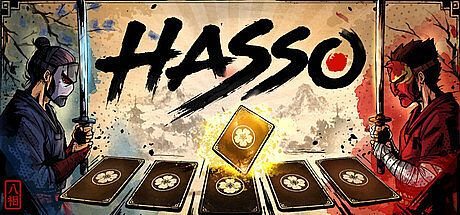


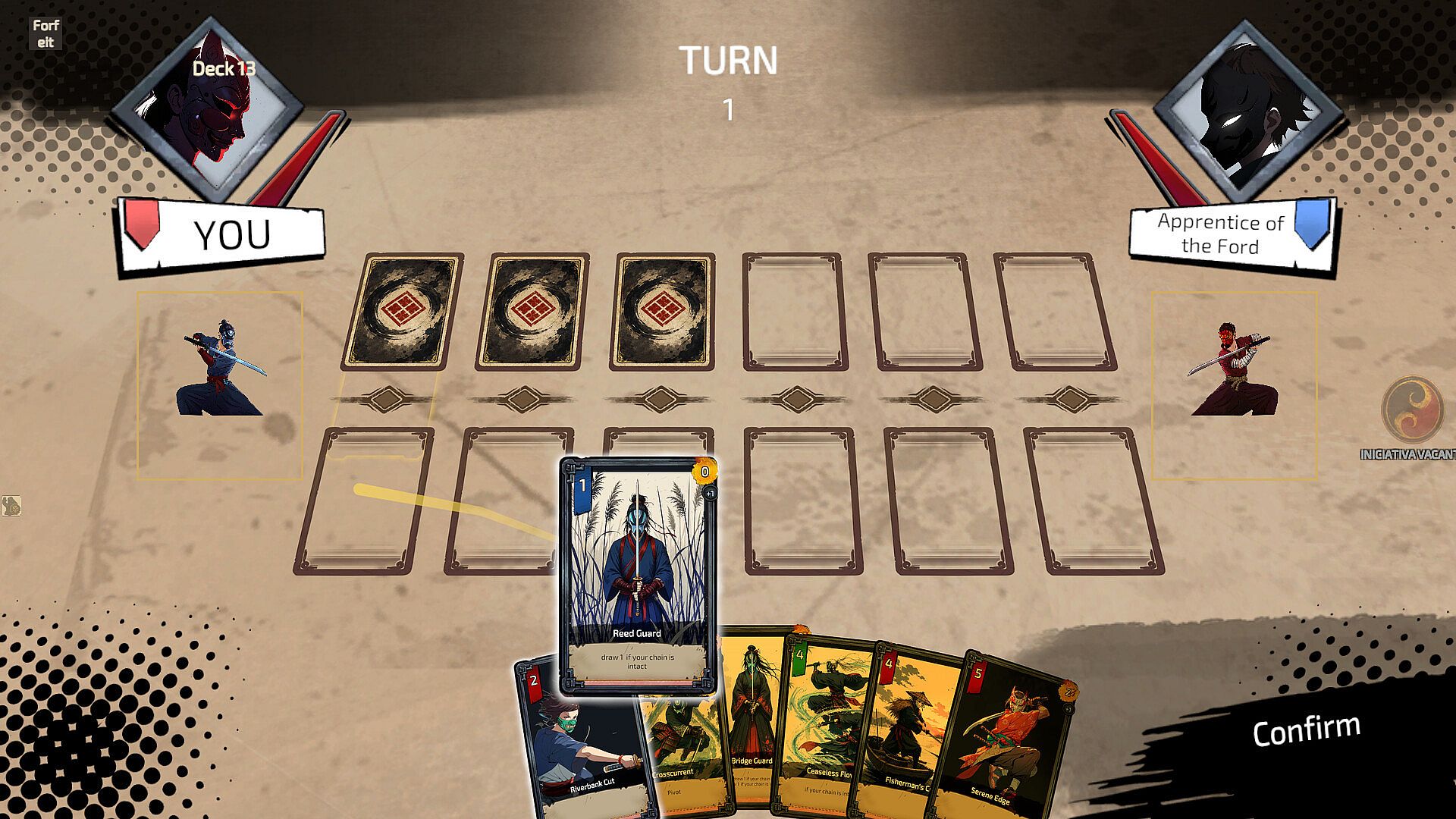
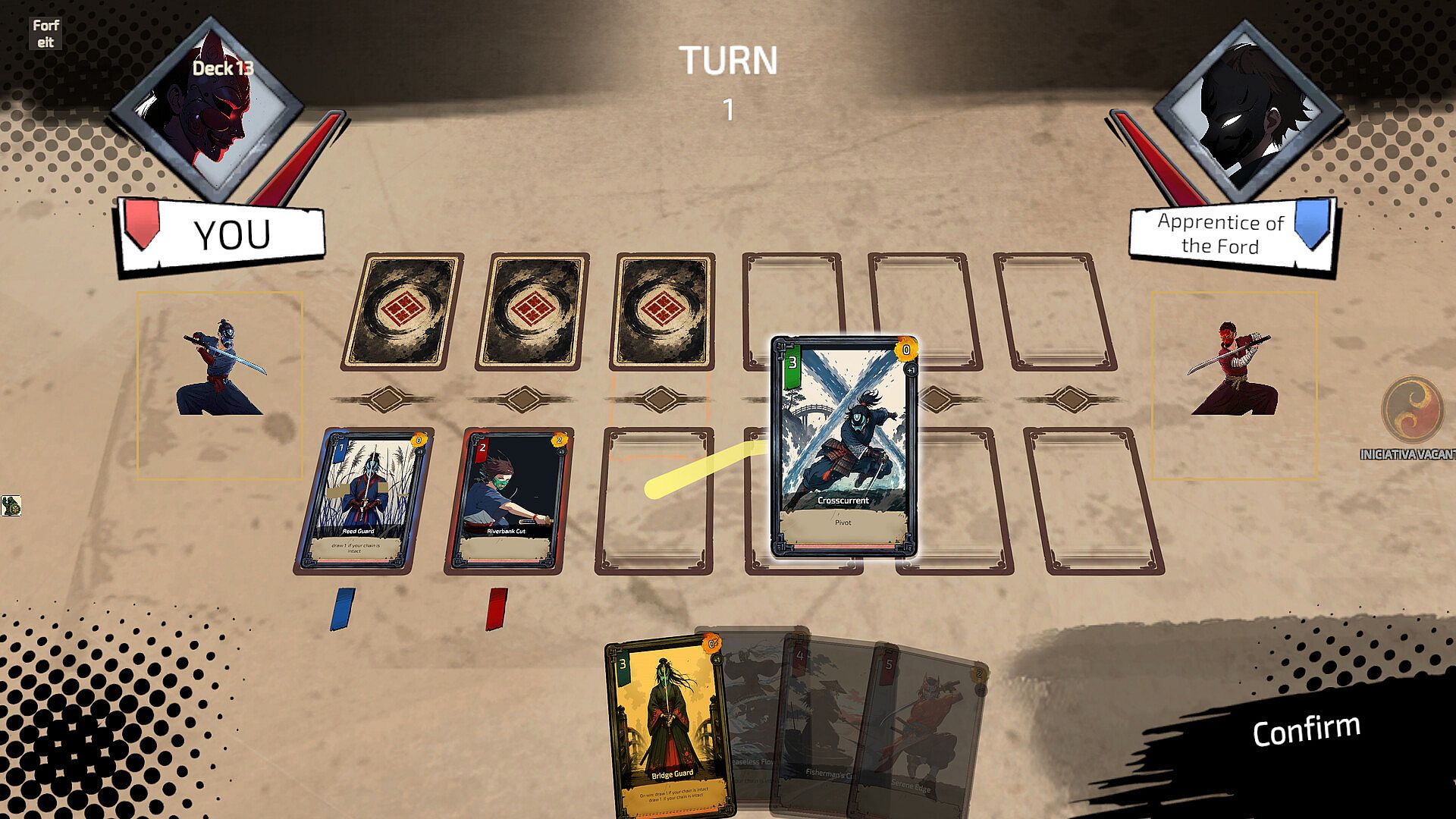
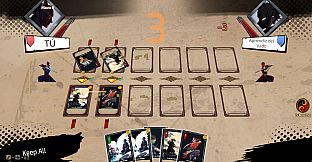
HASSO is a single-player strategy indie card game developed for PC. It centers on building chains of techniques in duels between two samurai schools, where players construct sequences that clash position by position against an opponent. The core appeal lies in its deliberate pace and emphasis on prediction rather than direct confrontation.
Gameplay
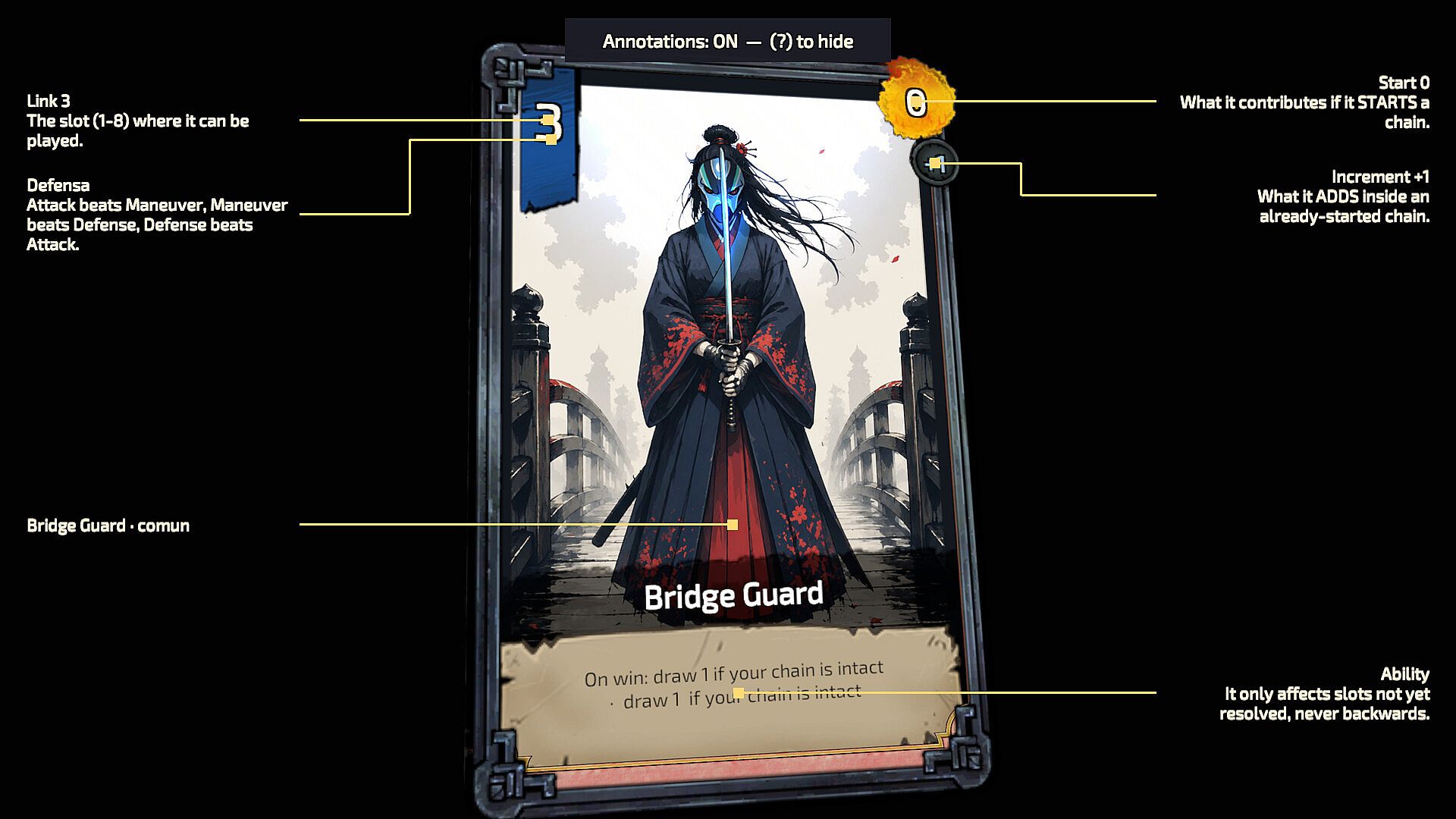
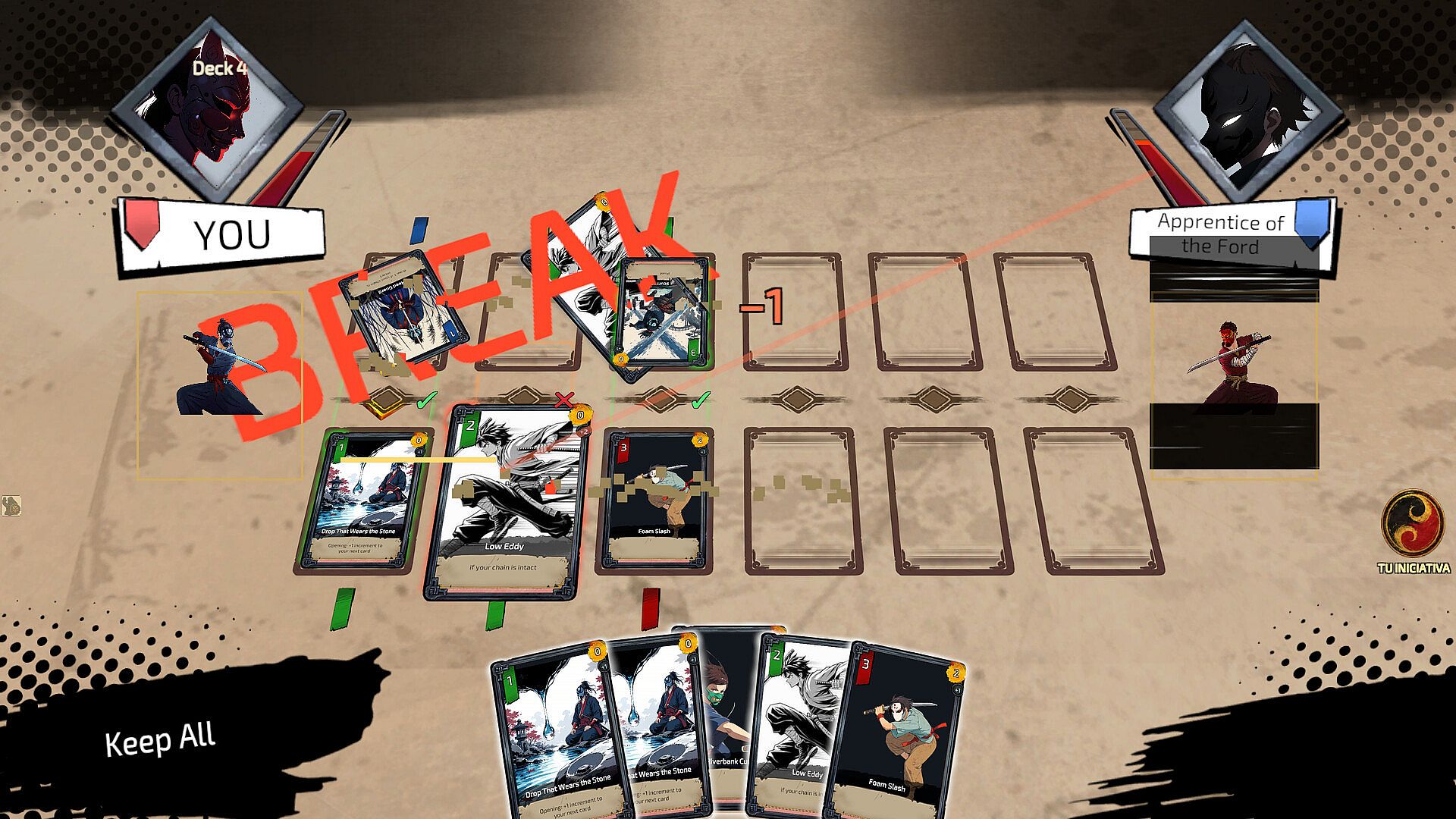
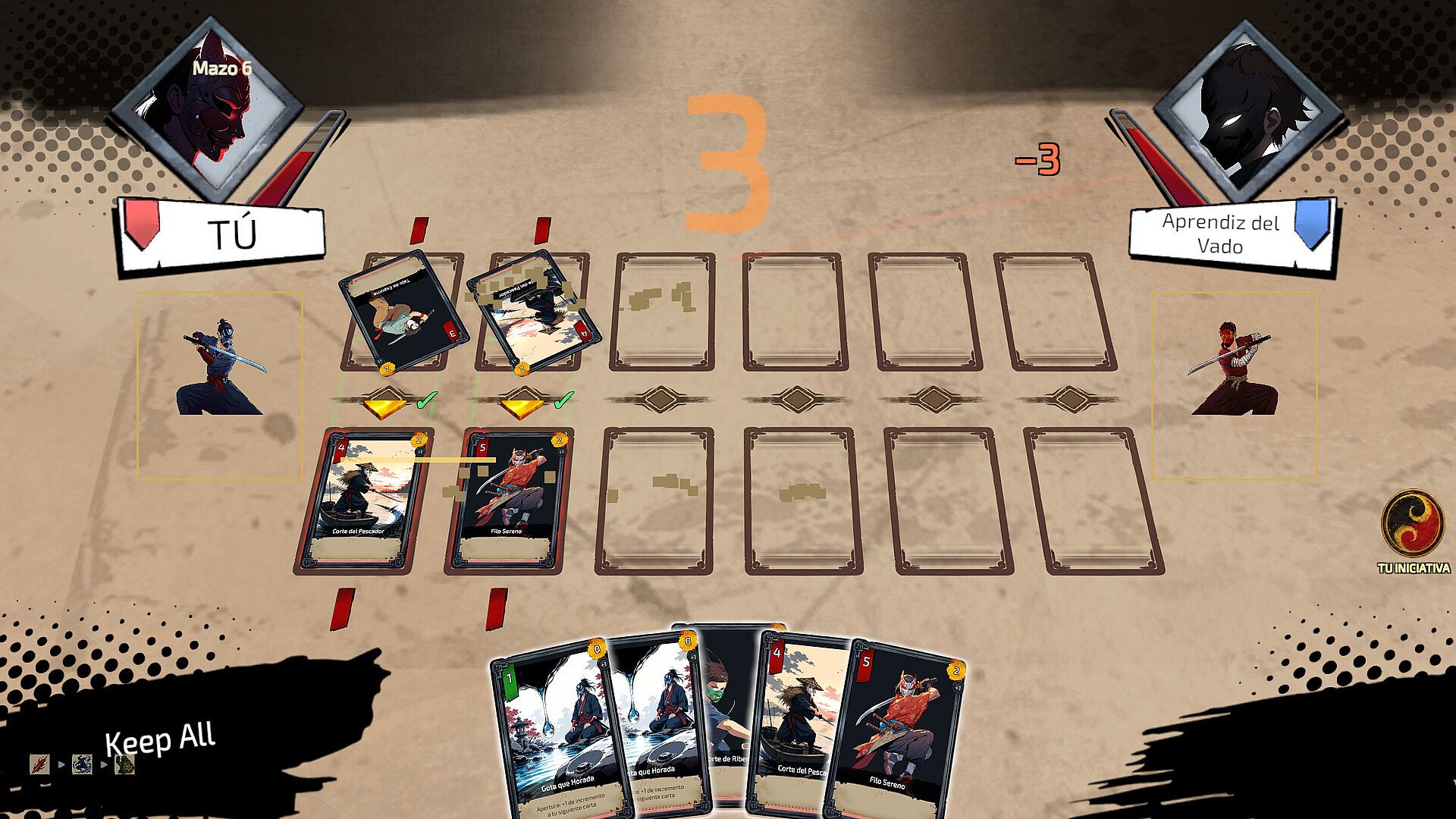
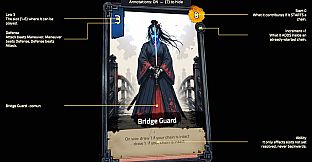
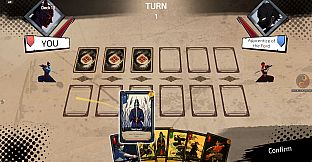
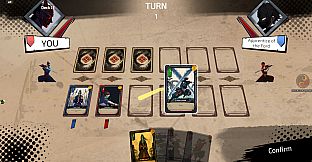
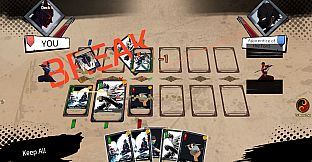
Players construct chains by selecting techniques that connect through matching openings and endings. Each chain builds length for greater potential impact, yet every position resolves as a clash where the losing technique contributes nothing to the total. One duelist lays down the chain face down, and resolution occurs only after both sides finish their builds. The opponent effectively determines how much damage from the chain actually connects.
Technique types follow a cycle of strengths: Attack beats Maneuver, Maneuver beats Defense, and Defense beats Attack. Identical types in a position award the win to the side holding initiative. Initiative carries forward from a successful position and provides protection on the next clash. Momentum shifts become central to success, as seizing and maintaining this advantage often decides the outcome more than raw values.
Two distinct schools shape deck construction. Kurenai River techniques occupy lower values and connect fluidly with one another. Mount Okuribi techniques sit at higher values and prove harder to initiate. The schools share only limited overlap, which encourages deliberate mixing for bridging effects or pure specialization within one school.
Game Modes
The Dojo Path serves as the main campaign. Players progress across regions by selecting opponents at each stage. A forge system lets players combine pieces based on shared traits such as element, region, or era, creating decks with thematic cohesion.
Free Duel allows custom decks to face any chosen rival once the campaign concludes. Daily Challenge presents a single fixed duel available to all players each day, creating a consistent point of comparison without requiring live opponents.
Deck Building and Progression
Progression ties directly to the forge, where affinities between techniques matter more than individual power. Players experiment with combinations that either stay within one school for reliable links or bridge the two schools despite reduced connection options. This system rewards thoughtful curation over simple collection.
The absence of online requirements means all duels, including the Daily Challenge, run locally against AI opponents. Decks remain private and fully under player control throughout the experience.
Is It Worth Playing?
HASSO suits players who enjoy methodical strategy card games that reward foresight and chain construction over fast reactions or collection grinding. Its single-player focus and complete purchase model eliminate ongoing costs or time gates. Those drawn to rock-paper-scissors style matchups with added momentum mechanics will find the duels engaging, while the campaign structure provides a clear path from learning the systems to testing varied decks. The game remains in a pre-release state with a planned launch in Q4 2026, so prospective buyers can follow updates on availability through official channels. Its emphasis on offline play and absence of extra monetization make it a straightforward option for fans of focused indie strategy titles.