







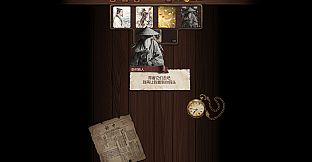
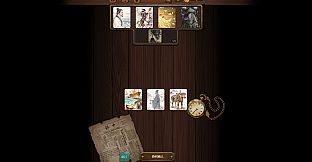
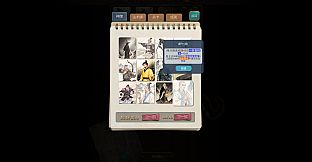
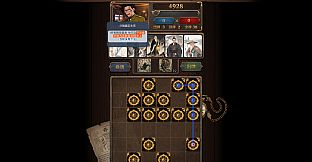
GridGame è un roguelike a carte che unisce il sistema di combinazioni tipico del poker a collezioni di carte divine. Il giocatore dispone le carte su griglie per formare linee in grado di generare punti, ottenendo risultati diversi a seconda della disposizione e delle regole di abbinamento. Il titolo è disponibile su PC e appartiene ai generi strategico, indie, casual e simulation.
Gameplay
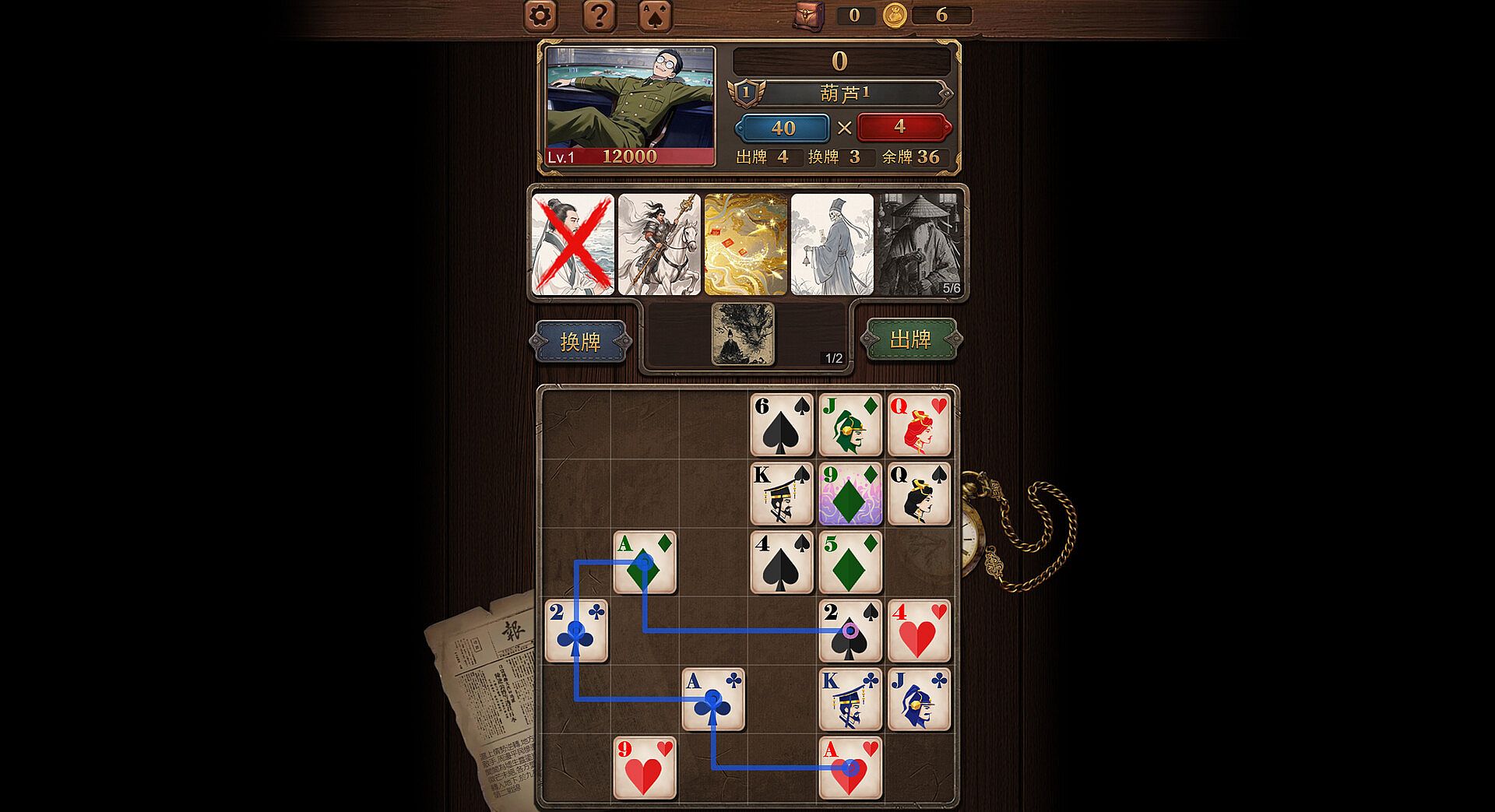
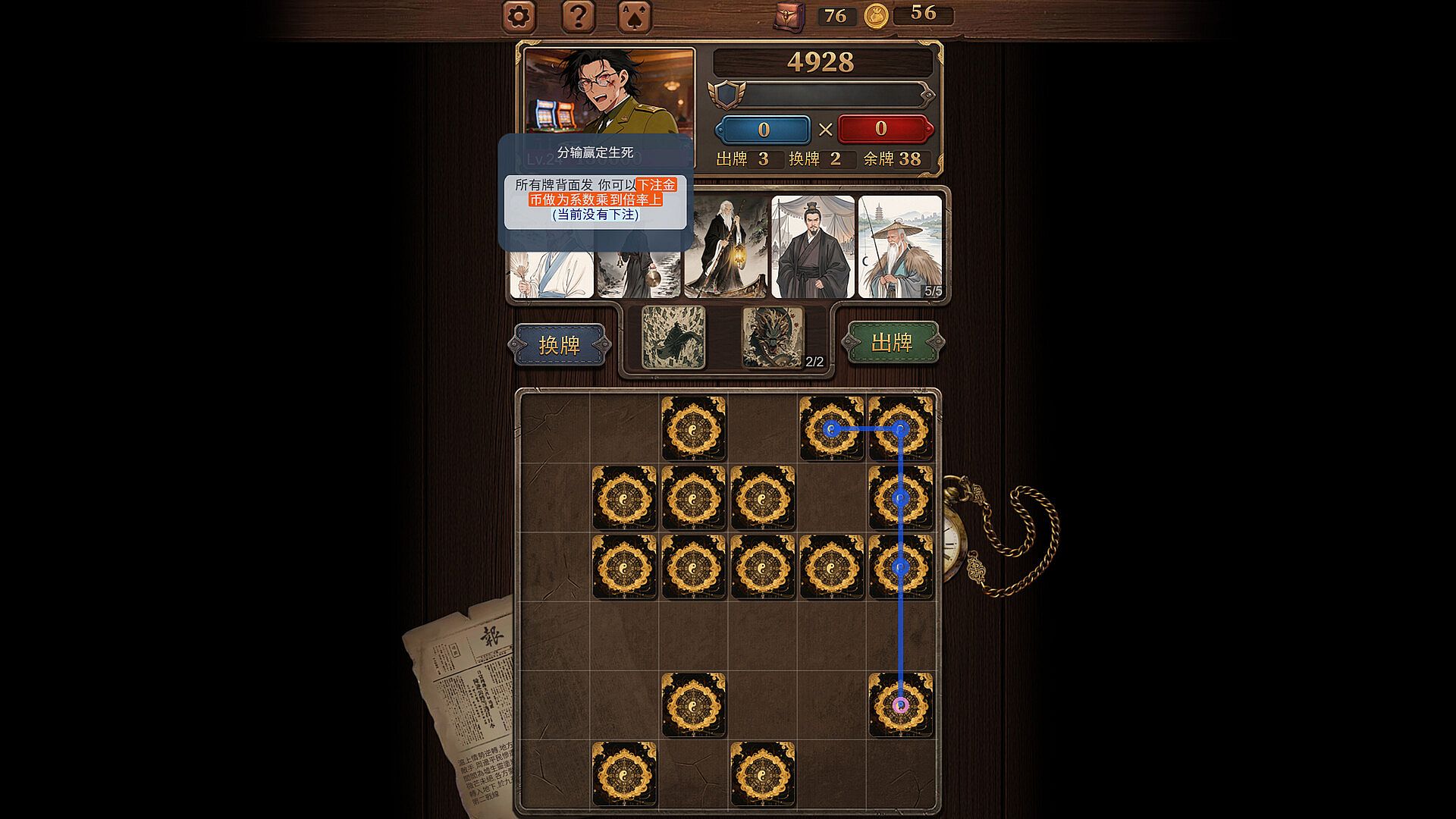
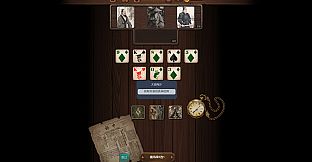
Il ciclo di gioco ruota attorno alla costruzione e all'utilizzo di combinazioni di carte divine durante le run roguelike. Ogni run propone griglie basate su schemi ispirati al poker, in cui le carte vengono collegate in linee per massimizzare i punteggi numerici. Applicando metodi di abbinamento differenti alle stesse carte si ottengono risultati variabili, spingendo a sperimentare con posizionamento e selezione.
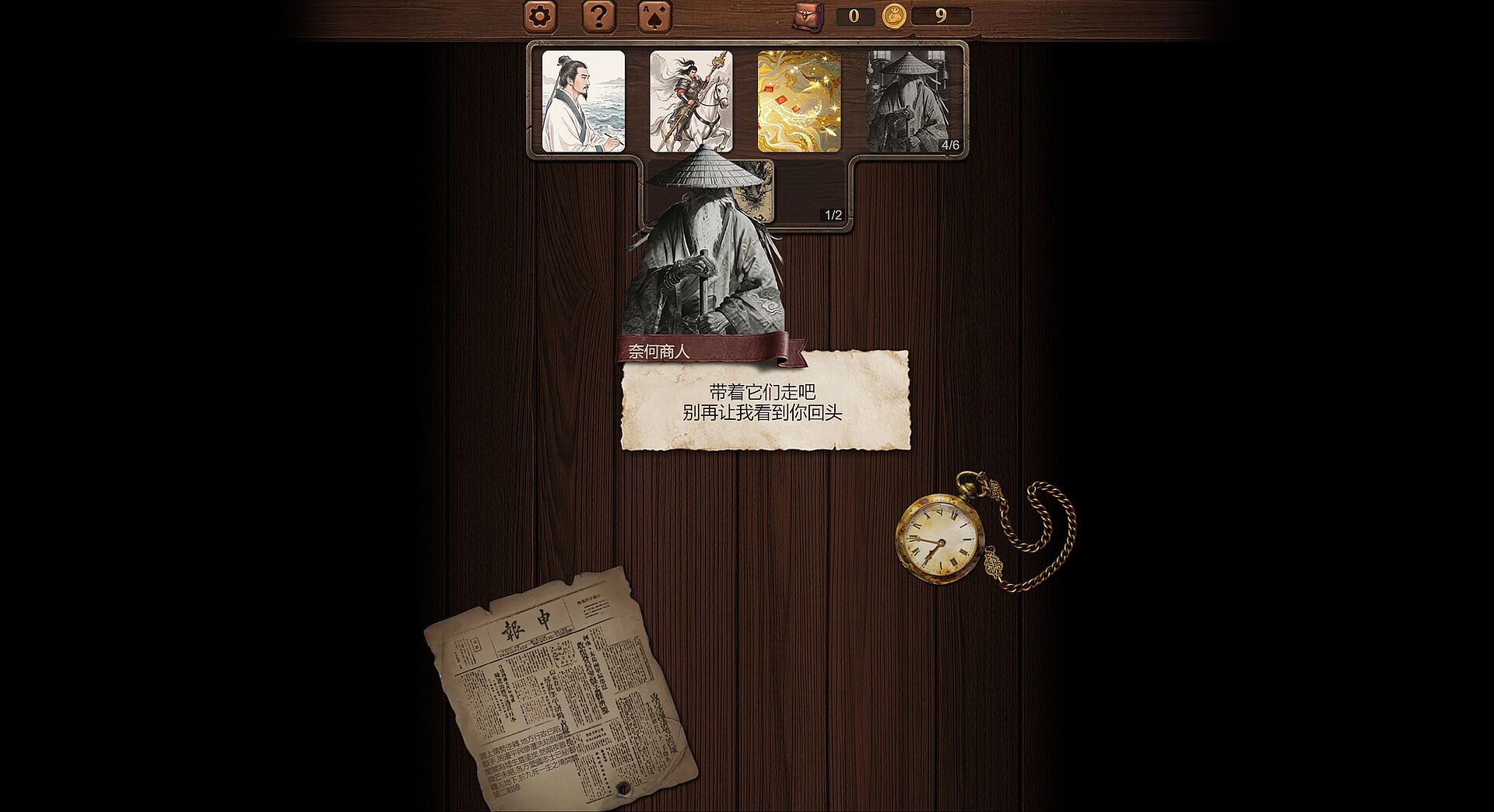
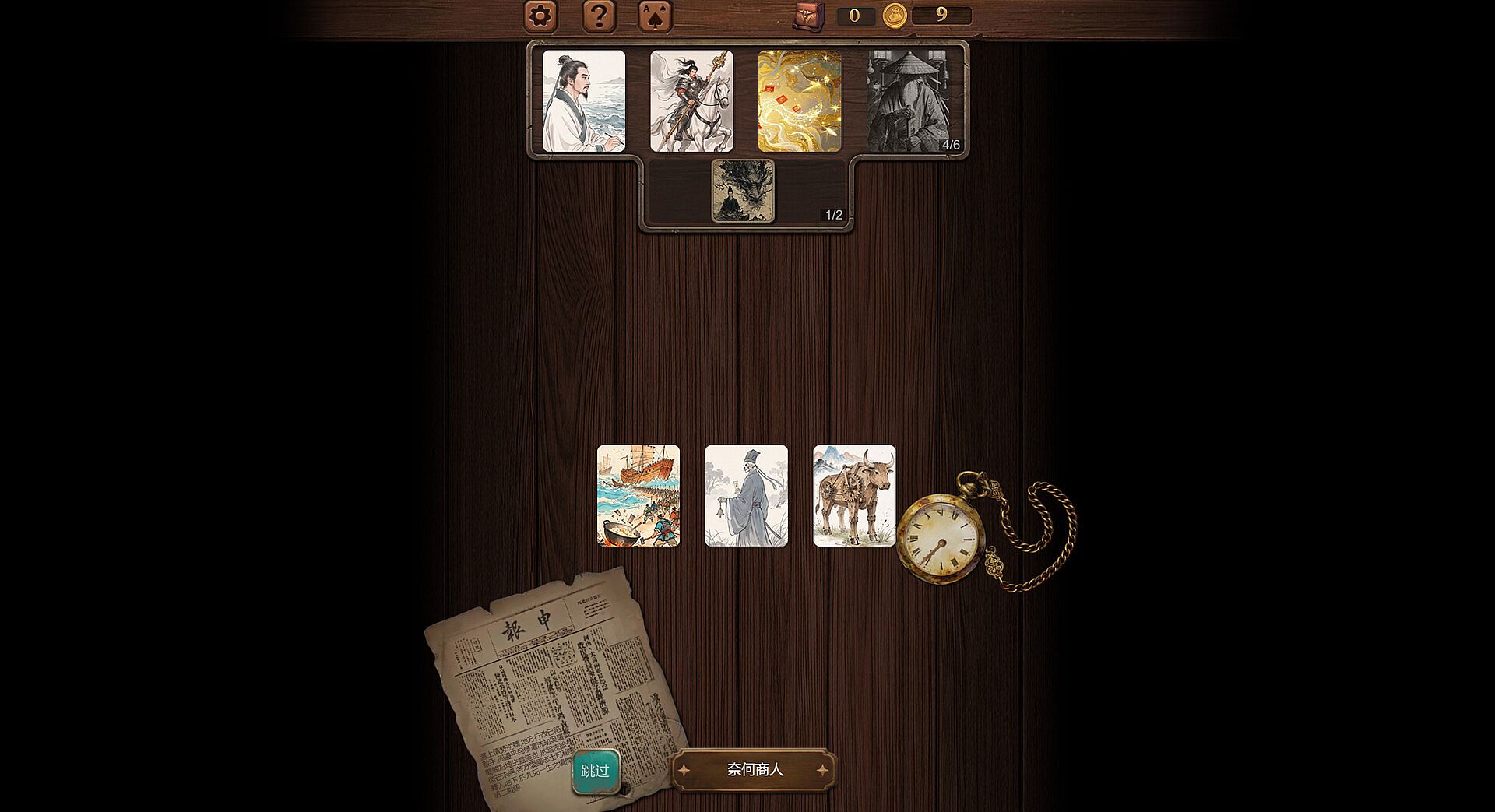
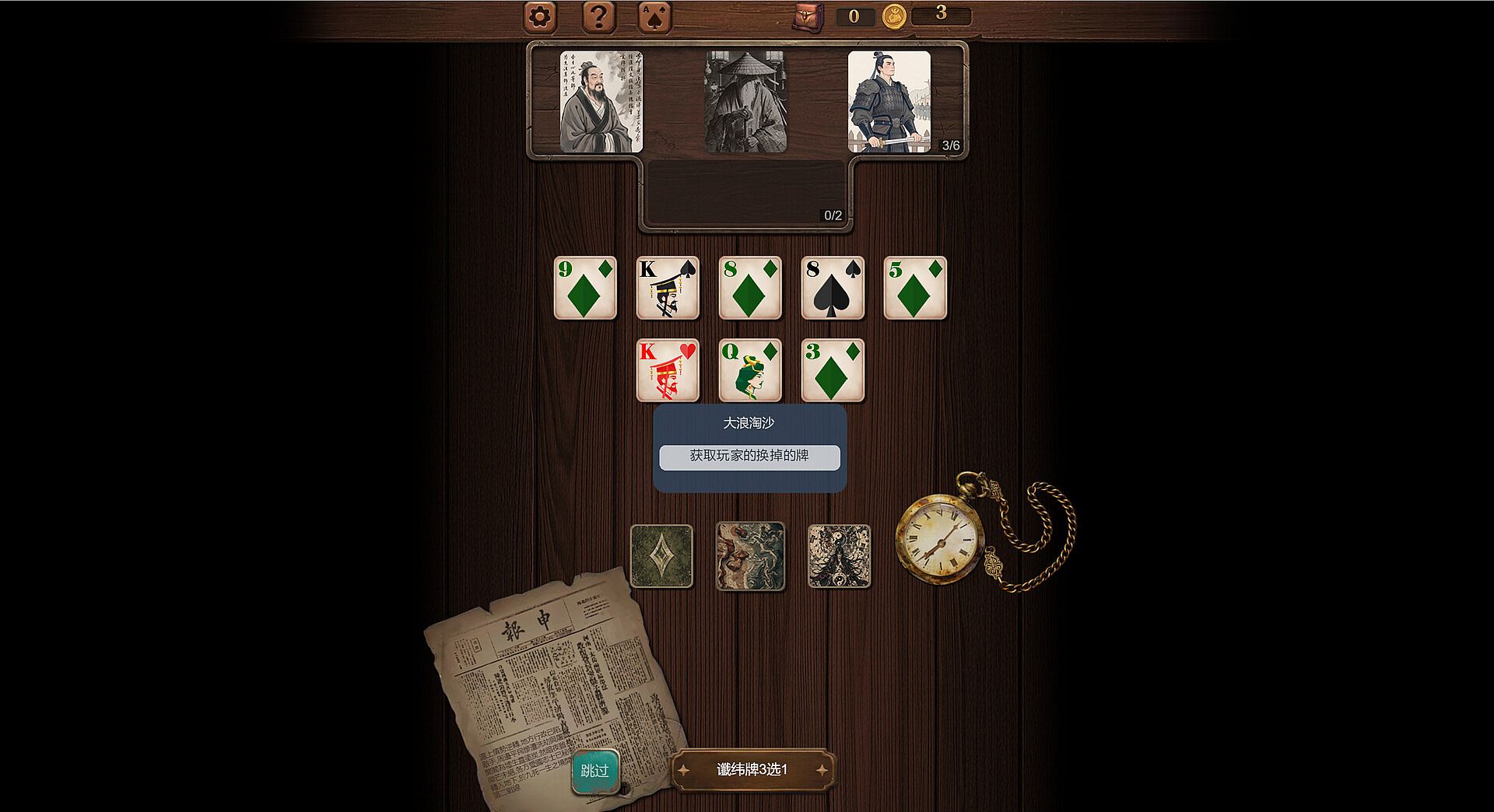
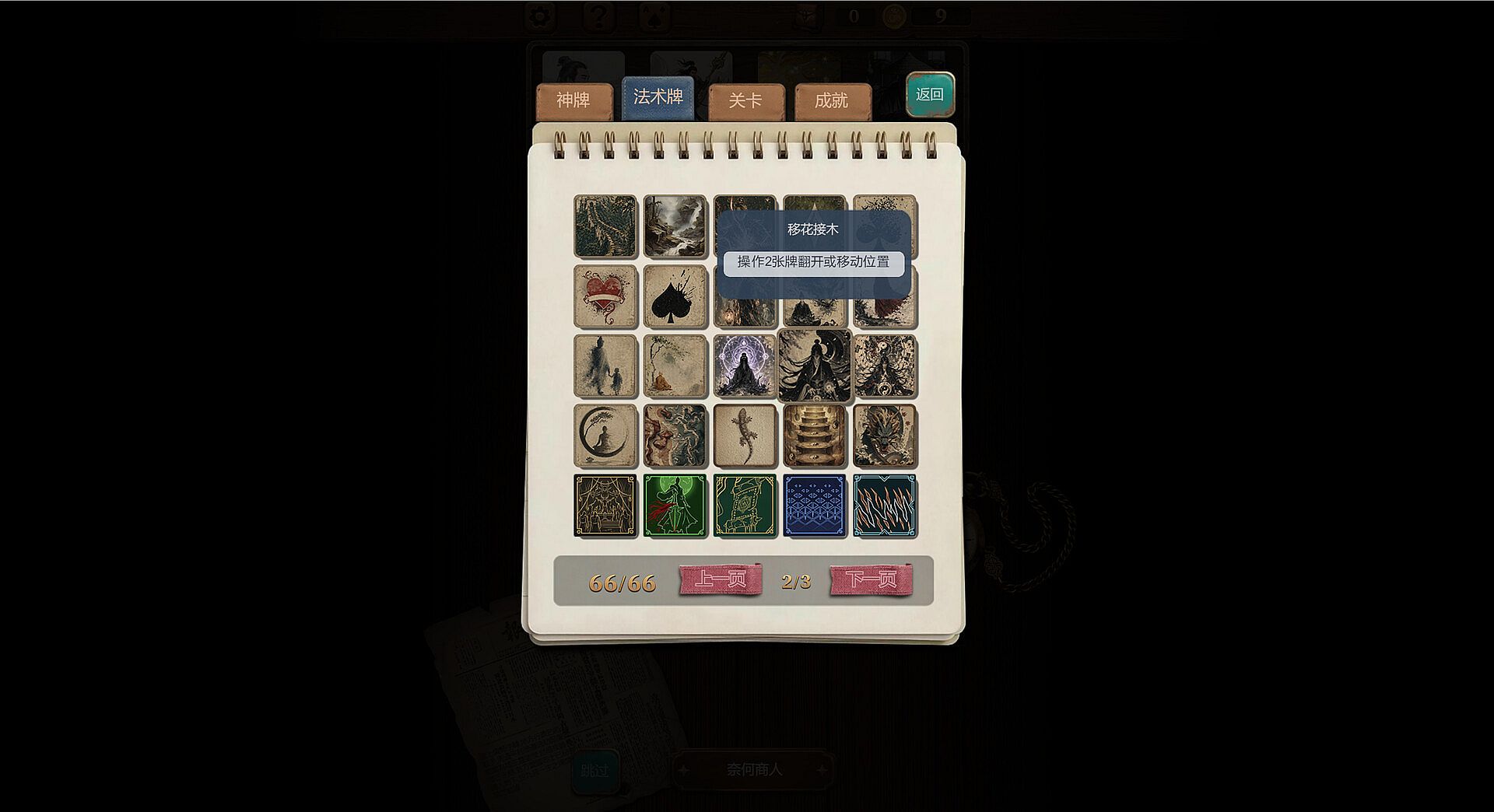
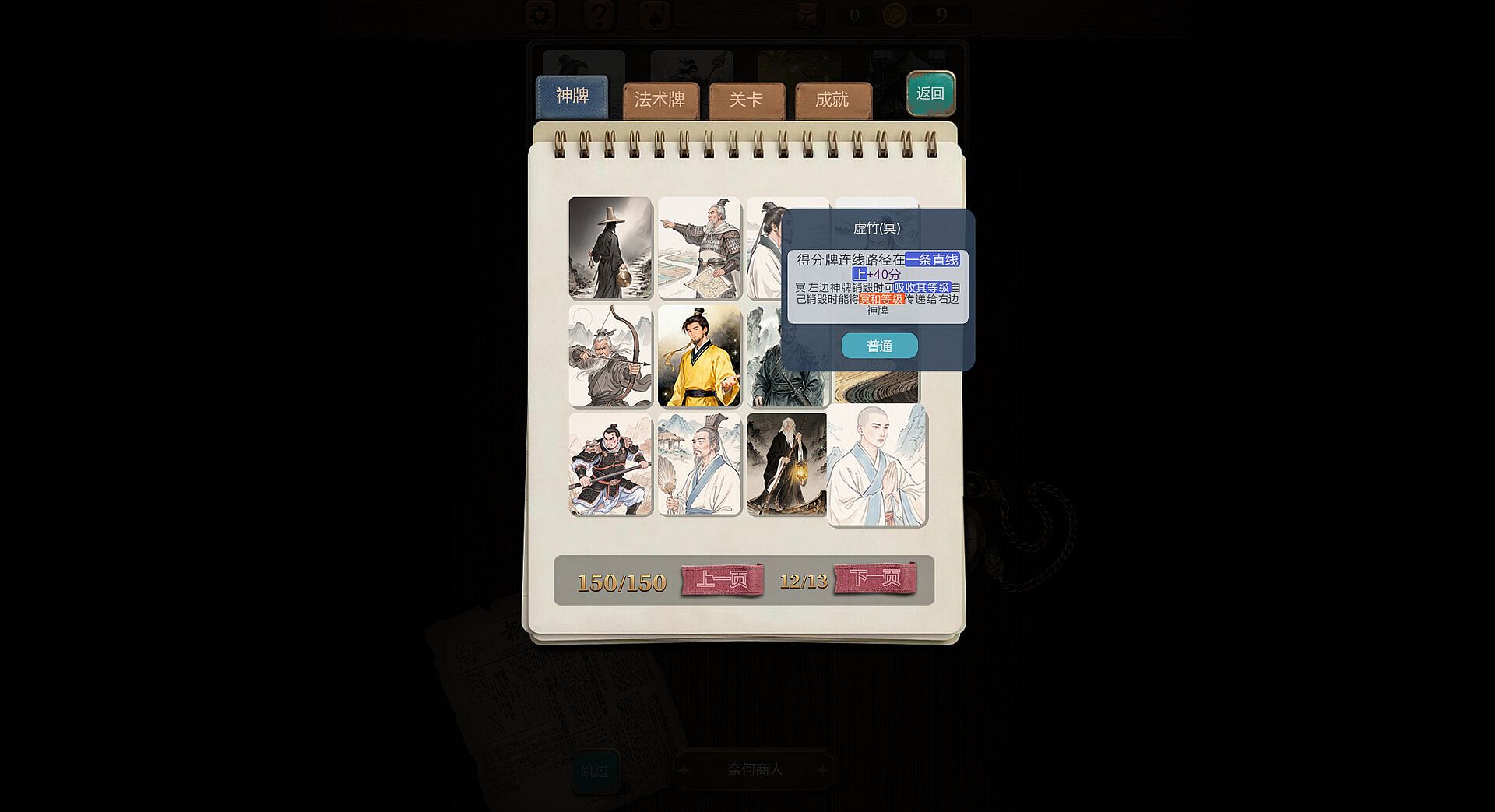
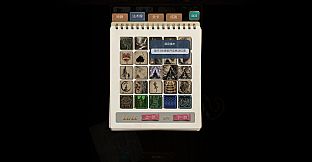
Le carte divine costituiscono il cuore di ogni run: ognuna possiede effetti unici che si attivano in configurazioni specifiche. Il successo dipende dalla capacità di individuare i percorsi ottimali all'interno della griglia e di adattarsi alla disposizione proposta. La struttura roguelike prevede tentativi ripetuti, con le scelte di carte che influenzano gli incontri successivi.
Le griglie cambiano da scenario a scenario, obbligando il giocatore a modificare la strategia in base al nuovo pattern. Gli scontri con i boss aggiungono ulteriore complessità, poiché ogni boss richiede formazioni mirate per essere sconfitto. Il sistema premia la pianificazione attenta rispetto alle decisioni impulsive, in linea con i tag simulation e strategy.
Modalità di gioco
GridGame è incentrato sulla progressione roguelike in singolo. Le run si articolano in una serie di sfide sequenziali in cui si affrontano griglie, si gestiscono combinazioni e si sconfiggono boss. La struttura invita a ripetere le partite per affinare le strategie e scoprire sinergie più efficaci.
Un elemento multiplayer asincrono permette lo scambio di carte tra giocatori. Questo sistema leggero funziona al di fuori delle sessioni attive e offre interazione indiretta senza richiedere partite simultanee. Consente di variare l'esperienza scambiando carte che influenzano le proprie run o quelle altrui.
Non risultano altre modalità con nome specifico. L'esperienza principale resta la campagna roguelike di sfide su griglia e combattimenti contro boss, mentre lo scambio di carte rappresenta un livello opzionale di coinvolgimento.
Meccaniche e caratteristiche principali
Il cuore del gioco è il line matching. Il giocatore seleziona e posiziona le carte divine per creare linee che seguono regole ispirate al poker, sbloccando valori numerici differenti in base al metodo scelto. Questa flessibilità permette a un unico set di carte di supportare più strategie di punteggio all'interno della stessa griglia.
Gli scenari di sfida variano grazie a boss e pattern di griglia diversi. Ogni incontro mette alla prova la capacità di adattare le disposizioni alle nuove regole, favorendo il pensiero strategico anziché l'uso di un'unica tattica. Gli elementi indie e casual si riflettono nella presentazione accessibile di questi meccanismi.
Gli aspetti simulation emergono dall'attenzione ai numeri e dalla necessità di ottimizzare il potenziale delle carte nel corso delle run. Il giocatore impara come i diversi approcci alle linee influenzino i risultati, accumulando conoscenze utili per i tentativi successivi.
Vale la pena giocarci?
GridGame si rivolge a chi apprezza i roguelike deckbuilding uniti a una componente puzzle di strategia su griglia. L'enfasi sul line matching e sulle sinergie tra carte è ideale per chi cerca decisioni ponderate nei giochi di carte. Lo scambio asincrono aggiunge una dimensione sociale senza richiedere coordinamento in tempo reale.
Al momento della stesura, il gioco non ha ancora recensioni perché non è stato rilasciato. Il lancio è previsto per il 3 ottobre 2026. Chi è interessato alle meccaniche descritte può seguire gli aggiornamenti ufficiali per valutare la propria compatibilità una volta disponibile.
L'unione di struttura roguelike, griglie ispirate al poker e varietà di carte divine offre un'esperienza mirata agli appassionati di strategia. I giocatori casual possono trovare accessibile il sistema di line matching, mentre gli appassionati di simulation possono approfondire la complessità dell'ottimizzazione numerica. La disponibilità su PC con family sharing consentirà l'accesso condiviso dopo il lancio.











