




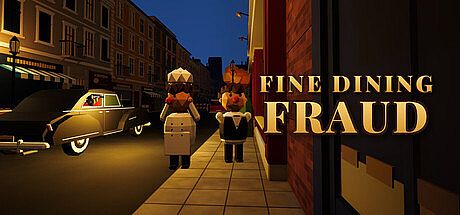



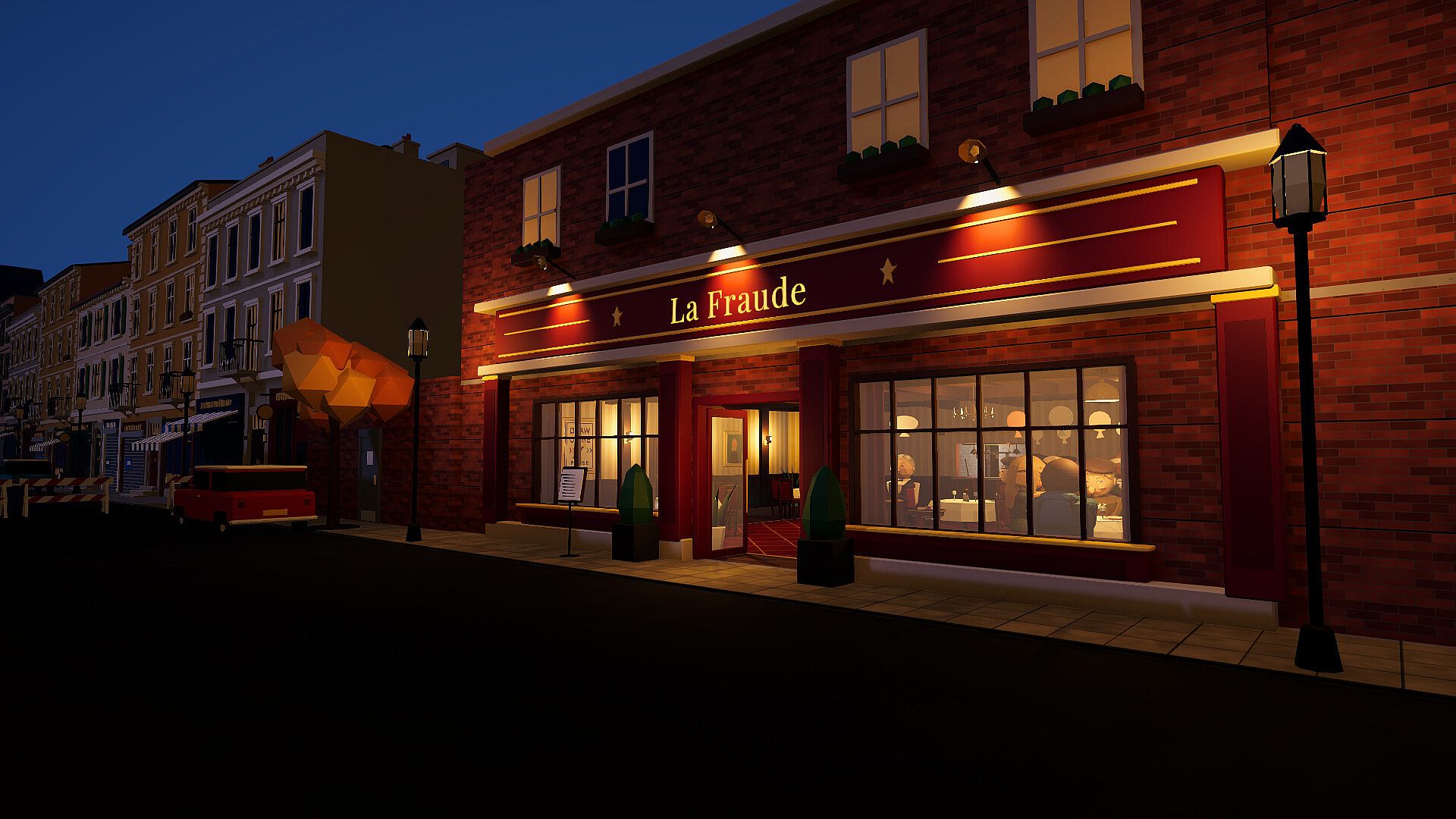
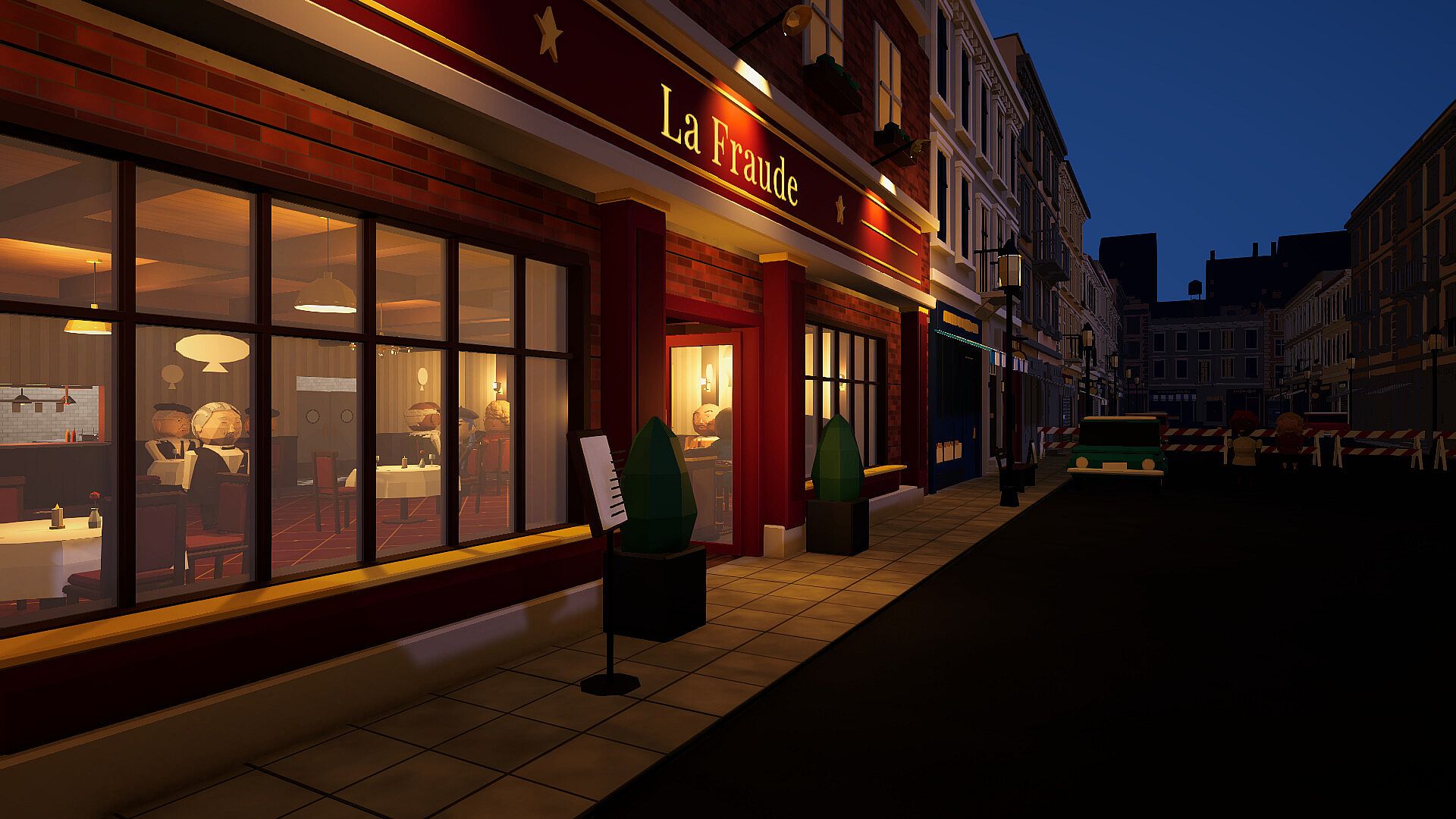
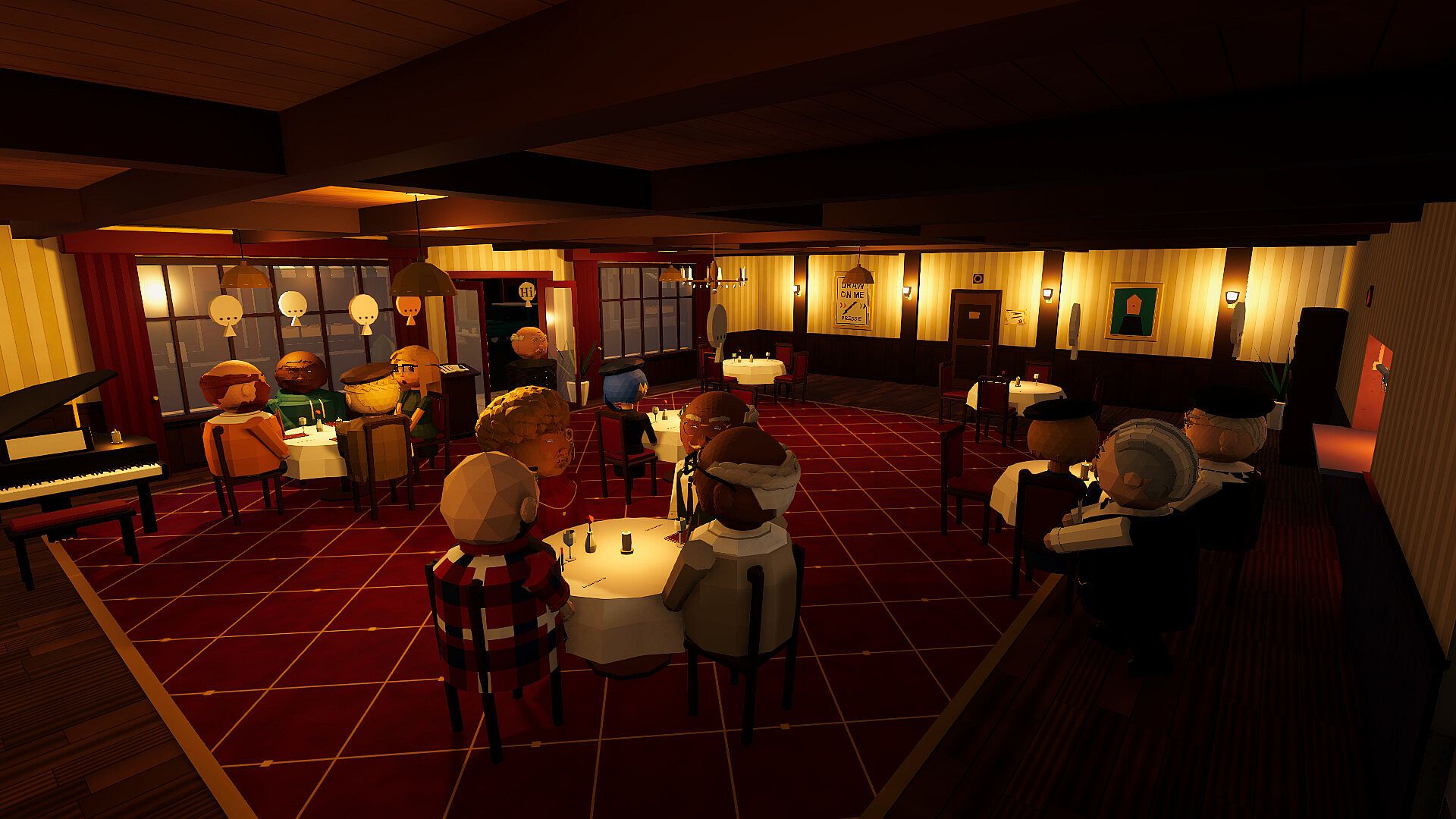
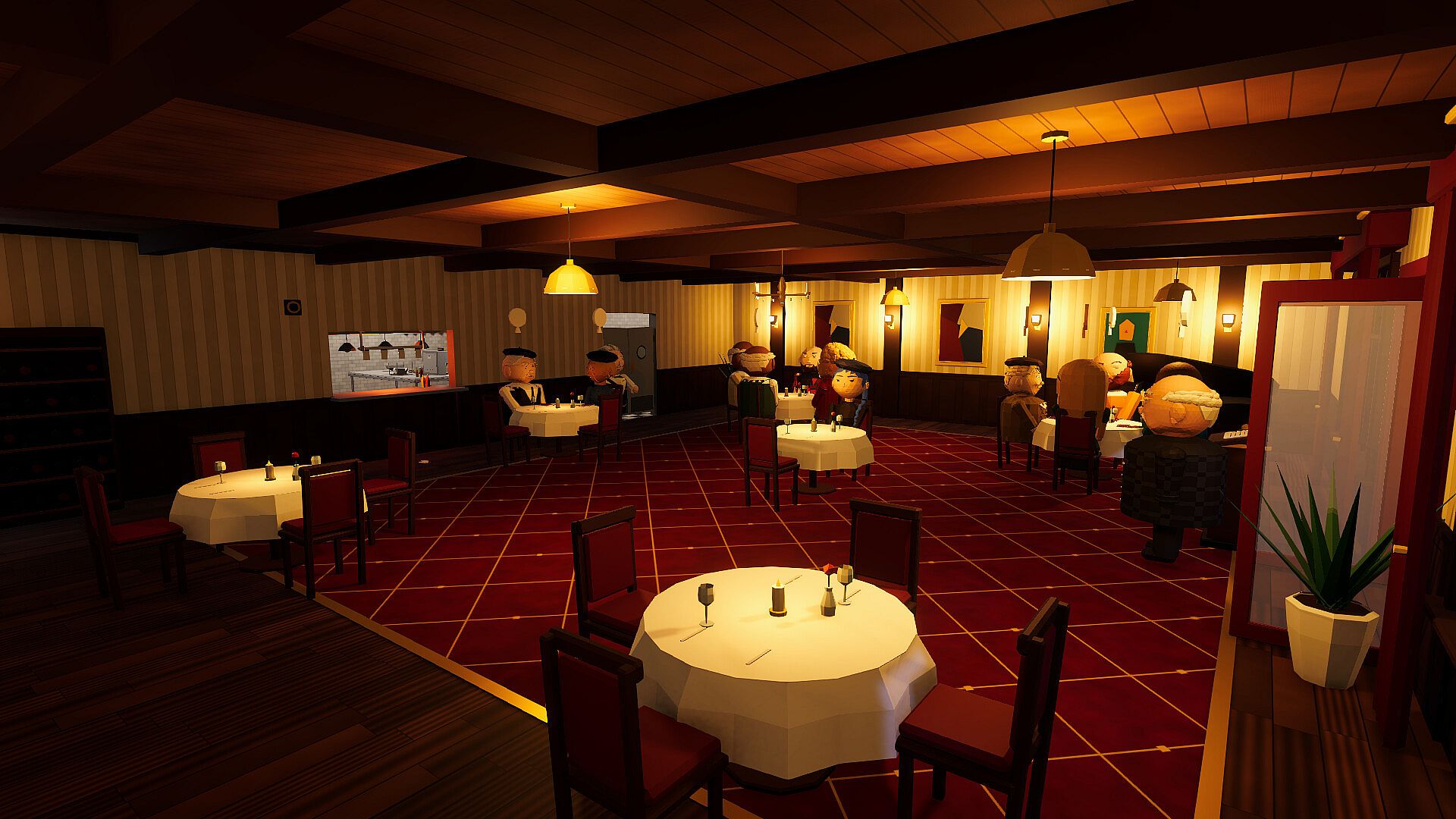
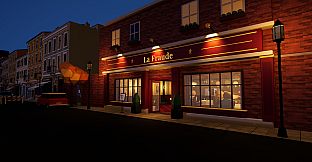
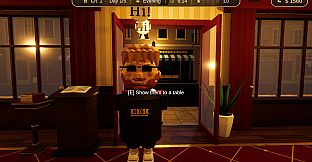
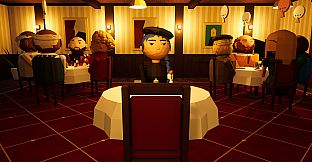
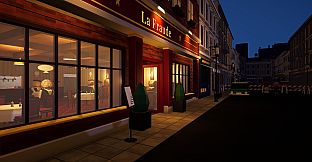
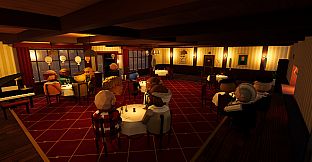
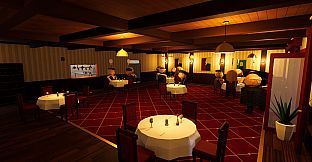
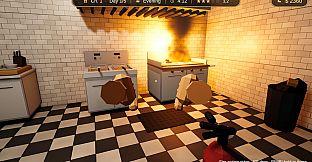
Fine Dining Fraud is a free to play indie simulation game set in early access on PC. Players run a struggling luxury restaurant called La Fraude while dealing with mounting debts to the mafia and the daily demands of service in a building full of hidden problems.
Gameplay
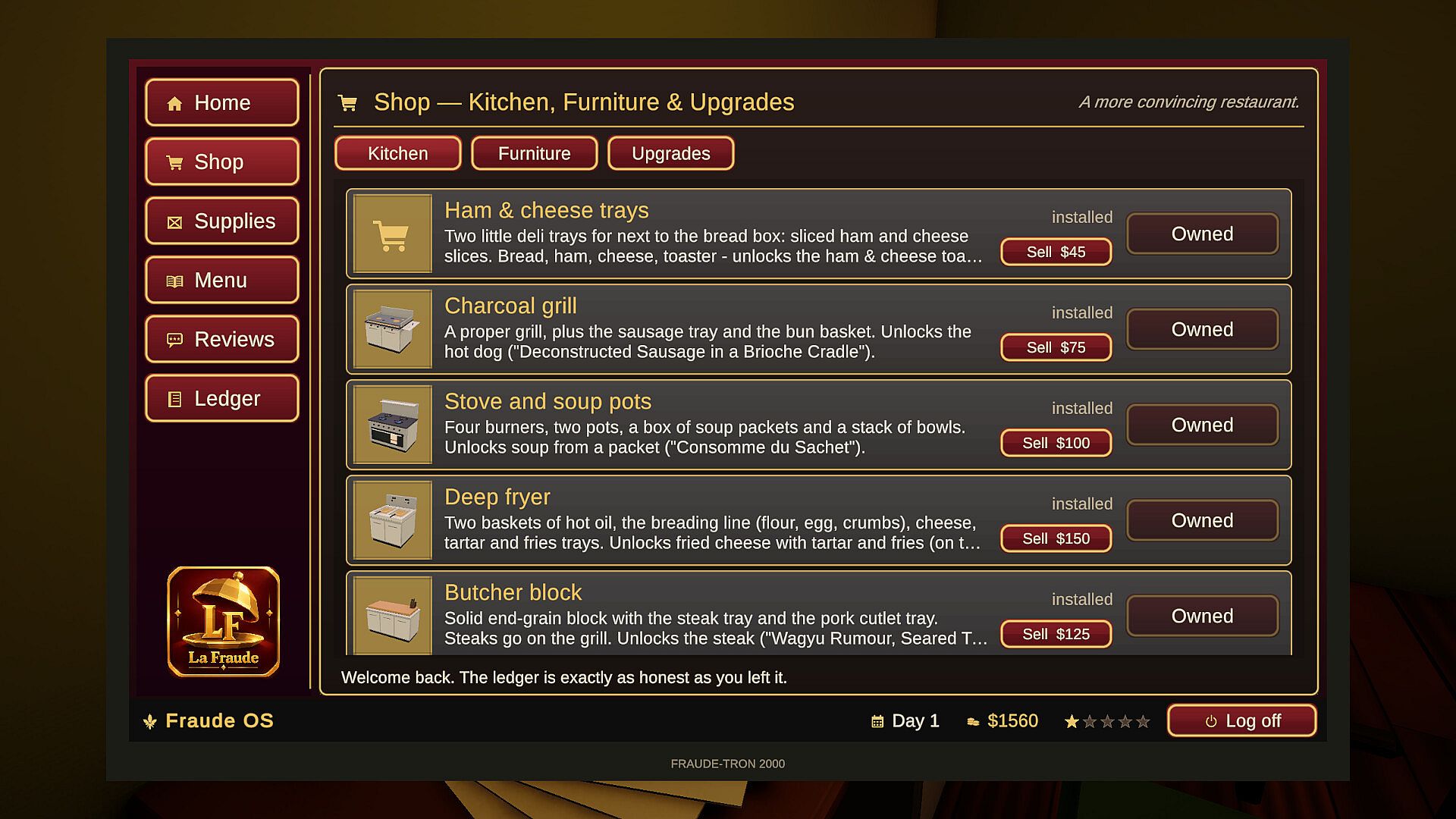
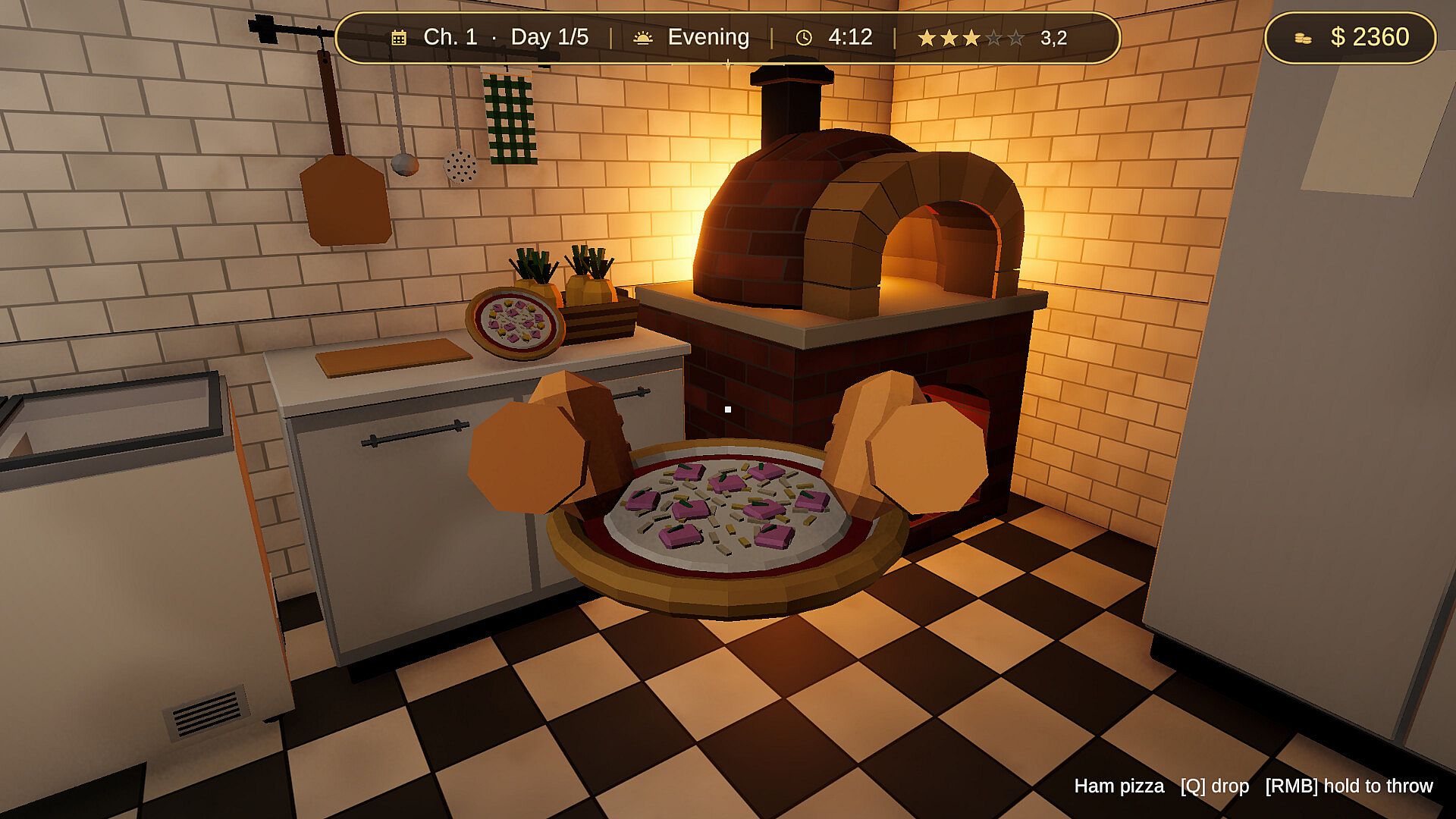
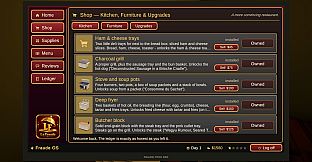
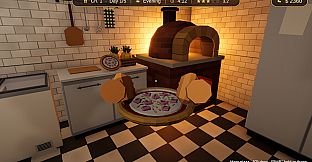
The core loop centers on preparing basic dishes from limited ingredients while managing a disorganized kitchen. Available items include toast, hot dogs, soup from packets, fried cheese, steak, pizza, schnitzel, and fries. Players buy equipment, carry in supply crates, and arrange their own kitchen layout to improve flow. Plates run out during rushes, food cools quickly, and the freezer door can lock from the outside without warning.
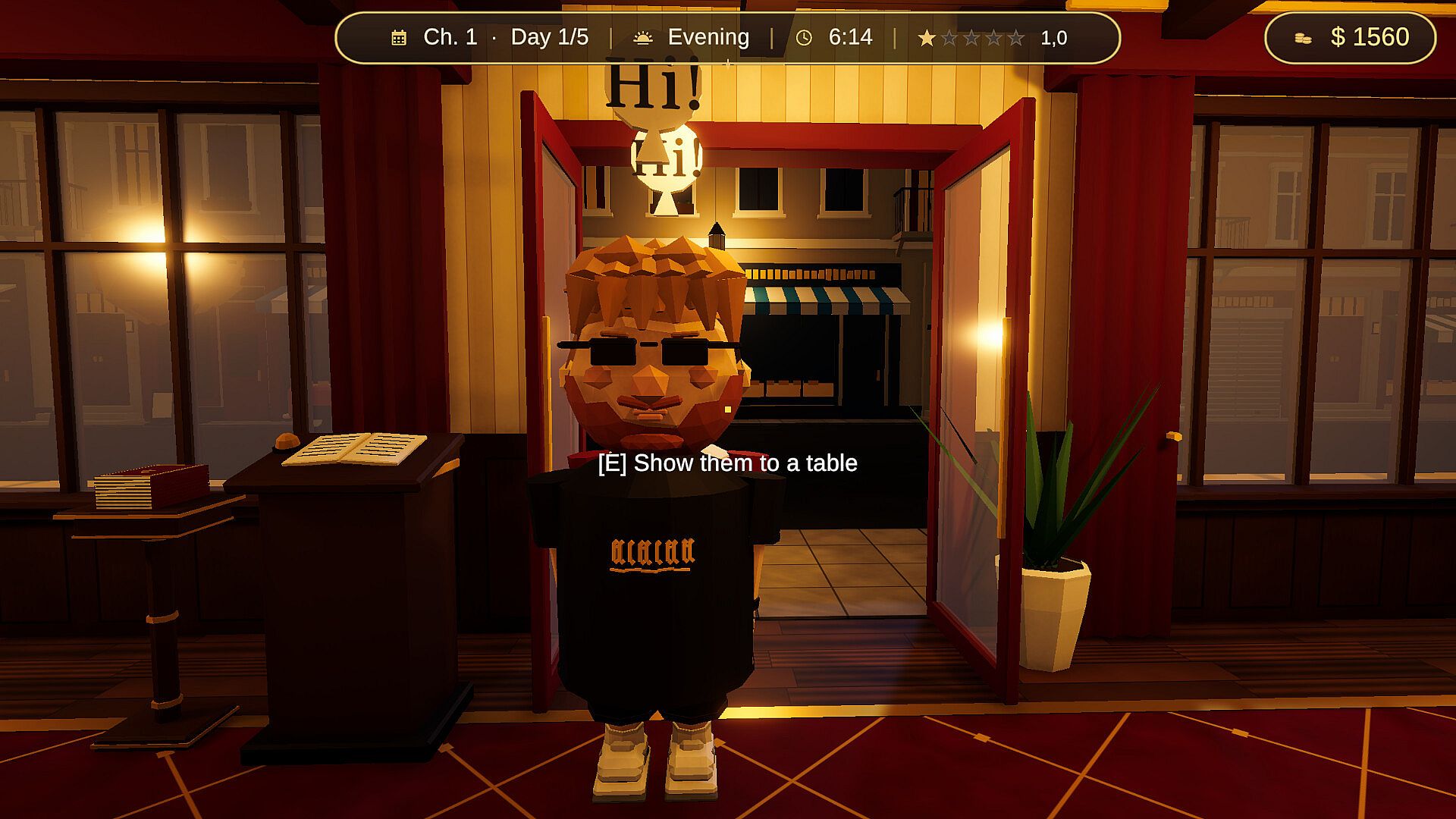
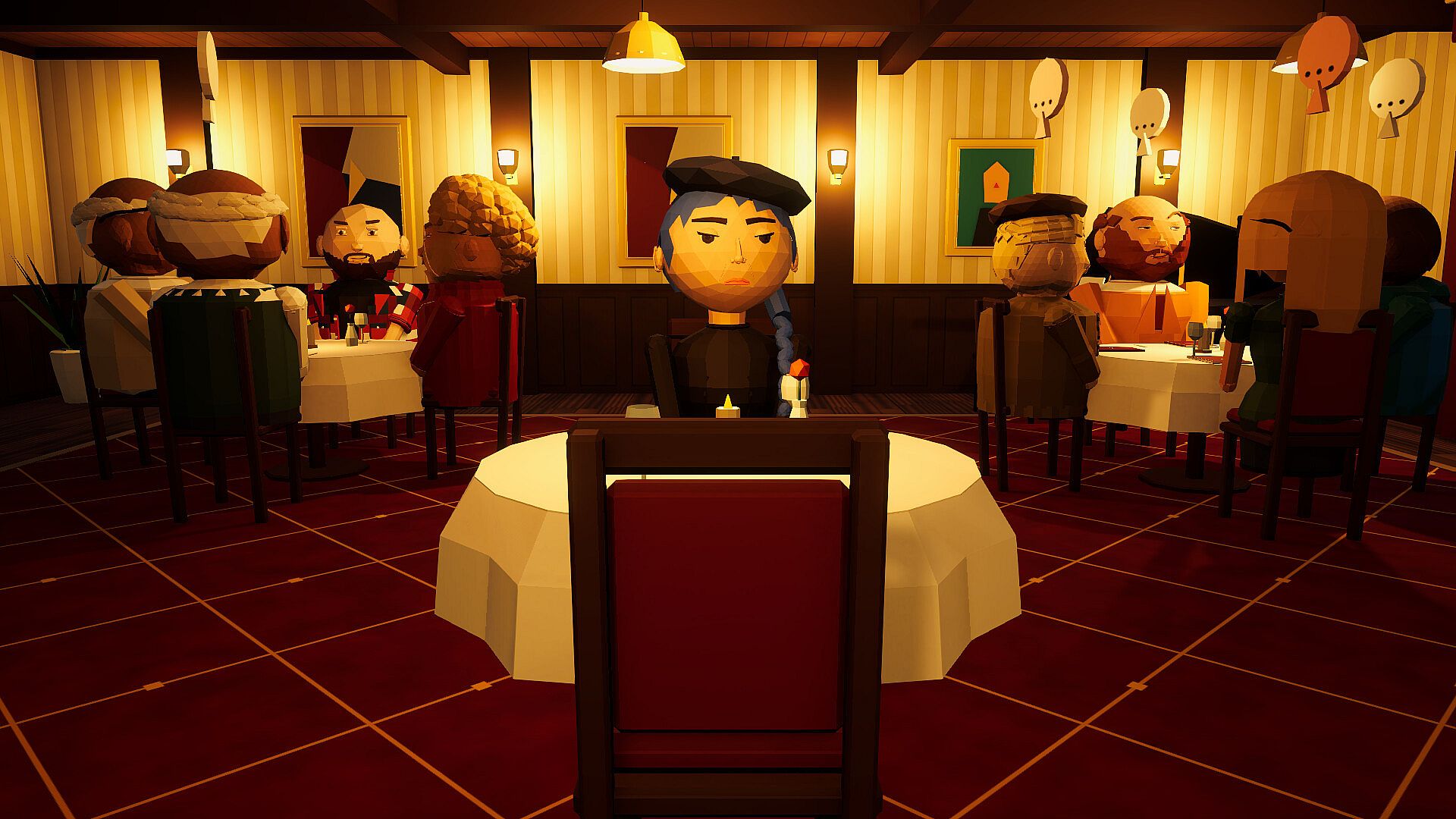
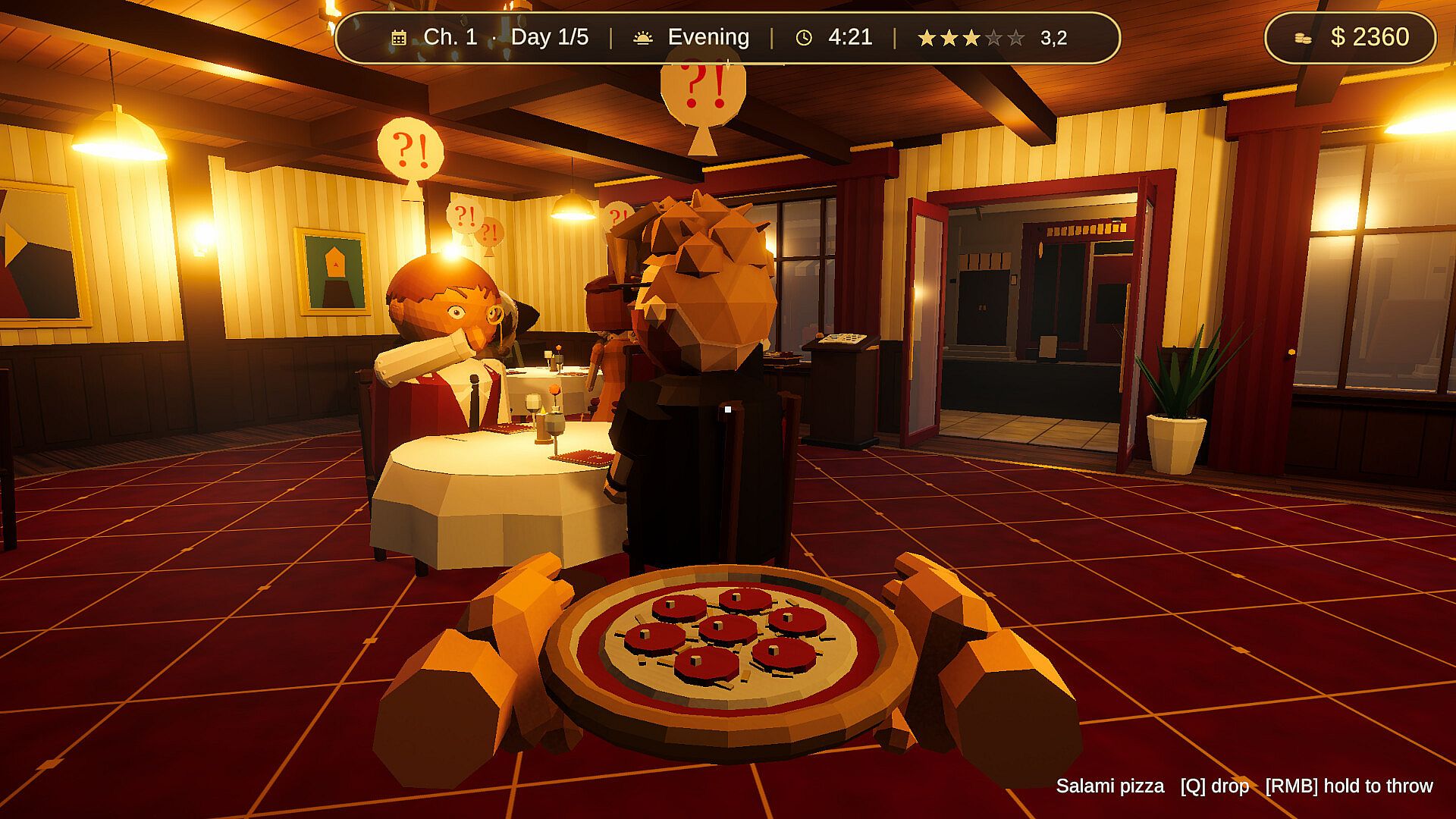
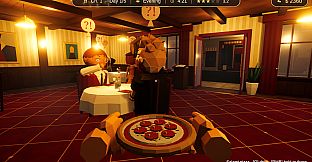
Service requires seating guests, taking orders, and sending plates through the pass. When mistakes occur, such as the wrong dish or a burnt steak, players can lie to customers by describing the error as a deconstructed signature dish. A microphone system measures how convincingly the excuse lands with different types of diners, including critics, gourmets, nervous couples, grandparents, and occasional celebrities. Each guest type expects something different, adding pressure to match the story to the audience.
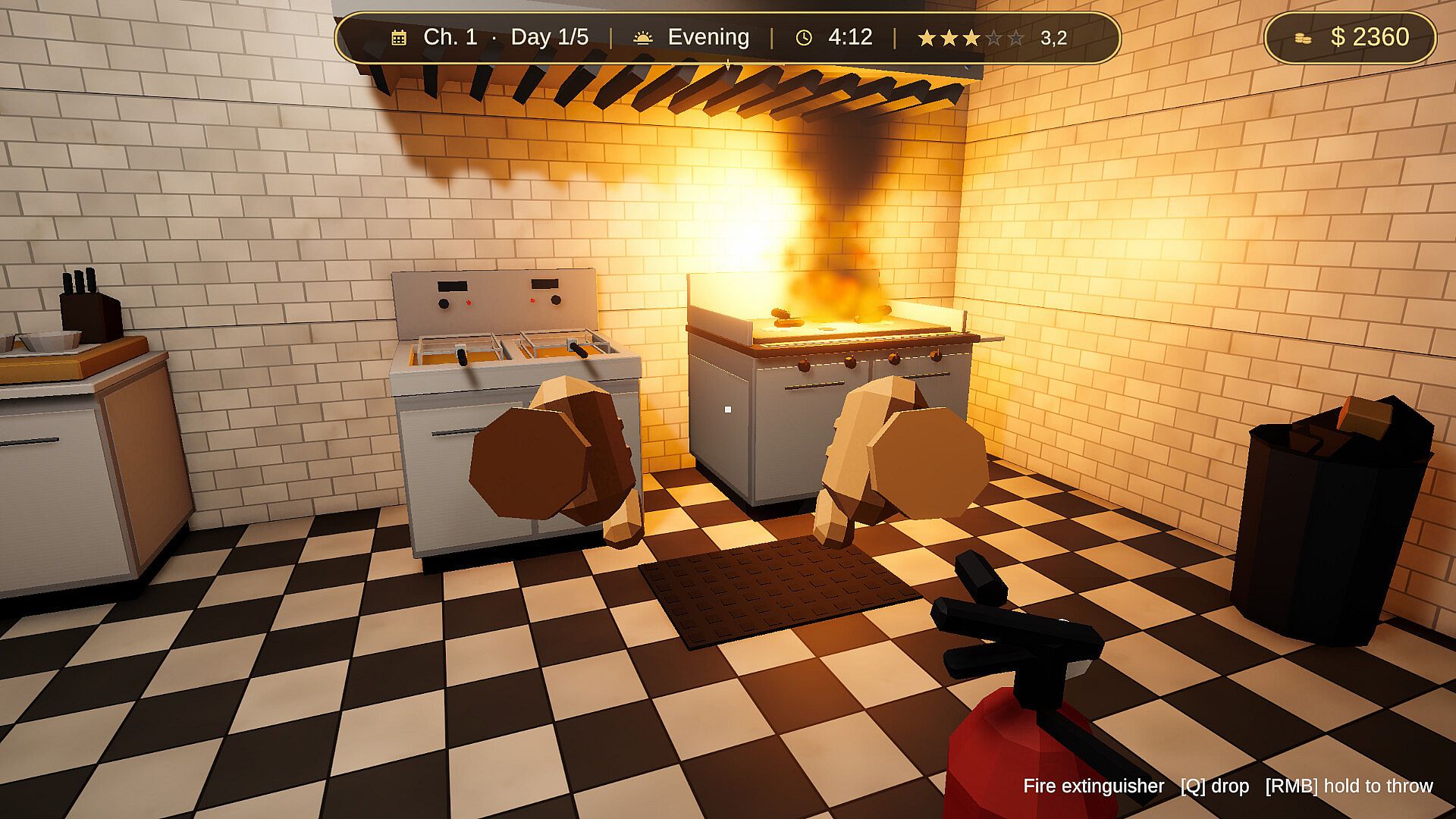
Evenings bring hazards like fires, oil spills, food poisoning outbreaks, sudden guest rushes, and moments when the microphone picks up the wrong conversation. Theme nights introduce variety, such as romantic dinners, post-match football crowds, gourmet events, pensioner groups, and company parties. Chapters conclude with boss evenings that begin with a detailed health inspection.
Game Modes
The game supports solo play or online co-op sessions for up to four players. Proximity voice chat allows quiet coordination in the kitchen or panicked calls across the dining room. Sessions focus on surviving individual evenings while building toward longer-term goals across multiple days.
Progression involves earning stars through successful services and reading honest customer reviews. Earnings fund furniture purchases, kitchen upgrades, and small improvements to the restaurant's appearance. Players can paint custom pictures for the walls and hire staff such as Jean-Pierre to handle specific tasks. The overall aim remains reaching a Michelin star while keeping the mafia payments on schedule.
Core Mechanics and Progression
Daily operations revolve around balancing cooking, serving, and damage control under time pressure. Supply management and equipment placement directly affect efficiency, while guest interactions test quick thinking and verbal improvisation. Failures compound quickly when multiple issues hit at once, such as a rush combined with equipment failure.
Reputation builds through consistent performance and upgrades that gradually improve the restaurant. Each successful evening adds to the star count and unlocks new options for customization. The mafia collection every third day serves as a recurring deadline that forces players to prioritize revenue over perfection.
Is It Worth Playing?
Fine Dining Fraud suits players who enjoy chaotic co-op cooking simulations with an added layer of deception and survival pressure. The free to play model in early access lets anyone try the core loop without cost, and the 1 to 4 player co-op works well for both solo runs and group sessions. The combination of kitchen management, guest lying, and escalating nightly hazards creates a distinct experience focused on improvisation rather than precise execution.
Those drawn to simulation games that reward creative problem solving and teamwork will find the most value here. The early access state means features continue to develop, but the current systems already deliver repeatable evenings built around the restaurant's unique challenges and the constant need to keep operations running despite the odds.












