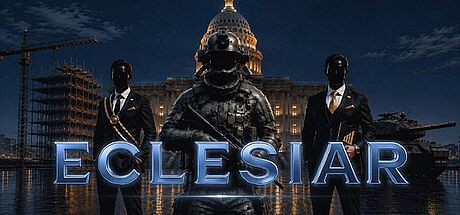



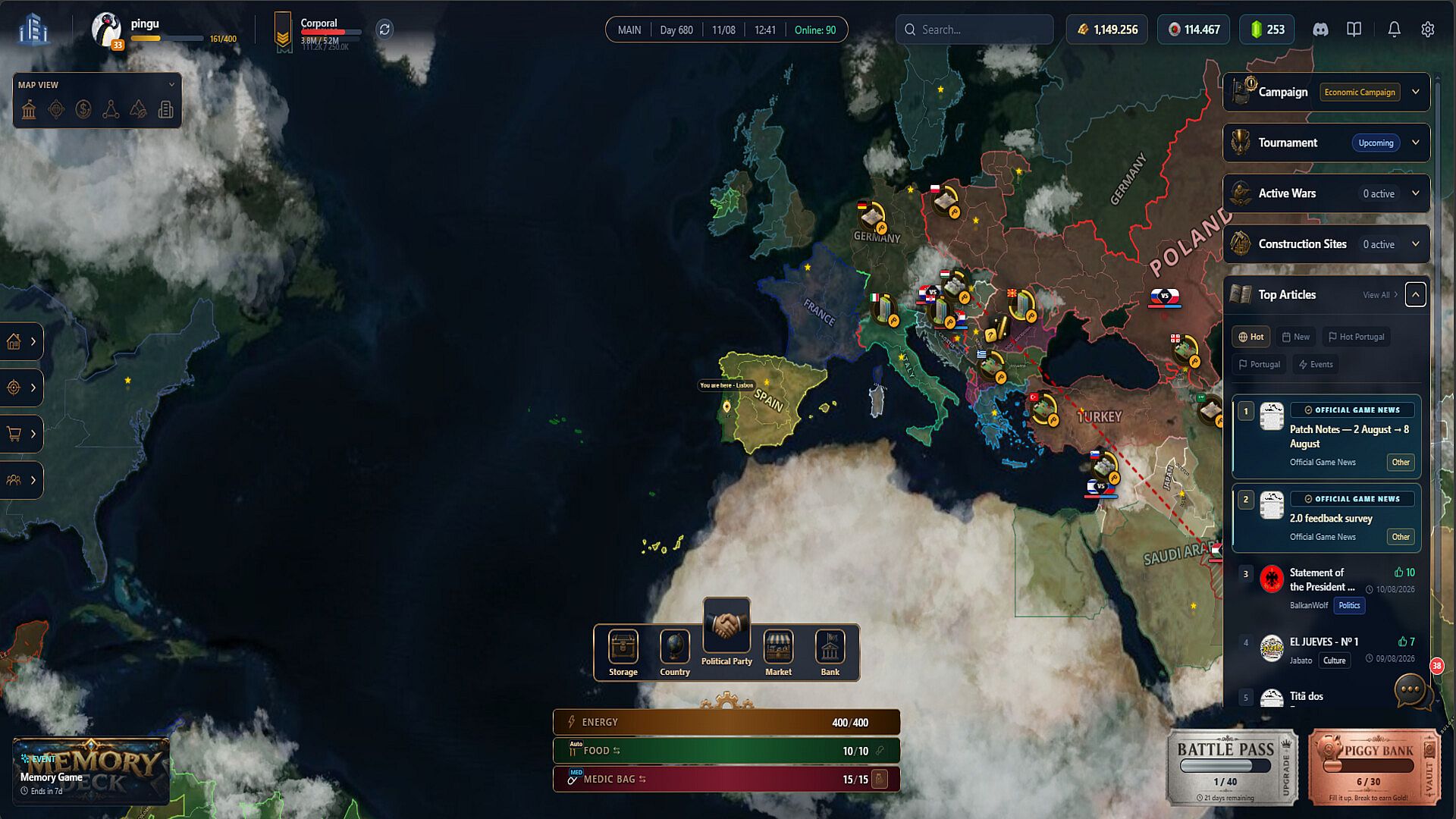
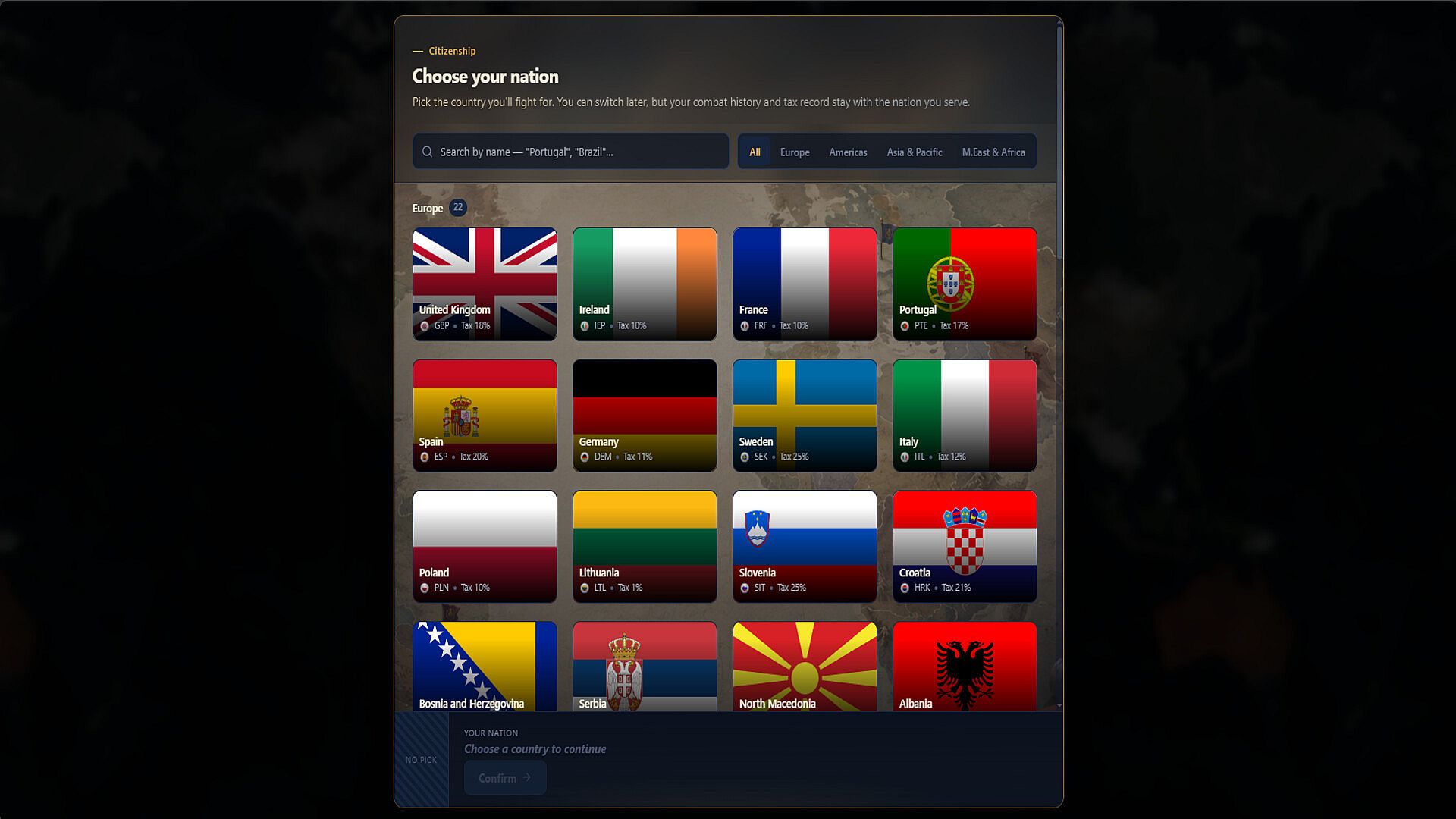
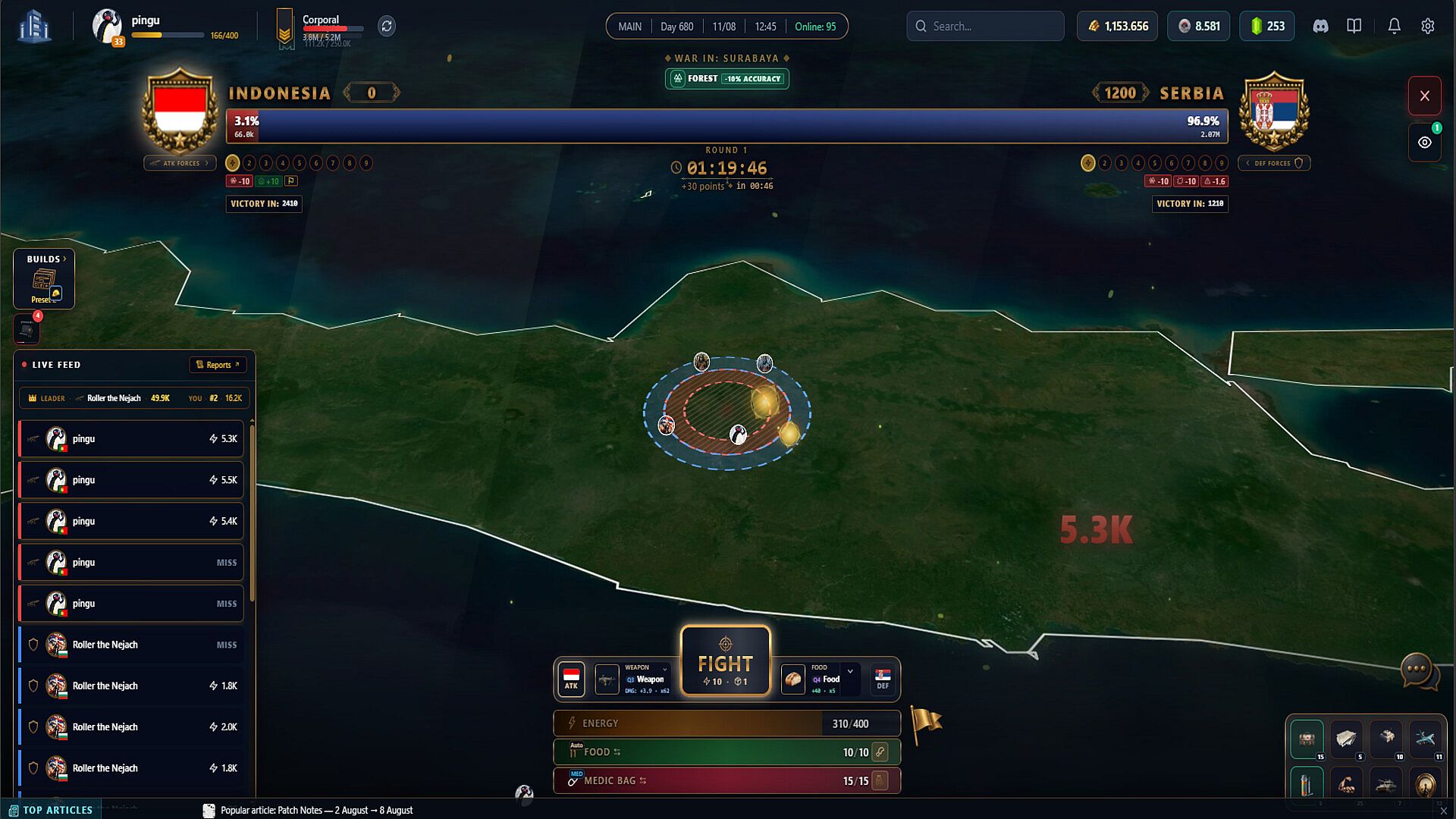
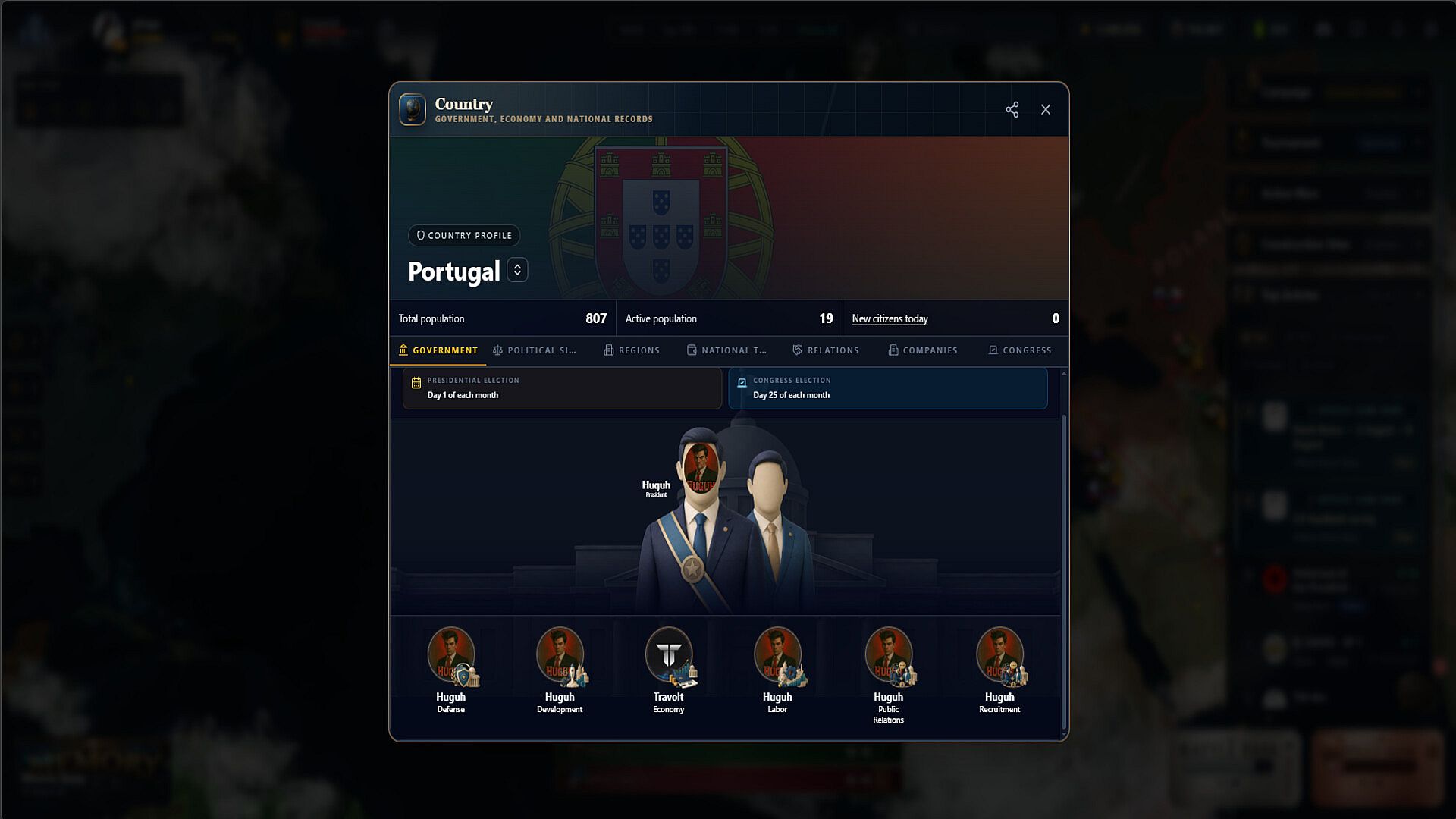
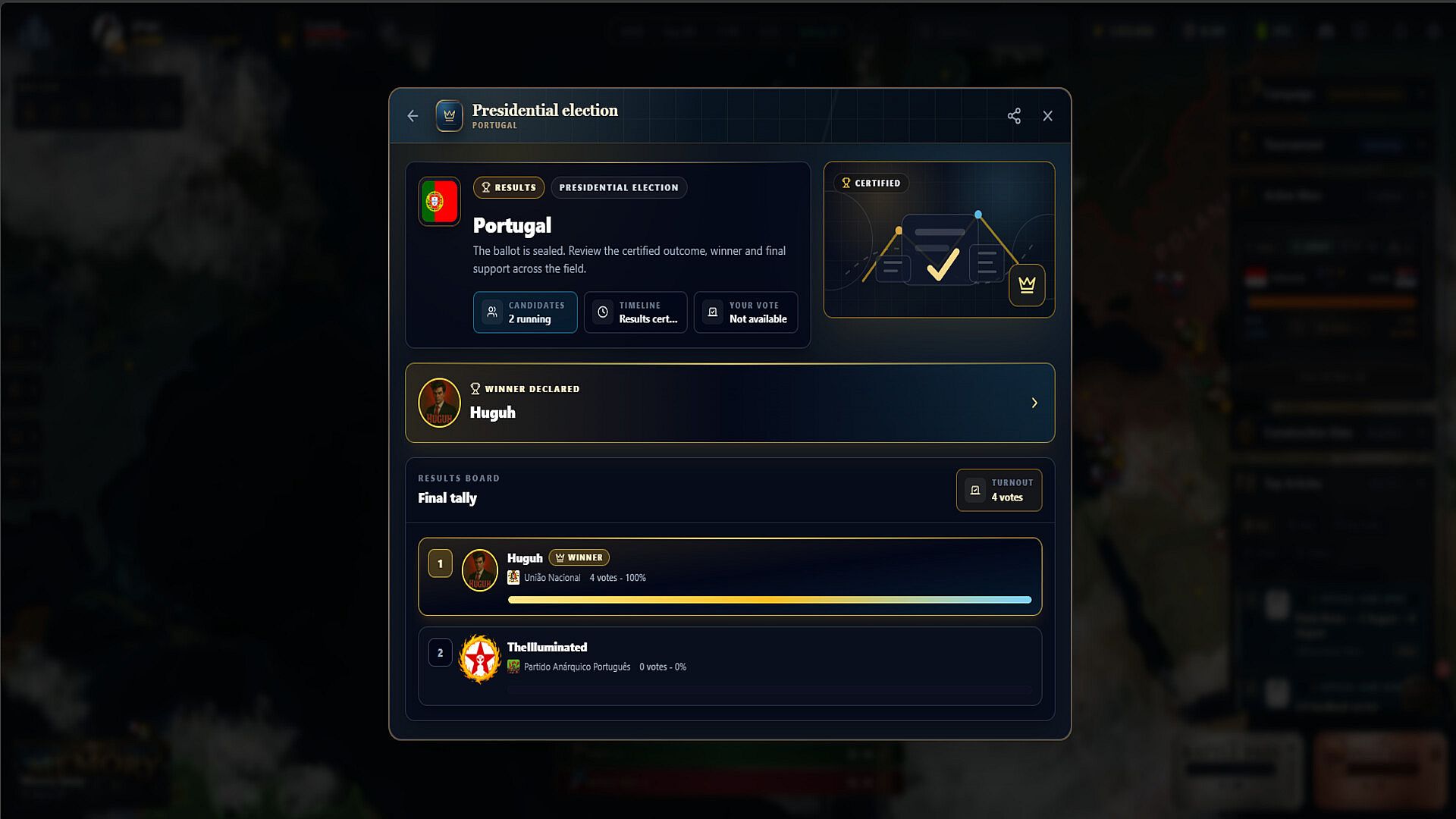
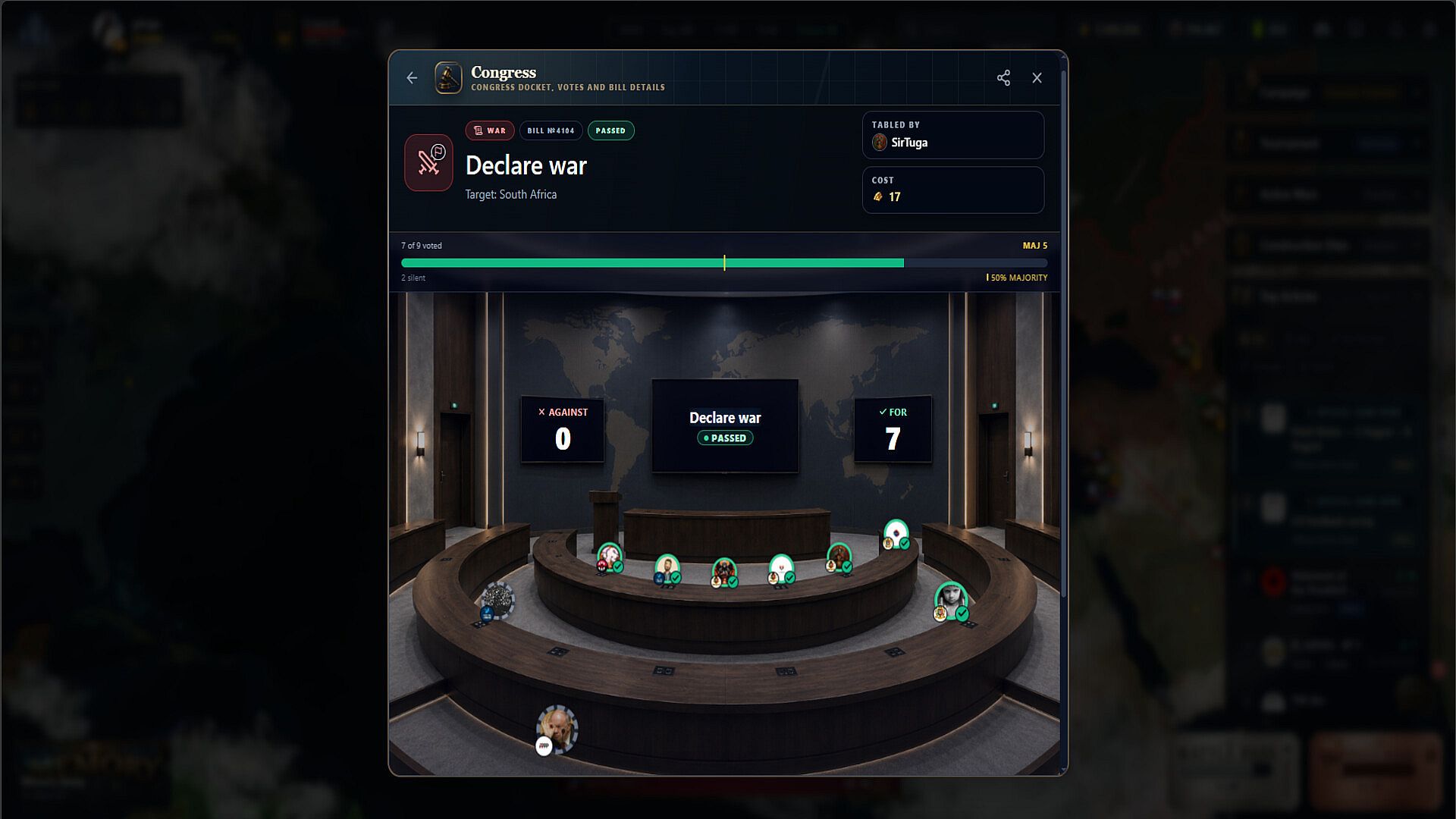
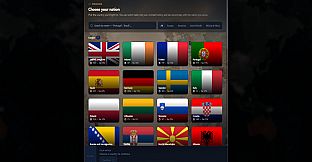

Eclesiar is a free-to-play browser and mobile strategy MMO that blends political simulation, economic management, and territorial warfare in a persistent world driven entirely by player actions. Players begin as ordinary citizens of real-world nations and pursue careers in politics, business, or the military, with every election, trade deal, law, and battle influencing the shared map and national fortunes.
Gameplay
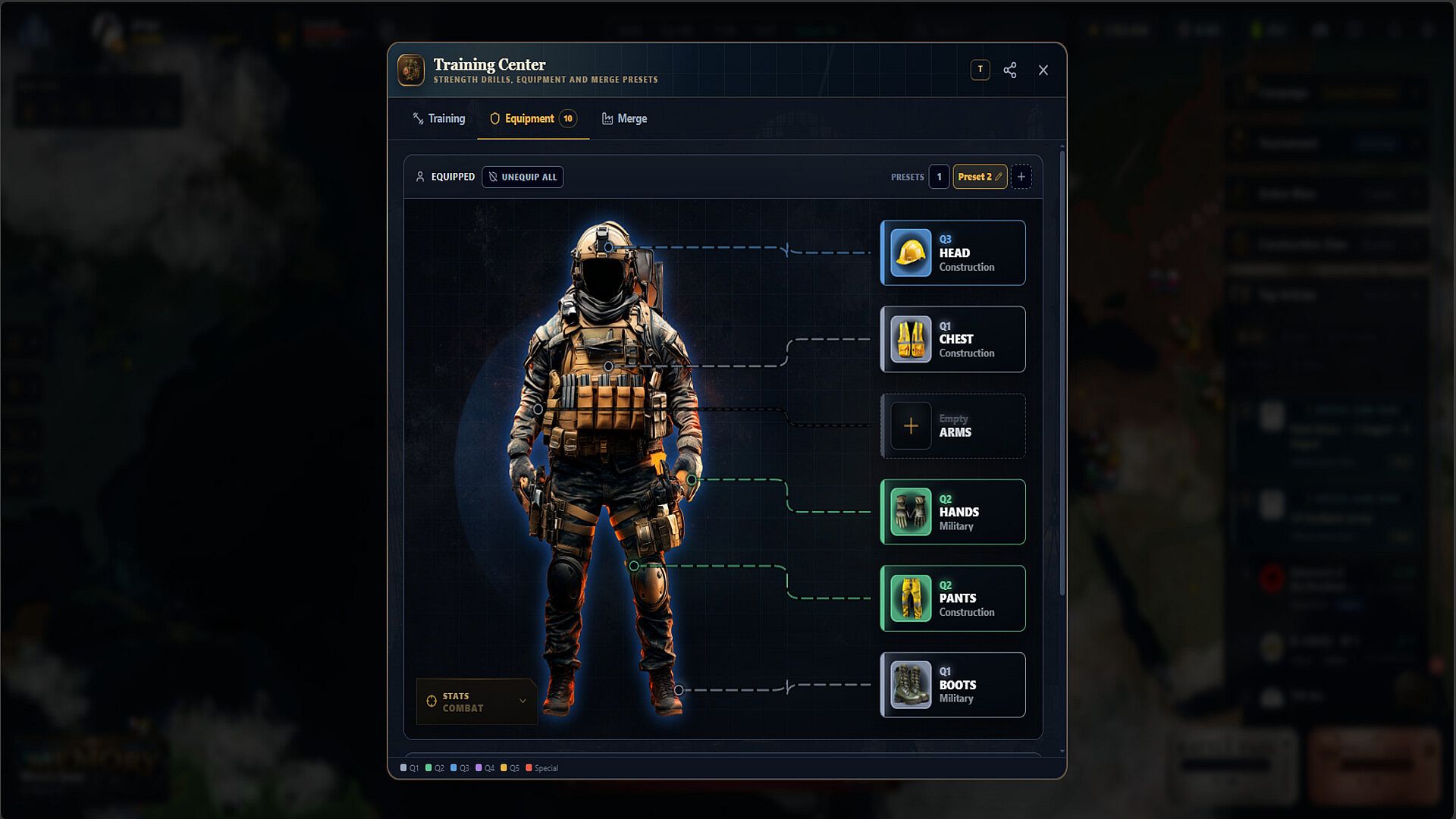
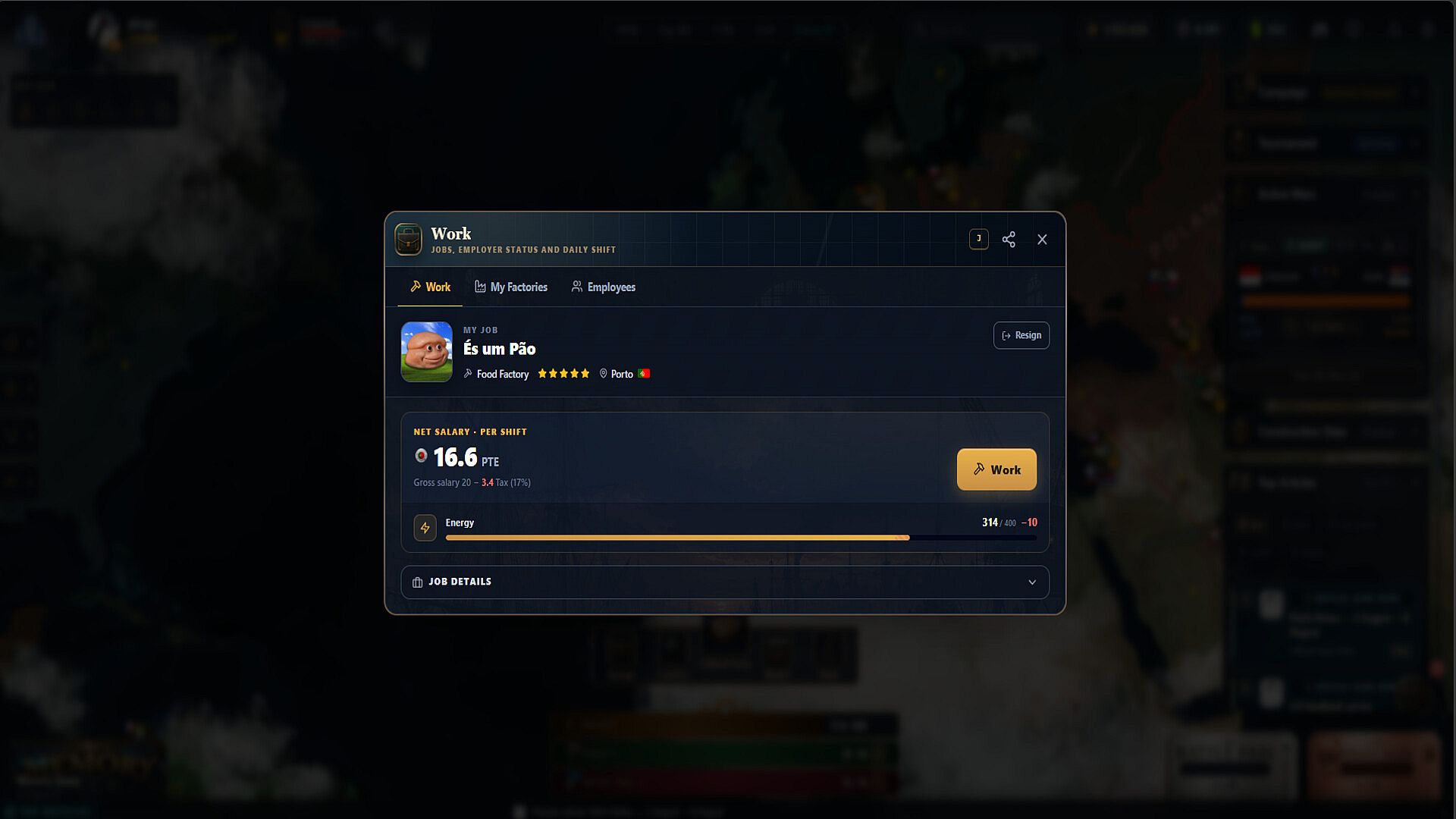
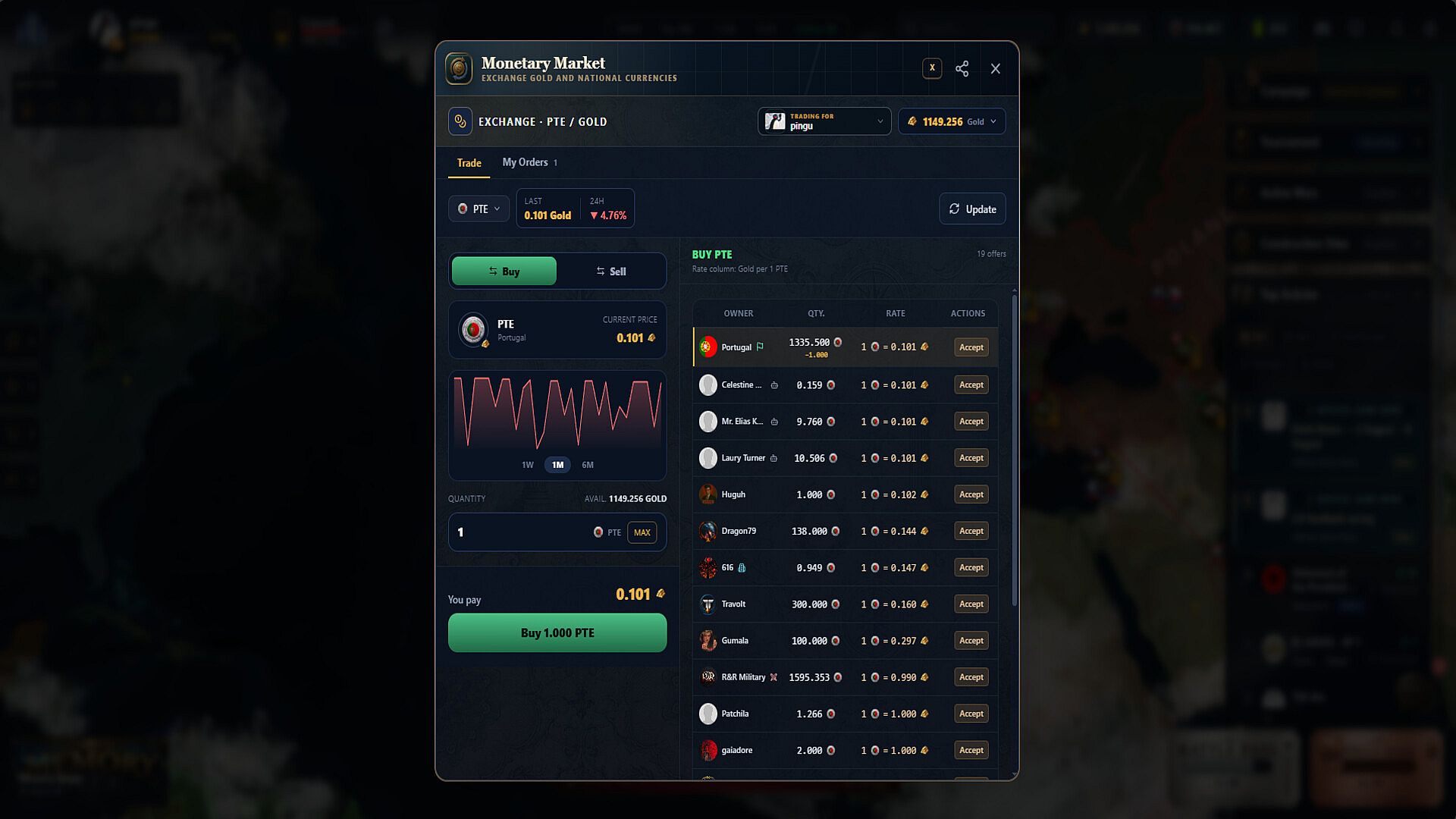
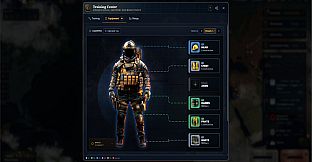
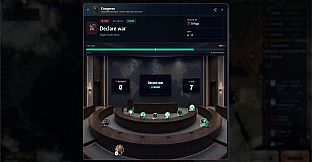
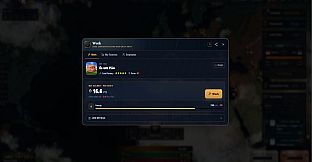
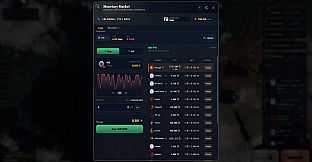
Core progression revolves around an energy system that governs daily activities such as training combat skills, operating companies, constructing buildings, and participating in fights. Food items restore energy, while daily missions provide prestige points toward a battle pass that offers rewards on both free and premium tracks. Military advancement comes through consistent training and equipping weapons that multiply damage output during conflicts. Economic play centers on founding companies, hiring players or NPCs as employees, managing production chains, and trading goods on a market where supply, demand, and regional bonuses shift based on collective activity. Political involvement includes forming or joining parties, campaigning for congressional or presidential seats, proposing legislation, setting tax rates, and selecting from six ideologies that grant scaled national bonuses depending on a party's share of seats.
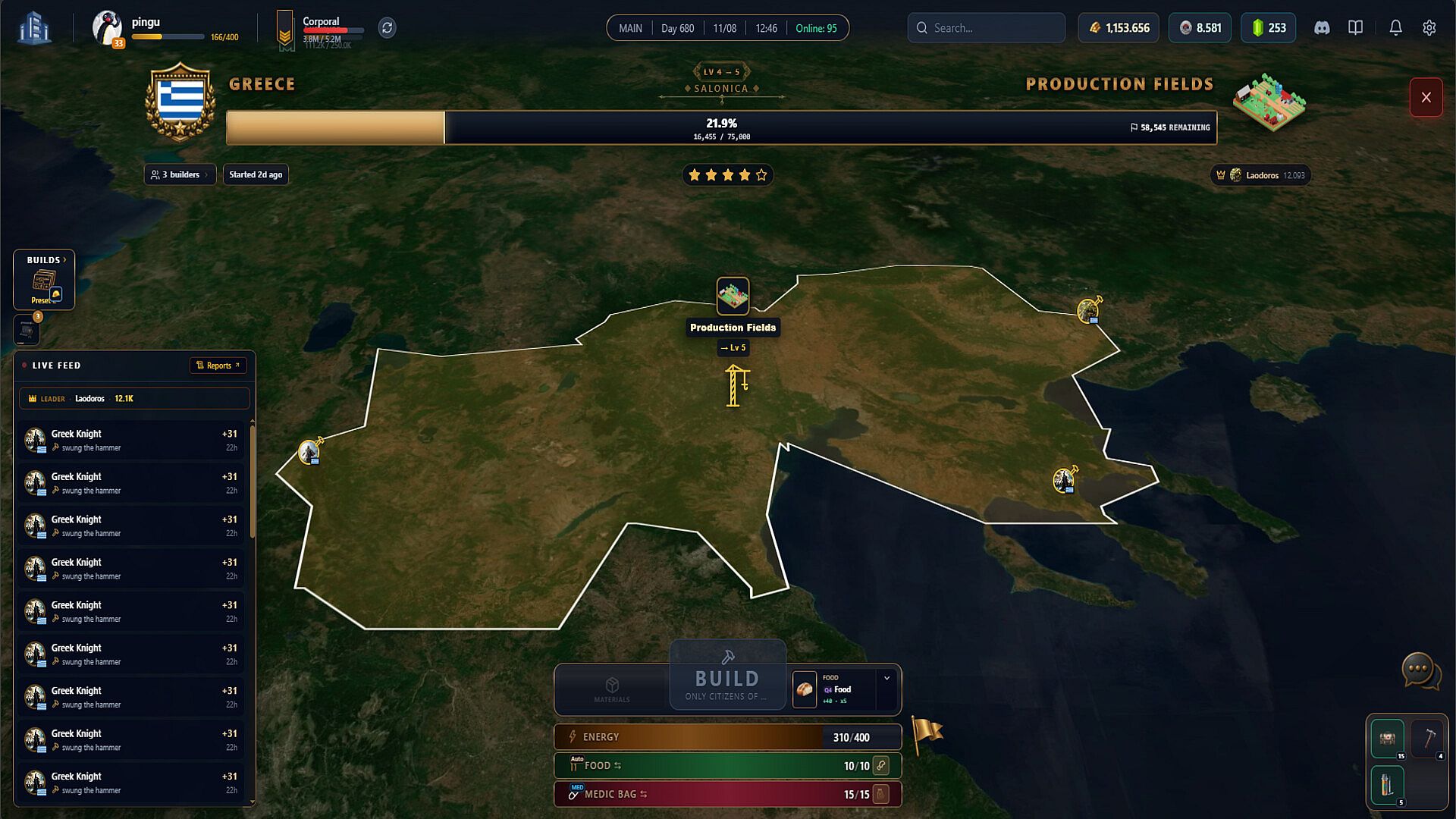
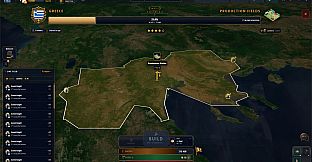
Additional layers include a university system with skill trees in economic and military branches that players unlock through resource investment. Buildings such as hospitals, military bases, and production fields provide region-wide effects like increased energy capacity or combat advantages. The world evolves continuously, with active player counts directly affecting production caps and NPC spawning in regions. Recent updates, including the 2.0 overhaul, introduced graphical improvements alongside interface refinements and new recruitment tools.
Game Modes
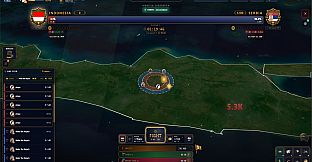
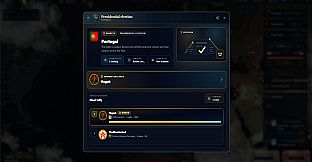
Eclesiar structures its experience around three primary paths that players can pursue individually or combine. The military path focuses on daily training, weapon equipping, and joining coordinated territorial wars that unfold across multiple rounds, where teamwork determines control of regions and yields national bonuses. The economic path emphasizes company creation, employee management, resource manufacturing, and market trading that responds to real-time player supply and demand. The political path centers on party formation, monthly elections for congress and the presidency, law proposals, tax policy, and ideology selection that shapes country-wide buffs and trade-offs.
Supporting systems include battle pass progression through missions, university skill development, and building construction that enhances regional capabilities. These elements operate within the same persistent server rather than isolated instances, allowing cross-path interactions such as economic players supplying military forces or political decisions altering tax burdens on businesses.
Player Progression and World Dynamics
Characters advance through military ranks that boost damage, builder ranks that improve construction efficiency, and political influence measured by votes and office-holding. No rigid classes exist, so individuals can specialize deeply or balance multiple roles. The persistent nature means offline time still sees the world change through other players' actions, with seasonal patches introducing new features like expanded recruitment centers or detached interface panels. Nations compete and cooperate through diplomacy, embargoes, and shared wars that redraw the map over time.
Is It Worth Playing?
Eclesiar suits players who enjoy long-term strategy games with heavy emphasis on multiplayer coordination, economic simulation, and political maneuvering rather than fast-paced action or solo campaigns. Its free-to-play model with no required purchases supports accessibility, and the browser-plus-app availability allows flexible sessions. Regular patches, including the recent 2.0 update with graphics and feature additions, indicate ongoing support from the solo developer. Community feedback highlights noticeable improvements in visuals and systems, making it a viable option for those seeking a living geopolitical simulation where individual choices contribute to national outcomes. Those preferring scripted stories or isolated gameplay may find the player-driven pace and social requirements less appealing.