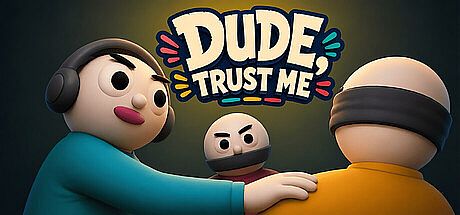


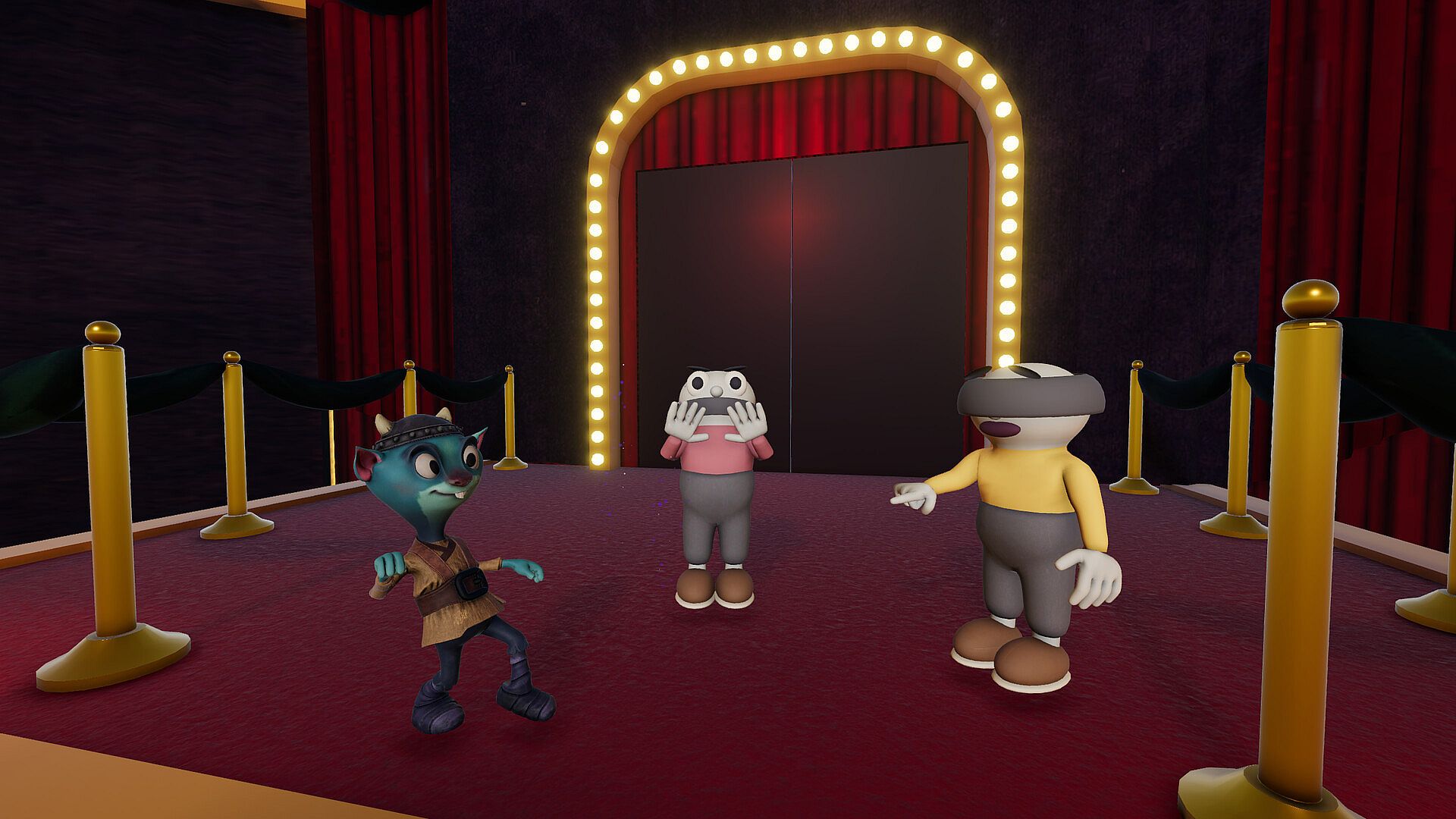
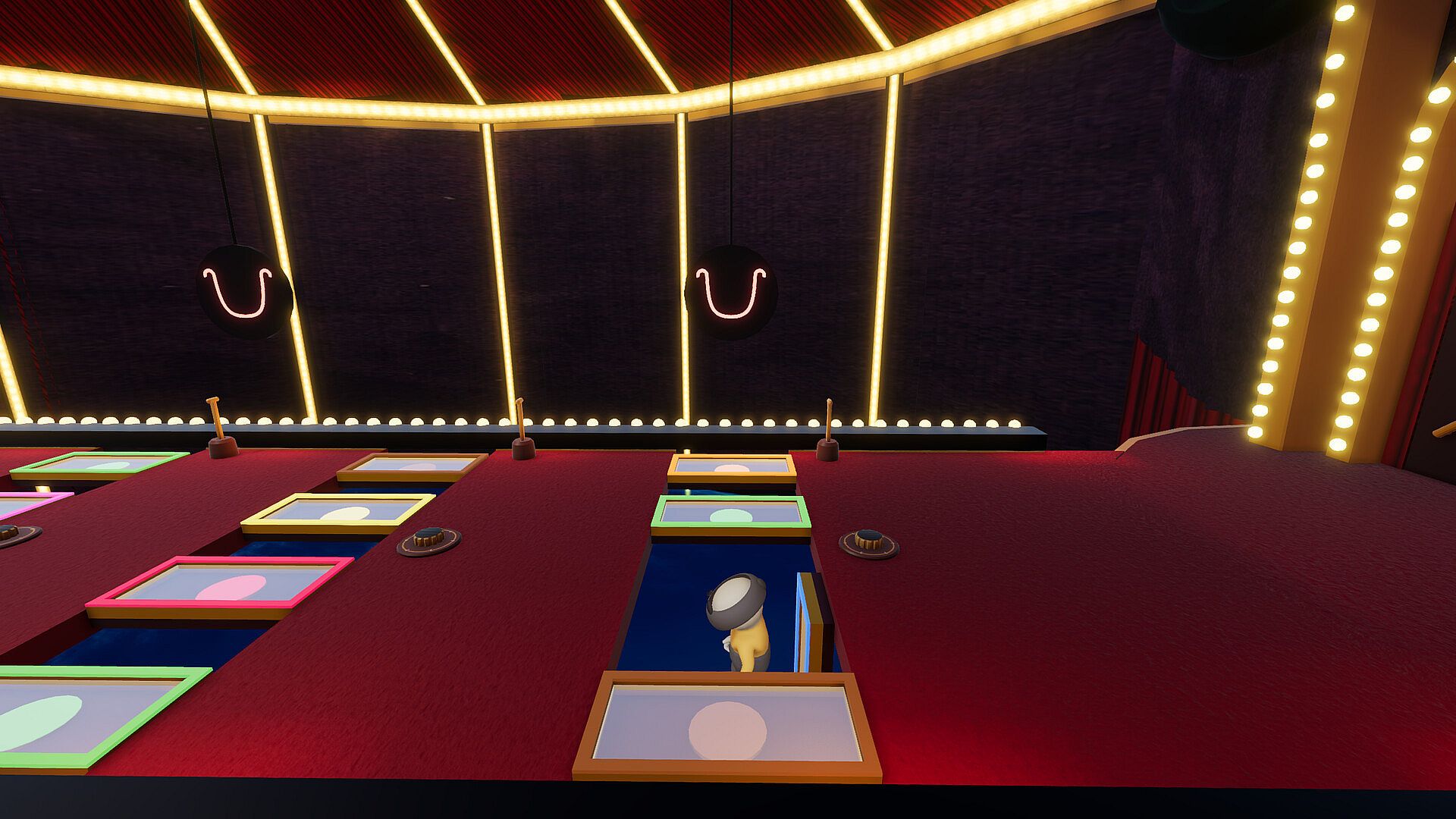
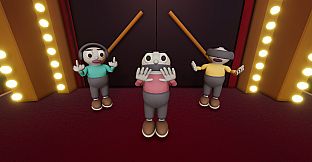




Dude, Trust Me is a three-player online co-op strategy game built around communication barriers and collaborative puzzle solving. Players assume one of three distinct roles that limit their senses or abilities, forcing the group to share information creatively to progress through randomized challenges. The setup emphasizes teamwork where no single participant holds enough details to succeed alone, turning every session into an exercise in description, interpretation, and trust.
Gameplay
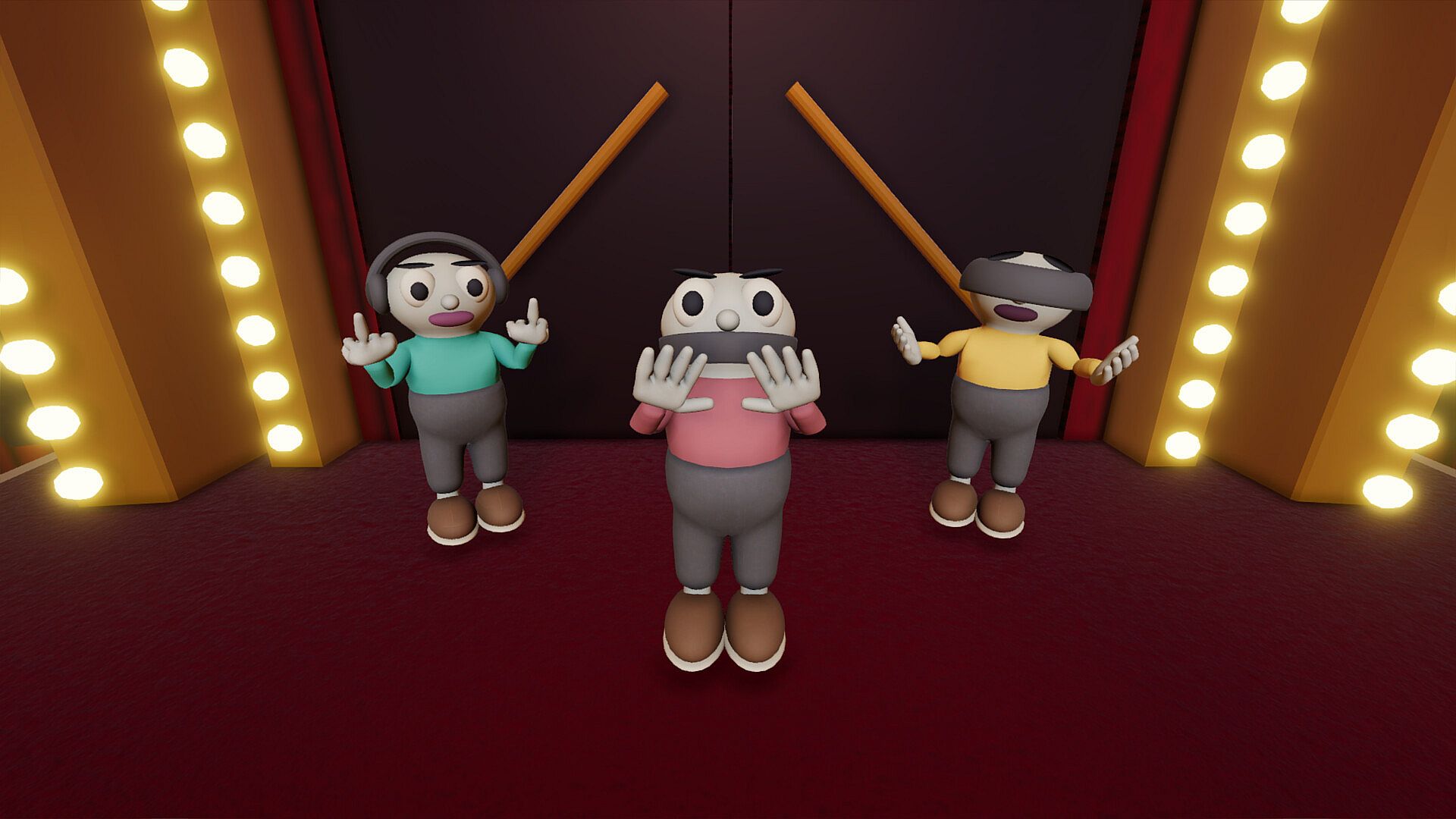
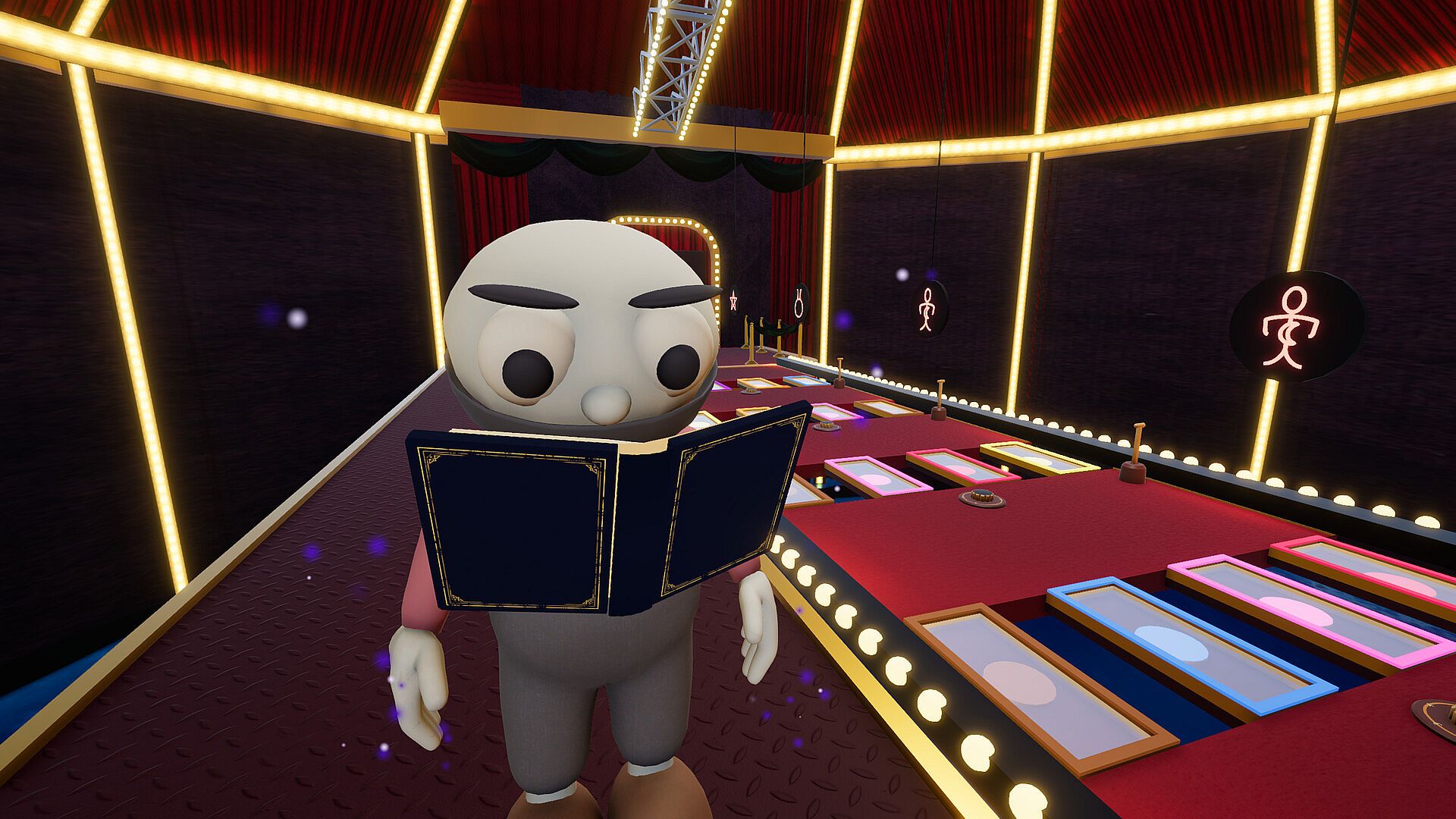
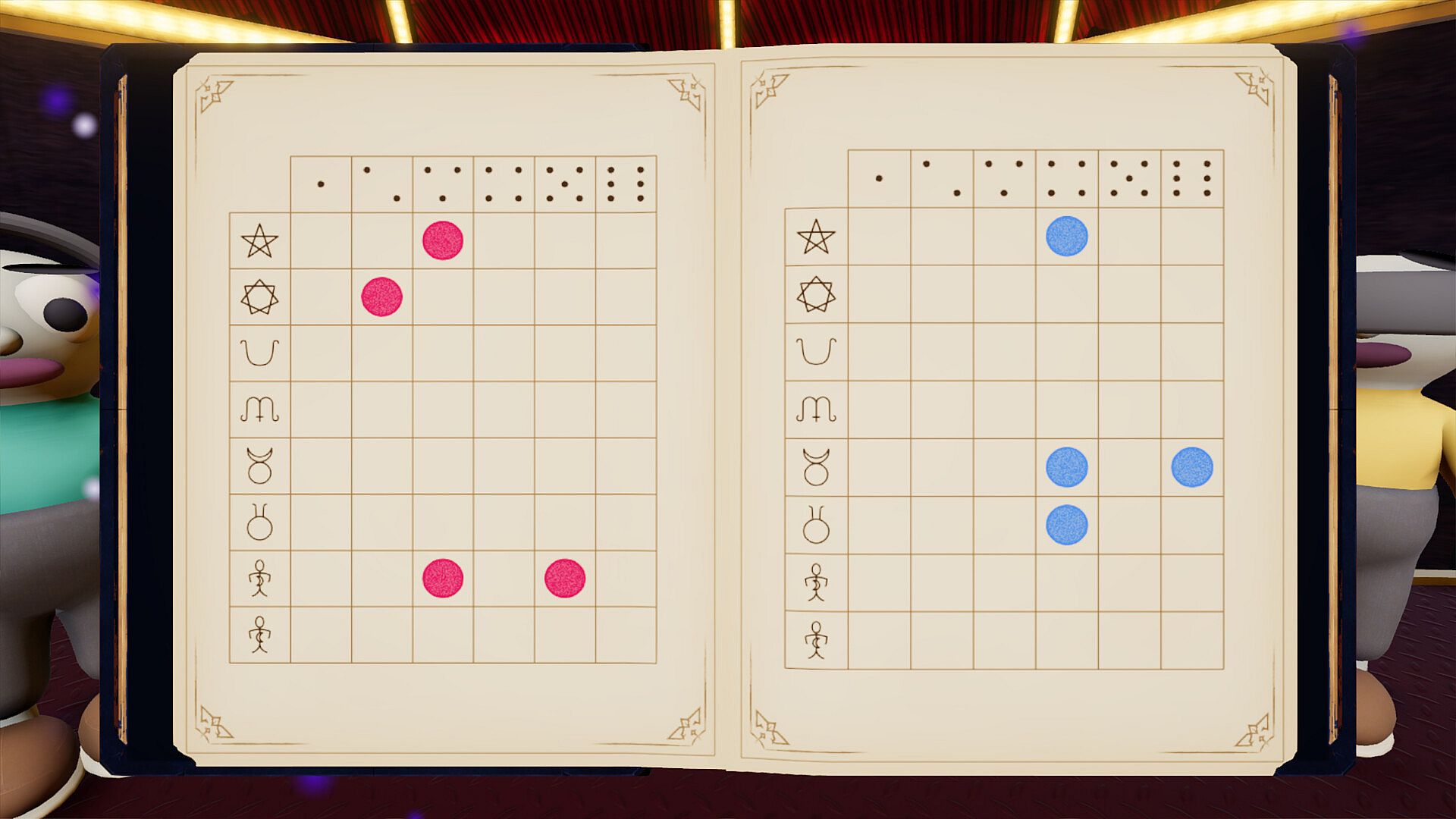
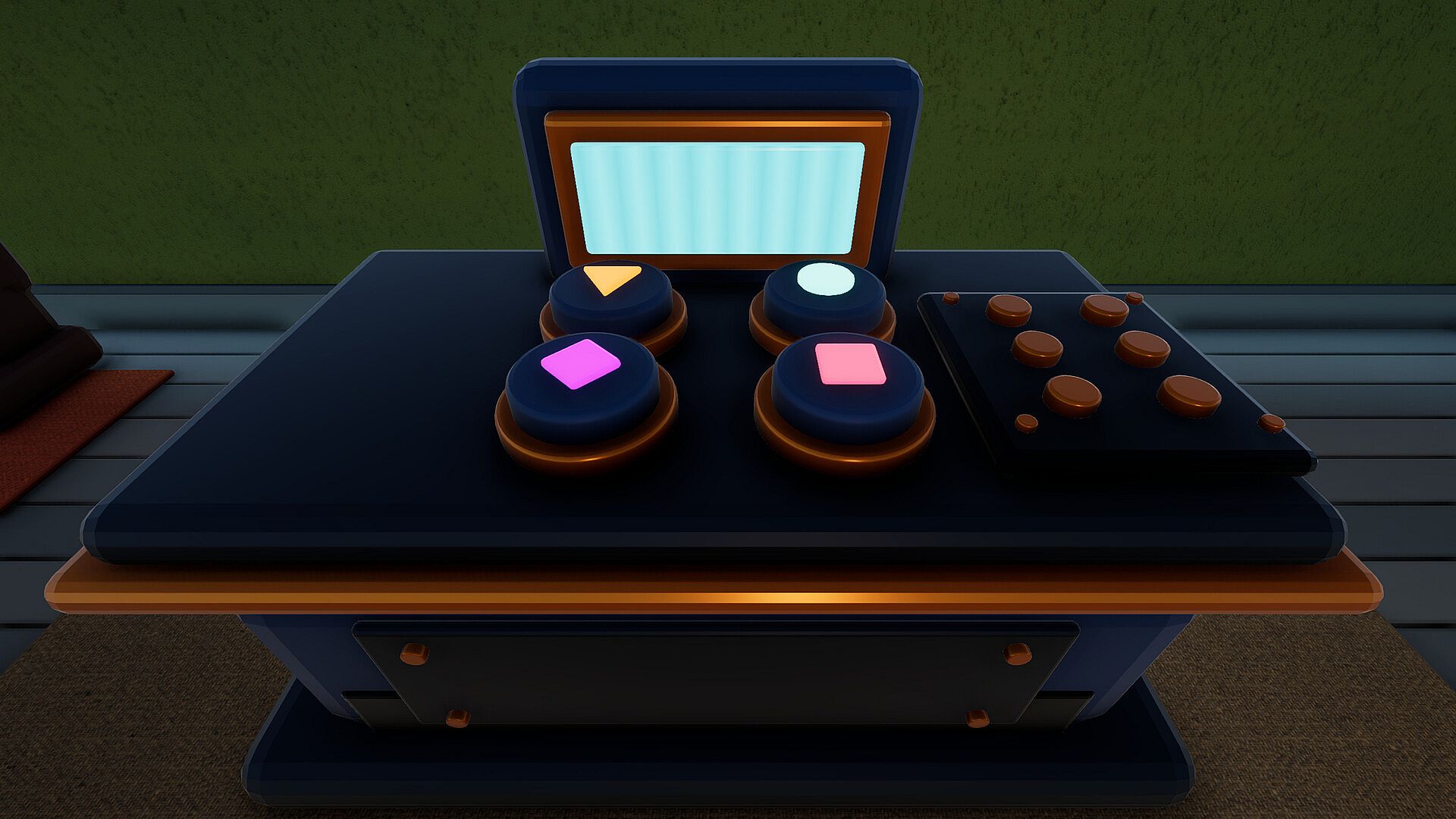
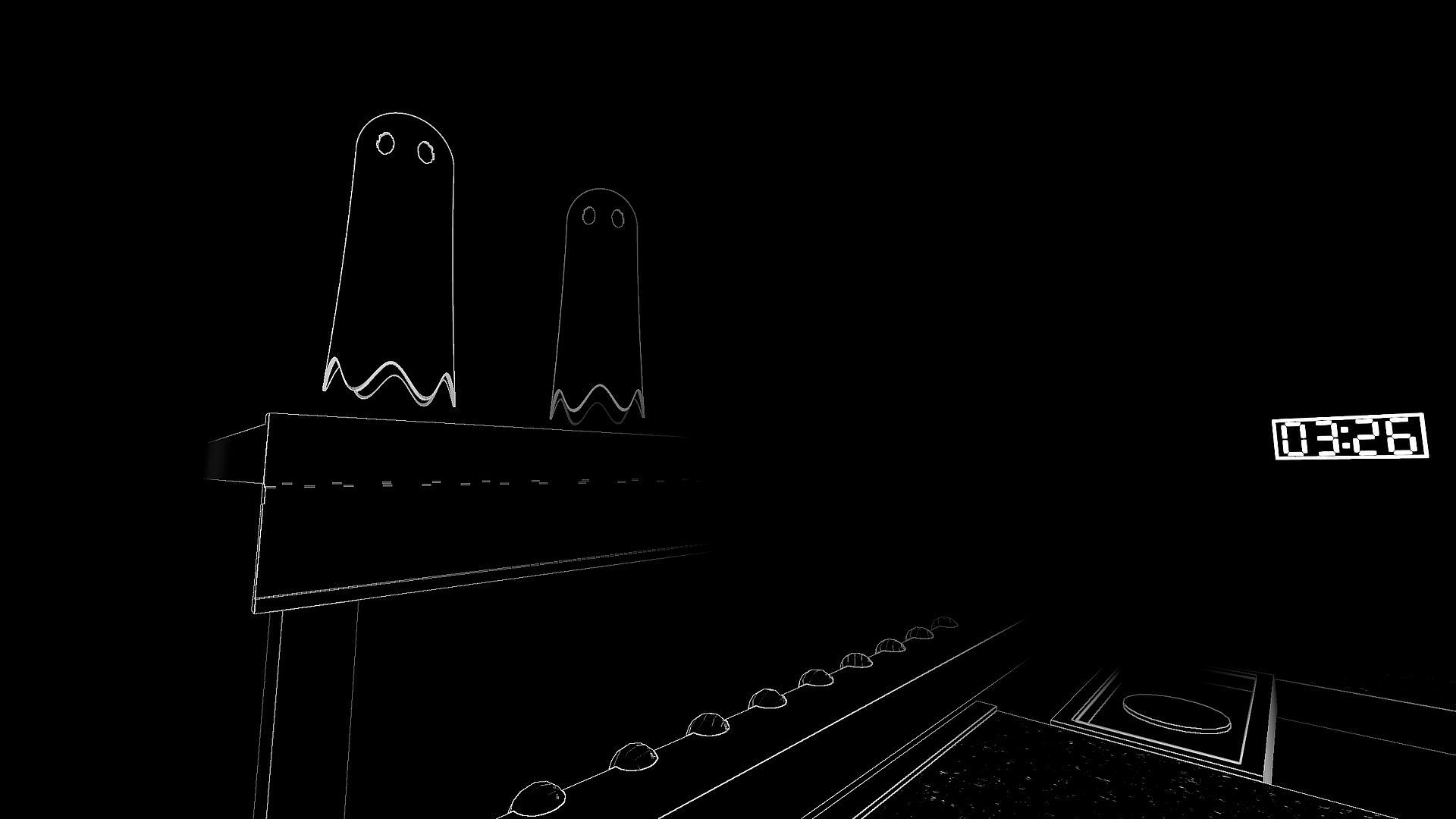
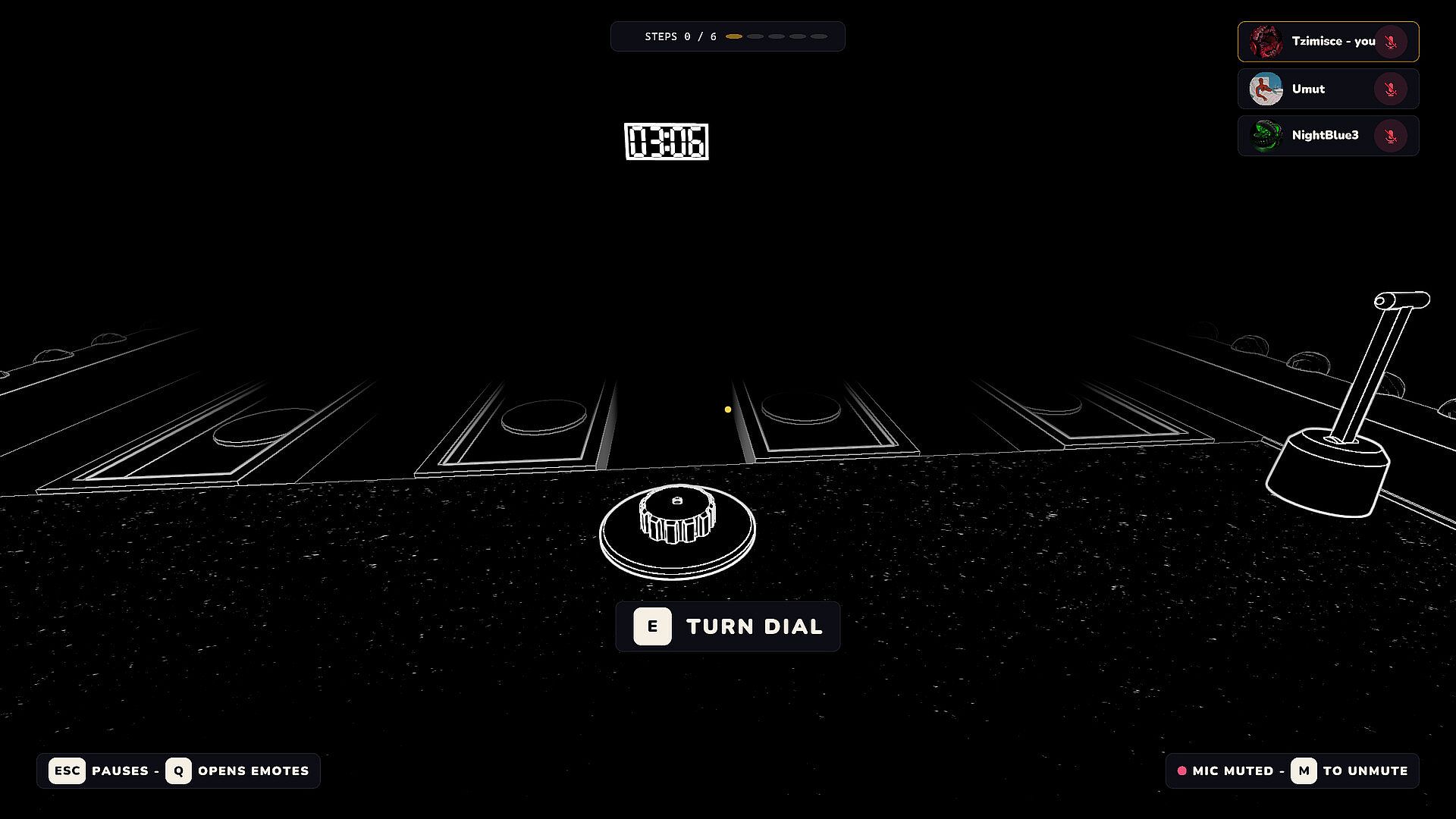
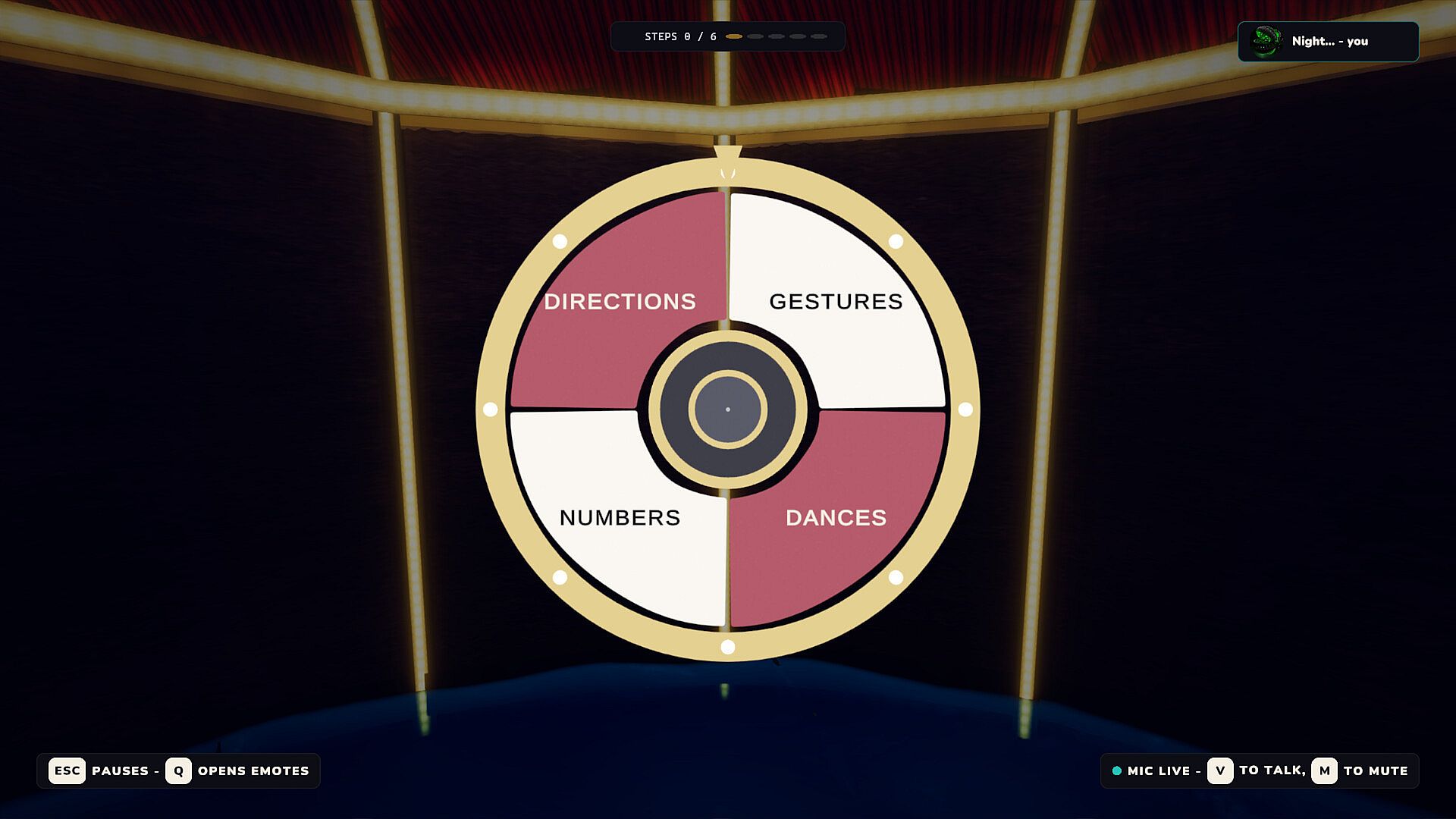
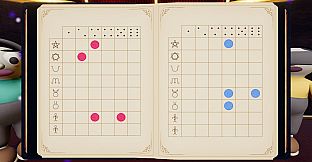
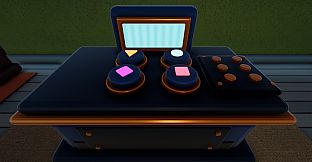
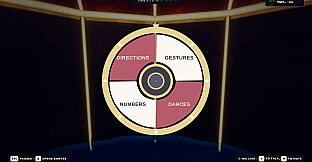
Each run assigns the three participants to Blind, Deaf, or Mute roles, each with unique restrictions that shape how they interact with the environment and each other. The Blind player perceives only white outlines without color or text but gains enhanced tactile feedback through hands that can read braille and distinguish shapes, allowing them to describe physical objects aloud. The Deaf player sees the full visual scene clearly yet receives no audio input, relying on visual observation to convey details while hoping teammates listen. The Mute player accesses the Escape Guide for instructions but communicates exclusively through emotes that the Blind role cannot perceive, requiring the others to interpret gestures and combine partial knowledge.
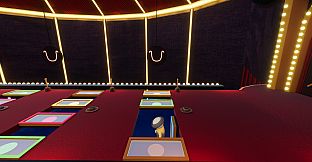
Voice chat integrates directly into the experience and adapts based on the chosen role, encouraging players to develop their own shorthand or signals over multiple attempts. Puzzles draw from a shared pool but randomize elements each time, preventing any pre-learned solutions and ensuring fresh challenges. Success depends on piecing together fragmented information, such as describing unseen symbols or confirming visual cues through indirect means, with frequent miscommunications adding to the tension before breakthroughs occur.
Game Modes
The core experience centers on cooperative puzzle runs designed exclusively for exactly three online players. These sessions feature a collection of interconnected challenges that demand input from all roles simultaneously, with no option for solo or smaller group play. Runs conclude with a summary screen that highlights decisions and outcomes, providing material for post-session discussion among the group.
Role swapping serves as a built-in variation, letting participants cycle through the different perspectives across repeated attempts to understand how each position contributes to the overall process. The randomized nature of puzzle distribution keeps the focus on real-time adaptation rather than memorized sequences, reinforcing the emphasis on live collaboration over static knowledge.
The Communication Challenge
Progress hinges on inventing ad-hoc methods to bridge sensory gaps, such as the Blind player narrating tactile findings while the Deaf player attempts to relay visual symbols through gestures or the Mute player signals confirmation via limited emotes. Early runs often involve extended periods of confusion where descriptions miss the mark or key details get lost in translation. Over time, groups refine their approach, leading to coordinated actions where all three move in sync once understanding aligns.
The design deliberately avoids providing any pre-established sign language or tools, placing the burden on players to experiment and iterate within each session. This creates a loop of trial, error, and incremental improvement that rewards persistence and clear thinking under constraint.
Is It Worth Playing?
The game targets groups of three friends interested in strategy and casual puzzle experiences that prioritize social interaction and creative problem-solving over traditional mechanics. Its upcoming release in November 2026 means it currently lacks player reviews or established community feedback, leaving the value dependent on how well participants enjoy the specific blend of role-based limitations and voice-driven coordination. Those who appreciate games where miscommunication forms part of the entertainment and where success emerges from group ingenuity will find the concept engaging, while players seeking more conventional solo or larger-scale multiplayer options may want to wait for launch feedback. Availability on PC with integrated voice features supports the intended three-player format without additional setup requirements.