


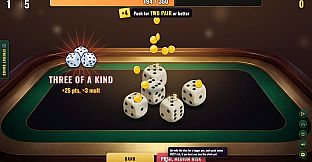


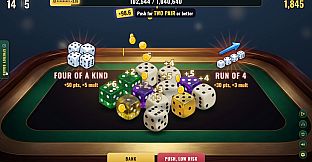
Dice & Dare è un indie casual single-player per PC che unisce meccaniche push-your-luck a una progressione roguelike. Il giocatore tira i dadi per costruire punteggi, decide quando incassare e raccoglie reliquie in grado di modificare i tiri successivi, in una scalata senza fine verso obiettivi sempre più alti.
Gameplay
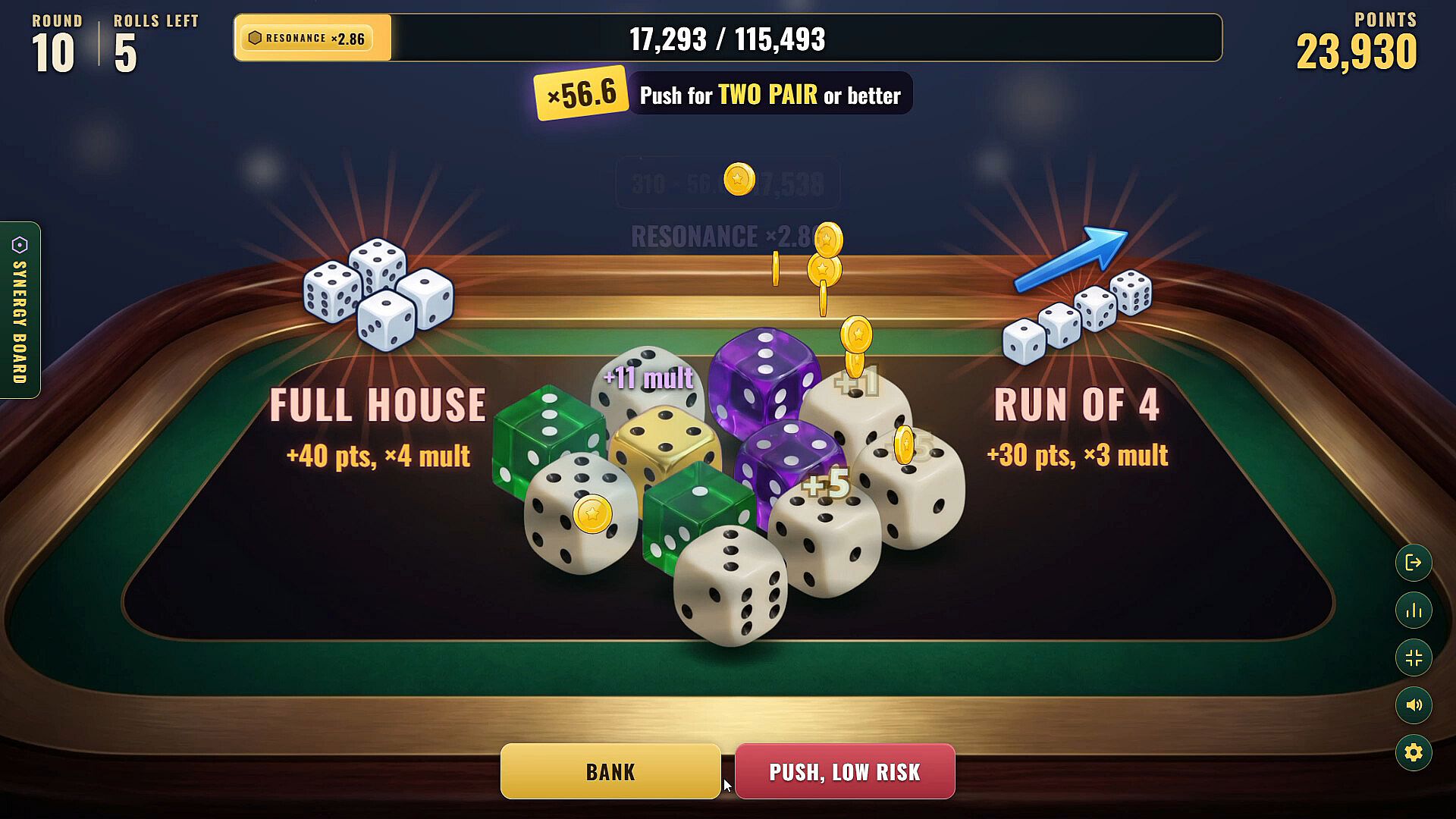
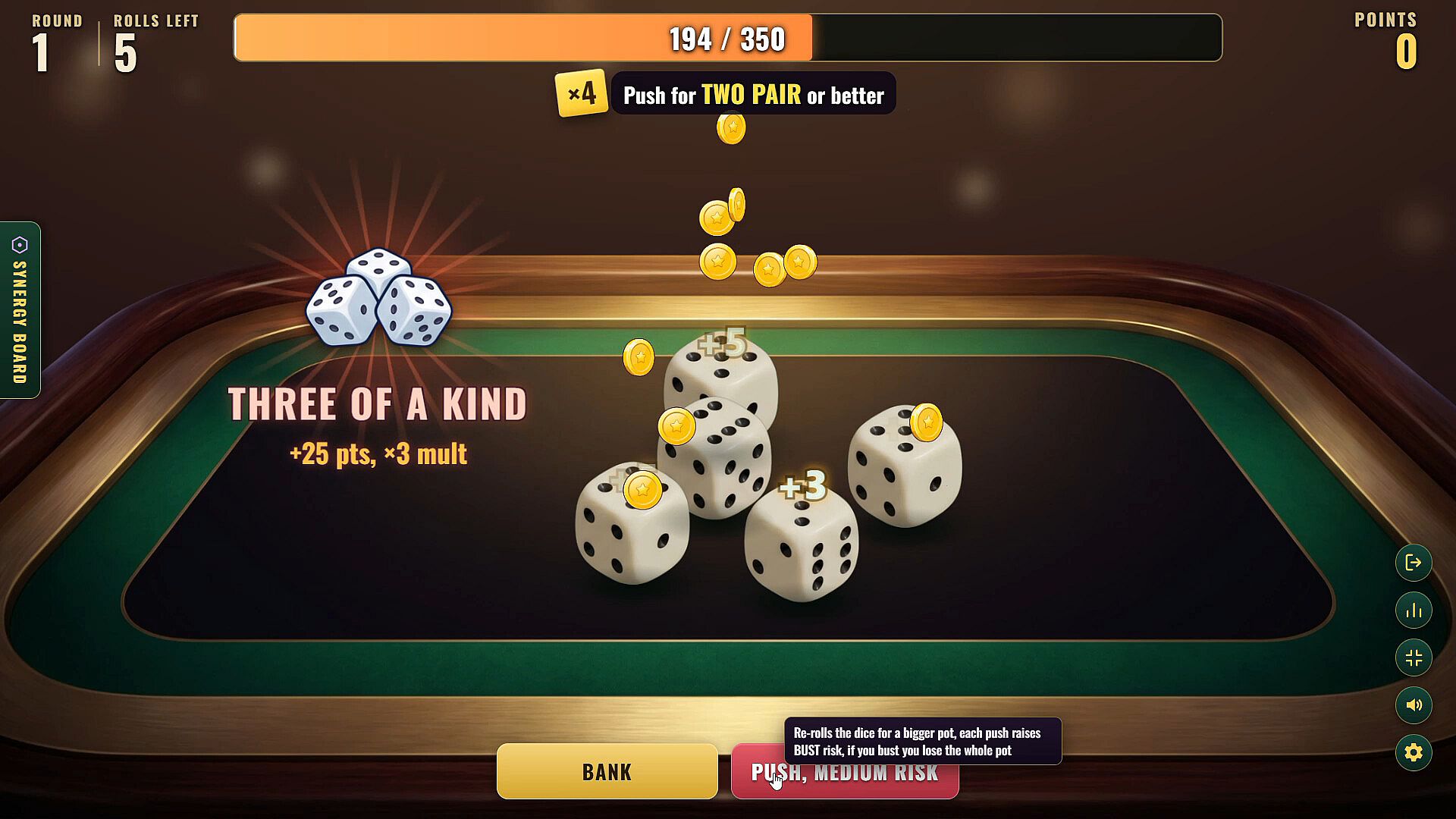
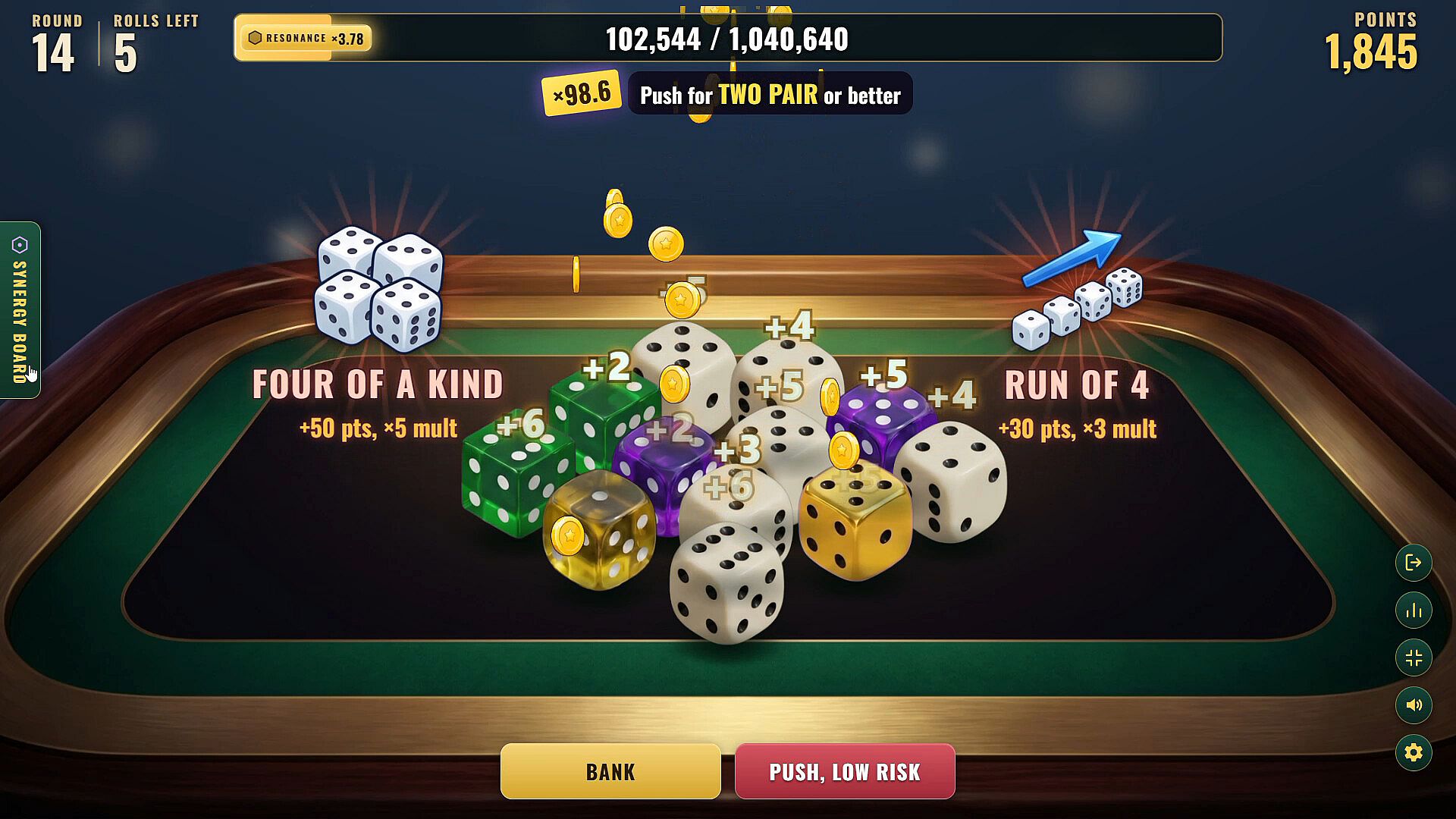
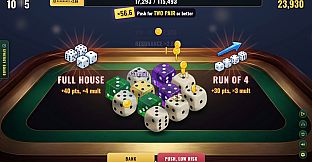
Il ciclo di gioco ruota attorno al lancio di un set di dadi per formare combinazioni e far crescere il montepremi. Dopo ogni tiro si affronta una scelta semplice ma tesa: incassare per consolidare i progressi o rischiare un altro lancio che moltiplica il guadagno, con la possibilità di mandare a vuoto tutto quanto accumulato. I dadi colorati aggiungono varietà, ciascuno con proprietà di punteggio specifiche che premiano pattern o moltiplicatori particolari.
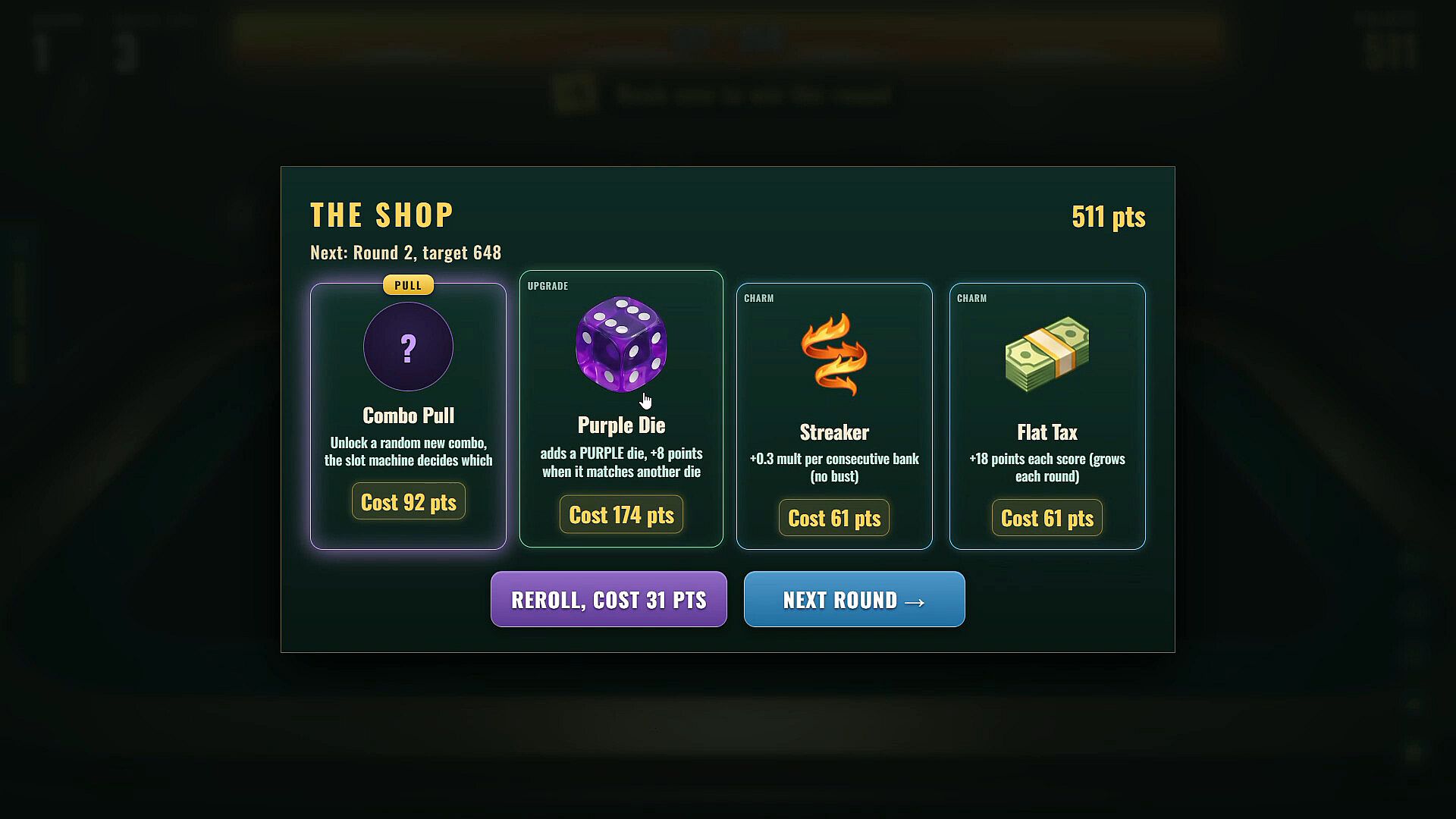
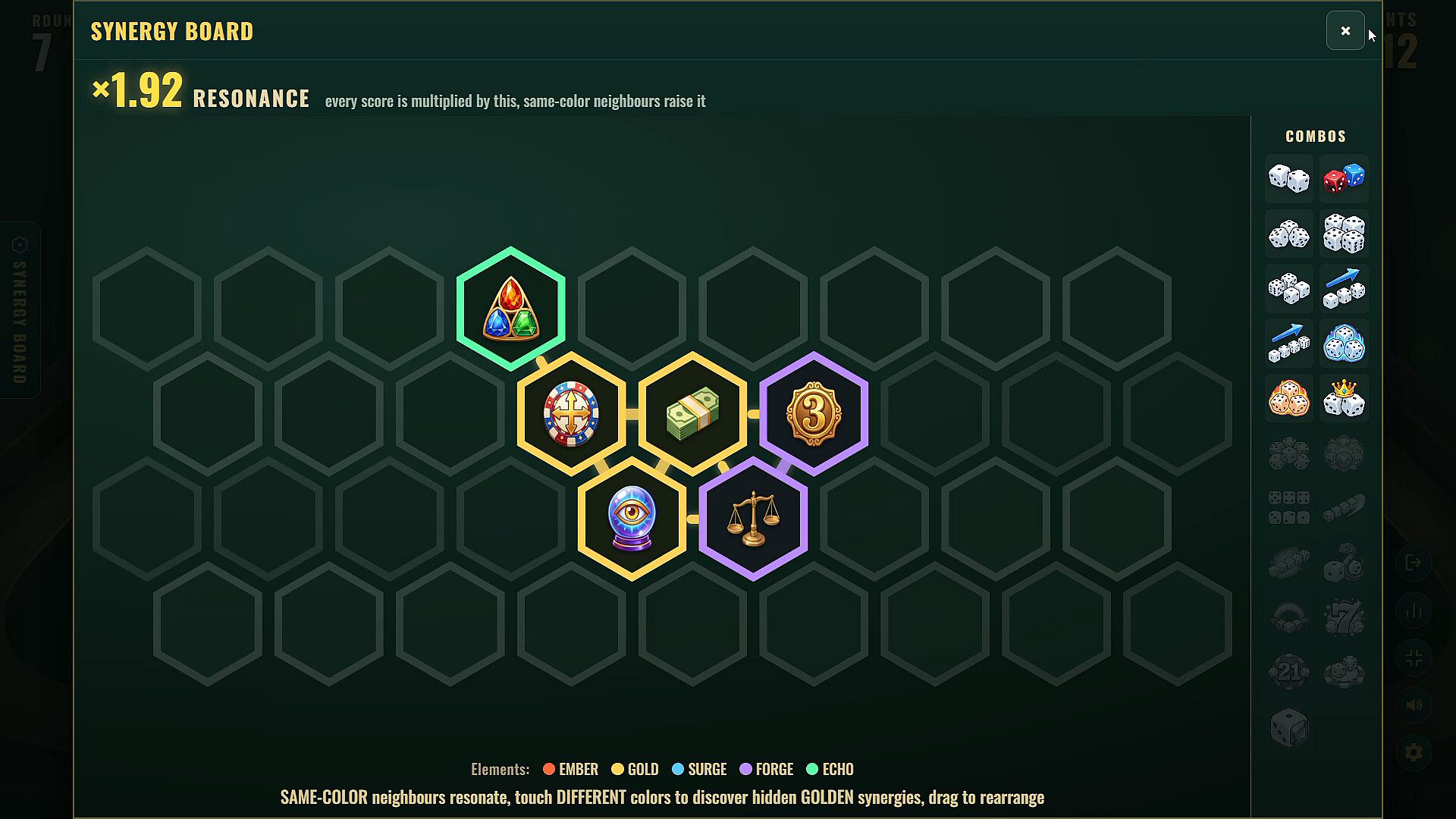
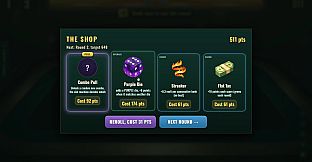
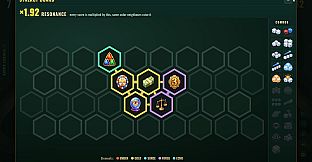
Tra una run e l'altra, i guadagni permettono di acquistare oggetti in un negozio che si aggiorna regolarmente. Reliquie, amuleti e jolly si posizionano su una griglia di sinergie dove effetti adiacenti si amplificano a vicenda. Le carte potere restano in riserva per interventi una tantum nei momenti critici. I round sfida introducono restrizioni variabili che si intensificano con il progresso, costringendo a modificare la build in corso senza compromettere l'intera partita.
Ogni run attinge da un pool di potenziamenti mescolato casualmente, garantendo che nessun percorso sia identico al precedente. L'attenzione resta concentrata sulle decisioni del giocatore, senza elementi di competizione esterna durante il gioco.
Modalità di gioco
Il titolo è un'esperienza single-player incentrata su run roguelike ripetute. Ogni tentativo propone una nuova sequenza di tiri, negozi e sfide crescenti, senza un traguardo fisso. I progressi vengono registrati tramite una classifica locale e classifiche globali che tengono traccia delle scalate più lunghe raggiunte da tutti i giocatori.
Non esistono modalità campagna o versus. La struttura ruota interamente sulle sequenze push-your-luck e sulla fase di engine-building che segue ogni incasso riuscito. Le classifiche rappresentano lo stimolo principale per tornare e superare i propri record.
Engine Building e Reliquie
La collezione di reliquie costituisce il fulcro della strategia a lungo termine. Centinaia di oggetti offrono percorsi diversi, dai moltiplicatori di punteggio più diretti agli abilitatori di combo esotici che si attivano solo in condizioni precise. La disposizione sulla griglia invita a sperimentare raggruppamenti di effetti per sbloccare risonanze bonus altrimenti invisibili.
Le carte potere a uso singolo aggiungono profondità tattica, permettendo di intervenire proprio quando una run rischia di crollare. Questi elementi si combinano con i tiri base per creare sistemi a cascata in cui una singola reliquia ben posizionata può cambiare l'intera sequenza di decisioni.
Presentazione e atmosfera
Il design visivo e sonoro punta sul feedback tattile. I dadi rotolano con peso su un tavolo da casinò dettagliato, mentre monete e scritte di punteggio confermano subito i tiri riusciti. Una voce da croupier commenta i risultati, accentuando la tensione a ogni scelta di push.
L'interfaccia mantiene l'attenzione sul tavolo e sulla griglia delle sinergie, riducendo al minimo le distrazioni durante le run. Il sound design rafforza il senso di rischio con segnali audio che si intensificano man mano che il montepremi cresce e aumenta la probabilità di bust.
Vale la pena giocarci?
Il gioco esce il 23 luglio 2026 e al momento non sono disponibili recensioni. La struttura single-player si adatta a chi apprezza la valutazione ponderata del rischio e la sperimentazione iterativa delle build in sessioni brevi o medie. Chi cerca run roguelike che premiano i tentativi ripetuti e il miglioramento dei record personali troverà il ciclo di gioco in linea con queste preferenze.
L'assenza di elementi multiplayer o modalità aggiuntive mantiene l'esperienza focalizzata sul gioco in solitaria contro obiettivi crescenti. La combinazione di accessibilità immediata e decisioni stratificate tra incassare e rischiare lo rende adatto a sessioni casuali che possono prolungarsi attraverso più run. Su PC sono presenti Steam achievement e classifiche per chi vuole monitorare i propri risultati.