

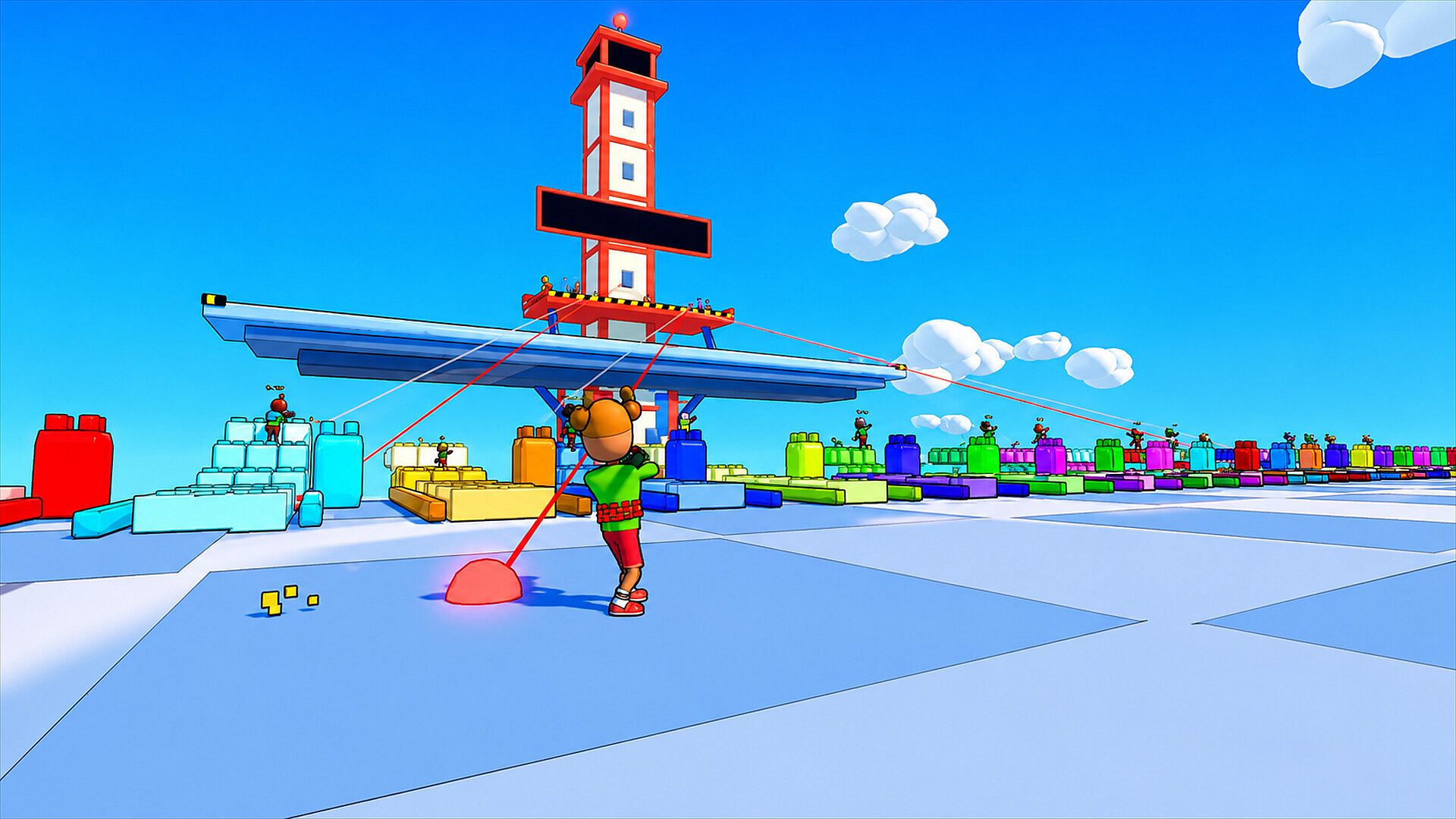
Build or be sniped is a physics-based multiplayer party game developed for PC that blends building, shooting, and chaotic competition in lobbies of up to 30 players. The core loop revolves around one central tower and a single sniper rifle that players compete to claim, turning the match into a scramble where builders race upward while others attempt to snipe them down or steal the weapon for themselves.
Gameplay
Matches emphasize quick thinking and physical interactions rather than traditional shooting mechanics alone. Players construct paths or structures using available materials, navigate vertical spaces, and engage in direct confrontations that rely on momentum and object manipulation. The physics system governs how objects behave when thrown, stacked, or struck, creating unpredictable outcomes during every round. Support for online PvP, LAN play, and shared screen options allows groups to participate together, whether on the same machine or across networks. Additional features include controller support and achievements that track progress across different play styles.
Game Modes
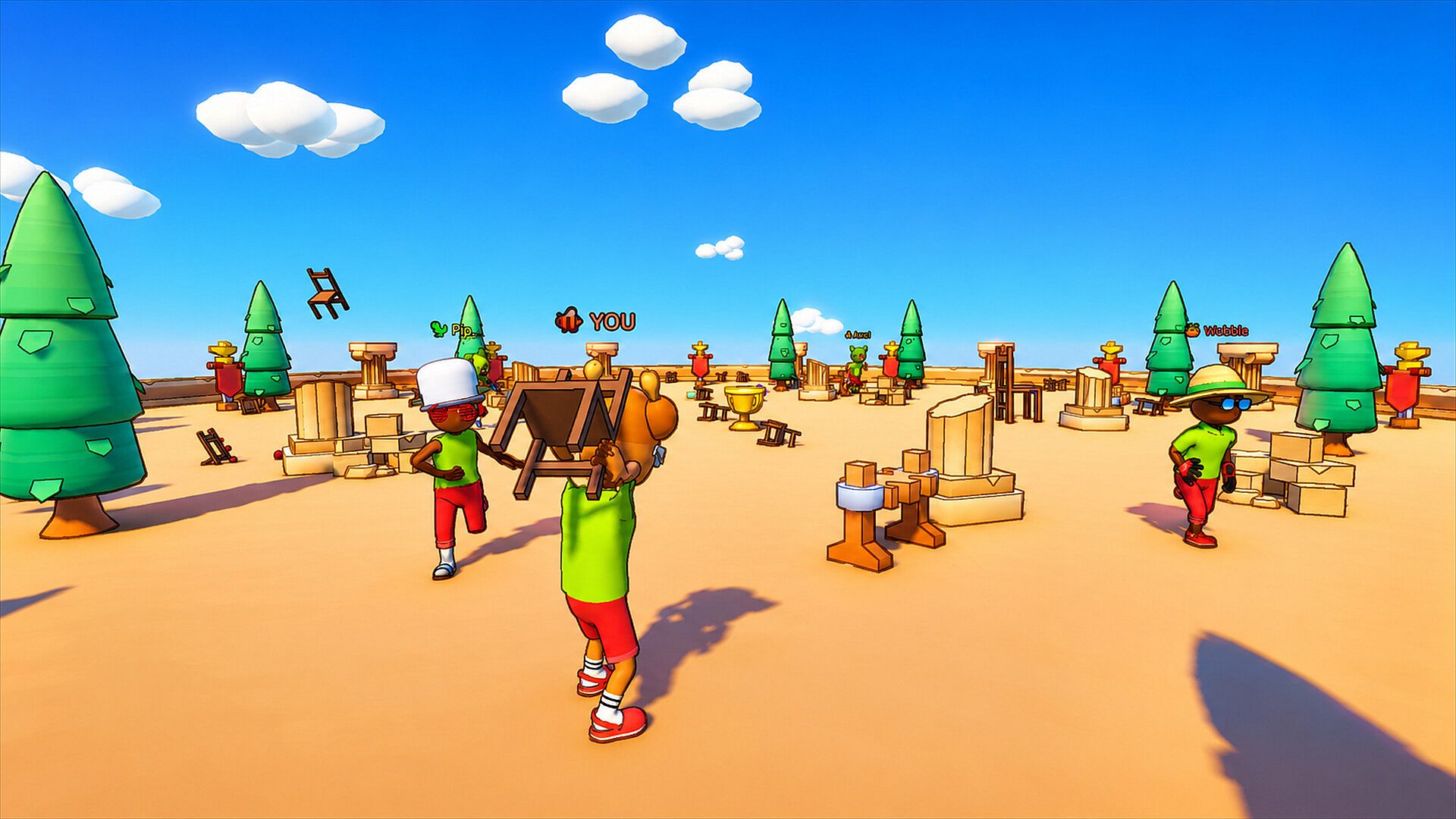
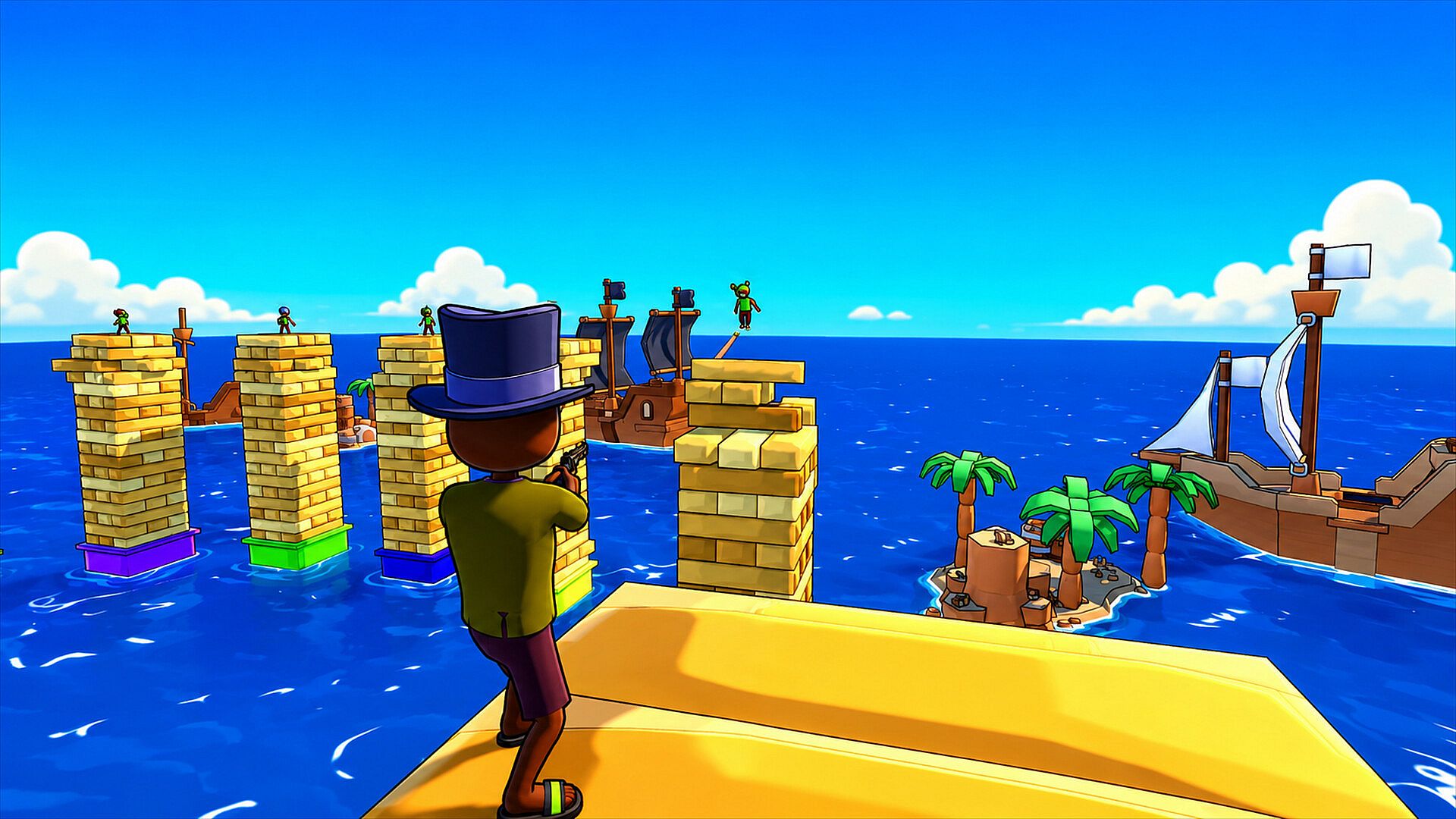
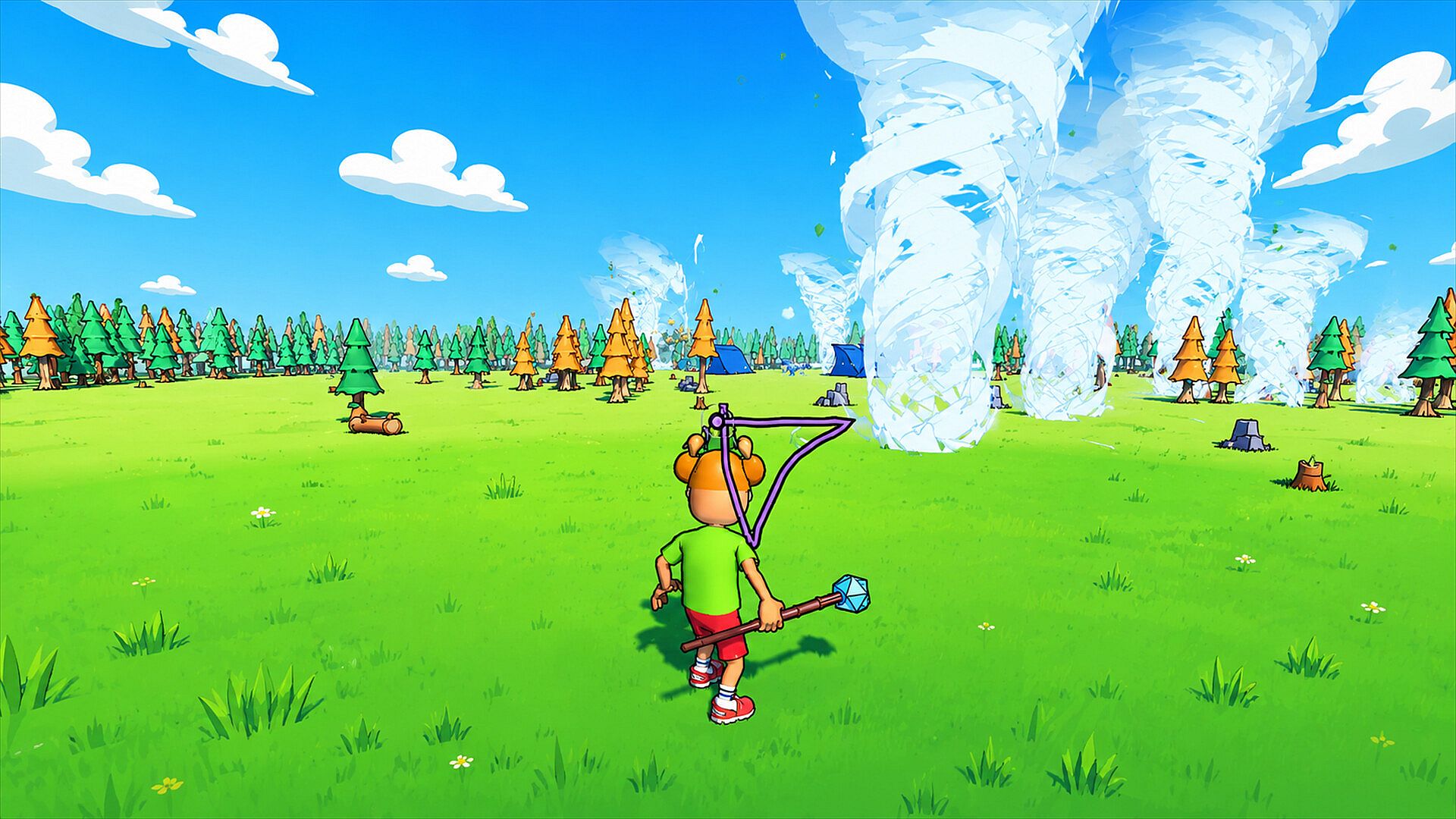
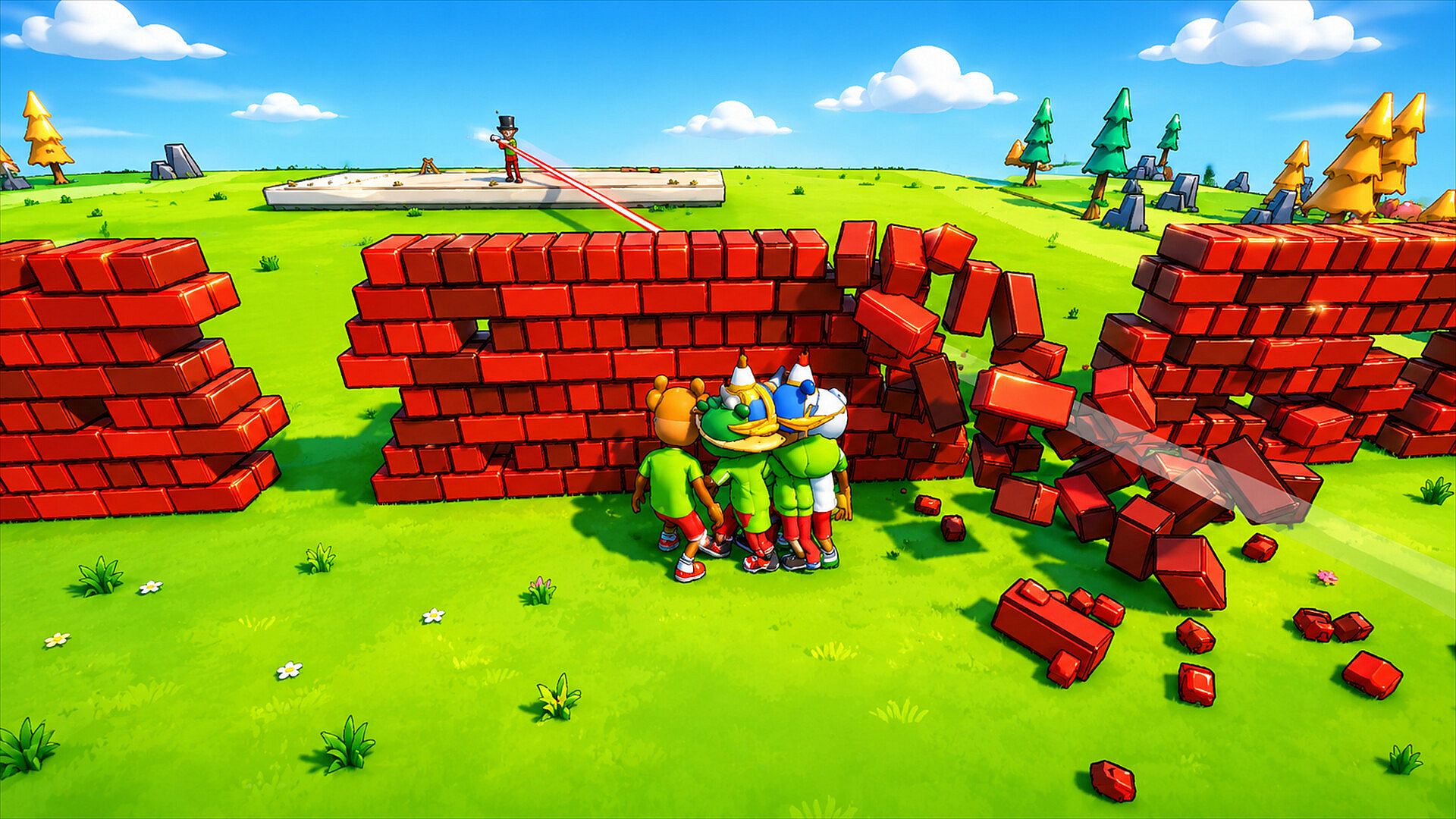
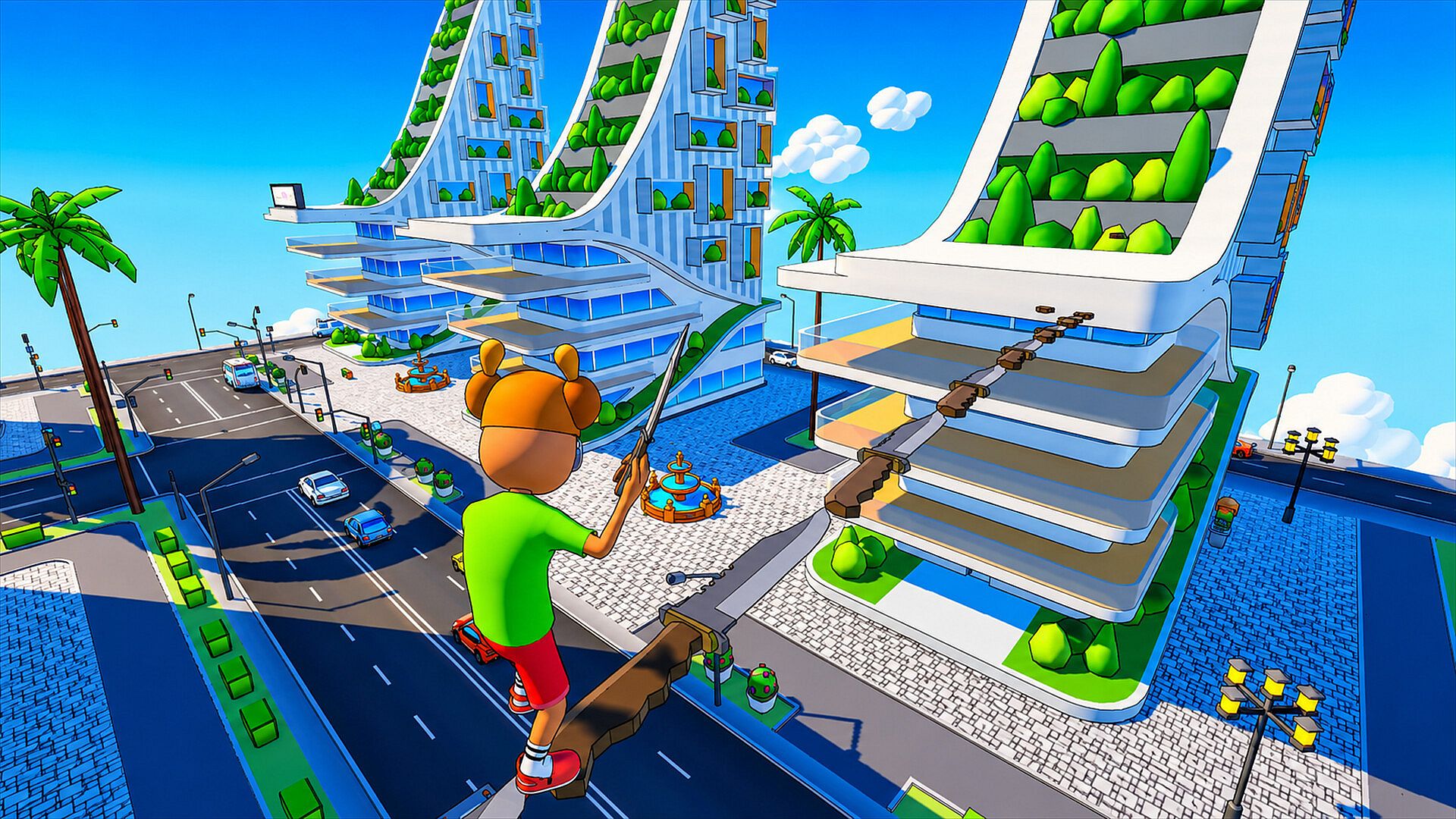
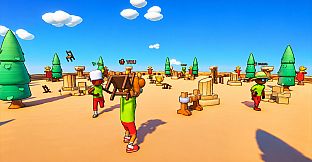
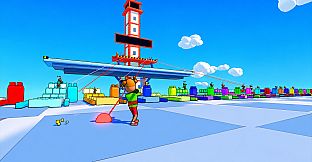
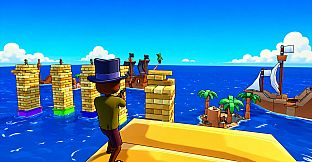
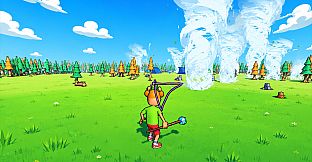
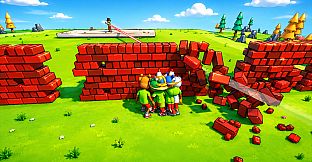
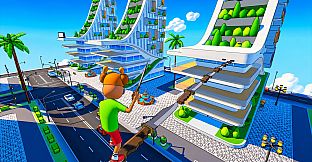
Several distinct modes rotate through matches to keep sessions varied. Tower Run assigns each participant a separate lane where they must build upward faster than opponents while avoiding sniper fire to reach the summit first. Jenga places towers over open water, requiring players to defend their own stack while attempting to dismantle others through shooting or impact. Knife Wars fills an urban environment with throwable blades that embed into surfaces, enabling improvised climbing routes and staircases formed from stuck weapons. Snipe or Hide alternates roles each round, with one player wielding the rifle against others who use destructible brick walls for cover until a single accurate shot ends the round. Chair Wars limits participants to three lives and a single chair positioned above a long drop, focusing on positioning and elimination through environmental hazards. Draw Spells introduces a gesture-based magic system where players trace symbols on screen, and the game evaluates the drawn shape to determine the spell effect rather than relying on preset inputs.
Additional Mechanics
Beyond the listed modes, the game incorporates elements such as stealing key items like rifles, chairs, or wands to shift power dynamics mid-match. The emphasis on physics creates emergent situations where stacked objects topple, thrown items ricochet, or improvised structures collapse under pressure. These systems encourage experimentation across repeated sessions, as outcomes depend on timing, placement, and interaction rather than scripted events.
Is It Worth Playing?
The game targets players who enjoy casual, social multiplayer experiences with strong emphasis on physics-driven chaos and role-switching competition. Its mix of building and elimination suits groups looking for short, replayable rounds that test coordination and quick adaptation. As an upcoming title scheduled for Q1 2027 with no released version available yet, potential buyers can follow development through the official store page for updates on final features and launch timing. Those drawn to indie party games with simulation elements and variable objectives will find the described structure aligns closely with that preference.