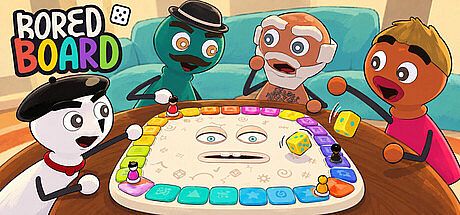


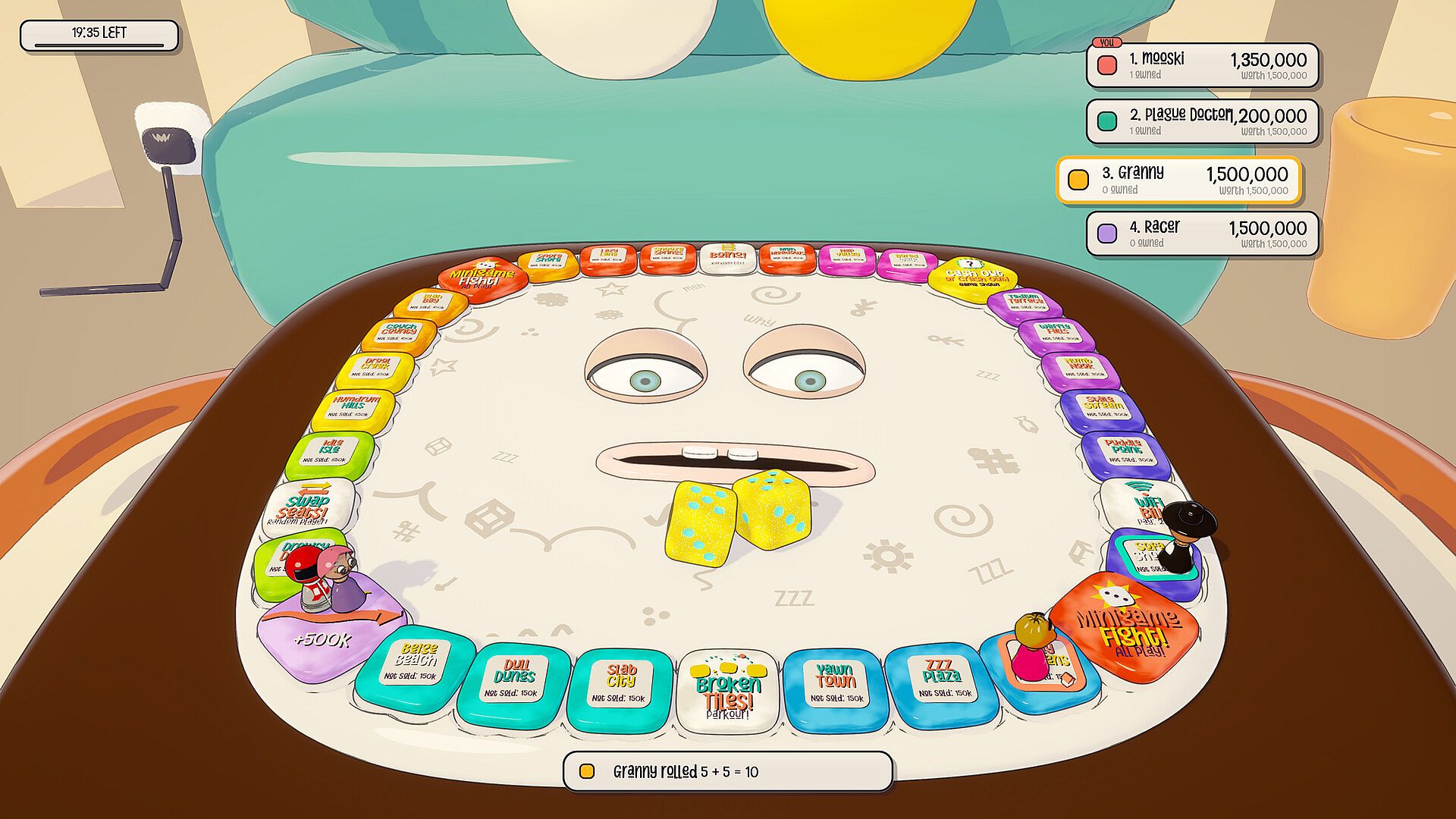

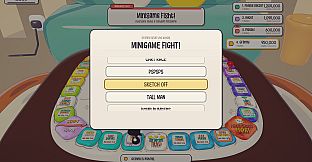
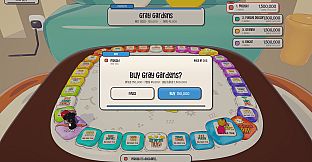
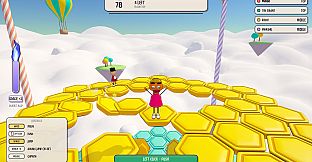
Bored Board is a casual indie board game for PC that blends classic property trading with competitive minigames and unpredictable board reactions. Up to four players roll dice, purchase tiles, construct houses and hotels, and collect rent from opponents until time expires or rounds conclude, with the wealthiest player declared the winner. The central board features an expressive face that yawns, rolls its eyes, and sighs during play, occasionally forcing minigames when activity lags by swallowing the dice and spinning a wheel.
Gameplay
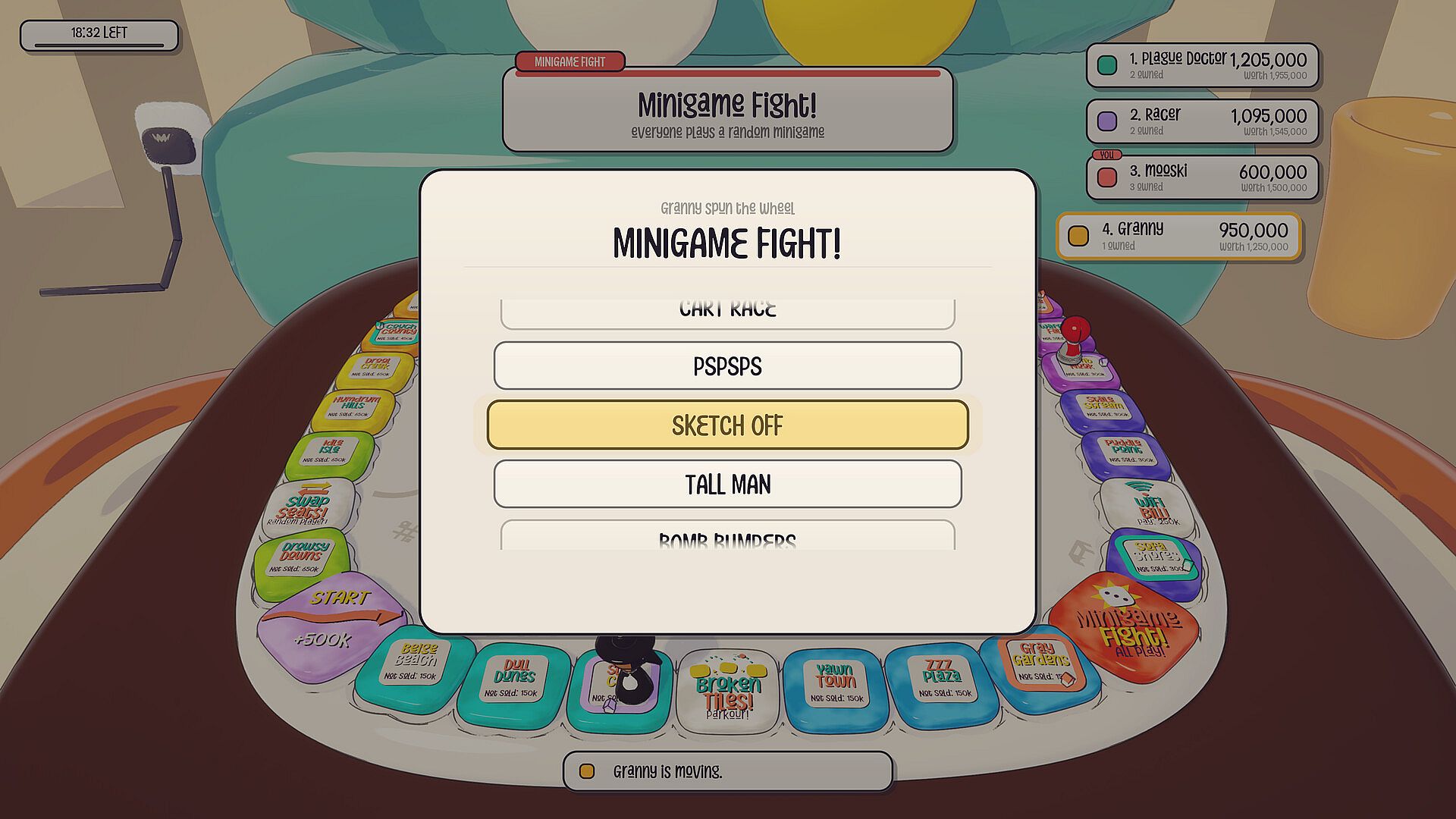
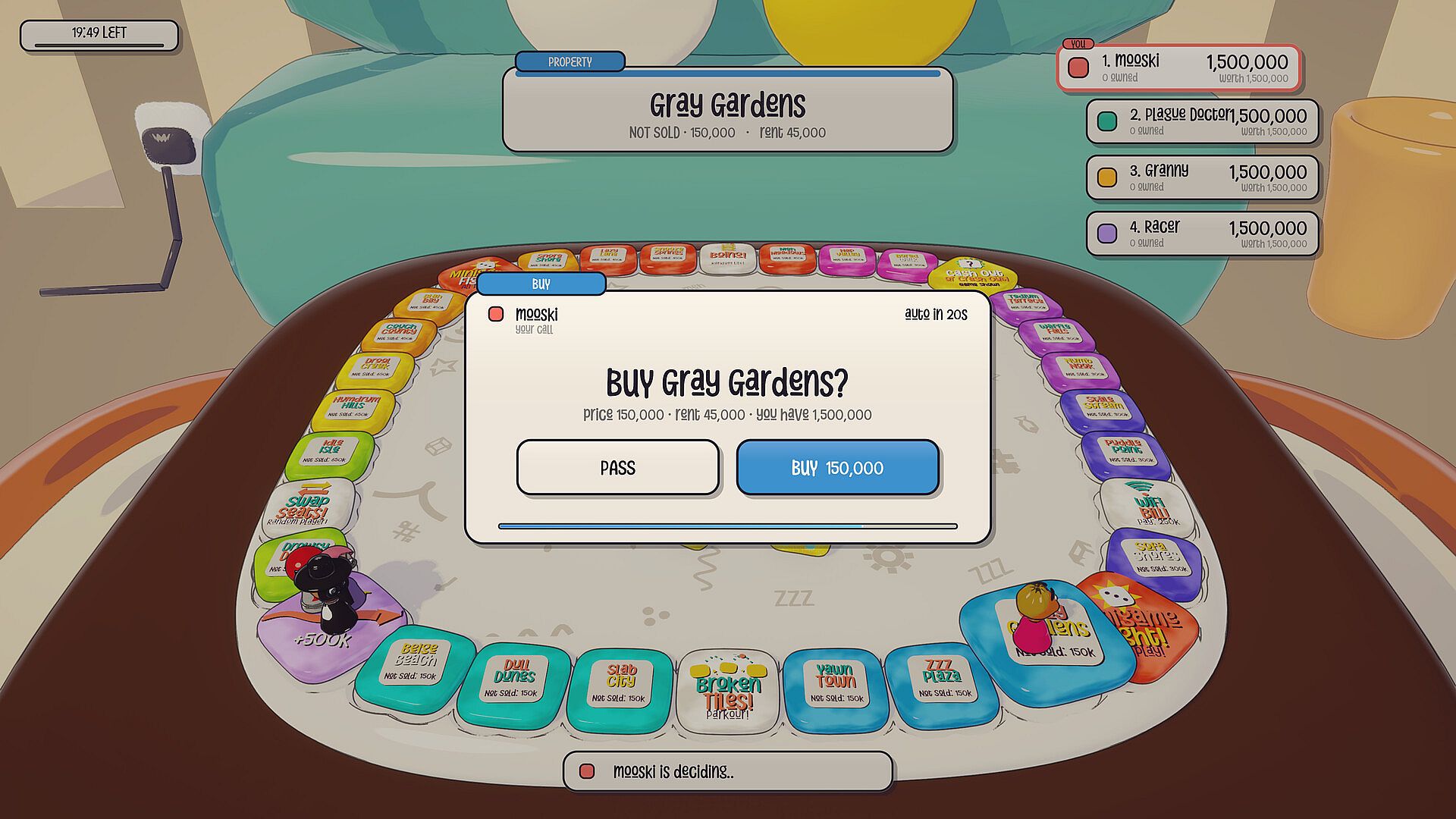
Core movement relies on two dice, introducing luck in landing positions while skill determines outcomes through building decisions and challenges. Players start with substantial cash and navigate 32 tiles, including 24 color-coded properties that form sets for increased rent. Houses upgrade to hotels, escalating costs for visitors. Stepping on an owned tile allows simple payment or a 2X OR NOTHING duel via minigame, where victory avoids the fee and defeat doubles it. Minigame Fight tiles trigger simultaneous random challenges for all participants, with wins equaling a full board lap in value.
Chaos tiles add disruption through springs that launch players across the board, random seat swaps, WiFi bill payments, or parkour runs over broken sections. The yellow Cash Out or Crash Out tile launches a game show sequence where participants grow a pot through wins before secretly choosing SPLIT or STEAL. Shared pots divide evenly, a single steal claims everything, and multiple steals burn the pot. Short sessions support time limits or round counts, keeping matches focused and replayable with friends or bots filling empty seats via six-letter codes for online play without network restrictions.
Game Modes
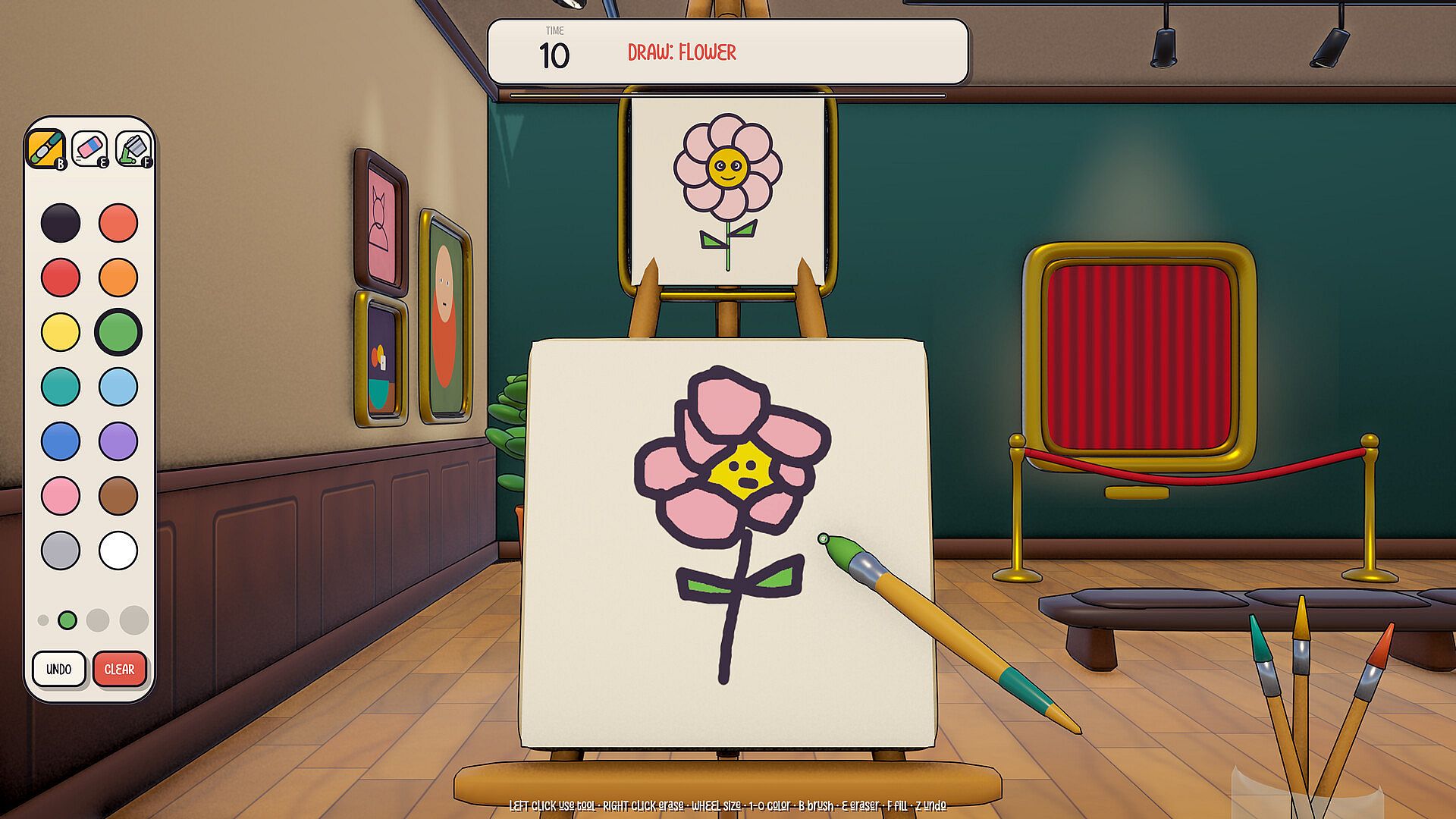
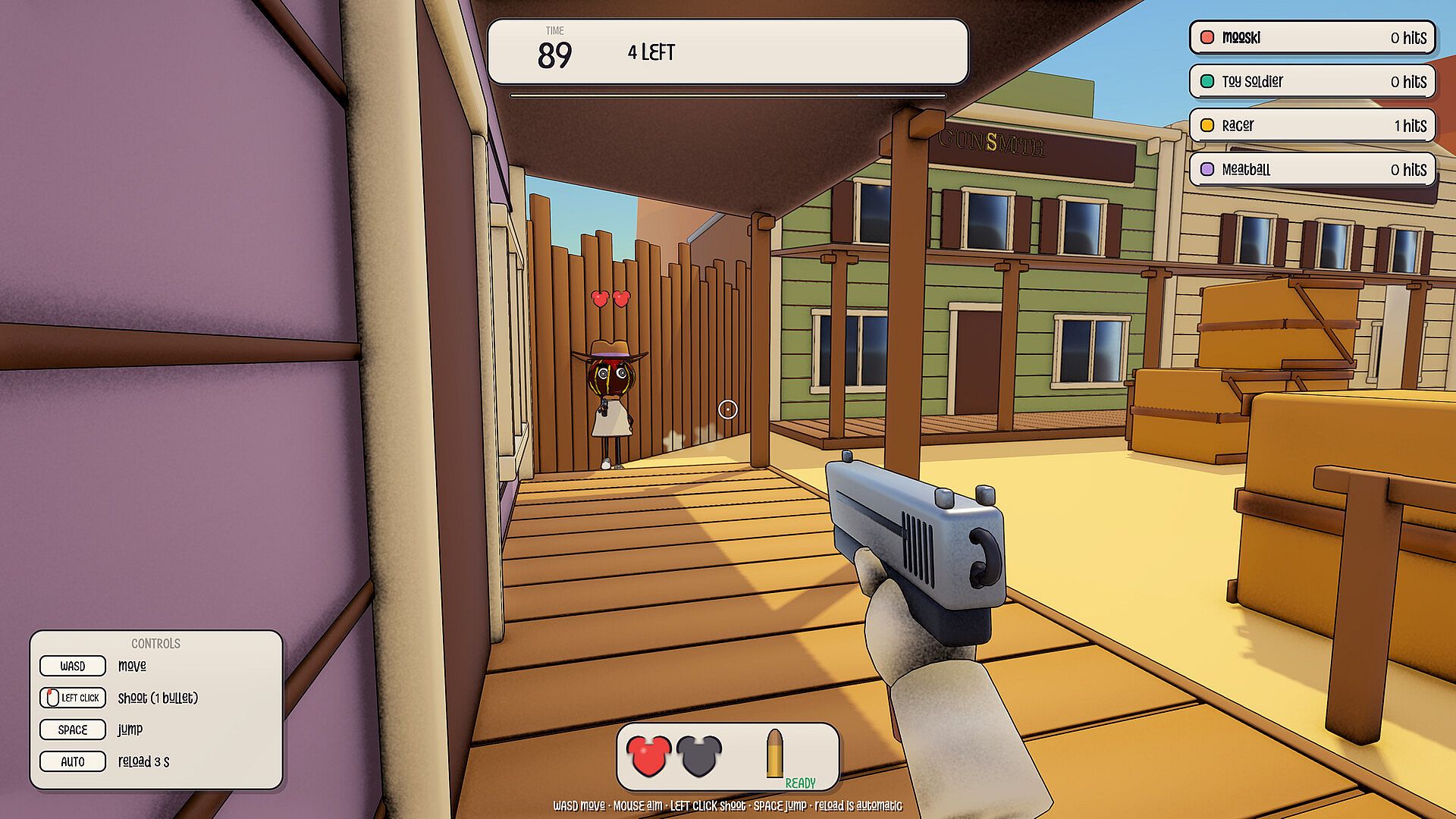
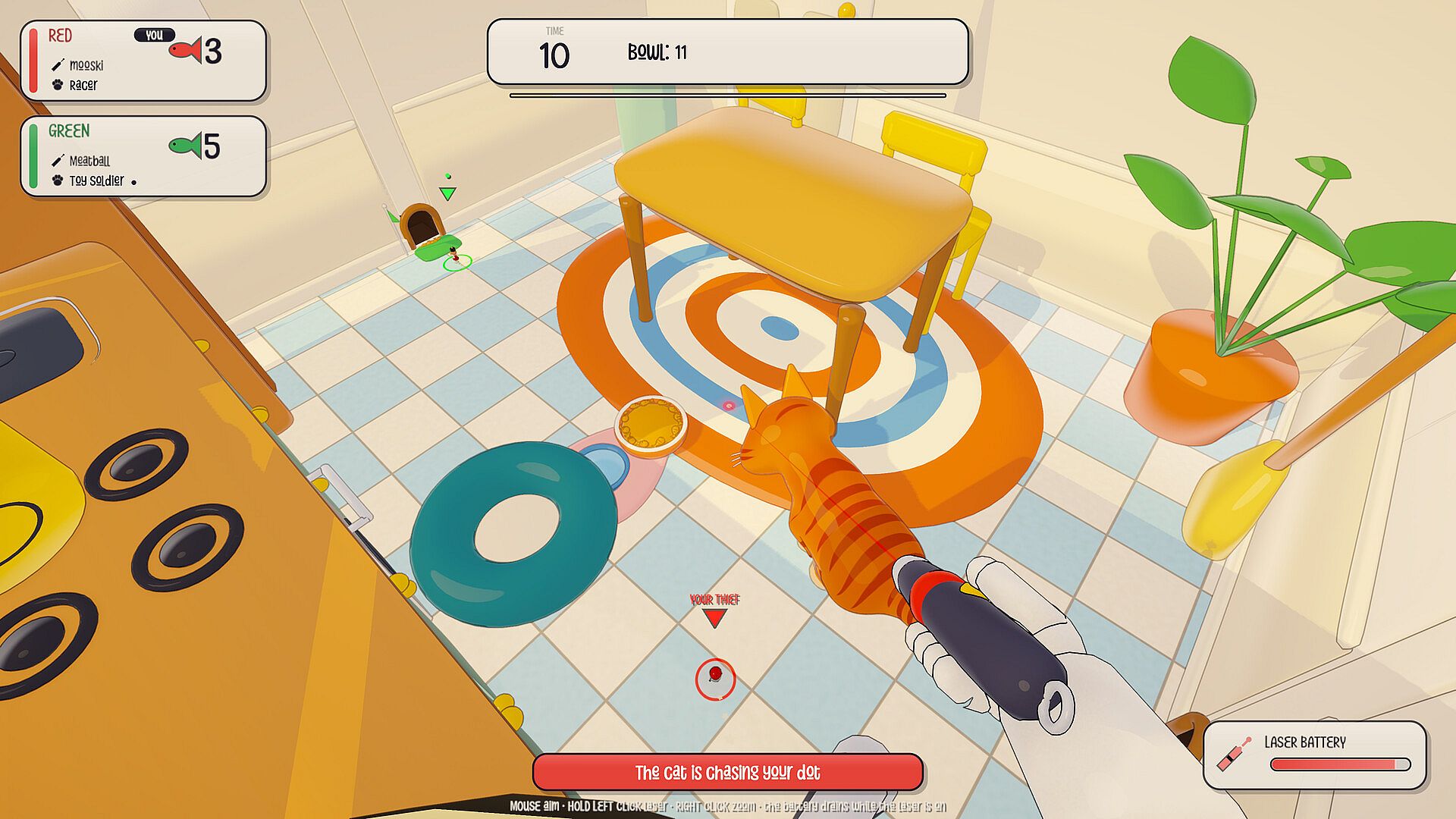
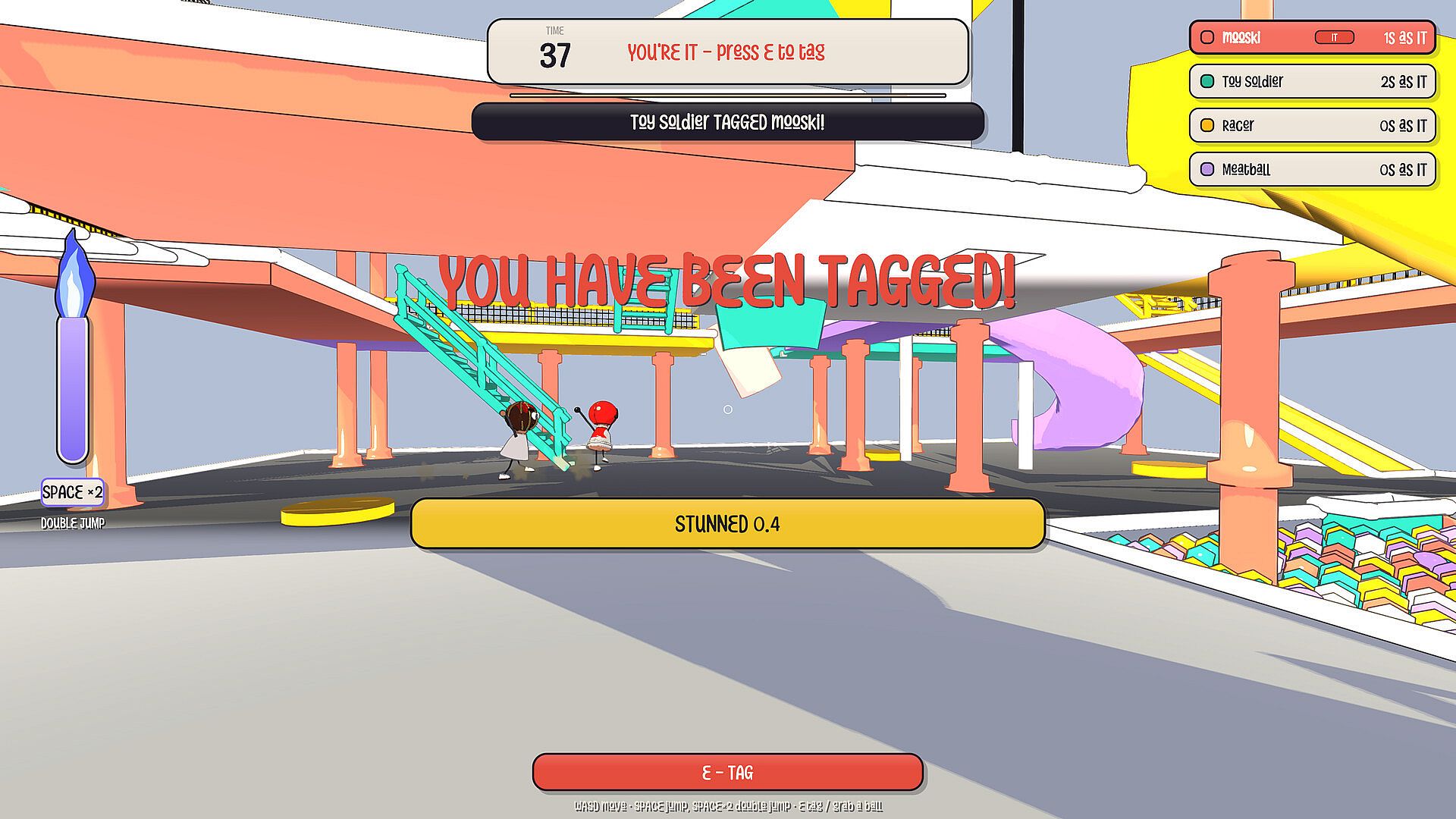
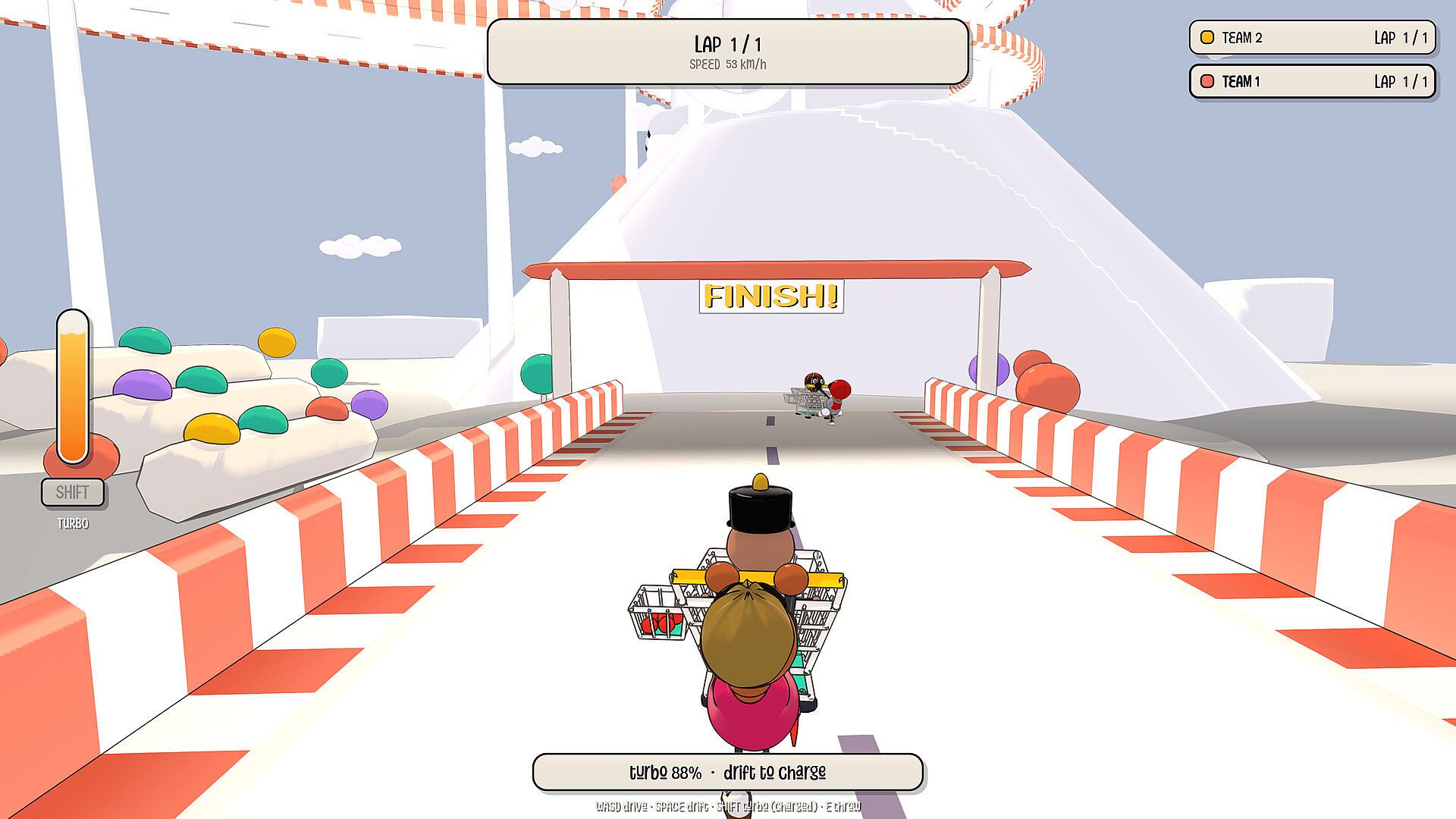
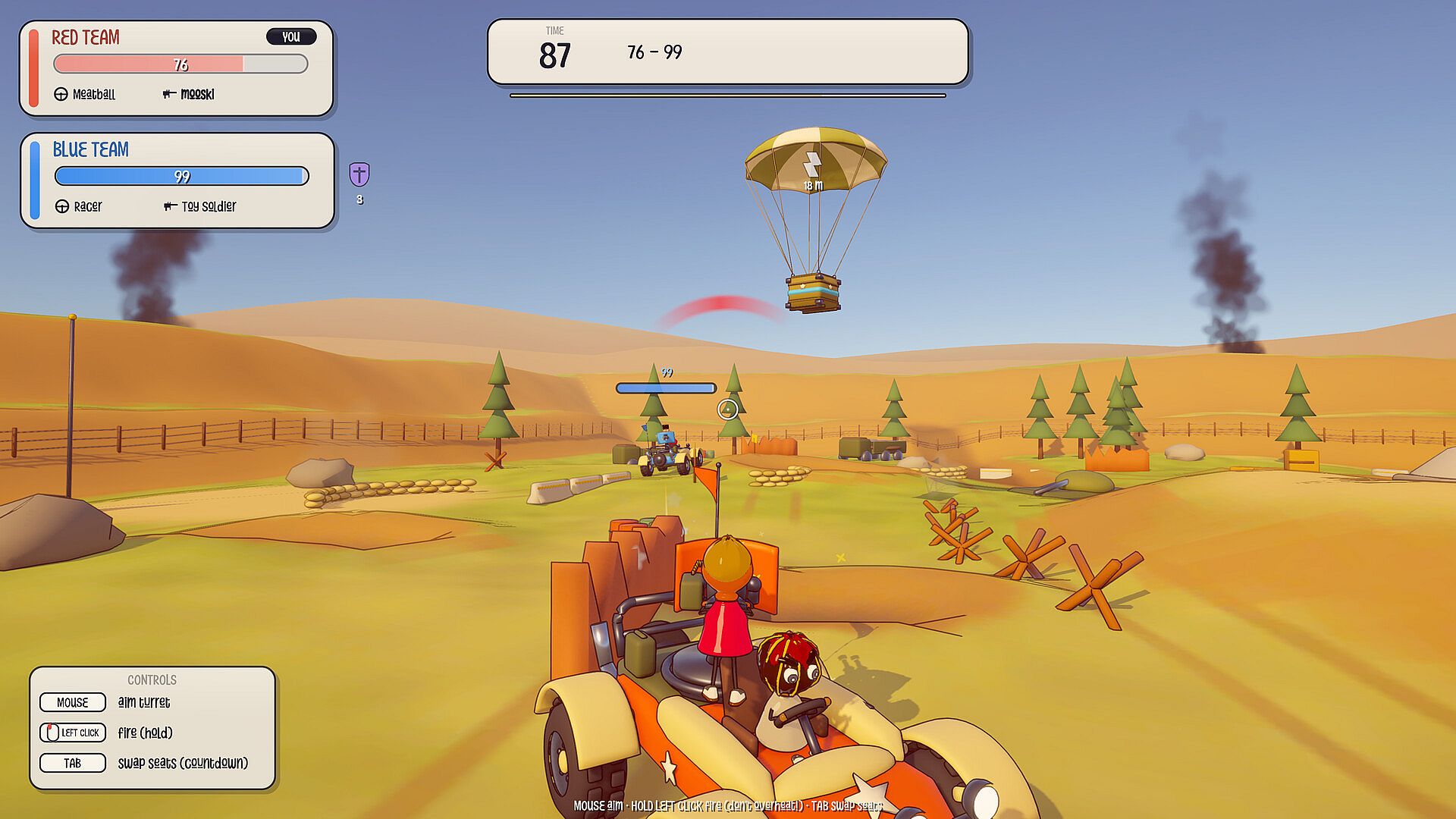
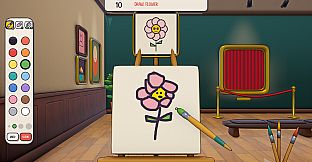
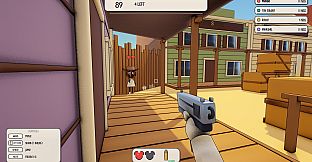
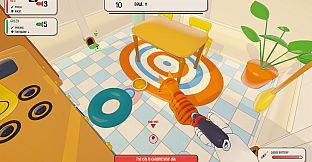
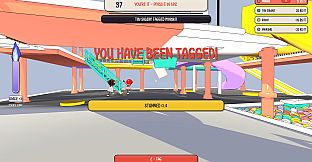
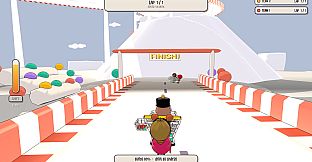
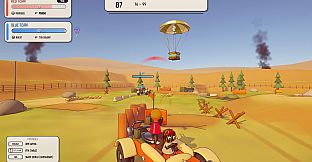
Matches emphasize flexible pacing through selectable time limits or round totals rather than fixed structures. Online sessions connect via shared codes, supporting mixed human and bot groups for immediate starts. The system prioritizes quick entry over lobby browsing. Minigame integration serves as both interruption and equalizer, with over 15 varied challenges including sumo ring pushes, shopping cart races, buggy machine gun drives, cat food theft amid pursuit, and drawing tasks rated by others. These elements shift emphasis from pure luck to player ability in resolving disputes or claiming bonuses.
Property management forms the economic backbone, rewarding set completion and upgrades while chaos mechanics prevent stagnation. The bored board's interventions ensure minigames activate naturally, maintaining engagement across sessions. Pawns range from Gentleman and Fish Head to Plague Doctor, Granny, Meatball, and Mime, with additional options available through an in-game shop for personalization.
Key Mechanics and Features
Skill edges out repeated luck through minigame performance and strategic building, though initial landings remain dice-dependent. Rent scales aggressively with monopolies, turning early investments into late-game advantages. The expressive board reacts dynamically, injecting personality and forcing variety when turns slow. Bots ensure accessibility for smaller groups, while online code sharing enables remote play with minimal setup. Matches conclude on timers or rounds, avoiding marathon sessions common in similar titles.
- 32 tiles with 24 properties in color sets
- Houses upgrading to hotels
- 15+ minigames with diverse challenges
- Chaos tiles for random events
- Cash Out or Crash Out game show rounds
- Online code-based multiplayer with bot support
- Customizable match length
Is It Worth Playing?
Bored Board targets groups seeking lighthearted competition with a mix of strategy and quick reflexes. Its blend of traditional board game progression and skill-based minigames appeals to players who enjoy party formats where outcomes hinge on more than dice rolls alone. Short match options suit casual evenings, and bot integration lowers barriers for incomplete groups. As an upcoming title with no released version yet, its appeal rests on the described systems of property escalation, duel resolutions, and chaotic interruptions that differentiate it from standard economic board games. Fans of multiplayer casual experiences with expressive elements and flexible pacing may find it a strong fit once available.