








I Ching Six-Yao · Bazi Reading is a casual simulation game built around traditional Chinese divination themes. Players interact with systems that generate personalized charts and readings through AI models, all presented in a stylized ancient setting. The experience centers on entering personal details to produce structured outputs inspired by historical methods, combined with visual sequences that depict ritual elements like coin tosses and symbolic manifestations.
Gameplay
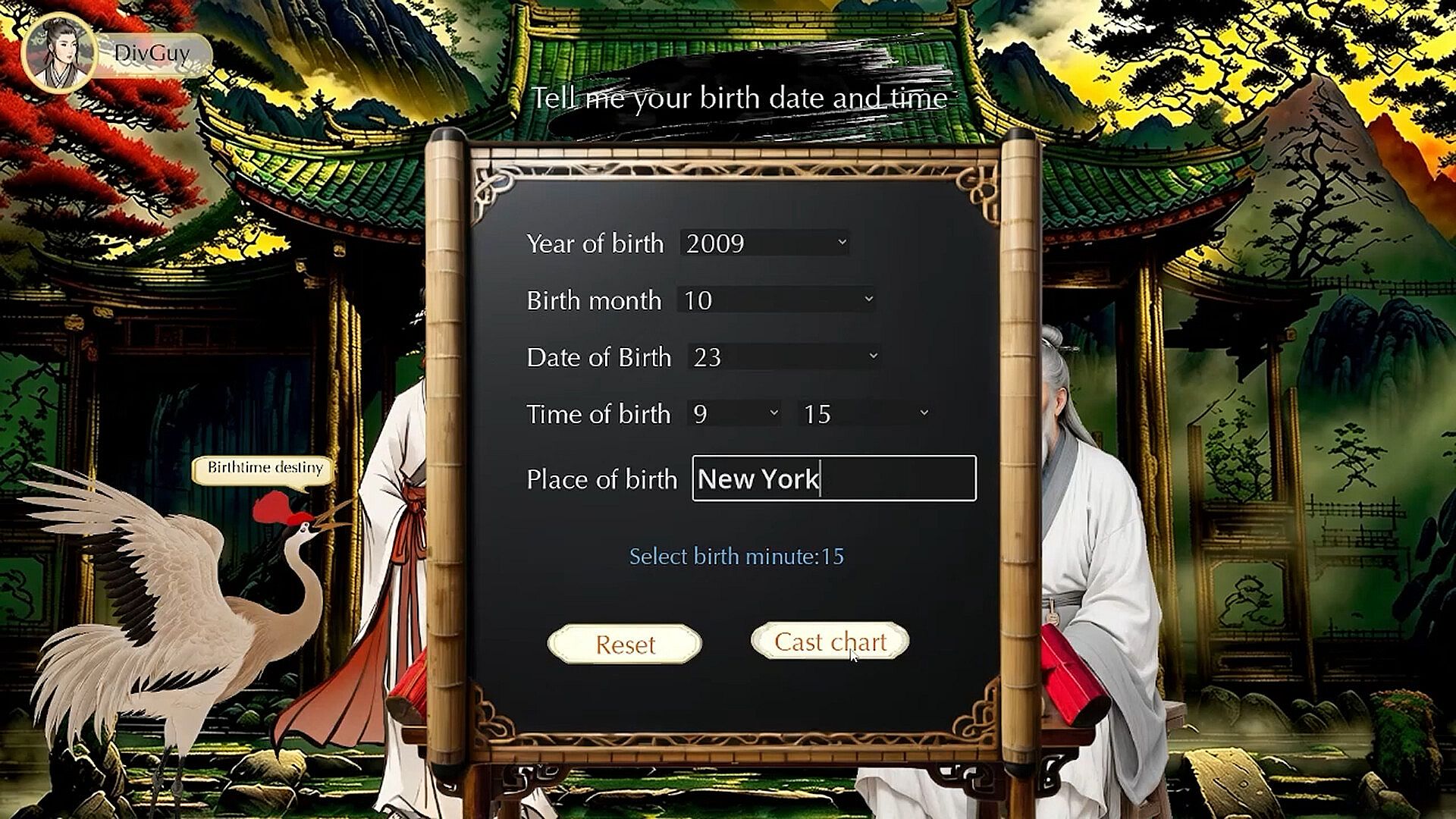
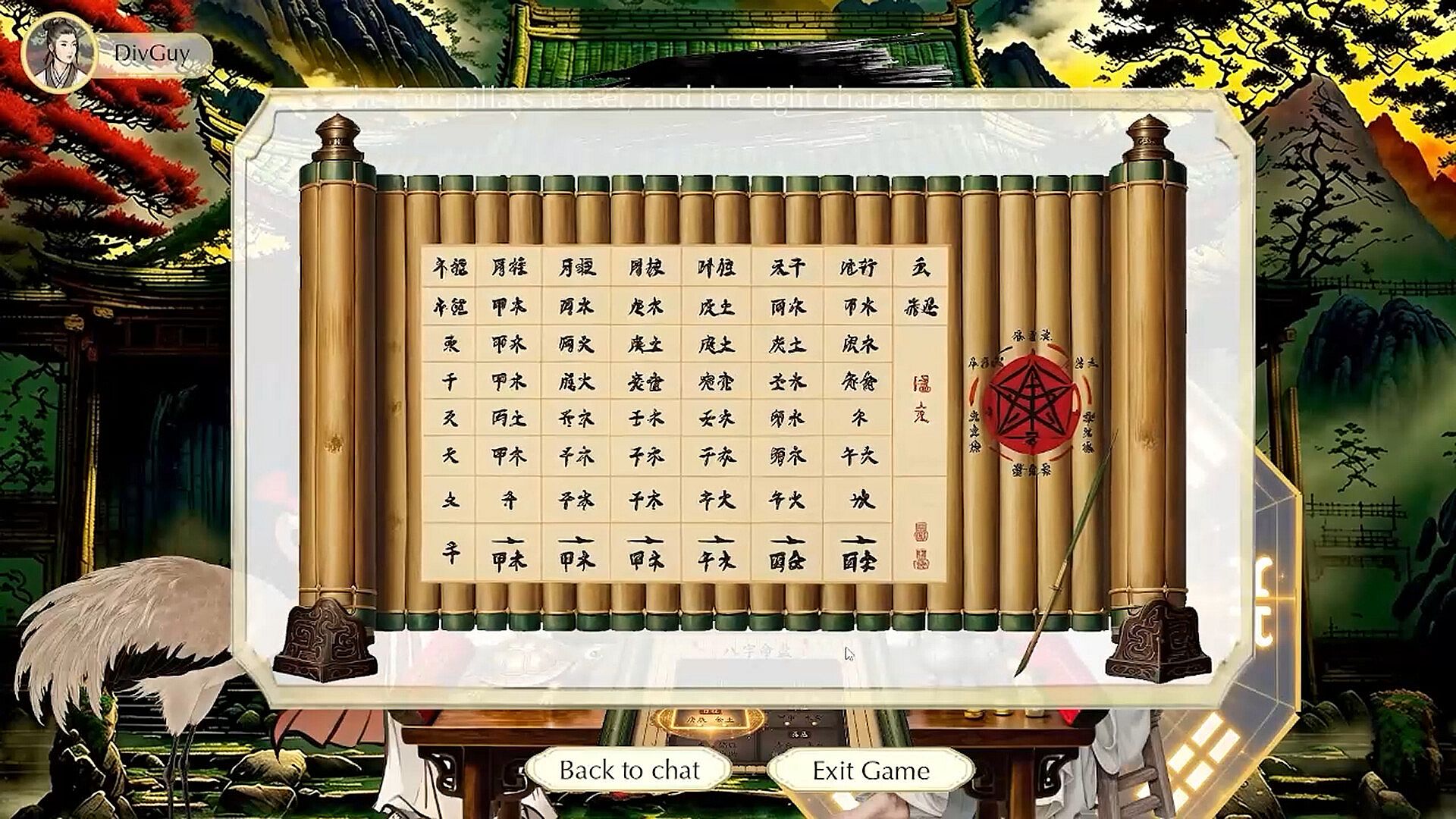
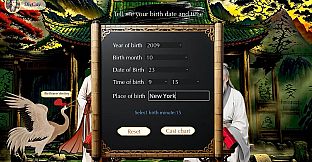
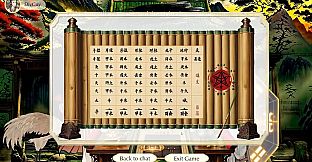
The core loop involves inputting birth information such as year, month, day, time, and location to trigger automated chart creation. The system processes this data to display the Four Pillars structure along with Five Elements distribution and Ten Gods arrangements. Additional layers include lifespan cycle overviews and targeted yearly notes, each accompanied by brief interpretive text generated through the game's AI framework.
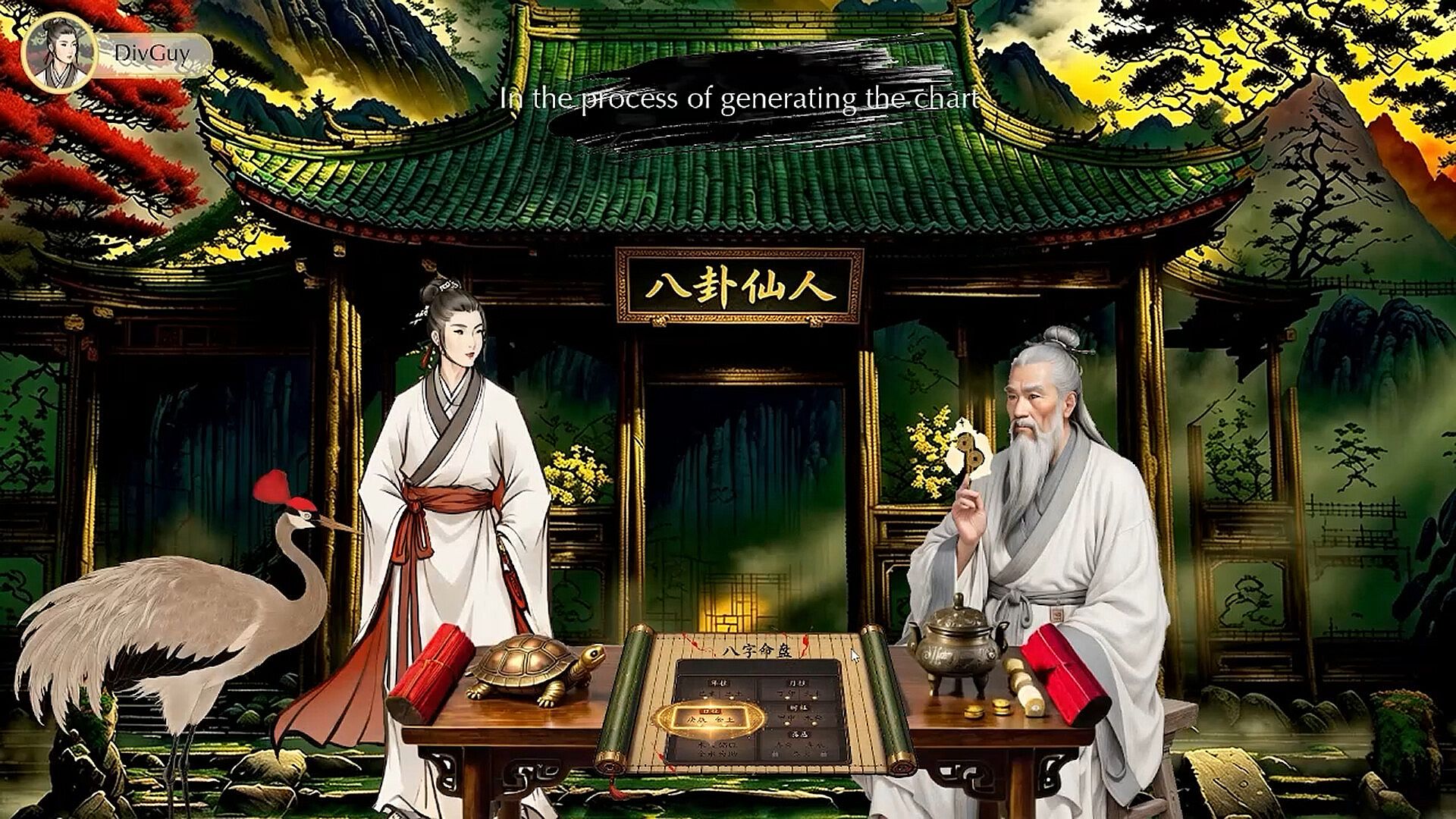
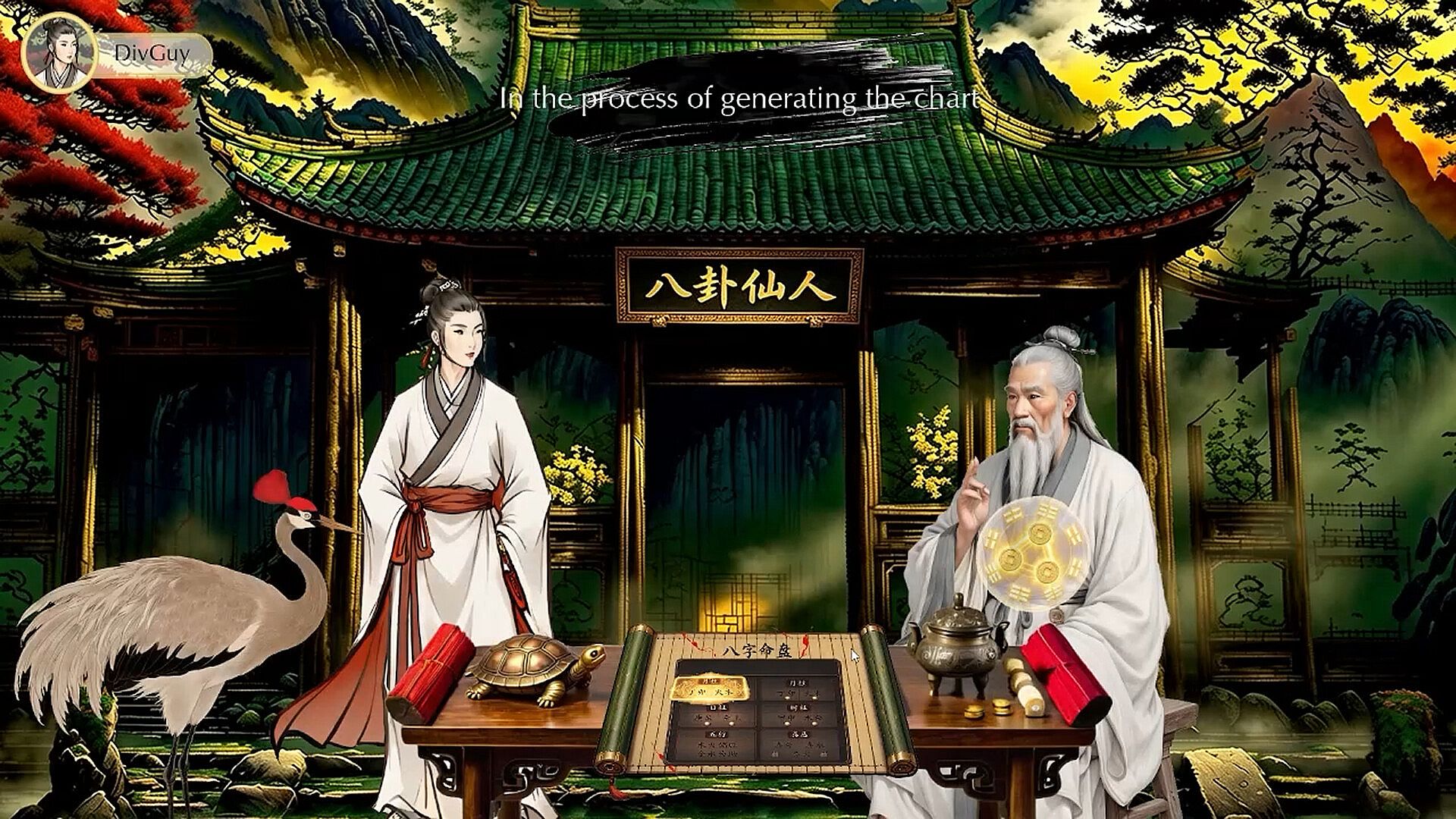
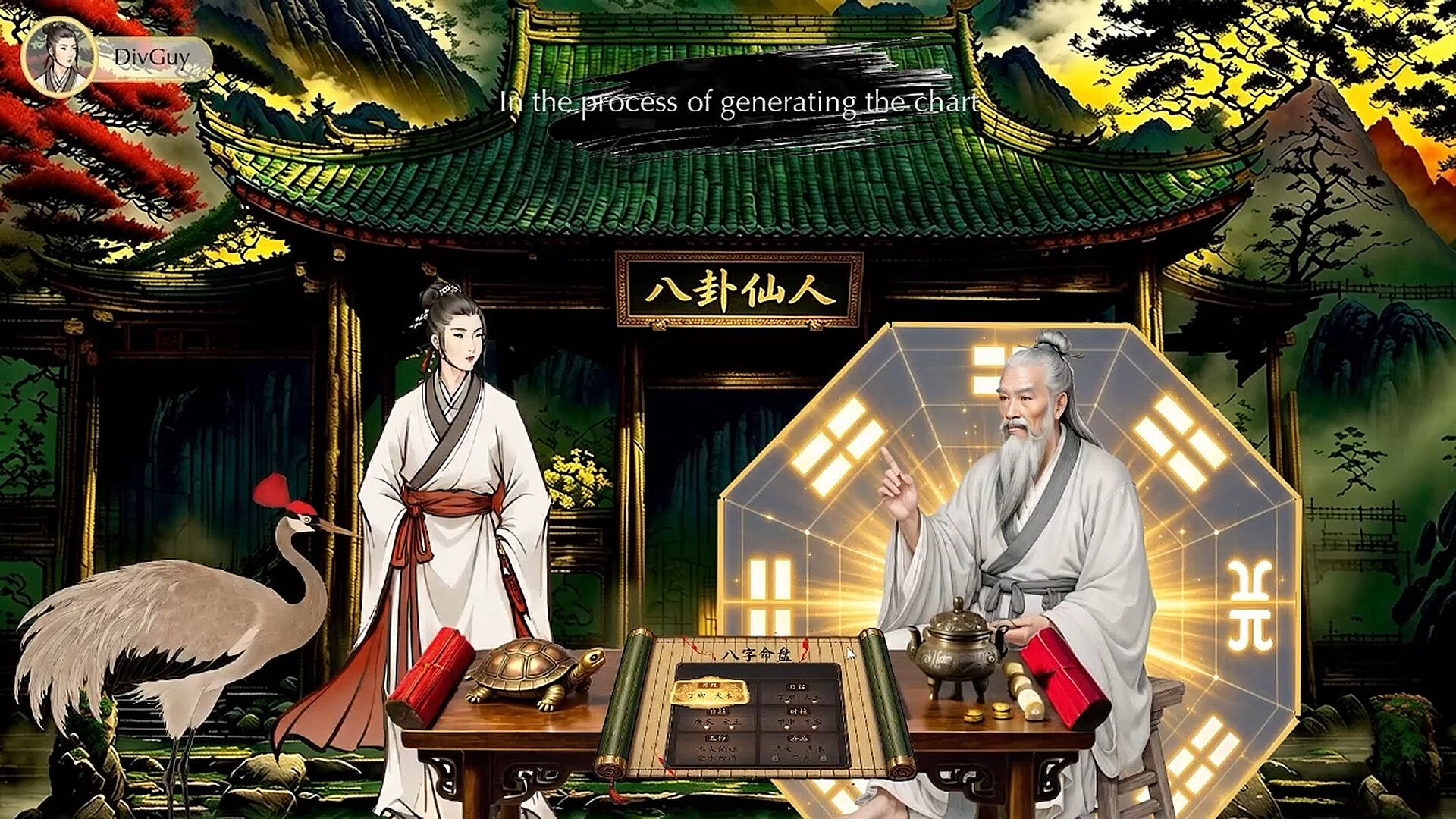
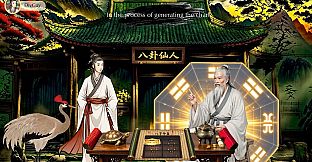
Visual storytelling plays a key role during these processes. Sequences feature animated elements such as cranes carrying messages, figures performing casting rituals, and copper coins in motion, culminating in results rendered on scroll-like interfaces. These animations provide a consistent aesthetic that frames every session as a contained narrative event rather than a static data display.
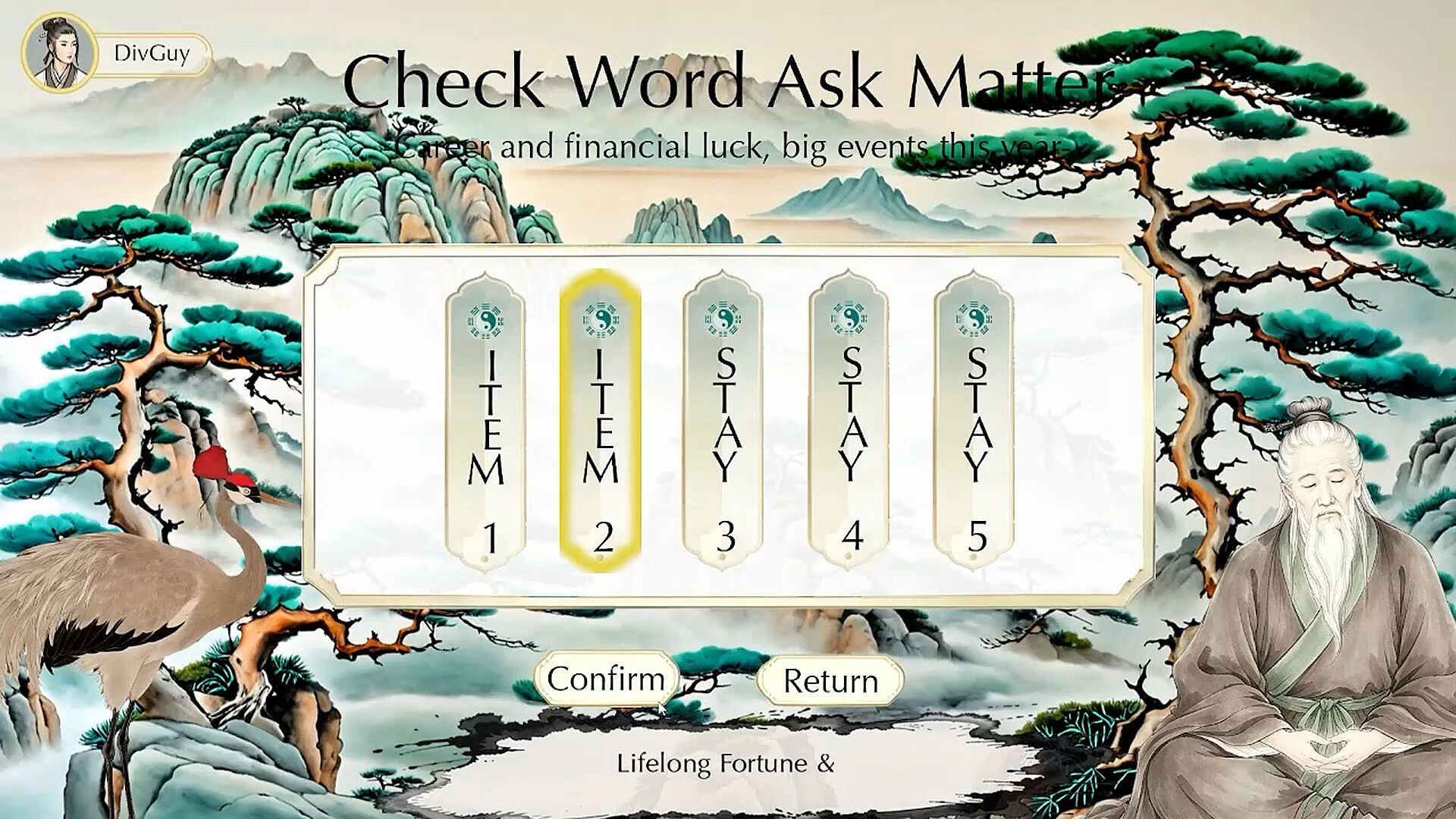
Controls remain straightforward, with menu-driven entry fields and progression through the generated content. The simulation emphasizes textual output and visual accompaniment over complex player actions, making each session a focused interaction with the divination mechanics.
Game Modes
The primary activity revolves around the Fortune Telling module, which handles Bazi chart generation and analysis. This mode accepts the required birth parameters and produces the full set of pillars, elemental breakdowns, and cycle information in one pass. Players can review the complete output on the final scroll presentation before starting another session.
Integration with the base game Liu Yao extends the available options. Sessions can combine elements from both the core Six Yao casting features and the added Bazi tools, allowing sequential or alternating use of the two divination styles within the same play environment.
No separate competitive or multiplayer structures exist. All activity stays within single-player boundaries, with each divination run functioning as an independent, self-contained exercise.
Visual and Thematic Presentation
The game maintains a consistent traditional Chinese aesthetic across its interfaces and animations. Backgrounds and UI elements evoke historical scroll work and temple halls, while the Bagua symbols and related imagery appear during result displays. These choices reinforce the cultural inspiration without altering the underlying simulation rules.
Story animations serve as transitional elements between input and output stages. They depict sequential ritual steps that mirror classical descriptions of divination practices, adding a layer of immersion to what remains a data-driven process.
Is It Worth Playing?
This title suits players interested in simulation experiences that replicate structured divination formats through AI assistance. The Bazi module delivers detailed chart breakdowns and cycle guidance based on standard input fields, with the added animations providing a distinct presentation style.
Reception centers on its role as an entertainment tool rather than a predictive system. The developer explicitly states that all generated content serves storytelling and companionship purposes only, with clear disclaimers against real-world application. Those seeking casual, repeatable sessions with cultural thematic elements may find value in the combined base game and DLC setup.
Availability requires ownership of the base game Liu Yao. The DLC expands the feature set with the new module and its associated visuals, creating a broader range of divination simulations within the same framework. Players who enjoy methodical input processes and interpretive text outputs will align most closely with the design.