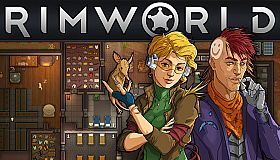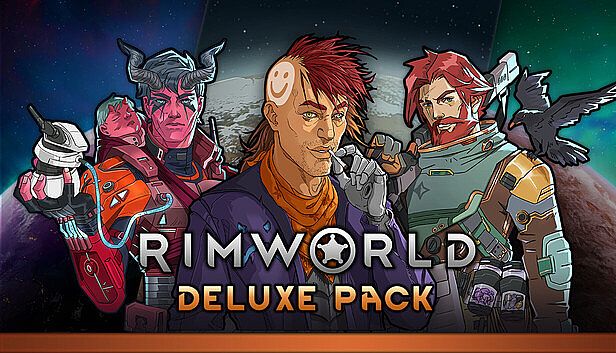






RimWorld è uno strategico di simulazione in cui i giocatori gestiscono un gruppo di sopravvissuti impegnati a fondare una colonia su un pianeta alieno generato proceduralmente. Al centro dell'esperienza c'è la gestione a lungo termine di risorse, coloni e minacce esterne, mentre un sistema di IA genera eventi continui che influenzano lo sviluppo dell'insediamento.
Gameplay
Il ciclo di gioco si basa sull'assegnazione dei compiti ai singoli coloni in base alle loro abilità e necessità. I coloni si occupano di costruzione, agricoltura, ricerca, artigianato e difesa, mentre umore, relazioni e condizioni fisiche incidono sulla loro produttività e sul comportamento. Fattori ambientali come temperatura, qualità del suolo e fauna richiedono attenzione costante per preservare l'equilibrio della colonia.
Gli scontri si verificano quando gruppi ostili si avvicinano all'insediamento. Il giocatore posiziona le difese, assegna armi ai coloni e gestisce coperture e posizionamento durante i combattimenti. Oltre alle opzioni da mischia e a distanza, è possibile addestrare animali e utilizzare tecnologie mecanoide che possono supportare o minacciare la colonia.
L'espansione della base procede da rifugi essenziali a strutture più complesse. La ricerca sblocca nuove costruzioni, metodi produttivi e capacità avanzate. Un sistema di simulazione psicologica tiene traccia delle interazioni tra i coloni, generando amicizie, rivalità o crisi che influenzano le prestazioni complessive dell'insediamento.
Modalità di gioco
La varietà deriva principalmente dalla scelta dello storyteller IA, che determina tempistica, frequenza e intensità degli eventi. Cassandra Classic propone sfide che crescono gradualmente in base alla ricchezza e al tempo di gioco. Phoebe Chillax offre lunghi periodi di tranquillità tra un incidente e l'altro, favorendo il recupero e la preparazione. Randy Random genera sequenze imprevedibili senza schemi ricorrenti.
Gli scenari propongono condizioni di partenza diverse, come un numero variabile di coloni iniziali o configurazioni ambientali specifiche. Queste scelte modificano le priorità delle prime fasi senza alterare il cuore del gameplay, incentrato sulla gestione della colonia. Le fazioni presenti sul pianeta mantengono relazioni indipendenti che possono evolversi verso scambi, alleanze o ostilità in base alle azioni del giocatore.
Sistemi di gestione della colonia
Le catene di risorse collegano le materie prime ai prodotti finiti attraverso più fasi di lavorazione. La produzione alimentare richiede un equilibrio tra semina, raccolta, cottura e conservazione per evitare carenze. L'allevamento aggiunge un ulteriore livello di complessità, con riproduzione, addestramento e impiego degli animali per il lavoro o il combattimento.
Gli alberi di ricerca si ramificano in categorie dedicate a costruzione, armi, medicina e automazione avanzata. Ogni progetto richiede tempo e manodopera qualificata, creando un compromesso tra esigenze immediate di sopravvivenza e sviluppo a lungo termine. La gestione della salute prevede il trattamento di ferite, malattie e dipendenze attraverso le strutture e il personale medico disponibili.
Vale la pena giocarci?
Il titolo si rivolge a chi apprezza i gestionali dettagliati con narrazione emergente. I suoi sistemi generano esiti sempre diversi tra una partita e l'altra, supportati da un ampio supporto alle mod che amplia i contenuti oltre l'esperienza base. Gli aggiornamenti successivi hanno introdotto espansioni con nuove meccaniche, tra cui la personalizzazione genetica e le basi mobili.
Il gioco continua a riscuotere consensi tra gli appassionati del genere, con elogi costanti per profondità e rigiocabilità. Chi cerca campagne strutturate o un'esperienza multiplayer competitiva potrebbe trovare il formato open-ended meno adatto alle proprie preferenze. L'esperienza in singolo mette al centro le storie personali della colonia piuttosto che il confronto diretto con altri giocatori.
- Forte enfasi sulla simulazione dei singoli coloni e sulla pianificazione a lungo termine
- Eventi procedurali che generano storie uniche senza sequenze predefinite
- Elevato grado di personalizzazione grazie alle scelte di ricerca e costruzione