




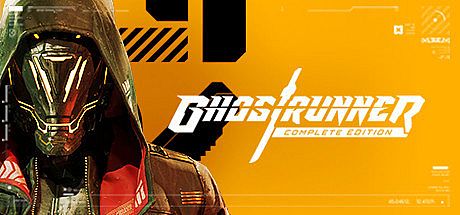




























Ghostrunner: Complete Edition è un action platform cyberpunk in prima persona per PC, incentrato su movimenti ad altissima velocità e combattimenti ravvicinati con armi bianche all'interno di una megastruttura distopica. Il giocatore controlla un ninja cibernetico che elimina i nemici con la spada mentre si muove verticalmente a ritmo frenetico. Il sistema prevede colpi letali sia per il protagonista che per la maggior parte degli avversari, generando un ciclo continuo di tentativi rapidi e riavvii immediati dai checkpoint.
Gameplay
Il cuore del gioco unisce fluidità negli spostamenti e risoluzioni istantanee negli scontri. Il movimento si basa su wall run, scivolata, rampino su punti specifici, dash e sequenze di salti da concatenare attraverso livelli lineari. I combattimenti si svolgono in brevi esplosioni: un solo fendente basta per i nemici comuni, mentre i boss richiedono riconoscimento dei pattern e tempismo preciso. Non esiste un sistema di vita né mitigazione dei danni: basta un errore per tornare al checkpoint più vicino con ricariche quasi istantanee.
La progressione si sviluppa attraverso una griglia di potenziamenti in cui inserire tessere con abilità diverse. Tra gli upgrade disponibili ci sono aumento della velocità, deviazione di proiettili, scansione dei nemici e rallentamento temporaneo. Le nuove tessere si sbloccano man mano che si avanza, spingendo a sperimentare all'interno di uno schema di controlli fisso e ottimizzato per i pulsanti dorsali. I livelli alternano tratti di corsa pura ad arene che mettono alla prova pianificazione visiva e gestione della velocità.
Modalità di gioco
La campagna principale offre l'esperienza narrativa attraverso una serie di livelli strutturati. L'espansione Project Hel aggiunge una campagna separata con un nuovo personaggio giocabile, dotato di abilità e focus narrativo differenti. Tra le modalità extra figurano Wave Mode per ondate di nemici in stile survival, Kill-Run Mode per prove a tempo basate sull'eliminazione efficiente dei nemici e Assist Mode, che introduce rallentamenti e protezioni opzionali per modulare la difficoltà senza cambiare le meccaniche principali.
Queste modalità si basano sullo stesso sistema di movimento e combattimento, senza introdurre meccaniche completamente nuove. I checkpoint restano invariati, mantenendo l'enfasi sulla ripetizione e sul perfezionamento delle singole run.
Progressione e potenziamenti
I potenziamenti arrivano tramite la griglia invece che con alberi delle abilità tradizionali: bisogna ottimizzare lo spazio disponibile per le tessere. Questo genera scelte concrete su quali abilità privilegiare in ogni fase. I livelli introducono gradualmente nuovi tipi di nemici e pericoli ambientali, dosando la complessità per non sopraffare i nuovi giocatori e al tempo stesso richiedere padronanza per le prestazioni ottimali.
Feedback visivo e sonoro sottolineano il ritmo elevato, con ambienti illuminati al neon e una colonna sonora energica che segue il flusso delle run riuscite. Il gioco è esclusivamente single-player, senza componenti multiplayer né progressione condivisa.
Vale la pena giocarci?
Le recensioni del pubblico sono molto positive: il titolo mantiene valutazioni "Molto positive" sulle principali piattaforme, basate su migliaia di recensioni. La Complete Edition riunisce la campagna completa, l'espansione Project Hel e tutte le modalità in un unico pacchetto, offrendo un'esperienza autonoma senza contenuti stagionali né elementi live-service.
È indicato per chi apprezza i platform di precisione e l'azione reattiva, dove il fallimento insegna rapidamente i pattern grazie ai riavvii veloci. Chi cerca curve di difficoltà più indulgenti o ampie possibilità di personalizzazione potrebbe trovare il sistema one-hit troppo severo, anche se Assist Mode offre un'alternativa. Il gioco propone sessioni intense e mirate, che premiano l'esercizio e l'esecuzione pulita più che l'esplorazione prolungata o la gestione delle risorse.
- Struttura lineare dei livelli con ripetizione basata sui checkpoint
- Enfasi sulla concatenazione continua delle abilità di movimento
- Potenziamenti a griglia che premiano la pianificazione spaziale


