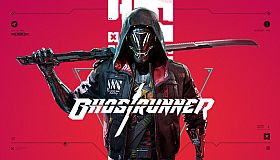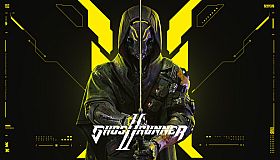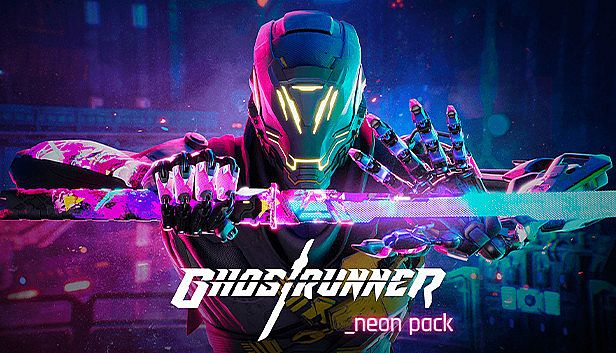










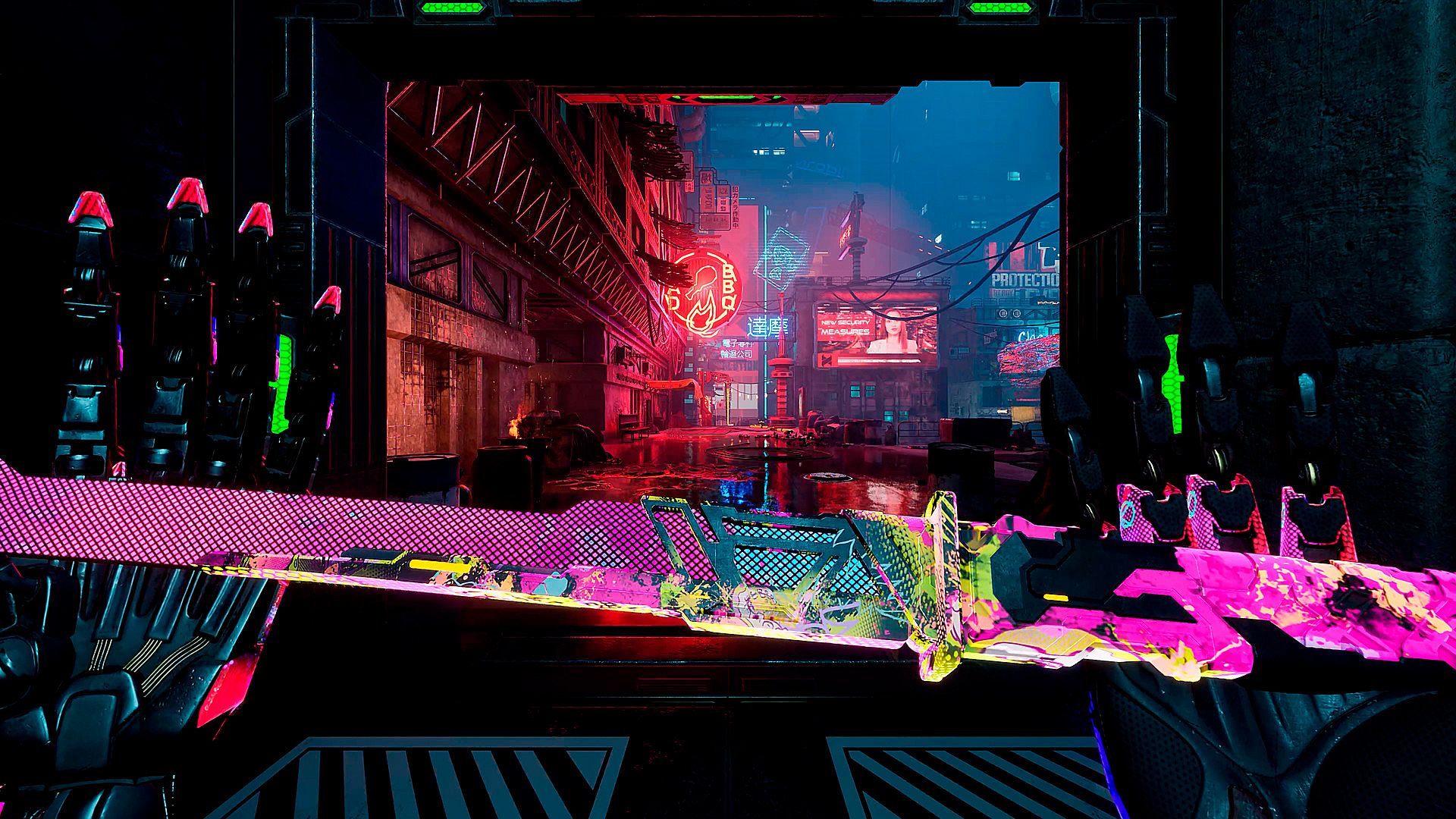
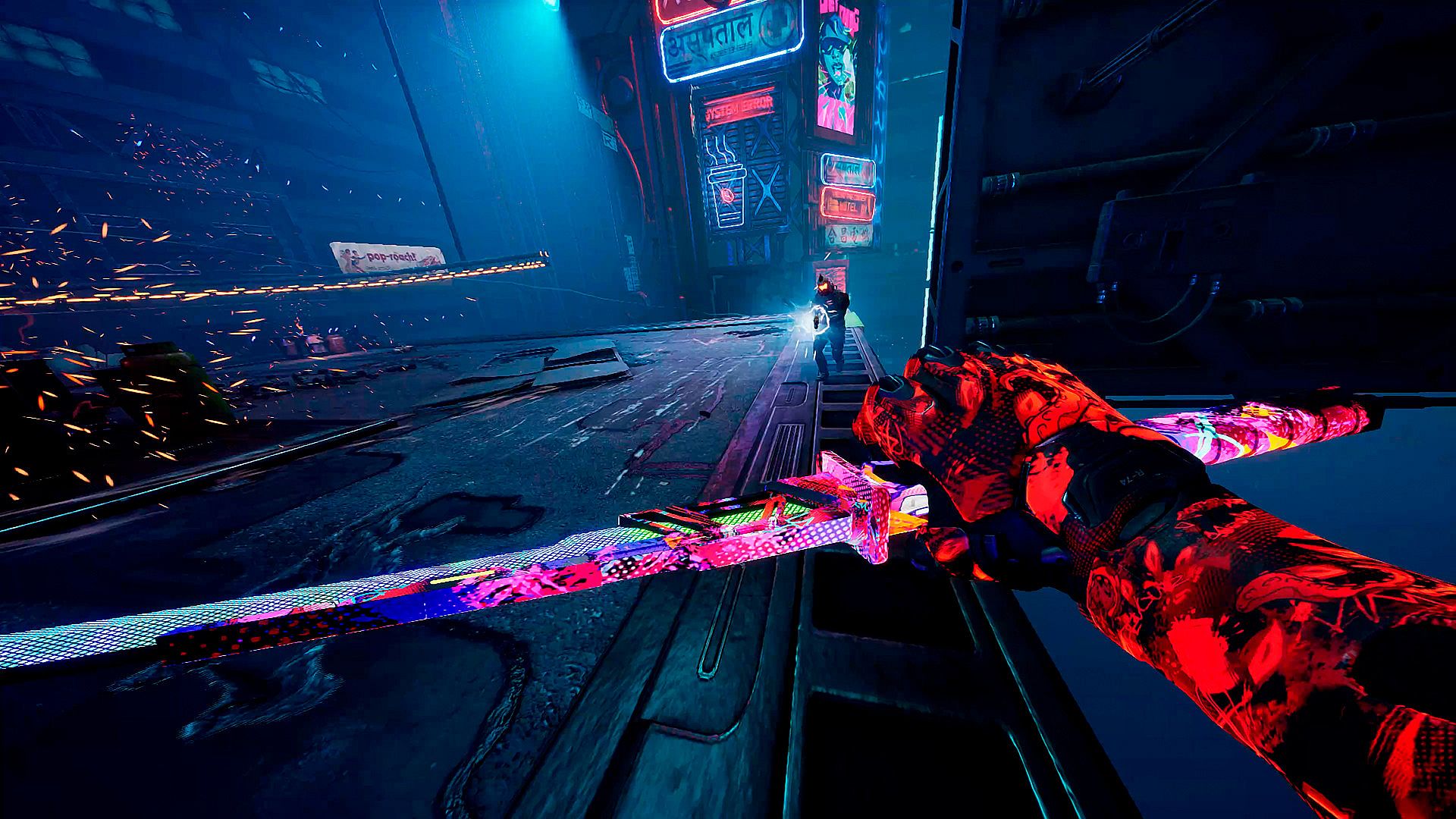
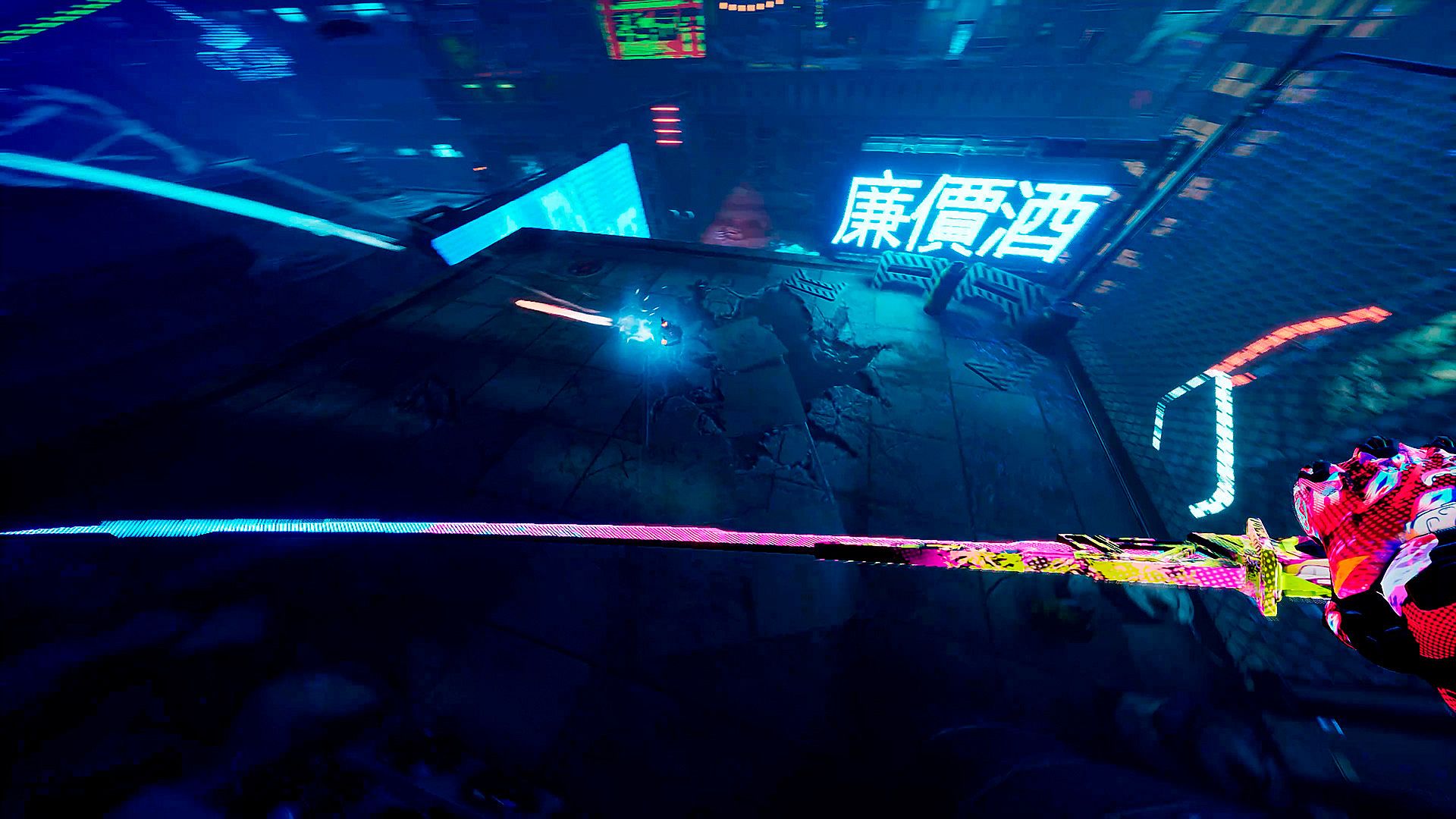
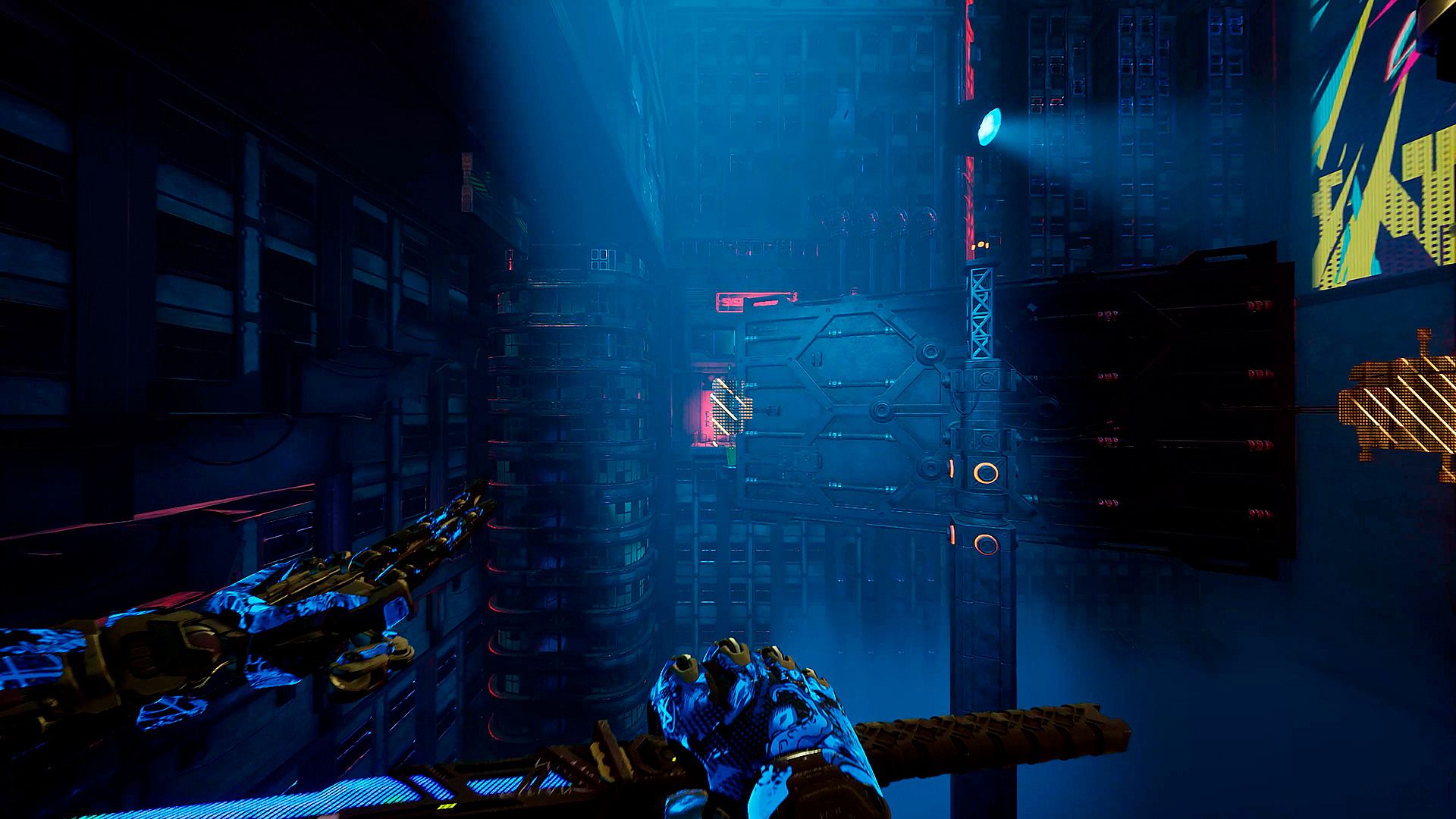
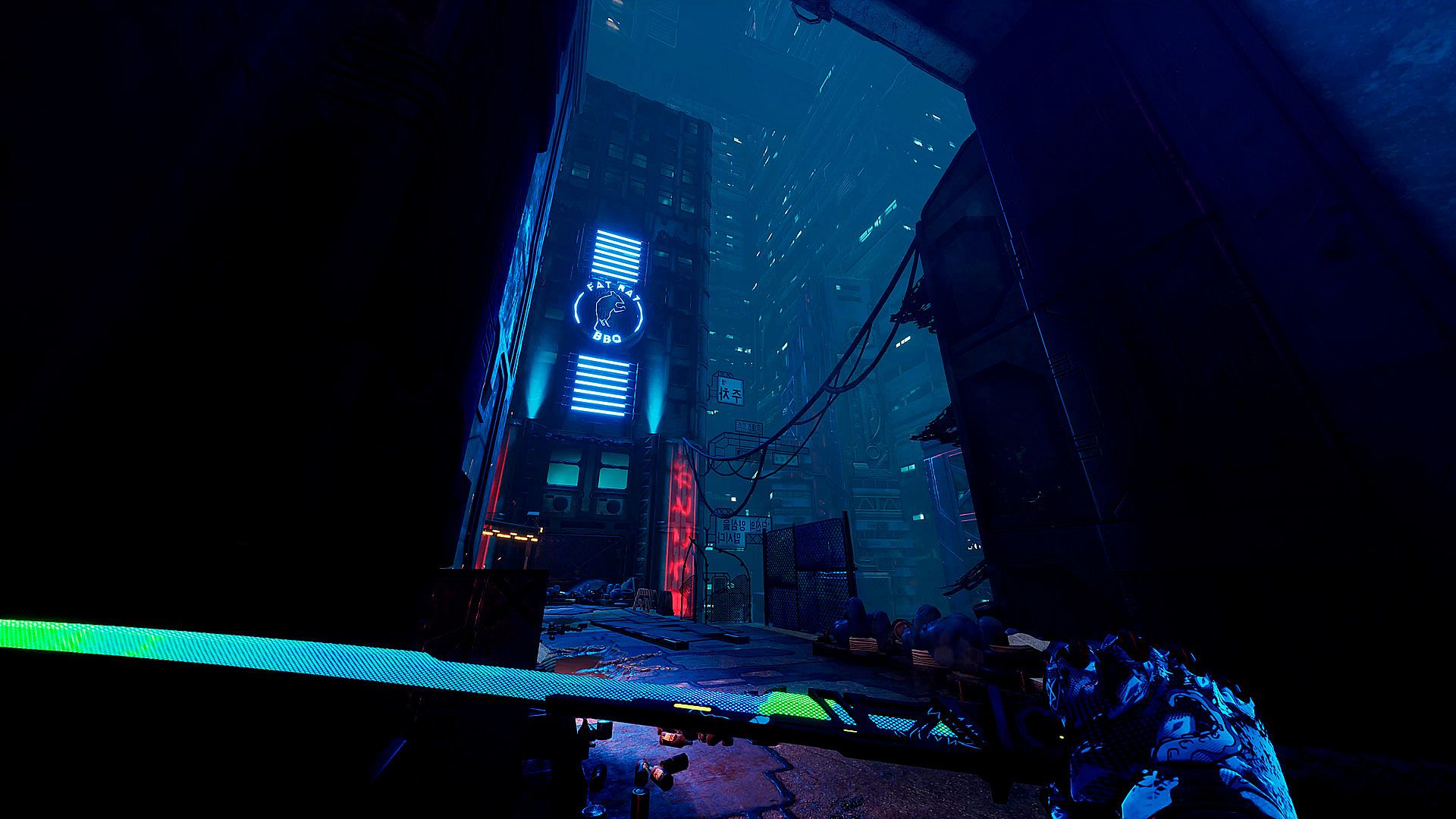
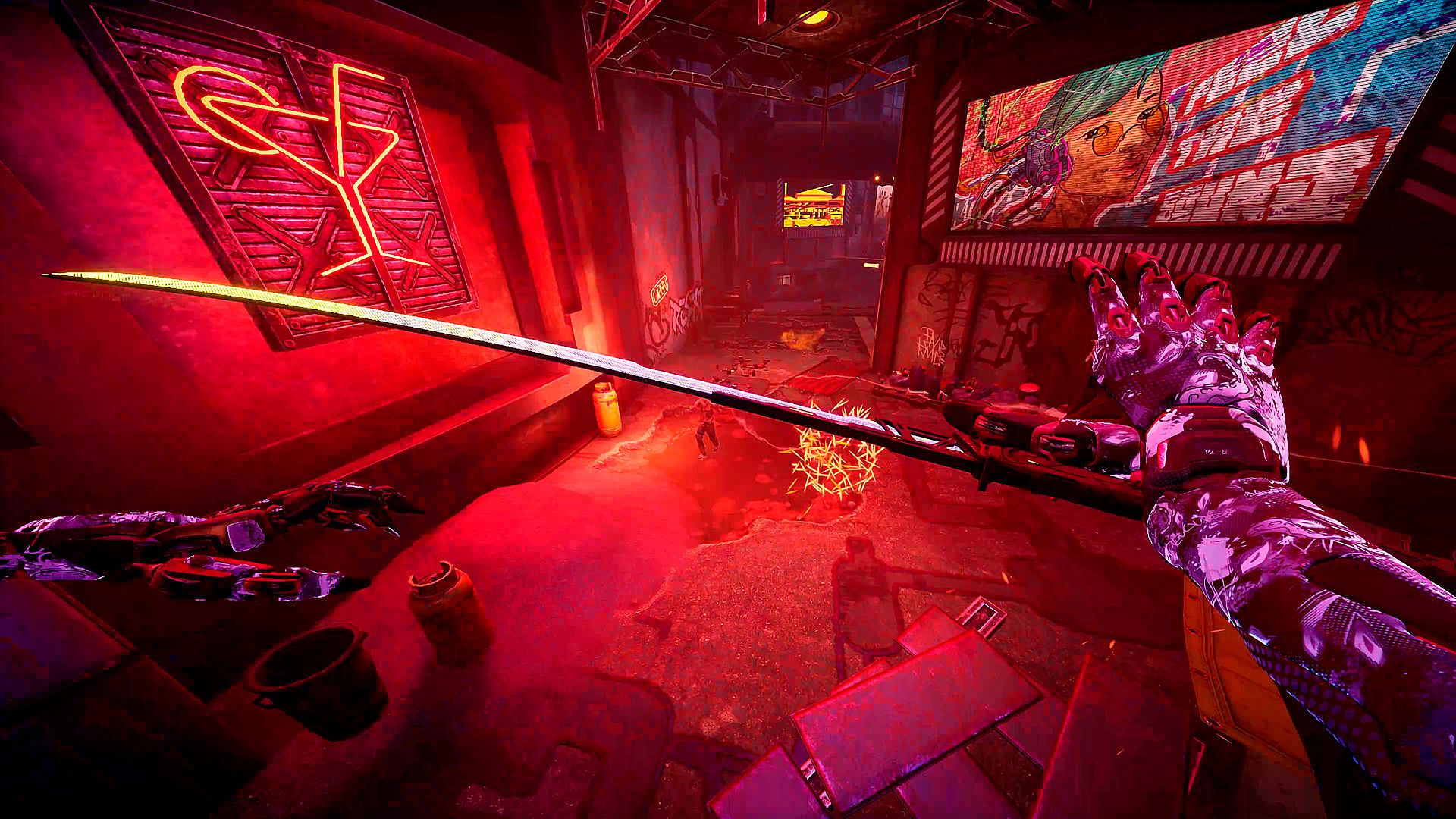
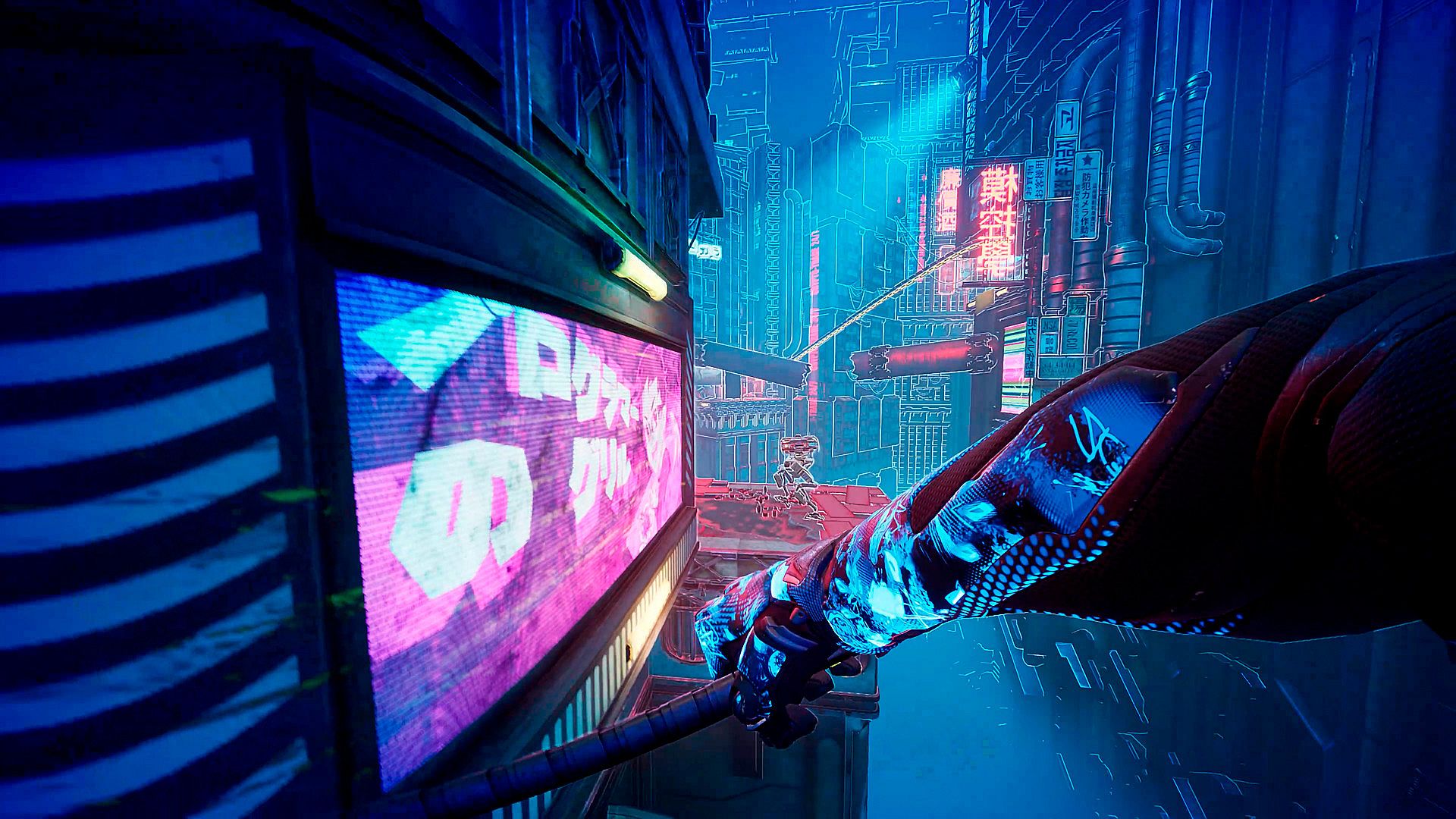
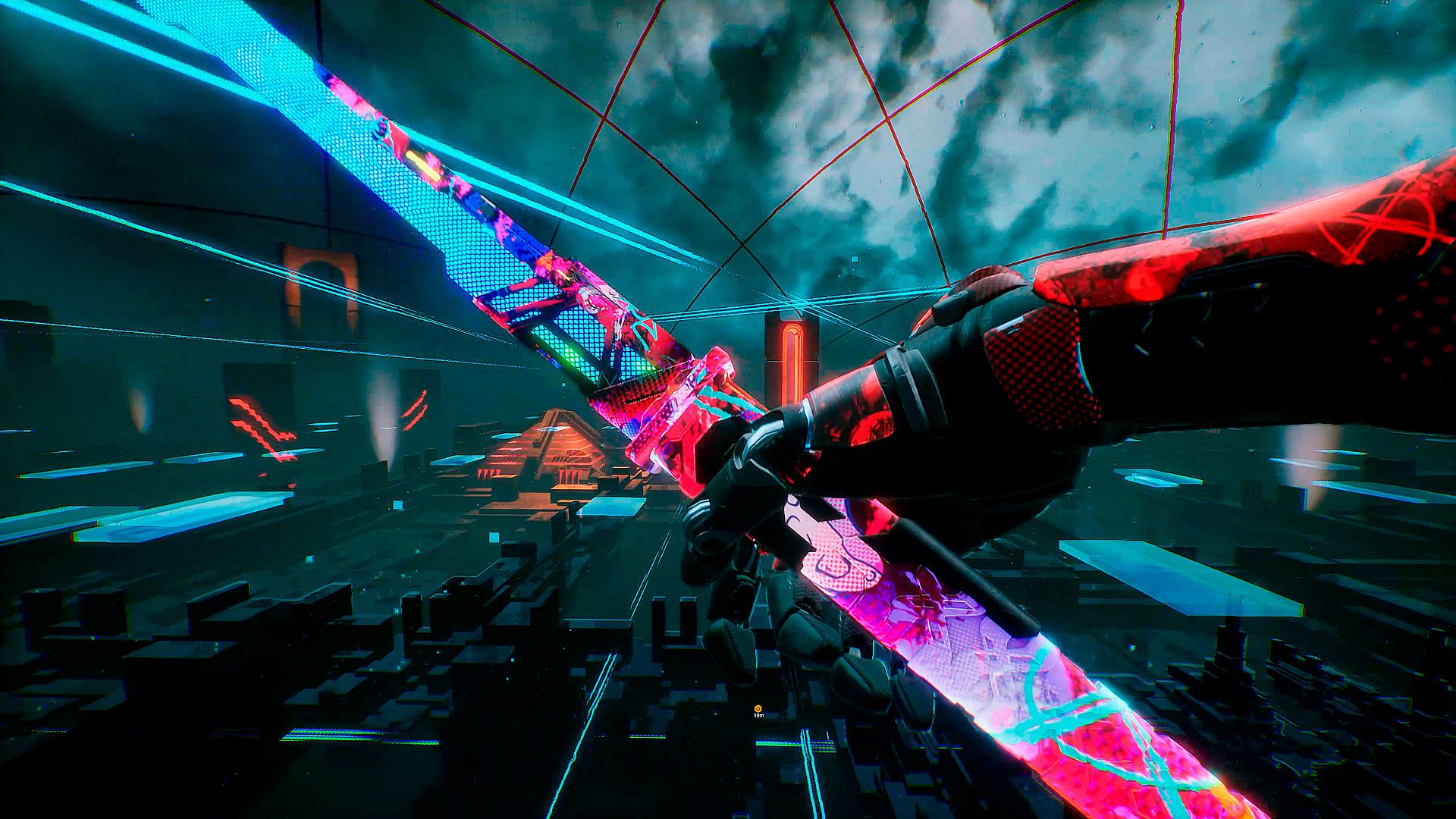
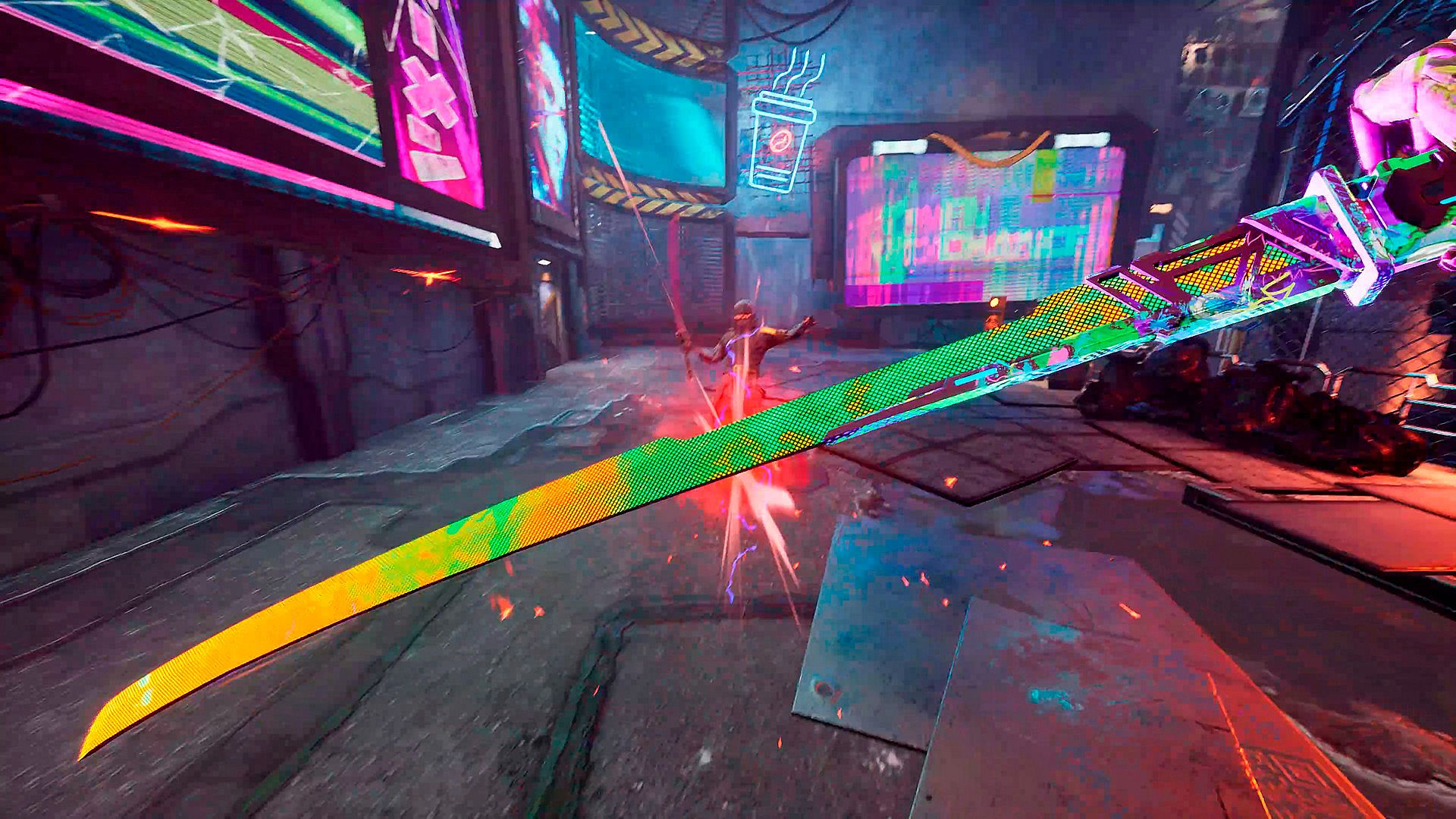
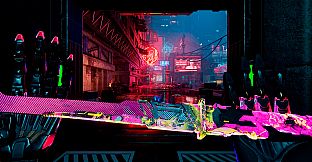
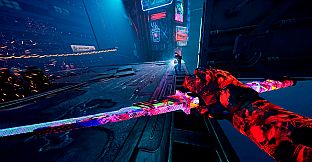
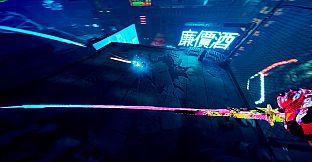
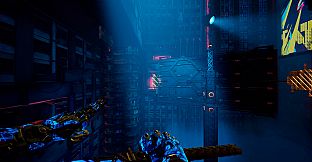
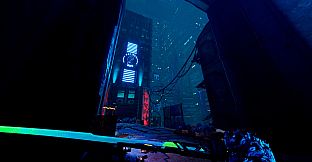
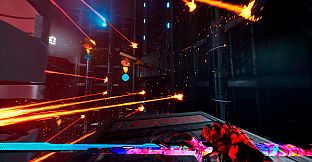
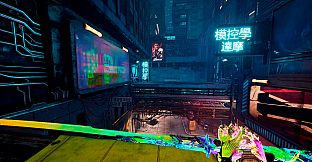
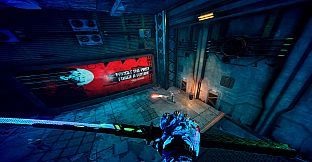
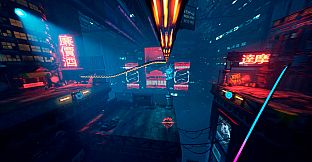
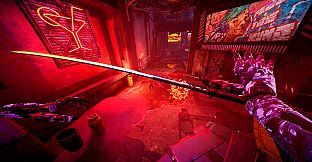
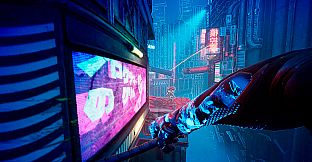
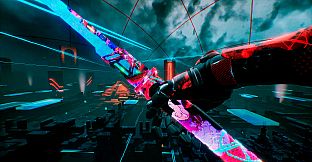
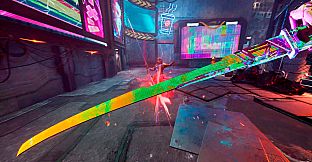
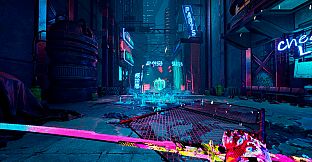
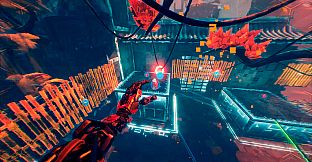
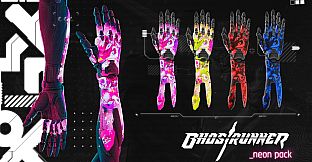
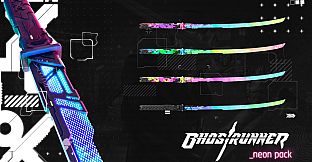
Ghostrunner è un action game in prima persona che fonde platforming di precisione e combattimenti adrenalinici in un'ambientazione cyberpunk. Il giocatore controlla Jack, un assassino cibernetico che scala la verticale di Dharma Tower, l'ultimo rifugio dell'umanità dopo un'apocalisse globale, nel tentativo di raggiungere il Keymaster.
Gameplay
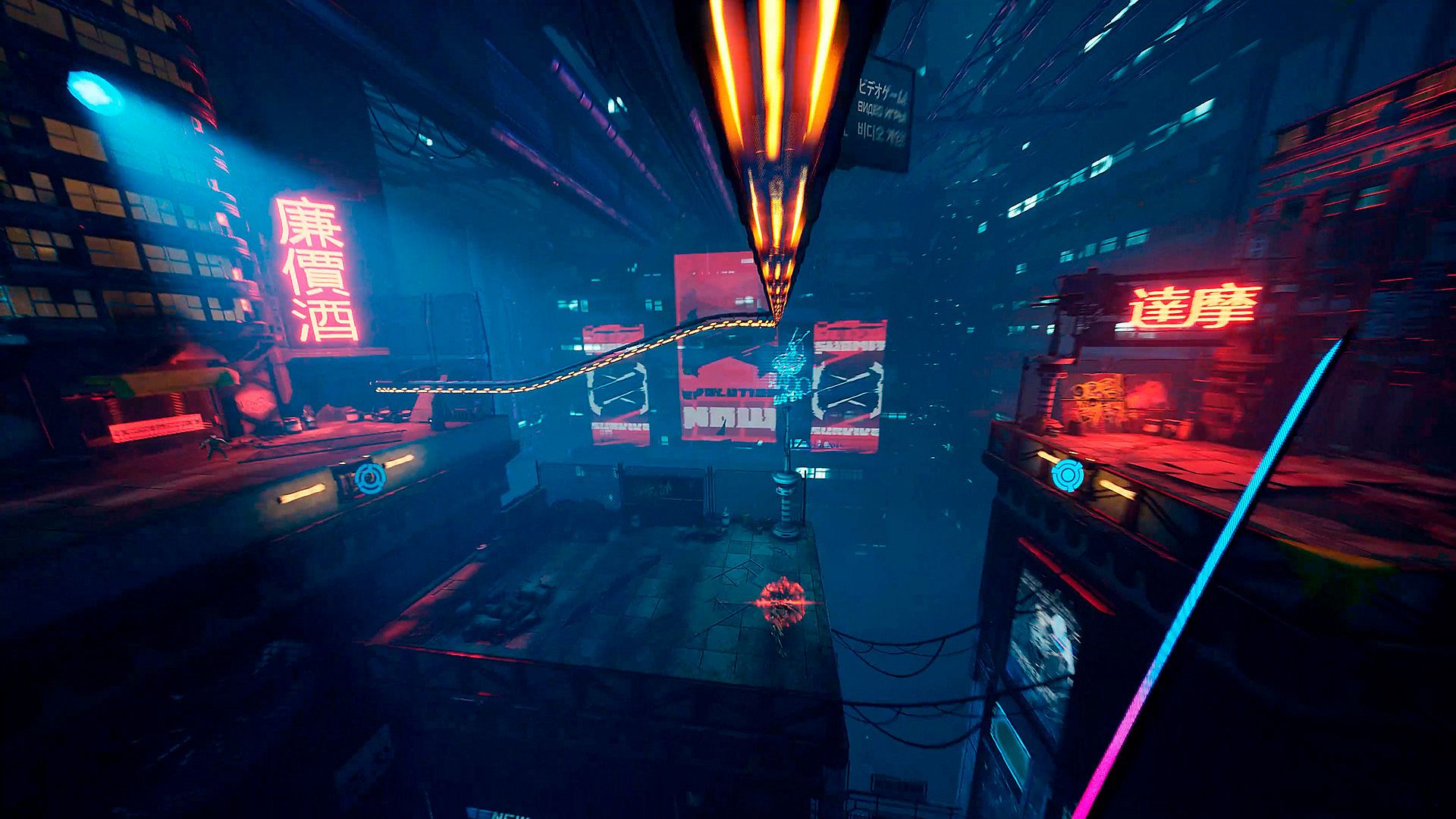
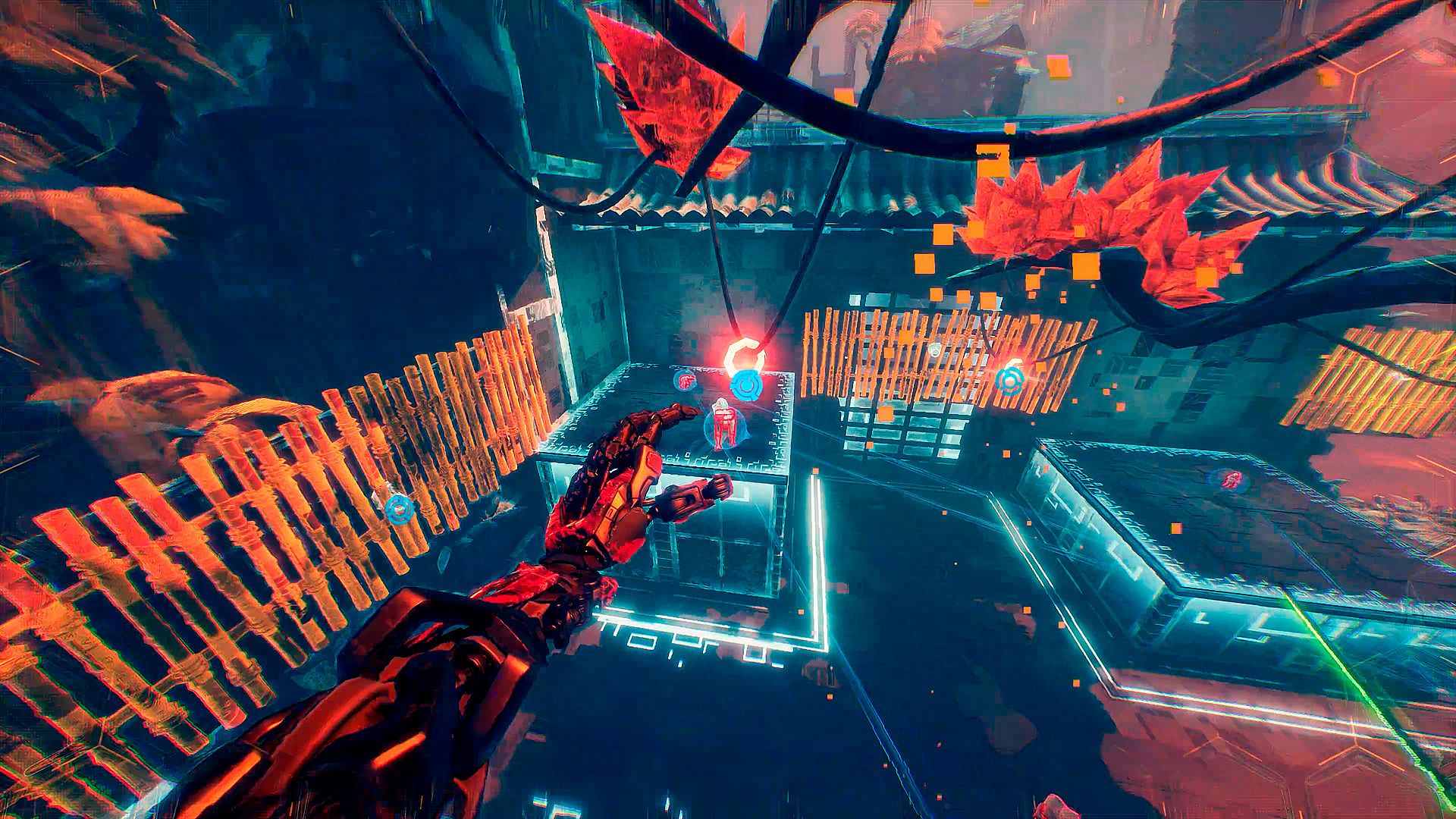
Il cuore del gioco è il movimento fluido e le decisioni istantanee. Jack può scattare in avanti, saltare tra le superfici, correre sui muri, usare il rampino per raggiungere punti lontani e scivolare sotto gli ostacoli. Queste azioni si concatenano per mantenere la velocità attraverso livelli lineari che premiano tempismo e accuratezza.
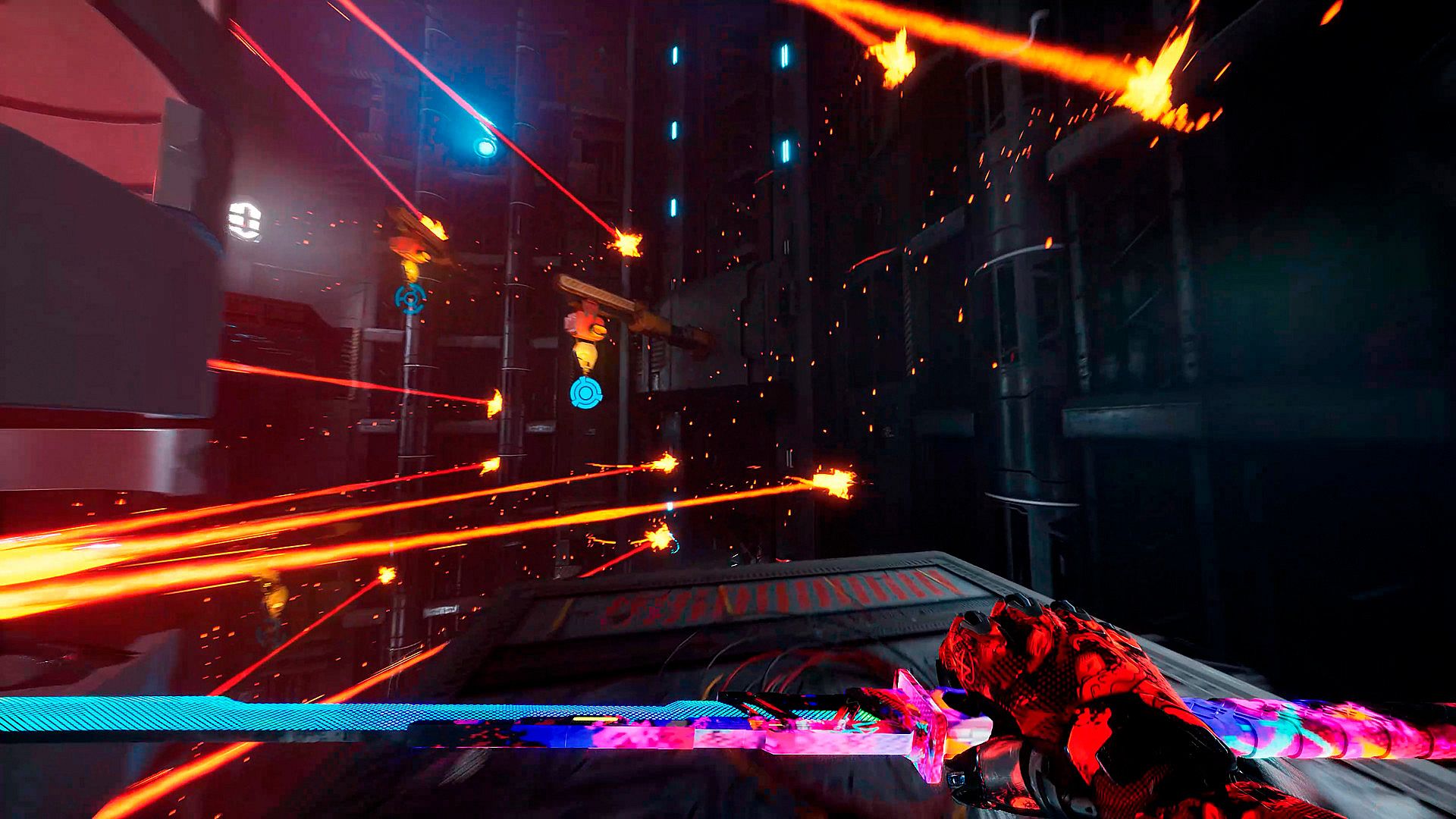
Il combattimento è integrato alla navigazione: sia il giocatore che la maggior parte dei nemici vengono eliminati con un solo colpo, quindi posizionamento e tempismo diventano fondamentali. Sensory Boost rallenta temporaneamente il tempo, permettendo schivate a mezz'aria e deviazioni di proiettili. Con l'avanzamento si sbloccano nuove abilità che si inseriscono in un sistema di potenziamenti a griglia, simile ai tetromini, per personalizzare il proprio stile.
I nemici presentano comportamenti diversi, da minacce fisse a unità mobili che pattugliano o tendono imboscate. I boss interrompono la campagna con schemi più complessi, mettendo alla prova la padronanza completa di movimento e combattimento. Il ciclo di gioco premia i tentativi ripetuti per ottimizzare i percorsi ed eliminare le minacce nel modo più efficiente possibile.
Modalità di gioco
La campagna principale propone una sequenza strutturata di livelli orientata alla cima della torre. Per aumentare la longevità sono disponibili altre modalità. Wave Mode sfida il giocatore ad affrontare ondate successive di nemici in arene, con potenziamenti casuali tra una ondata e l'altra.
Kill Run impone un limite di tempo per raggiungere l'obiettivo finale, con la possibilità di estendere il countdown eliminando nemici con precisione. Le opzioni di difficoltà comprendono la modalità standard, Hardcore per un'esperienza più severa e Assist, che permette di regolare parametri come la velocità o la tolleranza agli errori per adattarsi a diversi livelli di abilità.
Ambientazione e progressione
La storia si svolge all'interno di una megastruttura cupa, dove l'ascesa verticale è sia obiettivo concreto che tema centrale. I livelli integrano pericoli ambientali che interagiscono con i sistemi di movimento, costringendo a modificare i percorsi in tempo reale. Durante la campagna si ottengono nuovi strumenti che ampliano le opzioni tattiche senza cambiare la letalità a un colpo.
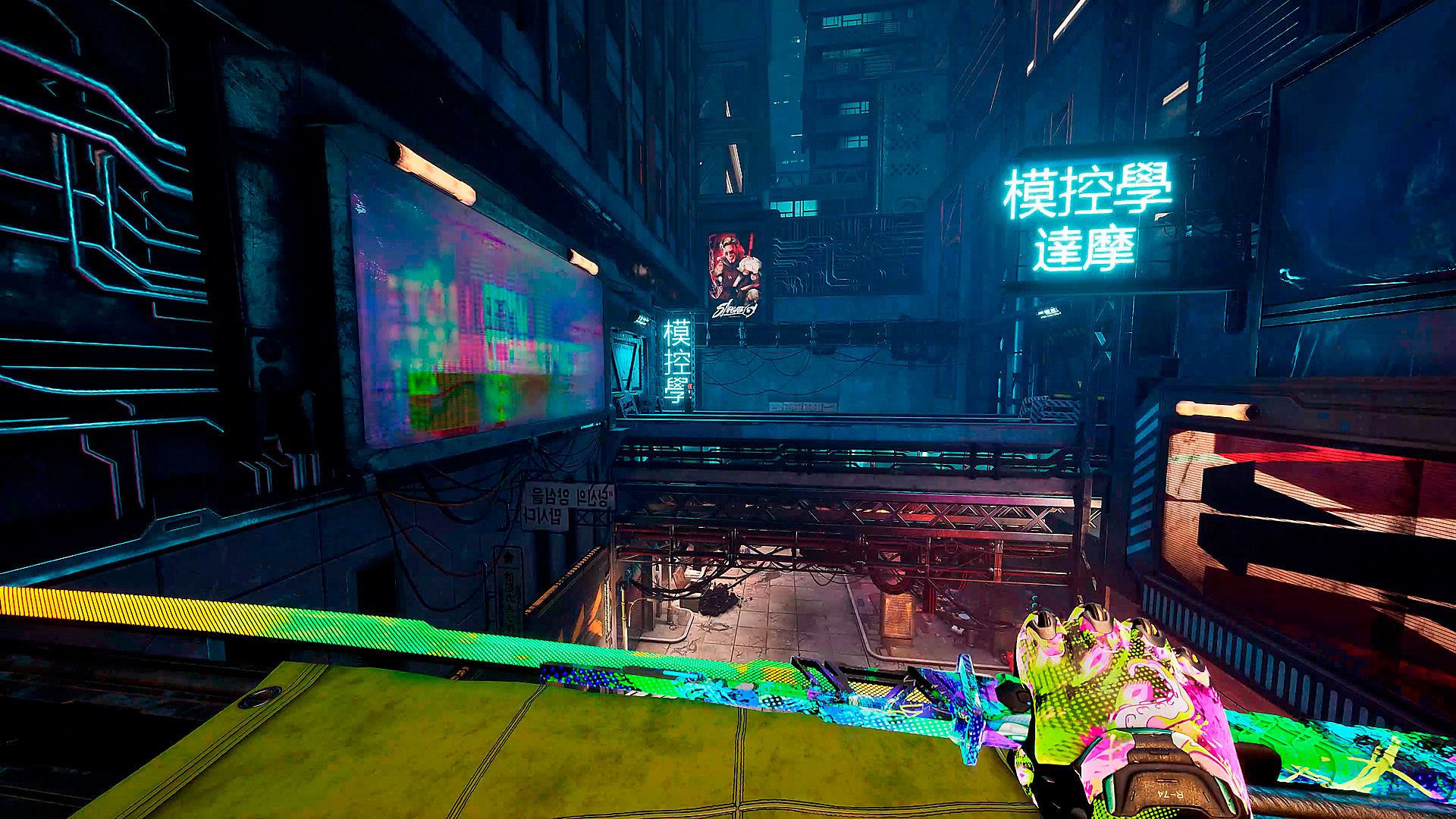
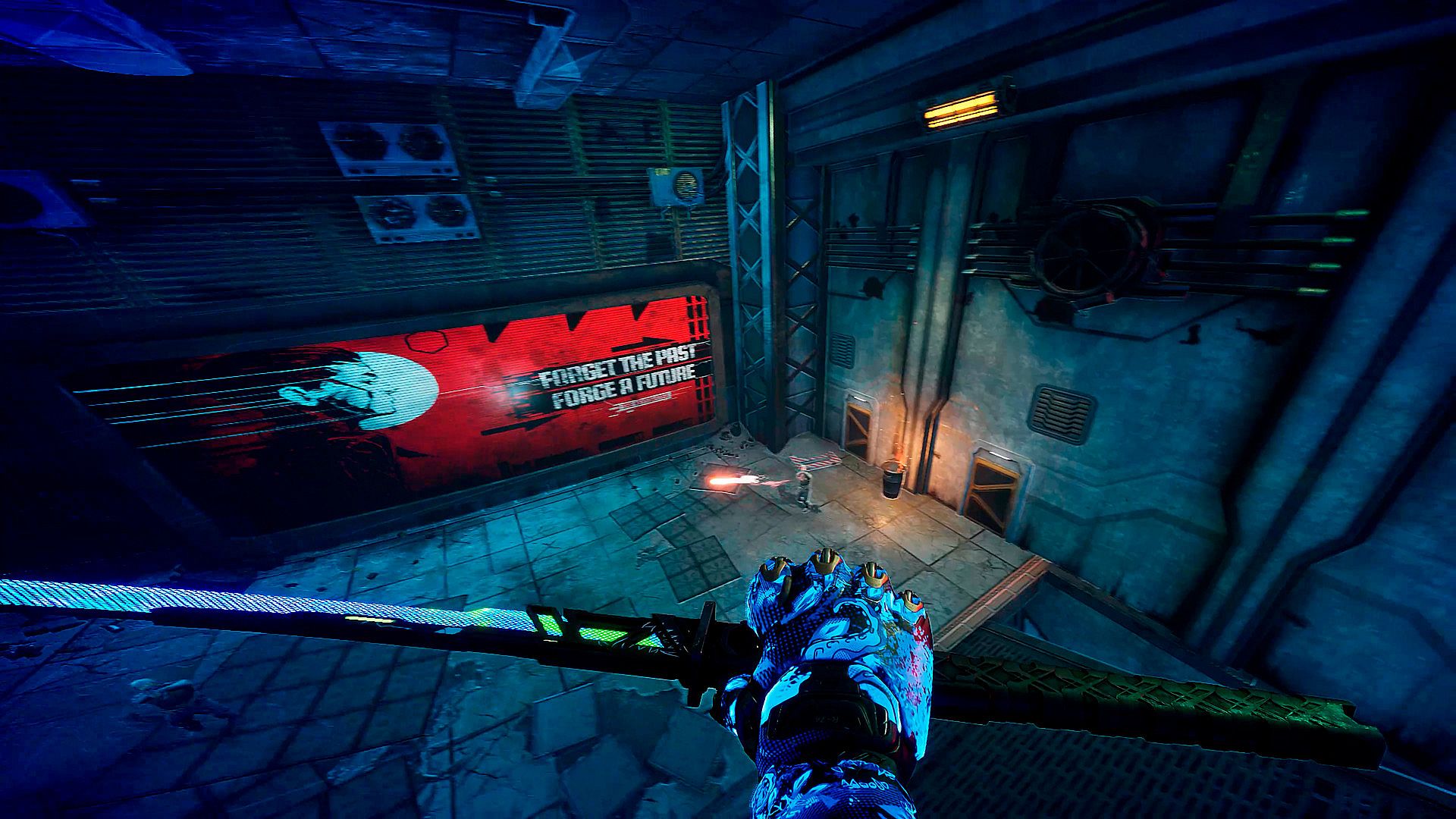
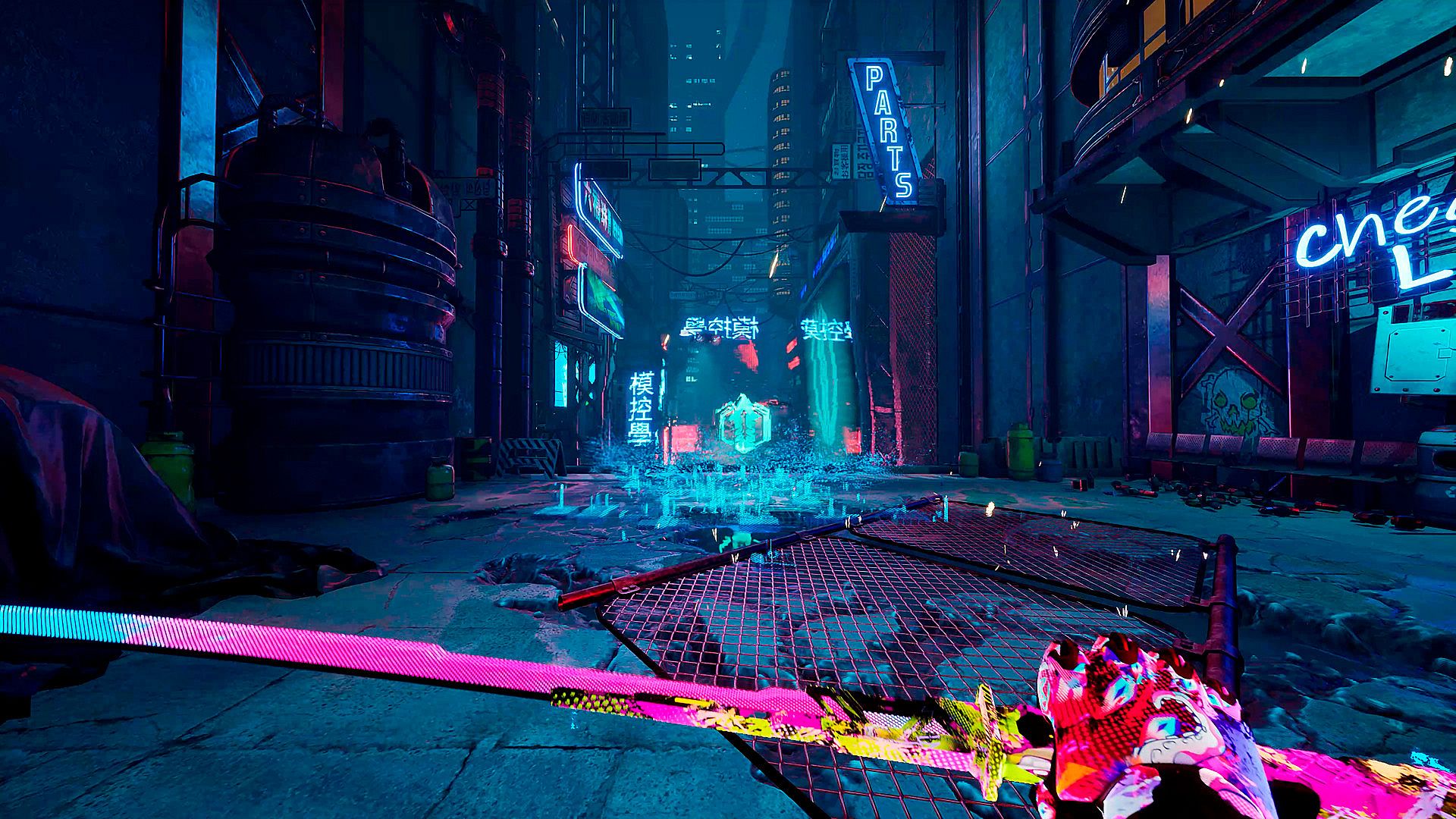
Il design visivo punta su corridoi illuminati al neon e degrado industriale, accompagnati da una colonna sonora elettronica che enfatizza il ritmo serrato. Ogni sezione costruisce sulle meccaniche precedenti, aumentando gradualmente la complessità e ricompensando la familiarità con i comandi.
Vale la pena giocarci?
Ghostrunner è ideale per chi cerca action platformer ad alta precisione con una curva di apprendimento impegnativa e un senso di padronanza gratificante. L'enfasi su velocità, combattimento letale e concatenazione di movimenti crea un'esperienza concentrata, distinta dai titoli più lenti del genere. Chi apprezza campagne singleplayer sfidanti con feedback immediati troverà il ciclo di gioco coinvolgente anche dopo più partite.
Aggiornamenti successivi hanno aggiunto modalità come Wave Mode per estendere la longevità dopo il completamento della storia. La critica ha lodato la sensazione viscerale di movimento e combattimento, pur segnalando che la difficoltà può frustrare chi non è abituato a ripetere spesso i livelli. Resta una scelta solida per gli appassionati di estetica cyberpunk unita a meccaniche severe che valorizzano l'abilità rispetto alla gestione di risorse o all'esplorazione libera.