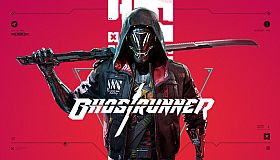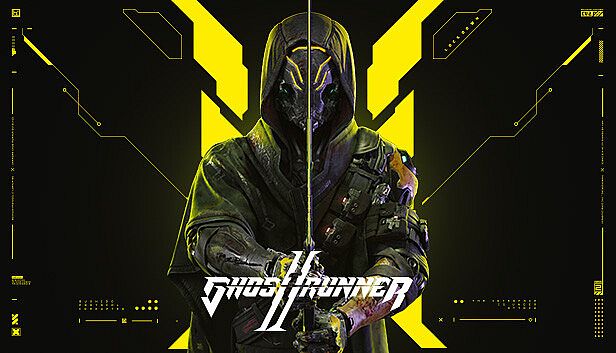































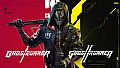
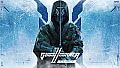
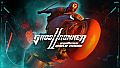
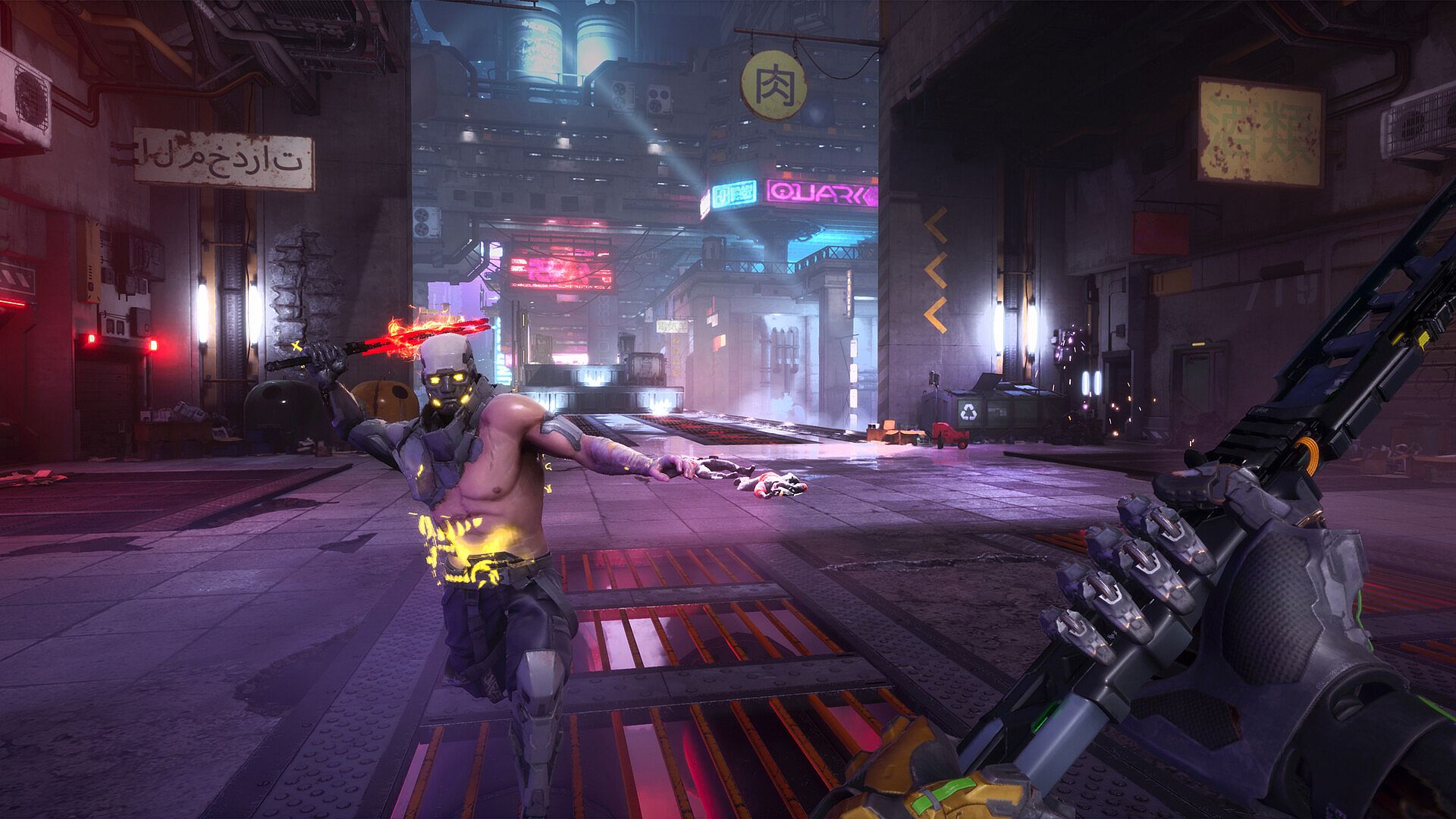
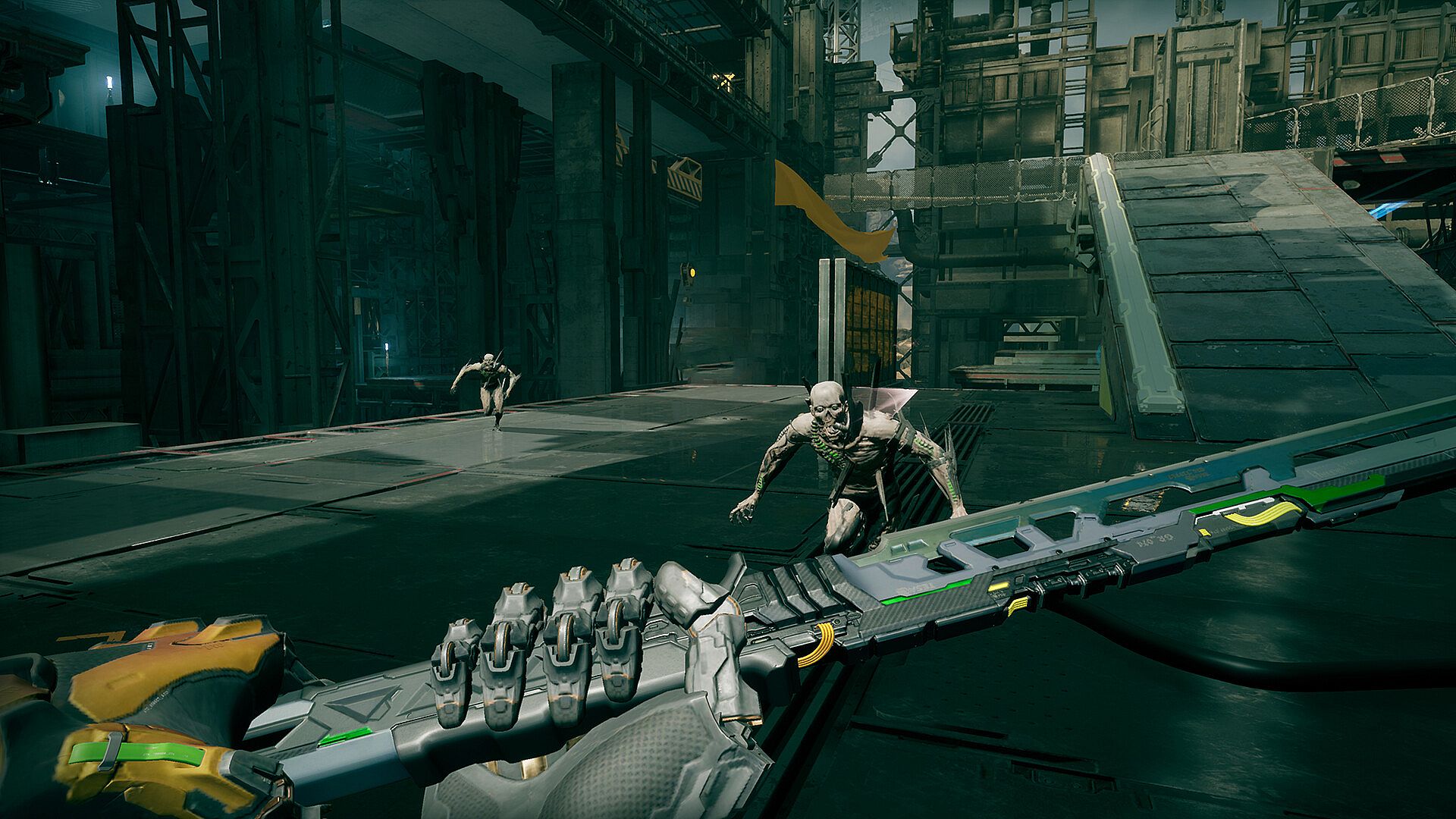
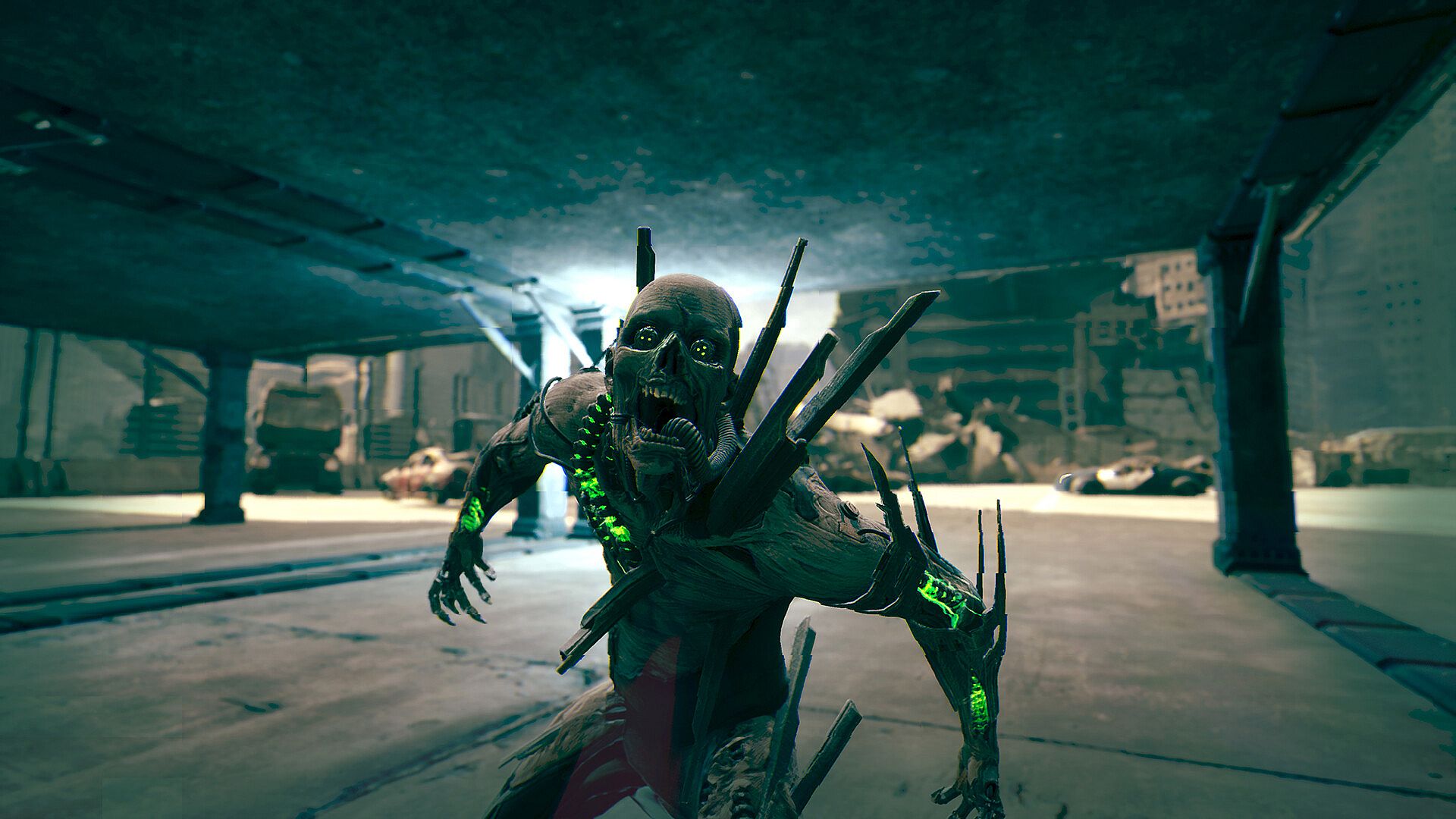
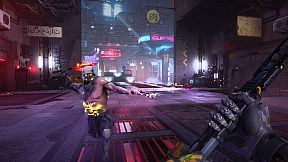
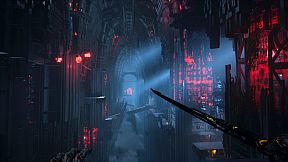
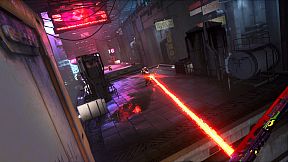
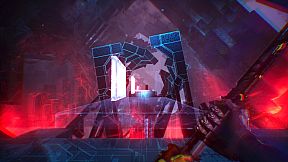
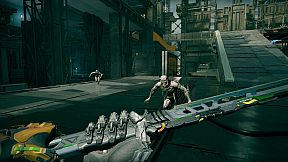
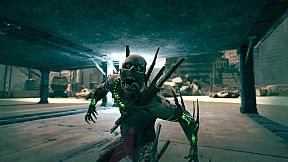
Ghostrunner 2 è un action platform in prima persona che mette il giocatore al comando di Jack, un ninja cibernetico in un mondo cyberpunk post-apocalittico. La storia riprende un anno dopo gli eventi del primo capitolo: Jack deve affrontare una setta violenta di IA che si è formata oltre le mura della Dharma Tower. Il combattimento si basa su fendenti precisi con la katana, movimenti rapidi e interazioni ambientali, in livelli che alternano percorsi lineari a spazi dove è possibile pianificare il proprio tragitto.
Gameplay
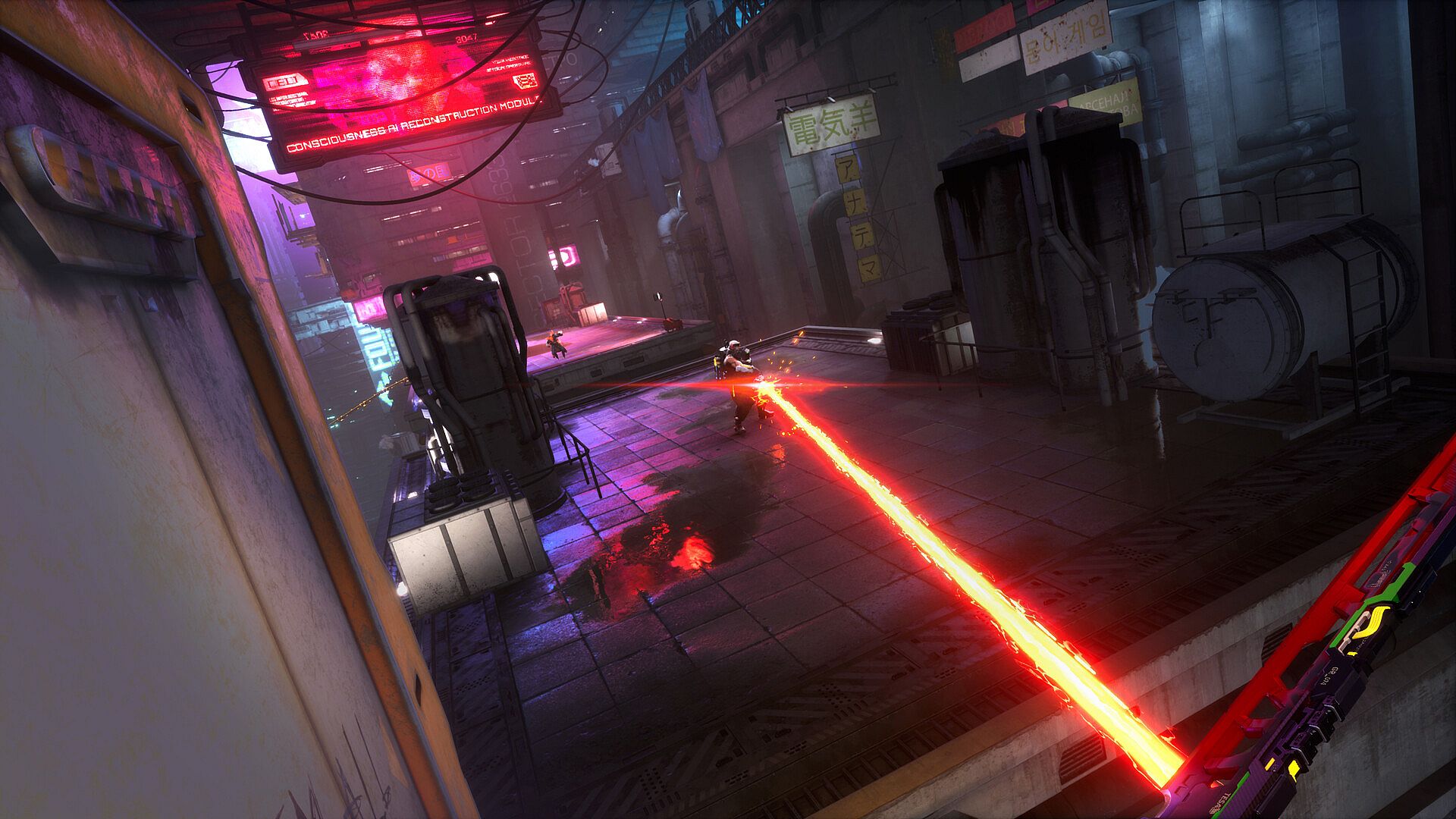
Il ciclo di gioco ruota attorno a spostamenti ad alta velocità e combattimenti letali al primo colpo. Jack può scattare, correre sui muri, scivolare e usare un rampino per muoversi in ambienti verticali, mentre il Sensory Boost rallenta brevemente il tempo per schivare e colpire con maggiore precisione. Una barra di stamina limita l'uso continuo di scatti e parate, introducendo un elemento di gestione delle risorse all'interno del ritmo frenetico. Tra le nuove abilità spicca il lancio di shuriken, utili per stordire i nemici o attivare interruttori lontani, integrandosi sia nelle sequenze di combattimento che in quelle più orientate alla navigazione.
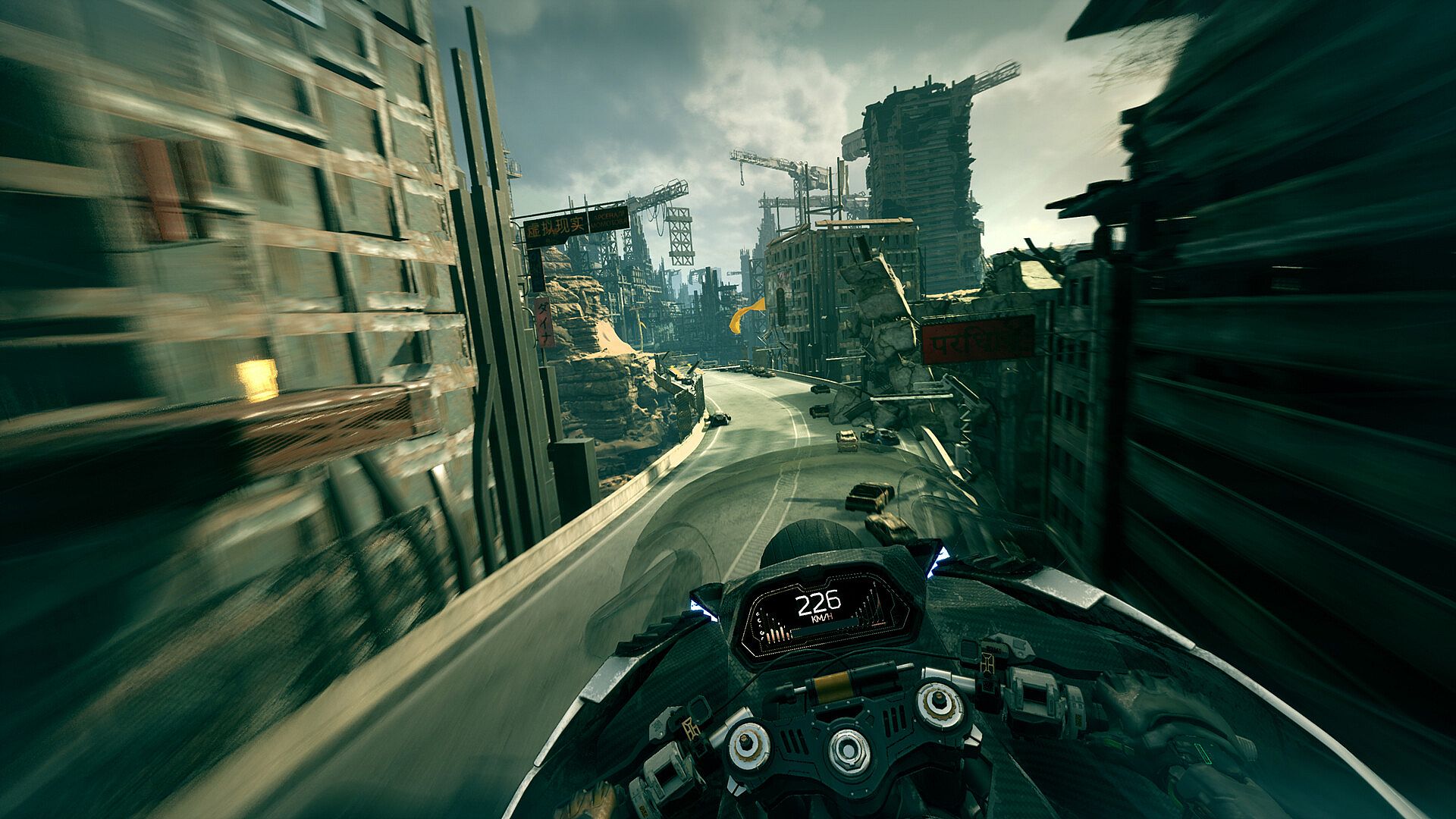
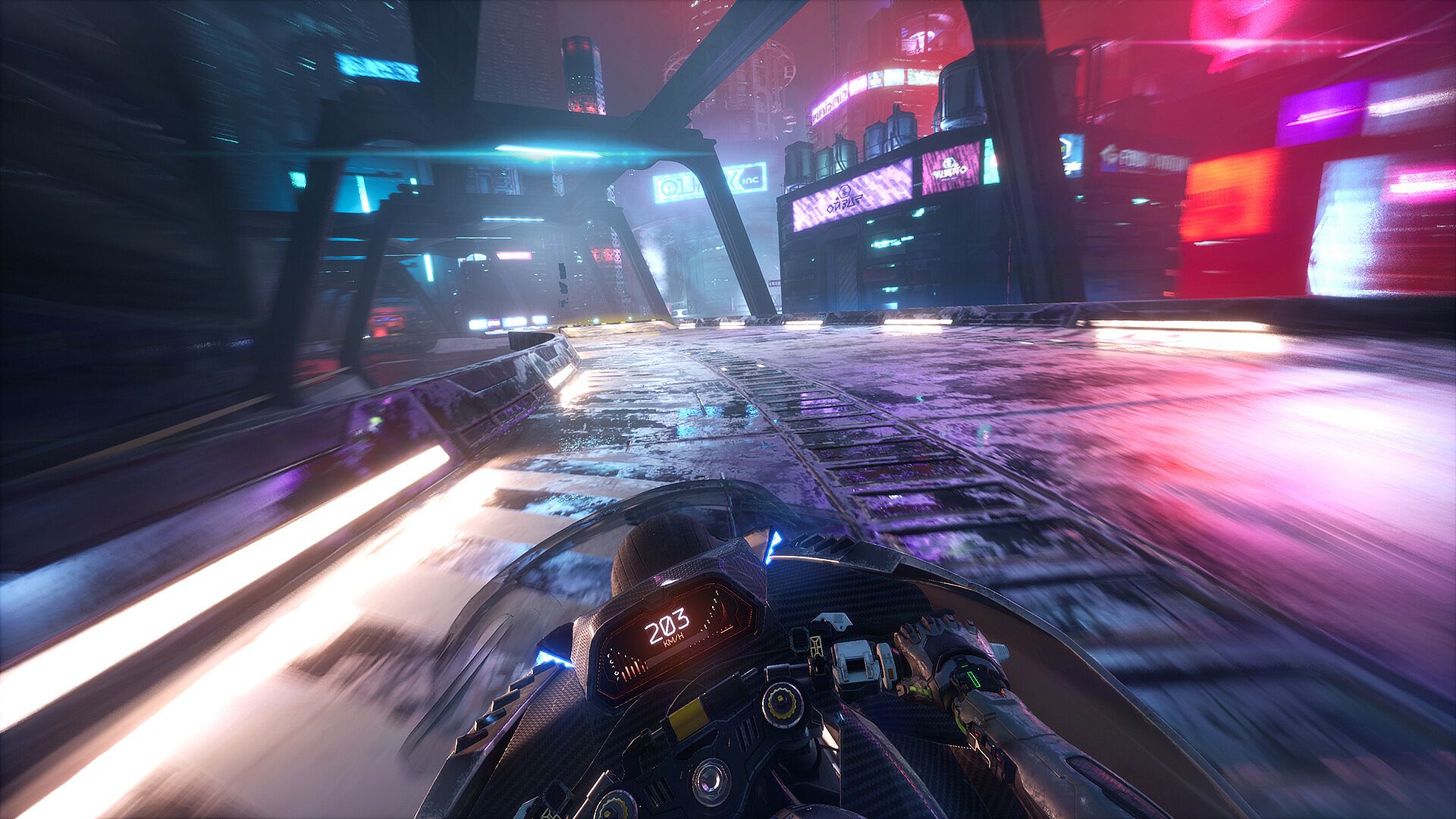
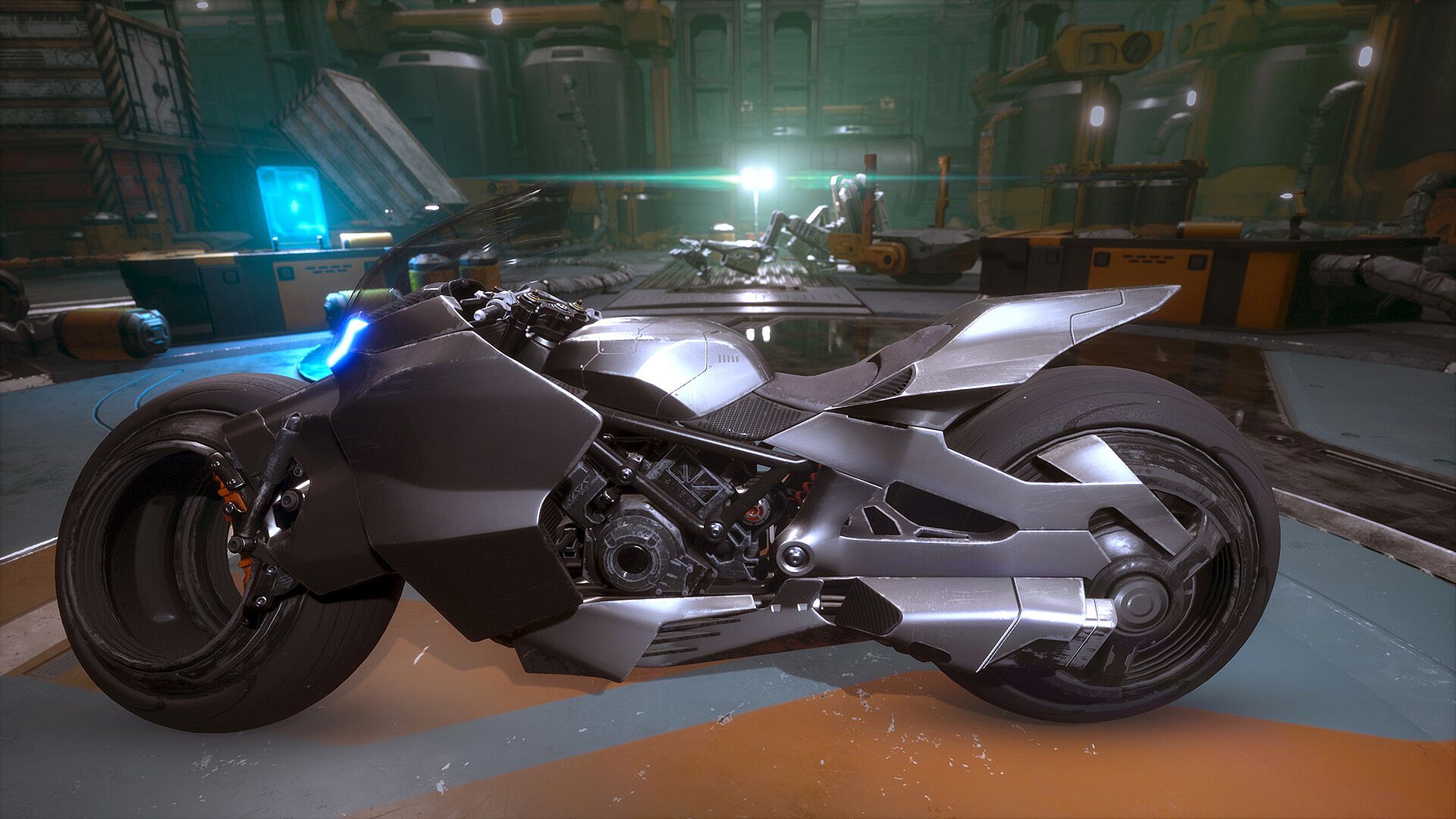
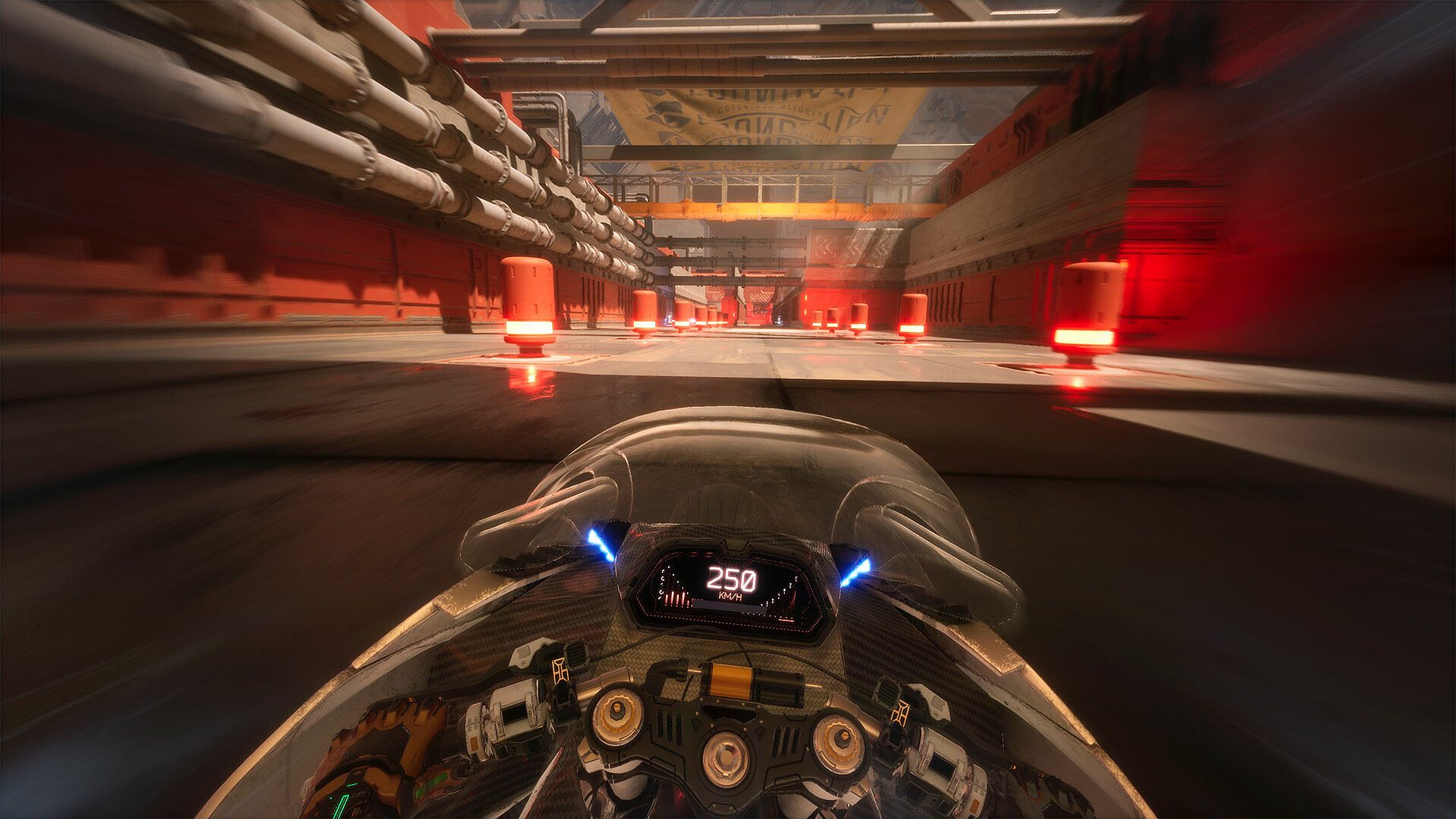
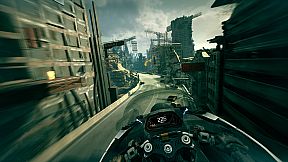
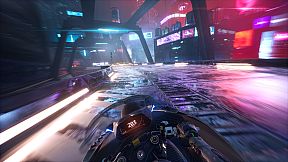
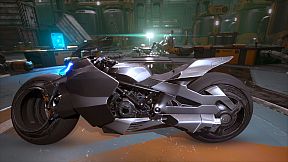
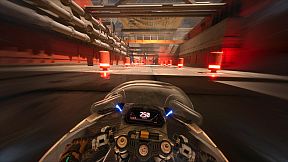
Il sistema di progressione è stato ripensato intorno a un hub centrale, dove è possibile acquistare potenziamenti e combinare diverse abilità. I nemici reagiscono in modo diverso a seconda delle tecniche utilizzate, spingendo il giocatore a variare l'approccio negli scontri. Le sezioni in moto introducono un nuovo tipo di movimento con combattimento e schivata degli ostacoli, ampliando l'azione verso livelli più ampi e aperti. Oggetti interattivi come barili esplosivi e muri distruttibili offrono ulteriori opzioni tattiche durante i combattimenti.
Gli scontri con i boss lasciano spazio a strategie di sopravvivenza multiple, anziché basarsi su schemi fissi. Il titolo mantiene l'elevata richiesta di precisione del predecessore, ma introduce opzioni di accessibilità come il blocco attivo, pensato per chi si sta abituando al sistema di movimento.
Modalità di gioco
L'esperienza principale è una campagna single-player che alterna livelli guidati dalla storia a momenti di esplorazione oltre la Dharma Tower. Roguerunner.exe è una modalità roguelite opzionale incentrata esclusivamente su sfide di combattimento all'interno dell'hub. La Hardcore Mode rimuove alcuni aiuti per aumentare la difficoltà, mentre Endless Moto Mode propone run continue in moto che mettono alla prova il controllo e i tempi di reazione.
Queste modalità favoriscono il replay grazie all'enfasi sulla padronanza del movimento e dei tempi di utilizzo delle abilità. La campagna presenta inoltre elementi non lineari in diverse fasi, permettendo di scegliere percorsi alternativi prima di affrontare gruppi di nemici.
Mondo e atmosfera
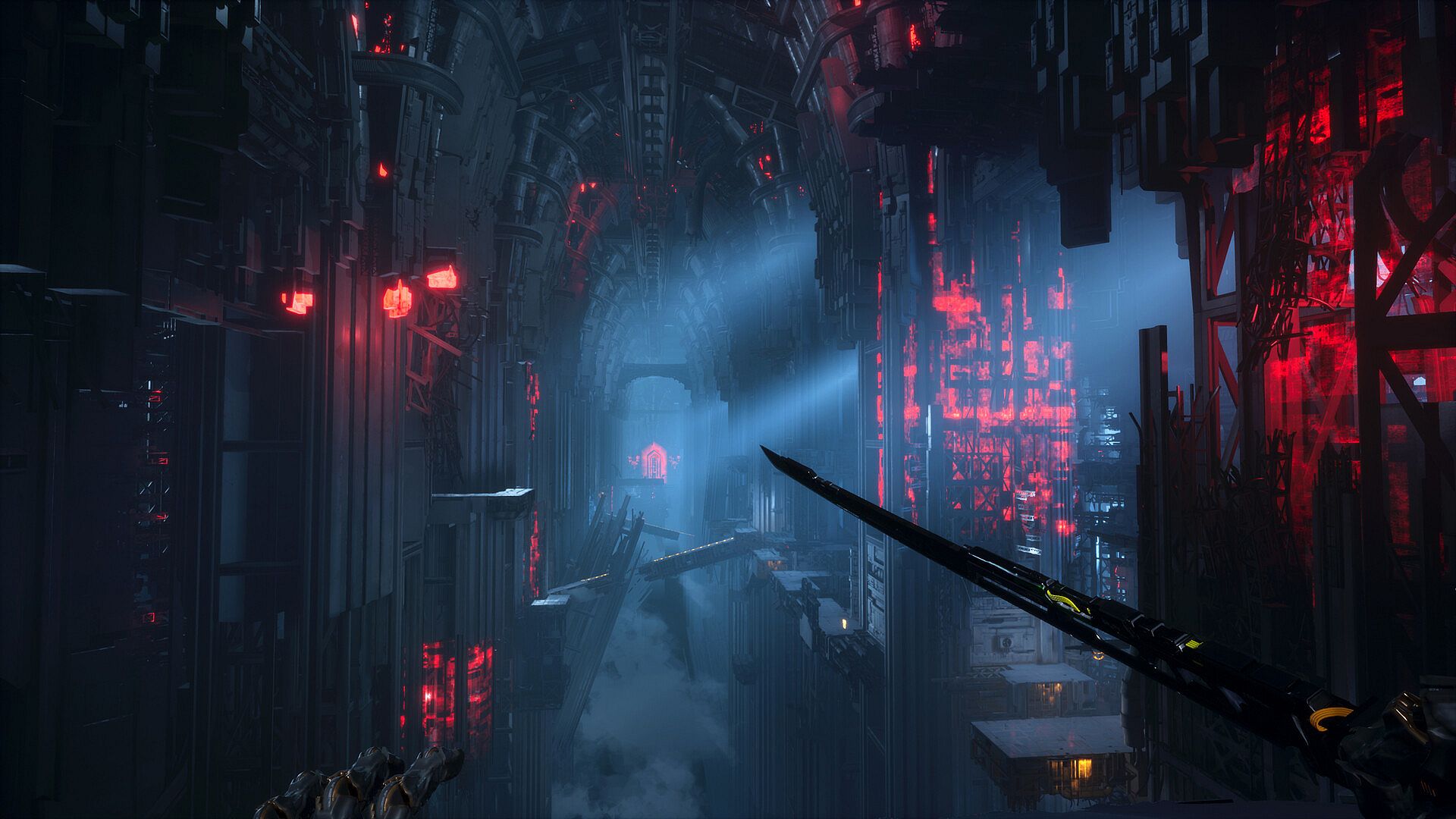
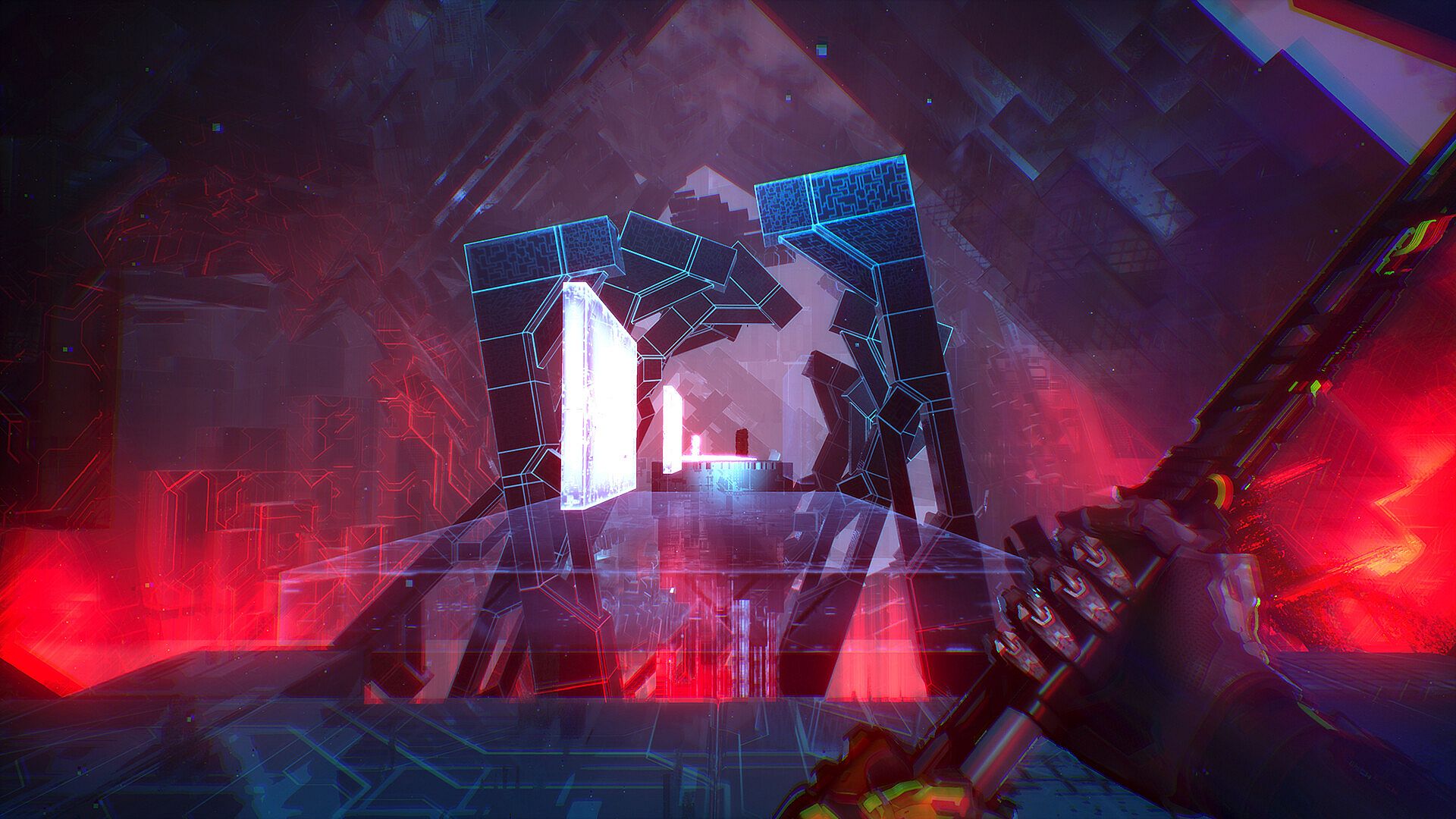
I livelli si estendono oltre la torre originale, arrivando in zone urbane in rovina controllate dalla setta di IA. Il racconto ambientale si sviluppa attraverso entità neutrali interattive e scenari distruttibili che svelano nuovi percorsi o pericoli. Un nuovo sistema di dialoghi amplia le interazioni tra i personaggi e i dettagli di sfondo senza interrompere l'azione. La colonna sonora synthwave, con contributi di artisti come Daniel Deluxe e Gost, accompagna il ritmo incalzante con tracce elettroniche stratificate che si intensificano nei momenti più concitati.
Vale la pena giocarci?
Ghostrunner 2 è pensato per chi cerca un'azione in prima persona esigente, che premia tempismo, consapevolezza spaziale e decisioni rapide. La progressione rivista e l'aggiunta delle sezioni in moto offrono varietà senza rinunciare alla letalità al primo colpo che caratterizza la serie. Contenuti post-lancio come Hardcore Mode ed Endless Moto Mode allungano la longevità per chi cerca sfide extra dopo aver completato la campagna.
La critica ha sottolineato i miglioramenti in termini di rifinitura e ampiezza rispetto al primo capitolo, soprattutto per l'integrazione dei nuovi sistemi con il movimento e il combattimento consolidati. Le recensioni evidenziano la gratificazione derivante dalle run riuscite e la chiarezza visiva durante le sequenze ad alta velocità. Per chi apprezza il platforming preciso unito al combattimento ravvicinato in un contesto cyberpunk, il gioco offre un'esperienza mirata e ricca di replayability su PC.