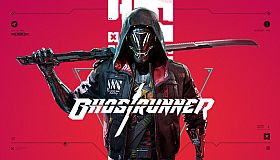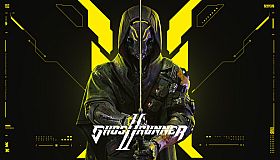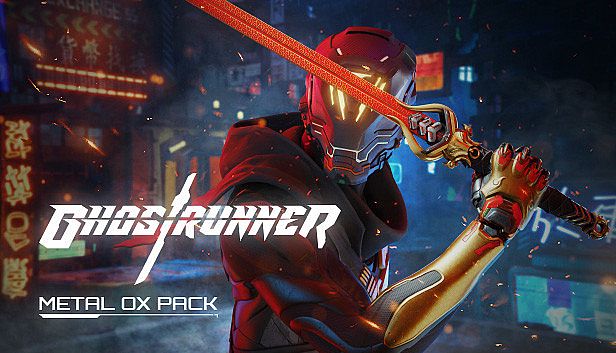










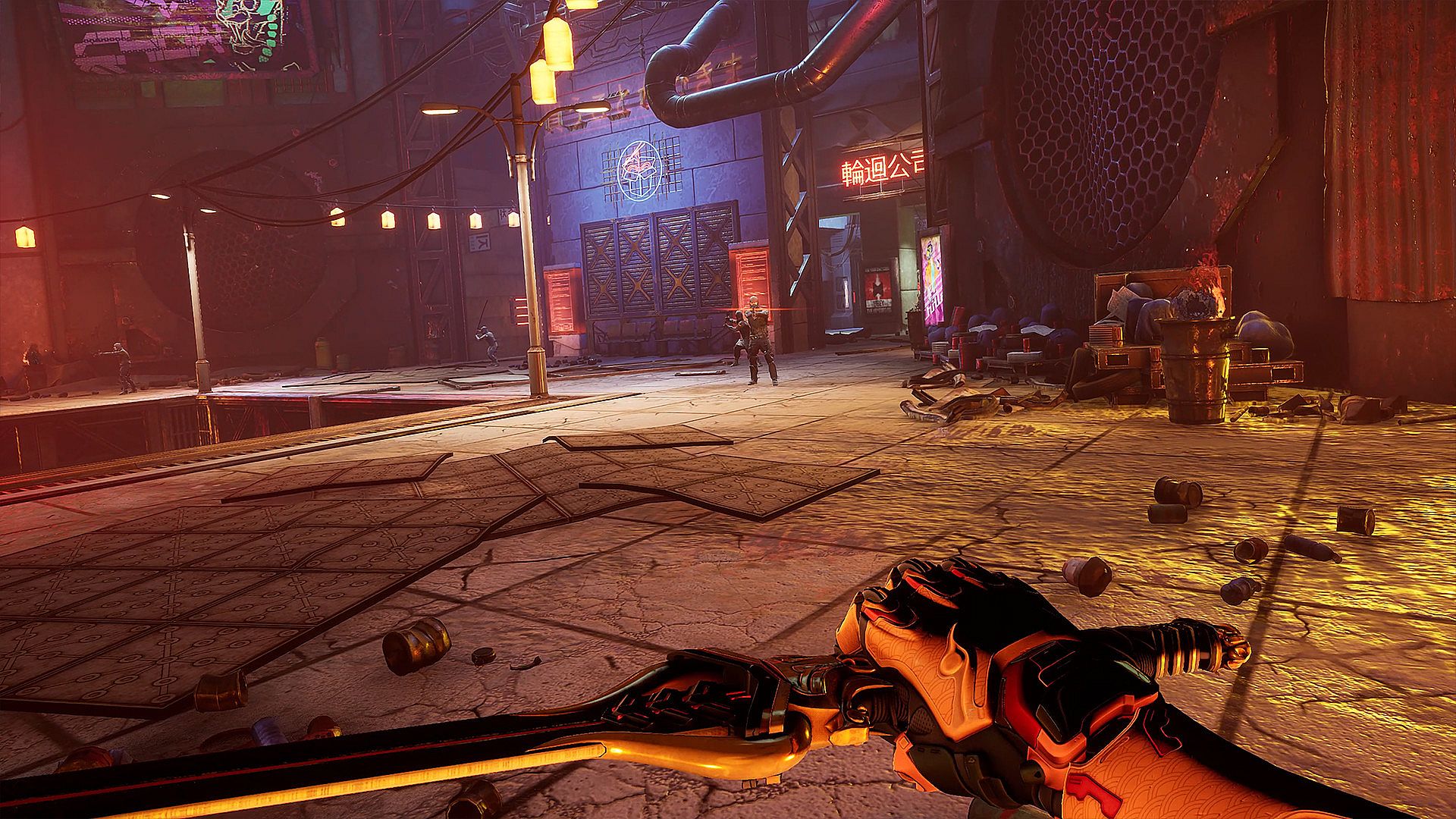
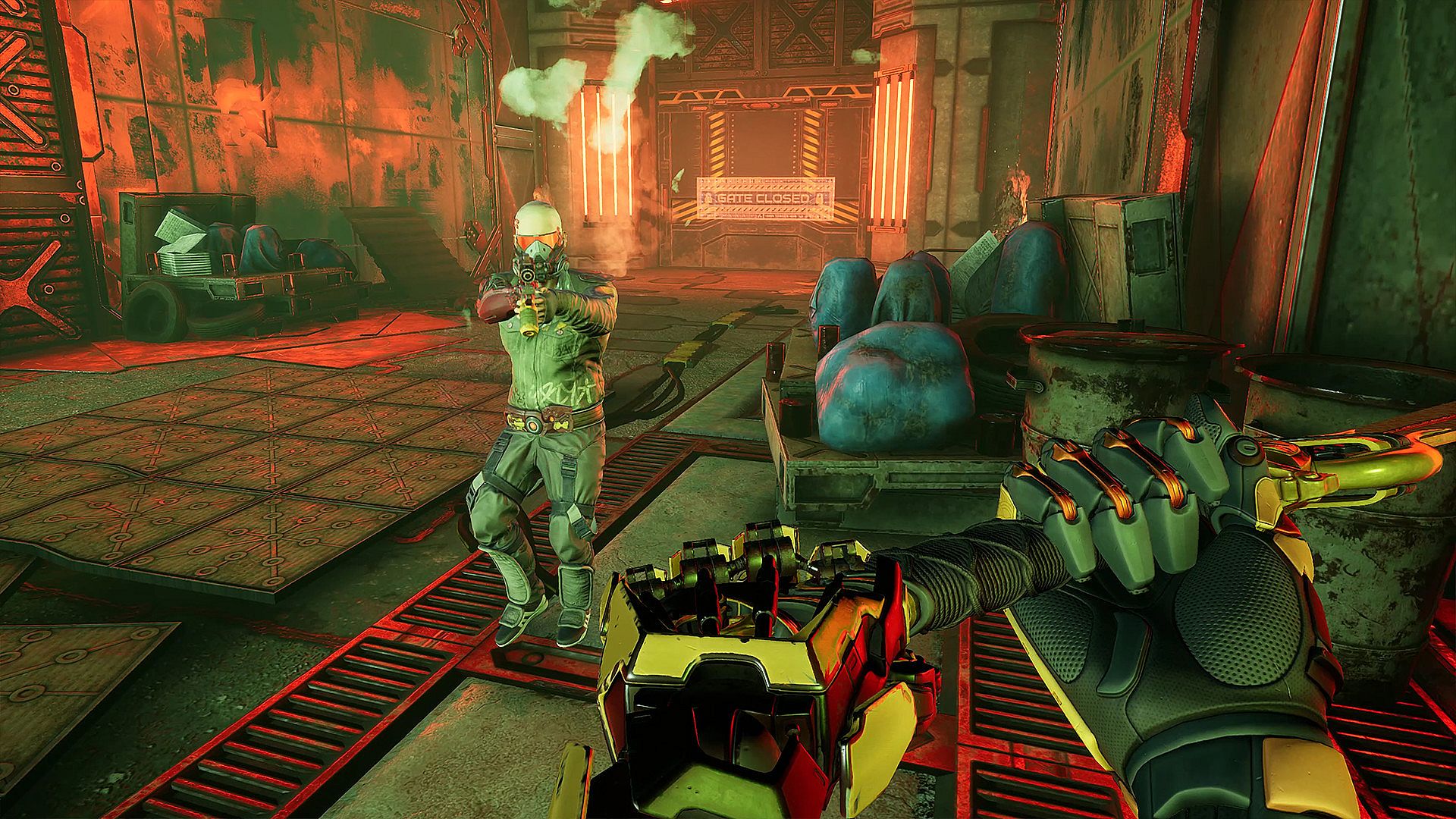
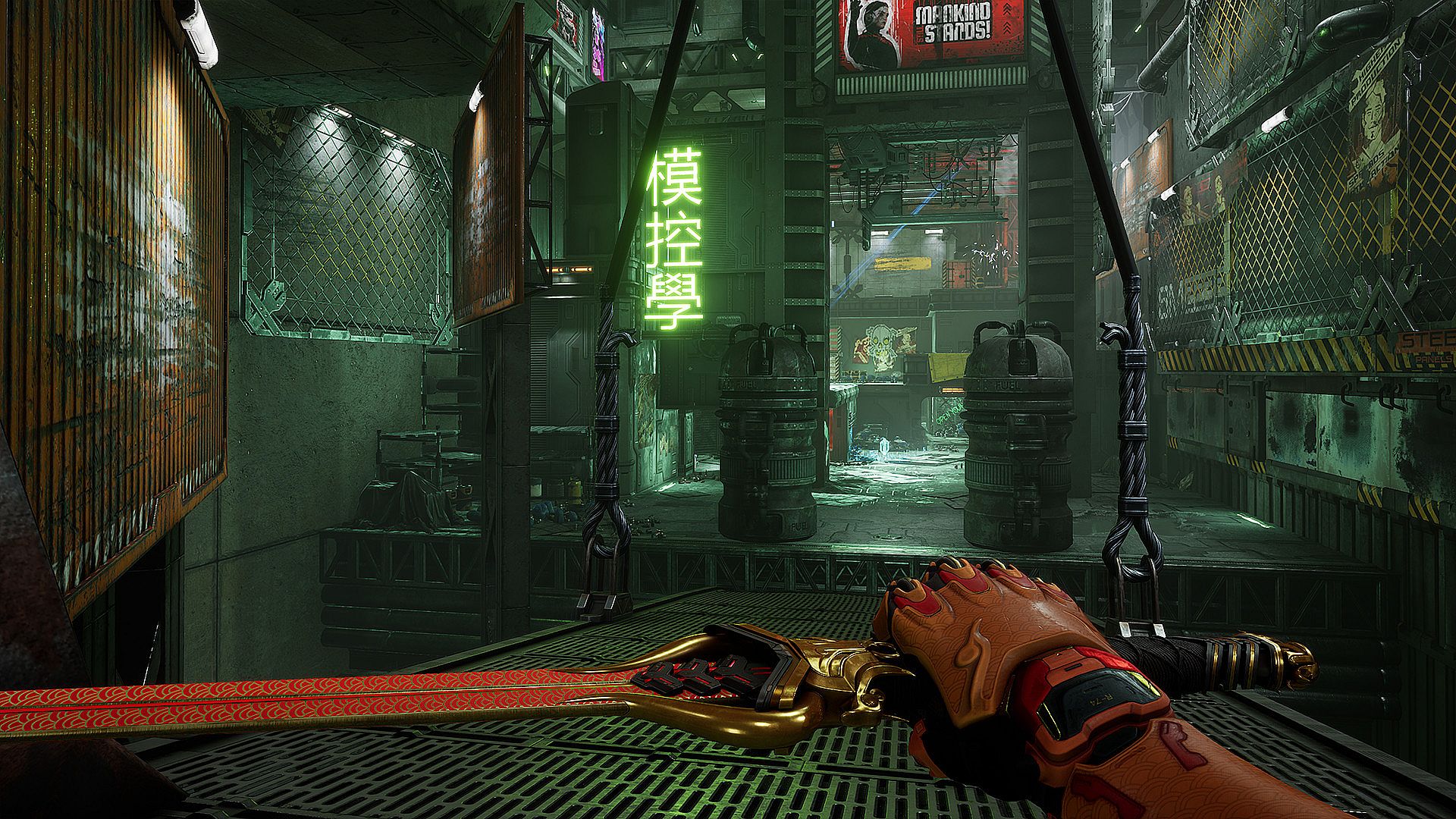
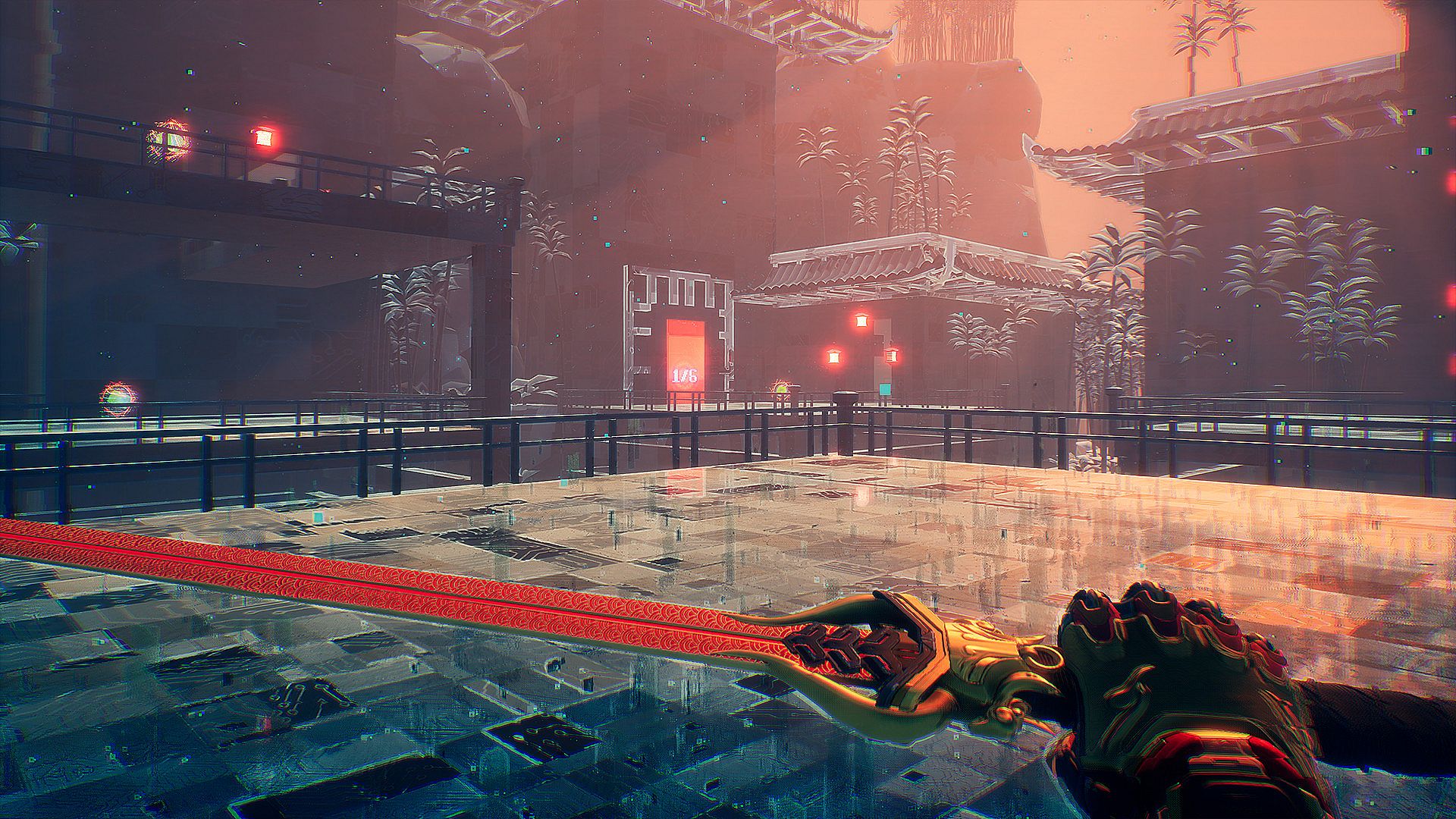
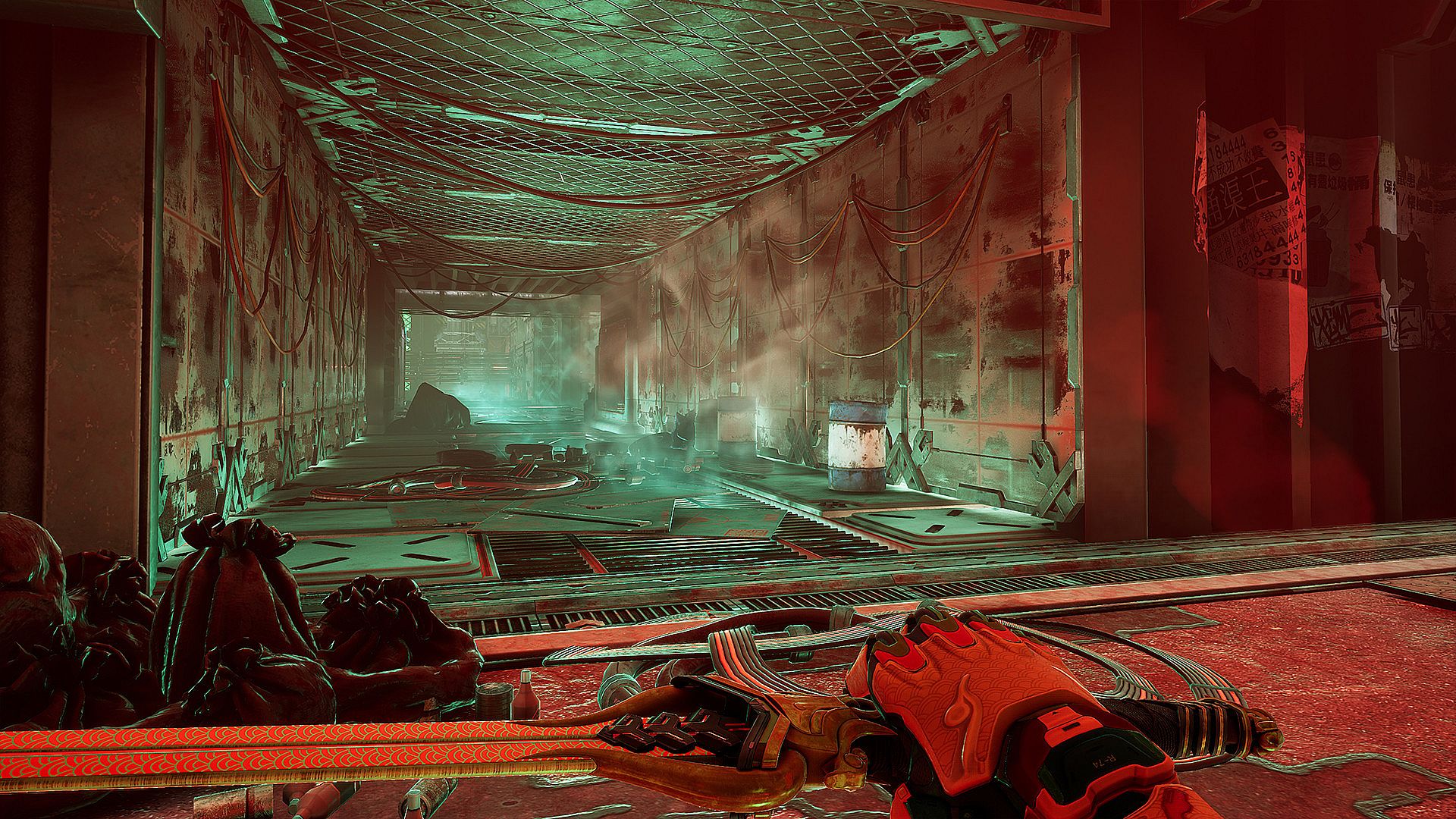
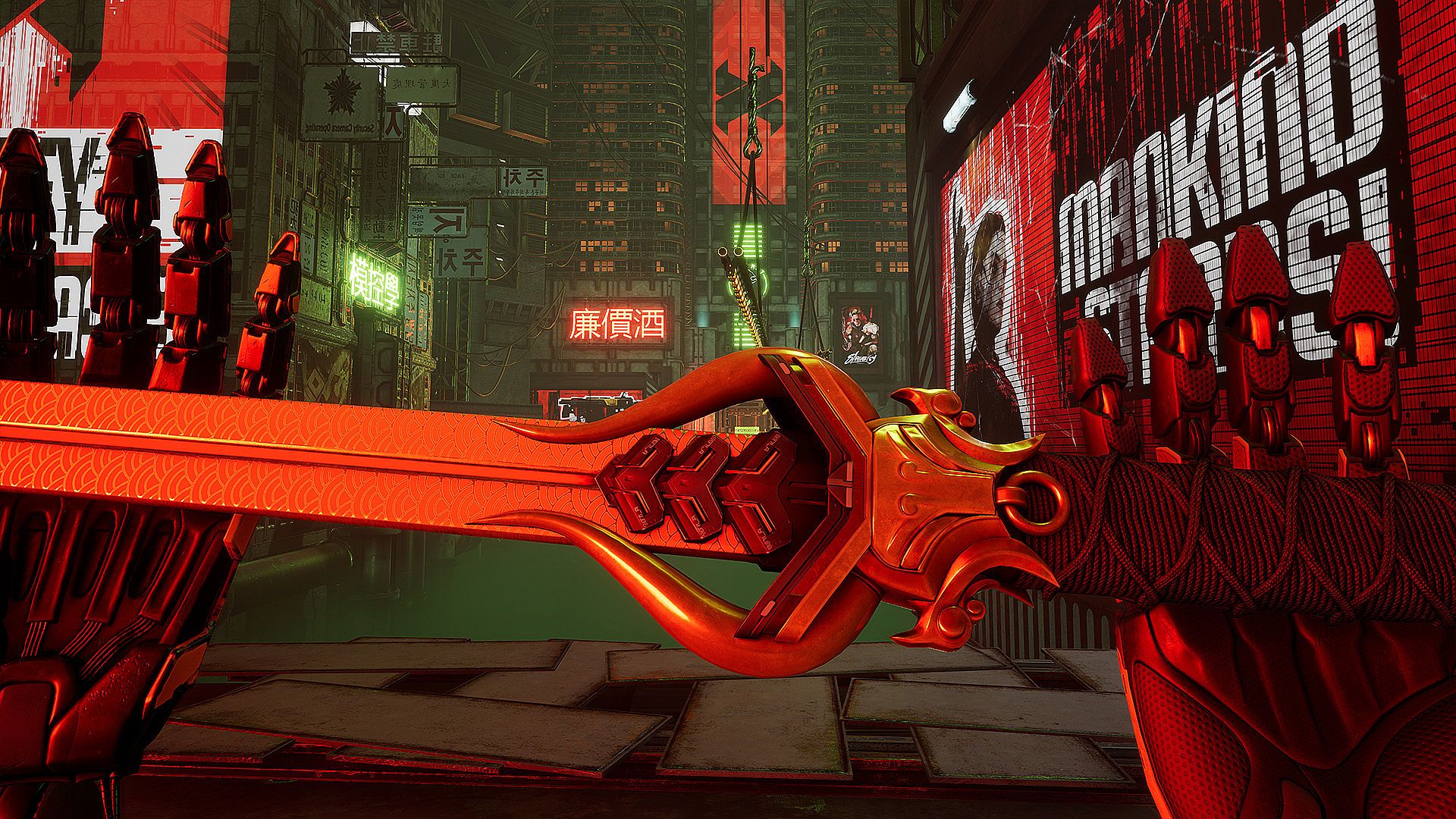
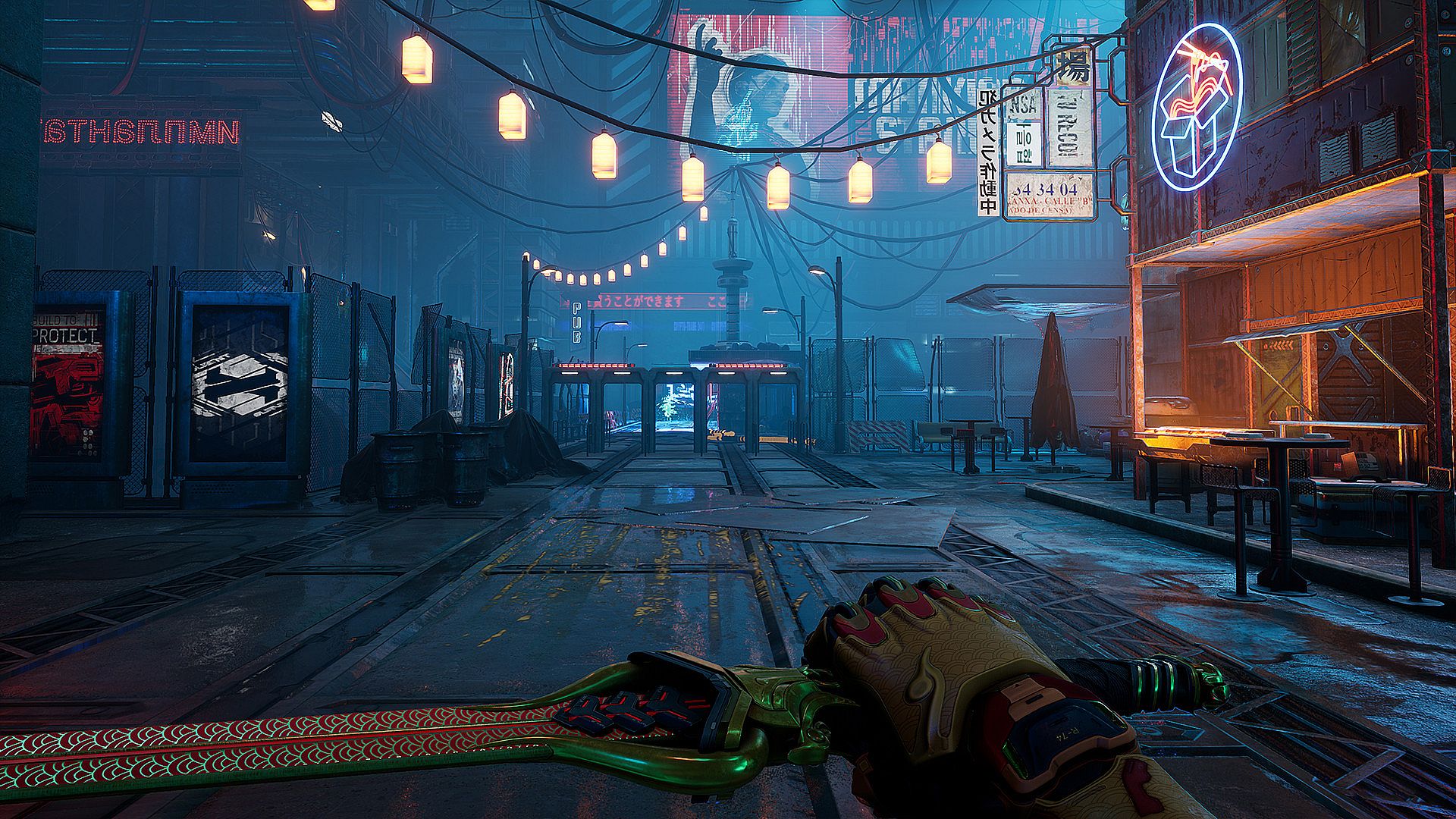
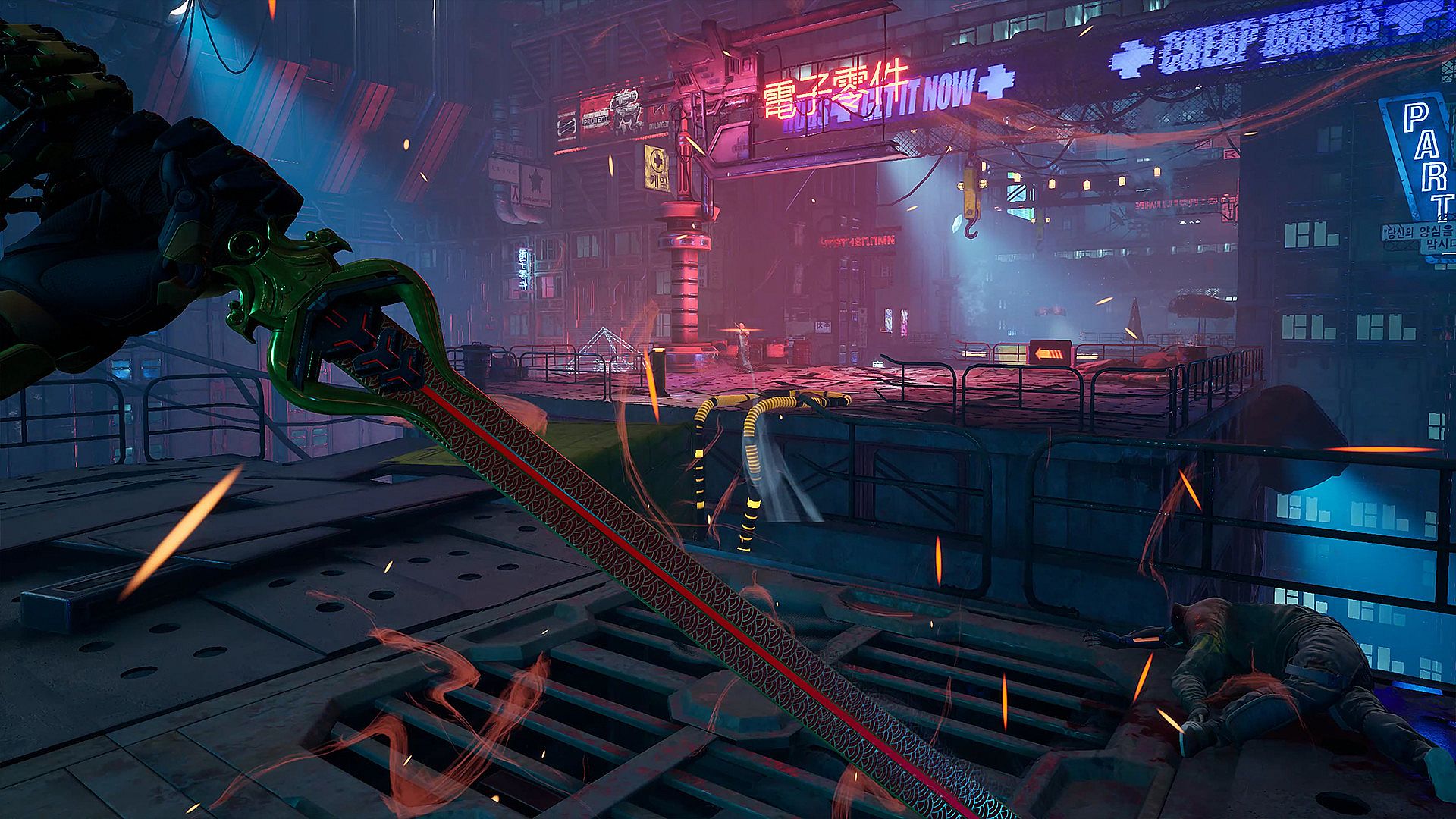
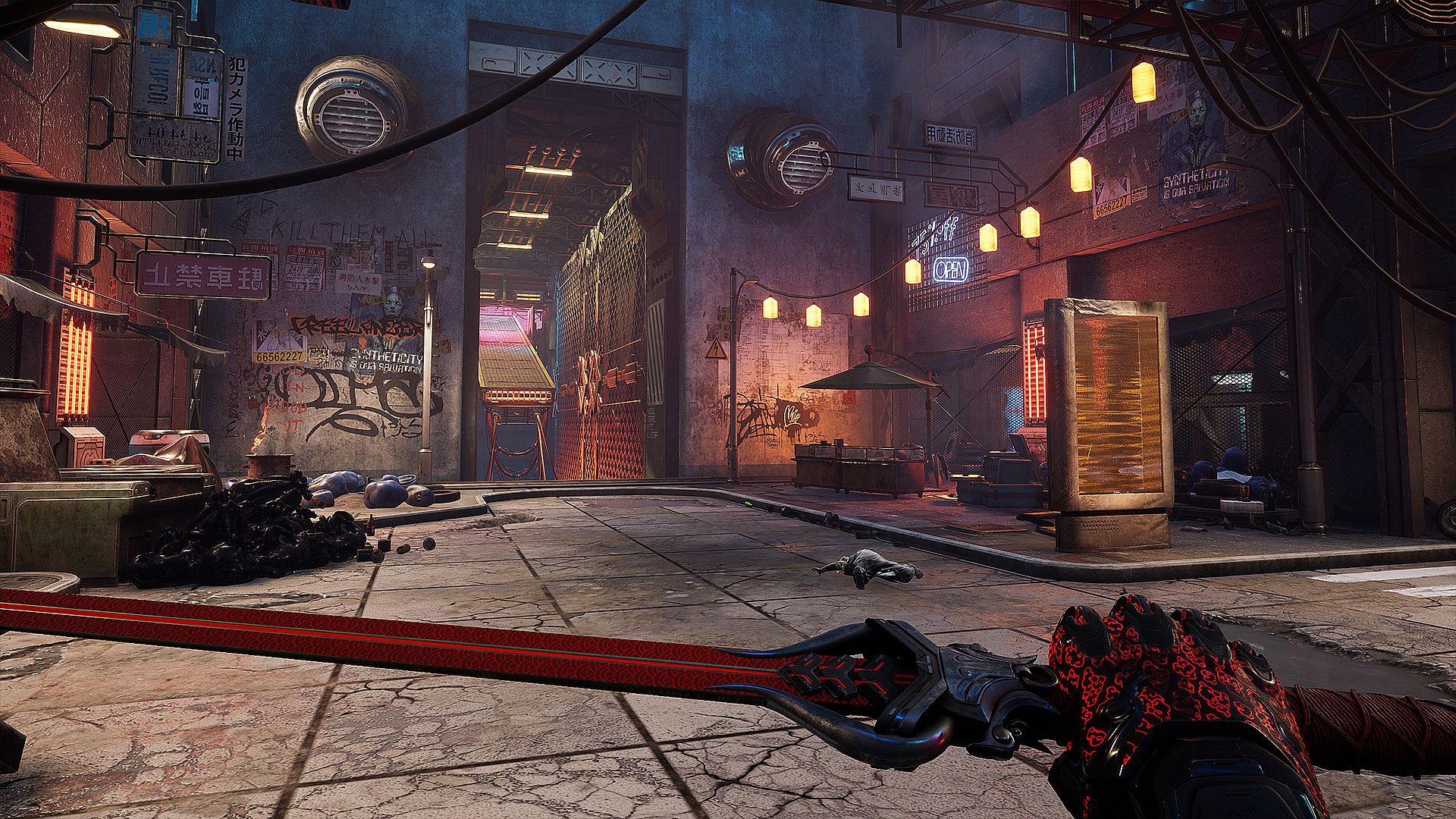
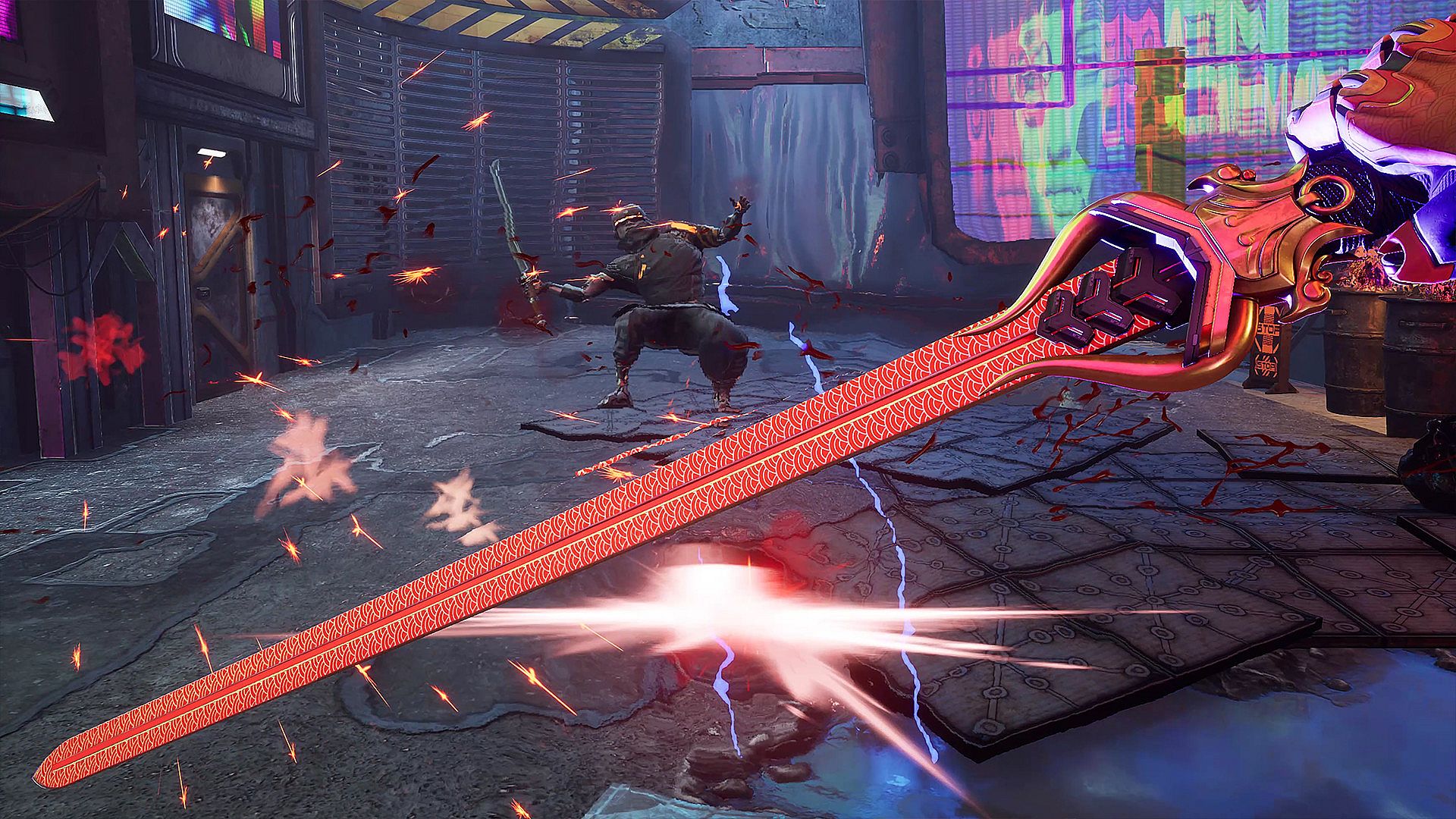
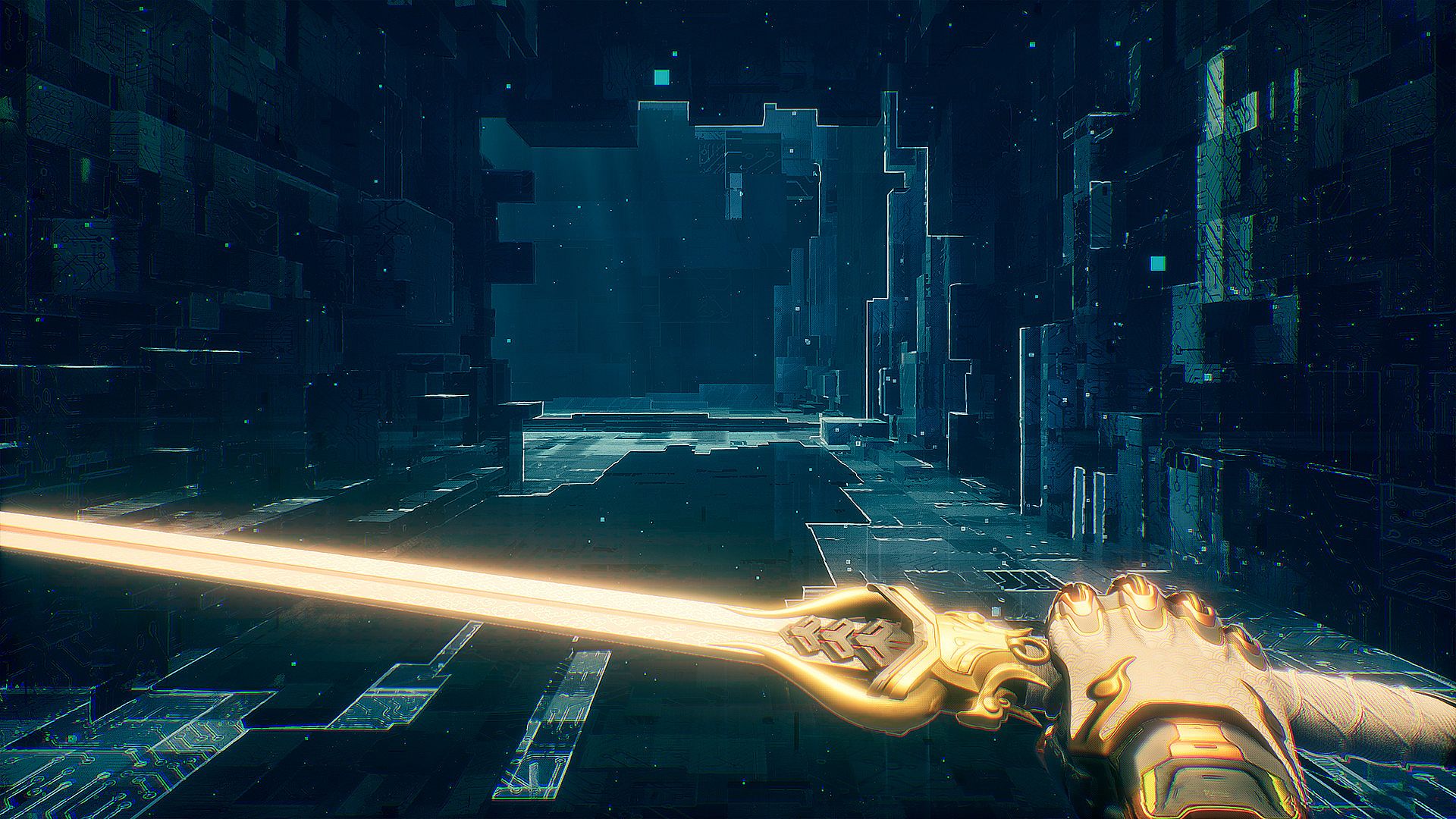
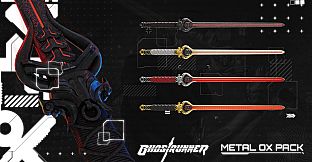
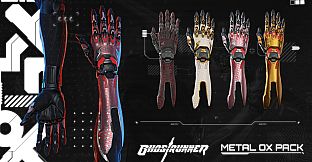
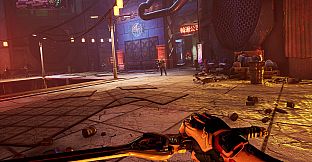
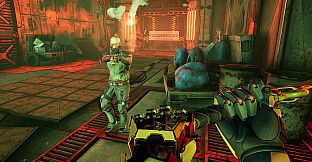
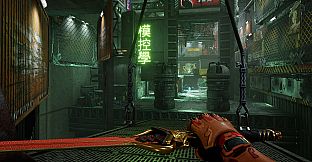
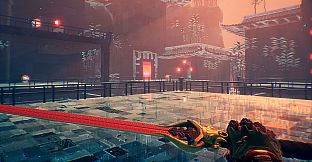
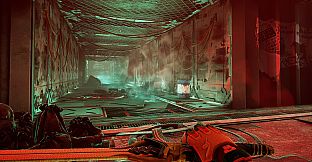
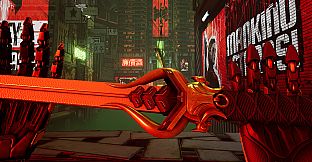
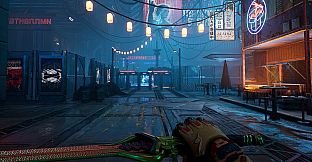
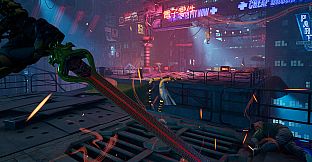
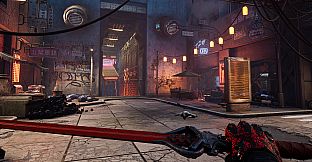
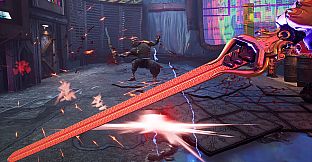
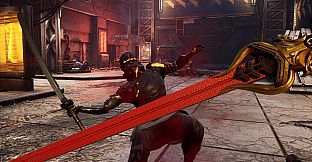
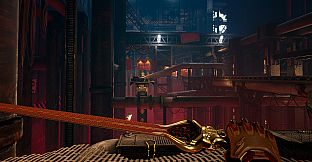
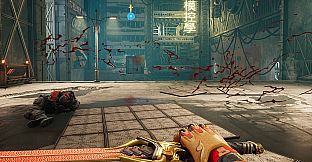
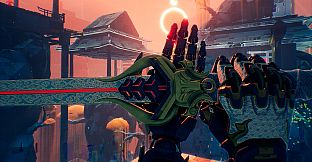
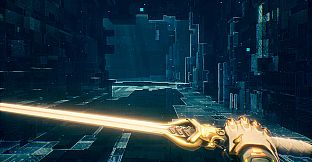
Ghostrunner propone un'esperienza d'azione in prima persona incentrata su movimenti ad alta velocità e combattimenti precisi. Il giocatore controlla Jack, un cyborg assassino che si muove tra i livelli verticali della Dharma Tower in un mondo cyberpunk post-apocalittico. Il ciclo di gioco fonde parkour fluido e scontri letali al primo colpo, che richiedono posizionamento e tempismo accurati.
Gameplay
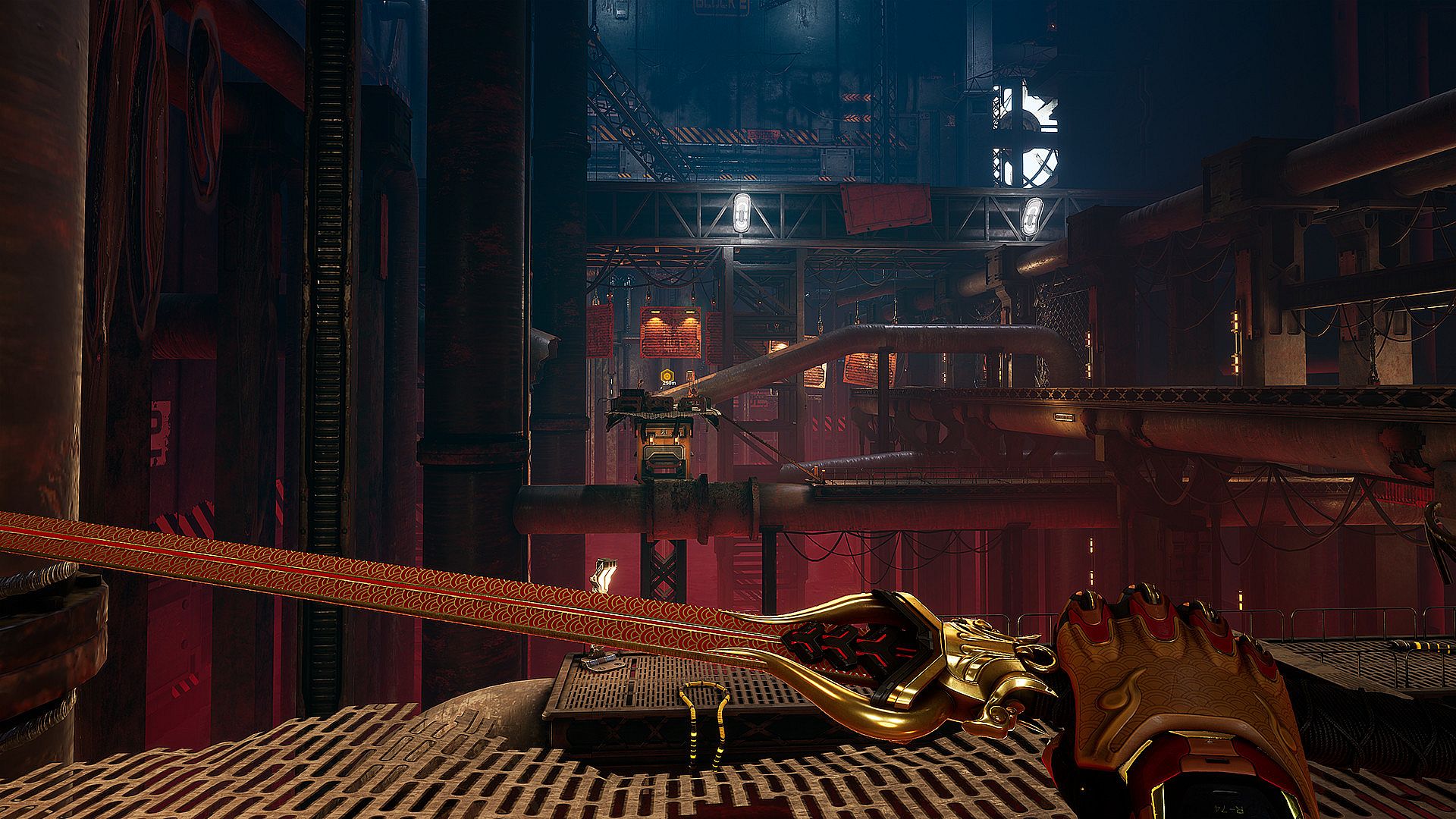
Il sistema di movimento si basa su slancio e interazione con l'ambiente: Jack scatta in avanti, scivola sotto gli ostacoli, corre sui muri e usa il rampino per raggiungere sporgenze o nemici distanti. Il Sensory Boost attiva un breve rallentamento che permette di schivare proiettili e contrattaccare a mezz'aria. Ogni azione consuma o ricarica risorse, spingendo a mantenere una pressione costante invece di difendersi.
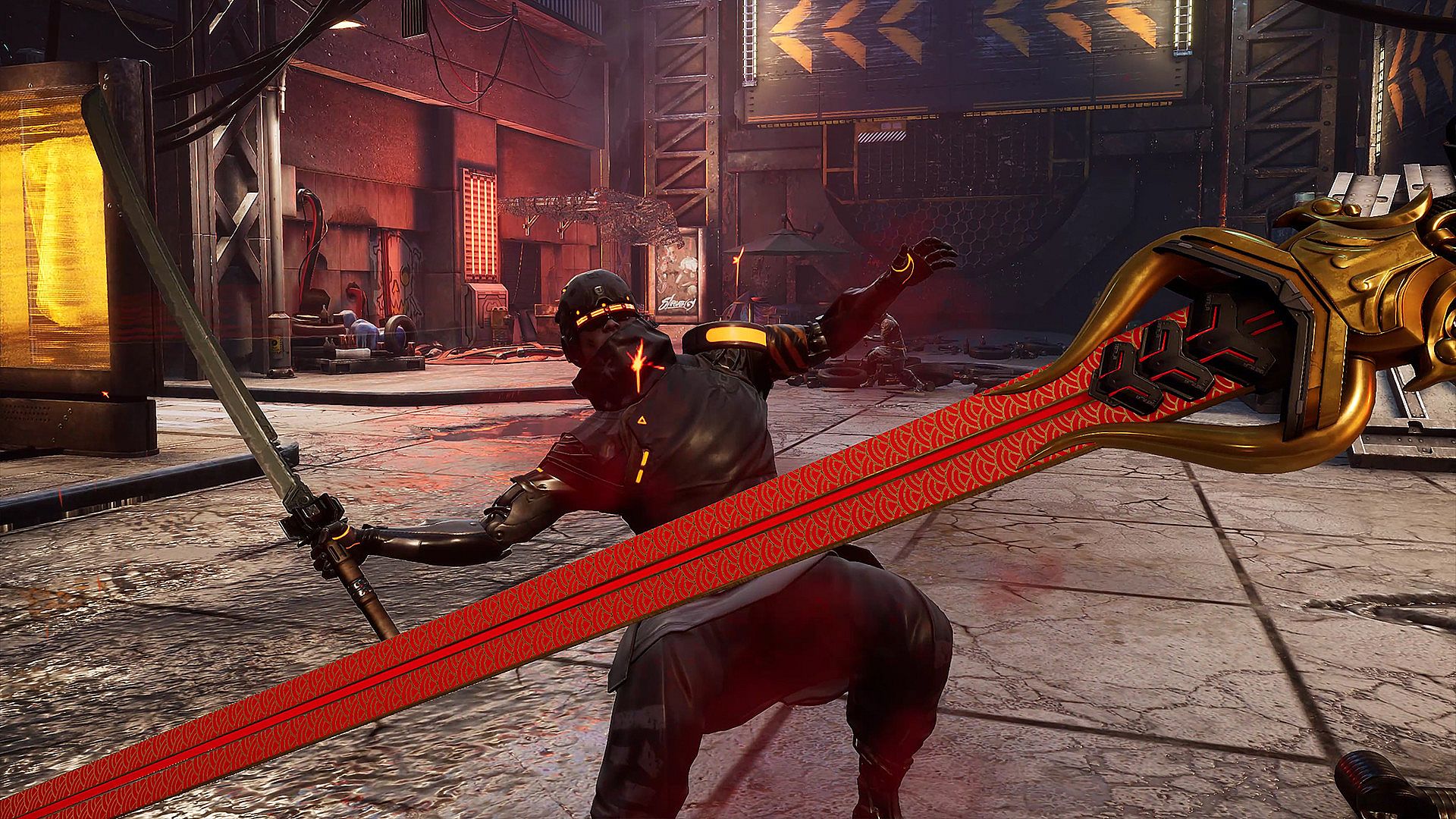
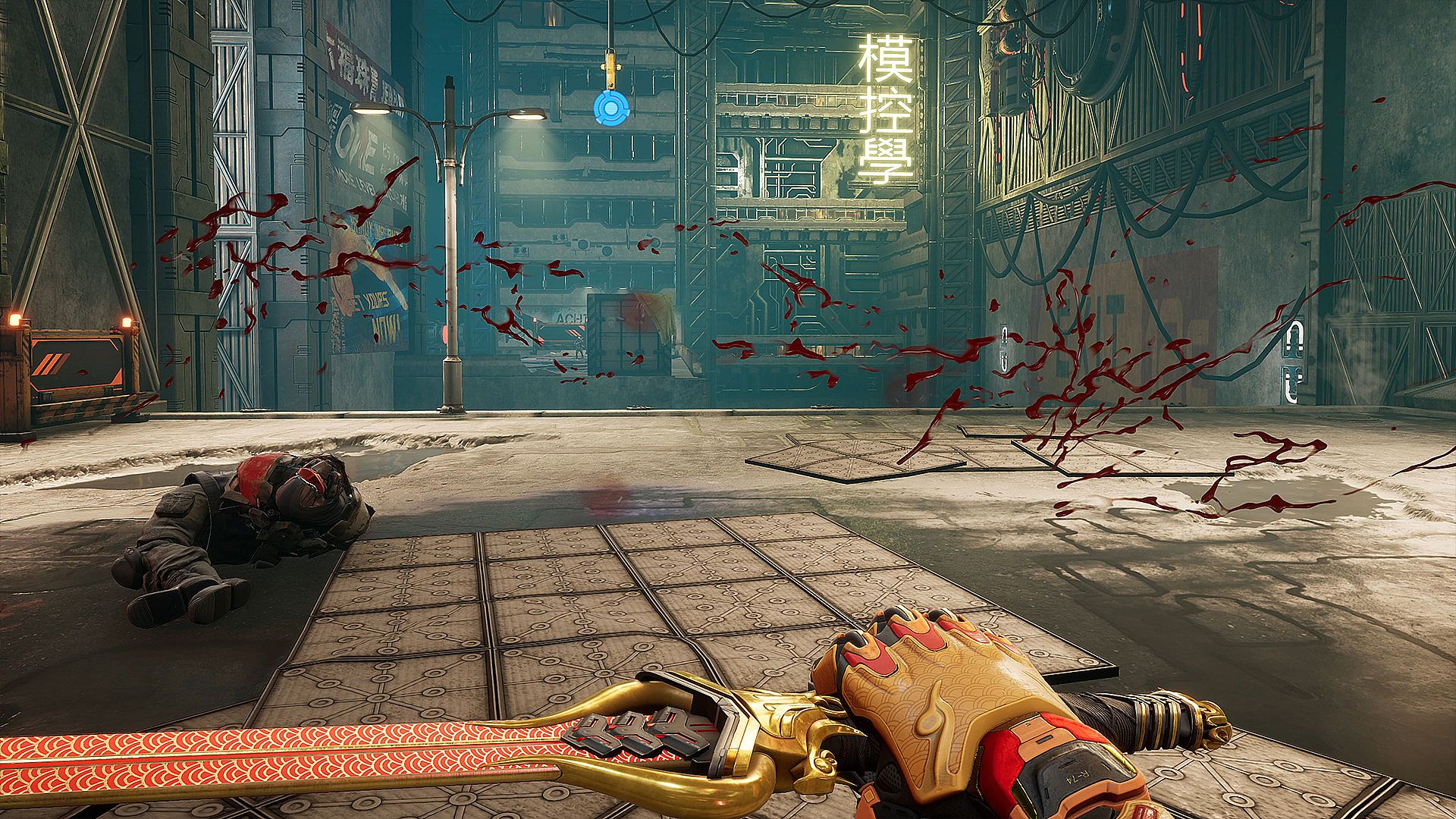
Il combattimento si integra direttamente con il parkour. La maggior parte dei nemici cade con un solo colpo, ma risponde con spari letali se lasciato libero di agire. Il giocatore deve concatenare scatti, scivolate e rampini negli attacchi senza interrompere il flusso. Man mano che si avanza si sbloccano nuove abilità, inseribili in una griglia tramite potenziamenti a forma di tetramino che modificano le opzioni di movimento o di combattimento.
I livelli si sviluppano come sequenze lineari di piattaforme intervallate da arene di combattimento. Il design premia la ripetizione e l'ottimizzazione: ogni morte riporta all'inizio della sezione corrente per un tentativo immediato.
Modalità di gioco
L'esperienza principale è una campagna guidata dalla storia che attraversa i piani successivi della torre. Dopo il primo completamento si sbloccano modalità aggiuntive per aumentare la rigiocabilità. La modalità Hardcore alza la difficoltà rimuovendo le protezioni presenti nella modalità standard. La Wave Mode mette il giocatore di fronte a ondate successive di nemici, con potenziamenti casuali tra un round e l'altro. La Kill Run introduce un limite di tempo che si estende sconfiggendo nemici rapidamente e raccogliendo estensioni sparse nel livello.
Queste modalità mantengono le stesse regole di movimento e combattimento della campagna, ma cambiano ritmo e obiettivi per valorizzare abilità diverse. Sono disponibili opzioni di assistenza per personalizzare la difficoltà e rendere l'esperienza meno punitiva.
Ambientazione e progressione
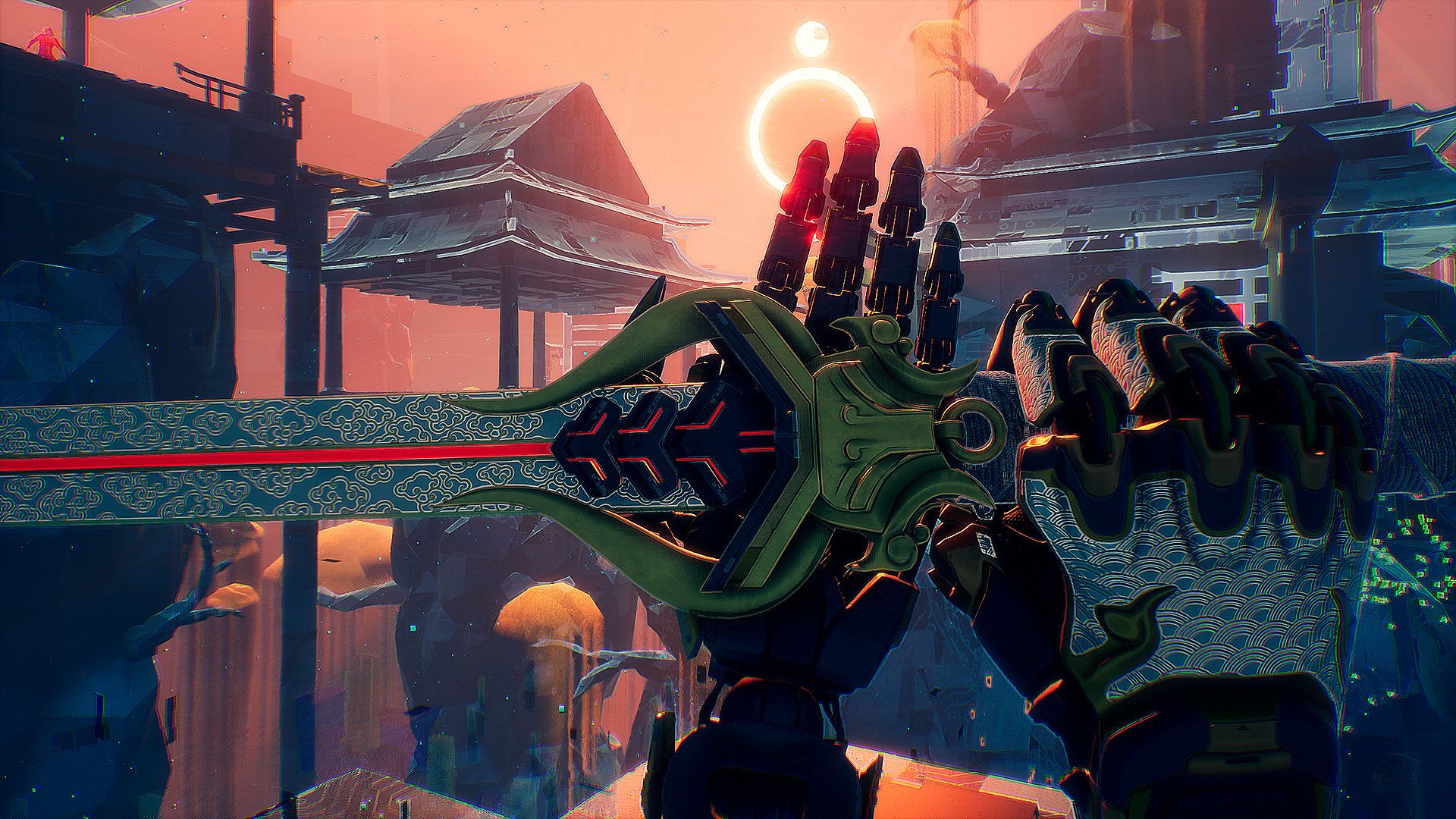
La storia segue l'ascesa di Jack dai livelli inferiori della torre fino allo scontro con chi la controlla. Il racconto ambientale rivela la storia della struttura attraverso dettagli visivi e brevi battute, senza lunghe sequenze. La progressione è legata allo sblocco di abilità che ampliano le possibilità di movimento e aprono nuovi percorsi nelle sezioni già esplorate.
Con l'aumentare dell'altezza cresce anche la varietà dei nemici, che richiedono contromisure specifiche come rampini ben sincronizzati o l'uso di pericoli ambientali. La letalità al primo colpo rimane costante, mantenendo alta la tensione in ogni incontro.
Vale la pena giocarci?
Ghostrunner è pensato per chi apprezza la precisione meccanica e il miglioramento rapido più che l'esplorazione aperta o la profondità narrativa. La campagna dura alcune ore al primo tentativo, con tempo aggiuntivo dedicato a padroneggiare le sezioni più difficili o a provare le modalità extra. L'attenzione costante su movimento e tempismo crea un ciclo soddisfacente per chi accetta fallimenti frequenti seguiti da miglioramenti veloci.
La critica ha sottolineato l'integrazione stretta tra parkour e combattimento, anche se alcuni segnalano una certa ripetitività nei temi dei livelli durante sessioni più lunghe. Il dibattito ancora vivo anni dopo l'uscita conferma l'interesse continuo tra gli appassionati di action game impegnativi. Chi cerca esperienze single-player veloci e basate sull'abilità troverà qui il maggior valore.