






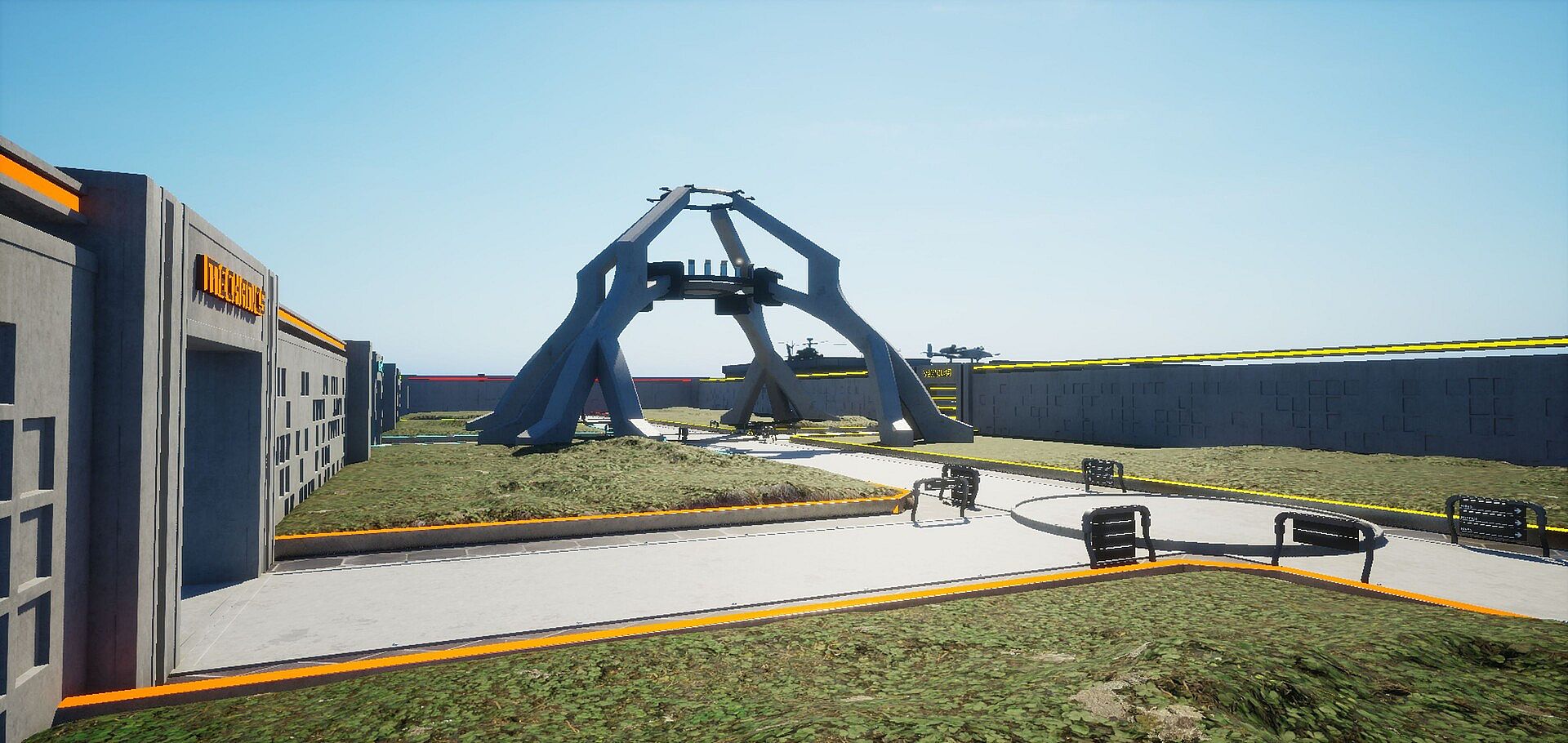
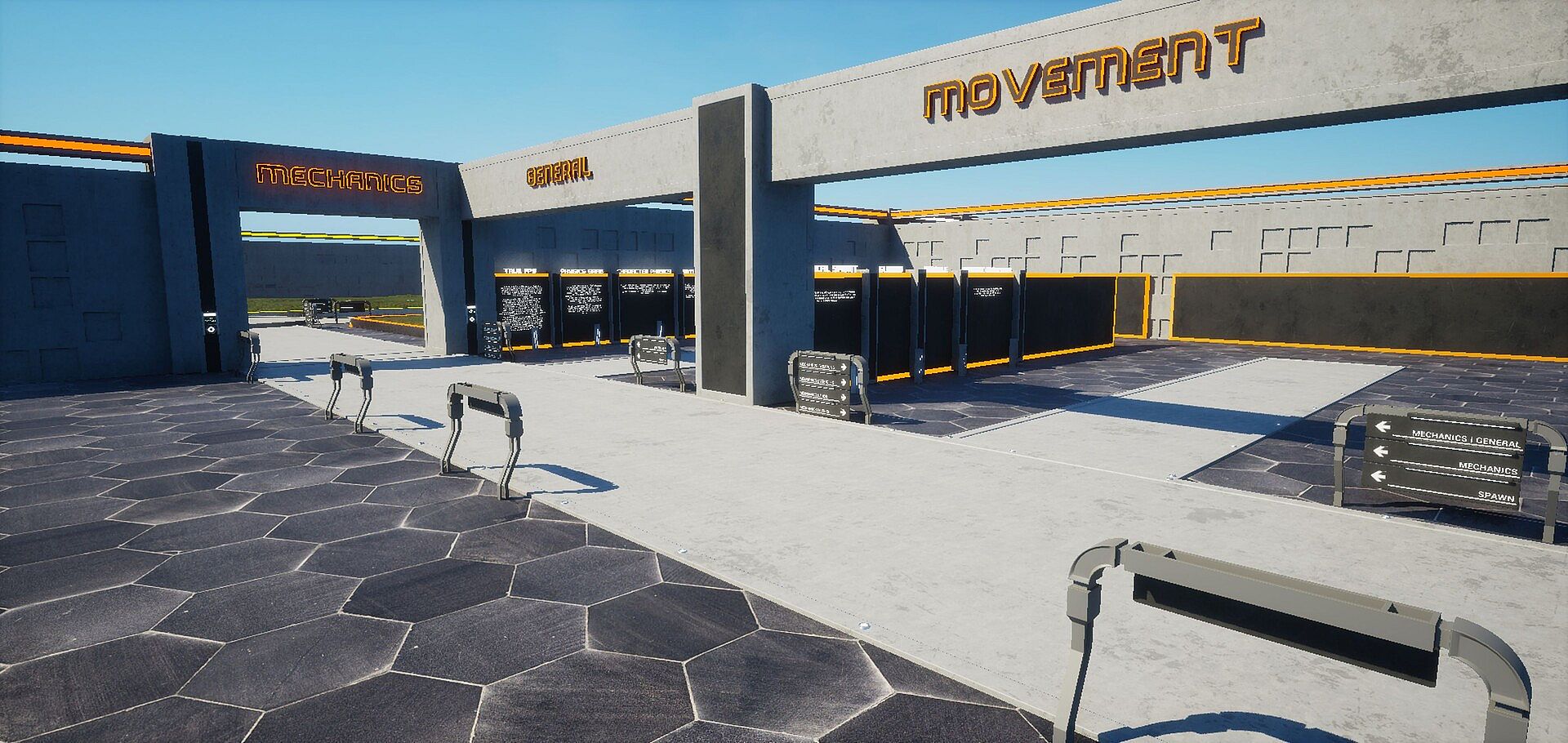
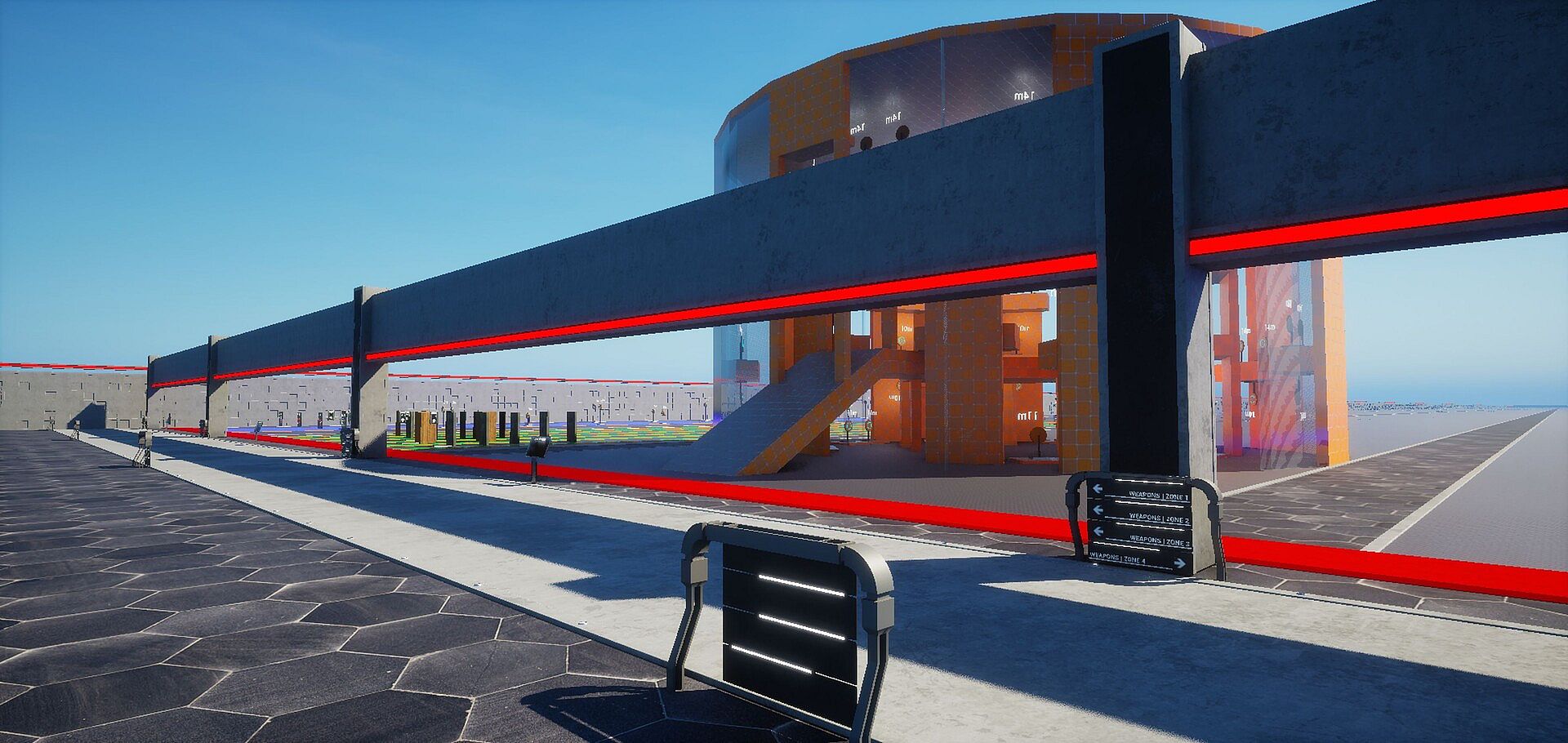
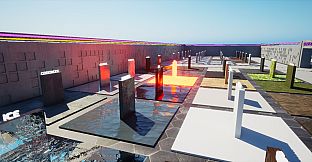
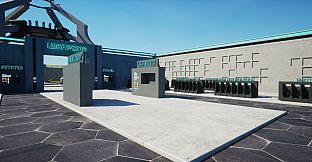
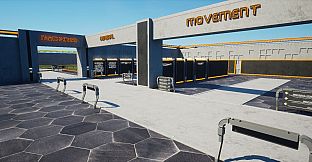
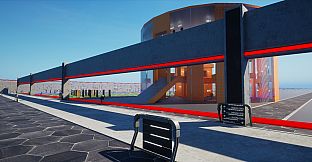
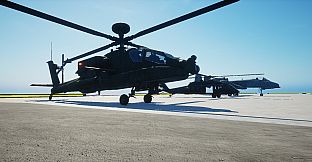
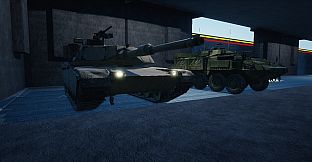
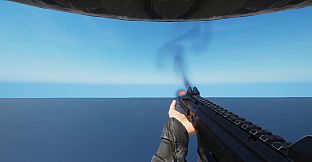
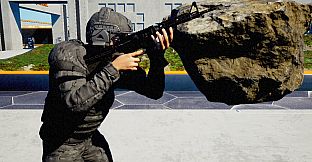
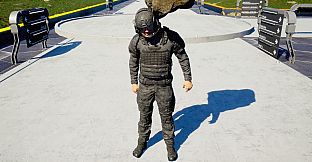
Z.A.G.E / Project Skill-Gap Sandbox serves as the initial mechanics showcase for an interconnected series of FPS titles built on a shared foundation of simulation systems. Available on PC in Early Access as a free permanent release, the game lets players experiment with core features including weapon handling, vehicle operation, environmental destruction, audio behavior, and map layouts before the later phases arrive.
Gameplay
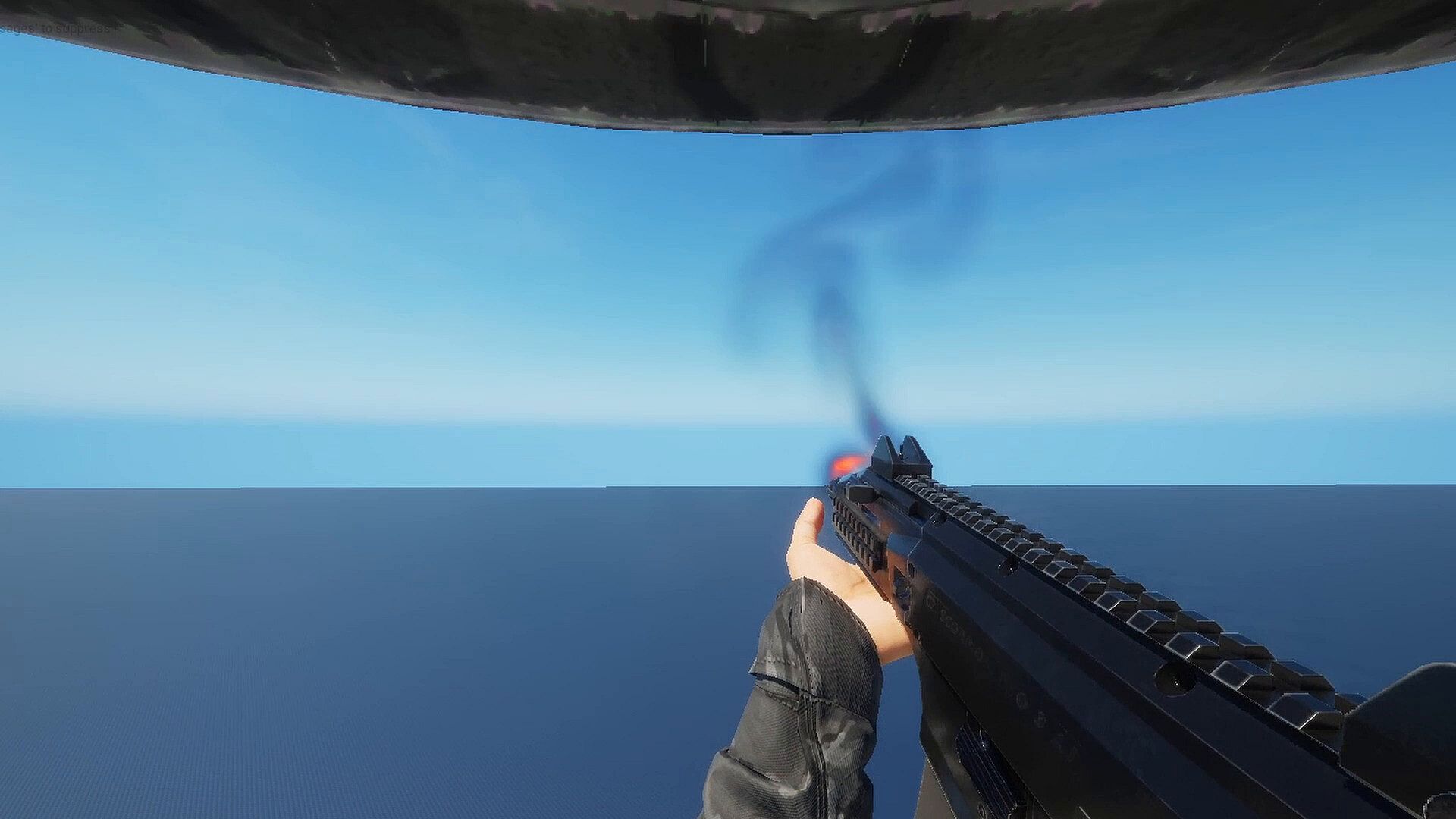
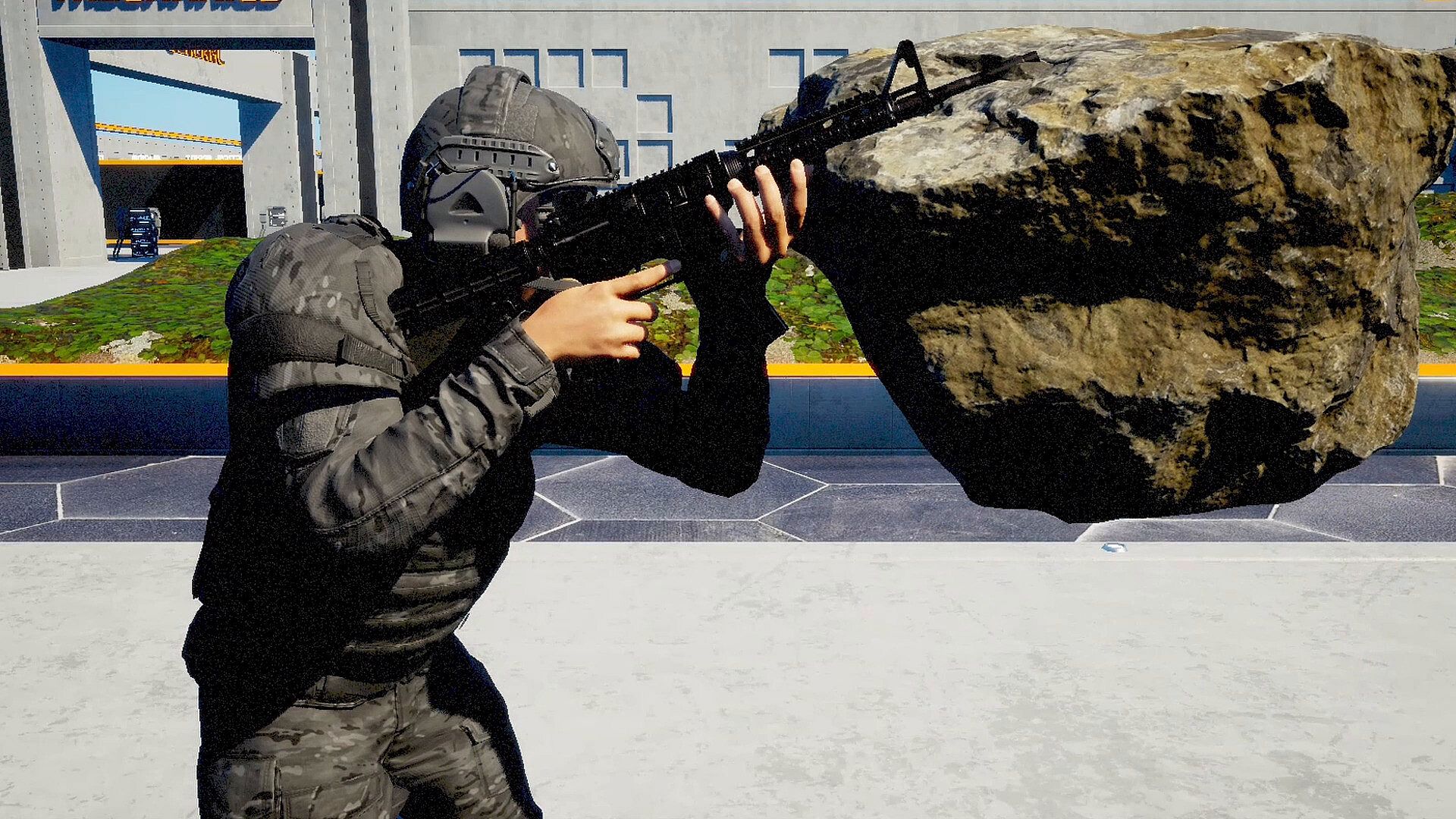
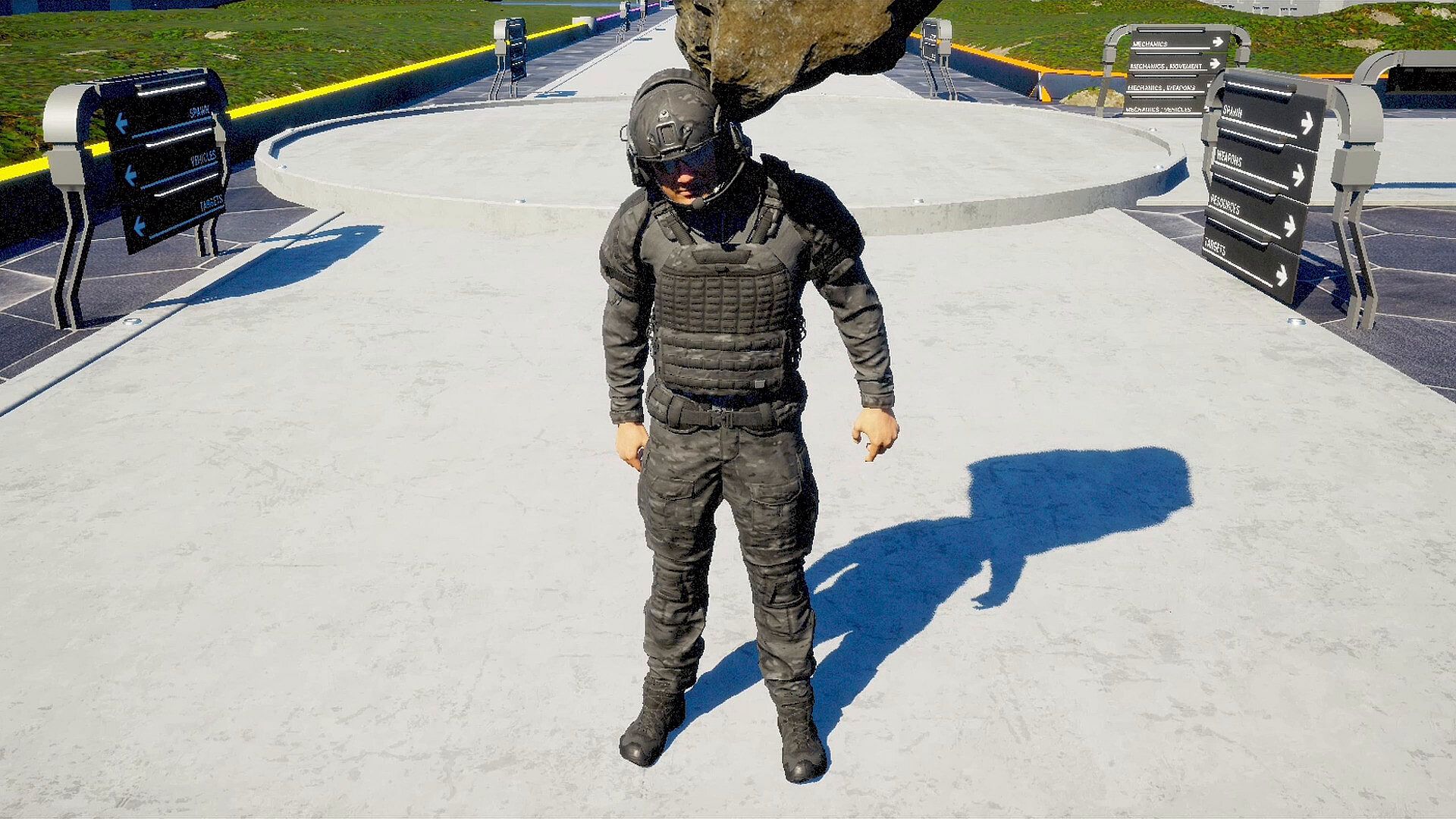
Players interact with a physics-driven environment where character bodies respond to impacts and objects through simulated motion rather than pre-set animation sequences. Weapons carry weight and momentum from the arms into firing behavior, while sustained gunfire produces accumulating flash, smoke, and eventual barrel glow that dissipates when firing stops. Sound travels around surfaces instead of passing directly through them, so walls, doorways, and enclosed spaces alter what reaches the listener.
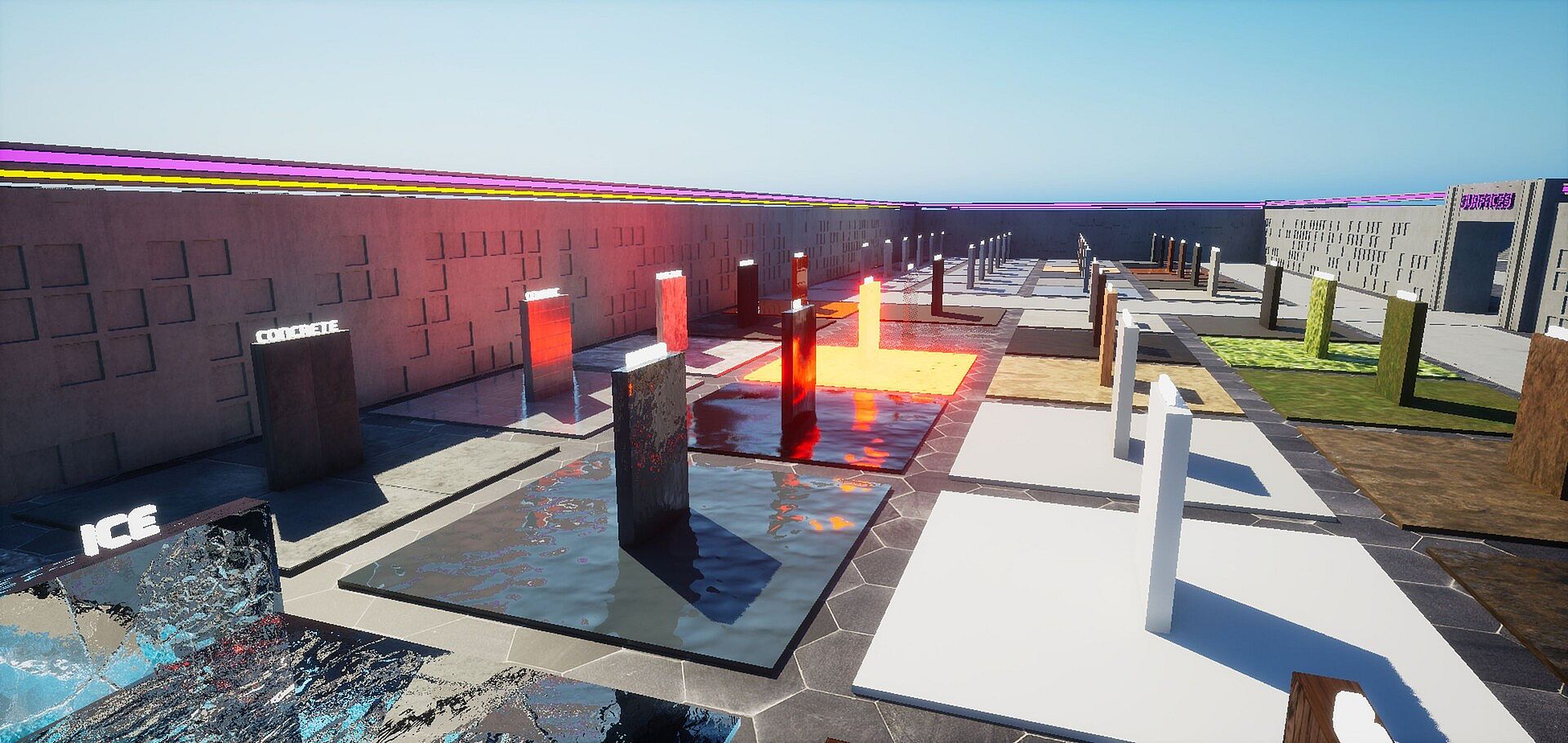
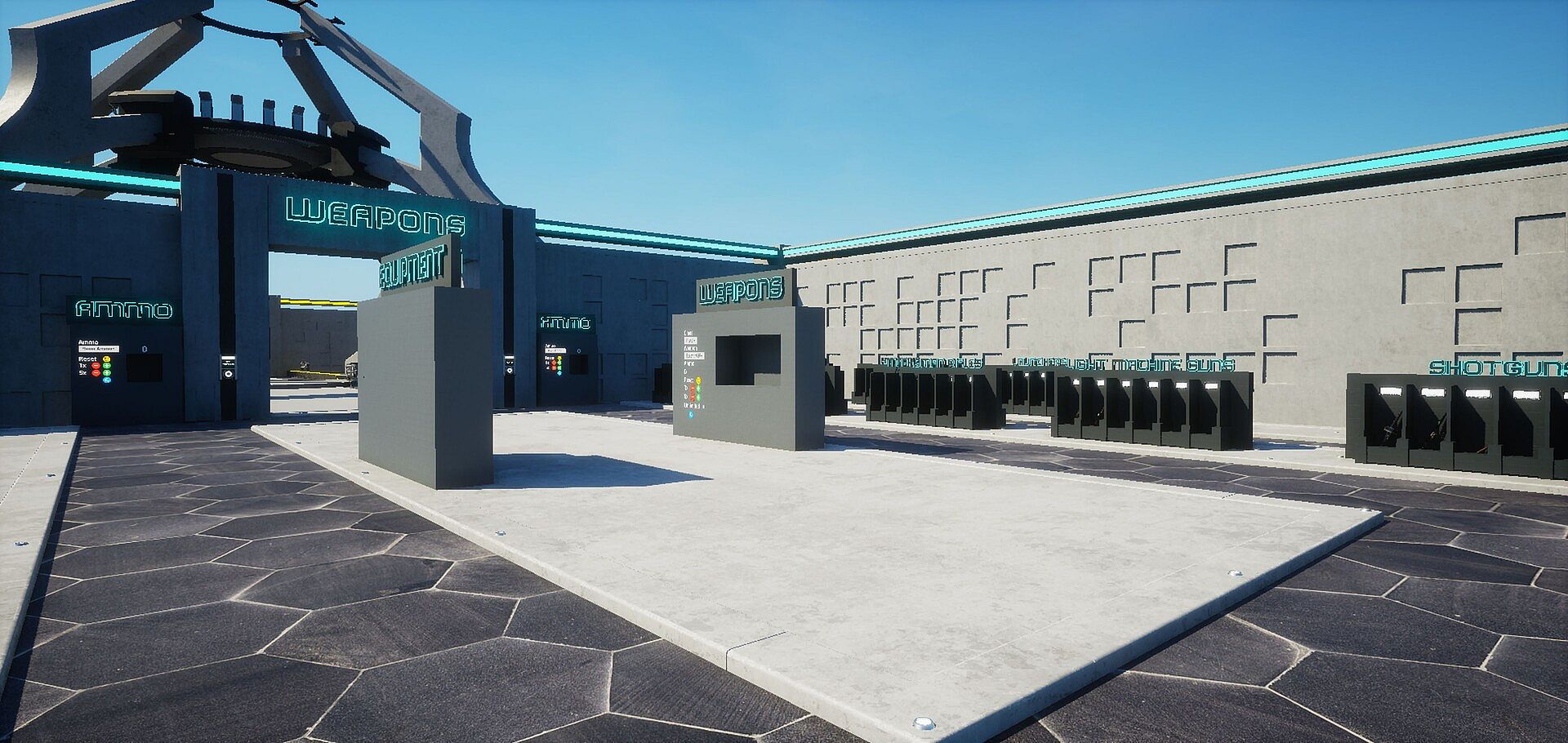
Destruction relies on volumetric meshes that fracture at impact points and along load-bearing areas, with greater force removing larger portions of structures. Different materials such as wood, metal, concrete, and glass produce distinct visual and audio feedback on impact. Dedicated ranges and target setups support testing of weapon performance, penetration, and switching under controlled conditions.
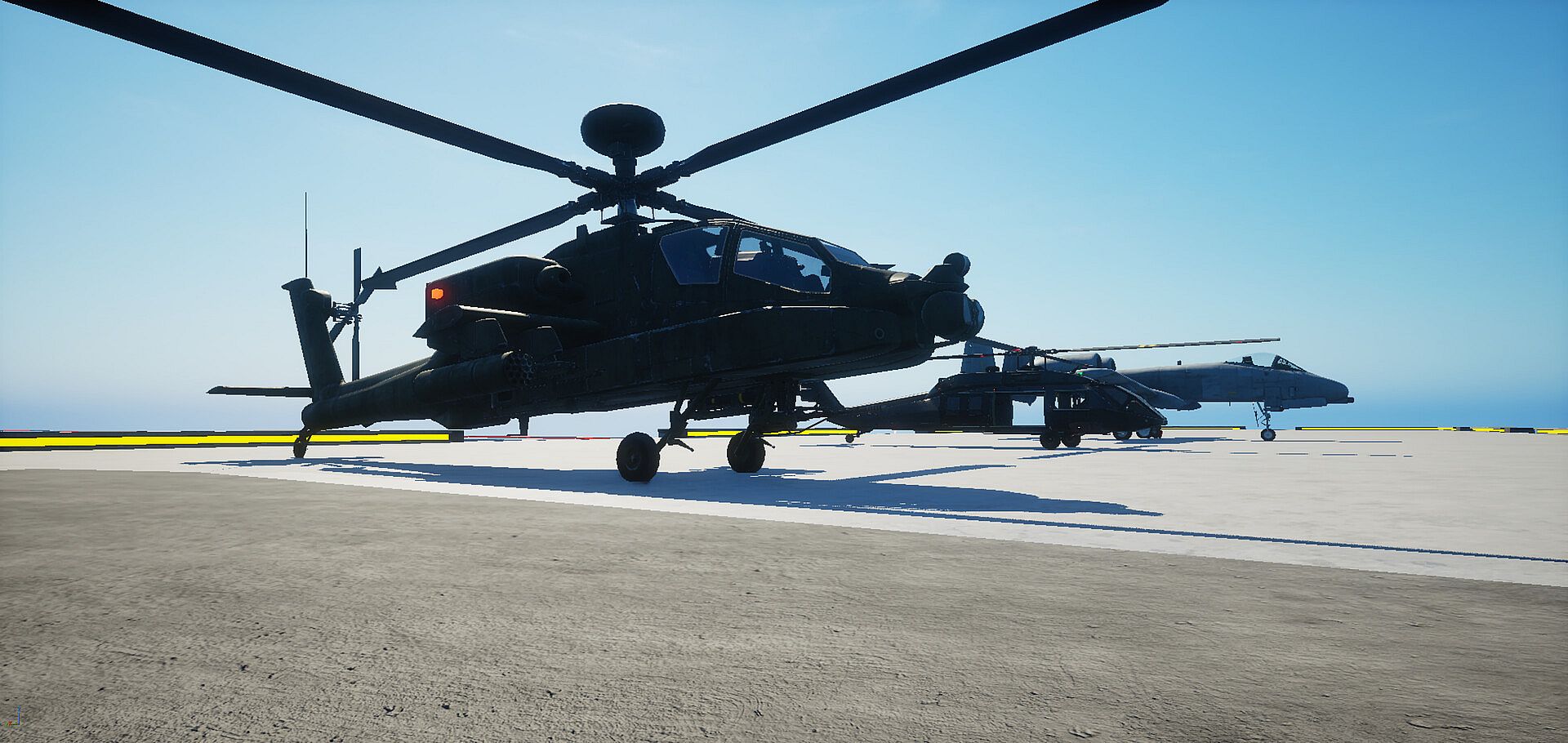
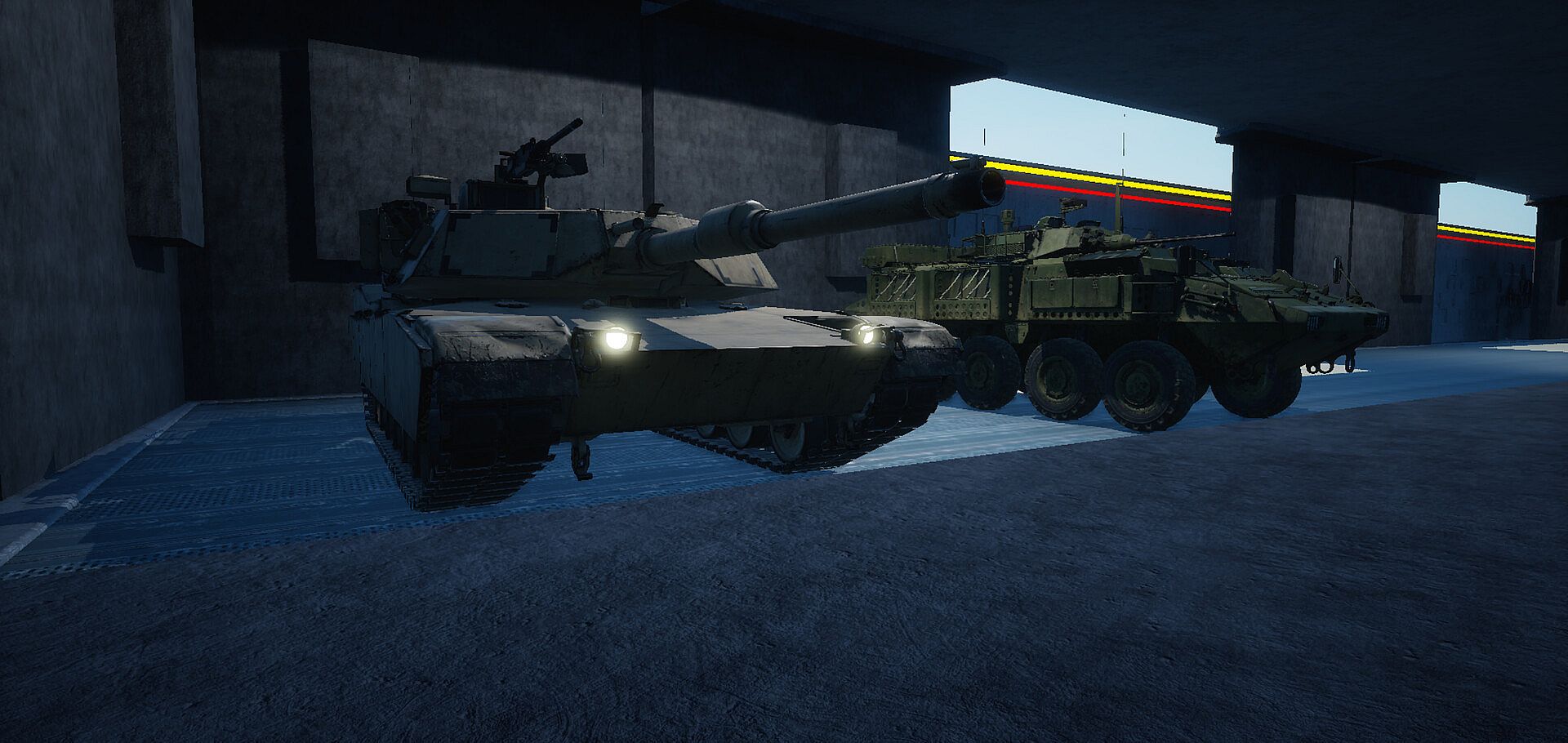
Additional systems include player-driven vehicles for air and ground travel that account for realistic weight, suspension, and lift. Co-operative sessions support up to four participants on server-authoritative netcode running at 60 Hz or higher. Movement options feature slides and mantles that can chain together when geometry allows. Future additions planned for the sandbox include expanded modular weapon attachments, larger destructible structures, and additional test maps.
Game Modes
The current release centers on the Sandbox phase, a dedicated proving ground for every system that will underpin the full series. This mode provides open access to the listed mechanics without matchmaking restrictions or external progression systems. Public matches operate without skill-based matchmaking, engagement-optimized matchmaking, aim assist, or randomized aim cones, placing outcomes on player execution and positioning.
Subsequent phases remain in development and follow a sequential roadmap. Arena will introduce competitive play for 4 to 16 players with multiple modes, close-quarters maps, ranked ladders, and tournament support. Warfield expands to 32 to 64 or more participants across larger sectors that accommodate ground, air, and sea vehicles, squad coordination, dynamic objectives, and extensive structural damage. Survival targets a single persistent instance scaling from 100 to 10,000 players, incorporating age progression, base construction, and terrain that retains changes from prior activity.
Core Systems and Technical Approach
Development emphasizes server-authoritative simulation to maintain consistency across sessions. Physics integration extends from character limbs through carried objects and into environmental interactions, creating predictable yet reactive outcomes during movement and combat. Audio propagation and material-specific responses add layers of situational awareness that reward map knowledge and positioning. The absence of hero abilities or forced visual filters keeps focus on raw mechanical execution.
Vehicle handling and co-operative netcode receive ongoing refinement alongside destruction scale. Modular weapon options will allow attachments to alter recoil, handling, and effective range once implemented. These elements combine to form a testing environment where individual skill determines results without algorithmic intervention in public play.
Is It Worth Playing?
The Sandbox phase delivers a focused, no-frills environment for players who prioritize mechanical depth and unassisted competition in an FPS setting. Its permanent free status removes barriers to entry, allowing direct evaluation of the physics, audio, and destruction systems described. Those seeking high-skill-ceiling gameplay without common modern concessions will find the current build aligns with that intent, though the experience remains limited to prototype features and test ranges at this stage. Later phases will expand scope once systems prove stable in this foundational release.











