




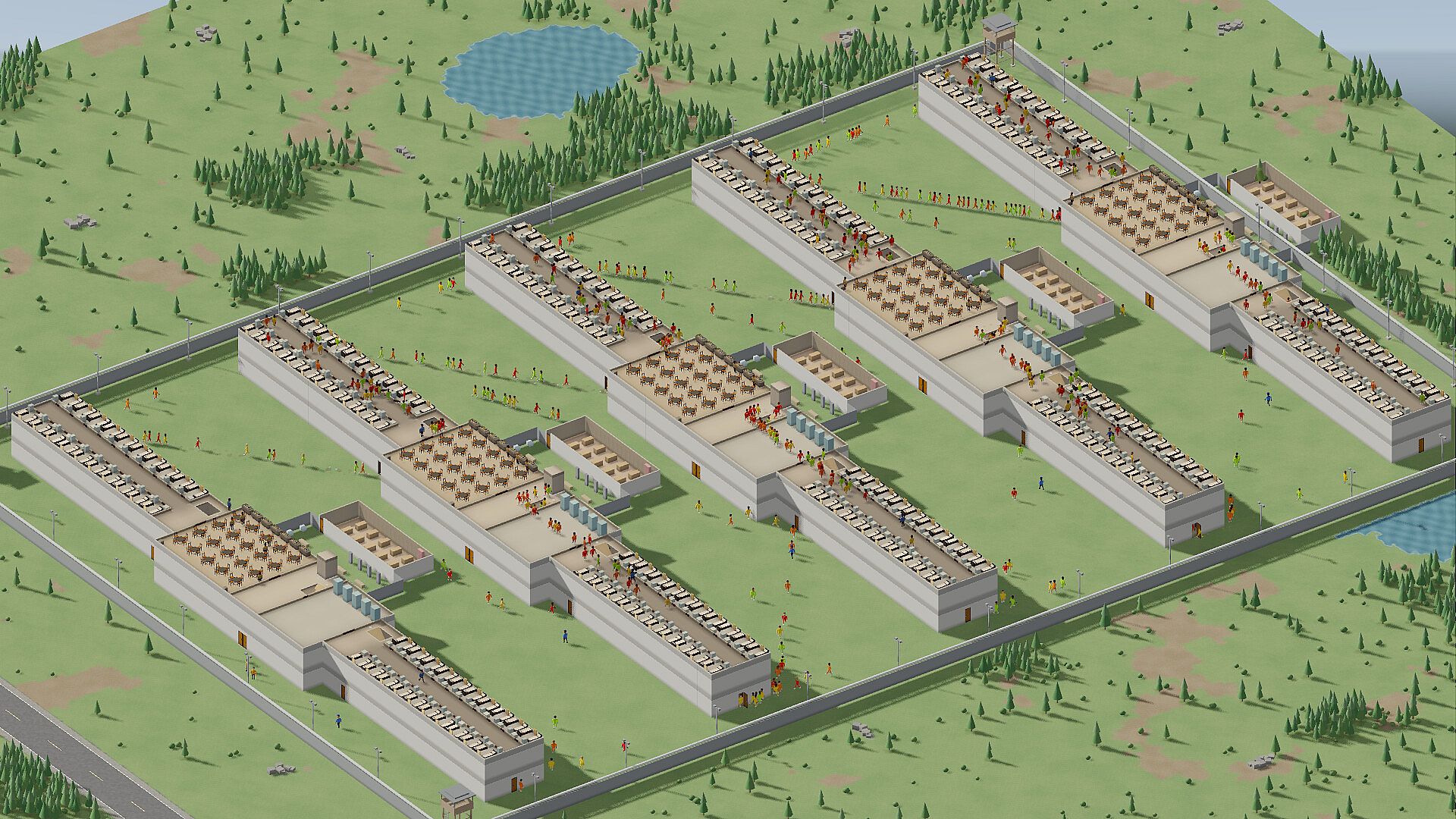
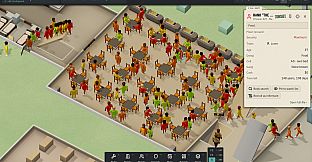
Warden Tycoon is a strategy and simulation game in which players design and operate a prison from the ground up. The experience centers on construction, staff management, inmate needs, security measures, and long-term decisions about rehabilitation versus basic containment. Built for single-player play on PC and currently in early access, the title emphasizes hands-on building and reactive systems rather than scripted campaigns.
Gameplay
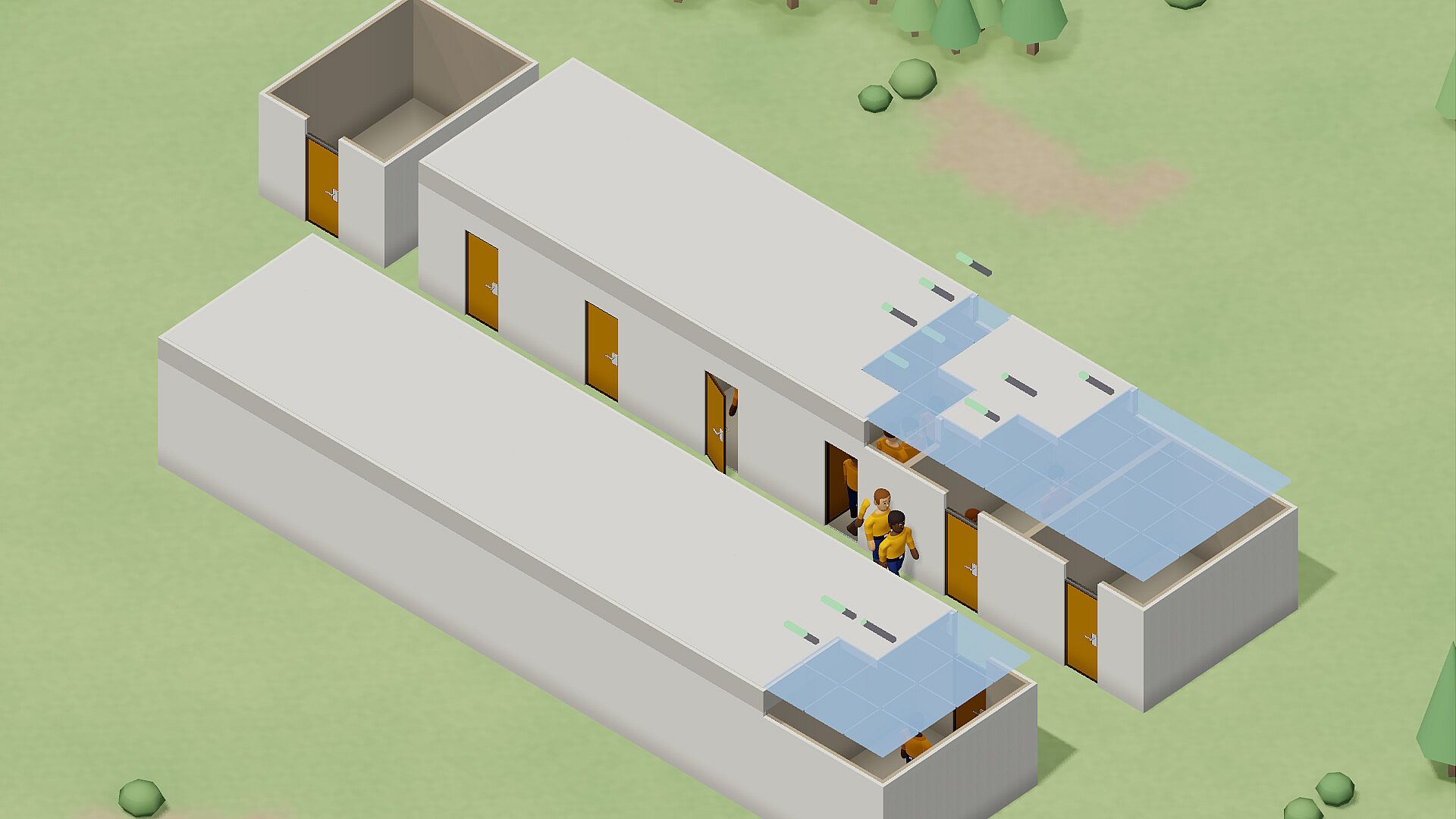
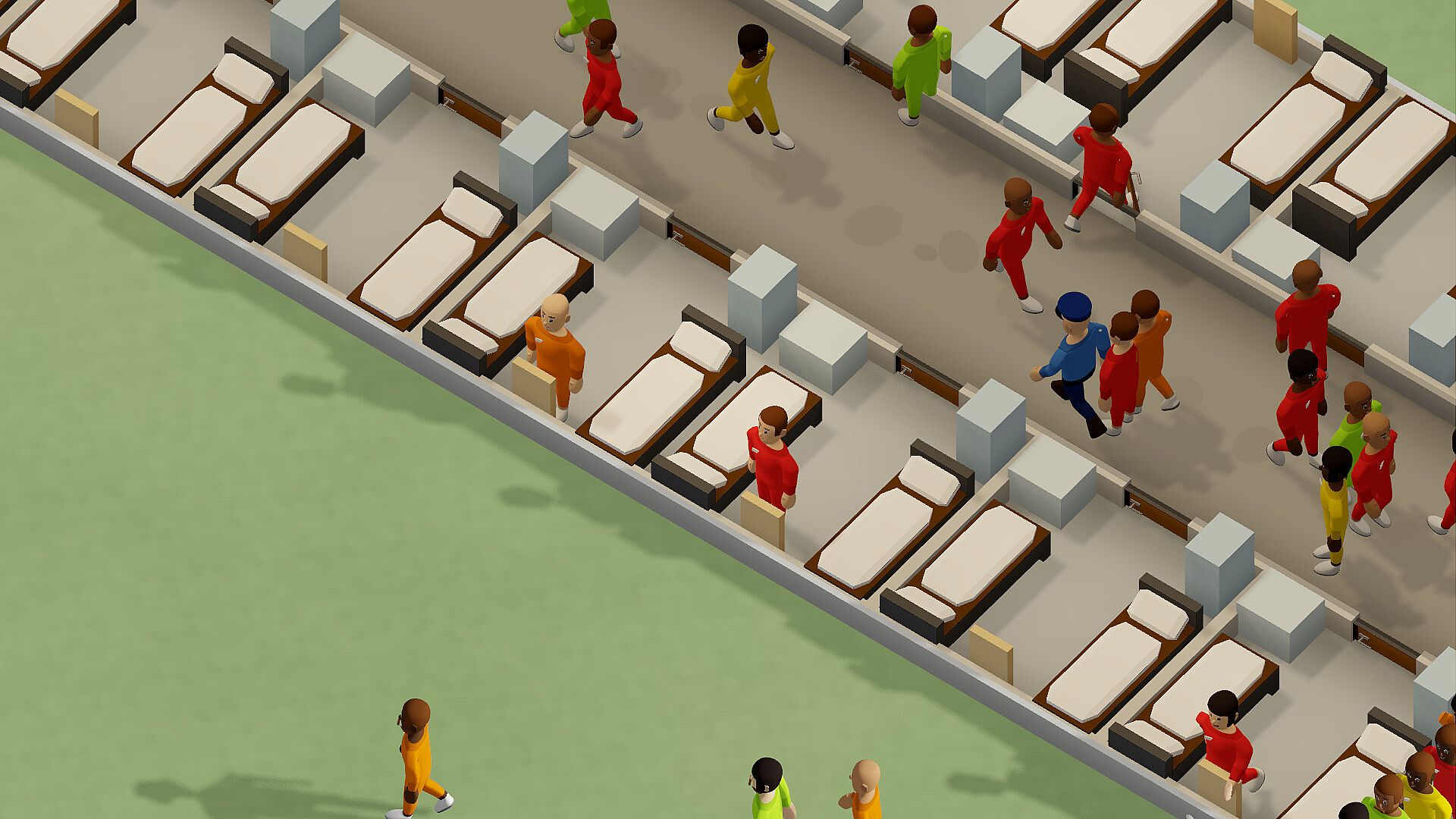
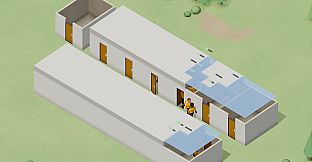
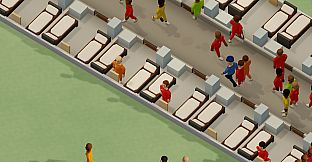
Players begin with an empty plot of land and a small team of builders. Construction involves drawing walls, doors, fences, and windows across multiple floors, including basements. Rooms are stamped out in batches or detailed object by object with beds, toilets, tables, stoves, showers, and workbenches. Each space receives a designation, after which the game indicates missing requirements before builders complete the work brick by brick.
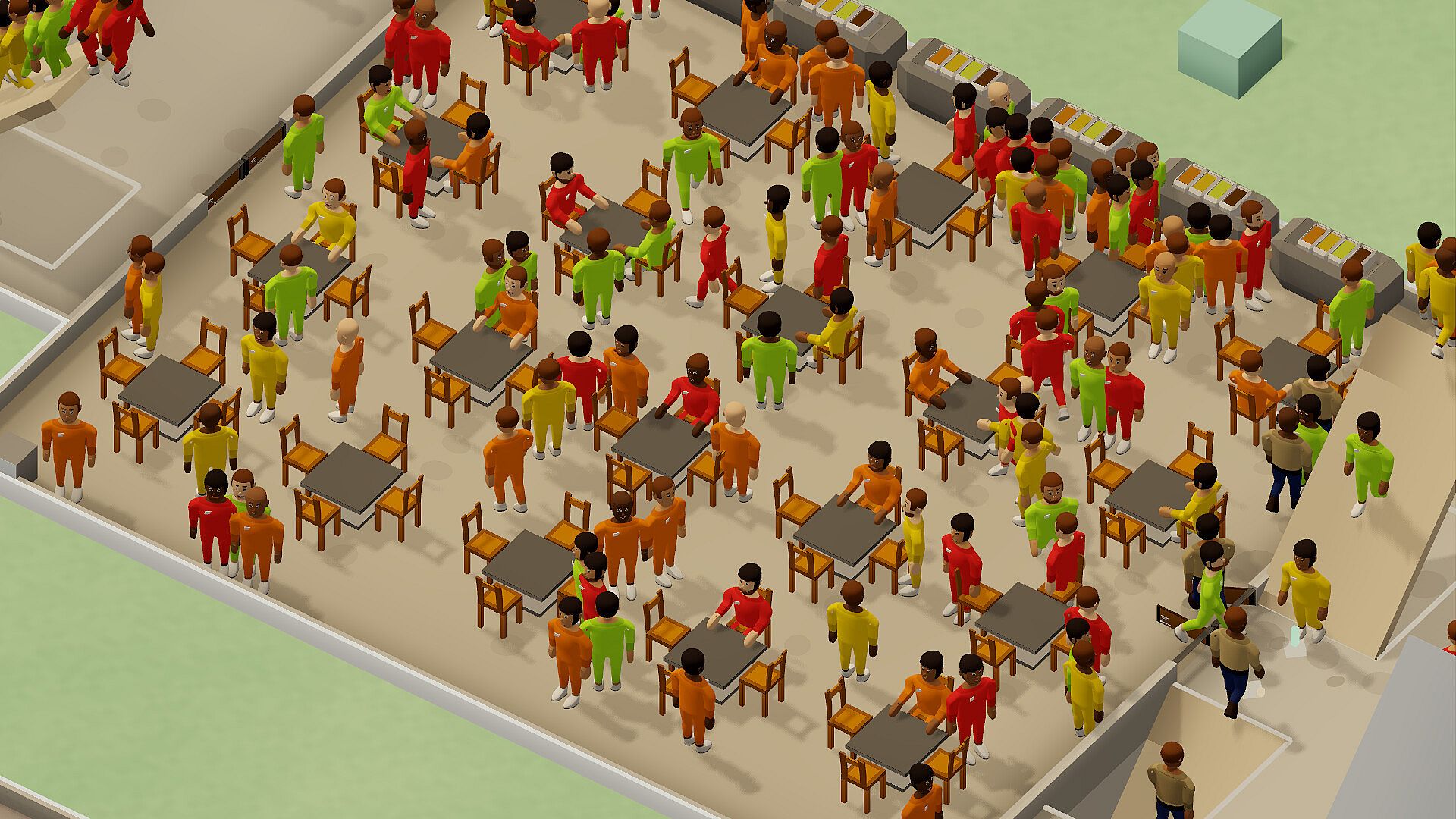
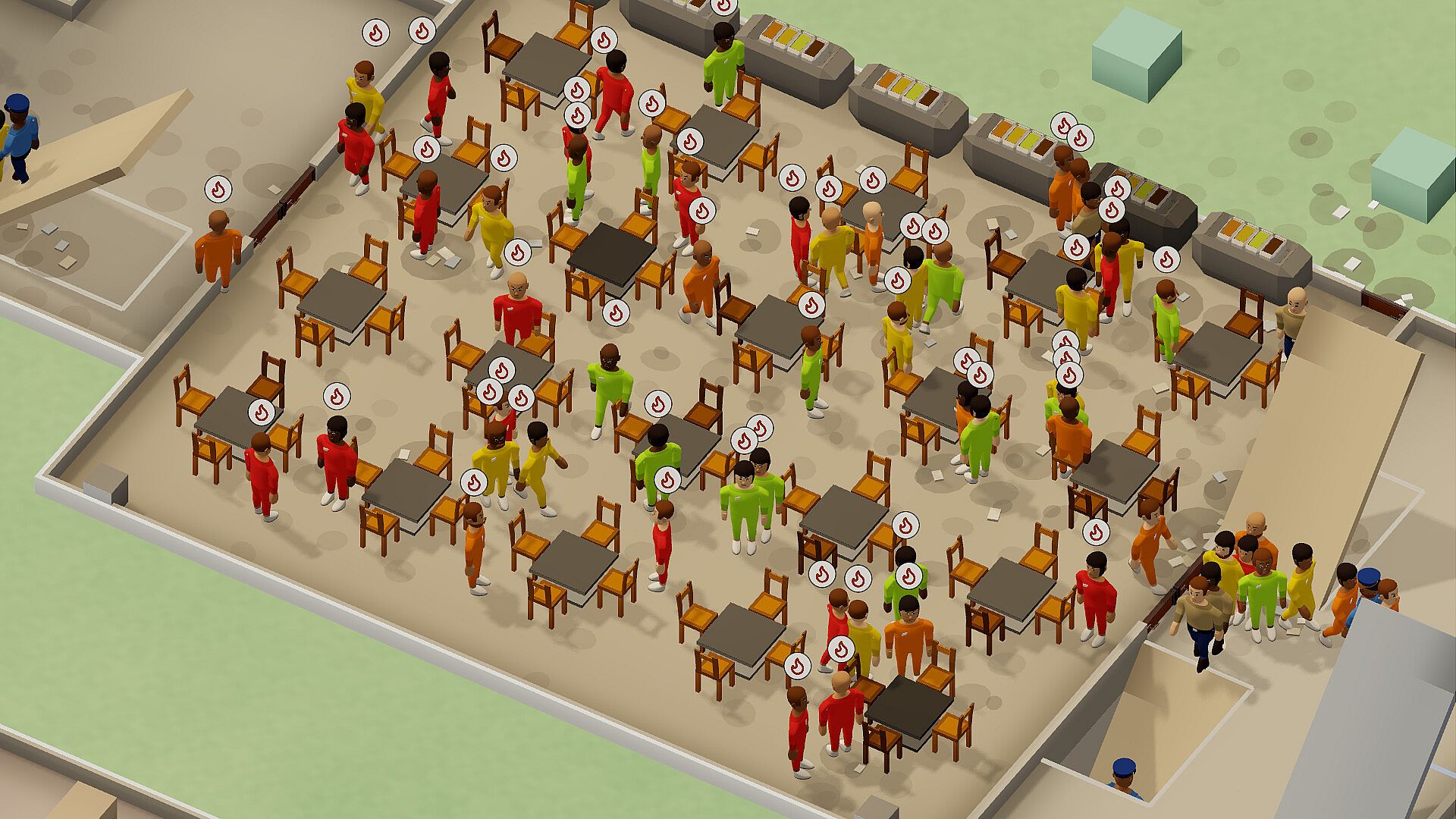
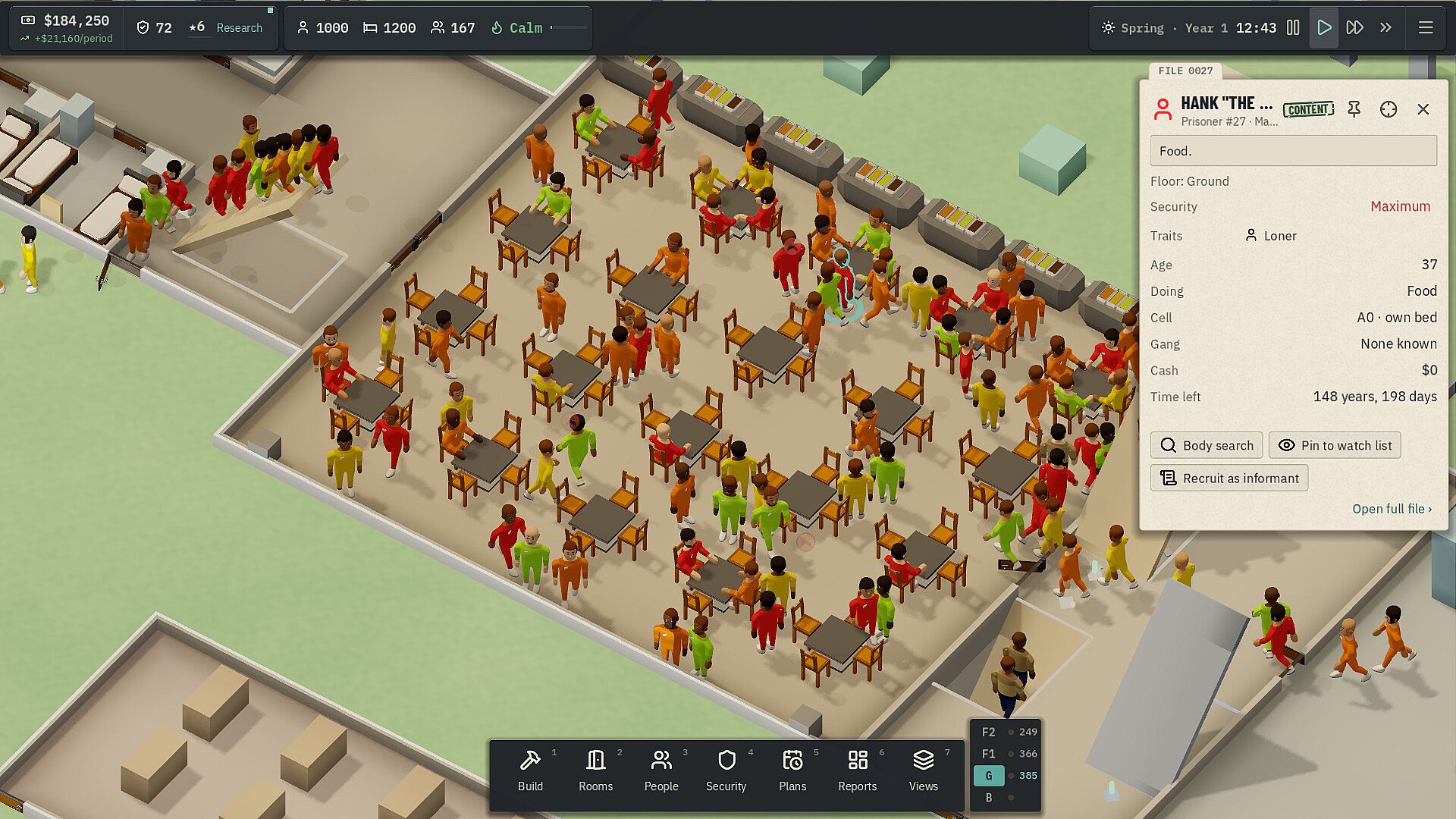
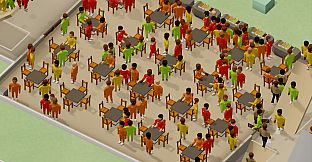
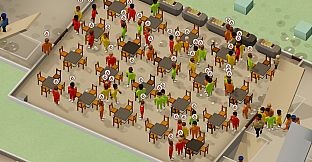
Inmate management revolves around individual needs, moods, and schedules. Kitchens, canteens, showers, yards, and gyms address daily requirements. Jobs in laundries, workshops, and kitchens keep prisoners occupied. Family visits, calls, and letters provide additional outlets. Different cell blocks can follow separate routines, and a functioning facility stays quiet while problems surface through visible unrest.
Visibility operates through a fog of war that conceals areas outside staff sightlines. Unmonitored corridors can host fights, and unchecked cells may hide tunnel digging. Security tools such as patrol routes, cameras, watchtowers, floodlights, and dogs carry ongoing costs. Information gathering includes recruiting informants, identifying gang members, reviewing incident reports, searching cells, and maintaining watch lists. Each piece of intelligence requires resources and carries risks when acted upon.
When tensions rise, fights can escalate into riots that damage infrastructure. Responses range from locking down blocks and deploying guards to calling in specialized teams. Inmates attempt escapes over fences, through tunnels, or in stolen uniforms while smuggling contraband via visits and deliveries. Gangs form and compete for territory, forcing adjustments to security layouts over time.
The financial side ties directly to state payments per housed inmate. Contracts and workshop output generate additional revenue, while inspector visits influence reputation. Rehabilitation programs such as classes, therapy, and parole hearings cost more initially yet yield better long-term results through lower recidivism. Players decide how to balance immediate income against sustained outcomes.
Game Modes
The game functions as an open-ended single-player simulation without separate named modes. Progression starts from a basic facility and expands through unlocked rooms and systems as the prison grows. Players accept state orders and participate in annual prison awards while the simulation scales to handle over a thousand inmates. Success depends on maintaining stability at larger sizes rather than completing discrete objectives or competing against other players.
Building and Management Systems
Core loops combine construction freedom with ongoing oversight. Policies cover everything from meal quality and maintenance standards to pay scales and working conditions. Daily warden orders allow quick responses to emerging issues. The absence of plumbing or electrical wiring simplifies focus to layout, staffing, and behavioral outcomes. Reputation builds through consistent performance, opening access to larger contracts and higher inmate volumes.
Contradictions arise naturally from choices. A strict approach may reduce immediate incidents yet limit rehabilitation gains, while a program-heavy model improves long-term metrics at higher upfront expense. Every prison reflects the cumulative decisions made during its construction and operation.
Is It Worth Playing?
Warden Tycoon suits players who enjoy detailed management simulations and iterative building. The systems reward careful planning of layouts and schedules while punishing neglect of visibility or inmate needs. Early access status means ongoing development, with the simulation already capable of supporting large populations. Those drawn to prison management themes and the interplay between security, finances, and rehabilitation will find substantial depth in the core loop. The experience remains single-player and sandbox-focused, with no confirmed multiplayer or seasonal content at this stage. If the described mechanics align with your interests in strategy and simulation titles, the current build offers a solid foundation for extended play sessions.











